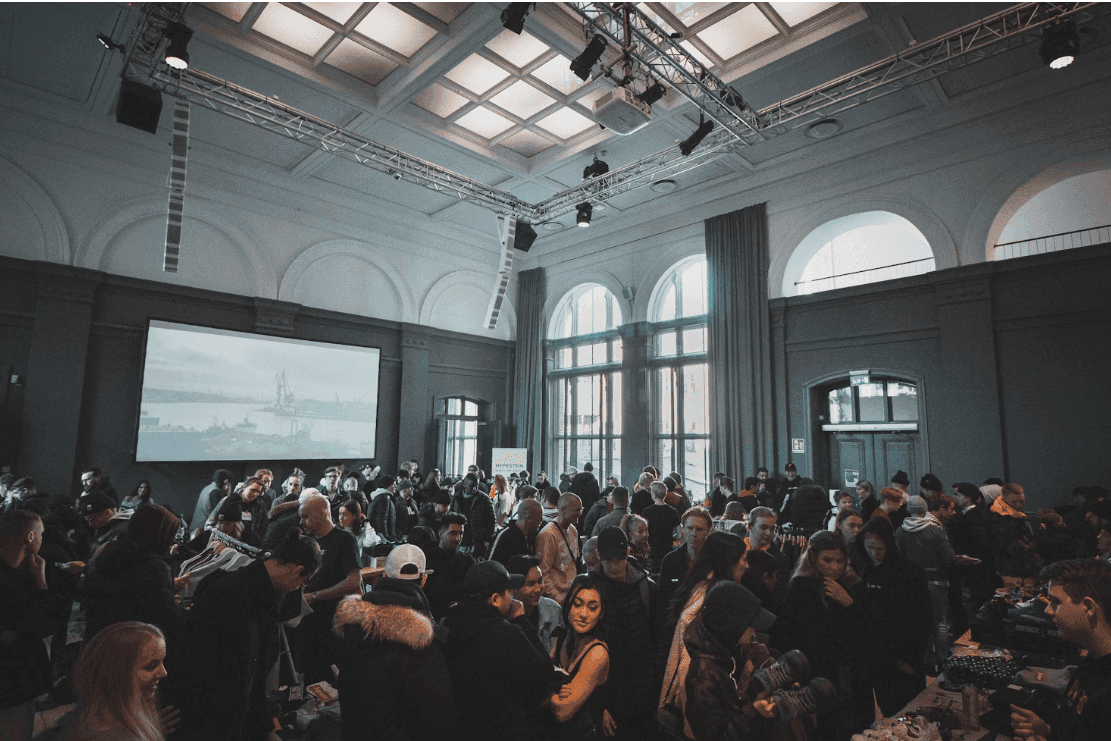
Within the MICE industry, the convention occupies a unique and crucial role. Bigger than a conference, more diverse than a trade show, and broader than a corporate meeting, a convention gathers thousands of participants, often spanning industries, professions, and disciplines. According to Allied Market Research, the global convention and exhibition sector is expected to surpass $1.8 trillion by 2031, underscoring its critical role as a driver of business and knowledge economies worldwide.
A convention is not just about attending sessions, it serves as a platform for industries, associations, and communities to connect, collaborate, and innovate.
What is a convention?
A convention is a large-scale gathering of people with a shared professional, academic, or community interest. It typically blends professional development, commercial objectives, and community building. Unlike conferences, which are primarily knowledge-sharing events, or trade shows that focus on commercial display, a convention integrates multiple formats: keynotes, workshops, exhibitions, social events, and extensive networking opportunities.
Synonyms for convention include assembly and gathering, though the term convention specifically refers to structured, multi-day, large-scale professional events.
Modern relevance and challenges
Conventions continue to play a central role in many industries. They provide a platform to:
Showcase thought leadership and innovative solutions.
Strengthen professional communities across regions and sectors.
Generate commercial opportunities by blending exhibitions and networking.
Celebrate milestones, cultural identities, and sector-wide achievements.
However, conventions face several challenges in today's rapidly evolving event landscape:
Cost and ROI pressure: With companies needing to justify investments in travel and exhibition space, careful budgeting and strategic planning are required.
Sustainability expectations: Minimizing environmental impact, from energy-efficient venues to waste reduction initiatives, is now expected.
Hybrid demands: As digital platforms extend reach, conventions must balance physical and virtual engagement to accommodate broader participation.
Engagement fatigue: Participants now expect more interactive formats, personalized content, and opportunities for collaboration, moving beyond passive lecture formats.
These challenges are reshaping conventions, pushing them to become more purposeful and interactive, blending in-person and digital engagement with a focus on sustainability and experience.
Venues and contexts for conventions
Due to their size and complexity, conventions require large and adaptable venues. Common venue choices include:
Convention centers, equipped with plenary halls, breakout rooms, and exhibition spaces designed for large-scale events.
Hotels and resorts, often used for corporate or association conventions that combine sessions with leisure activities or one-day retreats.
University campuses, especially for academic or research-oriented conventions, fostering both learning and accessibility.
Hybrid platforms, providing digital spaces to include global participants who cannot attend physically.
Social and cultural components are also an integral part of conventions. From networking receptions to team-building activities and gala dinners, these elements help participants form lasting connections beyond formal sessions.
How to execute a convention successfully
Running a successful convention requires multi-layered planning and execution, ensuring that content, logistics, and participant experience align. Key best practices include:
Define clear objectives: Are you focusing on education, commerce, community, or a combination?
Develop a balanced programme: A well-rounded agenda includes plenary sessions, workshops, exhibitions, and social events to keep participants engaged.
Incorporate engagement elements: Use interactive tools such as apps, gamification, or collaborative workshops to sustain attention and enhance networking opportunities.
Master budget control: Employ budgeting strategies, similar to those used for corporate retreats, to ensure financial alignment with goals and ROI.
Manage logistics: Attention to detail is critical— from travel coordination and signage to interpretation services and accessibility for diverse participants.
Ensure inclusivity: Design your convention agenda with diversity, accessibility, and cultural sensitivity to reflect the values of a global, multi-disciplinary audience.
When executed well, a convention should transform scale into opportunity, creating an environment where attendees leave not only informed but inspired and empowered.
Trends and future outlook
The convention format is evolving rapidly, shaped by new business and societal expectations. Key trends include:
Hybrid-first models: Large in-person events, bolstered by virtual platforms, ensure global reach and wider engagement.
Sustainable design: Carbon-neutral venues, digital programmes, and reduced travel itineraries reflect the growing demand for eco-conscious events.
Personalized experiences: AI-driven matchmaking, curated agendas, and flexible session formats allow for more tailored experiences.
Blending retreats with conventions: Hybrid events combining traditional professional content with company retreats help foster deeper connection and alignment.
Data-driven optimization: Measuring satisfaction, lead generation, and long-term impact with analytics will help justify the ROI of conventions.
Conventions are not simply getting bigger—they are becoming more strategic, global, inclusive, and experience-rich, providing participants with more than just knowledge but also lasting memories and professional relationships.
Within the MICE industry, the convention occupies a unique and crucial role. Bigger than a conference, more diverse than a trade show, and broader than a corporate meeting, a convention gathers thousands of participants, often spanning industries, professions, and disciplines. According to Allied Market Research, the global convention and exhibition sector is expected to surpass $1.8 trillion by 2031, underscoring its critical role as a driver of business and knowledge economies worldwide.
A convention is not just about attending sessions, it serves as a platform for industries, associations, and communities to connect, collaborate, and innovate.
What is a convention?
A convention is a large-scale gathering of people with a shared professional, academic, or community interest. It typically blends professional development, commercial objectives, and community building. Unlike conferences, which are primarily knowledge-sharing events, or trade shows that focus on commercial display, a convention integrates multiple formats: keynotes, workshops, exhibitions, social events, and extensive networking opportunities.
Synonyms for convention include assembly and gathering, though the term convention specifically refers to structured, multi-day, large-scale professional events.
Modern relevance and challenges
Conventions continue to play a central role in many industries. They provide a platform to:
Showcase thought leadership and innovative solutions.
Strengthen professional communities across regions and sectors.
Generate commercial opportunities by blending exhibitions and networking.
Celebrate milestones, cultural identities, and sector-wide achievements.
However, conventions face several challenges in today's rapidly evolving event landscape:
Cost and ROI pressure: With companies needing to justify investments in travel and exhibition space, careful budgeting and strategic planning are required.
Sustainability expectations: Minimizing environmental impact, from energy-efficient venues to waste reduction initiatives, is now expected.
Hybrid demands: As digital platforms extend reach, conventions must balance physical and virtual engagement to accommodate broader participation.
Engagement fatigue: Participants now expect more interactive formats, personalized content, and opportunities for collaboration—moving beyond passive lecture formats.
These challenges are reshaping conventions, pushing them to become more purposeful and interactive, blending in-person and digital engagement with a focus on sustainability and experience.
Venues and contexts for conventions
Due to their size and complexity, conventions require large and adaptable venues. Common venue choices include:
Convention centers, equipped with plenary halls, breakout rooms, and exhibition spaces designed for large-scale events.
Hotels and resorts, often used for corporate or association conventions that combine sessions with leisure activities or one-day retreats.
University campuses, especially for academic or research-oriented conventions, fostering both learning and accessibility.
Hybrid platforms, providing digital spaces to include global participants who cannot attend physically.
Social and cultural components are also an integral part of conventions. From networking receptions to team-building activities and gala dinners, these elements help participants form lasting connections beyond formal sessions.
How to execute a convention successfully
Running a successful convention requires multi-layered planning and execution, ensuring that content, logistics, and participant experience align. Key best practices include:
Define clear objectives: Are you focusing on education, commerce, community, or a combination?
Develop a balanced programme: A well-rounded agenda includes plenary sessions, workshops, exhibitions, and social events to keep participants engaged.
Incorporate engagement elements: Use interactive tools such as apps, gamification, or collaborative workshops to sustain attention and enhance networking opportunities.
Master budget control: Employ budgeting strategies, similar to those used for corporate retreats, to ensure financial alignment with goals and ROI.
Manage logistics: Attention to detail is critical— from travel coordination and signage to interpretation services and accessibility for diverse participants.
Ensure inclusivity: Design your convention agenda with diversity, accessibility, and cultural sensitivity to reflect the values of a global, multi-disciplinary audience.
When executed well, a convention should transform scale into opportunity, creating an environment where attendees leave not only informed but inspired and empowered.
Trends and future outlook
The convention format is evolving rapidly, shaped by new business and societal expectations. Key trends include:
Hybrid-first models: Large in-person events, bolstered by virtual platforms, ensure global reach and wider engagement.
Sustainable design: Carbon-neutral venues, digital programmes, and reduced travel itineraries reflect the growing demand for eco-conscious events.
Personalized experiences: AI-driven matchmaking, curated agendas, and flexible session formats allow for more tailored experiences.
Blending retreats with conventions: Hybrid events combining traditional professional content with company retreats help foster deeper connection and alignment.
Data-driven optimization: Measuring satisfaction, lead generation, and long-term impact with analytics will help justify the ROI of conventions.
Conventions are not simply getting bigger, they are becoming more strategic, global, inclusive, and experience-rich, providing participants with more than just knowledge but also lasting memories and professional relationships.
Within the MICE industry, the convention occupies a unique and crucial role. Bigger than a conference, more diverse than a trade show, and broader than a corporate meeting, a convention gathers thousands of participants, often spanning industries, professions, and disciplines. According to Allied Market Research, the global convention and exhibition sector is expected to surpass $1.8 trillion by 2031, underscoring its critical role as a driver of business and knowledge economies worldwide.
A convention is not just about attending sessions, it serves as a platform for industries, associations, and communities to connect, collaborate, and innovate.
What is a convention?
A convention is a large-scale gathering of people with a shared professional, academic, or community interest. It typically blends professional development, commercial objectives, and community building. Unlike conferences, which are primarily knowledge-sharing events, or trade shows that focus on commercial display, a convention integrates multiple formats: keynotes, workshops, exhibitions, social events, and extensive networking opportunities.
Synonyms for convention include assembly and gathering, though the term convention specifically refers to structured, multi-day, large-scale professional events.
Modern relevance and challenges
Conventions continue to play a central role in many industries. They provide a platform to:
Showcase thought leadership and innovative solutions.
Strengthen professional communities across regions and sectors.
Generate commercial opportunities by blending exhibitions and networking.
Celebrate milestones, cultural identities, and sector-wide achievements.
However, conventions face several challenges in today's rapidly evolving event landscape:
Cost and ROI pressure: With companies needing to justify investments in travel and exhibition space, careful budgeting and strategic planning are required.
Sustainability expectations: Minimizing environmental impact, from energy-efficient venues to waste reduction initiatives, is now expected.
Hybrid demands: As digital platforms extend reach, conventions must balance physical and virtual engagement to accommodate broader participation.
Engagement fatigue: Participants now expect more interactive formats, personalized content, and opportunities for collaboration, moving beyond passive lecture formats.
These challenges are reshaping conventions, pushing them to become more purposeful and interactive, blending in-person and digital engagement with a focus on sustainability and experience.
Venues and contexts for conventions
Due to their size and complexity, conventions require large and adaptable venues. Common venue choices include:
Convention centers, equipped with plenary halls, breakout rooms, and exhibition spaces designed for large-scale events.
Hotels and resorts, often used for corporate or association conventions that combine sessions with leisure activities or one-day retreats.
University campuses, especially for academic or research-oriented conventions, fostering both learning and accessibility.
Hybrid platforms, providing digital spaces to include global participants who cannot attend physically.
Social and cultural components are also an integral part of conventions. From networking receptions to team-building activities and gala dinners, these elements help participants form lasting connections beyond formal sessions.
How to execute a convention successfully
Running a successful convention requires multi-layered planning and execution, ensuring that content, logistics, and participant experience align. Key best practices include:
Define clear objectives: Are you focusing on education, commerce, community, or a combination?
Develop a balanced programme: A well-rounded agenda includes plenary sessions, workshops, exhibitions, and social events to keep participants engaged.
Incorporate engagement elements: Use interactive tools such as apps, gamification, or collaborative workshops to sustain attention and enhance networking opportunities.
Master budget control: Employ budgeting strategies, similar to those used for corporate retreats, to ensure financial alignment with goals and ROI.
Manage logistics: Attention to detail is critical— from travel coordination and signage to interpretation services and accessibility for diverse participants.
Ensure inclusivity: Design your convention agenda with diversity, accessibility, and cultural sensitivity to reflect the values of a global, multi-disciplinary audience.
When executed well, a convention should transform scale into opportunity, creating an environment where attendees leave not only informed but inspired and empowered.
Trends and future outlook
The convention format is evolving rapidly, shaped by new business and societal expectations. Key trends include:
Hybrid-first models: Large in-person events, bolstered by virtual platforms, ensure global reach and wider engagement.
Sustainable design: Carbon-neutral venues, digital programmes, and reduced travel itineraries reflect the growing demand for eco-conscious events.
Personalized experiences: AI-driven matchmaking, curated agendas, and flexible session formats allow for more tailored experiences.
Blending retreats with conventions: Hybrid events combining traditional professional content with company retreats help foster deeper connection and alignment.
Data-driven optimization: Measuring satisfaction, lead generation, and long-term impact with analytics will help justify the ROI of conventions.
Conventions are not simply getting bigger, they are becoming more strategic, global, inclusive, and experience-rich, providing participants with more than just knowledge but also lasting memories and professional relationships.
Naboo: your partner for convention excellence
Organising a convention requires seamless coordination between multiple stakeholders, logistical precision, and budget management. Naboo’s all-in-one platform provides efficiency, impact, and future-readiness for convention organisers.
With Naboo, you can:
Align convention agendas with broader corporate events.
Launch product showcases or industry milestones through conventions.
Strengthen company culture with employee engagement events.
Celebrate success with award ceremonies during convention social programmes.
By centralising operations, budgeting, and communication, Naboo ensures that conventions deliver maximum strategic and cultural value, helping you achieve your objectives with precision.Naboo: your partner for convention excellence
Organising a convention requires seamless coordination between multiple stakeholders, logistical precision, and budget management. Naboo’s all-in-one platform provides efficiency, impact, and future-readiness for convention organisers.
With Naboo, you can:
Align convention agendas with broader corporate events.
Launch product showcases or industry milestones through conventions.
Strengthen company culture with employee engagement events.
Celebrate success with award ceremonies during convention social programmes.
By centralising operations, budgeting, and communication, Naboo ensures that conventions deliver maximum strategic and cultural value, helping you achieve your objectives with precision.Naboo: your partner for convention excellence
Organising a convention requires seamless coordination between multiple stakeholders, logistical precision, and budget management. Naboo’s all-in-one platform provides efficiency, impact, and future-readiness for convention organisers.
With Naboo, you can:
Align convention agendas with broader corporate events.
Launch product showcases or industry milestones through conventions.
Strengthen company culture with employee engagement events.
Celebrate success with award ceremonies during convention social programmes.
By centralising operations, budgeting, and communication, Naboo ensures that conventions deliver maximum strategic and cultural value, helping you achieve your objectives with precision.