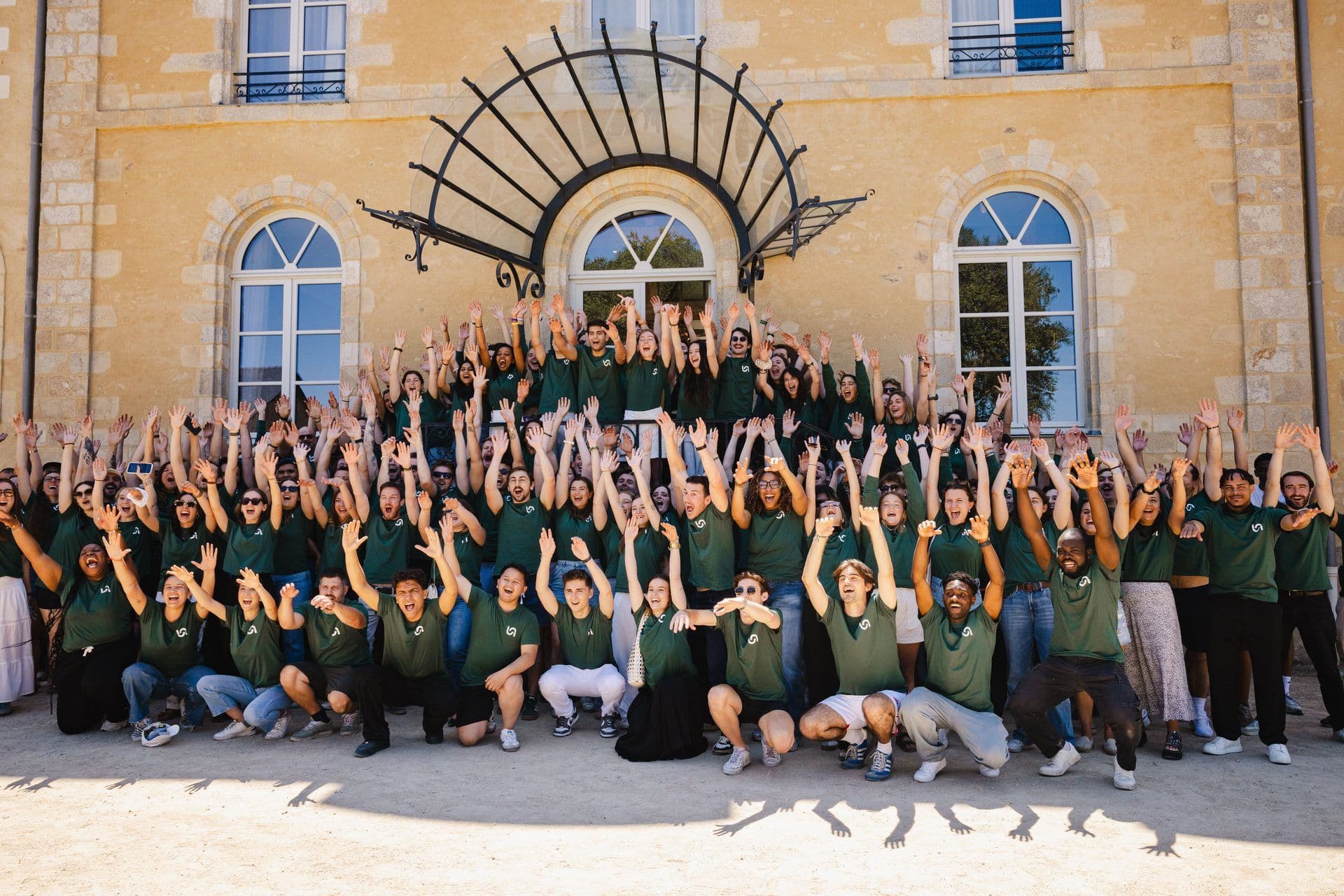
In a workplace shaped by hybrid schedules, constant digital noise, and high-speed organizational change, stepping away from the office has become one of the most reliable ways for a company to move forward. An offsite gives teams something the daily routine rarely offers: uninterrupted time to think, collaborate, and reconnect as human beings. Harvard Business Review reports that companies running regular offsites experience 30% higher alignment on strategic priorities, proving that offsites are no longer a luxury, they are a strategic necessity.
What an offsite really is today
An offsite is a company-organized gathering held away from the traditional workplace to focus on strategic direction, innovation, or cultural connection. It might be a one-day strategy session in a creative venue or a two-day working escape in a countryside estate. What defines an offsite is the deliberate removal of employees from their everyday environment, giving them space to think and collaborate without interruption.
Unlike multi-day retreats, which combine many layers of culture, work, and celebration, offsites tend to be shorter, more precise, and more focused. They offer clarity without burnout and structure without rigidity, providing just enough distance from routine for people to return with renewed purpose.
Why offsites matter more than ever
The modern workplace is fragmented, hybrid teams, global operations, and nonstop notifications make it harder than ever to align. Offsites matter because they create the rare conditions where strategic clarity emerges. Without operational distractions, teams can reset priorities, challenge assumptions, and agree on direction.
They also act as accelerators for creativity. A change of environment stimulates fresh thinking and helps teams generate ideas they wouldn’t have reached in the office. The psychological shift—new setting, new perspectives, makes people more open, curious, and engaged.
And then comes the cultural impact. Shared experiences outside the office strengthen trust, humanize leadership, and rebuild connection in hybrid teams. When colleagues share meals, collaborate in breakout rooms, or simply talk during a walk outdoors, relationships deepen and silos soften.
This combination of strategic focus and cultural renewal is why offsites consistently outperform standard meetings.
Where offsites create the greatest impact
Offsites are used across a wide range of organizational moments. Leadership teams rely on them to define long-term vision or reset priorities. Departments use them for quarterly planning, cross-functional collaboration, or major project alignment. Innovation teams leverage them for design sprints or brainstorming sessions that require uninterrupted creativity. Companies also integrate offsites into annual rhythms as a way to review KPIs, celebrate progress, or reconnect after periods of rapid growth.
The strongest offsites blend strategic discussion, deep collaboration, and lighter cultural moments, creating an experience that brings both clarity and cohesion.
How to design an offsite that works
A successful offsite begins long before participants arrive. The most common reason an offsite fails is a lack of clear objectives. Leaders must define the purpose: is the offsite designed for alignment, innovation, problem-solving, cultural refresh, or a combination of these?
Venue selection shapes the entire experience. A countryside lodge inspires reflection. An urban creative loft sparks innovation. A boutique hotel offers comfort and practicality. The environment must support the emotional tone of the day—focused, energizing, or restorative.
The agenda should mix structured sessions with informal interaction. A full day of back-to-back workshops will exhaust participants, while too much free time creates drift. The best offsites alternate between deep work, collaborative exercises, and small moments designed to reset focus.
Effective facilitation is essential. A skilled moderator keeps discussions on track, draws out quieter voices, and ensures that decisions become tangible action, not just talk. Good facilitation is what turns a meeting into a transformational conversation.
And finally, the offsite must not end when people go home. Follow-up is what converts ideas into results. Insights must be captured, shared, and integrated back into day-to-day work.
The challenges behind the scenes
Offsites are powerful, but they’re not simple. Logistics must be seamless, transportation, venue setup, meals, equipment, and overall timing demand precision. Budgets must be respected and justified. Cultural nuance is essential: what feels energizing for one team might feel uncomfortable for another. There is also the challenge of timing. If an offsite pulls employees away during a critical period, resentment can overshadow its value.
But the greatest risk is lack of structure. Without thoughtful design, an offsite can quickly become “just a nice day out” instead of a strategic milestone. Proper preparation is what distinguishes a forgettable outing from a transformative moment.
The future of offsites: Shorter, smarter, more purposeful
Offsites are evolving as work evolves. Companies increasingly integrate virtual elements so global teams can participate. Well-being is becoming a core component, with yoga, mindfulness, outdoor walks, and reflective exercises now standard additions.
Sustainability is shaping decisions too: eco-conscious venues, plant-forward menus, low-impact activities. More organizations are designing offsites around themes such as innovation, sustainability, diversity, or CSR, reinforcing values through shared experiences.
Another significant shift is frequency. Instead of relying on one major annual offsite, many companies now host quarterly micro-offsites, shorter, targeted sessions that maintain alignment all year long.
How Naboo transforms the offsite experience
Offsites deliver enormous value, but they are complex to plan. Naboo streamlines the entire process, centralizing venue sourcing, logistics, budgeting, agenda design, activities, and post-event follow-up into one intuitive platform.
Whether the goal is a leadership offsite, a strategy workshop, an innovation sprint, or a one-day team alignment session, Naboo ensures every detail is coordinated. The platform offers access to thousands of vetted venues, curated activity ideas, transparent budgeting tools, and dedicated event specialists.
With Naboo, offsites stop being operational headaches and become strategic catalysts.
Turning offsites into strategic milestones
Offsites succeed because they create an environment where clarity, creativity, and connection flourish, things the regular workday rarely allows. They help organizations slow down so they can accelerate with purpose. They strengthen culture at the moments it matters most. They bring teams together to define not just what they’re doing, but why they’re doing it.
A well-designed offsite becomes one of the most important moments in a company’s year.
And with Naboo, it becomes a moment that drives strategy, culture, and performance forward, effortlessly.