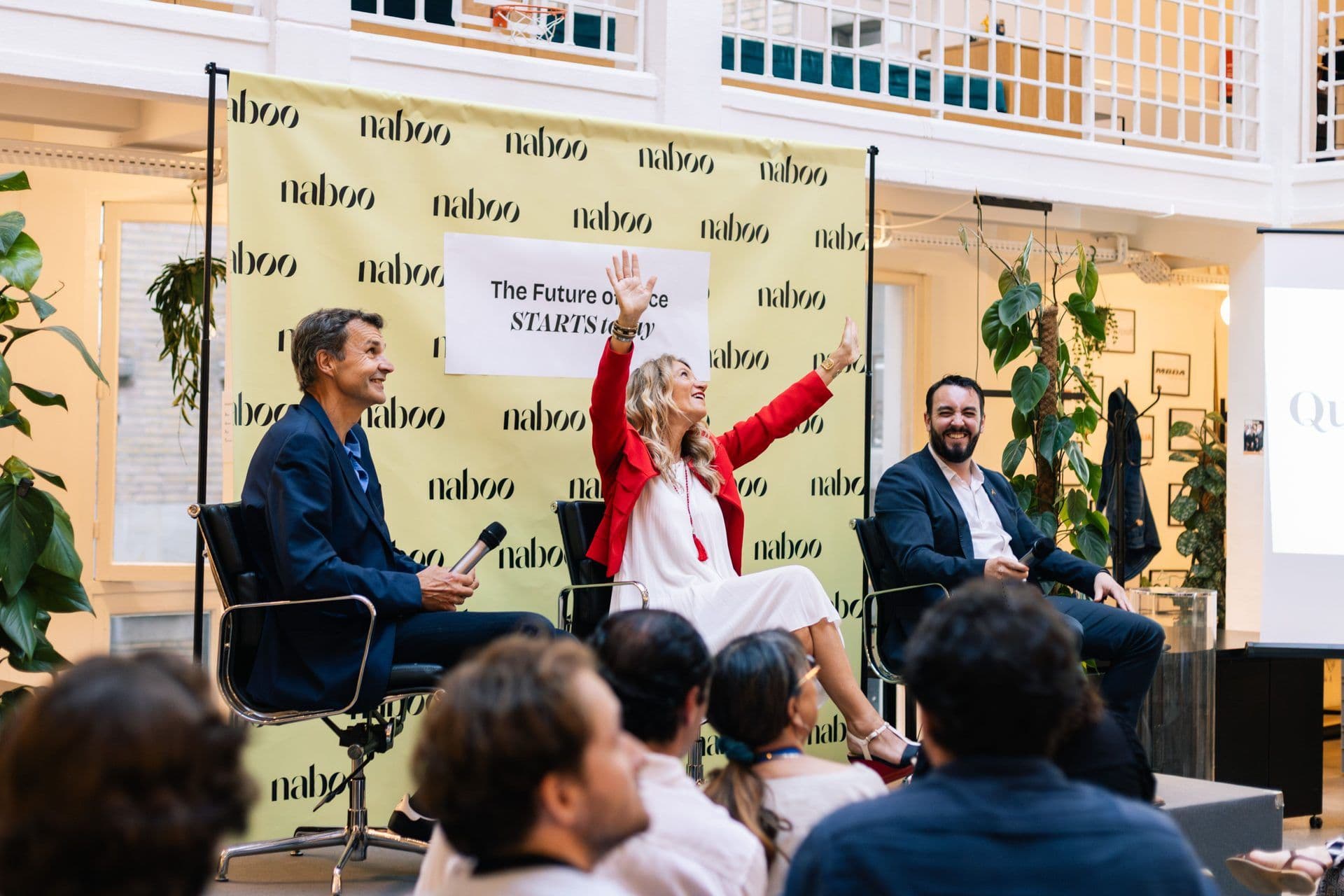
In modern conferences and corporate events, audiences no longer want to passively listen to endless presentations. They crave interaction, debate, and contrasting perspectives. This is where the panel discussion has become a defining format. By bringing together multiple experts on stage, a panel discussion creates a dynamic dialogue that informs, inspires, and engages attendees.
The appeal is measurable. According to a survey by MeetingsNet, 65% of attendees say panels are among the most engaging conference formats, outperforming solo lectures and static presentations (MeetingsNet). Done well, panel discussions strike the perfect balance between expertise and accessibility, creating value for both participants and audiences.
What is a panel discussion?
A panel discussion is a moderated conversation among a group of experts or practitioners, typically 3 to 5 speakers, who share their perspectives on a specific topic in front of an audience.
Key features include:
Moderator-led format to guide the conversation and manage time.
Multiple viewpoints presented in a dialogue format.
Audience interaction through Q&A or live polling.
Topical focus on issues relevant to the audience.
Unlike a roundtable, where discussions happen within a smaller, private group, the panel is performed for an audience, making it more dynamic and engaging.
Why panel discussions matter
Panel discussions bring unique advantages to events, particularly in knowledge-driven industries:
Diverse expertise: Multiple voices offer a variety of perspectives on a topic.
Dynamic interaction: Audiences experience dialogue rather than one-way communication.
Accessible insights: Complex ideas are broken down in a conversational, digestible style.
Networking catalyst: Panels often trigger deeper conversations during breaks.
Event marketing: Big-name panelists can increase visibility and attendance.
For conferences, trade shows, and congresses, panels are indispensable engagement tools that provide value and interaction for both the speakers and the audience.
Contexts where panel discussions are used
Panel discussions appear across various corporate and industry events:
Thought-leadership conferences: Debating industry challenges and future trends.
Symposia: Complementing academic papers with live dialogue.
Corporate summits: Executives share strategies with employees or partners.
Product launches: Showcasing innovation through multiple voices.
Hybrid events: Allowing virtual attendees to ask questions in real time.
Internal events: Cross-departmental panels for culture-building or employee engagement.
Panels are versatile, and the format can be adjusted to educate, persuade, or entertain, depending on the event’s objectives.
How to organize a successful panel discussion
Panel discussions succeed when they are curated, moderated, and audience-focused. Best practices include:
Choose the right panelists: Focus on diversity of perspectives over celebrity names.
Brief thoroughly: Share the objectives, themes, and sample questions in advance to keep the discussion on track.
Design for dialogue: Avoid long introductions or “mini-lectures” from panelists.
Empower the moderator: The moderator must manage time, balance voices, and stimulate interaction.
Engage the audience: Incorporate Q&A, live polls, or digital platforms to keep the audience involved.
Record and repurpose: Capture video or summaries for extended value post-event.
Track ROI and ROE: Use tools like corporate retreat budget frameworks to measure financial and attendee value.
The ultimate test: Did the audience leave feeling better informed, inspired, and connected?
Challenges of panel discussions
Panel discussions can deliver exceptional value, but they risk falling flat if not properly managed. Common pitfalls include:
Poor moderation: Conversations that wander or stall due to lack of direction.
Homogeneous viewpoints: Too much consensus and not enough debate.
Overstuffed panels: Too many speakers can reduce depth and clarity.
Dominating personalities: Ensuring balanced contributions from all panelists.
Audience disengagement: If audience questions are ignored, panels lose their impact.
Skilled facilitation and careful design are key to keeping panels vibrant and relevant.
Trends and future outlook
Panel discussions are evolving to meet the needs of modern audiences. Here are some of the latest trends:
Interactive panels: Using real-time polling, social media integration, or AI-curated questions to enhance audience interaction.
Fireside chat hybrids: Blending panels with one-on-one conversational interviews for a more personal touch.
Short-form panels: 20–30 minute formats cater to attention-limited audiences.
Inclusive representation: Increasing focus on gender, cultural, and generational diversity.
Cross-industry panels: Mixing perspectives from outside the field to drive innovation.
Experiential design: Linking panels with team-building activities or workshops to deepen outcomes.
The future of panels is shifting from lectures to dialogues, with a focus on authenticity, engagement, and meaningful audience experiences.
Naboo: your partner for panel discussion excellence
Panels may seem simple, but aligning participants, moderating effectively, and tracking outcomes demand professional support. Naboo’s all-in-one platform helps planners design, execute, and evaluate panels as part of a larger event strategy.
With Naboo, you can:
Integrate panels into exhibitions or conventions.
Manage speaker logistics within larger delegate management frameworks.
Track both ROI and ROE in connection with incentive programs.
Align panels with strategic outcomes from strategy offsites.
By consolidating logistics, communication, and analytics, Naboo transforms panels from one-time sessions into strategic assets.
With Naboo, you don’t just understand panel discussions, you master them
With Naboo, you don’t just understand panel discussions—you master them. Our all-in-one platform helps you seamlessly manage meetings, incentives, conferences, and exhibitions from A to Z. From venue sourcing to budget tracking, Naboo centralizes everything you need to guarantee the success of your events.