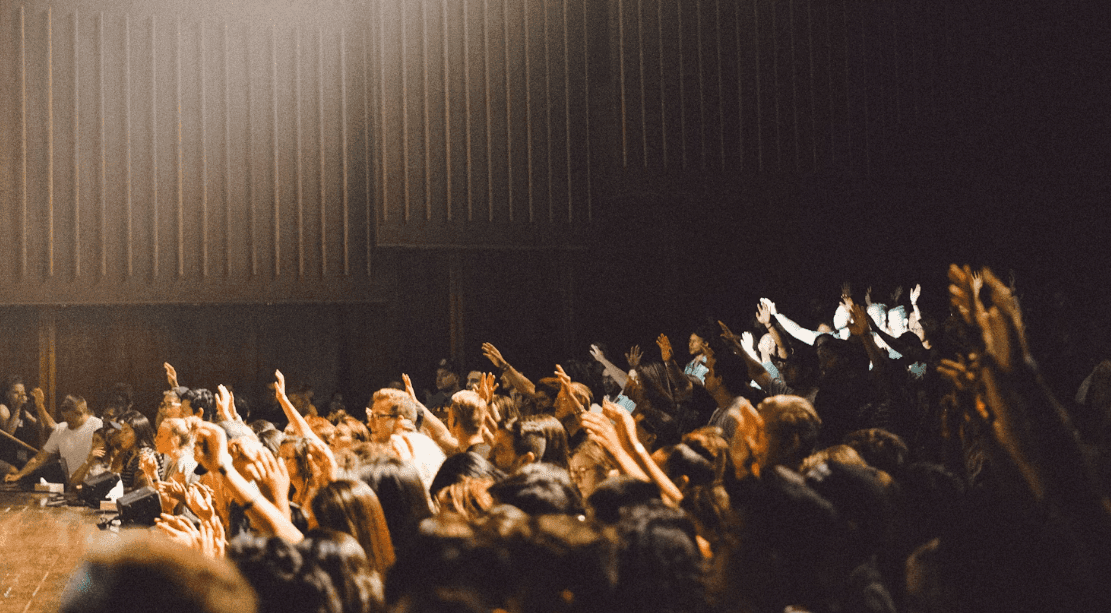
When companies or associations need to gather thousands of participants under one roof, the convention center becomes the go-to solution. These vast facilities, often architectural landmarks in their cities, are designed to handle complexity: plenary halls, exhibition areas, breakout rooms, catering zones, and sometimes entire districts dedicated to events.
Their role is strategic. According to the International Congress and Convention Association (ICCA), over 60% of global association meetings with more than 1,000 delegates take place in convention centers, confirming their dominance in large-scale event hosting (ICCA). Convention centers are not just buildings; they are ecosystems that sustain the global meetings industry.
What is a convention center?
A convention center is a purpose-built facility designed to host large-scale meetings, conventions, congresses, trade shows, and exhibitions. Unlike conference hotels, convention centers typically do not offer on-site accommodation but instead focus exclusively on event infrastructure.
Key characteristics include:
Massive capacity: auditoriums for thousands, exhibition halls spanning thousands of square meters.
Flexible layouts: modular rooms for parallel sessions, plenary sessions, or workshops.
Technical infrastructure: professional-grade AV, translation booths, rigging for exhibitions, hybrid-ready studios.
Exhibition space: areas for trade shows and product demos.
Catering and networking zones: dedicated halls for gala dinners, networking receptions, and coffee breaks.
Alternative terms include congress center, convention hall, or conference complex, depending on region.
Why convention centers matter
Convention centers play a critical role in the MICE industry because they enable scale and professionalism. They:
Facilitate mega-events: hosting 5,000+ attendees with logistical precision.
Attract international business: convention centers are anchors for business tourism.
Support economic growth: local economies benefit from hotels, restaurants, and transport linked to events.
Enable exhibitions and trade shows: with vast halls that conference hotels cannot provide.
Enhance brand visibility: staging events in iconic centers adds prestige.
Unlike hotels, convention centers specialize in scale, neutrality, and infrastructure, making them indispensable for global associations and multinational companies.
Contexts where convention centers are used
Convention centers are chosen for events where capacity and complexity exceed what hotels can provide. Examples include:
Industry conventions: multi-day gatherings of professionals across sectors.
Global congresses: academic or medical events hosting thousands of delegates.
Trade shows: product exhibitions requiring vast floor space.
Corporate annual meetings: multinational corporations staging high-stakes AGMs.
Experiential events: immersive brand activations needing flexibility.
Corporate festivals: large-scale celebrations of culture and achievement.
They are the engine rooms of scale in the MICE industry.
How to select and use a convention center effectively
Organizing an event in a convention center requires a different approach from booking a conference hotel. The stakes are higher, the scale is larger, and the logistics more complex. To maximize success, organizers should:
Define event scale and scope – clarify attendee numbers, exhibitor needs, and session formats (e.g., keynote speeches, workshops, gala dinners).
Assess infrastructure capacity – check room flexibility, exhibition halls, AV readiness, internet bandwidth, and hybrid event options.
Evaluate location and accessibility – convention centers must be near international airports, public transport, and sufficient hotel capacity.
Check service ecosystem – many centers partner with catering, AV, and security providers; ensure these match expectations.
Negotiate wisely – contracts can be highly complex; look for flexible cancellation policies, bundled services, and favorable terms for multi-year commitments.
Align with budgets – use structured approaches like corporate retreat budget planning to forecast F&B minimums, rental costs, and staffing.
Plan attendee flow – design signage, registration, and crowd movement to avoid bottlenecks.
The golden rule: a convention center must be an enabler, not a constraint. If the facility dictates the event design rather than supporting it, the wrong choice has been made.
Challenges of convention centers
While convention centers offer scale and prestige, they also present unique challenges for planners:
High costs: rental and mandatory service providers can absorb large portions of budgets.
Availability: prime dates are often booked years in advance.
Rigidity: some centers impose exclusive contracts for catering or AV, reducing flexibility.
Complex logistics: moving thousands of people requires expert planning.
Environmental impact: large events can create significant waste and energy use, increasing pressure to adopt green practices.
Local dependency: convention centers rely heavily on surrounding hotels, transport, and restaurants—any weakness impacts the event.
These risks highlight why professional sourcing and long-term planning are essential.
Trends and the future of convention centers
Convention centers are adapting to new expectations in the MICE industry. Emerging trends include:
Hybrid transformation: more centers are investing in broadcast studios for hybrid events.
Sustainable operations: solar energy, zero-waste catering, and LEED certifications are becoming standard.
Flexible design: modular walls, smart lighting, and multi-use spaces allow diverse event formats.
Digital integration: advanced apps for navigation, networking, and delegate management.
Experience design: using art, local culture, and architecture to turn convention centers into experiential events.
Economic anchor role: convention centers continue to act as catalysts for urban regeneration and business tourism.
The convention center of the future will be a hybrid-ready, sustainable, and experience-driven hub.
Naboo: your partner for convention center success
Coordinating an event in a convention center can feel overwhelming. Naboo simplifies this process by centralizing sourcing, logistics, and budget control.
With Naboo, you can:
Compare convention centers worldwide with smart filters.
Align venue choice with broader venue sourcing strategies.
Integrate accommodation planning with surrounding conference hotels.
Track expenses in real time through corporate retreat budget tools.
Combine large-scale events with curated team-building activities or one-day retreat ideas.
With Naboo, convention centers become manageable, not intimidating.
With Naboo, you don’t just understand convention centers, you master them
With Naboo, you don’t just understand convention centers, you master them. Our all-in-one platform helps you seamlessly manage meetings, incentives, conferences, and exhibitions from A to Z. From venue sourcing to budget tracking, Naboo centralizes everything you need to guarantee the success of your events.