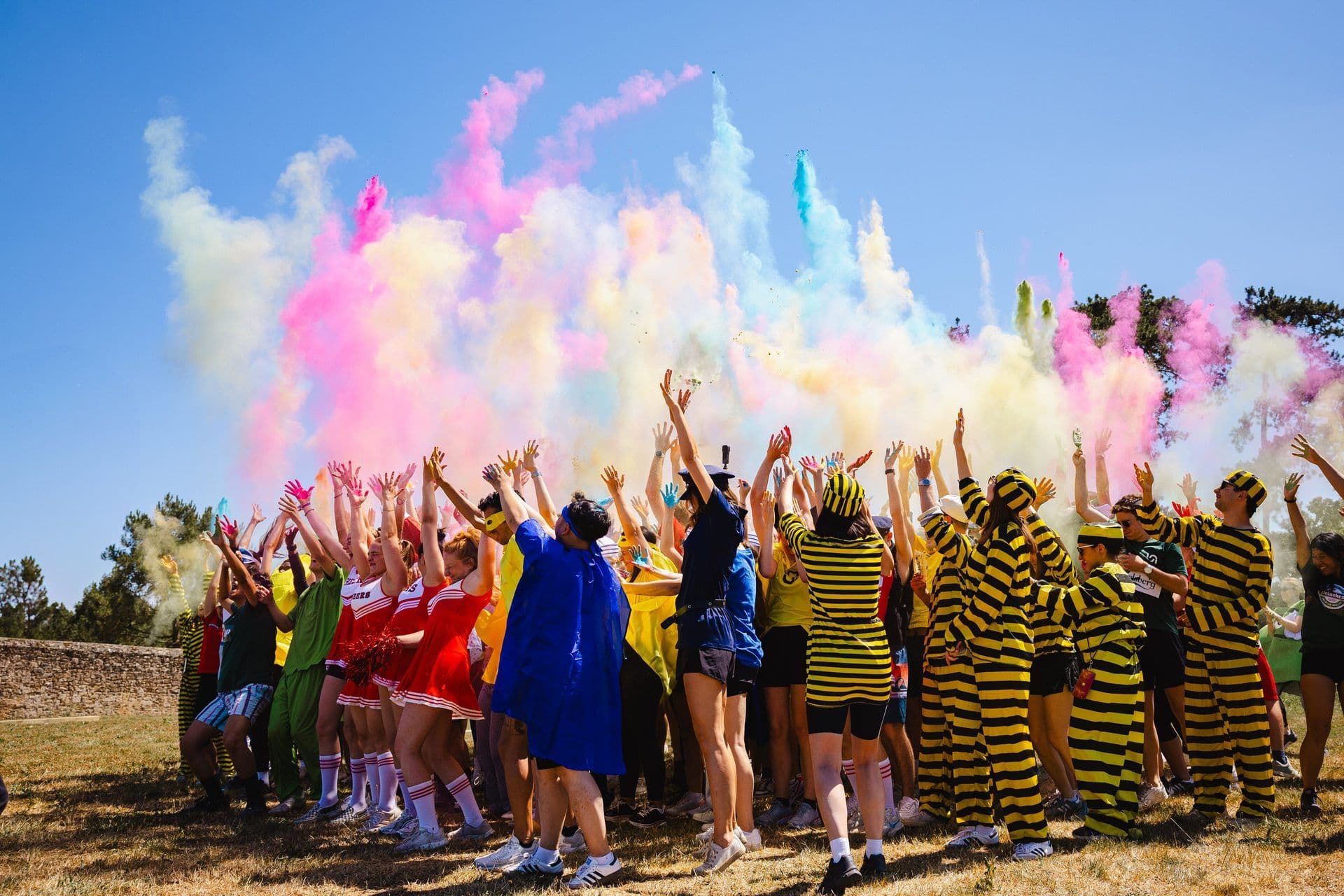
In a world saturated with digital messages and corporate presentations, standing out requires more than information. It requires experience. That's what an experiential event does—it creates immersive, interactive environments where participants engage, feel, and remember.
The numbers back it up. 85% of consumers are more likely to purchase after participating in an experiential event (EventTrack). For companies, experiential events are powerful tools for driving loyalty, sales, and culture.
What Is an Experiential Event?
An experiential event is a live or hybrid event designed to immerse participants in meaningful, interactive experiences that connect them emotionally to a brand, message, or community.
Core characteristics include:
Immersive design: creative staging, interactive technology, or sensory environments.
Active participation: attendees are co-creators, not passive listeners.
Emotional engagement: events evoke feelings of excitement, pride, or belonging.
Story-driven structure: messages are delivered through experiences rather than lectures.
Experiential events are sometimes called brand experiences, immersive activations, or live experiences, but all emphasize the same principle: making participants feel part of something.
Why Experiential Events Matter
Experiential events deliver what traditional formats don't: emotional connection. They:
Build loyalty: emotional memories stick longer than rational ones.
Differentiate brands: immersive experiences cut through market noise.
Drive advocacy: participants share experiences on social media.
Boost retention: immersive learning ensures messages stick.
Unite teams: shared moments strengthen culture.
Unlike a conference or seminar, experiential events prioritize feeling before learning.
Contexts Where Experiential Events Are Used
Experiential events span external marketing campaigns and internal corporate gatherings. Common contexts include:
Brand activations: pop-up experiences or product trials.
Product launches: immersive demos highlighting innovation.
Employee engagement events: combining work with team-building activities.
CSR events: sustainability-themed experiences that involve employees and communities.
Leadership retreats: using experiential design to reinforce values and alignment.
Roadshows: multi-city immersive campaigns bringing a brand to life.
Training and learning: workshops transformed into simulations or gamified learning.
The common thread: experiential events make audiences participants, not spectators.
How to Design a Successful Experiential Event
Effective experiential events combine creativity with logistics. Key principles:
Define the emotional goal: what do you want participants to feel?
Build around storytelling: design environments that reinforce a narrative.
Incorporate technology strategically: VR, AR, and apps amplify immersion without overshadowing content.
Balance work and play: blend education with sensory and cultural activities.
Design for shareability: create memorable touchpoints people want to post about.
Manage costs carefully: align innovation with budget frameworks like corporate retreat budgets.
Measure impact: track engagement, sentiment, and advocacy beyond attendance numbers.
Plan follow-up: extend the experience digitally or through community platforms.
The strongest experiential events connect strategy, creativity, and execution seamlessly.
Challenges of Experiential Events
Experiential events come with real obstacles:
High costs: immersive setups and technology strain budgets quickly.
Execution complexity: logistics must be flawless to maintain immersion.
Scalability issues: designs that work for 100 people may fail at 1,000.
Measurement difficulty: quantifying "emotional impact" requires creative metrics.
Overdesign risk: too much spectacle overshadows the message.
Solutions include clear objectives, careful vendor management, and outcome-focused planning.
Trends and Future Outlook
Experiential events are shifting as technology and expectations evolve. Current trends:
Hybrid experiential design: blending live immersion with digital participation.
Sustainability focus: eco-conscious designs and zero-waste setups.
Personalization at scale: AI-driven experiences tailored to each participant.
Wellness integration: mindfulness and nature built into programs.
Short-form pop-ups: smaller events deployed across multiple locations.
ROE over ROI: focus on Return on Experience as a success metric.
Cross-sector adoption: from conventions to company retreats.
The future of experiential events: immersive, sustainable, and deeply personal.
Naboo: Your Partner for Experiential Event Excellence
Building experiential events requires creativity and precision. Naboo simplifies the process across the entire lifecycle.
With Naboo, you can:
Integrate experiential activations into trade shows