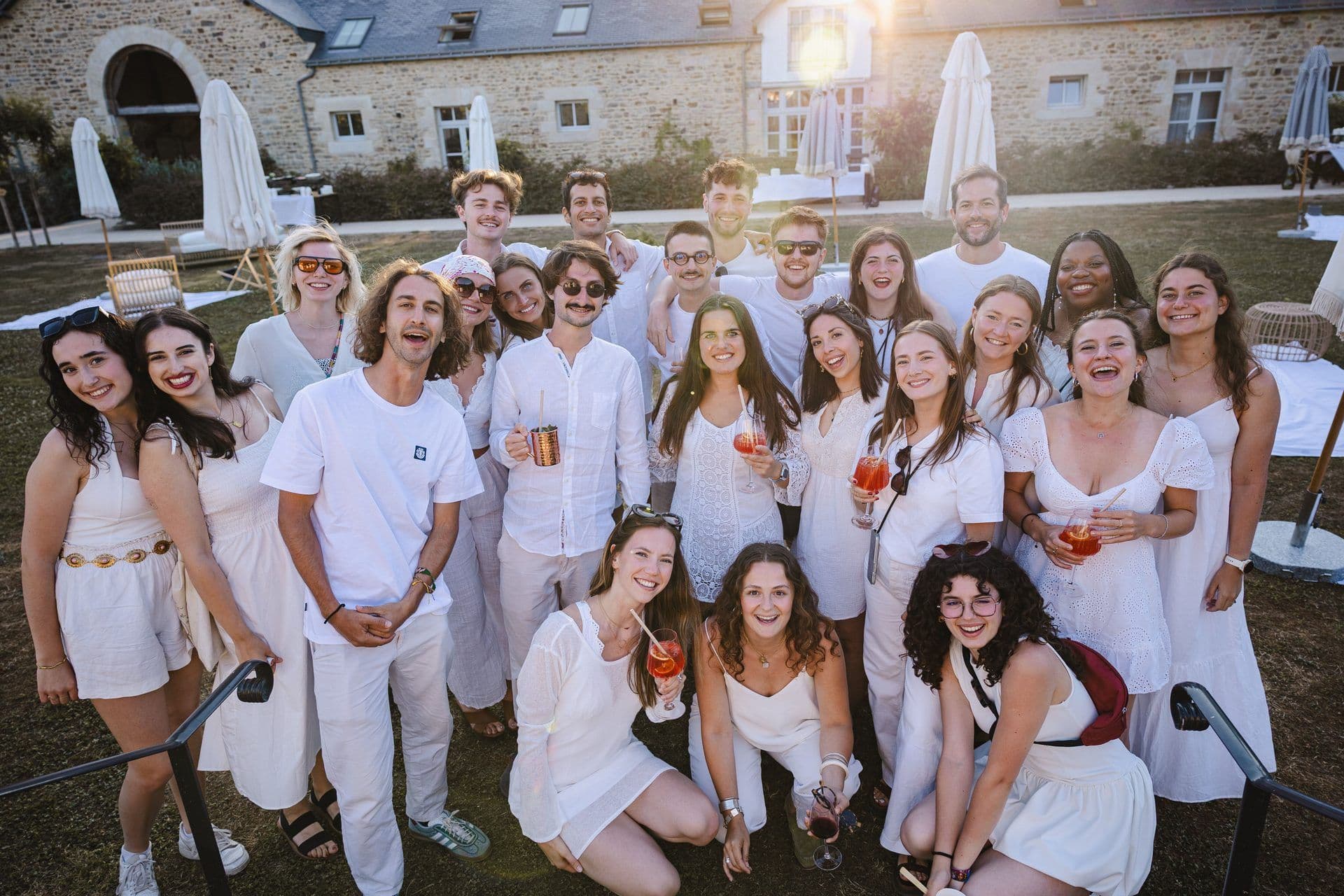
Culture is not built through policy documents or top down announcements. It emerges from shared moments, collective pride, and experiences that bring people together. A corporate festival does exactly that. It transforms the workplace into a community, giving employees a chance to celebrate, connect, and feel part of something larger.
The trend is growing across Canada, the United States and Europe. Forbes reports that nearly seventy percent of employees say they would work harder if they felt more recognized. Corporate festivals meet that need by creating environments where recognition is public, emotional, and memorable. They turn appreciation into experience, and experience into culture.
What began as summer parties or staff appreciation days has evolved into one of the most meaningful tools for engagement. Today’s corporate festival blends entertainment, wellness, storytelling, and strategy, offering companies a powerful platform to reinforce identity, loyalty, and belonging.
What is a corporate festival
A corporate festival is a large scale celebration organized by a company to recognize employees, celebrate major milestones, and strengthen culture through immersive activities and community building. It borrows from the format of music or cultural festivals, combining multiple stages, zones, and interactive experiences into one cohesive celebration.
Core features often include:
A festival inspired layout with stages, lounges, creative zones and activity areas
Programming that mixes entertainment, workshops, recognition moments and leadership messages
Inclusive participation open to employees of all levels and often extended to families and partners
An atmosphere focused on celebration, connection and shared identity
Whether called a company festival, culture festival or employee festival, the intent remains the same. It is an opportunity to celebrate people in a setting that feels exciting, inclusive and full of energy.
Why corporate festivals matter
Corporate festivals matter because they connect organisational goals with human emotion. They celebrate achievements, reinforce values, and help employees feel seen and appreciated. For many companies, they have become the missing piece of culture building.
These events offer benefits that traditional formats often cannot deliver:
Celebration that feels real
Milestones and accomplishments are recognized publicly, turning efforts into moments of pride.
Culture that becomes tangible
Values like teamwork, creativity or resilience are brought to life through shared experiences.
Stronger morale
After demanding quarters or major projects, festivals offer motivation and emotional renewal.
Greater loyalty
Employees who feel valued are more likely to stay, reducing turnover and disengagement.
Employer brand visibility
A festival showcases company culture to future talent and reinforces identity for clients and partners.
Unlike gala dinners which are formal and selective, festivals are inclusive, casual, and built around participation.
Where corporate festivals are most commonly used
Corporate festivals take on many shapes depending on objective and company culture. Common contexts include:
Annual festivals
Large yearly celebrations that bring departments and regions together.
Milestone celebrations
Marking anniversaries, IPOs, record breaking years, or major organizational achievements.
CSR focused events
Combining celebration with community service, sustainability activities or charity partnerships.
Employee engagement festivals
Blending team building, leadership messages, and recognition into a single comprehensive experience.
Hybrid festivals
Live celebrations enriched with livestreamed content for global teams.
Cultural integration festivals
Used during mergers or rapid growth to unify diverse teams under a shared identity.
Where company retreats focus on strategy and reflection, corporate festivals focus on joy and collective belonging.
How to plan a successful corporate festival
Designing a corporate festival requires creativity, thoughtful planning, and flawless execution. The most successful festivals feel effortless to attendees but are the result of meticulous coordination.
Key considerations include:
Clarifying the purpose
Determine whether the festival is centered on recognition, culture building, milestones or morale.
Selecting the right venue
Outdoor spaces, arenas, recreation parks, and large hotels offer flexibility for multi zone layouts.
Curating diverse programming
Blend concerts, interactive workshops, leadership fireside chats, wellness sessions, cultural showcases, and food experiences.
Involving employees in planning
Invite teams to co create experiences, host booths, or showcase talents to increase engagement.
Managing large scale logistics
Stage design, sound, lighting, catering, transportation, safety, accessibility and space flow require professional oversight.
Balancing costs and impact
Large festivals are significant investments, and budgeting frameworks similar to those used for corporate retreats help optimize spending.
Embedding recognition
Integrate awards, spotlights, storytelling, or symbolic rituals that honour teams and individuals.
The best festivals leave employees feeling seen, energized, and proud of where they work.
The challenges of corporate festivals
Corporate festivals are inspiring but complex and they require careful management to avoid pitfalls.
Budget pressure
Large venues, entertainment and production costs can be substantial.
Logistical complexity
Weather issues, crowd flow, or technical challenges can impact the experience.
Cultural sensitivity
Festivals must resonate with a diverse workforce across backgrounds, generations and locations.
Risk of prioritizing spectacle over substance
An event heavy on entertainment but light on meaning may feel hollow.
Sustainability expectations
Employees increasingly expect large events to minimize environmental impact, from waste management to transportation.
These challenges underscore the importance of thoughtful planning rooted in authenticity.
How corporate festivals are evolving
As workplaces evolve, so do corporate festivals. Several key trends are shaping the future of these celebrations.
Purpose driven celebrations
Companies are integrating themes like sustainability, volunteering and diversity into festival programming.
Family friendly formats
Inviting spouses and children reinforces community and broadens emotional connection.
Hybrid and global celebrations
Content is livestreamed to remote offices worldwide, making the festival a global experience.
Experience led design
Festivals are curated like multi sensory experiences, with immersive installations or creative zones.
Wellness first programming
Yoga, meditation spaces, healthy food, and recovery lounges support well being.
Personalisation
Different zones appeal to different interests, from quiet lounges to high energy concerts.
Return on experience measurement
ROE is becoming a common metric to evaluate impact alongside traditional KPIs.
The future of corporate festivals is inclusive, meaningful, and deeply aligned with company values.
Naboo, your partner for corporate festival success
A corporate festival is one of the most ambitious events an organisation can plan. It requires the coordination of multiple stages, vendors, teams, program streams and communication channels. Naboo brings structure to this complexity, allowing companies to deliver large scale celebrations with confidence.
With Naboo, organisations can:
Design immersive corporate festivals as part of broader engagement strategies
Build festival programming alongside one day retreat concepts
Track expenses with accurate budgeting tools
Integrate recognition moments found in award ceremonies or employee appreciation events
Blend entertainment with culture driven content
Support hybrid participation for distributed teams
Naboo ensures that corporate festivals are not only enjoyable but also aligned with culture and business objectives.
With Naboo, you don’t just host corporate festivals, you bring culture to life
Corporate festivals demand creativity, coordination, and a deep understanding of how culture is built. Naboo gives organisations the structure and tools needed to turn these celebrations into defining moments.
From venue sourcing to supplier management, from participant logistics to program flow, Naboo centralizes every detail so your festival becomes not just an event but a cultural milestone that strengthens connection and pride.