event sponsorship works when you start with the audience, price every asset, and shape the offer around clear business outcomes.
Use the tactics here to qualify sponsors, build stronger proposals, and keep the relationship moving from first contact to renewal.
The result is a cleaner process and a package that is easier to explain, negotiate, and deliver.
Key takeaways
- Start with the audience value proposition, then price every asset before you sell it. Use post-event surveys and registration data to show who attends, why they attend, and what each sponsorship asset is worth.
- Build tiered packages with clear upgrade paths. Bronze, Silver, Gold, and title partner levels work when each step adds something distinct, from visibility and reach to private access to decision-makers after the event.
- Qualify prospects against a partner profile, then check competitor sponsorship ecosystems for context. Look for shared audience demographics, brand values, a history of supporting industry events, and current marketing priorities before you reach out.
- Shape proposals around the sponsor's own priorities and business outcomes. Use recent press releases, social activity, annual reports, lead generation goals, and regional targets such as Manchester or the surrounding area to make the offer specific.
- Use experiential sponsorship to give partners a visible role in the event. Branded charging stations, themed networking lunches, and co-hosted breakout sessions add engagement, data capture, and social sharing beyond a logo placement.
- Agree fulfilment metrics before the contract is signed, then report back after delivery. Impressions, clicks, lead quality, booth traffic, and social engagement give sponsors proof, while regular contact after the event keeps the relationship warm for future funding.
1. Define the unique audience value proposition
Start by showing exactly who attends and why that matters. Sponsors are buying access to a specific audience, so your proposition should cover job titles, purchasing power, industry pain points, and the reasons people choose your event over others.
Post-event surveys and registration data help you go beyond surface-level demographics. That detail gives you a sharper first conversation and makes every later meeting easier to ground in evidence.
Group setup: the whole team at once
Best for: building a sponsor proposition from audience data
How to apply: Use post-event surveys and registration data to define who attends. Include job titles, purchasing power, industry pain points, and why people choose your event over others. Lead with that audience detail when you speak to sponsors. Keep the first conversation grounded in evidence.
2. Calculate true event asset valuation
Price every asset before you sell it. Naming rights are only one part of the picture. Email access, content slots, speaker introductions, product demos, and post-event reporting all carry value, and each one should be counted.
When you know what each item is worth, you avoid underpricing and gain room to negotiate without weakening the offer. That clarity also helps sponsors see that the package is structured, not improvised.
Group setup: the whole team at once
Best for: setting values before sponsor negotiations
How to apply: List every asset and assign a value before you sell. Include naming rights, email access, content slots, speaker introductions, product demos, and post-event reporting. Use those values to avoid underpricing. Present the package as structured rather than improvised.
3. Develop tiered asset mapping
Build packages in clear tiers rather than one flat offer. Bronze, Silver, Gold, and title partner levels work only if each step adds something distinct and worth the jump.
A higher tier might include private access to decision-makers after the event, while a lower one may focus on visibility and reach. Use the tiered structure as a menu, then let serious partners combine the pieces that match their goals.
Group setup: the whole team at once
Best for: creating sponsor packages with clear upgrade paths
How to apply: Set out Bronze, Silver, Gold, and title partner levels. Make sure each tier adds something distinct and worth the jump. Use the structure as a menu. Let serious partners combine the pieces that match their goals.
4. Create the ideal partner profile
Targeting the wrong companies wastes time and weakens momentum. A strong partner profile should include shared audience demographics, brand values, a history of supporting industry events, and current marketing priorities.
If a prospect is launching a product or pushing into a new market, that may be a strong fit. The point is simple: focus on companies that match most of your criteria, rather than chasing anyone with a budget.
Group setup: the whole team at once
Best for: qualifying sponsor prospects
How to apply: Build a partner profile with shared audience demographics, brand values, a history of supporting industry events, and current marketing priorities. Look for prospects launching a product or pushing into a new market. Focus on companies that match most of your criteria. Do not chase anyone with a budget.
5. Research competitor sponsorship ecosystems
Look at who supports similar events and conferences. That tells you which companies already understand the market and what they are likely paying for access.
Use that information to shape your own offer, not to copy someone else's. The goal is to show a stronger case for return on investment and a clearer fit for the audience you bring together. Good research makes your first outreach more credible.
Group setup: the whole team at once
Best for: benchmarking sponsor demand and pricing context
How to apply: Review who supports similar events and conferences. Note which companies already understand the market and what they are likely paying for access. Use that information to shape your own offer. Make your first outreach more credible by showing a stronger case for return on investment and audience fit.
6. Build hyper-customised proposals
Generic decks rarely land. A strong proposal should reflect the prospect's recent press releases, social activity, and annual reports, then connect those signals to your event.
If a company wants leads in the North West of England, say how your event can deliver qualified contacts from Manchester or the surrounding area. The more directly the proposal speaks to their priorities, the easier it is to move the conversation forward.
Group setup: the whole team at once
Best for: creating sponsor proposals that speak to a specific prospect
How to apply: Use the prospect's recent press releases, social activity, and annual reports in the proposal. Connect those signals to your event. If they want leads in the North West of England, show how you can deliver qualified contacts from Manchester or the surrounding area. Keep the proposal tied to their priorities.
7. Structure packages around business outcomes
Lead with outcomes, not exposure. Sponsors want evidence that the partnership will support lead generation, speaking time with decision-makers, or stronger brand visibility.
Frame the package around measurable results rather than vague awareness. That shift changes the tone of the conversation and makes the follow-up meeting more practical. It also helps the sponsor judge the offer against internal targets instead of comparing it to advertising alone.
Group setup: the whole team at once
Best for: positioning sponsorship around business results
How to apply: Describe the package in terms of lead generation, speaking time with decision-makers, and stronger brand visibility. Frame it around measurable results rather than vague awareness. Use that language in the first conversation and the follow-up meeting. Help the sponsor compare the offer against internal targets.
8. Prioritise experiential sponsorship opportunities
Build the offer into the event experience itself. Branded charging stations, themed networking lunches, and co-hosted breakout sessions give sponsors a visible role and create more meaningful engagement with attendees.
These activations can also support data capture and social sharing, which adds another layer of value. Avoid vanity placements that only deliver a logo. Partners who take part in the experience usually have a stronger reason to stay involved.
Group setup: the whole team at once
Best for: adding sponsor value through live activations
How to apply: Use branded charging stations, themed networking lunches, and co-hosted breakout sessions as part of the event experience. Make sure the sponsor has a visible role. Use the activation to support data capture and social sharing. Avoid placements that only deliver a logo.
9. Implement a phased outreach pipeline
Treat sponsor acquisition like a proper sales process. A clear pipeline should move from research and qualification to initial contact, discovery call, proposal, meeting, negotiation, and contracting.
Track each step so nothing slips. The first email should be personal and brief, not a mass send with the full deck attached. Ask for a short discovery call and reference a specific reason the event fits their current goals.
Group setup: the whole team at once
Best for: building a structured sponsor pipeline
How to apply: Move from research and qualification to initial contact, discovery call, proposal, meeting, negotiation, and contracting. Track each step so nothing slips. Keep the first email personal and brief. Ask for a short discovery call and reference a specific reason the event fits their current goals.
10. Master the initial discovery call
Use the discovery call to gather facts, not to close the deal. Ask about the prospect's pain points, budget split, target audience for the next six months, and how they define success for event partnerships.
Those answers shape the proposal and keep the later meeting grounded in their priorities. If you listen properly here, the pitch becomes sharper, shorter, and far more relevant to the person on the other end.
Group setup: the whole team at once
Best for: gathering the facts that shape the proposal
How to apply: Use the call to ask about pain points, budget split, target audience for the next six months, and how they define success for event partnerships. Do not use it to close the deal. Let the answers shape the proposal and keep the later meeting grounded in their priorities. Listen properly so the pitch becomes sharper, shorter, and more relevant.
11. Negotiate mutual value exchange
Good partnerships work both ways. While you may be seeking funding, the sponsor may want access to your experts, promotion to internal networks, or a webinar slot that supports their wider plan.
Be ready to offer value that costs little but matters to them. That approach makes the deal feel balanced and gives you more room to shape a package that lasts beyond a single event cycle.
Group setup: the whole team at once
Best for: creating a balanced sponsorship package
How to apply: Be ready to offer value that costs little but matters to the sponsor. Consider access to your experts, promotion to internal networks, or a webinar slot that supports their wider plan. Use that exchange to make the deal feel balanced. Shape a package that can last beyond a single event cycle.
12. Execute the targeted sponsorship meeting pitch
Keep the formal meeting short and focused. Aim to spend most of the time on the solution and the return, not on a long introduction or a pricing debate.
Bring the data from the discovery call into the room and use it to frame the opportunity. Stay flexible, but do not rush to discount. A disciplined meeting shows that you understand both the event and the sponsor's business.
Group setup: the whole team at once
Best for: a focused sponsorship pitch meeting
How to apply: Keep the meeting short and focused. Spend most of the time on the solution and the return, not on a long introduction or a pricing debate. Bring the discovery call data into the room and use it to frame the opportunity. Stay flexible, but do not rush to discount.
13. Define clear fulfilment metrics and reporting
Agree the success measures before the contract is signed. Impressions, clicks, lead quality, booth traffic, and social engagement are all useful if they match the package.
After the event, send a report that shows what was delivered against each promise. That report is more than admin. It becomes the evidence you need for the next conversation and gives the sponsor a reason to trust the process again.
Group setup: the whole team at once
Best for: setting reporting and proof points before delivery
How to apply: Agree the success measures before the contract is signed. Use impressions, clicks, lead quality, booth traffic, and social engagement if they match the package. After the event, send a report showing what was delivered against each promise. Use that report as evidence for the next conversation and to build trust again.
14. Cultivate year-round partner relationships
Do not let the relationship go quiet once the event ends. Keep in touch with relevant updates, invite partners to smaller networking moments in cities such as Cardiff or Glasgow, and ask for feedback on future plans.
Regular contact keeps your event top of mind and makes annual funding easier to discuss. Sponsors are more likely to return when they feel known, not just sold to once a year.
Group setup: the whole team at once
Best for: keeping sponsors warm between events
How to apply: Keep in touch with relevant updates after the event ends. Invite partners to smaller networking moments in cities such as Cardiff or Glasgow. Ask for feedback on future plans. Keep the contact regular so your event stays top of mind and annual funding is easier to discuss.
15. Run post-event analysis and renewal planning
Renewal starts as soon as the event is over. Review which partnerships performed well, why they worked, and what should change next time.
Then schedule a renewal meeting with successful partners within 30 days of the final report. Bring a fresh proposal that builds on the previous year's results and addresses the sponsor's next set of priorities. That timing keeps momentum alive and helps secure future support early.
Group setup: the whole team at once
Best for: planning renewal straight after delivery
How to apply: Review which partnerships performed well, why they worked, and what should change next time. Schedule a renewal meeting with successful partners within 30 days of the final report. Bring a fresh proposal that builds on the previous year's results and addresses the sponsor's next set of priorities. Keep the timing tight to maintain momentum and secure future support early.
Where to host event sponsorship
The venue decides which sponsorship ideas will work, because space, flow, and audience access shape every activation. Each type below includes a real Naboo venue that can host it.
A venue with a reception hall
A venue with a reception hall suits define the unique audience value proposition and build hyper-customised proposals because the setting already gives sponsors a clear story to buy into. With indoor and outdoor spaces, daylight, and a mix of formal and informal rooms, you can shape packages around different business outcomes without forcing every partner into the same format.
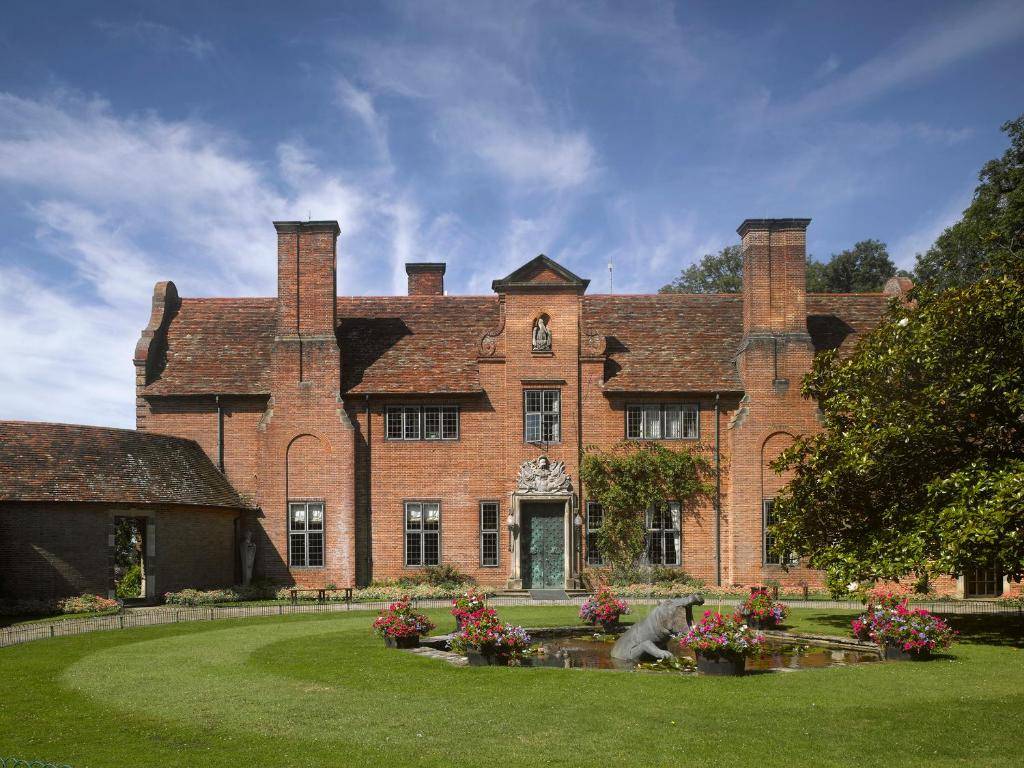
Port Lympne Hotel & Reserve is in Lympne, England. Set within private parkland in Kent, it combines a historic mansion with a wildlife reserve environment and Italian-style gardens, with event spaces including The Pergola, The Orangery, the Moroccan Courtyard, The Mansion, The Long Room and the Spencer Roberts Room.
Frequently asked questions
What makes event sponsorship work in the first place?
Event sponsorship works when fit is stronger than volume. Sponsors want access to a defined audience, clear outcomes, and a reason to renew, so the offer should centre on attendee quality, measurable value, and a pitch that feels specific to the property and the people in the room.
How do you choose the right sponsor?
Choose sponsors that match most of your criteria, not anyone with a budget. A strong partner profile includes shared audience demographics, brand values, a history of supporting industry events, and current marketing priorities, with extra weight for prospects launching a product or pushing into a new market.
How do you run sponsorship well once the conversation starts?
Run it like a proper sales process. Move from research and qualification to initial contact, discovery call, proposal, meeting, negotiation, and contracting, and keep the first email personal and brief with a specific reason the event fits their current goals.
How should you package sponsorship for different budgets and goals?
Use clear tiers and make each step add something distinct and worth the jump. Bronze, Silver, Gold, and title partner levels work well when the structure acts like a menu, and serious partners can combine the pieces that match their goals.
What group size works best when building a sponsor proposition?
The whole team at once works best for building a sponsor proposition from audience data and for setting values before sponsor negotiations. It helps you define who attends, price every asset before you sell it, and keep the first conversation grounded in evidence.
How do you adapt sponsorship for remote or hybrid teams?
Use the same evidence-led approach and keep the proposal tied to the prospect's priorities. Recent press releases, social activity, and annual reports help you connect the offer to their goals, whether they want leads in the North West of England or qualified contacts from Manchester or the surrounding area.