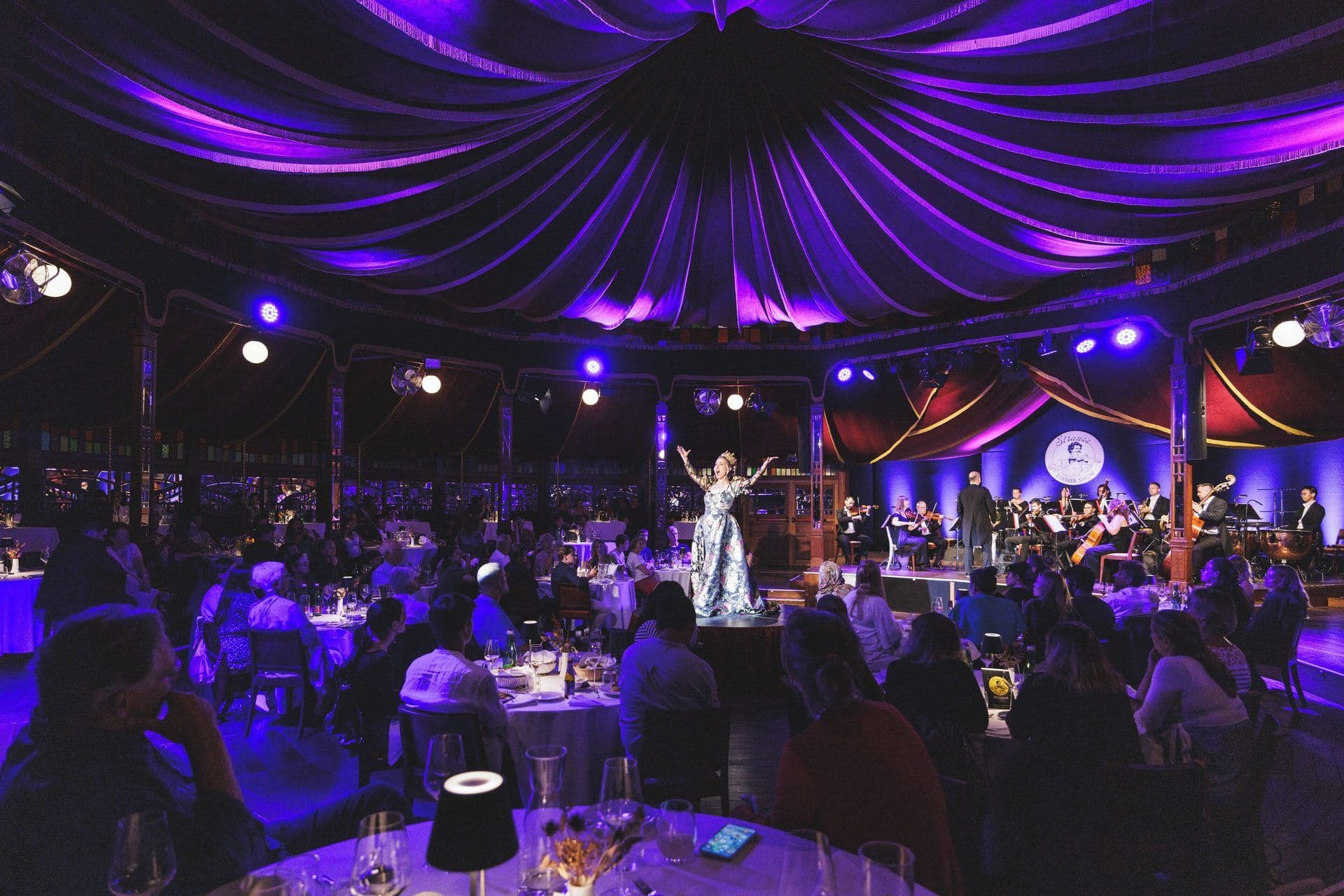
Strong event production starts with clear objectives, the right venue infrastructure, and a plan for how people will behave before, during, and after the day.
Use those targets to shape budgets, staffing, content, and the delegate journey, then check technical resilience early so the programme holds up under pressure.
Key takeaways
- Set objectives that tie directly to KPIs the board cares about, then use them to guide budgets, staffing, content, and the delegate journey.
- Judge success by behaviour, not attendance. Track engagement with premium content, meetings booked on site, and how quickly leads progress afterwards.
- Choose the venue for infrastructure as well as address. Check upload speeds, backup power, dedicated fibre, and mobile reception in every room, especially for hybrid formats.
- Confirm technical resilience before contracts are signed. Ask about guaranteed internet speeds, backup power supplies, and reliable streaming support, and test how delegates move between rooms and breakout areas.
- Use the Pacing Matrix to match operational complexity and innovation to the brief. A reliable repeat needs sturdy processes, while a high-wire act needs more budget flexibility, specialist crews, and rehearsal time.
1. Set objectives before you set the plan
Clear objectives are the first step in event production because they shape every later decision.
A vague aim like "raise awareness" is too loose to guide budgets, staffing, or content. Better goals tie directly to KPIs the board cares about, such as lead quality, product uptake, or staff retention through training.
Group setup: the planning team
Best for: setting the direction before production starts
How to apply: Start with objectives that tie directly to KPIs the board cares about. Use those targets to guide budgets, staffing, and content. Once they are fixed, shape the format, breakout topics, A/V spend, and delegate journey around them.
2. Define success by behaviour, not attendance
Success is what people do during and after the event, not the registration count.
If the goal is authority, look at how deeply attendees engaged with premium content. If the goal is sales support, track how many meetings were booked on site and how quickly those leads progressed afterwards.
Group setup: the planning team
Best for: measuring value beyond attendance
How to apply: Define success by behaviour rather than registration count. Choose the actions that matter during and after the event, such as engagement with premium content or meetings booked on site. Then track how quickly those leads progressed afterwards so senior stakeholders get a clearer read on value.
3. Choose the venue for infrastructure, not just address
The right venue is a technical decision as much as a location decision.
Capacity and rail links matter, but so do upload speeds, backup power, dedicated fibre, and mobile reception in every room. For hybrid formats, the space must support both the physical audience and the digital one without strain.
Group setup: the venue shortlist
Best for: choosing a site that can support the programme
How to apply: Check the venue for infrastructure as well as address. Ask for service level agreements directly from the venue's technical supplier. Then check the layout against the flow between rooms, stages, and breakout areas.
4. Check the venue's technical resilience early
Technical resilience is what keeps a live programme from wobbling.
Planners should confirm guaranteed internet speeds, backup power supplies, and reliable streaming support before contracts are signed. A venue that looks right on paper can still fail if the digital backbone is weak.
Group setup: the venue review stage
Best for: reducing live technical risk
How to apply: Confirm guaranteed internet speeds, backup power supplies, and reliable streaming support before contracts are signed. Test how delegates move between spaces, especially in larger venues such as NEC Birmingham or ICC Birmingham. Do not rely on hearsay.
5. Match effort to risk
Use a simple check on operational complexity and how much innovation the event needs.
A reliable repeat, such as an annual conference, needs steady processes and careful logistics. A higher-risk event, such as a product launch or investor summit, needs more budget flexibility, specialist crews, and rehearsal time.
Group setup: the planning team
Best for: matching resource to event risk
How to apply: Sort events by operational complexity and the level of innovation required. Treat a reliable repeat differently from a higher-risk event. Keep the plan grounded by matching budget flexibility, specialist crews, and rehearsal time to the event type.
6. Treat hybrid audiences as equal participants
Hybrid delivery works only when virtual attendees are given a proper role in the room.
A broadcast-only setup leaves remote people watching from the edge. Better planning includes virtual hosts, online networking rooms, and live polls or questions that shape the session as it happens.
Group setup: hybrid audiences
Best for: giving remote attendees an equal role
How to apply: Plan for virtual attendees as proper participants, not observers. Include virtual hosts, online networking rooms, and live polls or questions that shape the session as it happens. Make sure the digital side feels like part of the same event rather than an afterthought.
7. Avoid the common logistics mistakes
Three mistakes keep appearing in event production.
Treating AV as an optional extra usually leads to poor sound, weak Wi-Fi, and stressful failures on site. Using separate systems for registration, check-in, apps, and data collection creates silos and slows reporting. Leaving speaker preparation too late weakens the content.
Group setup: the production team
Best for: avoiding recurring operational errors
How to apply: Treat AV as essential, not optional. Keep registration, check-in, apps, and data collection from drifting into separate systems. Build in rehearsal time, material collection, and a technical run-through so the content lands cleanly.
8. Build the attendee journey around one connected system
Disconnected tools make the attendee journey harder than it needs to be.
When registration, mobile apps, check-in, and data capture sit in different places, teams spend more time fixing errors and less time running the event. A connected setup simplifies operations and makes post-event reporting faster.
Group setup: the attendee journey setup
Best for: keeping operations and reporting in one place
How to apply: Bring registration, mobile apps, check-in, and data capture into one connected system. Use that setup to reduce errors and free the team to run the event. It also gives planners a cleaner view of what happened before, during, and after the day.
9. Measure impact with the right post-event metrics
Post-event measurement should show influence, not just activity. The useful measures here are engagement depth, networking quality, and sales funnel speed.
Engagement depth looks at how long people stayed with the content. Networking quality tracks one-to-one meetings, lead capture, and follow-up requests. Sales funnel speed shows whether the event shortened the usual route to conversion. Together, they give a sharper picture of return on investment.
Group setup: the whole team at once
Best for: measuring influence after the event
How to apply: Track how long people stayed with the content. Record one-to-one meetings, lead capture, and follow-up requests. Check whether the event shortened the usual route to conversion. Use those three measures together to judge return on investment.
10. Apply the right level of innovation to the brief
Innovation should match the event's purpose, not sit on top of it for decoration. A standard internal meeting benefits from templates and automation.
A highly customised activation or pilot scheme needs more creative flexibility and faster decision-making. The point is to avoid overcomplicating simple formats and under-resourcing complex ones. When the level of innovation fits the brief, delivery feels controlled, and the experience feels deliberate rather than forced.
Group setup: the whole team at once
Best for: matching innovation to the brief
How to apply: Use templates and automation for a standard internal meeting. Give a highly customised activation or pilot scheme more creative flexibility and faster decision-making. Keep simple formats simple. Give complex ones the resource and pace they need.
Frequently asked questions
What does event production mean for a planner now?
Event production now means setting clear objectives, choosing venues with the right infrastructure, and measuring outcomes that matter to the business. It is no longer enough to plan around headcount or a venue address alone.
How should I choose the right venue?
Choose the venue for infrastructure, not just address. Capacity and rail links matter, but so do upload speeds, backup power, dedicated fibre, and mobile reception in every room.
How do I run the event well on the day?
Run it well by treating AV as essential, not optional, and by keeping registration, check-in, apps, and data collection in one connected system. Build in rehearsal time, material collection, and a technical run-through so the content lands cleanly.
How do I decide how much resource the event needs?
Use the Pacing Matrix to sort events by operational complexity and the level of innovation required. A reliable repeat needs sturdy processes and meticulous logistics, while a high-wire act needs more budget flexibility, specialist crews, and rehearsal time.
What group size should I plan for?
The text does not set a target group size, so start with objectives and the event type rather than headcount. Use those targets to guide budgets, staffing, content, and the delegate journey.
How do I make hybrid or remote teams feel included?
Treat hybrid audiences as proper participants, not observers. Include virtual hosts, online networking rooms, and live polls or questions that shape the session as it happens, so the digital side feels like part of the same event.