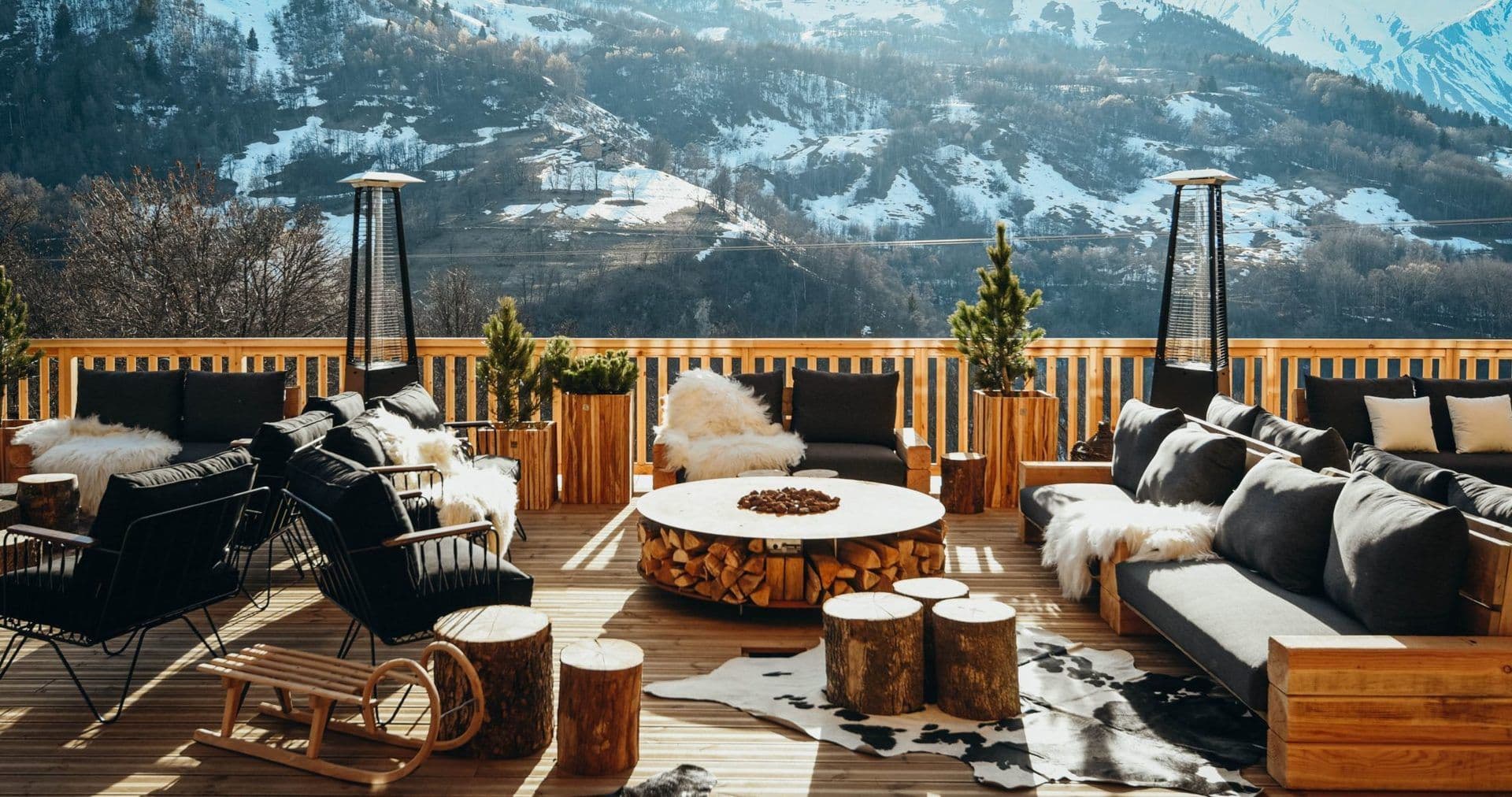
Selecting the ideal location for company offsites transforms a simple meeting into a strategic investment in culture and productivity. The right venue for your company offsite demands more than a standard conference room; it requires an environment that sparks creativity, builds genuine connection, and offers a necessary break from the daily grind. The location itself becomes the primary tool for achieving your goals, whether those are intense strategic planning, deep team bonding, or preventing staff burnout.
Workplace leaders often struggle to find truly brilliant and outcome-driven places for company offsites that cater to diverse team needs. To simplify this critical decision, we have curated 10 extraordinary destinations across the UK, categorized by the unique experience they offer and the real business results they deliver. These are not merely destinations; they are optimized environments designed for success. For those looking for further reading, explore more workplace insights.
How to Match the Location to the Goal: The Alignment Matrix
Before exploring specific places for company offsites, it is crucial to align the location with the retreat’s core objective. We use an Alignment Matrix to help organisations map desired outcomes (Focus vs. Activity) to suitable environments.
Applying the Matrix: A Scenario
Consider a mid-size logistics firm based near Birmingham needing to finalise a Q4 roadmap (High Focus) but suffering from low morale after a challenging quarter (needs Moderate Activity for decompression). Instead of a bustling London hotel (too similar to the office) or a noisy coastal town (which might be too distracting), the matrix suggests a secluded Lodge Retreat. This environment offers structured meeting space (High Focus) but incorporates accessible, optional outdoor activities like cycling or reservoir walks (Moderate Activity) that facilitate cognitive rest and casual connection without requiring extreme physical exertion.
Using this strategic lens, let us examine ten truly brilliant places for company offsites that promise real results.
1. Remote Isolation and Focus in the Scottish Highlands
For teams seeking deep concentration, reflective planning, and a dramatic break from urban noise, the remote glens and loch-side lodges of the Scottish Highlands provide unrivalled stillness. These are specialised places for company offsites designed to strip away distractions.
Choosing the right offsite format depends on your team's size, budget, and strategic objectives, so here's how the most popular company offsite types compare.
| Offsite Format | Ideal Group Size | Duration | Cost per Person | Best For |
|---|---|---|---|---|
| Urban Hotel Conference Retreat | 20–200 people | 1–2 days | £150–£400 | Strategic planning, networking, minimal travel time |
| Countryside Manor or Estate | 15–80 people | 2–3 days | £200–£500 | Team bonding, relaxation, creative brainstorming |
| Adventure/Activity-Based Retreat | 10–60 people | 1–2 days | £180–£450 | Building trust, breaking silos, energising teams |
| Beach or Coastal Resort | 25–150 people | 2–4 days | £250–£600 | Staff morale, work-life balance, memorable experiences |
| Hybrid or Remote Offsite | Unlimited (dispersed teams) | Half-day sessions over 1–2 weeks | £20–£100 | Distributed workforces, cost-conscious budgets, flexibility |
Each format offers distinct advantages, so prioritise your team's primary goal—whether connection, strategy, or cost-efficiency—when selecting your company offsite location.
The vast, quiet landscapes naturally encourage introspection and focused discussion. Teams benefit from structured workshops, deep-dive planning sessions, and nighttime stargazing, which reinforce perspective and humility. The sheer scale of the environment is conducive to thinking about big-picture strategies rather than daily tactical issues. Organisations often pair this location with intense, focused work followed by low-impact team activities like nature photography or quiet loch-side walks in the quiet expanse.
2. Coastal Team Building in Cornwall
The rugged Cornish coastline and surrounding regions offer some of the best places for company offsites for teams prioritising environmental connection and moderate physical activity. This type of retreat location is excellent for reinforcing team unity through shared natural beauty and water-based endeavours.
Activities centre around kayaking, sailing, surfing lessons, and scenic coastal path walking, promoting mutual reliance and trust. The crisp sea air and lush surroundings act as a natural stimulant, enhancing morning sessions focused on collaborative problem-solving. This environment is particularly effective for marketing, design, and creative teams looking to shake off mental blocks and gain fresh perspectives.
3. Mountain Resilience Training in Snowdonia, Wales
When the goal is rapid trust-building and reinforcing team resilience under pressure, Snowdonia National Park (Eryri) is an ideal location. These dramatic places for company offsites are suited for high-thrill, challenging activities that require complete cooperation.
The focus here is on shared challenge: coasteering, guided gorge walking, or serious mountain scrambling. Successfully navigating a high-stakes outdoor scenario together directly translates to improved shared trust and confidence back in the workplace. Leadership teams often use this setting to simulate high-pressure business environments, using the outdoor activity as a controlled metaphor for corporate challenges.
4. Eco-Awareness on the Pembrokeshire Coast
The Welsh Pembrokeshire coast offers exceptional places for company offsites centered on ecological awareness and immersive learning. Specifically, off-the-beaten-track eco-resorts allow for unparalleled experiences with marine and terrestrial wildlife.
The primary value proposition is exposure to biodiversity and conservation efforts. Activities such as guided marine safaris, beach clean-ups, or volunteering with local conservation groups serve as profound team-bonding exercises. This environment naturally appeals to mission-driven organisations and teams focused on long-term impact, providing rich context for discussing corporate social responsibility and stewardship.
5. Luxury Glamping in the Cotswolds
For teams that crave the simplicity of the outdoors but require the infrastructure and comfort necessary for productive work sessions, glamping in regions like the Cotswolds or Yorkshire Dales is a perfect compromise. These luxurious, nature-adjacent places for company offsites blend rustic charm with business readiness.
The structure typically involves daytime workshops held in modern communal yurts or barns, followed by evening bonding around a campfire. It forces teams out of their routine without sacrificing sleep quality or connectivity. Proximity to hiking trails and picturesque villages offers easy opportunities for brain breaks, ensuring mental fatigue is managed effectively. It is often chosen by startups or high-growth teams that value flexibility and a relaxed, yet high-performing, culture.
6. Country Pursuits and Rapport Building in Devon
A traditional manor house or estate stay in regions like Devon or Wiltshire offers highly unique places for company offsites centred on developing communication skills through unconventional methods. This setting immediately removes professional formality and encourages playful interaction. If you need event ideas for teams, these locations offer unique opportunities.
The programming involves hands-on activities like clay pigeon shooting, falconry demonstrations, or traditional country cooking classes, all of which require clear, quick communication and coordinated effort. The atmosphere promotes genuine hospitality, leading to relaxed social interactions over local, high-quality cuisine. These retreats are excellent for fostering cross-functional rapport, particularly between teams that usually interact only via email or virtual meetings.
7. Grand Strategy in the Cairngorms National Park
Remote lodges within the Cairngorms National Park are premier places for company offsites focused on strategic alignment and long-range visioning. The sheer scale and tranquillity of the mountains naturally foster a broad perspective.
Workplace leaders choose this setting specifically for its isolation, which minimises external noise and maximises team focus. Days are structured around intense strategy sessions facilitated by the quiet environment, balanced by optional, contemplative activities like wildlife spotting or loch-side strolls. The objective is clarity and consensus, utilising the majesty of the surroundings to inspire audacious thinking and unified commitment to goals.
8. Holistic Wellness Centres in the South West
When the main goal of the corporate event is staff recharge, stress reduction, and retention, a dedicated wellness retreat in the South West (such as near Bath or Bristol) is essential. These places for company offsites prioritise mental and physical health above all else.
The agenda is meticulously crafted around rest, recovery, and mindfulness: yoga, guided meditation, thermal spa treatments, and nutrition workshops. The activities promote self-awareness and empathy among team members. Organisations seeking to counter high burnout rates or reinforce a healthy work-life balance find this environment incredibly effective. Success is measured not just by feedback but by observable reductions in reported stress and improvements in post-retreat focus.
9. High-Energy Kick-off in Manchester or London
For teams that thrive on high energy and excitement, an urban environment for a Sales Kick-off (SKO) or product launch in vibrant cities like Manchester or London provides exhilarating places for company offsites. This setting provides intense bursts of fun interspersed with productive work periods.
The natural structure of an urban kick-off—networking events, shared dinners in the Northern Quarter, or motivational sessions in high-tech event spaces—creates numerous organic bonding opportunities. The focus is often on celebrating successes and launching new products. The key insight here is leveraging the energy of the urban environment to fuel motivational professional sessions held across the day and into the evening.
10. Sustainable Heritage Exchange on the Causeway Coast, NI
For companies with strong Environmental, Social, and Governance (ESG) mandates, an eco-conscious getaway on the Northern Ireland Coast, such as near the Giant's Causeway, serves as an impactful retreat location. These are places for company offsites that combine cultural immersion with environmental responsibility.
The experience is defined by staying in accommodations that prioritise sustainability, participating in local heritage workshops, and engaging in cultural activities like visiting local community projects or famous landmarks. This environment fosters a sense of global citizenship and collective purpose. It is especially beneficial for large, international teams looking for a shared experience that transcends regional boundaries and reinforces core company values.
Common Pitfalls When Selecting Places for Company Offsites
Selecting a location is only half the battle; many workplace leaders inadvertently sabotage their retreat outcomes by making operational errors. Avoiding these common mistakes ensures the investment delivers its intended value.
Mismatched Purpose and Place
One of the most frequent errors is selecting a beautiful location that fundamentally obstructs the retreat goal. For example, hosting a complex, detailed strategy session at a bustling, activity-heavy coastal resort. The high distraction level ensures poor focus. Conversely, choosing a completely isolated, silent Scottish lodge for a team that desperately needs high-energy social interaction will lead to boredom and resentment. Always use the Alignment Matrix to ensure the physical environment matches the required mental state and activity level.
Underestimating Logistical Complexity
Unique places for company offsites often come with unique logistical challenges. A remote Highlands retreat or a secluded Welsh farm stay may require specialised transportation or have limited mobile phone signal or Wi-Fi bandwidth. Failing to secure reliable, consistent infrastructure—especially internet access—can derail working sessions, causing frustration and undermining productivity. For remote sites, over-plan contingencies for travel delays, catering challenges, and connectivity failures.
Ignoring the Seasonality and Climate Trade-Offs
A location ideal in one season can be miserable in another. A glamping retreat in the North during the wet shoulder months or a high-altitude hike in autumn without proper gear planning can turn an inspiring adventure into a collective hardship. Always verify the typical weather and its impact on planned activities and travel for the specific dates chosen, and communicate required gear clearly to participants.
Measuring the Strategic Success of Offsite Events
A retreat is a significant investment; its success must be measured beyond anecdotal feedback. We recommend focusing on three key metric categories to quantify the return on investment from specialised places for company offsites.
Metric 1: Alignment and Focus Completion Rate (Quantitative)
This measures whether the stated professional goals were met. If the retreat was focused on completing a Q4 roadmap or standardising a new process, measure the percentage of deliverables finalised during the retreat. Success is achieved when teams leave with concrete, documented outcomes that were the primary reason for choosing specialised places for company offsites over standard office meetings.
Metric 2: Post-Retreat Sentiment and Connection (Qualitative/Quantitative)
Immediately after the event, deploy a concise survey focusing on qualitative team outcomes. Key metrics include:
- Net Promoter Score (NPS) for the Experience: How likely are you to recommend this retreat experience to another team?
- Psychological Safety Score: Did you feel more comfortable sharing incomplete ideas or constructive criticism after the retreat?
- Connection Index: Do you feel you understand the priorities and personality of your cross-functional colleagues better?
High scores here validate that the chosen location successfully facilitated genuine human connection, which is a core benefit of utilising unique places for company offsites.
Metric 3: Observable Behavioural Change (Qualitative)
Three to six weeks post-retreat, leadership should look for observable changes in team dynamics. Did the team adopt the new process documented during the offsite? Are communication channels smoother between departments that bonded during the Devon country pursuits outing? This long-term measure validates that the experiential learning from the chosen retreat location translated into sustainable workplace improvements, affirming the selection of effective places for company offsites.
Budget Planning and Cost Considerations for Company Offsites
One of the most critical yet often overlooked aspects of organising successful company offsites is establishing a realistic budget that aligns with your objectives and team size. Many organisations discover mid-planning that their initial budget estimates fall short, forcing difficult compromises on venue quality, catering, or activity options. By understanding the cost variables upfront, you can make informed decisions that maximise value without sacrificing the experience quality that makes your offsite truly transformative.
The total cost of your company offsite typically comprises several key components that warrant individual scrutiny. Venue hire forms the foundation, but accommodation, meals, transportation, team activities, and contingency planning all contribute meaningfully to your overall expenditure. Different destination types carry vastly different price tags: boutique countryside estates may offer excellent all-inclusive packages, whilst urban locations often charge separately for each service element. Remote or international locations introduce additional costs such as travel time and ground transport, though they may offer superior team bonding outcomes that justify the investment.
To optimise your budget allocation, consider these strategic approaches:
- Negotiate package deals with venues that include accommodation, meals, and activity coordination
- Schedule your offsite during shoulder seasons (spring or autumn) when venue availability increases and prices drop
- Select all-inclusive resorts or retreat centres that consolidate costs and simplify planning logistics
- Allocate approximately 40% of budget to accommodation, 35% to catering and activities, and 25% to travel and contingencies
- Request detailed itemised quotes to identify opportunities for savings without reducing participant experience
Strategic investment in your places for company offsites delivers measurable returns through improved team cohesion, enhanced strategic clarity, and reduced staff turnover. Rather than viewing the budget as a constraint, approach it as a framework for making deliberate choices that reflect your organisation's priorities and values.
Frequently Asked Questions
How far in advance should we book unique places for company offsites?
For highly specialised or remote locations, such as Highlands lodges or eco-resorts, planning should begin 9 to 12 months in advance, especially if you require accommodations during peak season or need to secure complex logistical elements.
What is the most effective type of location for a high-focus strategy retreat?
Locations offering minimal distractions and maximal tranquillity are best for high focus. Consider dedicated mountain lodges, secluded manor houses, or exclusive use of smaller venues where the team can work without external interruption. These places for company offsites prioritise mental clarity.
How do we ensure activities promote genuine bonding, not just forced participation?
Choose activities that are inherently fun, optional, and aligned with the chosen environment (e.g., kayaking on the loch, not mandatory trust falls in a ballroom). The location should naturally facilitate connection, whether through shared awe (like stargazing) or shared moderate challenge (like hiking).
Is it necessary to use a luxury location for a successful retreat?
Luxury is defined by comfort and relevance to purpose, not price. A highly effective, unique retreat might be a comfortable glamping site offering excellent working infrastructure, which is a better fit for purpose than an opulent but distracting five-star city hotel.
How can we manage connectivity issues in remote places for company offsites?
For locations known for weak signals (Highlands, remote coastal areas), confirm venue-provided satellite Wi-Fi or local network boosting services. If connectivity is poor, strategically schedule work sessions around known signal points and designate periods as intentionally "unplugged" to manage expectations.