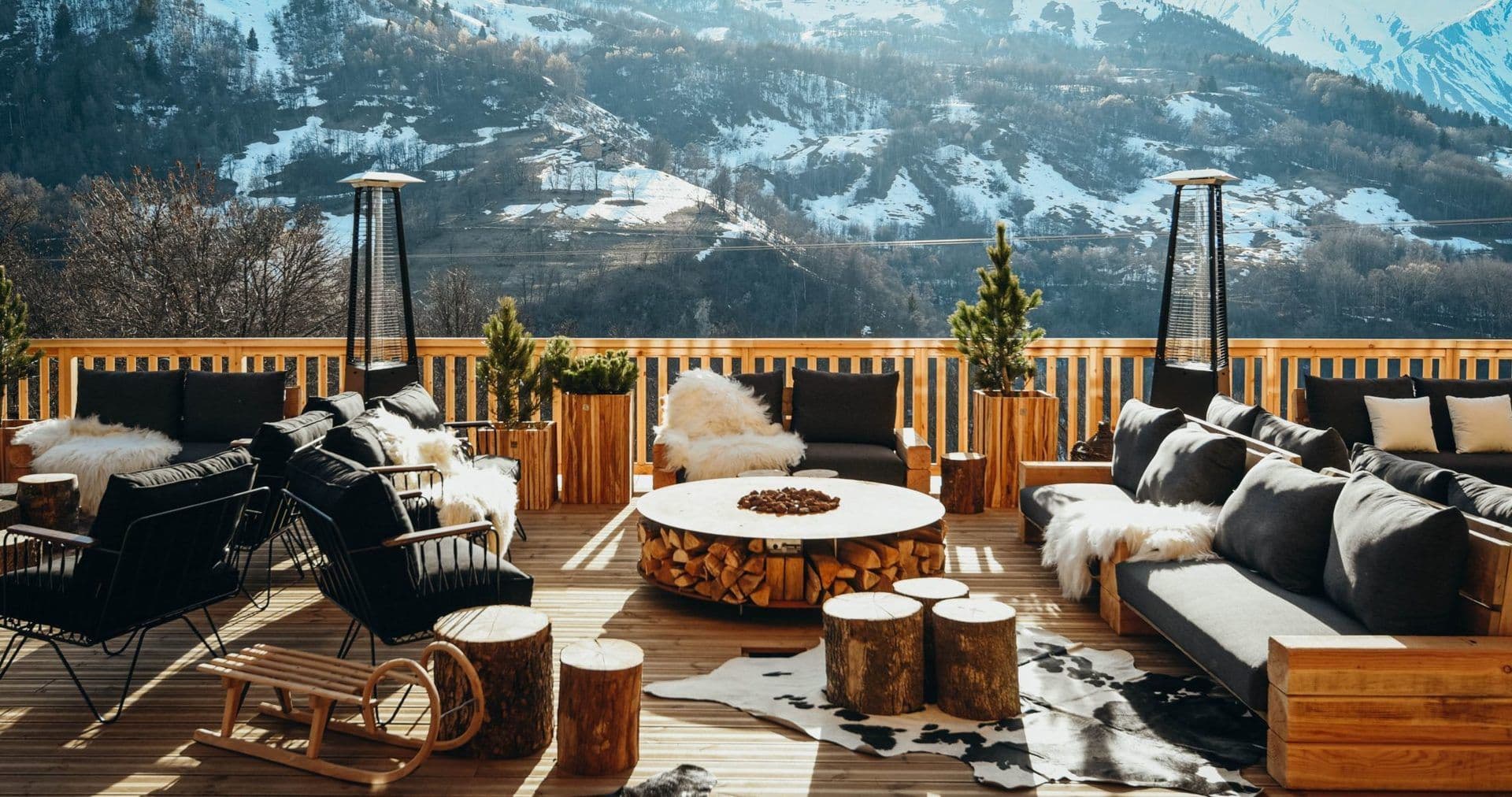
The best company offsite ideas start with the outcome you want, then match the place to the work. It also flags what to check before you book, from transport and connectivity to weather, kit, and timing. Naboo appears in the source as a client example tied to a seminar experience, not as a service pitch.
Key takeaways
- The strongest venue mix runs from remote isolation and focus in the scottish highlands and grand strategy in the cairngorms national park to high-energy kick-off in manchester or London, so you can match the setting to the job in hand.
- For movement and team unity, coastal team building in cornwall and mountain resilience training in snowdonia, wales both centre on active outdoor work that asks people to rely on one another.
- For shared values and practical connection, eco-awareness on the pembrokeshire coast and sustainable heritage exchange on the causeway coast, NI bring sustainability, local heritage, and community-focused activity into the programme.
- If the goal is comfort with a lighter feel, luxury glamping in the cotswolds and holistic wellness centres in the south west both keep the agenda grounded in workshops, recovery, and informal time.
- Before booking, check the fit between purpose and place, then plan for transport, catering, mobile signal, Wi-Fi, seasonality, weather, daylight, and the right clothing or kit.
- Naboo appears in the source as a client quote from an overnight seminar, where the organiser said the event was flawless and noted that some participants had tears in their eyes at the end.
1. Remote isolation and focus in the Scottish Highlands
The Scottish Highlands are a strong choice for company offsites when the priority is deep concentration and a clean break from urban noise.
Remote glens and loch-side lodges create space for structured workshops, long planning sessions, and calm discussion without constant interruption. The setting suits teams that need to step back, think clearly, and work through complex decisions. Quiet walks, stargazing, and simple outdoor time help people reset between sessions.
Group setup: the whole team at once
Best for: deep concentration and complex decisions
How to apply: Use remote glens or loch-side lodges as the base for the offsite. Keep the day centred on structured workshops, long planning sessions, and calm discussion. Leave space for quiet walks, stargazing, and simple outdoor time between sessions.
2. Coastal team building in Cornwall
Cornwall works well for company offsites built around shared activity and a stronger sense of team unity.
The coastline supports kayaking, sailing, surfing lessons, and scenic walks along the coast path, all of which encourage cooperation and trust. It is a good fit for groups that want movement, fresh air, and a setting that feels different from the office. Creative teams often respond well to the change of pace and the open, natural environment.
Group setup: the whole team at once
Best for: shared activity and team unity
How to apply: Build the offsite around kayaking, sailing, surfing lessons, and scenic walks along the coast path. Keep the pace active so people are moving together and working in step. Use the open, natural setting to give the team a change of pace from the office.
3. Mountain resilience training in Snowdonia, Wales
Snowdonia National Park, also known as Eryri, suits company offsites that need challenge and trust-building under pressure.
Coasteering, guided gorge walking, and mountain scrambling ask people to rely on one another and stay calm when the route becomes difficult. That shared effort can translate well back into the workplace, especially for leadership groups or teams facing change. The landscape gives the trip a clear sense of purpose without needing much extra structure.
Group setup: the whole team at once
Best for: challenge and trust-building under pressure
How to apply: Use coasteering, guided gorge walking, and mountain scrambling as the core activities. Keep the group moving through tasks that require people to rely on one another and stay calm. Let the landscape carry the trip, with little extra structure needed.
4. Eco-awareness on the Pembrokeshire coast
The Pembrokeshire coast is a good option for company offsites centred on sustainability, learning, and environmental awareness.
Off-the-beaten-track eco-resorts in the area can support marine safaris, beach clean-ups, and volunteering with conservation groups. These activities give teams a practical way to connect while also engaging with local wildlife and habitat protection. It suits organisations that want the retreat to reflect wider values, especially where social responsibility is part of the message.
Group setup: the whole team at once
Best for: sustainability, learning, and environmental awareness
How to apply: Base the offsite at an off-the-beaten-track eco-resort. Build the programme around marine safaris, beach clean-ups, and volunteering with conservation groups. Keep the focus on practical connection with local wildlife and habitat protection.
5. Luxury glamping in the Cotswolds
Glamping in the Cotswolds or Yorkshire Dales offers company offsites that balance comfort with a more relaxed outdoor setting.
Daytime workshops can take place in communal yurts or barns, while evenings are left for campfires and informal conversation. The appeal is simple: people get the feel of being away from routine without losing the basics needed for productive work. It works well for teams that want flexibility, comfort, and a less formal atmosphere.
Group setup: the whole team at once
Best for: flexibility, comfort, and a less formal atmosphere
How to apply: Use communal yurts or barns for daytime workshops. Leave evenings open for campfires and informal conversation. Keep the setting relaxed so people feel away from routine without losing the basics needed for productive work.
6. Country pursuits and rapport building in Devon
A manor house or estate stay in Devon or Wiltshire suits company offsites that aim to build rapport through shared experiences.
Clay pigeon shooting, falconry demonstrations, and country cooking classes all require clear communication and quick coordination. The setting also helps people relax, which can make cross-functional conversations easier and more natural. It is especially useful when colleagues usually work together by email or in short virtual meetings and need more time in person.
Group setup: the whole team at once
Best for: building rapport through shared experiences
How to apply: Choose a manor house or estate stay as the base. Use clay pigeon shooting, falconry demonstrations, and country cooking classes to get people working together. Give the group time to relax so cross-functional conversations feel easier and more natural.
7. Grand strategy in the Cairngorms National Park
The Cairngorms National Park is well suited to company offsites focused on strategic alignment and long-range planning.
Remote lodges in the area create the quiet needed for serious discussion, while the scale of the landscape encourages people to think beyond day-to-day tasks. Wildlife spotting and loch-side strolls give teams a way to break up the day without losing momentum. The result is a setting that supports clarity, consensus, and a broader view of the business.
Group setup: the whole team at once
Best for: strategic alignment and long-range planning
How to apply: Use remote lodges as the base for serious discussion. Break up the day with wildlife spotting and loch-side strolls. Keep the focus on clarity, consensus, and a broader view of the business.
8. Holistic wellness centres in the South West
Wellness centres in the South West, including areas near Bath or Bristol, are a strong choice for company offsites aimed at rest and recovery.
Yoga, guided meditation, thermal spa treatments, and nutrition workshops create a programme that puts wellbeing first. This format suits teams dealing with burnout, stress, or low energy, because the agenda is built around restoration rather than output alone. It can also support healthier habits and a more open conversation about workload and balance.
Group setup: the whole team at once
Best for: rest and recovery
How to apply: Build the agenda around yoga, guided meditation, thermal spa treatments, and nutrition workshops. Keep wellbeing first rather than output alone. Use the setting to support healthier habits and a more open conversation about workload and balance.
9. High-energy kick-off in Manchester or London
Manchester or London works well for company offsites that need pace, energy, and a strong launch moment.
These cities suit sales kick-offs, product launches, and other gatherings where momentum matters. Networking events, shared dinners in the Northern Quarter, and sessions in high-tech event spaces create plenty of chances for people to connect while staying close to the business agenda. The urban setting adds energy to the day and gives the evening a natural sense of occasion.
Group setup: the whole team at once
Best for: sales kick-offs, product launches, and gatherings where momentum matters
How to apply: Use Manchester or London when you want the day to feel fast-moving and focused. Build in networking, shared dinners in the Northern Quarter, and sessions in high-tech event spaces. Keep the business agenda close throughout the day. Let the city setting carry the evening.
10. Sustainable heritage exchange on the Causeway coast, NI
The Causeway Coast in Northern Ireland is a strong fit for company offsites shaped by sustainability, heritage, and shared purpose.
Eco-conscious accommodation, local heritage workshops, and visits to community projects or famous landmarks give the trip a clear cultural dimension. It works especially well for large or international teams that want a common experience rooted in place. The setting supports discussion about values, responsibility, and what the organisation stands for beyond the office.
Group setup: large or international teams
Best for: sustainability, heritage, and shared purpose
How to apply: Choose eco-conscious accommodation as the base for the trip. Add local heritage workshops and visits to community projects or famous landmarks. Use the setting to open discussion about values, responsibility, and what the organisation stands for beyond the office.
Common pitfalls when selecting places for company offsites
Choosing the right venue is only part of the job. A retreat can miss the mark if the setting, logistics, or timing work against the goal. The most common mistakes are easy to avoid once you know what to watch for, and they usually come down to poor alignment between the place and the purpose.
Mismatched purpose and place
A beautiful venue can still be the wrong one if it does not suit the outcome you want. A busy coastal resort may be fine for social energy, but it is a poor match for detailed strategy work. In the same way, a silent lodge may frustrate a team that needs interaction and variety. The location should support the mood and the work, not fight against it.
Underestimating logistical complexity
Remote or unusual venues often need more planning than standard city hotels. Transport, catering, mobile signal, and Wi-Fi all need checking in advance, especially in rural areas such as the Highlands or parts of Wales. If those basics are weak, the working part of the trip can suffer quickly. Good planning means building in contingencies for delays, access, and connectivity before the group arrives.
Ignoring seasonality and climate trade-offs
The same venue can feel very different depending on the time of year. A glamping trip in a wet shoulder season or a mountain activity without the right kit can turn a good idea into a difficult experience. Weather, daylight, and travel conditions all affect how the retreat will feel in practice. Clear guidance on clothing, timing, and activity levels helps people arrive prepared.
Measuring the strategic success of offsite events
A retreat should be judged by more than whether people enjoyed it. The real question is whether it delivered the outcome it was meant to support. A useful way to assess success is to look at delivery, sentiment, and behaviour after the event, rather than relying on a single feedback form.
Metric 1: alignment and focus completion rate
This measures whether the retreat achieved its stated work goals. If the trip was meant to finalise a roadmap, agree a process, or settle a plan, then the key question is whether those outputs were completed. A good venue supports that work by giving the team enough space and time to finish with something concrete in hand. That is the clearest sign the location was chosen well.
Metric 2: post-retreat sentiment and connection
A short survey after the event can show whether people felt more connected and more comfortable speaking openly. Useful questions include whether they would recommend the experience, whether they felt safe sharing ideas, and whether they understand colleagues' priorities better. These responses help show whether the trip improved the human side of the team, which is often the part that carries forward after everyone returns to work.
After an overnight seminar for 28 people, one Naboo client wrote:
"We had a 100% flawless seminar! Some participants had tears in their eyes at the end of the event, which says a lot about the quality of the overall experience."
Metric 3: observable behavioural change
Three to six weeks later, leaders should look for changes in how the team works together. Did the group use the process agreed during the retreat? Are conversations between departments smoother? Did the trip change how people approach decisions or feedback? These signs matter because they show whether the experience had a lasting effect rather than being remembered only as a pleasant break.
Budget planning and cost considerations for company offsites
Budget planning matters because the right venue can still fail if the numbers do not hold up. The main cost drivers are usually location, accommodation, catering, transport, and the activities you choose. Remote or highly specific venues often need more coordination, while city-based gatherings may spend more on space and evening programming. A clear budget helps you decide where to spend and where to keep things simple, so the trip supports the goal without creating avoidable pressure.
Where to host company offsite ideas
The venue decides which company offsite ideas will actually work, from strategy sessions to hands-on team time. Each type below includes a real Naboo venue you can source, manage, and track with confidence.
A countryside lodge with outdoor space
A countryside lodge with outdoor space suits ideas like remote isolation and focus in the Scottish Highlands and luxury glamping in the Cotswolds because it gives teams room to step away from daily noise, work in smaller groups, and use the landscape as part of the agenda. That setting also fits reflective sessions, practical workshops, and time outdoors between meetings.
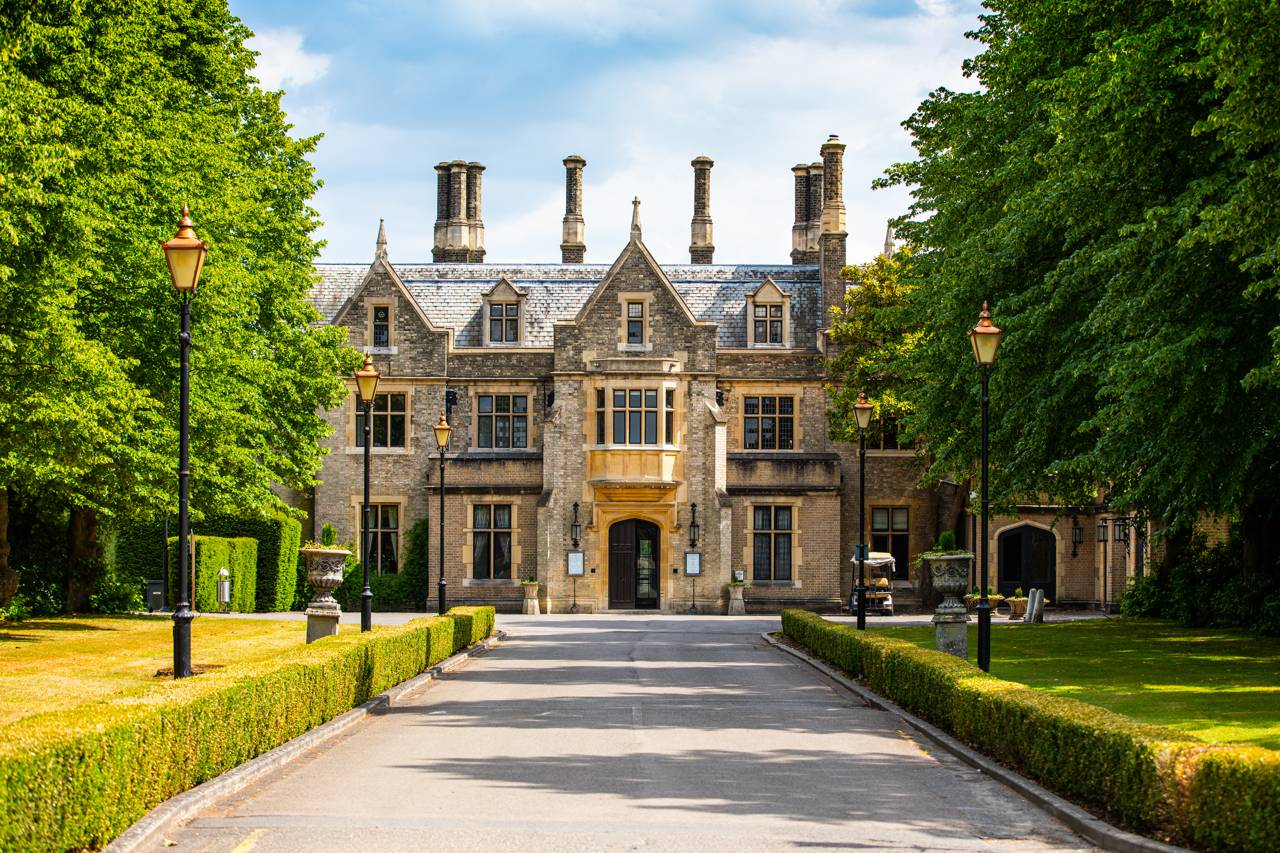
Foxhills Club & Resort is a Surrey country estate in Ottershaw, England, located just 25 miles from London. It offers flexible event spaces, 66 hotel rooms, spa facilities and iconic golf courses, with an experienced events team to plan occasions around your requirements.
Frequently asked questions
What makes a good company offsite idea?
A good company offsite idea matches the setting to the goal, whether that is focus, bonding, recovery, or a change of pace. Remote and rural locations suit deep work, while cities suit high-energy launches. Activities should support the purpose of the trip, not distract from it.
How do you choose the right offsite location?
Choose the location by starting with the outcome you want, then checking whether the setting supports it. The venue matters because it shapes how people think, talk, and work together, so logistics, seasonality, and connectivity need to fit the plan too.
How do you run a company offsite well?
Run it well by keeping the agenda aligned to the purpose and by choosing activities that support that purpose. Logistics, seasonality, and connectivity can make or break the experience, so the practical details need as much attention as the programme itself.
What group size works best for an offsite?
The right group size depends on the format. Urban hotel conference retreats suit 20-200 people, countryside manor or estate stays suit 15-80 people, adventure or activity-based retreats suit 10-60 people, beach or coastal resorts suit 25-150 people, and hybrid or remote offsites work for unlimited dispersed teams.
Are offsites a good fit for remote or hybrid teams?
Yes, hybrid or remote offsites are a strong fit for dispersed teams. They work as half-day sessions over 1-2 weeks, which gives flexibility and keeps costs conscious for teams that do not all work in one place.
How do you know if a company offsite worked?
Measure it through outcomes, sentiment, and behaviour after the event. If the team leaves with clearer decisions, stronger connection, and visible follow-through afterwards, the offsite has done its job.