Team offsite planning works when you start with the problem, the people, and the place. Use it to shape a day that solves something real, from cross-functional friction to a new product roadmap, then build the agenda, budget, and venue around that aim. The strongest offsites are practical.
Key takeaways
- Define the strategic imperative before you book anything, so the day answers a real business problem rather than filling a calendar. That could mean a new product roadmap, better cross-functional communication, or bringing merged departments together.
- Establish non-negotiable success targets early, then use them to judge whether the away day delivered value. Clear indicators make it easier to decide what feedback to collect afterwards.
- Secure leadership buy-in and support from the start, with senior people doing more than opening the session. Their visible backing helps with budget approval, resource allocation, and attendance.
- Profile the audience and needs assessment before shaping the programme, using pre-event surveys to understand work styles, expectations, preferences, fitness levels, and comfort with travel. That helps you choose between active outdoor time, workshops, or discussion.
- Set the budget and allocation in clear parts, including logistics, programming, and contingency. Keep the cost per attendee visible and leave room for a safety net.
- Conduct location vetting based on accessibility and programme fit, not just appeal. Check rail links, motorway access, journey times from regional hubs such as London, Manchester, or Glasgow, then match the venue to the day you want to run, whether that means flexible meeting rooms and strong AV or access to nature, quiet zones, and healthy catering.
1. Define the strategic imperative
Define the strategic imperative before you pick a date or venue. A staff away day should solve a real business problem, not just fill a calendar.
That might mean launching a new product roadmap, improving cross-functional communication, or bringing merged departments together. Once the purpose is clear, every later choice becomes easier, from the agenda to the event space.
Group setup: the whole team at once
Best for: solving a real business problem
How to apply: Start by naming the business problem the away day should address. Use that purpose to guide the date, venue, agenda, and event space. Keep the planning practical rather than vague.
2. Establish non-negotiable success targets
Set non-negotiable success targets so the offsite has a clear finish line. If you cannot measure the outcome, it is hard to justify the spend.
Translate the strategic goal into indicators such as more cross-departmental projects after the event or stronger engagement scores linked to company culture. Those targets shape the feedback you collect and help you judge whether the gathering delivered value beyond the day itself.
Group setup: the whole team at once
Best for: measuring whether the offsite delivered value
How to apply: Turn the strategic goal into clear indicators before the day. Use those targets to decide what feedback to collect afterwards. Judge the offsite against those measures, not just the day itself.
3. Secure leadership buy-in and support
Secure leadership buy-in and support early. An offsite works better when senior people do more than turn up for the opening session.
They should explain why the gathering matters, take part in the work, and show that it is a business priority. That visible backing helps with budget approval, resource allocation, and attendance.
One Naboo client who runs a Christmas party every year told us:
"Everything was very smooth and well organised, we would definitely go again with you!"
Group setup: senior leaders and the wider group
Best for: budget approval, resource allocation, and attendance
How to apply: Bring senior people in early and ask them to explain why the gathering matters. Have them take part in the work, not just the opening session. Use that visible backing to support budget approval, resource allocation, and attendance.
4. Profile the audience and needs assessment
Profile the audience before you shape the programme. Pre-event surveys can reveal work styles, expectations, and preferences that are easy to miss from the office.
Some teams will want active outdoor time, while others will prefer workshops and discussion. Generational mix, fitness levels, and comfort with travel all matter too.
Group setup: the whole team at once
Best for: shaping a programme that feels considered
How to apply: Use pre-event surveys to learn work styles, expectations, and preferences. Factor in generational mix, fitness levels, and comfort with travel. Then shape the itinerary, accommodation style, and activity level around what you find.
5. Set the budget and allocation
Set the budget and allocation early, then split it into clear parts. The article groups spend into logistics, programming, and contingency.
Logistics covers the venue, travel, and food and drink. Programming covers speakers, activities, and materials. Contingency acts as a safety net, typically 10 to 15 per cent.
Group setup: the whole team at once
Best for: keeping spend clear from the start
How to apply: Set the budget early and split it into logistics, programming, and contingency. Keep the cost per attendee visible as you compare options. Use the contingency as a safety net.
6. Conduct location vetting based on accessibility
Conduct location vetting based on accessibility, not just appeal. A beautiful setting is not enough if people struggle to get there.
Look at rail links, motorway access, and how easy the journey is from regional hubs such as London, Manchester, or Glasgow. The Cotswolds may suit the mood, but the travel time has to work for the group.
Group setup: the whole team at once
Best for: balancing convenience against atmosphere
How to apply: Check rail links, motorway access, and journey times from regional hubs such as London, Manchester, or Glasgow. Compare travel time with the mood of the setting. Choose a location that works for the group, not just for the view.
7. Select the venue based on programme fit
Select the venue based on programme fit. The property has to support the day you want to run.
Large workshops, break-out sessions, and high-tech presentations need flexible meeting rooms and strong AV. A wellness-focused gathering needs access to nature, quiet zones, and healthy catering.
Group setup: the whole team at once
Best for: matching the venue to the retreat purpose
How to apply: Choose a venue that can support the programme you want to run. Check for flexible meeting rooms and strong AV if you need workshops or presentations. If the day is wellness-focused, look for nature, quiet zones, and healthy catering.
8. Design the flow: balancing structure and downtime
Design the flow so the day has structure without feeling packed from start to finish. Overscheduling is one of the easiest mistakes to make.
Build in white space for informal conversation, one-to-one chats, and mental breaks. Keep most of the day structured, then leave room for coffee, exploration, or simply time to think.
Group setup: the whole team at once
Best for: keeping the day structured without crowding it
How to apply: Plan the day with enough structure to keep it moving, but leave white space in the middle. Keep structured time to no more than 60 per cent of the day. Use the rest for coffee, exploration, one-to-one chats, or time to think.
9. Build a risk and contingency matrix
Build a risk and contingency matrix so one problem does not derail the whole event.
The article covers logistics, technology, and weather or activity changes. It is a plain way to stay ready for the things that usually go wrong at the worst moment.
Group setup: the whole team at once
Best for: events that need backup plans
How to apply: Map the main risks across logistics, technology, and weather or activity changes. Build in backup transport, room reconfiguration options, alternative meal providers, secondary Wi-Fi hotspots, spare presentation equipment, and indoor substitutes if the weather turns. Keep the matrix simple enough to use quickly when something changes.
10. Curate content with high participatory value
Curate content with high participatory value rather than relying on passive talks.
Workshops, structured problem-solving, and simulation exercises work better when the aim is shared learning and cross-functional collaboration. When the content is practical, the value lasts longer after everyone goes home.
Group setup: workshops and small-group sessions
Best for: shared learning and cross-functional collaboration
How to apply: Choose formats that get people working together on real issues in a low-risk setting. Use workshops, structured problem-solving, and simulation exercises instead of passive talks. Keep the content practical so it stays useful after the day ends.
11. Prioritise inclusive and accessible activities
Prioritise inclusive and accessible activities so nobody is left out.
Check physical access such as ramps and lifts, and think about different fitness levels, phobias, and comfort with certain activities. The best away days give people choice without making them feel awkward about it.
Group setup: the whole group with choice built in
Best for: groups with mixed needs and comfort levels
How to apply: Check physical access such as ramps and lifts before you choose the activity. Factor in different fitness levels, phobias, and comfort with heights, water-based challenges, or quieter options. Offer choice so people can take part without feeling awkward.
12. Develop a pre-event communication campaign
Develop a pre-event communication campaign well before the day arrives.
Start with a save-the-date, then follow with practical information about travel, packing, and the schedule. Clear communication reduces anxiety because people know what to expect and how to prepare.
Group setup: pre-event communication sequence
Best for: keeping people informed before the day
How to apply: Send a save-the-date first. Follow with practical information about travel, packing, and the schedule. Use a later teaser email to highlight speakers or activities and build interest.
13. Appoint on-site command and logistics leads
Appoint on-site command and logistics leads so the event does not depend on one overworked organiser.
Give different people responsibility for travel and accommodation, programming and AV, and catering or venue liaison. That makes decisions faster and keeps small issues from becoming bigger ones.
Group setup: assigned leads across key functions
Best for: events that need shared responsibility
How to apply: Assign separate leads for travel and accommodation, programming and AV, and catering or venue liaison. Make sure each person knows their area of responsibility before the event starts. Keep the main planner focused on the overall flow and attendee experience.
14. Implement real-time feedback loops
Implement real-time feedback loops during the event instead of waiting until everyone is back at their desks.
Short anonymous polls or daily check-ins can show whether the pace is right, the sessions are relevant, and the energy is holding up. Live feedback helps the gathering stay useful while it is still happening.
Group setup: during-event check-ins
Best for: events that may need live adjustment
How to apply: Use short anonymous polls or daily check-ins during the event. Watch for signs that the pace, relevance, or energy needs adjusting. Change the next session or the schedule if something feels off.
15. Institutionalise post-retreat follow-up actions
Institutionalise post-retreat follow-up actions so the work continues after the return journey.
Within 48 hours, send a summary of the decisions and actions agreed during the strategic sessions. Without that final step, even a strong away day can fade into memory instead of changing how the team works.
Group setup: post-retreat follow-up process
Best for: keeping decisions moving after the away day
How to apply: Within 48 hours, send a summary of the decisions and actions agreed during the strategic sessions. Book follow-up meetings to keep momentum alive. Then issue the final feedback survey and compare the results with the targets set at the start.
Where to host team offsite planning
The venue decides which ideas work, so choose the setting before you choose the agenda. Each type below includes a real Naboo venue you can source and manage for your team offsite.
A venue with meeting rooms and breakout space
A venue with meeting rooms and breakout space suits a team away day because it gives you room to shape the day around the work, not the other way round. It supports select ideas from the blog such as define the strategic imperative and design the flow: balancing structure and downtime, with space for focused sessions, group discussion, and quieter pauses between them.
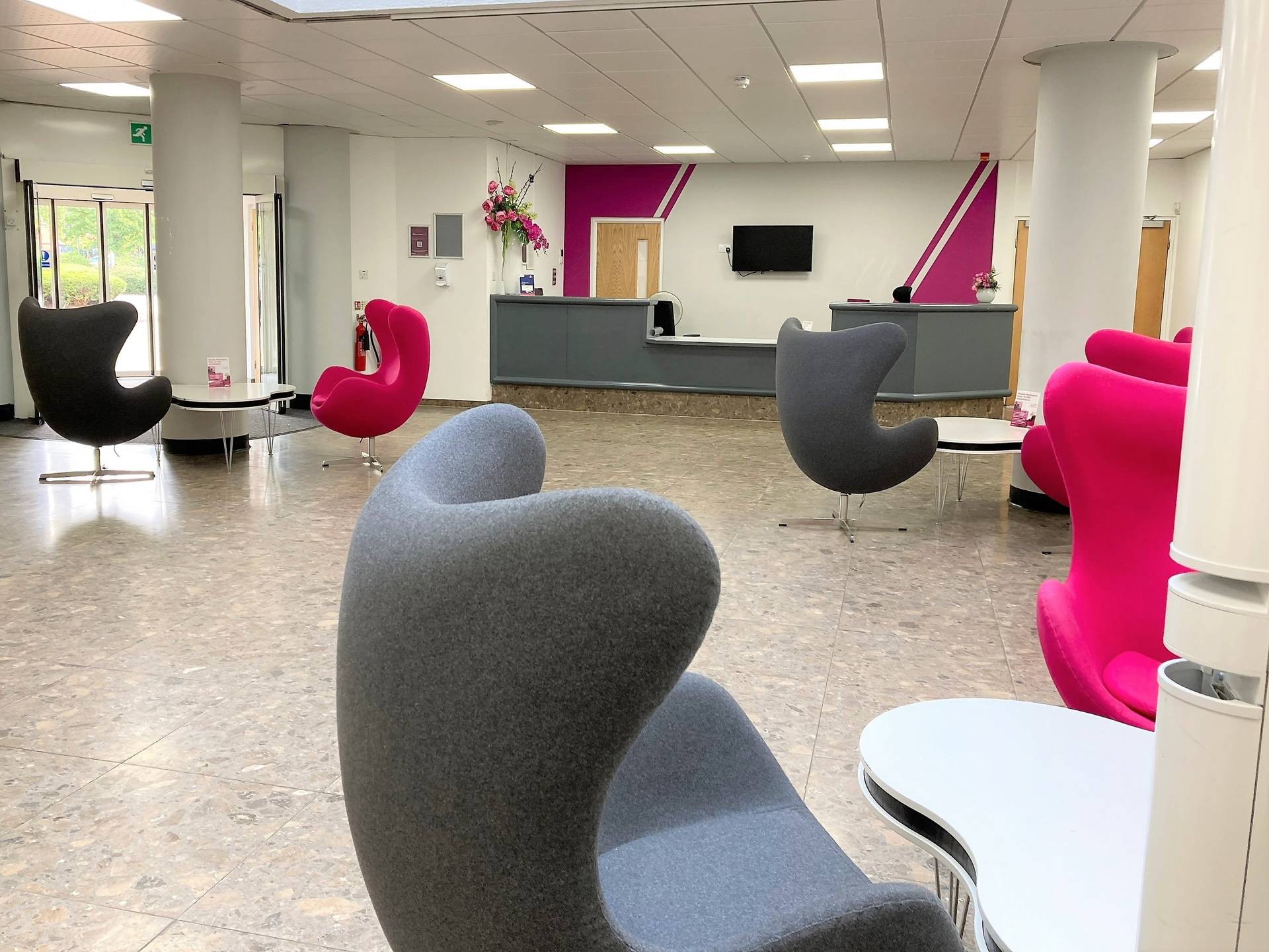
Citibase Edinburgh Gyleview is a bright, modern business centre in one of Scotland's premier out-of-town business districts. The recently refurbished three-storey building is set within landscaped grounds, and the centre features showers and changing rooms, alongside a social and breakout space. It is six miles west of Edinburgh city centre and two miles east of the airport.
Frequently asked questions
What is the main purpose of team offsite planning?
The main purpose is to turn time together into something useful, not just pleasant. A staff away day should solve a real business problem, whether that is launching a new product roadmap, improving cross-functional communication, or bringing merged departments together.
How do you choose the right offsite for your team?
Choose it by starting with the business reason, then matching the date, venue, agenda, and event space to that purpose. After that, check access, programme fit, and group size so the location works for the people attending, not just for the view.
How do you run a team offsite well?
Run it with clear structure, but leave room to breathe. Keep structured time to no more than 60 per cent of the day, build in white space for informal conversation and one-to-one chats, and use workshops, structured problem-solving, and simulation exercises instead of passive talks.
What group size works best for a team offsite?
The whole team at once works well when the aim is to solve a real business problem, measure whether the offsite delivered value, and keep everyone aligned. If the group is larger, make sure the venue can support the programme with flexible meeting rooms, strong AV, and enough space for break-out sessions.
How do you plan an offsite for remote or hybrid teams?
Plan it around the fact that people are spread across the country and may have different travel needs, work styles, and comfort levels. Use pre-event surveys to learn expectations and preferences, then shape the itinerary, accommodation style, and activity level around what you find.
How do you keep an offsite inclusive and accessible?
Check physical access such as ramps and lifts before you choose the activity or venue. Also factor in different fitness levels, phobias, and comfort with heights, water-based challenges, or quieter options, and offer choice so people can take part without feeling awkward.