
These corporate retreat ideas help you choose a format that fits the outcome you need, from clearer thinking to better trust, stronger collaboration, or a sharper plan.
Use them to match the activity to the team's current pressure points, then pick a setting that supports the work rather than distracting from it.
The right retreat is the one that gives people a useful next step, not just a day away from the office.
Key takeaways
- Guided innovation sprints, strategic visioning summits, and active strategic planning suit teams that need a clear business direction, practical next steps, or a stronger view of where the company is heading.
- Performance and wellbeing residencies, resilience and performance coaching, and focus time and digital breaks are for teams that need to reset, handle pressure better, and think without constant interruptions.
- Culinary team challenges, cross-department skill sharing, and trust and communication circles work well when communication, collaboration, and openness need attention.
- Wilderness navigation in the peaks or Highlands and active strategic planning bring movement into the day, which helps teams think more clearly and respond when plans change.
- Community support projects, creative design sessions, and quick product prototyping give teams a hands-on format that is practical, visible, and action-led.
- Before booking, check that the format fits the team size and setup, and make sure the location supports the work, whether that means quiet spots in the Cotswolds or Lake District, the Peak District or Scottish Highlands, or meeting rooms near the coast or a national park.
1. Guided innovation sprints
Guided innovation sprints are fast-paced sessions where teams tackle a specific business problem and work towards a practical solution by the end of the retreat.
They suit groups that need fresh thinking without drifting into vague brainstorming. The pressure is real, but the setting is calmer than the office, so people can focus properly.
Group setup: cross-functional groups
Best for: teams that need fresh thinking and a clear next step
How to apply: Bring together people from different departments so the ideas are workable from technical and financial angles. Keep the focus on one specific business problem. The strongest concepts should leave the room with a clear next step, not just a nice discussion.
2. Performance and wellbeing residencies
Performance and wellbeing residencies are a strong choice when the team needs space to reset and learn habits that support long-term output.
These sessions go beyond a quick yoga class. They can include stress management, sleep, nutrition, and practical ways to work well under pressure.
Group setup: the whole team in a retreat setting
Best for: fast-growing companies that need to reset and build better habits
How to apply: Use quiet spots in the Cotswolds or the Lake District to help people switch off from devices and settle into a different rhythm. Build the session around stress management, sleep, nutrition, and practical ways to work well under pressure. Keep the pace calm so people can reset properly.
3. Culinary team challenges
Culinary team challenges are one of the easiest ways to get people talking, because cooking demands communication, timing, and a bit of calm under pressure.
Teams might be asked to prepare a three-course meal or take part in a Bake Off style contest. It feels playful, but it still requires real coordination.
Group setup: small teams
Best for: groups that need communication and collaboration to come to life
How to apply: Set a cooking task such as a three-course meal or a Bake Off style contest. Let people work through the timing, instructions, and any problems that come up. End with the shared meal so everyone has a natural moment to relax and talk.
4. Strategic visioning summits
Strategic visioning summits are designed for senior teams that need to step back and think about where the company is heading over the next few years.
The focus is the big picture. That makes them useful when leaders need clarity, alignment, or a stronger sense of direction.
Group setup: senior teams
Best for: leadership groups that need clarity and alignment
How to apply: Bring in an outside facilitator to keep the discussion honest and moving. Use the session to focus on where the company is heading over the next few years. Let the facilitator ask the awkward questions that internal staff may avoid.
5. Wilderness navigation in the peaks or Highlands
Wilderness navigation in the Peaks or Highlands is a practical way to build resilience and decision-making under pressure.
Teams get a map, a compass, and a list of checkpoints to find in a place like the Peak District or the Scottish Highlands.
Group setup: small groups outdoors
Best for: teams that need resilience and calm decision-making when plans change
How to apply: Give the group a map, a compass, and a list of checkpoints to find. Use a place like the Peak District or the Scottish Highlands so the setting changes the pace immediately. Watch how the group responds when plans change or someone takes a wrong turn.
6. Cross-department skill sharing
Cross-department skill sharing is a simple way to stop teams from working in silos.
In this format, different departments teach short mini-masterclasses to one another. The tech team might explain how the website works, while marketing shows how the brand is built and maintained.
Group setup: mixed departments in short mini-masterclasses
Best for: companies that want better collaboration and a clearer view of how the business fits together
How to apply: Ask each department to teach a short mini-masterclass to the others. Keep the sessions practical, such as how the website works or how the brand is built and maintained. Use the exchange to help people understand the pressures their colleagues face.
7. Narrative branding workshops
Narrative branding workshops help a company define the story it tells about itself.
The team works together on where the brand has come from, what it stands for now, and where it is going next.
Group setup: whole-team workshop
Best for: mergers, rapid growth, or a business that needs a stronger sense of identity
How to apply: Work together on where the brand has come from, what it stands for now, and where it is going next. Use the session to build shared ownership of the story. Keep the focus on helping people feel part of it.
8. Customer experience simulations
Customer experience simulations help teams see the business through the customer's eyes.
Staff role-play different users and try to solve problems using the company's own services, whether that means dealing with a help desk or navigating a difficult checkout process.
Group setup: role-play sessions
Best for: teams that need to spot friction points in the customer journey
How to apply: Have staff role-play different users and work through problems using the company's own services. Include situations such as dealing with a help desk or navigating a difficult checkout process. Turn the findings into a practical to-do list.
9. Active strategic planning
Active strategic planning combines movement with business thinking, which often leads to better ideas.
A morning walk or a bit of kayaking can be followed by an afternoon session on company goals. The change of pace helps people think more clearly and speak more freely.
Group setup: the whole team across a day
Best for: teams that want clearer thinking and more open discussion
How to apply: Choose venues with proper meeting rooms that are also close to the coast or a national park. Start with a morning walk or a bit of kayaking, then move into an afternoon session on company goals. Keep the pace varied so the retreat feels like a change of scene rather than another meeting in a different room.
10. Community support projects
Community support projects give the team a shared purpose outside the office.
That might mean helping a local charity in Birmingham or refurbishing a community centre in Manchester. The work is practical, visible, and easy for everyone to understand.
Group setup: the whole team on a hands-on project
Best for: teams that want a shared purpose and a morale boost
How to apply: Pick a local charity in Birmingham or a community centre in Manchester, then agree the practical work the team will do. Keep the task visible and easy for everyone to understand. These sessions often land well with younger staff who care about social responsibility, but they can motivate the whole team.
11. Creative design sessions
Creative design sessions bring design thinking into the retreat, and they are not just for the creative department.
Teams use simple design rules to solve business problems, map a customer journey, or sketch quick prototypes of new ideas. The format encourages people to think differently.
Group setup: the whole team in a workshop format
Best for: businesses that want a more experimental mindset
How to apply: Use simple design rules to solve business problems, map a customer journey, or sketch quick prototypes of new ideas. Keep the session focused on trying things out rather than overthinking. This kind of session supports a culture where trying things out is normal, and it helps teams move towards action.
12. Market strategy braintrusts
Market strategy braintrusts focus on what is happening outside the company.
Leaders look at competitors, new technology, and shifts in how people in the UK spend. The aim is to spot risks early and make better decisions before pressure builds.
Group setup: leadership teams in a discussion format
Best for: leadership teams that want a sharper view of the market
How to apply: Look at competitors, new technology, and shifts in how people in the UK spend. Make space for honest discussion about what needs to change. A guest speaker can help bring in fresh data and challenge assumptions.
13. Trust and communication circles
Trust and communication circles are designed to help people speak openly in a safe setting.
Team members share personal stories and work challenges, usually with support from a professional coach. The format can feel unusual at first, but it creates space for real conversation.
Group setup: small groups with a professional coach
Best for: teams that need to rebuild trust
How to apply: Set up a safe setting where team members can share personal stories and work challenges. Bring in a professional coach to support the conversation. The aim is to help colleagues see each other as people rather than job titles, which can make cooperation easier.
14. Quick product prototyping
Quick product prototyping sessions get people building something instead of just talking about it.
Teams are given basic materials and a challenge to create a solution to a common workplace problem. The pace is brisk, and the focus stays on making rather than debating.
Group setup: small teams with basic materials
Best for: teams that need a change of pace and a practical challenge
How to apply: Give teams basic materials and a challenge to create a solution to a common workplace problem. Keep the pace brisk and the focus on making rather than debating. The format rewards resourcefulness and gives people a break from abstract discussion.
15. Mentorship and connection retreats
Mentorship and connection retreats help close the gap between senior leaders and junior staff.
In larger UK companies, those groups often do not get enough time to talk properly. This format creates that space through structured activities and shared discussion.
Group setup: senior leaders and junior staff together
Best for: larger UK companies that want better understanding across levels
How to apply: Use structured activities and shared discussion to create time for senior leaders and junior staff to talk properly. Keep the format focused on connection as well as mentorship. The result is better understanding across levels of the business and closer management.
16. Focus time and digital breaks
Focus time and digital breaks are for teams that need to think without constant pings and notifications.
The idea is simple: phones and laptops are put away for set periods, and people spend time on deep work, reading, or working through a complex plan. The quiet is the point.
Group setup: the whole team with phones and laptops put away for set periods
Best for: teams that need concentration more than activity
How to apply: Put phones and laptops away for set periods. Use the time for deep work, reading, or working through a complex plan. Keep the quiet intentional, because the space to think properly is the point of the format.
17. Resilience and performance coaching
Resilience and performance coaching gives staff practical tools for handling pressure. Workshops often cover emotional intelligence, recovery after setbacks, and how to stay steady when work gets difficult.
The aim is to support both wellbeing and performance. It works best when the content is shaped around the real stresses the team faces, so the session feels relevant rather than generic.
Group setup: the whole team at once
Best for: supporting people before problems build up
How to apply: Shape the workshop around the real stresses the team faces. Cover emotional intelligence, recovery after setbacks, and how to stay steady when work gets difficult. Keep the focus on practical tools staff can use under pressure.
18. Values-alignment mapping
Values-alignment mapping checks whether the company's daily behaviour matches the values written on the wall. The team looks at how work actually gets done and compares that with what the business says it stands for.
It is a direct way to test culture. If a company says it values honesty but keeps people in the dark, the retreat is the place to talk about it. That kind of conversation can be uncomfortable, but it is often necessary.
Group setup: the whole team at once
Best for: testing culture and turning values into practice
How to apply: Ask the team to look at how work actually gets done. Compare that with what the business says it stands for. Use the retreat to talk honestly about any gap between the two. Keep the conversation focused on what people can recognise in practice.
19. Sustainability audits
Sustainability audits give environmentally minded teams a chance to look at their footprint in a practical way. The discussion can cover office recycling, travel for meetings, and other day-to-day habits that shape the business's impact.
It is a useful way to turn broad goals into specific actions. This format can build shared responsibility and pride, especially when the team can see clear next steps. It also supports return on investment by linking values to practical change.
Group setup: the whole team at once
Best for: teams that care about being greener
How to apply: Use the discussion to cover office recycling, travel for meetings, and other day-to-day habits. Turn broad goals into specific actions. Make the next steps clear so the team can see what changes to make. Keep the focus on shared responsibility and practical change.
20. Creative arts collaboration
Creative arts collaboration uses art, music, or drama to help people work together. A group painting, a songwriting session, or an improv workshop can all open up different ways of thinking and communicating.
The point is not polish. It is participation. These activities help people express ideas that are hard to put into words. They also make it easier to be playful and less afraid of being wrong.
Group setup: the whole team at once
Best for: teams that want more openness and energy
How to apply: Choose art, music, or drama as the format. Run a group painting, a songwriting session, or an improv workshop. Keep the focus on participation rather than polish. Let people use the activity to express ideas that are hard to put into words.
Common mistakes in retreat planning
Even strong retreat formats can fail if the planning is poor. One common mistake is over-scheduling. Leaders often try to fill every minute with work, but the best conversations often happen in the gaps between sessions. If the day is too full, people leave tired rather than connected.
Another mistake is failing to follow up. A retreat should not be a one-off event. If the ideas and commitments made during the offsite disappear once everyone returns to the office, the value is lost. The real test is what happens afterwards.
How do you measure success after a retreat?
Success should be measured against the goal you set at the start, not by how lively the day felt. If the retreat was about strategy, look for clearer priorities and decisions. If it was about trust, look for better communication and fewer silos. If it was about wellbeing, look for signs that people are coping better with pressure.
The simplest check is whether the team uses the ideas from the day in real work. A retreat has done its job when it changes behaviour, not just mood. That is the standard worth keeping in mind.
How do you choose the right retreat format?
Choose the format by starting with the problem you need to solve. A team that needs direction will benefit from strategic sessions, while a team that needs trust may need more open conversation or shared activity. If the business is under pressure, wellbeing and resilience formats can be more useful than another planning day.
The venue matters too. Quiet countryside settings suit reflection, while places with meeting rooms and outdoor access work well for active planning. The best choice is the one that fits the team's real needs, not the one that sounds most impressive on paper.
Where to host corporate retreat ideas
The venue decides which corporate retreat ideas will actually work, from quiet strategy sessions to active team days. Each option below includes a real Naboo venue, so you can match the idea to the setting with confidence.
An outdoor activity venue in the countryside
An outdoor countryside venue suits wilderness navigation in the peaks or highlands and community support projects because the setting gives teams room to work outside, move between tasks, and keep the day practical rather than polished. Open ground, natural boundaries, and a quieter pace help groups focus on shared problem-solving, reflection, and hands-on work without distraction.
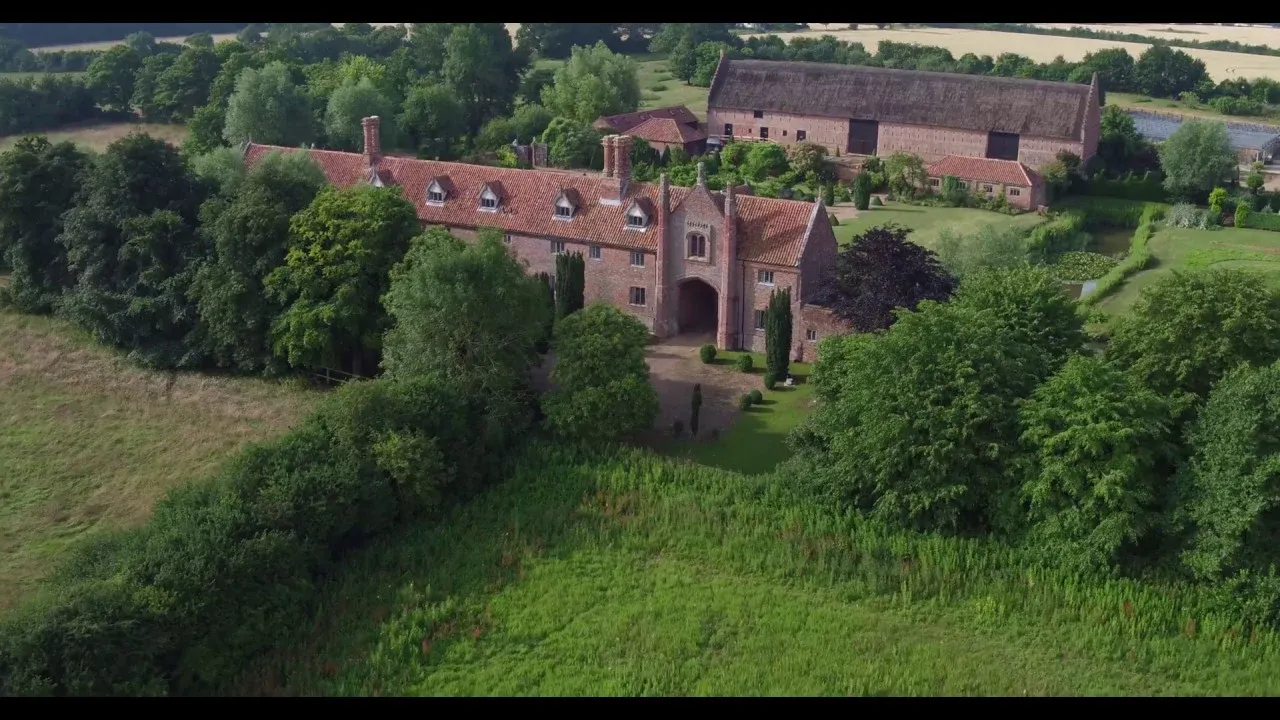
Hales Hall is a historic Tudor estate in the Norfolk countryside, surrounded by walled moated gardens, wild meadows, and formal gardens. It combines medieval architecture with modern amenities, including the Great Barn, and offers a tranquil setting for corporate events, business retreats, and celebrations.
Frequently asked questions
What makes a corporate retreat useful rather than just enjoyable?
A retreat is useful when it produces something the team can act on. That might be a clearer strategy, better communication, a stronger sense of trust, or a practical list of improvements. Enjoyment helps, but it should support a real outcome rather than replace it.
How do you choose the right corporate retreat idea?
Choose a format that matches the business goal, whether that is strategy, trust, wellbeing, or culture. The retreat should also give people enough space for informal conversation and reflection, not just structured sessions. Use the offsite to produce something practical.
How do you run a retreat well?
Mix structured sessions with enough space for informal conversation and reflection. Keep the focus on a practical outcome, then follow up after the retreat so the ideas do not fade once everyone is back at work. The best retreats lead to change after the team goes home.
What group size works best for a retreat?
The group should match the format and the outcome you want. Cross-functional groups suit guided innovation sprints, small teams work well for culinary challenges and quick product prototyping, and senior teams are the right fit for strategic visioning summits.
Can a retreat work for remote or hybrid teams?
Yes. Strong corporate retreat ideas matter because teams split between the office and working from home in different counties can easily form silos, and an offsite gives them a proper chance to reconnect. Getting away from the usual office routine helps people focus on strategic offsite planning and get back to work with shared direction.
What should you do if the team needs to rebuild trust?
Trust and communication circles are designed to help people speak openly in a safe setting. Team members share personal stories and work challenges, usually with support from a professional coach, so colleagues can see each other as people rather than job titles.