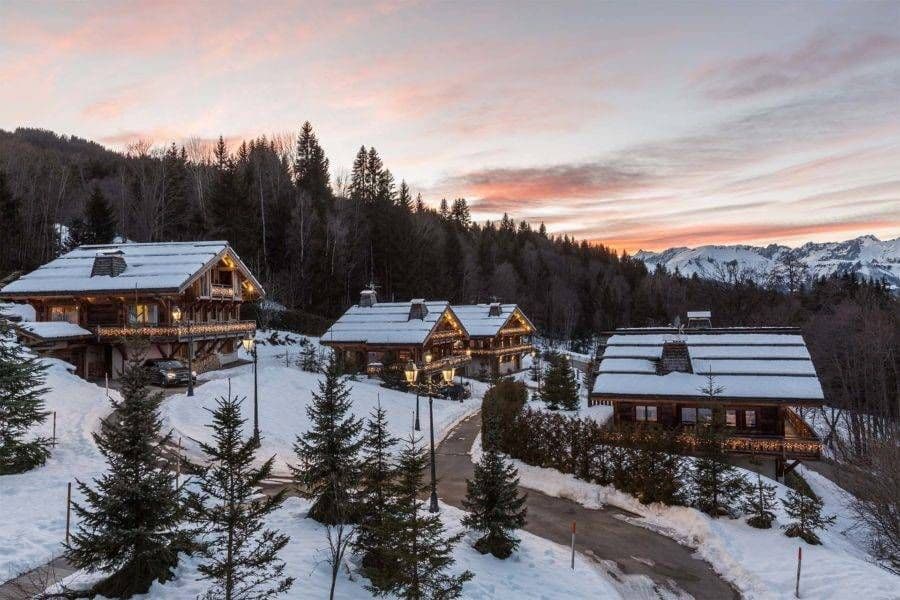
Group retreat venues work best when they match the team's agenda, travel plans, and need for privacy, so this shortlist helps you compare character, meeting space, and location at a glance.
Use it to narrow down whether you need a central city base, a quieter country-house setting, or a hotel with named rooms for discussion and downtime.
It also flags the practical checks that matter before booking, from room types and capacity details to how easy the venue is to reach.
Key takeaways
- London options range from the South Bank setting of Ruby Lucy Hotel London by IHG to the relaxed, lived-in style of The Hoxton, Southwark, with AMTD Dao by Dorsett Hornsey offering a North London base with heritage character.
- Edinburgh and Glasgow both offer central city choices, with Virgin Hotels Edinburgh in the Old Town and The Sherbrooke Castle Hotel in Pollokshields, where the Brooke Suite, Conservatory, and Library give planners room options.
- For a quieter retreat, Best Western Plus Philipburn House Hotel sits within four acres of woodland and gardens, while Boxted Hall is set in 250 acres of parkland and suits very small groups that value privacy.
- If you want a purpose-built or more formal meeting setting, Four Acres in Kingston upon Thames is a dedicated meetings and conference centre, and The Grand, York brings original details such as wood panelling, parquet floors, and ornate fireplaces.
- Before booking, check the named event rooms and capacity details, the sleeping arrangements, and how far the venue is from your team's travel route, since awkward journeys can drain energy quickly.
- The strongest choices balance character with practical space for discussion, whether that means a small room like the Library or The Grand Boardroom, or a hotel with flexible meeting spaces such as Novotel Liverpool Paddington Village.
1. Ruby Lucy Hotel London by IHG
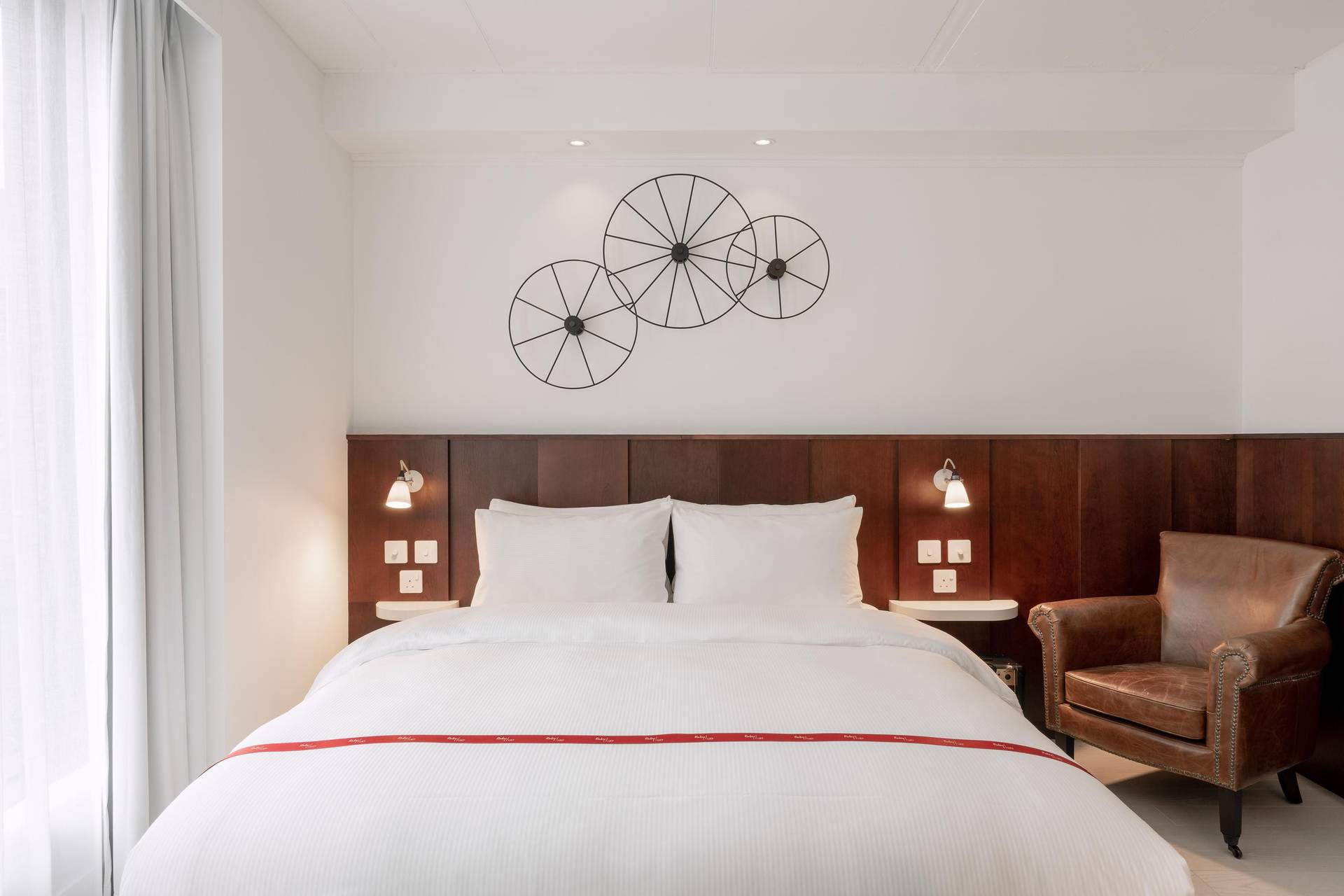
Ruby Lucy Hotel London by IHG suits a small-team retreat that needs energy without losing comfort. Set on London's historic South Bank, it blends old-world character with modern comfort and takes visual cues from the area's fairground and circus history. The bold colours and vintage motifs create a lively but relaxed feel. With several room types, including options with double beds, it works well when a compact group wants a stay that feels personal rather than corporate. Google rating: 4.7 from 1,234 reviews.
2. Virgin Hotels Edinburgh
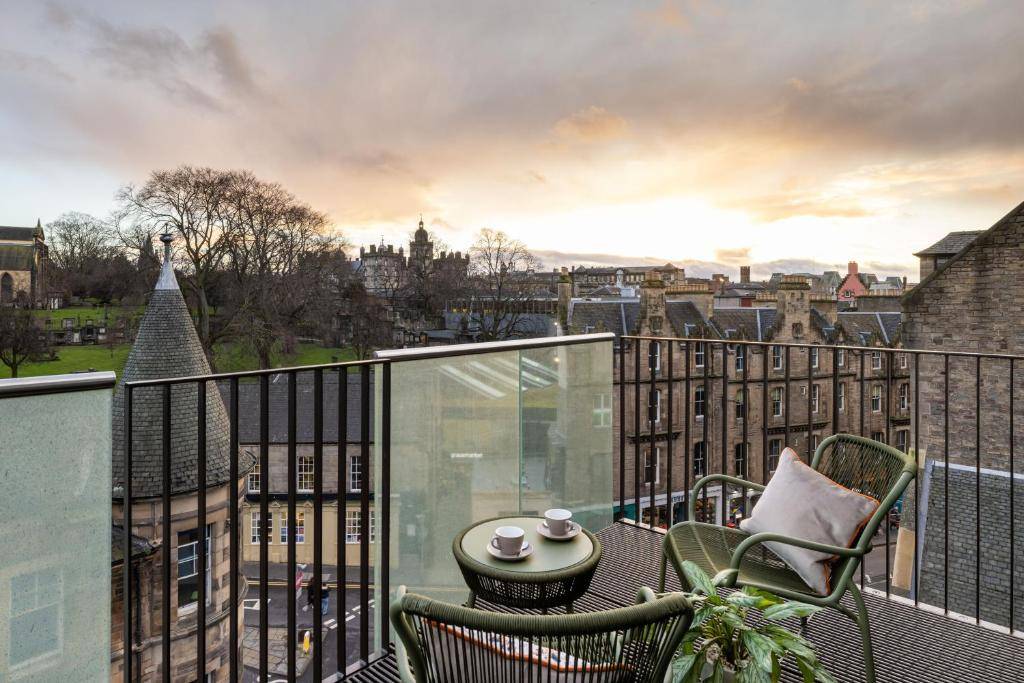
Virgin Hotels Edinburgh works well for a small-team retreat that needs meeting space in a central city setting. Located in Edinburgh's Old Town, it offers equipped facilities for corporate events, seminars, and meetings, with a refined atmosphere and quality service. The spaces are versatile, which helps when a group needs to move between discussion and downtime. Named event space: Greyfriars Hall, with capacity details available for planning. Google rating: 4.6 from 650 reviews.
3. The Sherbrooke Castle Hotel
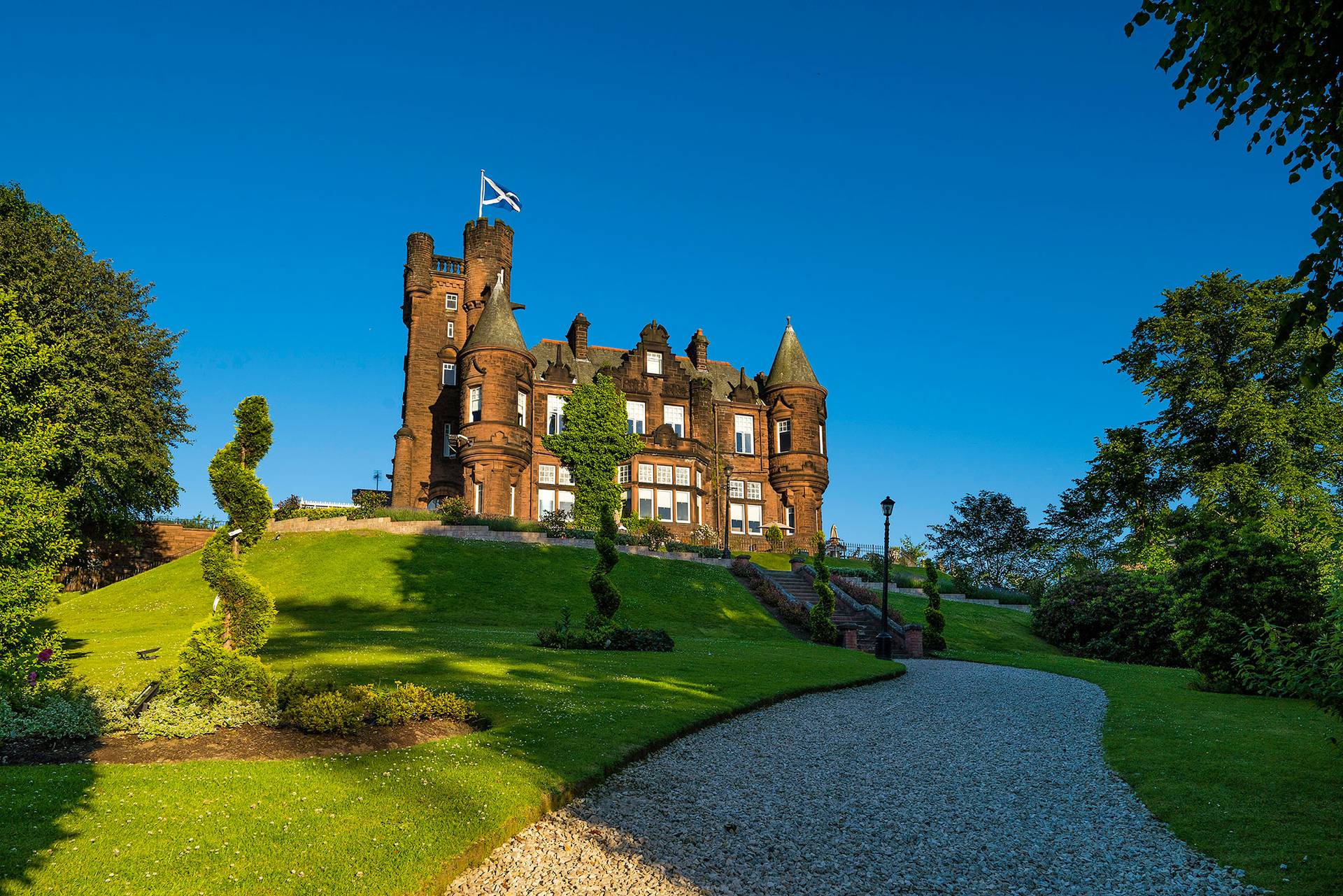
The Sherbrooke Castle Hotel is a strong fit for a small team that wants a historic setting with practical event space. In Pollokshields on the south side of Glasgow, this Scottish castle offers rooms for corporate meetings, conferences, and business functions. The Brooke Suite holds up to 250 in theatre style, the Conservatory accommodates up to 100, and the Library adds another option for smaller sessions. That mix gives planners flexibility without losing the sense of place. Google rating: 4.6 from 1,076 reviews.
4. Best Western Plus Philipburn House Hotel
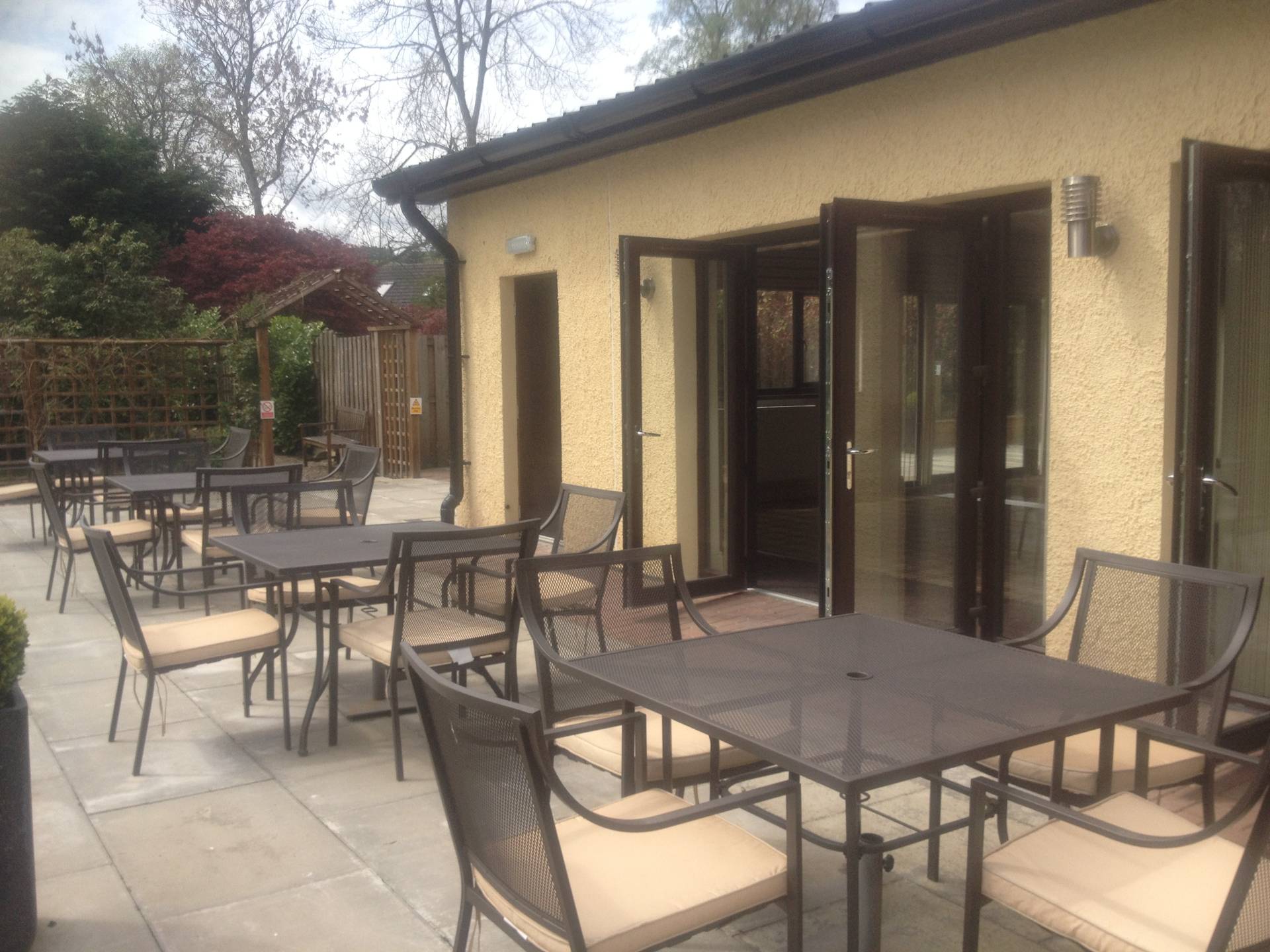
Best Western Plus Philipburn House Hotel suits a retreat that needs quiet surroundings and a slower pace. Set within four acres of woodland and gardens on the outskirts of Selkirk in the Scottish Borders, it offers a peaceful stay with individually styled rooms. Some rooms include mezzanine floors, balconies overlooking the gardens, and spa baths, which adds comfort after a day of discussion. The Linglie Suite gives planners a dedicated event space for smaller gatherings. Google rating: 4.6 from 271 reviews.
5. AMTD Dao by Dorsett Hornsey
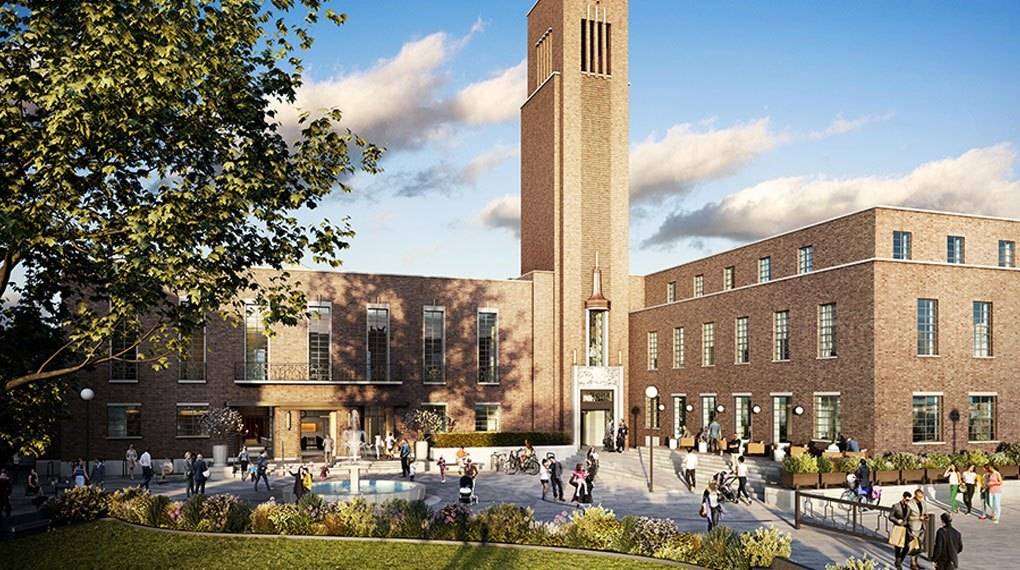
AMTD Dao by Dorsett Hornsey is a useful choice for a small-team retreat that wants a mix of heritage and modern event facilities. Also branded as Dao by Dorsett North London, it sits in Crouch End and combines Grade II* listed Art Deco character with contemporary spaces for meetings and events. That contrast gives the venue a distinct feel without making it difficult to use for work. It is a practical option when a group wants a North London base with personality. Google rating: 4.5 from 45 reviews.
6. The Hoxton, Southwark
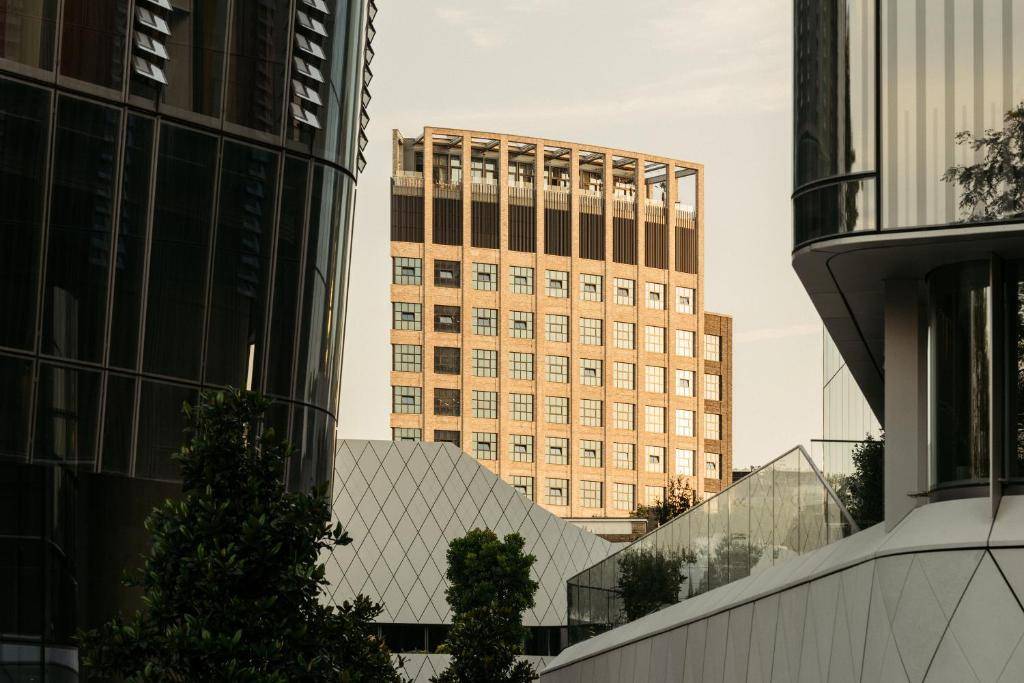
The Hoxton, Southwark works for a small team that wants a London base with a relaxed, lived-in style. Just a few steps from the Thames, it offers spaces that move between work, social time, and celebration. Up top, Seabird adds a Mediterranean feel, skyline views, and seafood-led dining, which makes it a strong choice when the retreat includes a shared meal or evening gathering. The Library gives smaller groups a more focused setting for discussion. Google rating: 4.5 from 959 reviews.
7. Four Acres
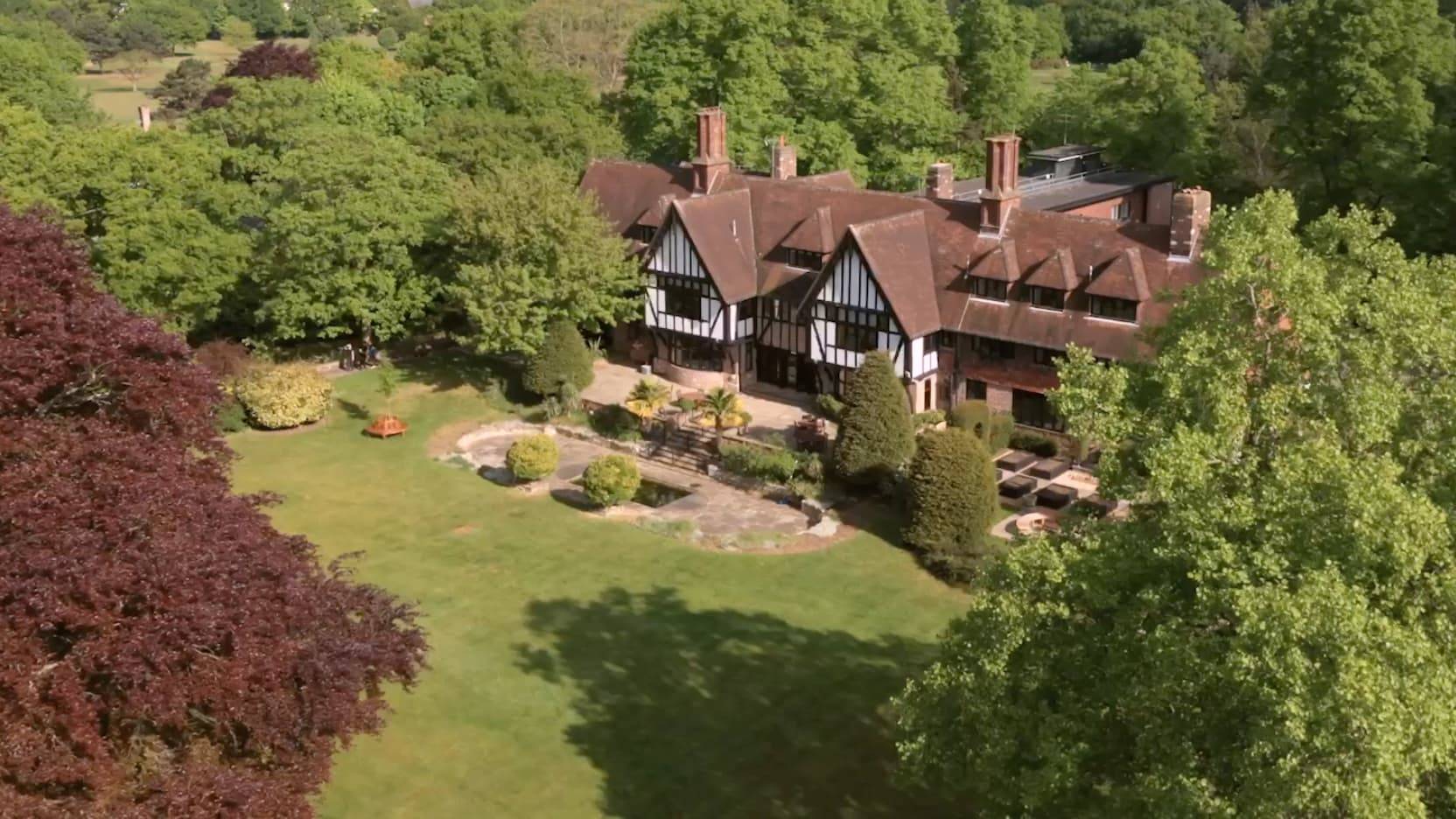
Four Acres is a dedicated meetings and conference centre in Kingston upon Thames, Surrey, set within gardens and quiet surroundings. It combines the feel of an Elizabethan Arts and Crafts manor house with modern facilities, which gives it a formal but welcoming tone for leadership sessions and team planning. The Dove Room is one of the named spaces, with capacity details available for smaller groups. For planners who want a purpose-built setting without losing character, it is an easy venue to assess. Google rating: 4.5 from 12 reviews.
8. The Grand, York
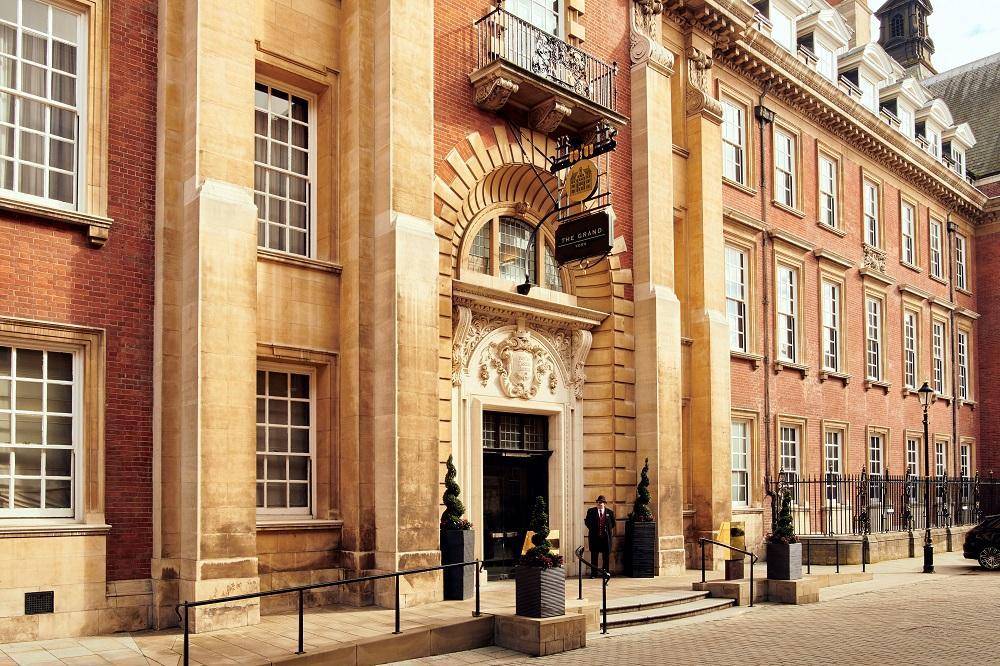
The Grand, York suits a retreat that needs history, scale, and a polished setting. Built in 1906 as the headquarters for a railway company, it still preserves original details such as floor-to-ceiling wood panelling, parquet floors, and ornate fireplaces. That gives the venue a sense of occasion without making it feel stiff. The Grand Boardroom provides a named space for smaller meetings, which helps when the group needs a focused room rather than a broad event hall. Google rating: 4.6 from 3,167 reviews.
9. Boxted Hall
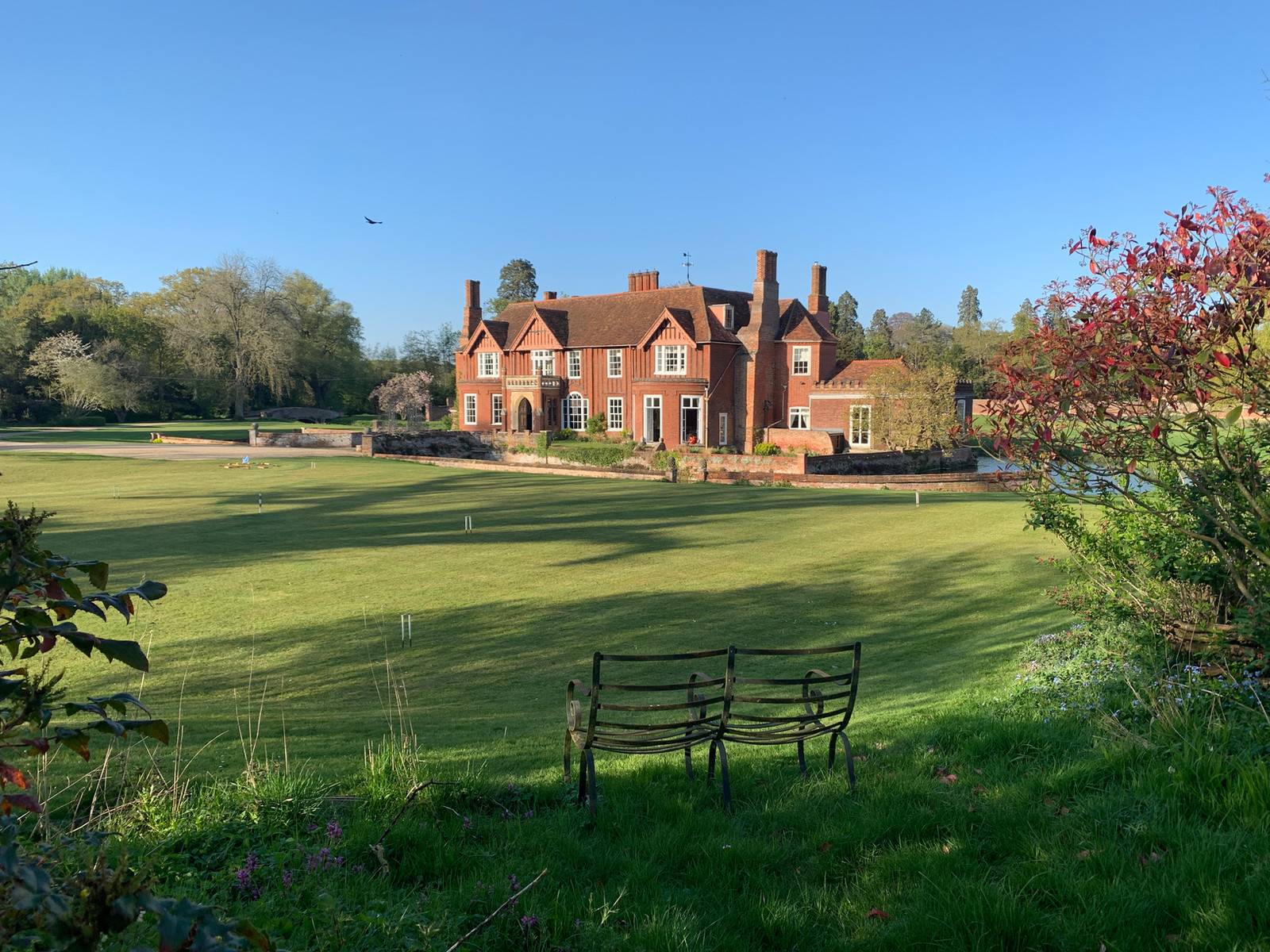
Boxted Hall is a good match for a very small retreat that values privacy and a country-house setting. This Grade II* listed property sits in 250 acres of parkland in the Suffolk countryside and forms part of the Weller-Poley family estate. Inside, period features, comfortable lounges, and a calm atmosphere make it suitable for corporate gatherings and private events. The Dining Room is listed as an event space, with capacity details that suit intimate groups. Google rating: 4.9 from 107 reviews.
10. Novotel Liverpool Paddington Village
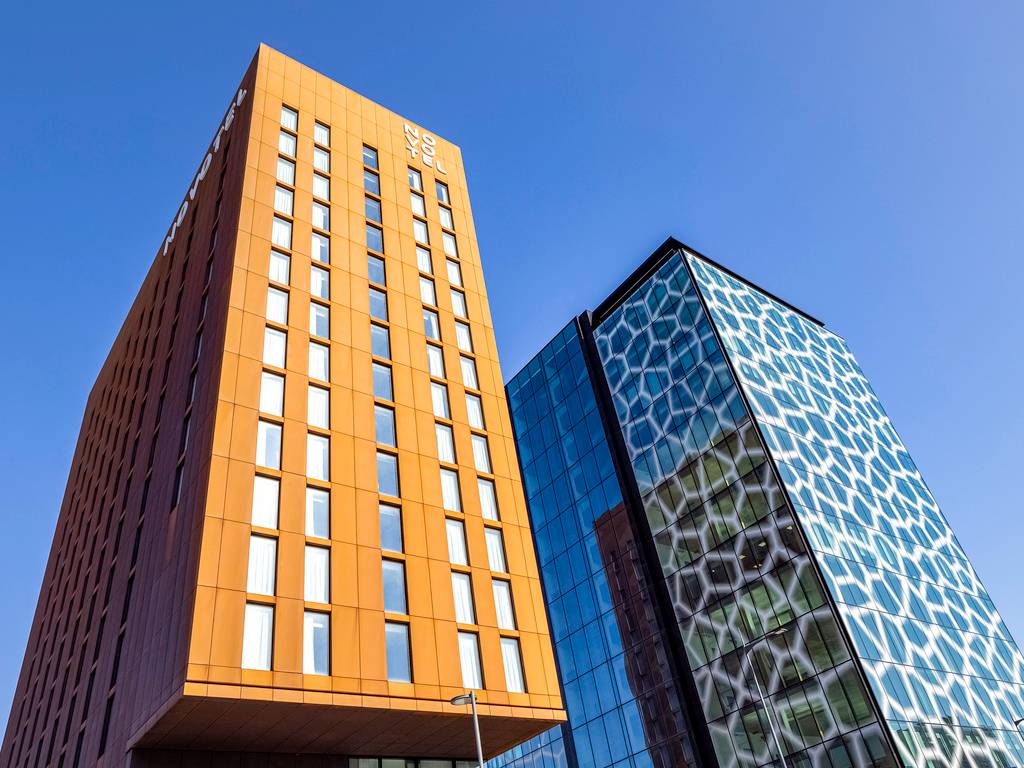
Novotel Liverpool Paddington Village is a practical choice for a small team that wants a modern hotel with clear meeting capacity. Located in a lively district, it offers 221 rooms and flexible meeting spaces for seminars, meetings, and conferences. The event spaces can accommodate up to 120 people, which gives planners room to scale while still keeping a smaller retreat focused. The Meeting Room is one of the named spaces, making it easier to match the venue to the group's agenda. Google rating: 4.6 from 586 reviews.
Common pitfalls when planning small group retreats
Small-team planning works best when the venue fits the agenda instead of trying to do everything. A common mistake is choosing a property for its look alone, then discovering the meeting room is too large, too formal, or too far from the rest of the stay. Another is ignoring travel time. A venue that looks ideal on paper can drain energy if the journey is awkward. For group retreat venues, the right balance is character, privacy, and a layout that supports real conversation.
The hidden cost of all-inclusive versus a la carte
All-inclusive packages can look efficient, but they are not always the right fit for a small team. Some properties are built around larger groups, which can mean paying for space or services you will not use. A la carte options can feel more flexible, but they often require more coordination. The better question is not which model sounds simpler. It is which one gives your group the right mix of control, time, and ease on the day.
Prioritising novelty over core objectives
It is easy to choose a venue because it feels different. That can work, but only if the setting still supports the meeting itself. If the retreat is about strategy, the property needs quiet rooms and enough structure for focused discussion. If the goal is connection, the venue should make shared time feel natural. The strongest choices are not the flashiest ones. They are the places that help the group do the work and enjoy the time together.
Measuring the ROI of your offsite investment
The value of a small retreat shows up in what happens after everyone goes home. Look for clearer priorities, faster decisions, and better communication between colleagues. You can also ask whether the group left with a shared view of next steps and whether the retreat reduced friction on live projects. For leadership teams, the real return is often practical: fewer misunderstandings, better alignment, and a stronger sense that people can work together with less effort.
Useful measures include a short post-retreat survey, a before-and-after check on team confidence, and a review of how quickly key work moved once the group returned. Qualitative feedback matters too. If people can point to a specific discussion that changed how they work, the retreat did its job.
Frequently asked questions
What size group works best for a small-team retreat?
These venues are generally best for small teams, usually around 8 to 20 people. That size keeps the group close enough for shared discussion while still giving everyone room to take part.
How should we choose sleeping arrangements for a small retreat?
Choose a venue with room types that fit a compact group rather than a property that feels oversized or impersonal. Ruby Lucy Hotel London by IHG, for example, has several room types, including options with double beds, while Best Western Plus Philipburn House Hotel offers individually styled rooms.
Which venues work well if we need a calm place to stay and meet?
Best Western Plus Philipburn House Hotel and Boxted Hall are strong fits if privacy and a quieter setting matter most. One sits within four acres of woodland and gardens, and the other is set in 250 acres of parkland, with both offering dedicated event spaces for smaller gatherings.
How do we judge whether a venue has the right meeting space?
Look for named event rooms and capacity details, because they make it easier to match the venue to the agenda. The Sherbrooke Castle Hotel, for example, lists the Brooke Suite, the Conservatory, and the Library, while Novotel Liverpool Paddington Village offers flexible meeting spaces with event spaces that can accommodate up to 120 people.
What should we keep in mind about travel when booking a retreat?
Do not ignore travel time, because a venue that looks ideal on paper can drain energy if the journey is awkward. A central city setting like Virgin Hotels Edinburgh or The Hoxton, Southwark can help keep travel simpler for a small group.
How far in advance should we book a small group retreat?
Boutique properties and private houses often need early booking, especially for popular seasons such as spring and autumn. Planning several months ahead gives you a better chance of securing the right dates, the right room setup, and the privacy your team needs.