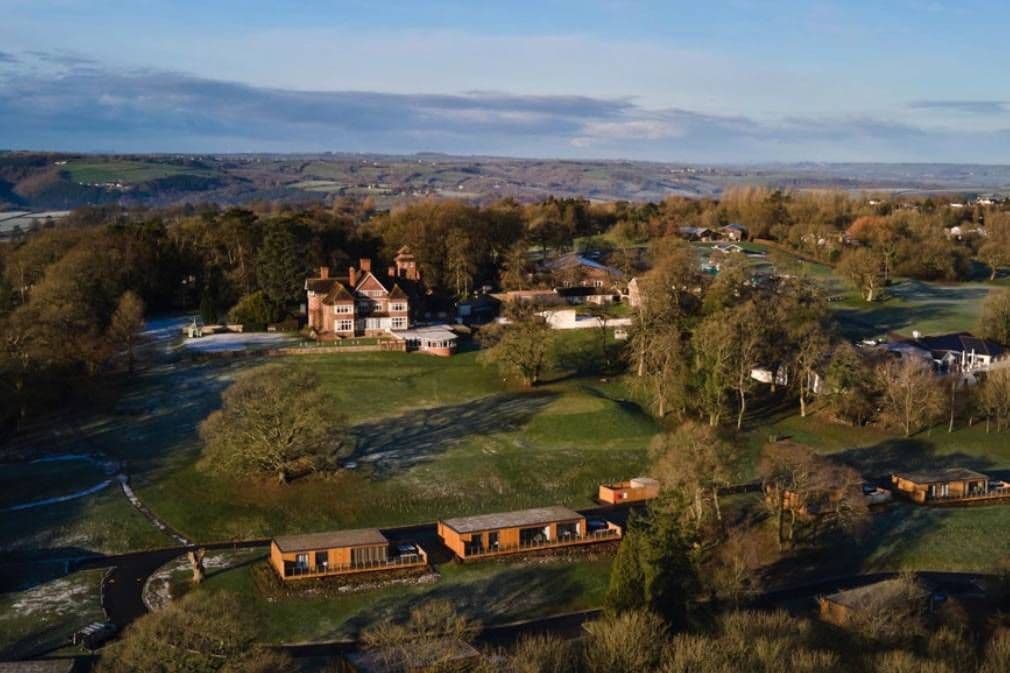
These estates for leadership offsites give planners a clear mix of private countryside retreats, historic castles, city-centre addresses, and coastal stays, so you can match the venue to the meeting shape rather than the other way round.
Use them to compare privacy, on-site rooms, named meeting spaces, and dinner capacity before you book.
The strongest options here suit focused discussion, smaller breakouts, and a setting that keeps senior teams away from the usual meeting routine.
Key takeaways
- Bruisyard Country Estate, Eaton Manor, and Clwyd Gate Manor suit quieter leadership offsites where privacy and focus matter, with on-site accommodation or guest rooms and named workspaces for structured sessions.
- Warwick Castle, Walworth Castle Hotel, and Mcarthur Manor bring a more formal feel, with castle or manor settings and spaces that work for dinners, receptions, or larger gatherings.
- Cambridge House and Hotel du Vin Newcastle give planners city options when access matters, with a central London mansion or a River Tyne location and meeting space suited to presentations and briefings.
- Seaham Hall Hotel adds a coastal country-house feel near Newcastle, while Eaton Manor offers a peaceful base in the Shropshire Hills with walking trails and nearby villages.
- Before booking, check room count, named meeting spaces, dining capacity, and how private the setting feels, especially if the group needs plenary time and smaller breakouts.
- Review scores help add context, but the practical fit matters more: the venue should support the programme cleanly and keep the day focused.
1. Bruisyard Country Estate (Hall)
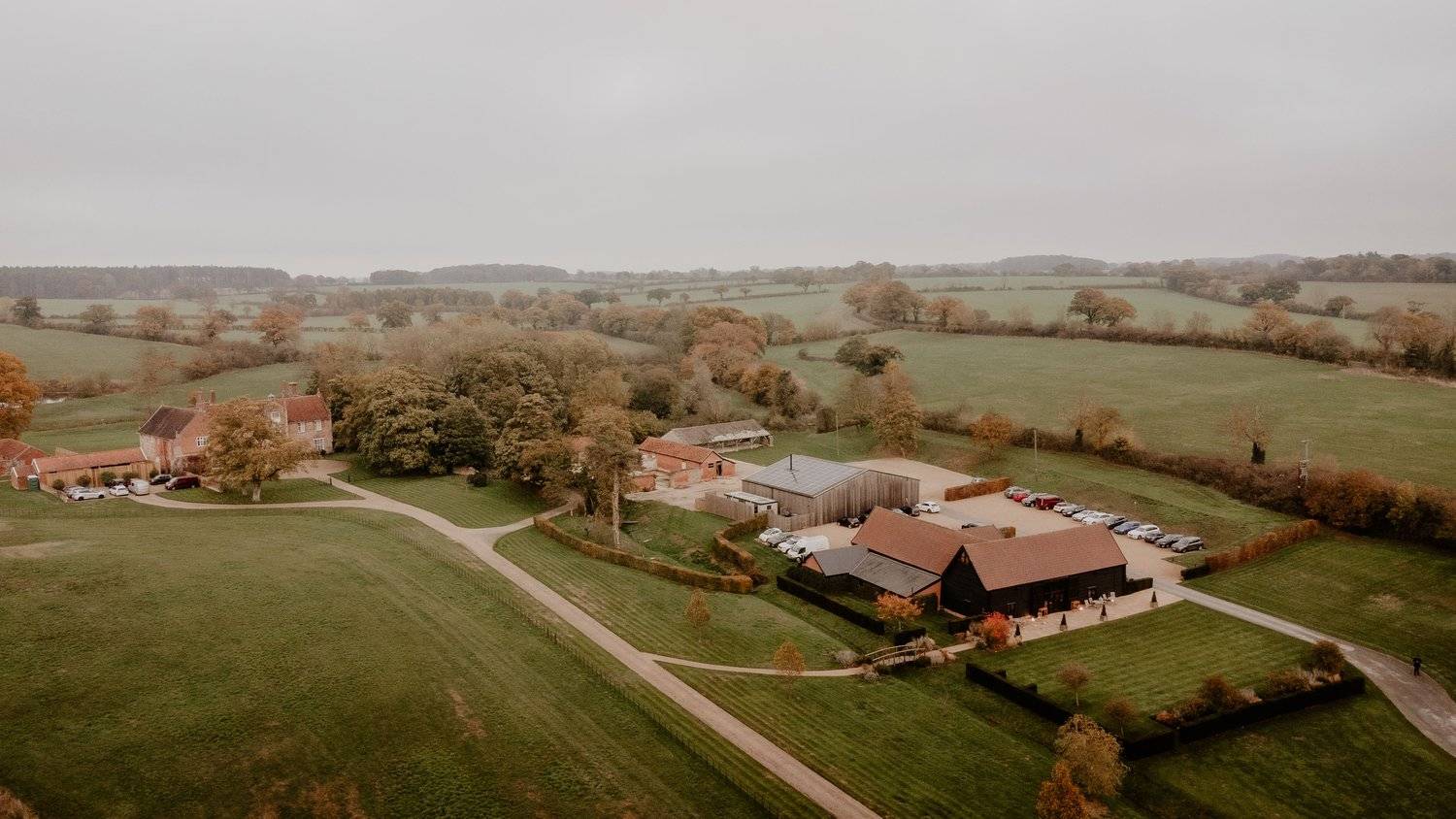
Bruisyard Country Estate works well for an exclusive corporate retreat because it combines a private estate setting with practical on-site accommodation. The Hall offers five named workspaces, from Workspace 1 through Workspace 5, which gives planners flexibility for plenary sessions and smaller breakouts. With 15 guest rooms and a Google rating of 4.8 from 110 reviews, it suits leadership groups that want privacy, space to think, and a setting that feels removed from the usual meeting routine.
2. Warwick Castle (UK)
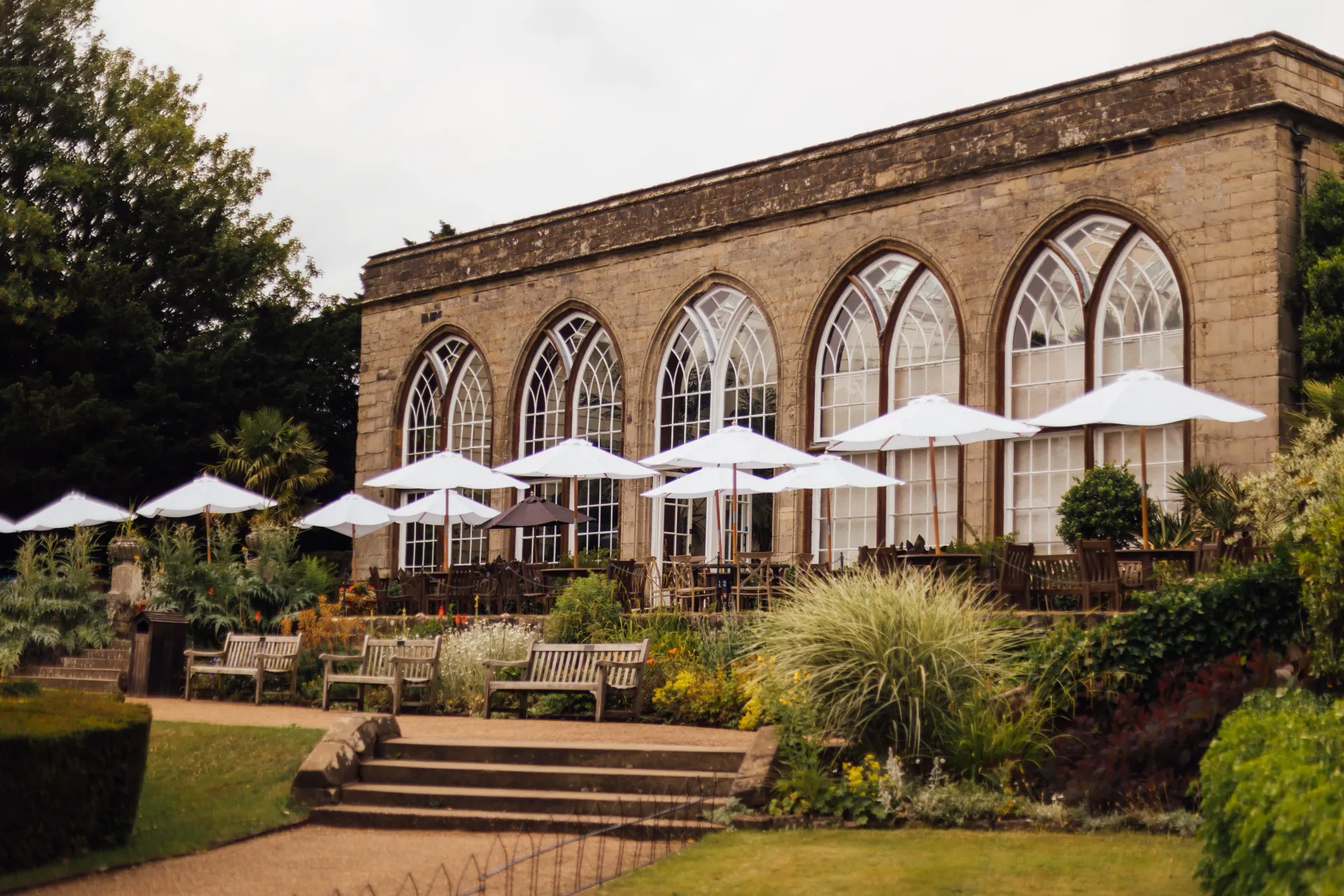
Warwick Castle suits a leadership offsite when the brief calls for a memorable setting with real scale. The venue has over 600 years of history and offers spaces for receptions, banquets, and team-building activities. The Great Hall can host up to 130 guests for dinner, while the State Dining Room is designed for private dinners of up to 40. With a Google rating of 4.6 from 23,625 reviews, it brings strong name recognition and a private, historic backdrop.
3. Eaton Manor (UK)
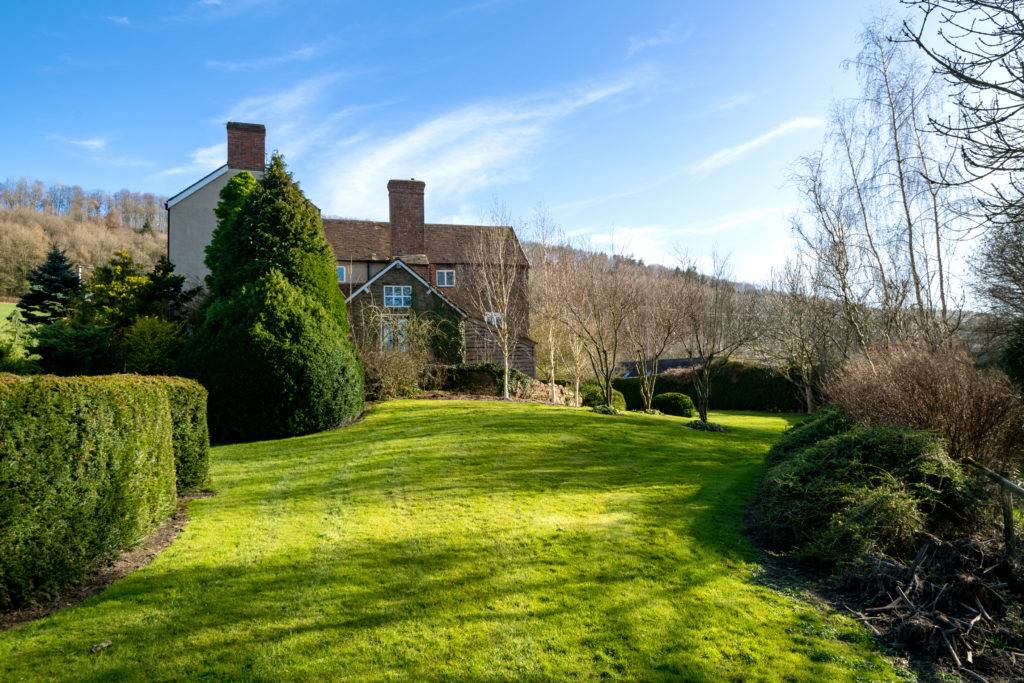
Eaton Manor is a strong choice for teams that want a quiet countryside retreat in the Shropshire Hills. Set within 500 acres near Church Stretton, it offers a peaceful base with walking trails, nearby villages, and access to Ludlow. The venue includes spacious meeting rooms with high-speed Wi-Fi, plus named workspaces for structured sessions. With a Google rating of 4.9 from 86 reviews, it fits leadership groups that value calm surroundings and a focused working rhythm.
4. Walworth Castle Hotel (UK)
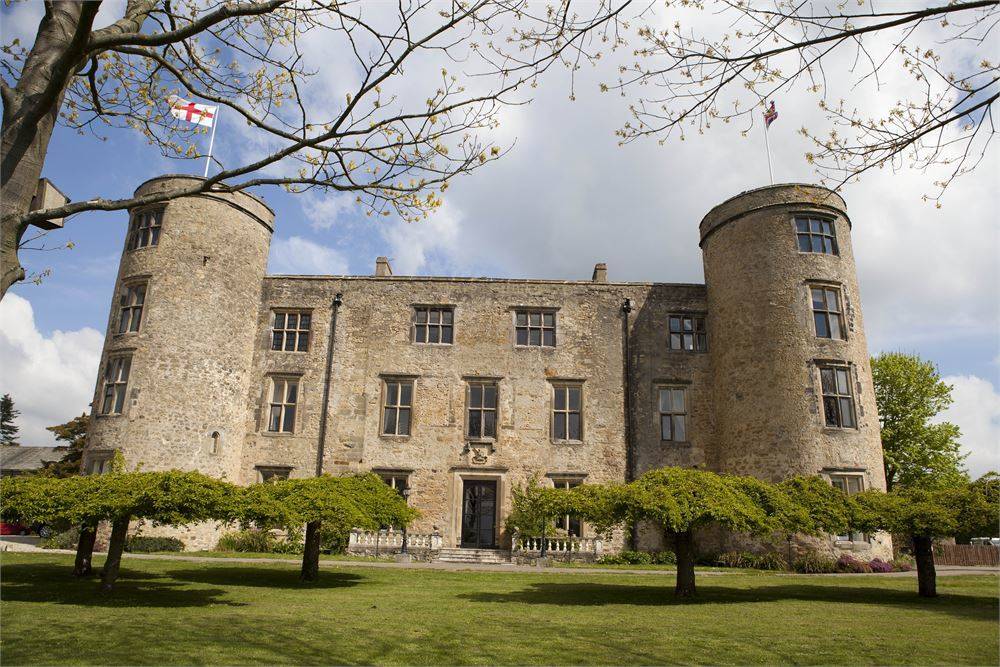
Walworth Castle Hotel works for an executive retreat when you want a castle setting with enough room for formal gatherings. This Grade I listed property sits within 18 acres of lawns and woodlands near Darlington in North East England. The Ballroom holds up to 100 for formal events, giving planners a clear option for dinners or presentations. With a Google rating of 4.4 from 1,327 reviews, it offers a historic backdrop with a private, country-house feel.
5. Clwyd Gate Manor (UK)
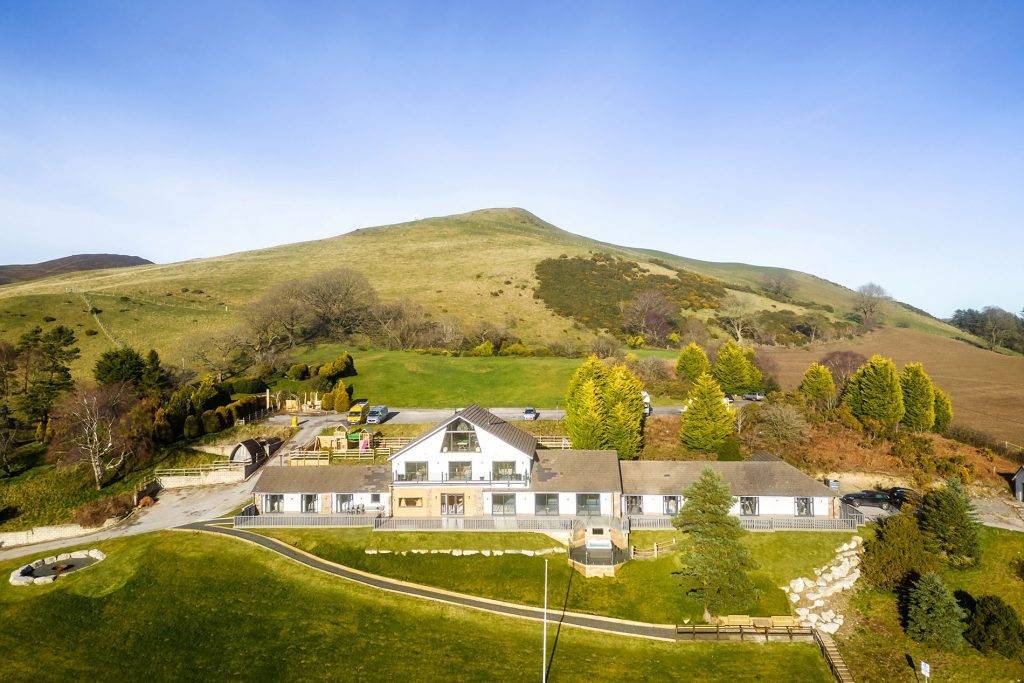
Clwyd Gate Manor suits leadership teams that want seclusion without losing access to key places in North Wales. It sits in scenic countryside within reach of Chester and the Clwydian Range, which makes it a practical base for a private offsite. The venue includes Workspace 1 and 11 guest rooms, so it can support smaller groups that need a quiet environment for planning and discussion. Its Google rating of 5.0 from 10 reviews points to a very small but well-regarded venue.
6. Cambridge House (UK)
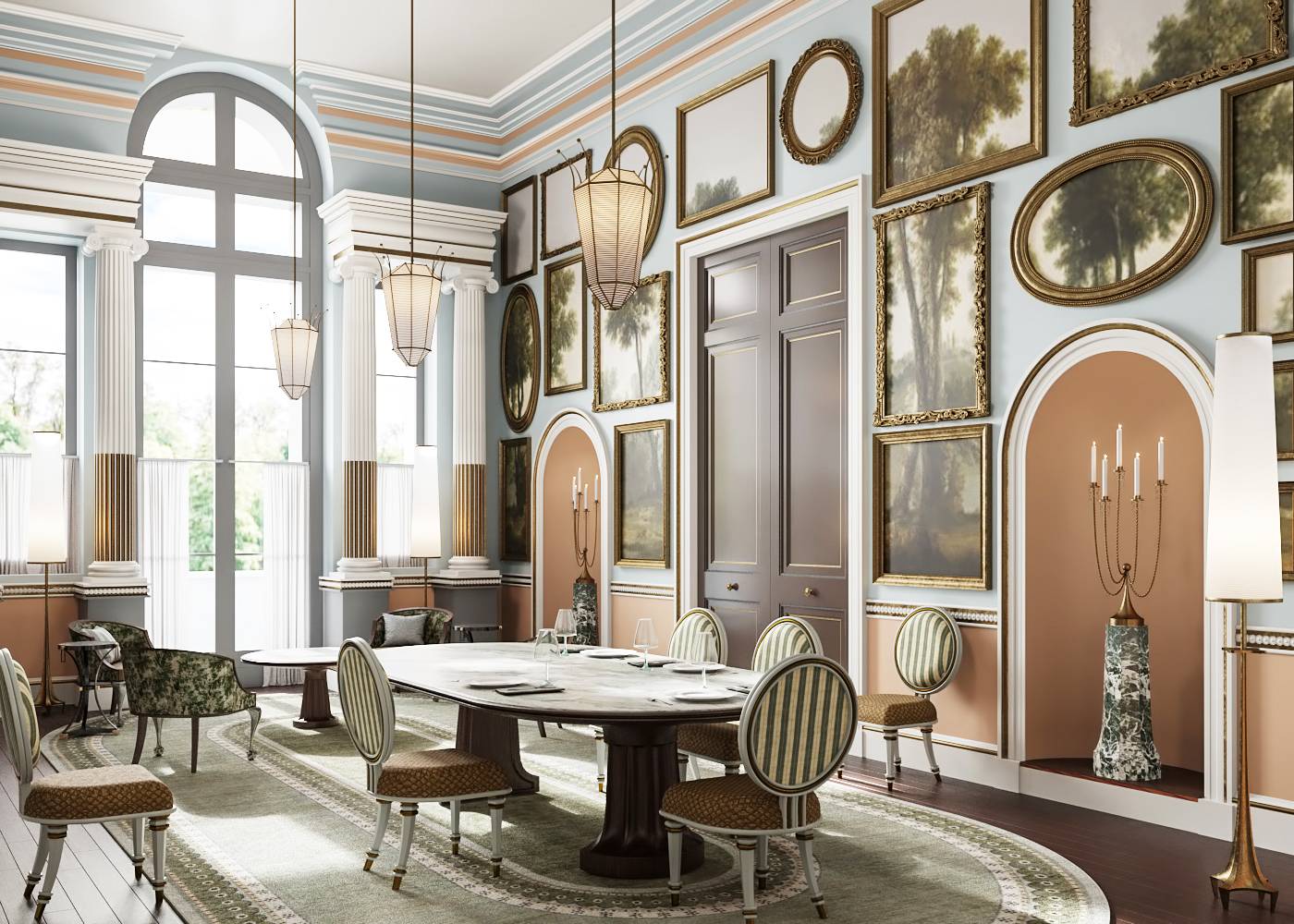
Cambridge House is a London option for leadership offsites that need a central address and a formal setting. Housed in an 18th-century Georgian mansion in Mayfair, it combines period character with contemporary refinement. The property has 102 rooms, including 78 guest rooms and 24 suites, and the Major's space can host up to 350 guests. With a Google rating of 4.6 from 5 reviews, it suits larger executive gatherings that need city access and a polished setting.
7. Seaham Hall Hotel (UK)
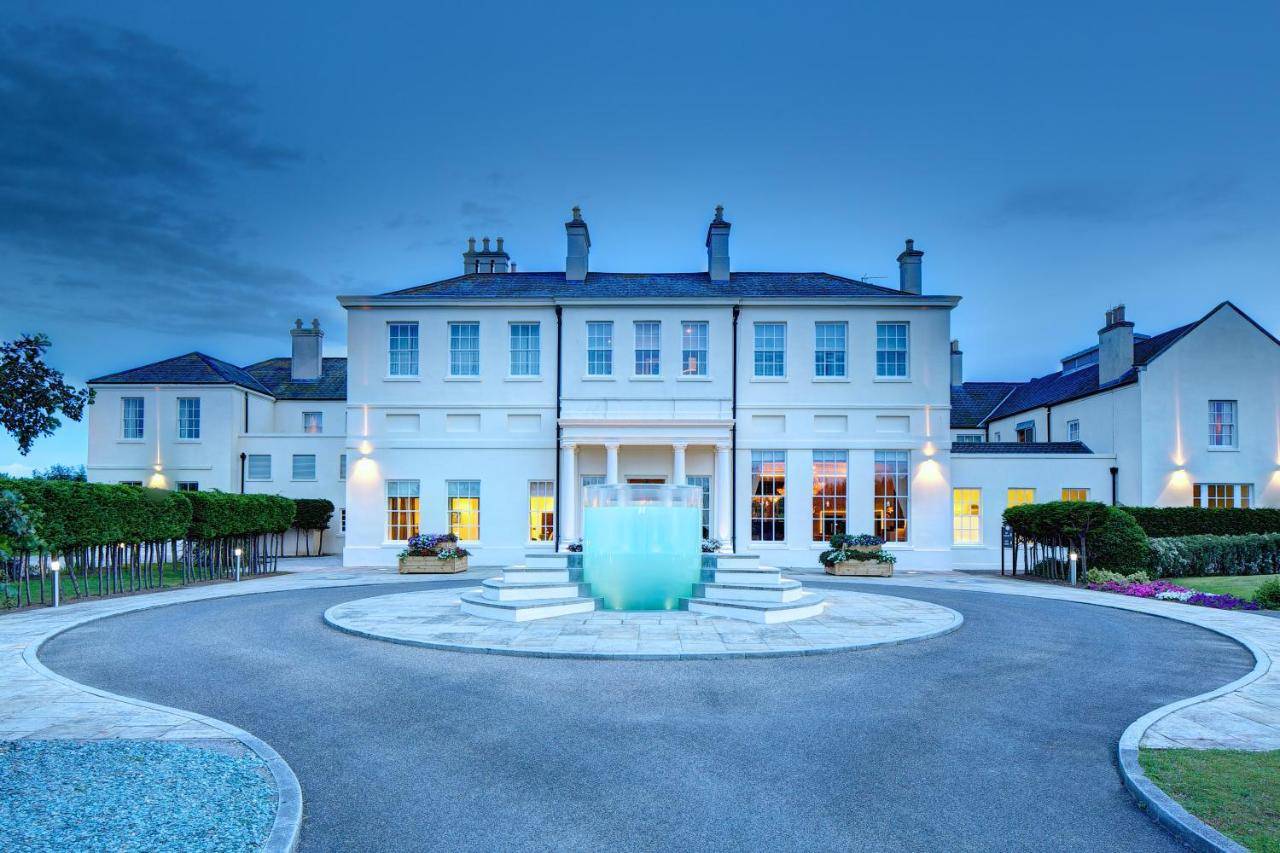
Seaham Hall Hotel works well for a leadership retreat that needs a country-house feel near the coast. Located in a coastal village just outside Newcastle, it blends heritage features with modern design and includes advanced lighting and entertainment systems. The atmosphere is refined but lively, which can suit teams that want a change of pace without losing comfort. With a Google rating of 4.7 from 1,171 reviews, it is a credible choice for private group gatherings.
8. Mcarthur Manor (UK)
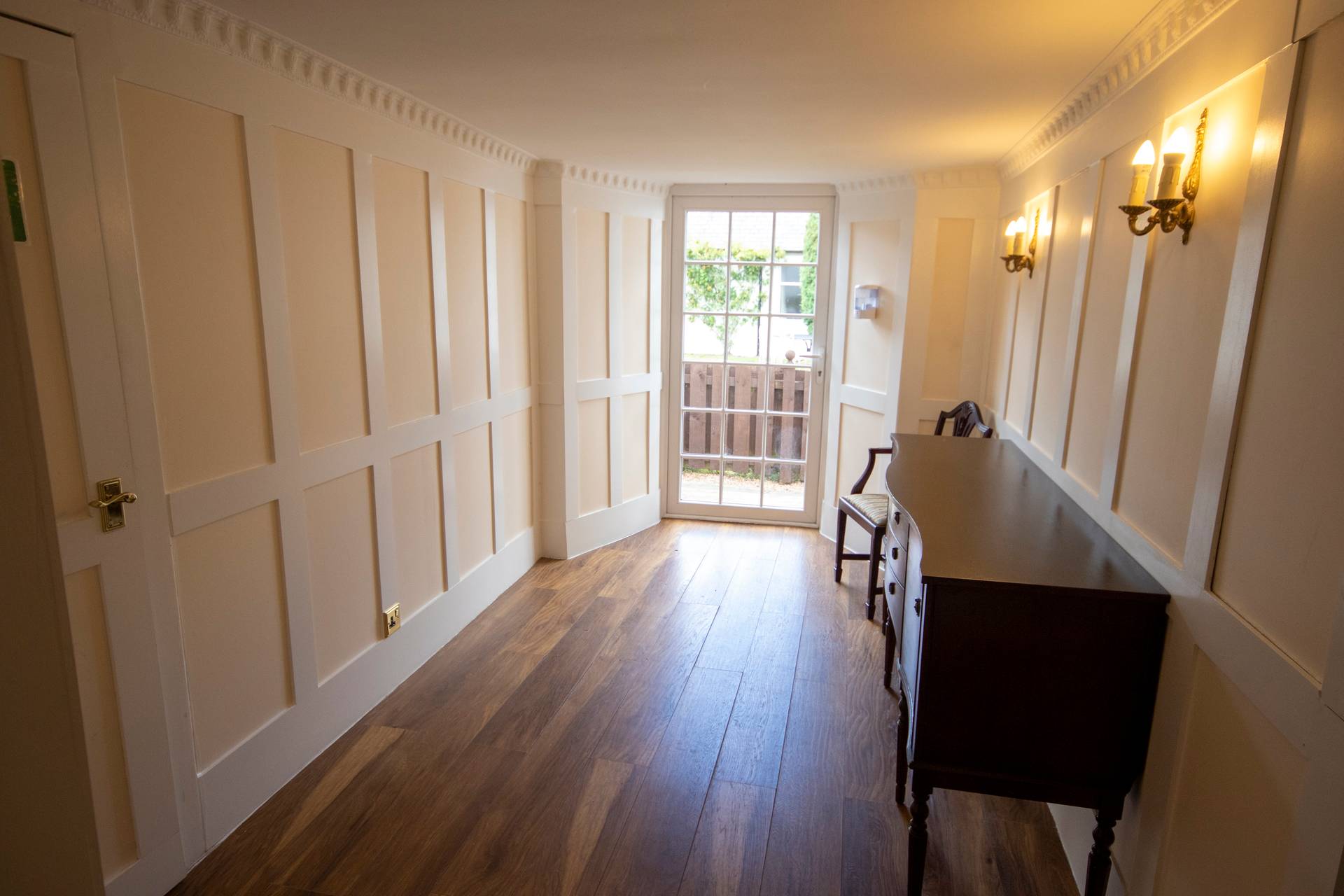
McArthur Manor is an exclusive-use Georgian manor in Blairgowrie, Scotland, and it suits leadership teams that want privacy and a traditional setting. The house has a grand, classic feel throughout, and its large function space can accommodate up to 120 guests. Two dining rooms add flexibility for meals or smaller sessions, while the named McArthur Manor Operate space gives planners a defined event option. Its Google rating of 5.0 from 171 reviews makes it stand out for smaller executive groups.
9. Hotel du Vin Newcastle (UK)
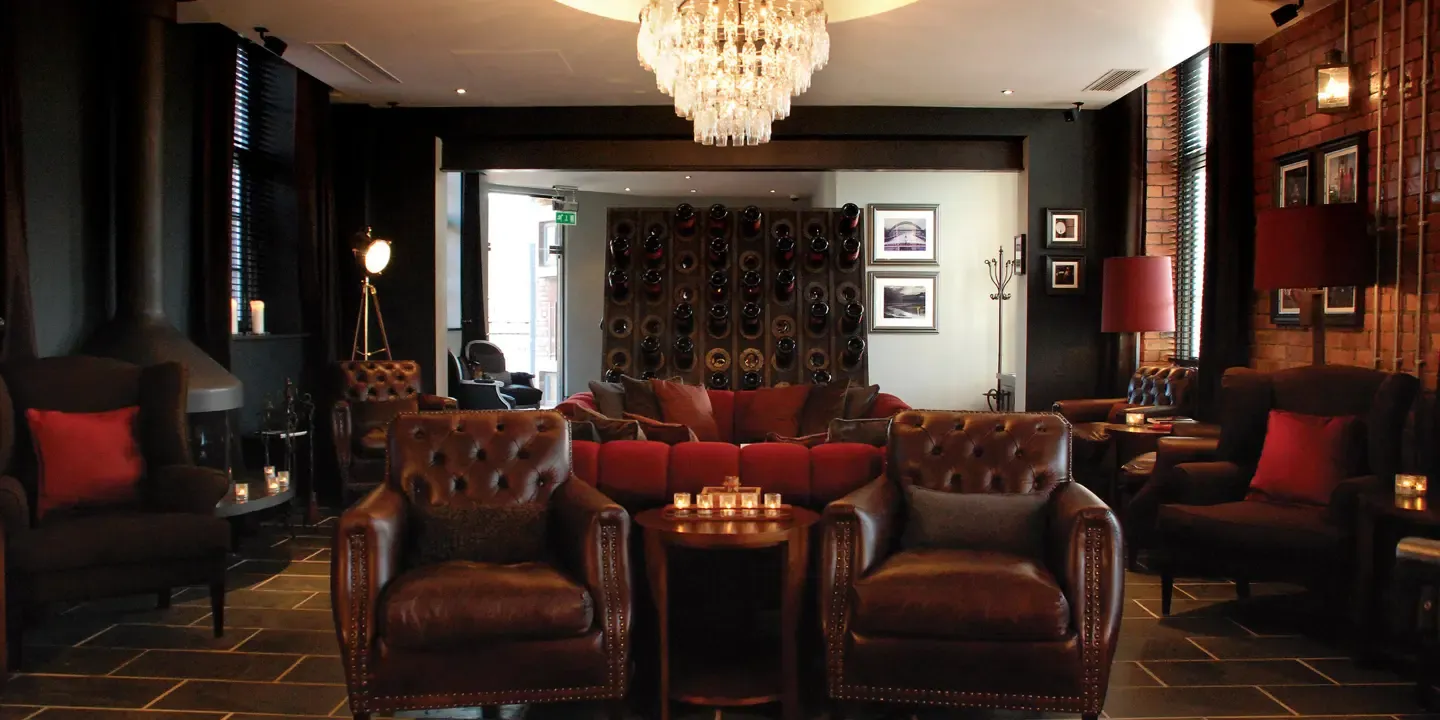
Hotel du Vin Newcastle is a city-centre option for leadership offsites that need flexible meeting space and easy access. Set on the banks of the River Tyne, it offers elegant rooms suitable for seminars and conferences, with an experienced events team supporting the programme. The Bistro space can host up to 75 theatre-style, which gives planners a practical format for presentations or briefings. With a Google rating of 4.5 from 876 reviews, it suits urban executive gatherings.
How do you choose the right estate for a leadership offsite?
Start with the shape of the meeting, not the scenery. If the group needs privacy and long working sessions, look for named spaces, enough guest rooms, and a layout that supports both plenary time and smaller breakouts. If the offsite is more formal, check dinner capacity and the feel of the main room. If access matters, choose a city property or one with straightforward travel links. The right estate should fit the agenda, not distract from it.
What should planners check before booking?
Confirm the basics early: room count, meeting space names, dining capacity, and whether the venue can support the size of your group. For leadership offsites, it also helps to check how private the setting is and whether the property feels suited to board-level discussion. Review scores can add context, but they should sit alongside practical details. A strong venue is one that can host the programme cleanly, without forcing compromises on space or timing.
What makes a venue feel right for senior teams?
Senior teams usually need a place that feels calm, private, and well run. That can mean a castle with formal rooms, a manor with exclusive use, or a hotel with strong meeting infrastructure in a central location. The key is balance. The venue should support serious discussion, but also give people enough comfort to stay engaged through the day. When the setting is right, the offsite feels intentional rather than improvised.
Frequently asked questions
What should I look for when choosing a private estate for a leadership offsite?
Start with privacy, proper meeting space, and enough room to think. Look for named spaces, guest rooms on site, and a layout that supports both plenary sessions and smaller breakouts.
How important is exclusive use for a leadership offsite?
Exclusive use matters when the group needs focus and discretion. A private estate setting helps senior teams stay away from the usual meeting routine and keeps the day more contained.
How many meeting spaces should an estate have?
It should have enough named spaces to fit the shape of the programme. Named meeting spaces matter for board sessions, breakouts, and private dining, especially when the group needs both structured discussion and smaller working sessions.
Should I book a venue with sleeping rooms on site?
Yes, if you want the offsite to run more easily over one or two days. Guest rooms on site make it simpler to keep the group together and avoid moving people between locations.
How do I decide between a rural estate and a city venue?
Choose rural when the brief calls for privacy, calm, and a clear break from the office. Choose city when access matters, or when the group needs a central address with straightforward travel links.
What makes an estate feel right for senior teams?
It should feel calm, private, and well run. Senior teams usually respond well to a castle with formal rooms, a manor with exclusive use, or a hotel with strong meeting infrastructure in a central location.