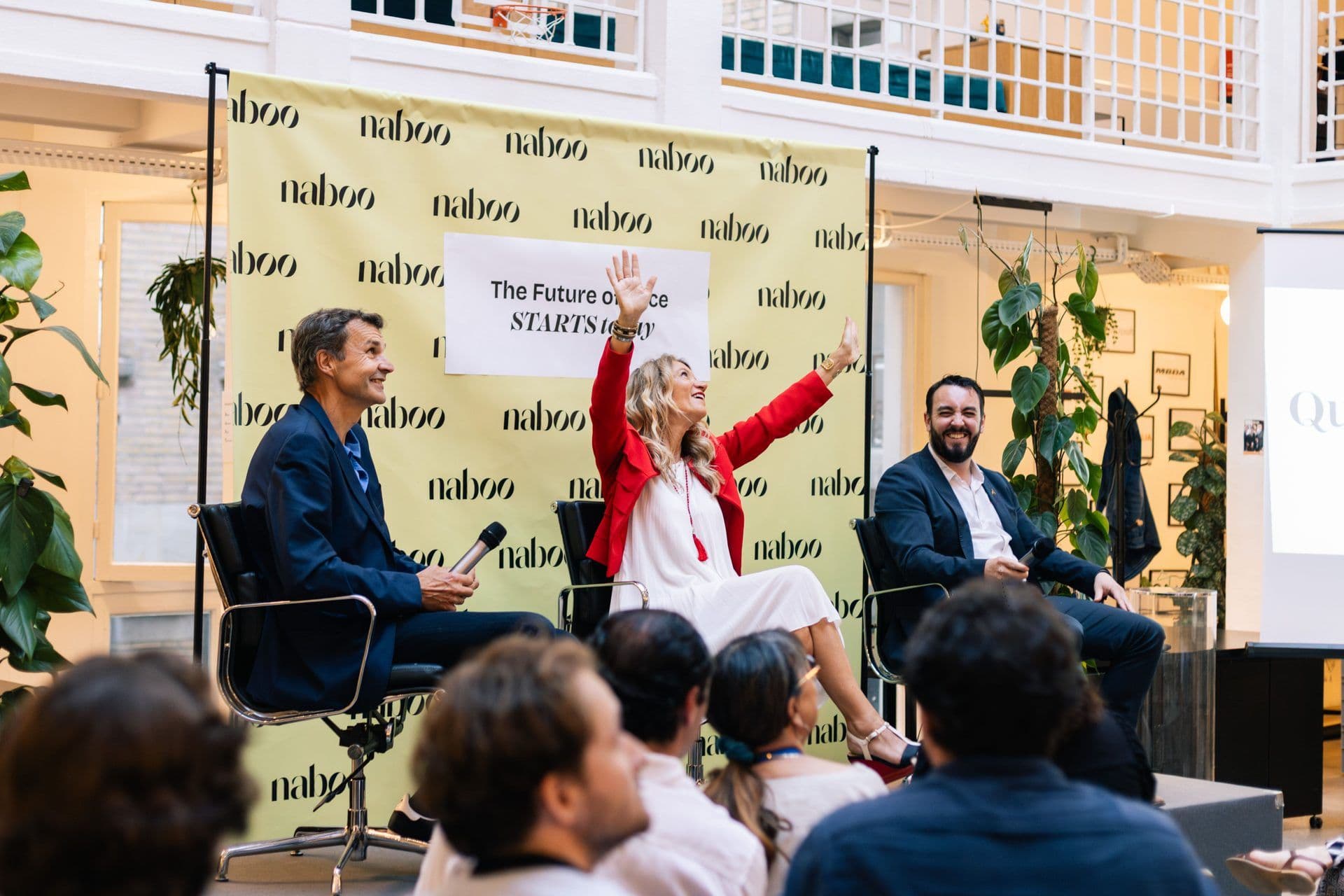
Executive away days give senior teams space to agree priorities, strengthen working relationships, and reset how they communicate before returning to the business.
Use them to step away from inboxes and operational noise, settle the company vision, and tackle the issues that need clear decisions rather than another meeting.
The right format depends on what you need most, from strategic clarity and alignment to wellbeing, collaboration, and future resilience.
Key takeaways
- Strategic clarity and alignment starts with taking the leadership team away from inboxes and operational noise so they can settle the company vision, review market shifts, and confirm priorities for the year ahead.
- Accelerated trust building comes from time together outside the usual work setting, whether that is a shared meal, a walk by the coast, or a quieter evening conversation.
- Measurable productivity lift depends on a well-run off-site that reconnects the dots between functions, clarifies who is doing what, and cuts unclear ownership, repeated explanations, and slow handovers.
- Optimising communication flow is strongest when sensitive or strategic topics are handled face to face, where tone, context, and nuance are easier to read and clear communication habits can be agreed.
- Belonging and community grow through informal conversations, shared meals, and non-work activities that break down hierarchy a little, especially for people working far from central London hubs or spending most of their time alone.
- Innovation and creative output can come from a change of setting, whether that is a manor house in the Cotswolds or a modern venue near Manchester's digital district, because new surroundings help leaders see patterns they may have missed before.
1. Strategic clarity and alignment
Executive away days create the space senior leaders need to step back from the daily rush and agree on what matters next.
Away from inboxes and operational noise, the leadership team can settle the company vision, review market shifts, and confirm priorities for the year ahead. That kind of focus reduces confusion, cuts duplicate effort, and keeps departments moving in the same direction.
Group setup: senior leadership team
Best for: strategic clarity and alignment
How to apply: Take the leadership team away from inboxes and operational noise. Use the time to settle the company vision, review market shifts, and confirm priorities for the year ahead. Keep the discussion focused on what matters next so departments leave with the same direction.
2. Accelerated trust building
Trust grows faster when people spend time together outside the usual work setting.
A shared meal, a walk by the coast, or even a quieter evening conversation can change how executives work with one another once they are back in the office. That personal chemistry matters. It reduces turf wars, makes difficult conversations easier, and helps leaders make decisions with more confidence and less hesitation.
Group setup: executives outside the usual work setting
Best for: accelerated trust building
How to apply: Build in time for a shared meal, a walk by the coast, or a quieter evening conversation. Let people spend time together without the pressure of the office. Use the setting to build personal chemistry that carries back into day-to-day work.
3. Measurable productivity lift
Executive away days can improve productivity by removing the friction that slows teams down.
In hybrid and remote settings, people often lose time to unclear ownership, repeated explanations, and slow handovers. A well-run off-site helps leaders reconnect the dots between functions and reset how they work together. The result is less wasted effort and a sharper sense of who is doing what, and why it matters.
Group setup: leadership team in a well-run off-site
Best for: measurable productivity lift
How to apply: Use the off-site to reconnect the dots between functions. Reset how leaders work together and clarify who is doing what, and why it matters. Keep the focus on removing unclear ownership, repeated explanations, and slow handovers.
4. Optimising communication flow
Face-to-face discussion still handles complex topics better than email threads or video calls.
Executive away days bring those conversations into one room, where tone, context, and nuance are easier to read. That matters when the subject is sensitive or strategic. It shortens the path to resolution, reduces misunderstanding, and helps the group agree on clear communication habits they can carry back into day-to-day work.
Group setup: one room, face to face
Best for: optimising communication flow
How to apply: Bring sensitive or strategic topics into one room. Use face-to-face discussion so tone, context, and nuance are easier to read. End by agreeing clear communication habits the group can carry back into day-to-day work.
5. Critical talent retention
Executive away days help retain high performers by showing that the organisation values its senior people and the culture they shape.
For leaders in sectors such as Birmingham manufacturing or Edinburgh tech, that signal matters. It builds loyalty, lifts morale, and makes the workplace feel more worth staying for. When people feel connected and recognised, they are less likely to look elsewhere, which protects the business from costly senior turnover.
Group setup: senior people in sectors such as Birmingham manufacturing or Edinburgh tech
Best for: critical talent retention
How to apply: Use the away day to show senior people that the organisation values them and the culture they shape. Create space for connection and recognition. Keep the experience focused on loyalty, morale, and making the workplace feel worth staying for.
6. Direct culture integration
Culture is easier to reinforce when people experience it together rather than reading about it on a slide deck.
Executive away days give leaders a live setting to model the behaviours the organisation wants to see. They are also useful for bringing new starters into the fold and making shared norms feel real. For dispersed teams, that kind of direct contact helps keep the leadership group aligned on how the business should operate.
Group setup: leaders together in a live setting
Best for: direct culture integration
How to apply: Use the away day to model the behaviours the organisation wants to see. Bring new starters into the fold and make shared norms feel real. For dispersed teams, use direct contact to keep the leadership group aligned on how the business should operate.
7. Belonging and community
Belonging is not a soft extra. It affects engagement, commitment, and whether people stay.
Executive away days help create that sense of community through informal conversations, shared meals, and non-work activities that break down hierarchy a little. Those moments matter, especially for people working far from central London hubs or spending most of their time alone. A stronger sense of connection gives senior teams a better emotional base to work from.
Group setup: informal conversations, shared meals, and non-work activities
Best for: belonging and community
How to apply: Build in informal conversations, shared meals, and non-work activities. Use them to break down hierarchy a little and create a stronger sense of community. Pay attention to people working far from central London hubs or spending most of their time alone.
8. Innovation and creative output
New surroundings often lead to new thinking.
Executive away days can give leaders the mental reset they need to approach problems differently, whether the setting is a manor house in the Cotswolds or a modern venue near Manchester's digital district. Stepping away from routine helps people see patterns they may have missed before. That shift can lead to better ideas, sharper problem-solving, and more flexible strategic thinking.
Group setup: a manor house in the Cotswolds or a modern venue near Manchester's digital district
Best for: innovation and creative output
How to apply: Choose a setting that feels different from routine. Give leaders the mental reset they need to approach problems differently. Use the change of surroundings to help people see patterns they may have missed before.
9. Proactive burnout prevention
Executive away days support burnout prevention when they include time for wellbeing, reflection, and recovery.
Senior leaders carry pressure that often goes unseen, and that pressure affects judgement as much as energy. Building in space to slow down is not indulgent. It helps protect performance over time and reduces the risk of stress-related absence.
Group setup: the whole leadership team at once
Best for: wellbeing, reflection, and recovery
How to apply: Plan the away day with space to slow down, not just to work through the agenda. Make room for wellbeing, reflection, and recovery. Keep the pace steady so leaders have time to breathe and reset.
10. Enhanced problem-solving capacities
Executive away days are useful when the business is dealing with difficult, cross-functional problems that keep getting delayed.
In a focused setting, leaders can tackle those issues directly instead of letting them sit in the backlog. The value comes from speed and concentration. With fewer distractions, the group can test ideas, challenge assumptions, and agree practical next steps while the problem is still fresh.
Group setup: the leadership group in a focused setting
Best for: difficult, cross-functional problems
How to apply: Bring the delayed issues into the room and deal with them directly. Use the focused setting to test ideas and challenge assumptions. Keep the conversation practical so the group can agree next steps while the problem is still fresh.
11. Investment in executive wellbeing
Supporting executive wellbeing has a business case attached to it.
When leaders are healthier, steadier, and less worn down, they make better decisions and are less likely to step back because of avoidable strain. Executive away days can be part of that support when they are planned with care. The return is continuity, judgement, and a stronger leadership pipeline over time.
Group setup: the executive team at once
Best for: executive wellbeing and continuity
How to apply: Plan the away day with care so it supports wellbeing rather than adding strain. Use the time to help leaders stay healthier and steadier. Keep the focus on continuity, judgement, and the leadership pipeline over time.
12. Stronger cross-functional collaboration
Executive away days help break down silos by putting leaders from different functions in the same room for more than a passing update.
That matters because departments often understand their own pressures but not everyone else's. Structured workshops and informal conversation both help here. Once leaders see the wider picture, collaboration tends to improve, and day-to-day operations become easier to coordinate across the business.
Group setup: leaders from different functions together
Best for: cross-functional collaboration
How to apply: Put leaders from different functions in the same room for more than a passing update. Use structured workshops and informal conversation together. Give people space to see the wider picture so coordination becomes easier across the business.
13. Improved remote worker engagement
Executive away days are a strong way to keep dispersed teams feeling included in the organisation's wider rhythm.
People travelling from Bristol, Glasgow, or the Midlands often value the effort involved in bringing everyone together. That physical meeting point matters. It gives remote staff a clearer sense of belonging and a chance to contribute in person, which can be harder to achieve through screens alone.
Group setup: dispersed teams together in one place
Best for: remote worker engagement
How to apply: Bring everyone together in person so dispersed teams feel part of the organisation's wider rhythm. Make the meeting point count for remote staff who travel in from different places. Use the day to give them a clear chance to contribute in person.
14. Higher employee satisfaction
When senior leaders feel aligned, heard, and connected, that mood tends to spread through the organisation.
Executive away days can help create that effect by improving how the top team works together. Better leadership usually means better management, clearer communication, and a more confident sense of direction for everyone else. That lifts satisfaction across the business and supports both recruitment and retention.
Group setup: the senior leadership team at once
Best for: higher employee satisfaction
How to apply: Use the away day to improve how the top team works together. Focus on alignment, being heard, and staying connected. Let that stronger leadership shape management, communication, and direction across the business.
15. Future-proofing leadership dynamics
Executive away days help leadership teams stay resilient when conditions change.
Economic pressure, market shifts, and internal change all test how well people work together. Regular off-sites strengthen the relationships and communication habits that matter most in those moments. When the next challenge arrives, the team is less likely to fragment and more likely to respond with speed, clarity, and a shared sense of purpose.
Group setup: regular off-sites for the leadership team
Best for: changing conditions and future resilience
How to apply: Run off-sites regularly so the team keeps building the relationships and communication habits that matter under pressure. Treat them as preparation for economic pressure, market shifts, and internal change. Keep the group focused on speed, clarity, and a shared sense of purpose.
How do you measure the return from executive away days?
The return is easiest to see when you measure it before and after the event. One useful approach is to track strategic agreement on the main priorities, then compare it after the away day. You can also review trust, communication, and belonging through a short internal survey. Finally, look at operational friction in the following weeks, such as time-to-decision or recurring conflict between departments. That gives you a clearer picture of whether the off-site changed how the leadership team works.
Avoiding common mistakes in planning executive away days
The value of executive away days depends on the design. If the venue is chosen for style alone, or the agenda is packed too tightly, the event can lose its purpose. The setting should support the work, not distract from it. Leave room for unstructured time as well. Some of the most useful conversations happen over coffee or dinner, not in the formal session. And once the event ends, follow-up matters. Without clear owners and next steps, the impact fades quickly.
Frequently asked questions
What are executive away days for?
Executive away days give senior leaders space to think, decide, and reconnect away from inboxes and operational noise. Used well, they sharpen strategy, improve communication, and help leadership teams return with clearer priorities and stronger working relationships.
How do I choose the right executive away day?
Choose the format around the outcome you need, whether that is strategic clarity and alignment, accelerated trust building, productivity, communication flow, or cross-functional collaboration. The strongest away days are planned with a clear purpose, not just a change of scenery.
How do I run an executive away day well?
Run it with clear follow-up, not just a good day on site. Keep the discussion focused on what matters next, use structured workshops and informal conversation where needed, and end with practical next steps the group can carry back into day-to-day work.
What group size works best for an executive away day?
Executive away days work best with the senior leadership team, the executive team, or leaders from different functions together. They are also useful when the whole leadership team is at once, especially if the aim is wellbeing, reflection, recovery, or cross-functional collaboration.
How do executive away days work for remote or hybrid teams?
They are a strong way to keep dispersed teams feeling included in the organisation's wider rhythm. Bringing people together in person gives remote staff a clearer sense of belonging and a chance to contribute face to face, which is harder to achieve through screens alone.
How do I make an executive away day worth the effort?
Make sure it creates time for strategic thinking, trust building, and direct discussion of the issues that matter. If the agenda could have been handled by email or a video call, the event is probably not doing enough.