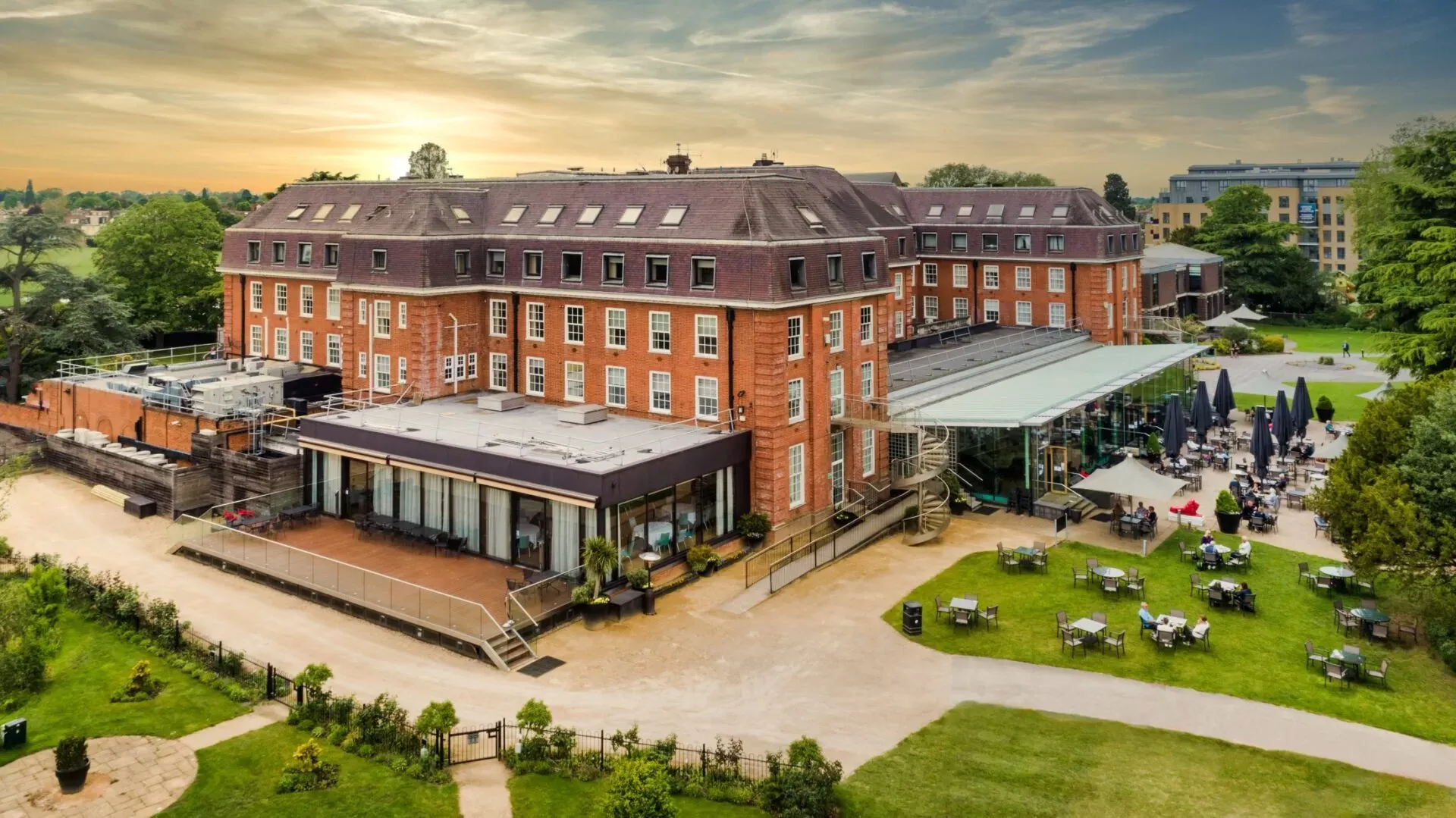
These team building hotels give planners a practical mix of country inns, manor houses and rural retreats for summer time away, with the right balance of rooms, named spaces and setting to match the day.
Use them to choose by group size, access and pace, then narrow the shortlist by the kind of atmosphere you want, from quiet countryside to a more polished house hotel.
The strongest options pair a calm location with details that help the group settle in quickly, such as guest rooms on site, private rooms for sessions and food that suits a shared stay.
Key takeaways
- The mix runs from village inns and coaching inns to country houses and spa hotels, with settings in the Ribble Valley, the Peak District, Somerset, Hampshire, West Sussex, Bristol and Wiltshire.
- Several properties suit smaller, quieter retreats, including The Holcombe, The Pen-Y-Dyffryn Country House and The Beckford Arms, where the room count and setting support a more private stay.
- For a more structured day, look for named spaces such as the Chatsworth Suite at The Maynard, the State Room at The Anchor Inn, the Private Dining Room at The Meikleour Arms or the Boardroom at Park House Hotel & Spa.
- If you need more room for a larger gathering, Chewton Glen Hotel & Spa stands out with the Lake Suite, while Best Western Forest & Vale Hotel offers Room 1 as a practical event option.
- Before booking, check the room count, the event spaces and whether the layout fits the way your team will actually use the day, especially if you want privacy, a fuller schedule or easy access.
- The strongest summer choices also bring a clear sense of place, from village charm at The Waddington Arms to landscaped gardens at Chewton Glen Hotel & Spa and the quiet rural setting at Lord Crewe Arms.
1. The Waddington Arms
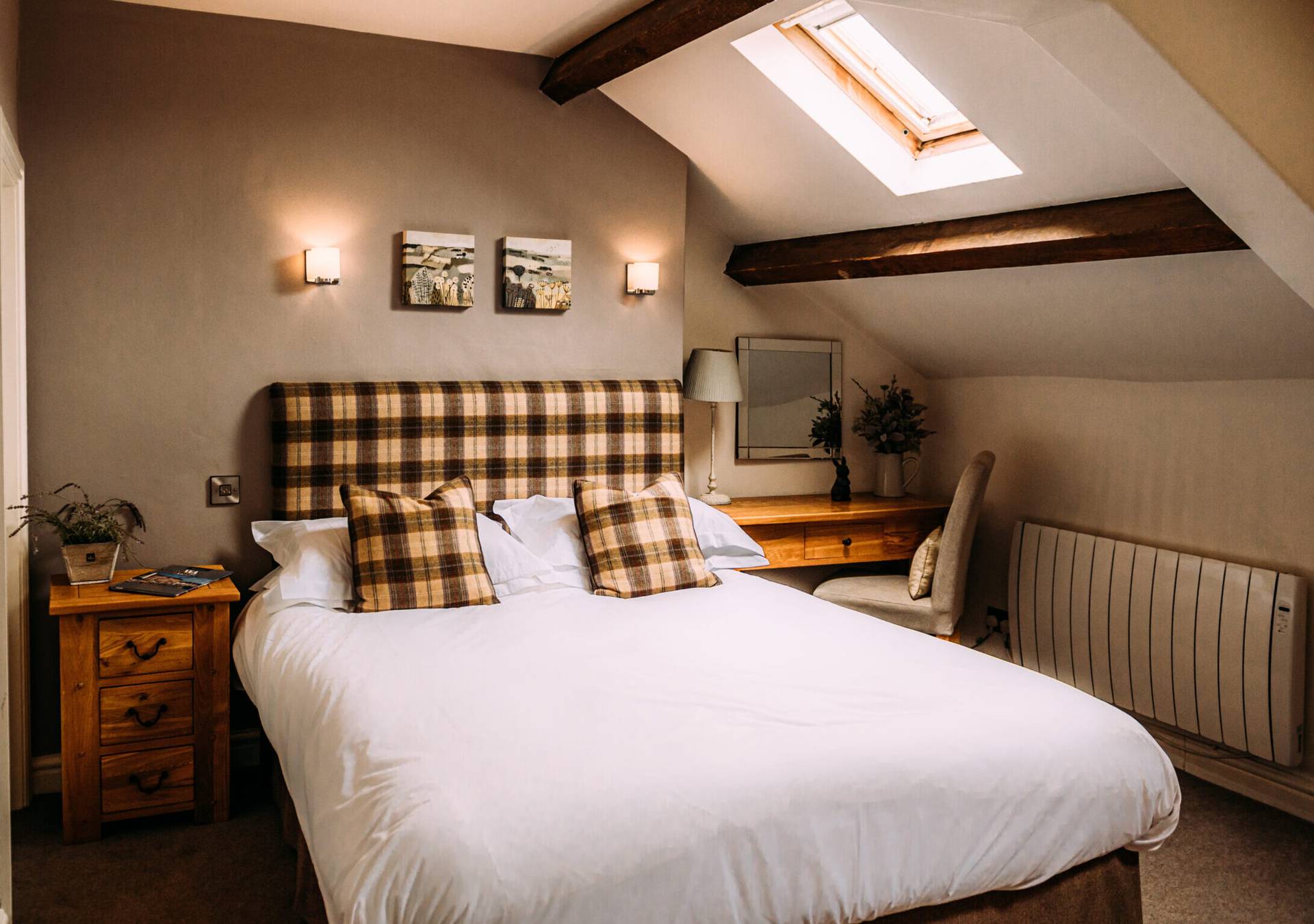
The Waddington Arms works well for a summer team-building retreat because it combines village charm with the calm of the Ribble Valley. Set in the heart of a picturesque village, it has the feel of a traditional country inn and a warm, welcoming atmosphere that helps people settle in quickly. Seasonal cuisine adds to the appeal, while 18 guest rooms make it practical for an overnight group stay. It also holds a Google rating of 4.6 from 1,184 reviews.
2. The Maynard
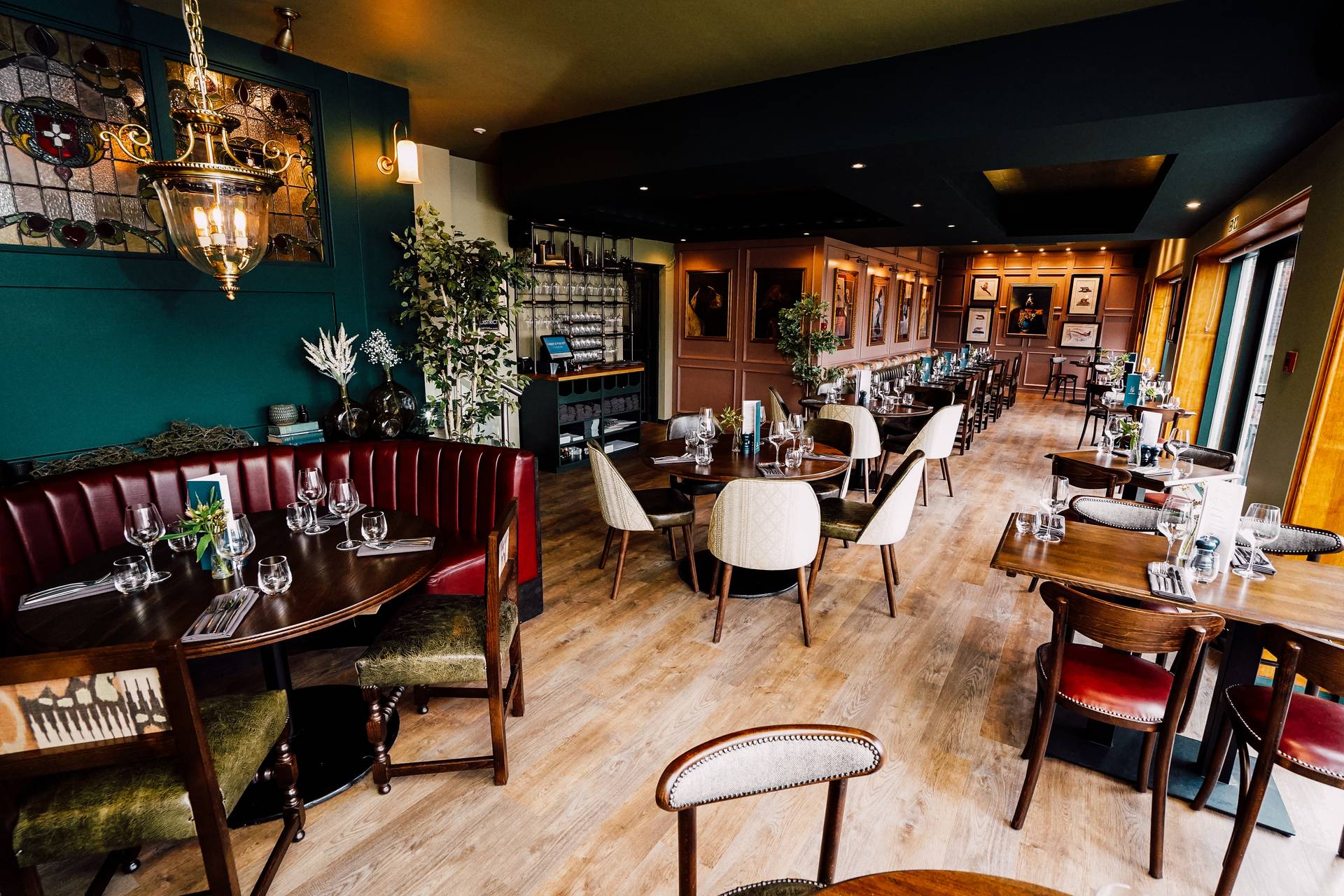
The Maynard suits a summer retreat that needs a polished setting without losing its countryside character. Located in the Peak District National Park, it blends contemporary style with traditional Derbyshire charm and a strong sense of hospitality. The Chatsworth Suite gives planners a named space to work with, which is useful when the day needs structure. With a Google rating of 4.6 from 1,079 reviews, it offers a steady, well-regarded base for team time in a scenic location.
3. The Holcombe
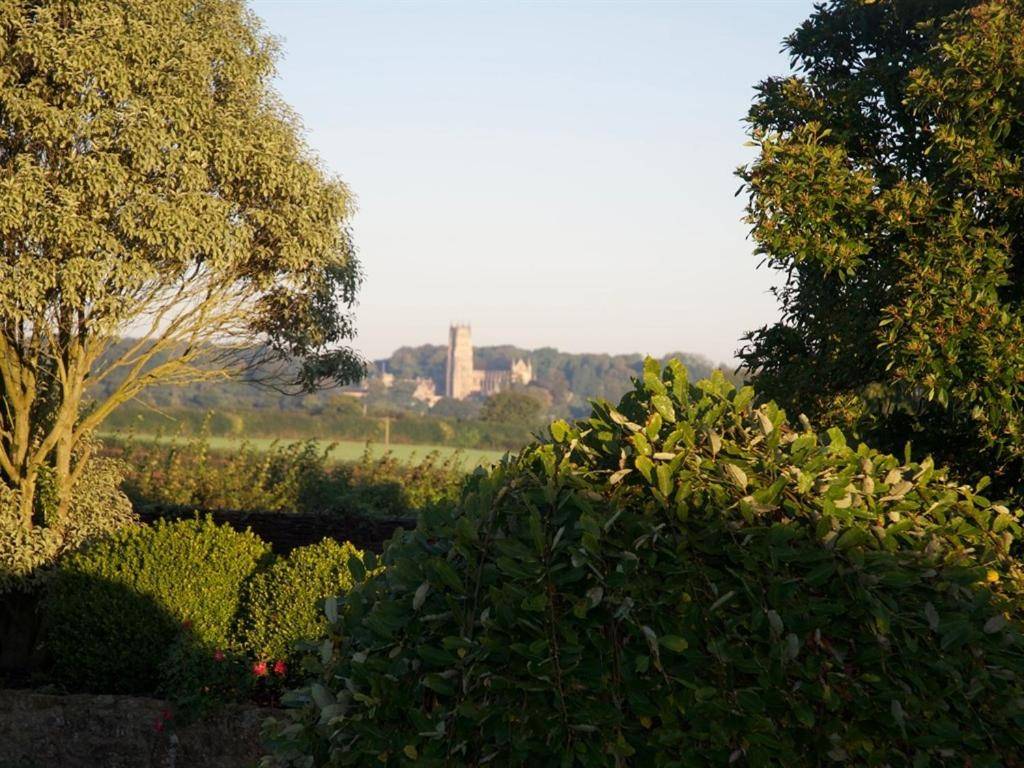
The Holcombe is a good fit for teams that want a quieter Somerset setting for summer planning and connection. It sits in rural countryside and pairs traditional character with modern comfort. The hotel has 11 elegantly appointed rooms, with soft neutral tones, roll-top baths, and rustic stone walls giving the place a relaxed, refined feel. Private surroundings add to the sense of escape, and its Google rating of 4.7 from 575 reviews gives it extra reassurance for group organisers.
4. The Meikleour Arms
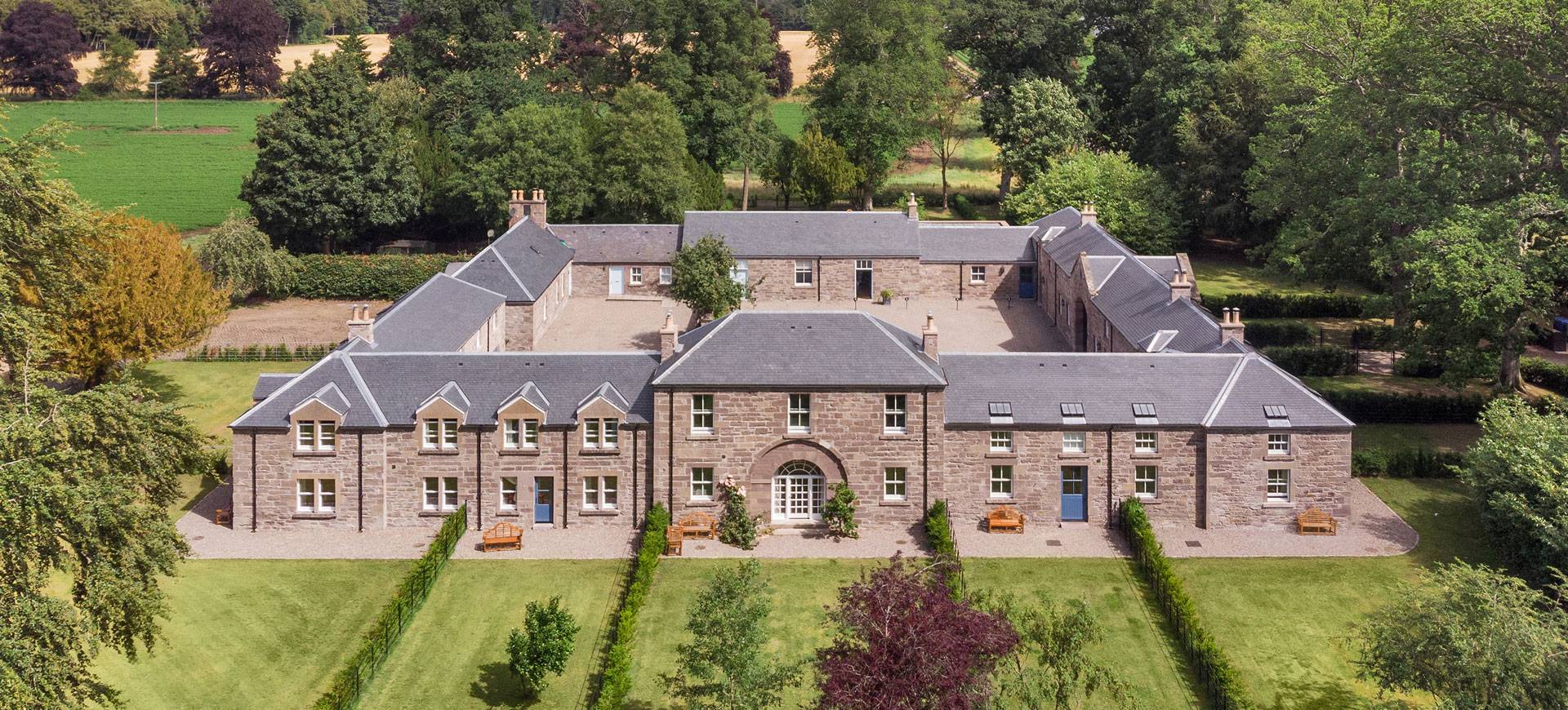
The Meikleour Arms brings together country hotel charm and a Franco-Scottish heritage in the conservation village of Meikleour, Perthshire. Its setting near Perth, Scone Palace, Dunkeld, and the River Tay gives it a strong sense of place, while the rustic and elegant style suits a summer group stay. The Private Dining Room provides a named space for smaller gatherings or focused sessions. With a Google rating of 4.6 from 671 reviews, it feels grounded and dependable.
5. The Pen-Y-Dyffryn Country House
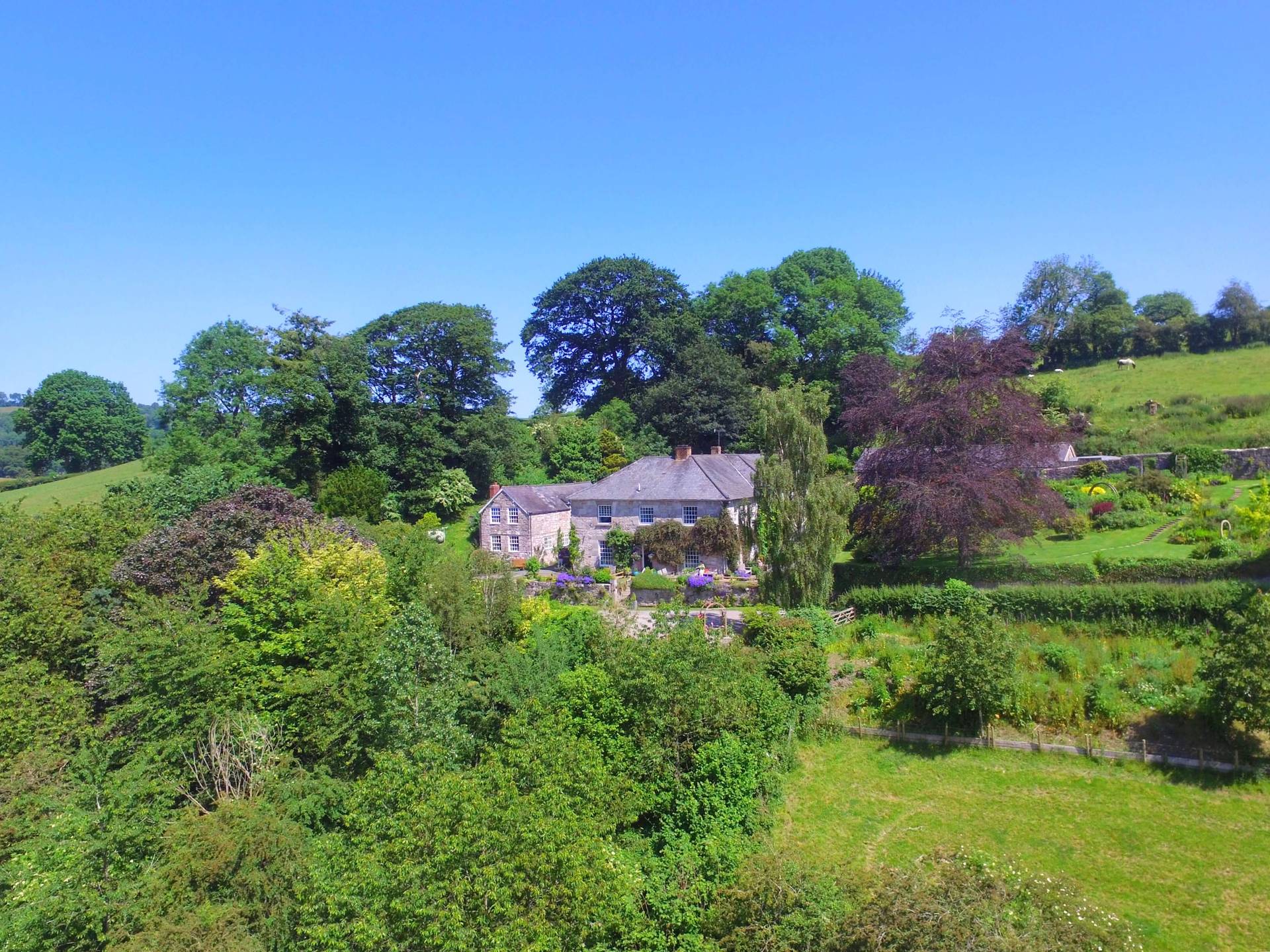
The Pen-y-Dyffryn Country House is a strong choice for teams that want quiet, privacy, and a rural backdrop near the Welsh border. Set in the Shropshire countryside, it sits in a valley surrounded by hills and natural beauty, with thick stone walls and no passing traffic helping to keep the atmosphere calm. The property has 14 guest rooms and a Google rating of 4.8 from 214 reviews, which makes it especially appealing for a small summer retreat that needs focus.
6. The Anchor Inn
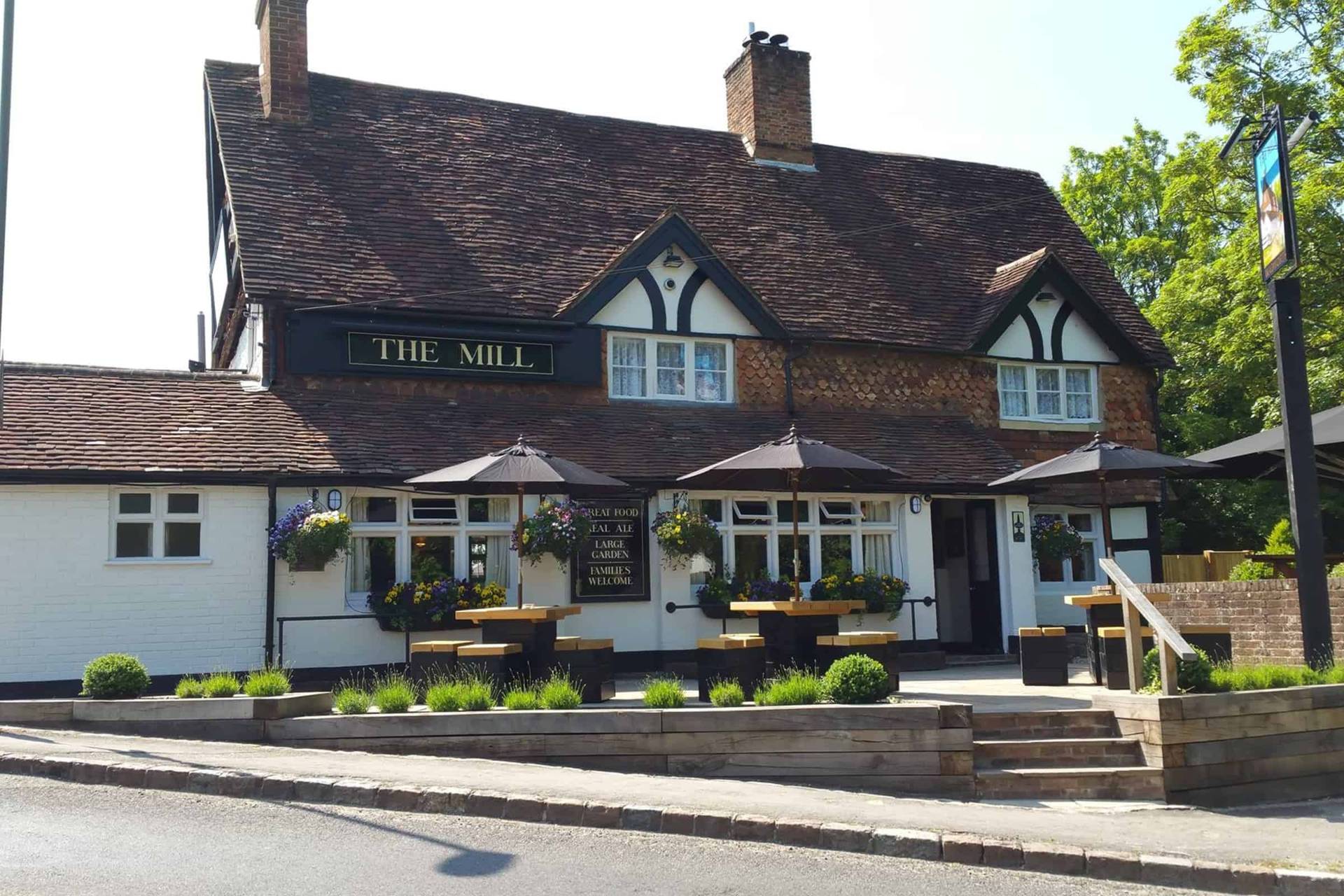
The Anchor Inn offers a traditional pub-and-inn setting in Alton, Hampshire, with rolling green fields and a quiet country road giving the place a relaxed feel. Tudor-style beams and antique furnishings add character, while modern amenities keep it practical for corporate groups. The State Room, which holds up to 24 people, gives planners a clear option for meetings or private sessions. Its Google rating of 4.6 from 1,883 reviews suggests it is a familiar and well-used choice.
7. Chewton Glen Hotel & Spa
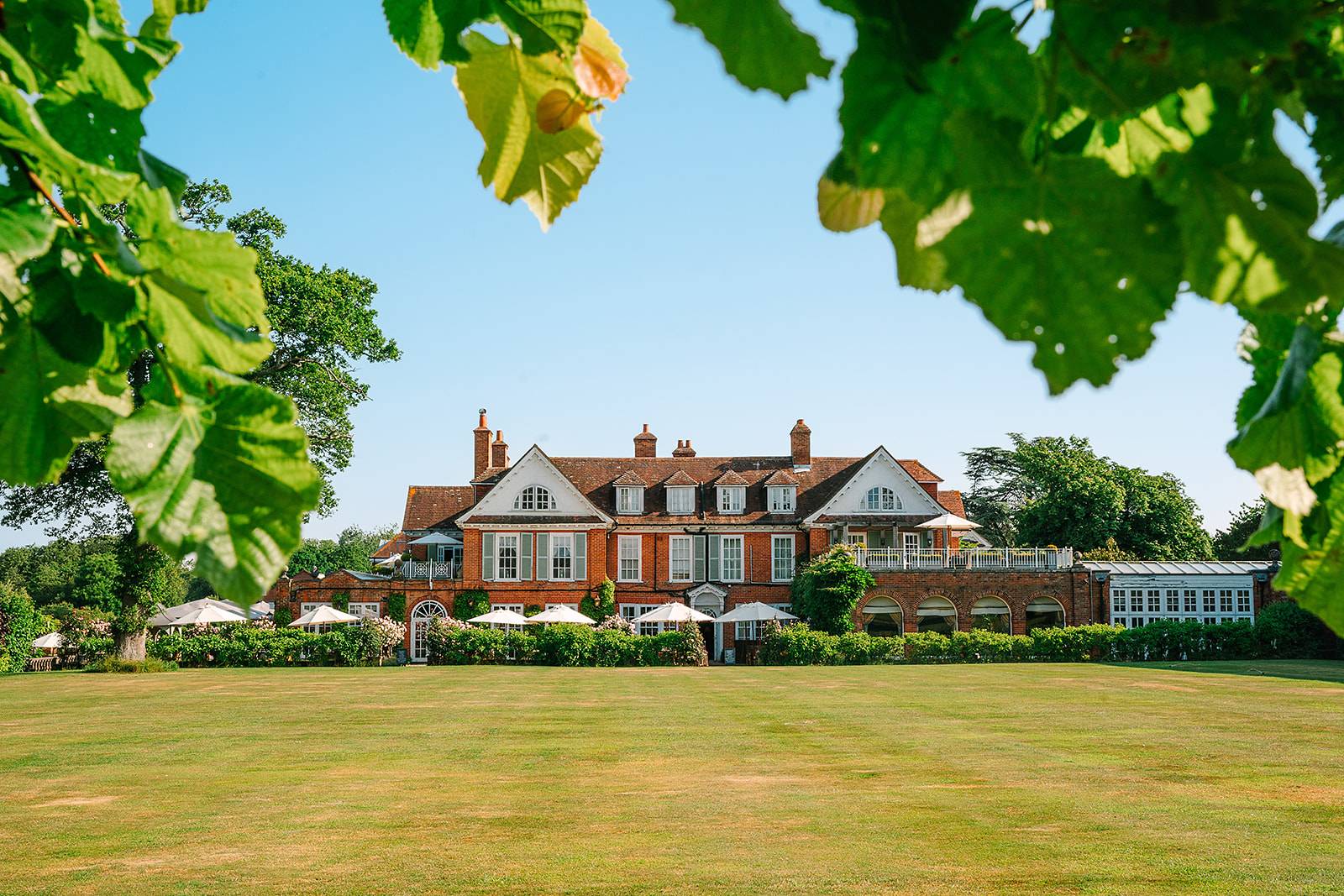
Chewton Glen Hotel & Spa is a 5-star country house hotel in Hampshire, set near the New Forest and the coast. The 18th-century manor house sits within landscaped gardens and parkland, giving summer groups a setting that feels both historic and open. The Lake Suite, with capacity for up to 200 people, gives the property real flexibility for larger gatherings. With a Google rating of 4.6 from 1,833 reviews, it has the scale and setting to support a full retreat programme.
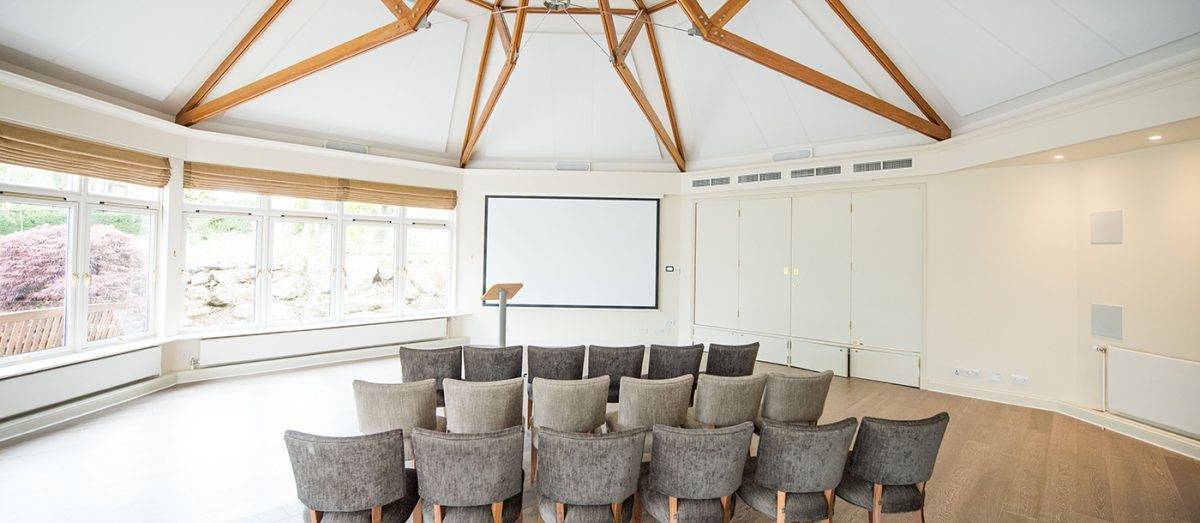
8. Douneside House and Health Club
Douneside House and Health Club brings a historic Highland atmosphere to a summer retreat in Aberdeenshire. Set within the MacRobert Estate, it reopened in 2016 after a major renovation and keeps its original character through antique furniture and artwork. The result is a mix of classic and contemporary style that feels considered rather than formal. The WEDDING VENUE space, which holds up to 70, gives planners a defined event option. It has a Google rating of 4.8 from 217 reviews.
9. Park House Hotel & Spa
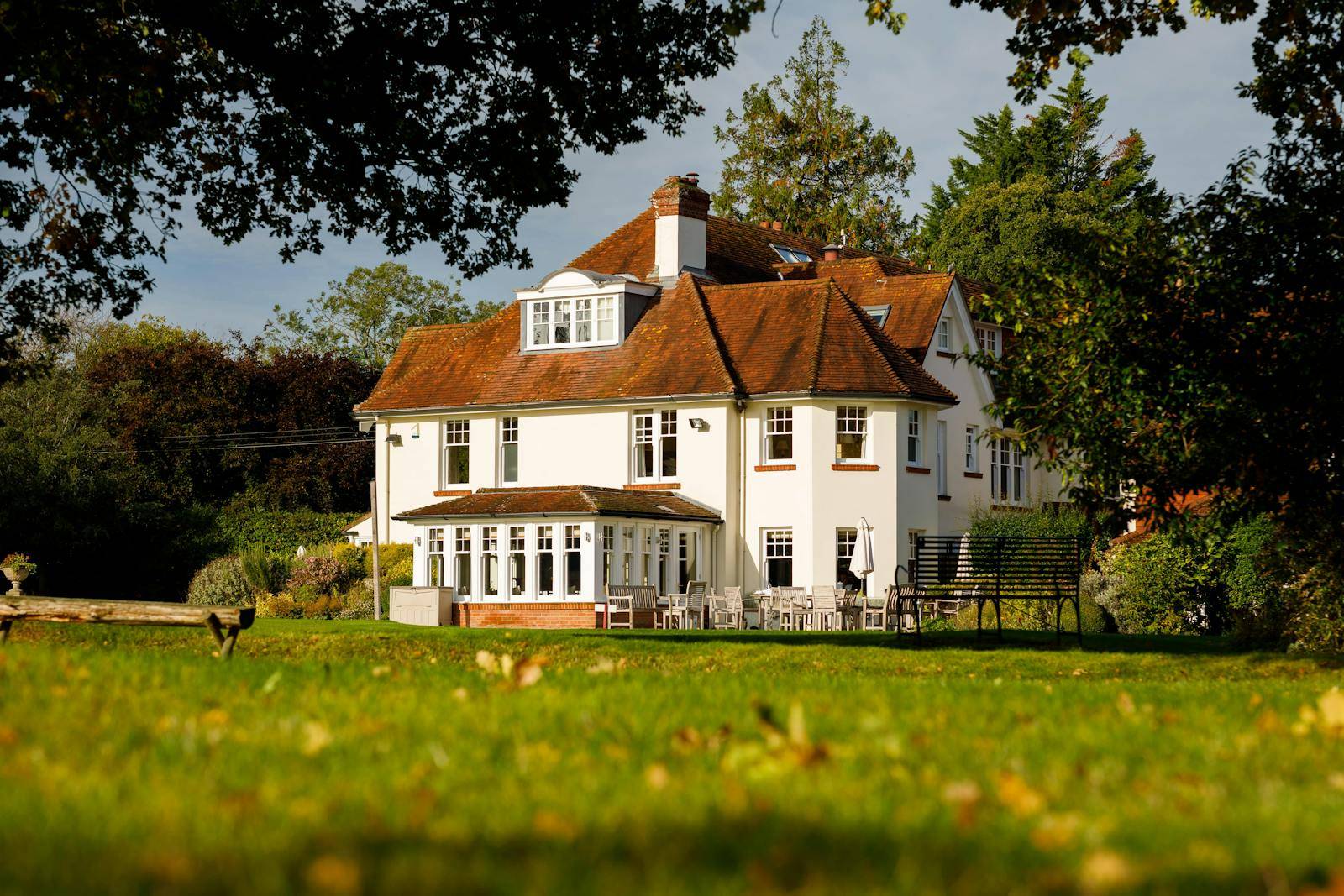
Park House Hotel & Spa is a luxury country house hotel in the peaceful countryside of West Sussex. Landscaped gardens and a rural setting create a calm backdrop for meetings, celebrations, and group time in summer. The atmosphere is elegant, refined, and relaxed, with traditional character balanced by modern comfort. The Boardroom, which holds up to 12, is well suited to smaller leadership sessions or focused planning. Its Google rating of 4.6 from 244 reviews adds useful confidence.
10. The Talbot Inn
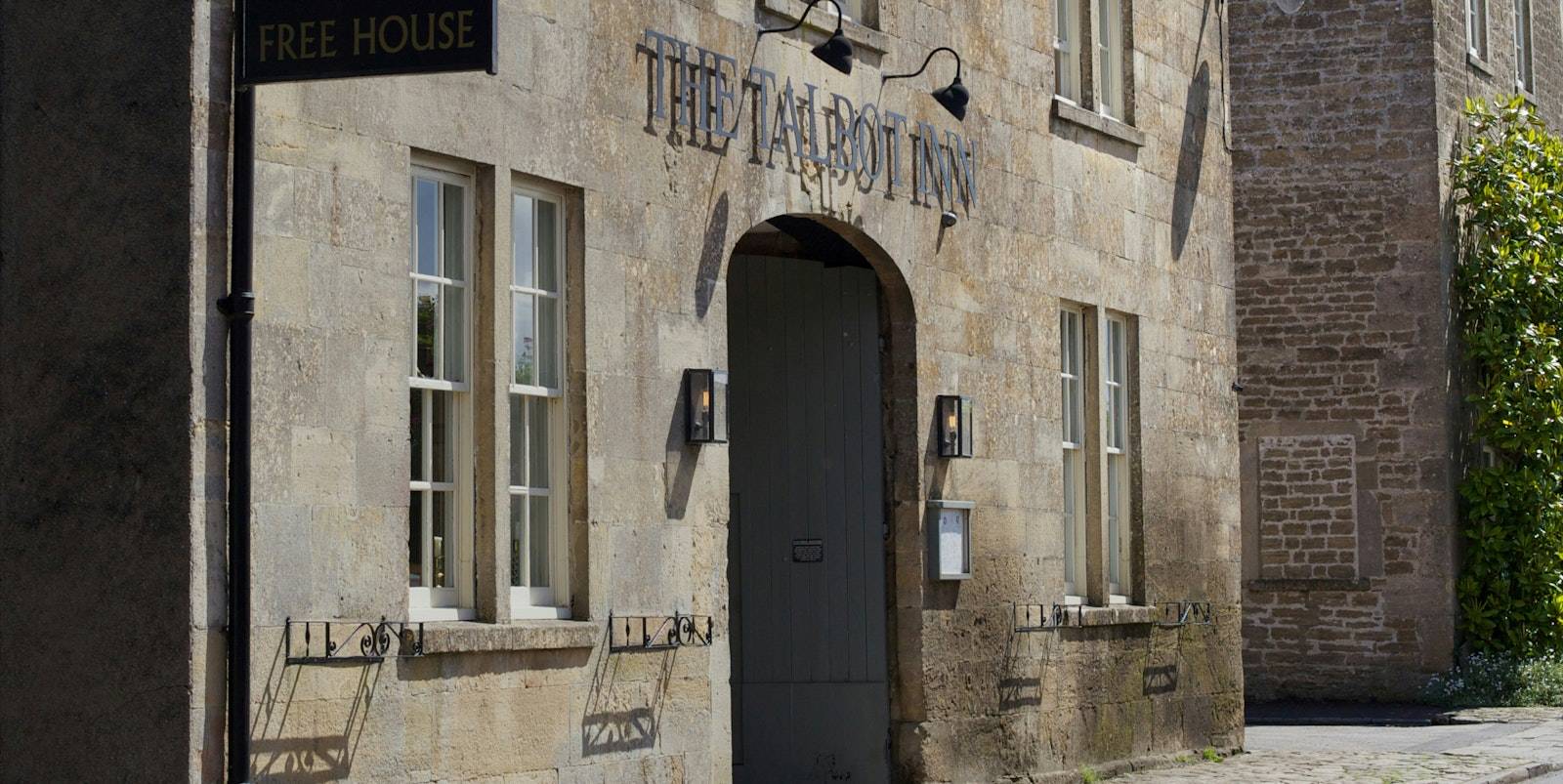
The Talbot Inn is a traditional coaching inn in the historic village of Mells, set in the Somerset countryside. It combines heritage charm with modern comfort, which makes it a natural fit for smaller corporate retreats and informal gatherings. The relaxed atmosphere and British countryside interiors create an easygoing base for a summer stay. Accommodation includes eight rooms, and the named event spaces, The Grill Room and The Si, give planners options for private use. It holds a Google rating of 4.5 from 987 reviews.
11. Best Western Forest & Vale Hotel
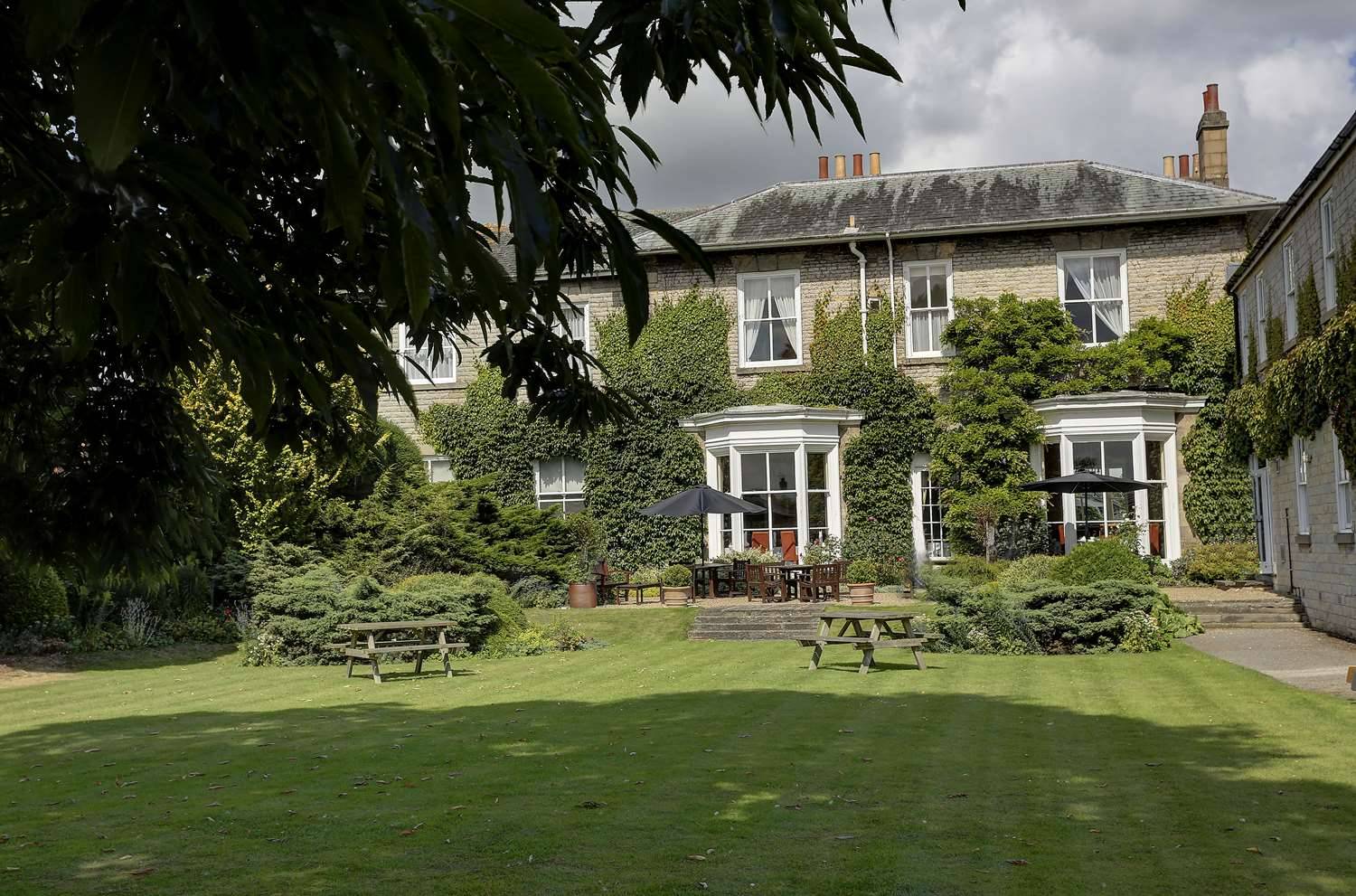
Best Western Forest & Vale Hotel is a 200-year-old listed Georgian manor house in the North Yorkshire countryside. It offers a mix of original bedrooms that reflect its heritage and contemporary rooms designed for comfort, so teams can choose the style that suits them best. The setting feels timeless without being formal, which works well for a summer retreat that needs a calm pace. Room 1, which holds up to 50, gives the property a practical event option. It has a Google rating of 4.6 from 392 reviews.
12. The Bower Inn
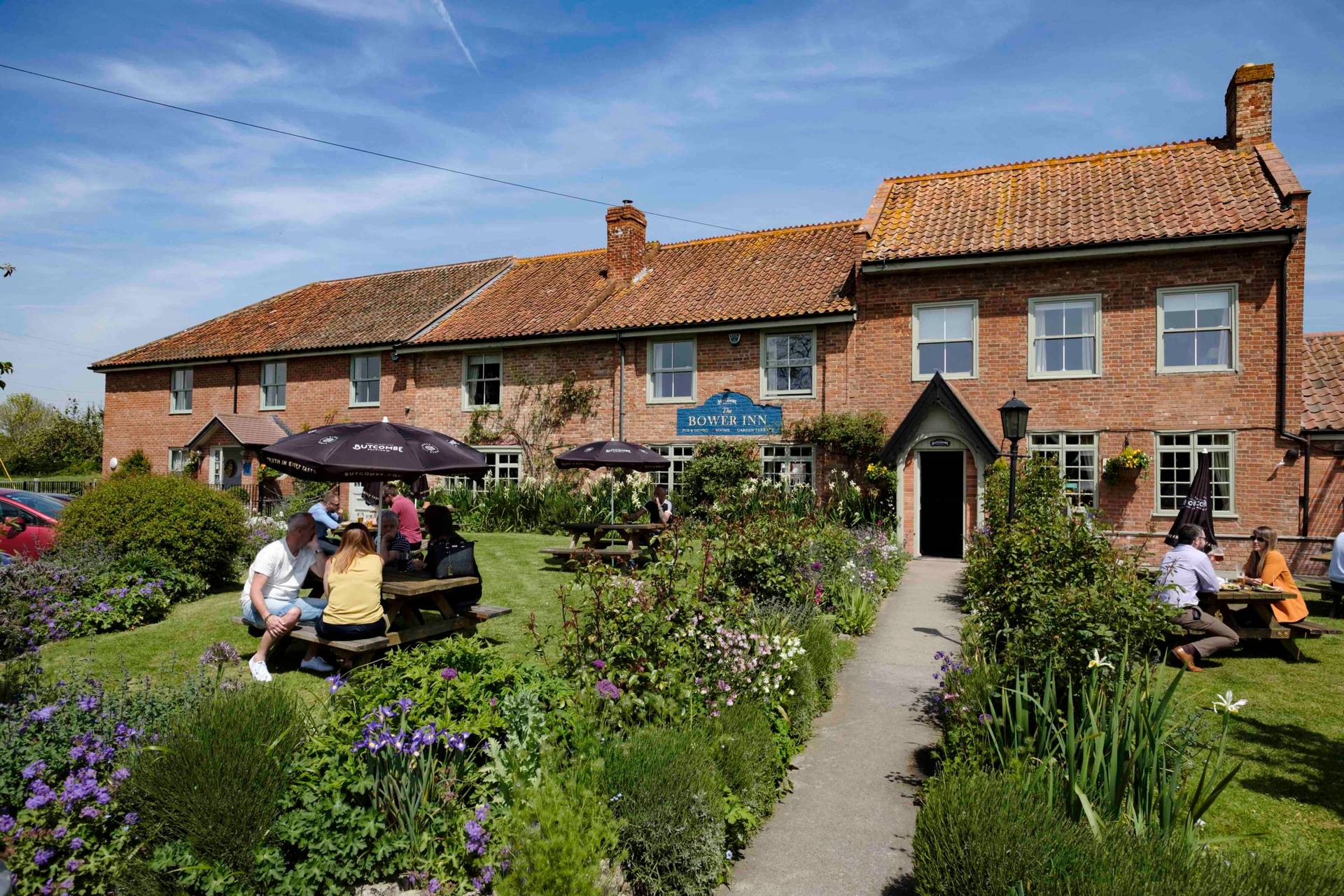
The Bower Inn sits on the edge of the Somerset Levels near Bridgwater, giving teams semi-rural surroundings with easy access to the town and major transport links. The 18th-century building has been recently refurbished, combining historic character with modern comfort. Rustic interiors, exposed brick walls, wood flooring, and a modern feel make it a versatile base for group time in summer. The Quantock Room and Mendip provide named event spaces, and the hotel has a Google rating of 4.6 from 1,573 reviews.
13. Berwick Lodge
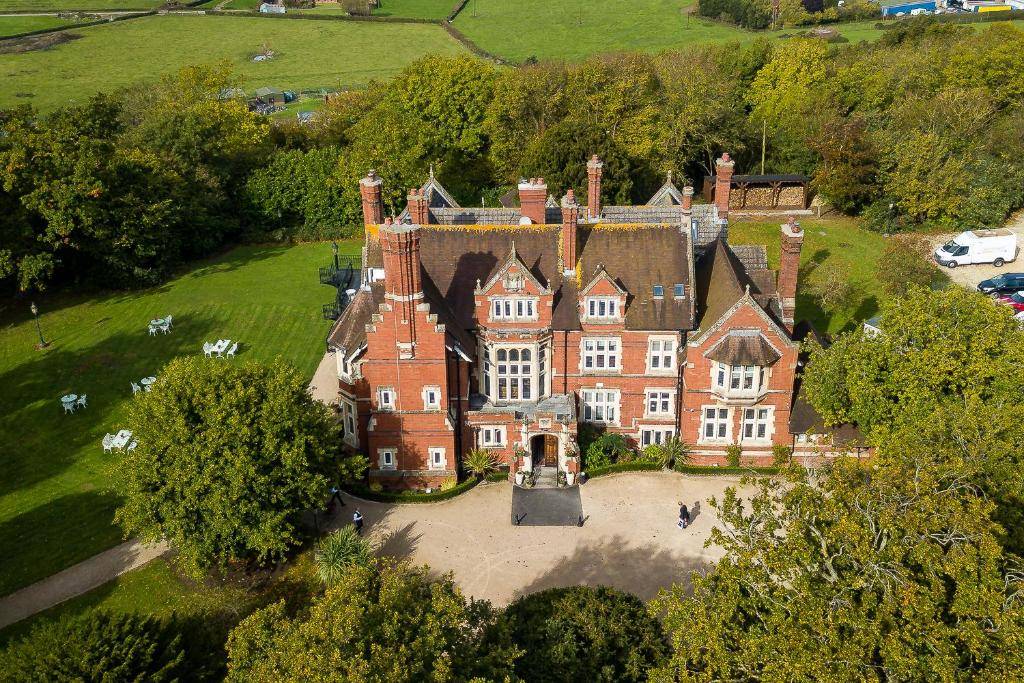
Berwick Lodge offers a quiet escape in the Bristol area while staying close to the city centre. Its location also puts it near the SS Great Britain and the Clifton Suspension Bridge, which adds interest for teams mixing work with a short break. The property has elegantly designed accommodation and versatile event spaces, including Workspace 1 and Workspace. That makes it a practical choice for groups that want a more private setting without losing access to the city. It holds a Google rating of 4.7 from 621 reviews.
14. Lord Crewe Arms
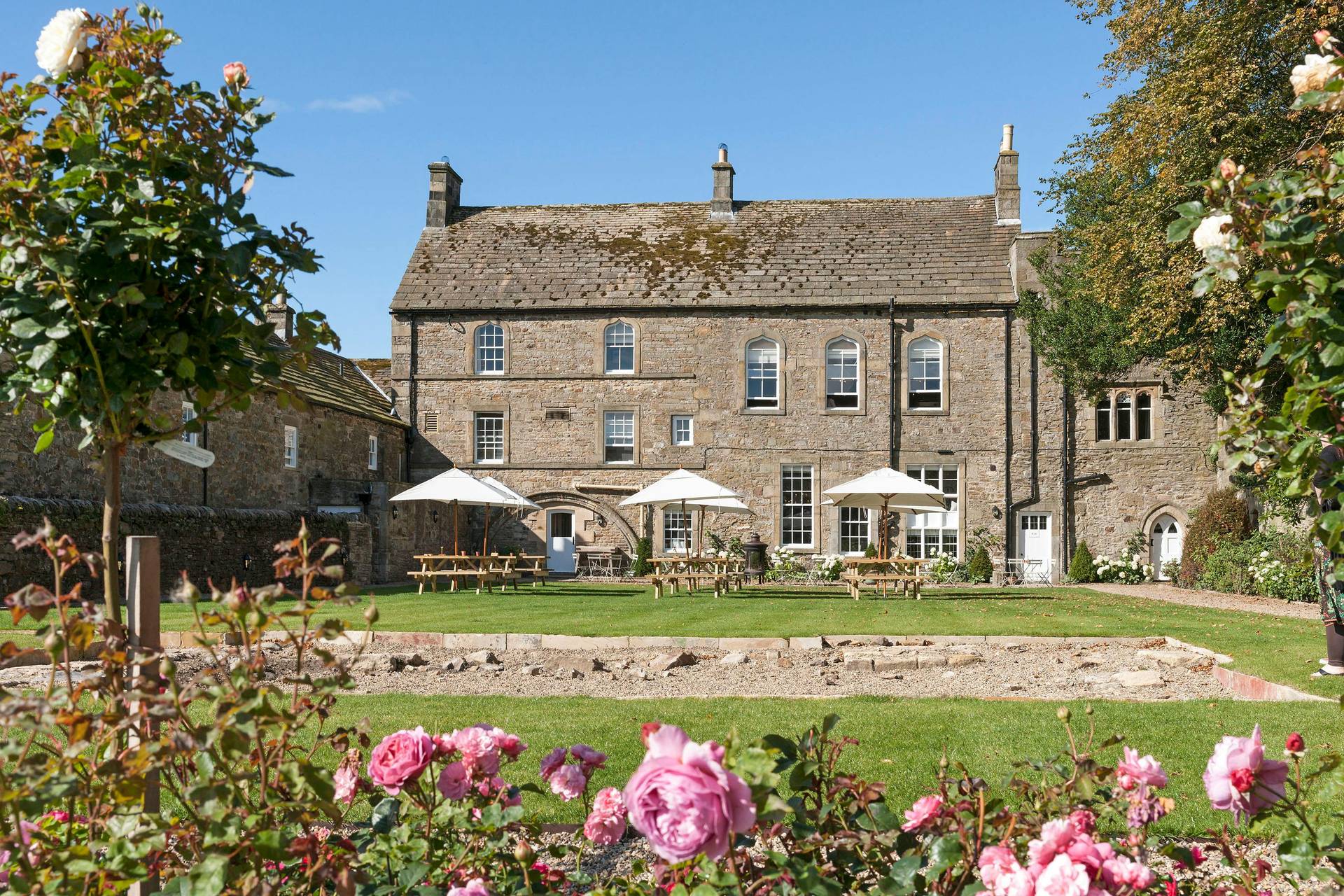
Lord Crewe Arms is set in the golden-stone village of Blanchland and offers a peaceful base for corporate events. Its twenty-six rooms are decorated in soothing tones inspired by the surrounding landscape, creating a calm and welcoming feel from the start. The meeting spaces are designed to support creativity and collaboration, while the setting itself gives the retreat a strong sense of place. The Gatehouse is a named event space, and the property has a Google rating of 4.6 from 1,254 reviews.
15. The Beckford Arms
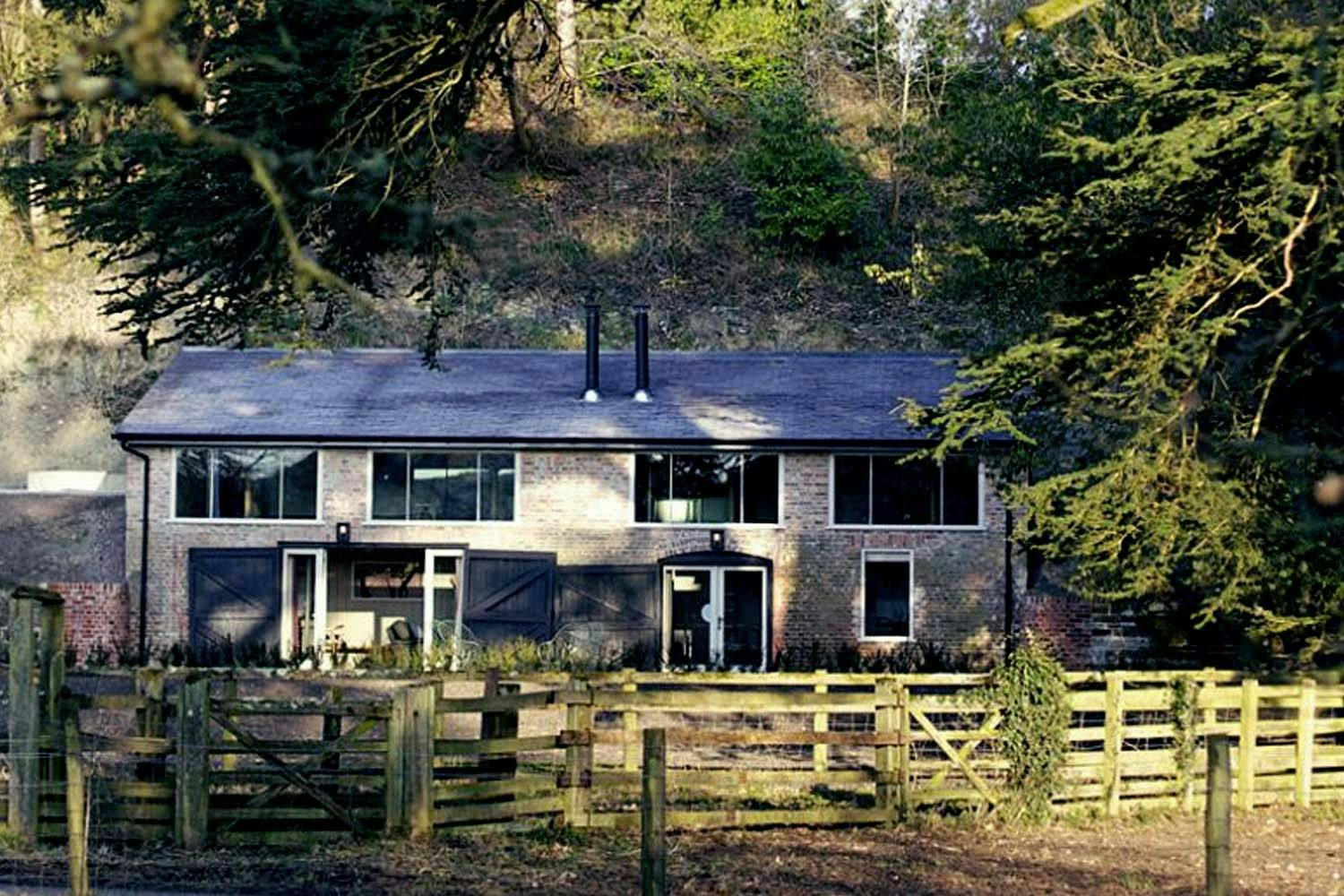
The Beckford Arms is a traditional country inn on the edge of the Fonthill Estate in Wiltshire, surrounded by rolling parkland and countryside. It has a relaxed, welcoming feel, with interiors that draw on British countryside style while keeping modern touches in place. The inn offers 11 guest rooms, making it suitable for smaller groups that want to stay together. The Library is a named event space, and the property has a Google rating of 4.6 from 1,049 reviews.
Common mistakes to avoid
Choosing a property for looks alone
A pretty setting is not enough if the venue cannot handle your group size or meeting plan. Check the room count, the event spaces, and whether the layout suits the way your team will actually use the day.
Ignoring the pace of the retreat
Some groups need a quiet base for reflection. Others need a place that can handle a fuller schedule. Match the property to the energy you want, rather than forcing the event into the wrong setting.
Overlooking practical access
Summer travel can be easier than winter travel, but location still matters. A venue with sensible access can save time and reduce friction before the retreat even begins.
How do you choose the right venue?
Start with the shape of the day, then work backwards. If the retreat needs privacy, choose a country house or inn with a smaller number of rooms. If you need a larger session, look for a named space with clear capacity. For summer, outdoor surroundings matter too. Gardens, parkland, countryside, and coastal air all change the tone of the event in different ways.
How do you measure whether the retreat worked?
Use simple feedback while the event is fresh. Ask whether the group felt comfortable, whether the setting helped people connect, and whether the venue supported the agenda. Then follow up after the retreat to see if the energy carried back into work. A good property should make that easier, not harder.
Frequently asked questions
What makes a summer team-building retreat hotel a good fit?
A good fit gives you enough guest rooms, a clear event space, and an atmosphere that helps people step away from routine. The setting should support both work and downtime, whether that is a country inn, a manor house, or a rural retreat.
Which hotel details should I check before booking?
Check the room count, the event spaces, and whether the layout suits the way your team will actually use the day. Named spaces such as the Chatsworth Suite, the Private Dining Room, or the State Room make it easier to plan a day with structure.
Are smaller inns suitable for summer group stays?
Yes, if the group is small and you want a more personal feel. Inns often work well when the goal is conversation, shared meals, and a quieter pace.
How important is the setting for a summer retreat?
Very important, because summer retreats work well when the venue offers a calm base with easy access to the outdoors. Gardens, parkland, countryside, and coastal air all change the tone of the event in different ways.
What group size works best for these hotels?
Smaller groups suit properties with fewer rooms, such as The Holcombe with 11 rooms, The Pen-Y-Dyffryn Country House with 14 guest rooms, or The Beckford Arms with 11 guest rooms. Larger gatherings need a named space with clear capacity, such as the Lake Suite at Chewton Glen Hotel & Spa, which holds up to 200 people.
How do I choose between different booking options?
Start with the shape of the day, then work backwards. If the retreat needs privacy, choose a country house or inn with a smaller number of rooms; if you need a larger session, look for a named space with clear capacity.