
These team building hotel retreats work when you need a venue that fits the group, the agenda and the pace of the day. Use them to compare room counts, event spaces and setting, then choose the place that supports both focused sessions and time together. Some options suit small teams in quiet houses or inns, while others give larger groups enough bedrooms and breakout space to stay on site.
Key takeaways
- Florence House, The Bradley Hare and The Lord Poulett Arms suit smaller team building hotel retreats, with Florence House offering up to 30 delegates overnight, The Bradley Hare bringing 12 rooms, and The Lord Poulett Arms offering six rooms.
- Slieve Donard and Fawsley Hall Hotel & Spa are stronger fits for larger groups, with Slieve Donard offering 180 guest rooms and five named event spaces, and Fawsley Hall Hotel & Spa using the Saunders event space for up to 120 theatre-style.
- Hand Picked Audleys Wood Hotel and Cotswold House Hotel & Spa give planners a country-house or compact hotel base with named meeting spaces, while Audleys Wood sits about 50 miles from central London and Cotswold House Hotel & Spa has 28 guest rooms and two named event spaces.
- Blackwell House and Ashburnham Place suit teams that want privacy and a slower pace, with Blackwell House offering just five rooms, handmade super-king beds and candlelit private dining, and Ashburnham Place described as a quiet retreat setting with a strong guest rating.
- Before booking, check guest room counts, named event spaces and how the venue handles both meetings and downtime. Travel time also matters, especially if you want easy access from London or a location near places such as Daventry and Silverstone.
- The strongest choices pair overnight rooms with event space, so the day can move from meetings to meals and informal conversation without friction. Coastal, countryside and historic settings each create a different tone, so match the venue to the kind of retreat you want.
1. Florence House
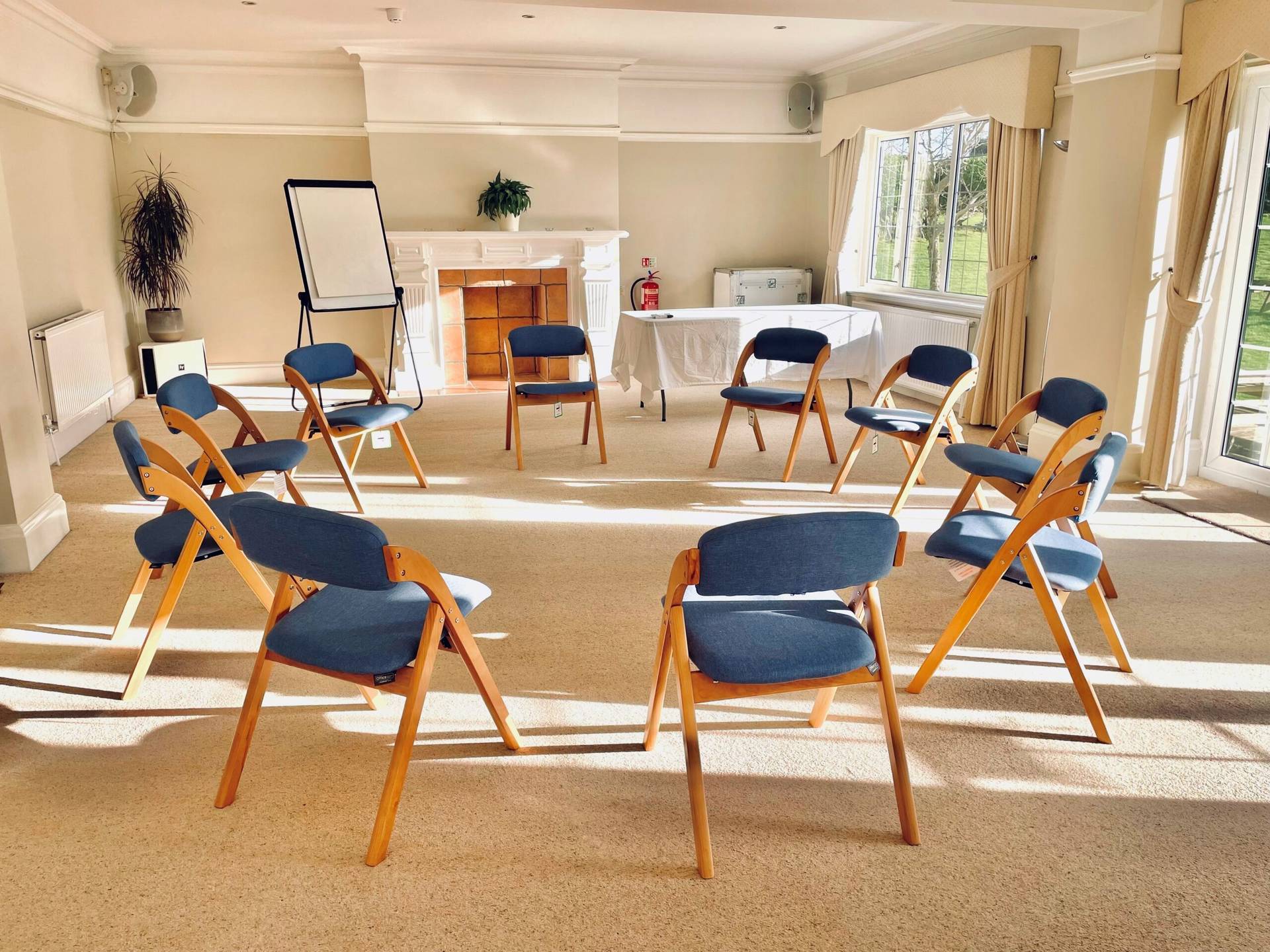
Florence House works well for summer team building hotel retreats when you want a calm setting with room for focused work. Set among lush landscapes with sea breezes, it suits retreats, workshops and conferences without feeling formal. The property can host up to 30 delegates overnight, or larger groups for day events, which makes it a practical choice for smaller teams. The Conference Room gives you a dedicated space for structured sessions, while the peaceful surroundings help the day feel lighter.
2. The Bradley Hare
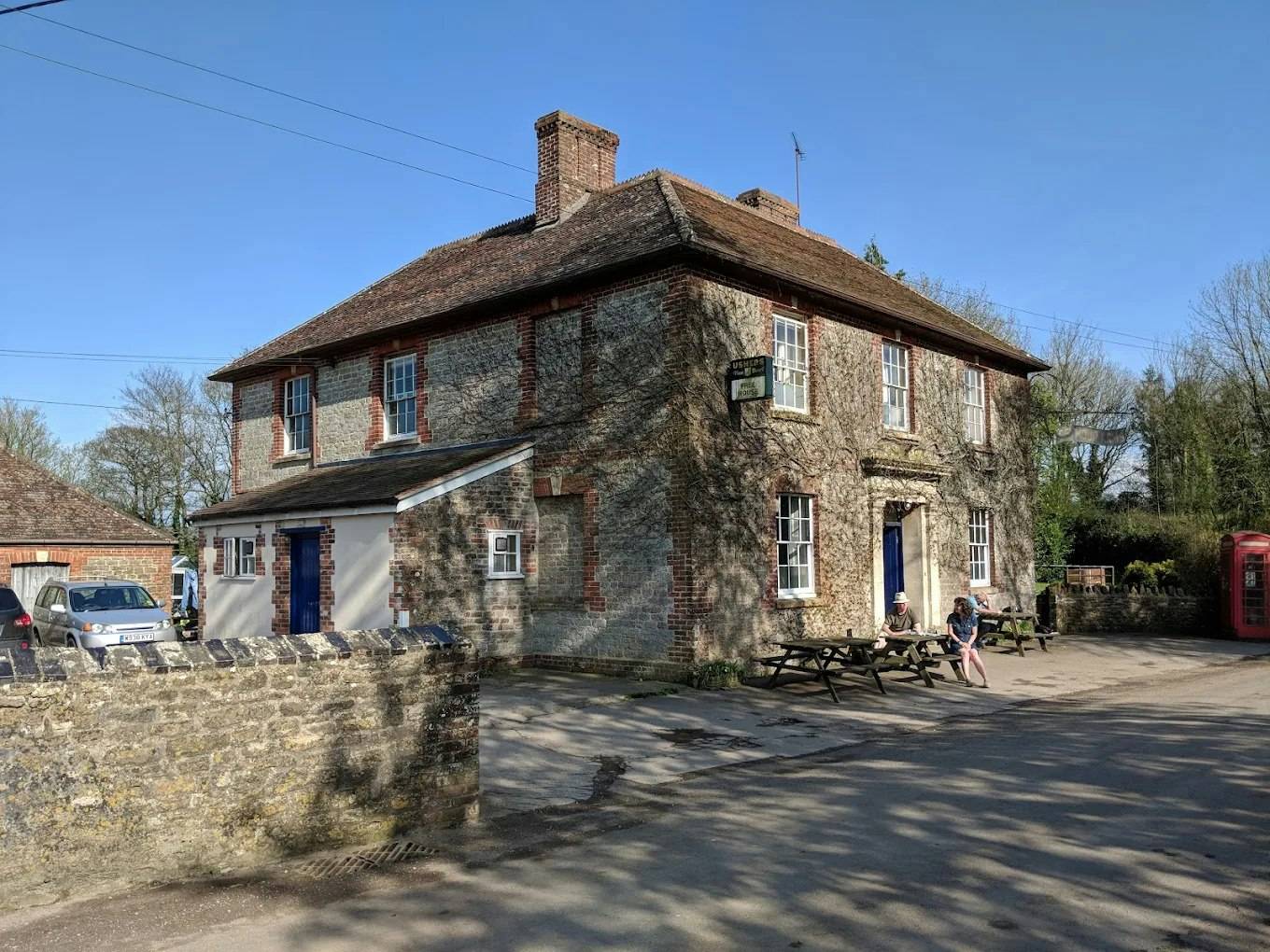
The Bradley Hare brings together boutique accommodation and a countryside setting in Maiden Bradley, within the rolling landscape of Cranborne Chase in Wiltshire. This renovated 19th-century coaching inn has 12 rooms, with small, medium and large room types that include double and twinnable beds. That scale suits a close-knit team that wants to stay together without losing comfort. For summer retreats, the setting feels relaxed and polished, with refined dining adding a clear sense of occasion.
3. Slieve Donard
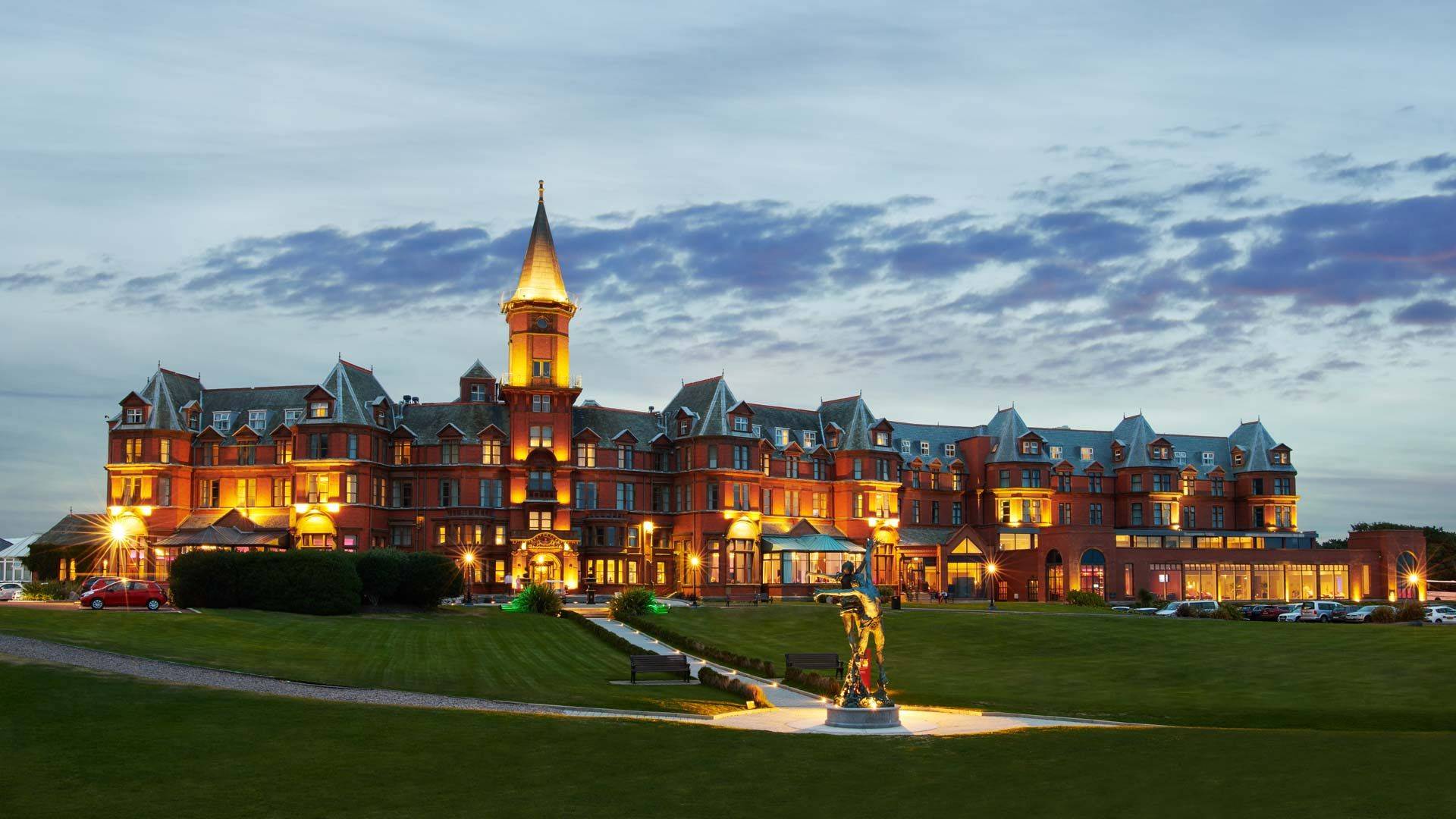
Slieve Donard is a strong fit for larger summer team building hotel retreats, with 180 guest rooms and five named event spaces: Workspace 1, Workspace 2, Workspace 3, Workspace 4 and Workspace 5. That gives planners room to separate plenary sessions from smaller working groups. The scale matters here. Teams can meet, break out and stay on site without the event feeling cramped. It is a practical option when you need space, structure and enough bedrooms for a full group.
4. Hand Picked Audleys Wood Hotel
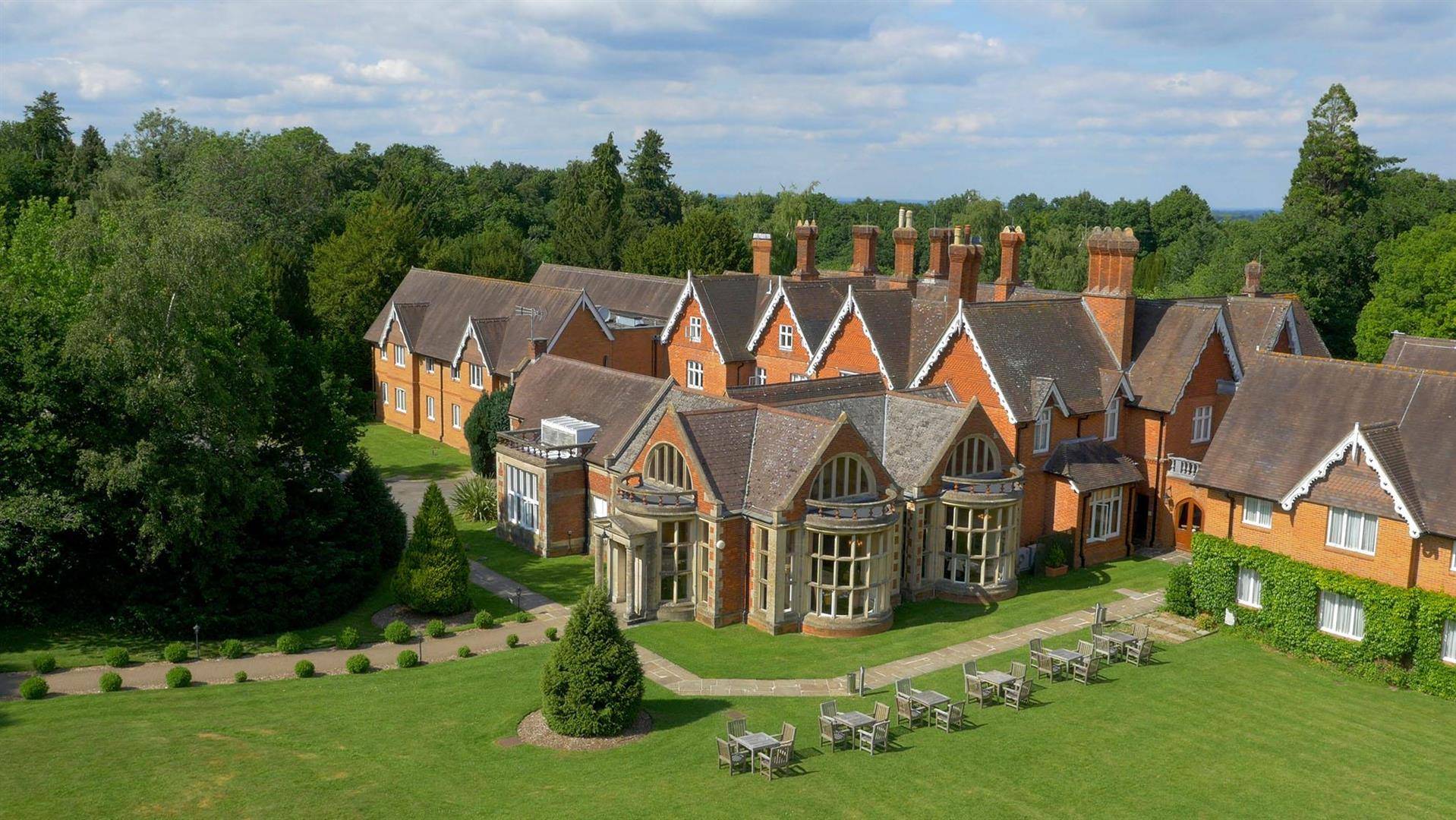
Hand Picked Audleys Wood Hotel suits teams that want a country-house feel with easy access from London. This Victorian mansion sits near Basingstoke in Hampshire, about 50 miles from central London, and offers seven flexible meeting rooms filled with natural light. The property blends original architectural features with contemporary décor, which gives it a polished but relaxed atmosphere. With 5,767 sq. ft. of event space and Room 1 among the named spaces, it works well for a summer programme that needs variety.
5. Ashburnham Place
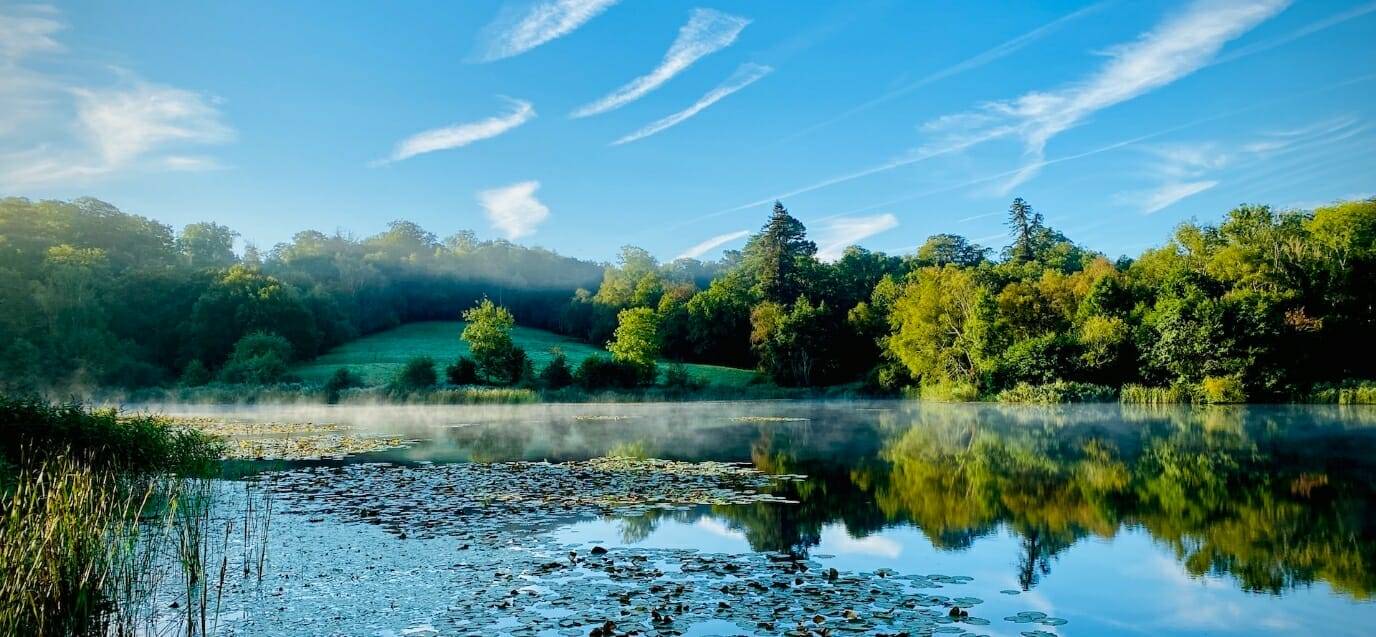
Ashburnham Place is a quiet choice for teams that want a retreat setting with room to slow down. Its Google rating of 4.7 suggests strong guest approval, and the property's appeal lies in its calm, country-house feel. For summer team building hotel retreats, that kind of setting can help a group step away from the office rhythm and focus on conversation, planning and shared time together. It suits organisers looking for a venue that feels private, settled and away from the rush.
6. Blackwell House
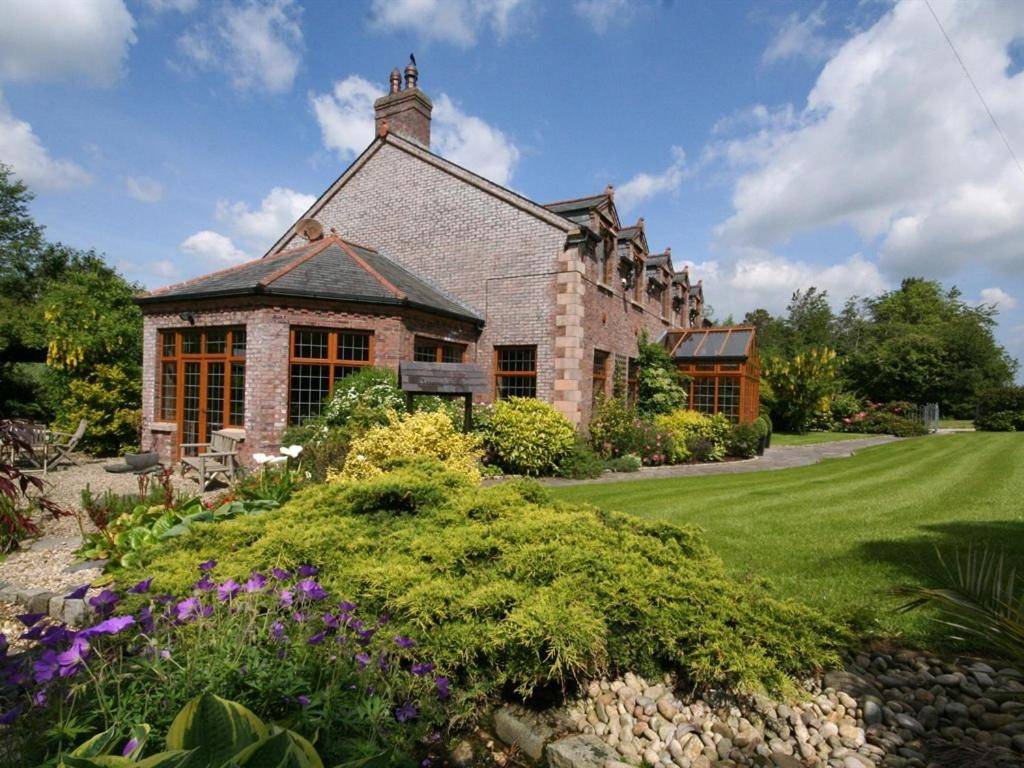
Blackwell House offers an intimate retreat in the rolling hills of County Armagh, with just five rooms and a strong sense of privacy. Each room features handmade super-king beds draped in silk cashmere, which gives the stay a refined finish. The property also offers candlelit private dining using ingredients from its own walled garden. For a summer team gathering, that combination of seclusion, small scale and thoughtful dining makes it well suited to close teams that value conversation and time together.
7. Tewkesbury Park
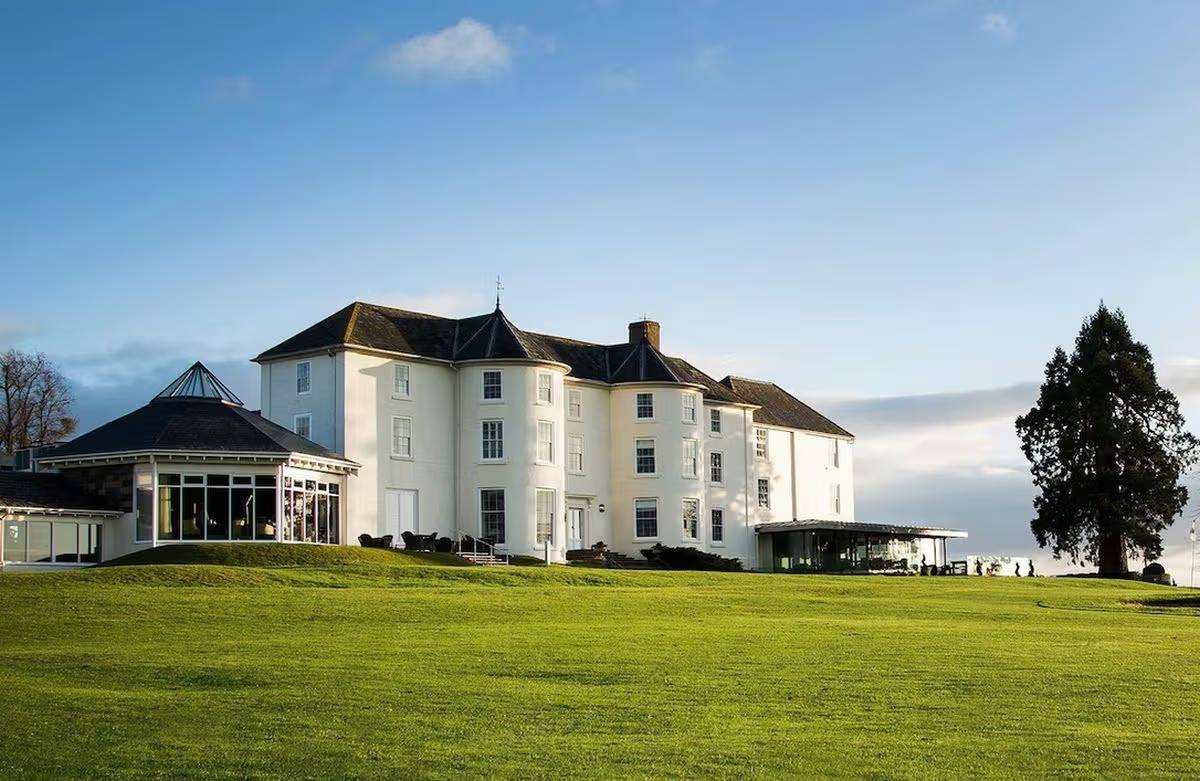
Tewkesbury Park Resort is a family-owned, independent venue that stands apart from ordinary hotel meeting space. Its Cotswolds Suite gives planners a named event room, and the property is built for groups that need both meeting space and hotel rooms in one place. The tone is practical rather than formal, which can work well for summer team building hotel retreats where the agenda includes workshops, shared meals and time to talk. It is a sensible option for teams that want a straightforward base with character.
8. Cotswold House Hotel & Spa
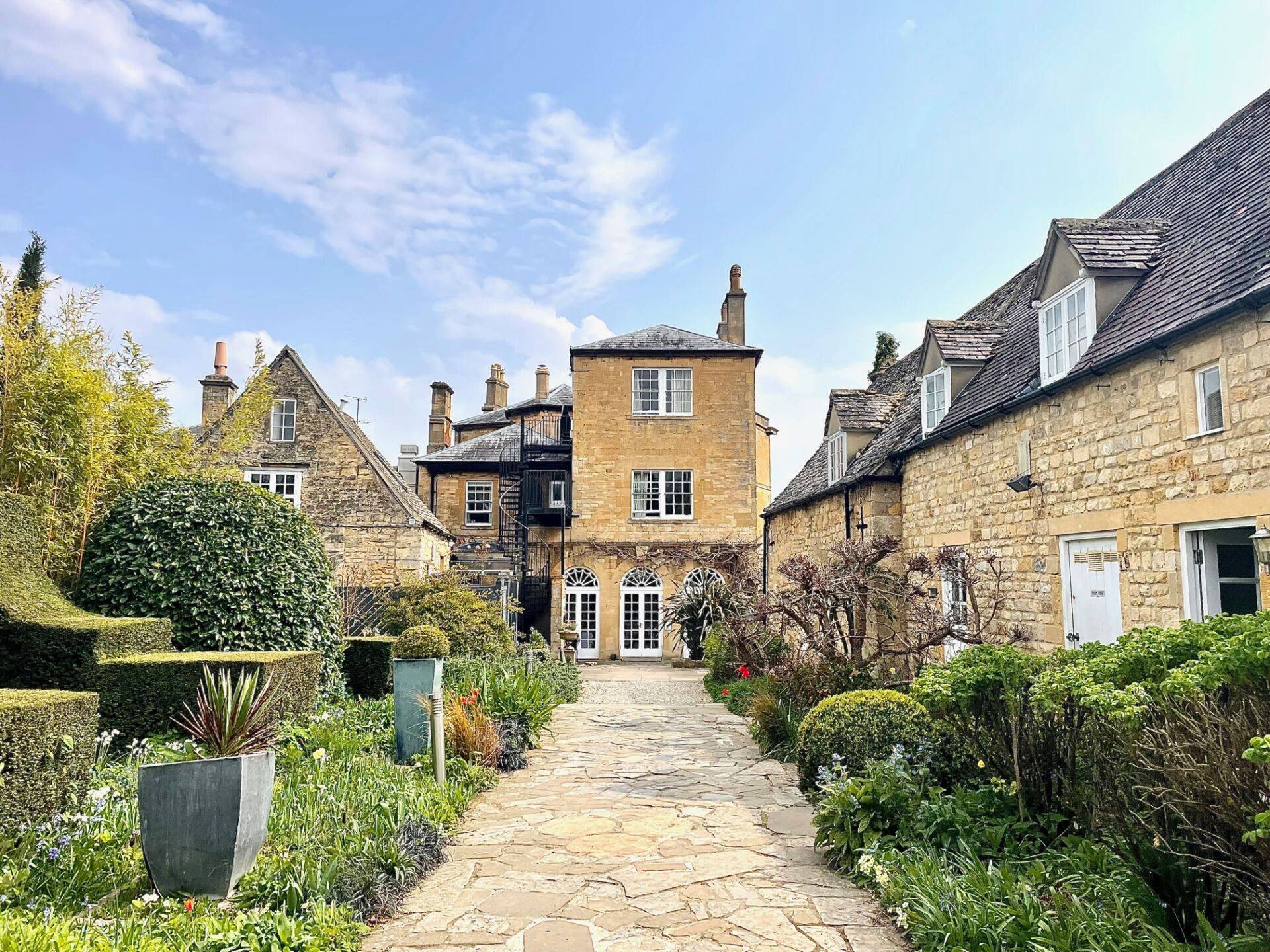
Cotswold House Hotel & Spa is a compact option with 28 guest rooms and two named event spaces, Workspace 1 and Workspace 2. That makes it a good fit for smaller groups that want a more intimate setting for meetings and overnight stays. The scale is part of the appeal. Teams can keep the event focused without losing the comfort of a hotel base. For summer planning, it suits groups that want a quieter pace and a venue that feels contained rather than sprawling.
9. Fawsley Hall Hotel & Spa
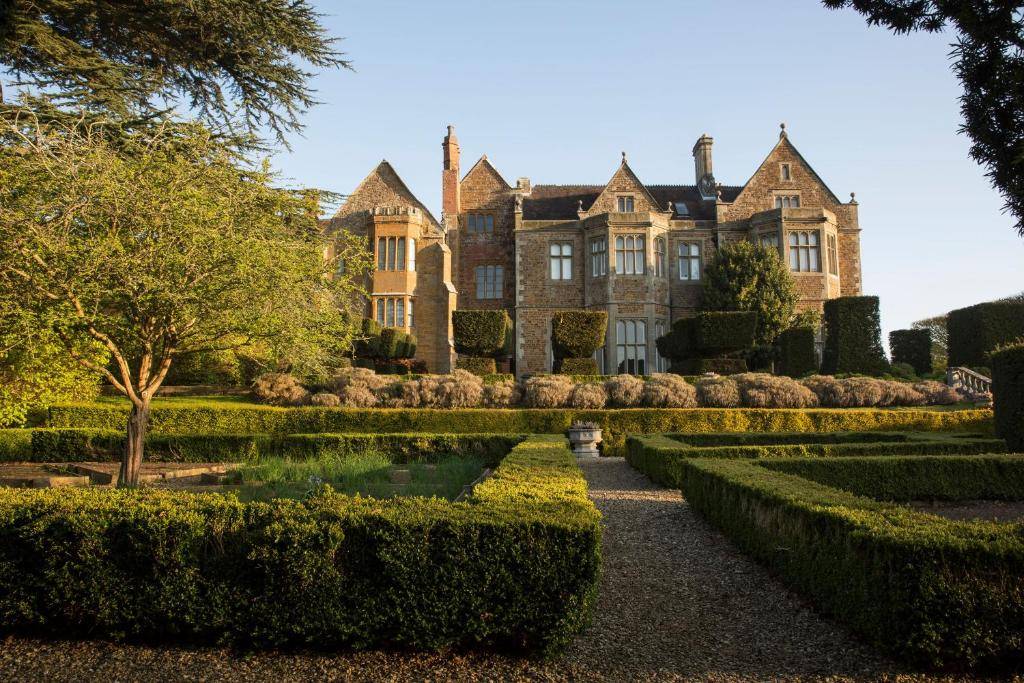
Fawsley Hall Hotel & Spa sits in the Northamptonshire countryside, surrounded by rolling hills and lush landscapes. It is within easy reach of Daventry and Silverstone, which gives it a useful location as well as a rural feel. The Saunders event space can host up to 120 theatre-style, making it suitable for larger meetings within a summer team programme. With a Google rating of 4.6, it combines a historic setting with enough scale for corporate use without losing its country-house character.
10. The Lord Poulett Arms
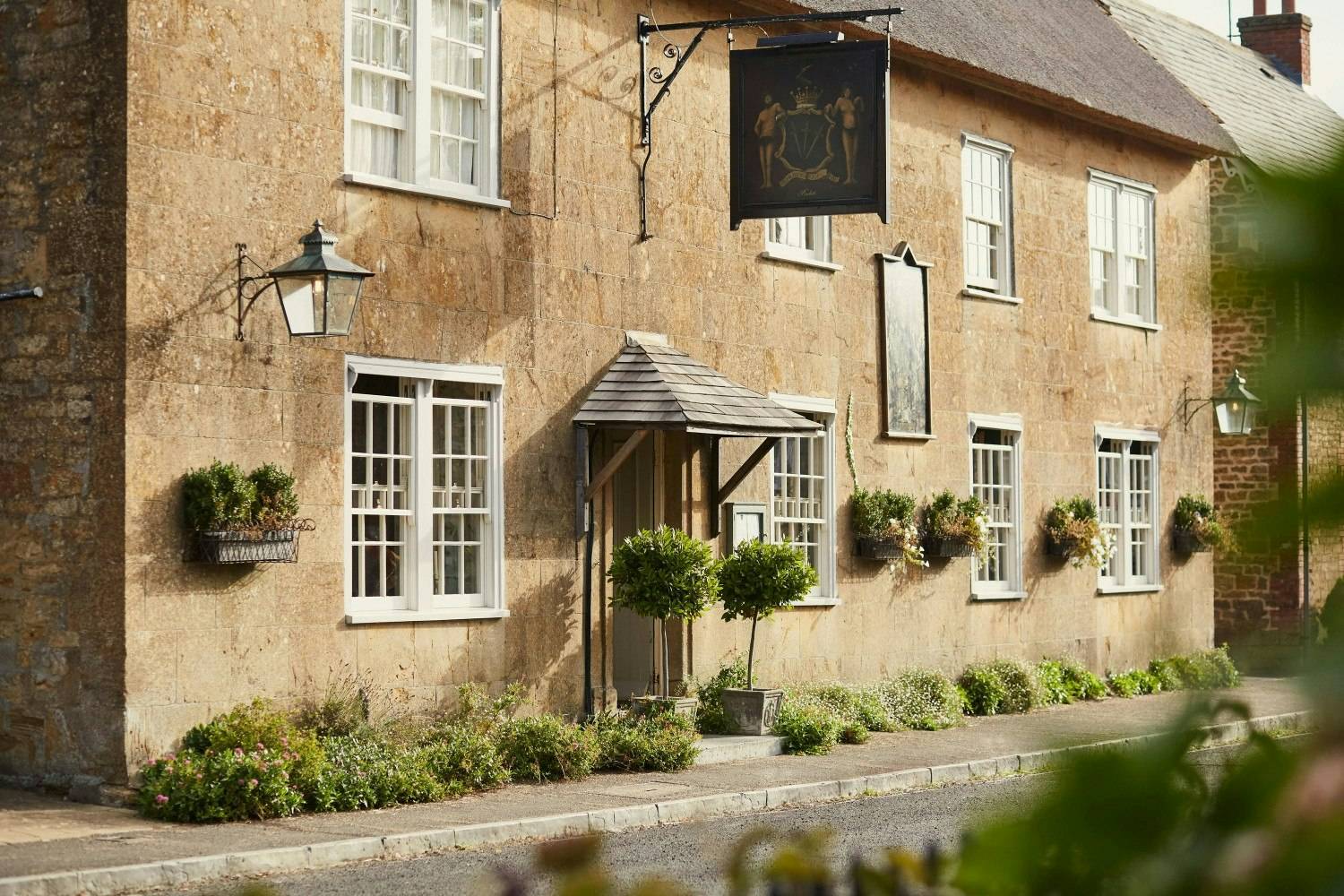
The Lord Poulett Arms is a traditional thatched pub in Hinton Saint George, Somerset, with a building history that dates back to the sixteenth century. It offers six rooms and a setting that blends classic British hospitality with modern comforts. For smaller summer team building hotel retreats, that mix can work well when the goal is to keep the group together in one place. The scale is intimate, the atmosphere is rooted in place, and the venue feels suited to relaxed corporate gatherings.
Why these venues suit summer team retreats
Summer works best when the venue gives people room to breathe. Coastal settings, countryside houses and smaller inns each create a different pace, but all of them can support a retreat if the space matches the group. The strongest choices pair overnight rooms with event spaces, so the day can move naturally from meetings to meals to informal conversation. That balance matters more than size alone.
How should you choose the right one?
Start with the group size, then look at the kind of day you want to create. A small leadership team may prefer an intimate house with a handful of rooms. A larger company offsite needs multiple event spaces and enough bedrooms to keep everyone on site. Travel time, dining style and the feel of the surroundings all matter too. For team building hotel retreats, the right venue is the one that supports the agenda without getting in the way.
Common mistakes to avoid
One common mistake is choosing a venue for its appearance alone. A beautiful property still needs the right room count, event space and layout for the group. Another is ignoring the rhythm of the day. If the venue only works for meetings but not for breaks, meals or informal time, the retreat can feel strained. It also helps to check whether the property suits your team size before you commit.
How do you measure whether the retreat worked?
Measure success by looking at how the group used the space and what came out of it. Did the venue support the planned sessions? Did people have enough room to talk, eat and reset between meetings? Did the setting help the team stay engaged across the day? For summer team building hotel retreats, the clearest sign of success is often simple: the property made it easier for people to connect and get work done.
Frequently asked questions
How do we choose the right summer team building hotel retreat venue?
Start with the group size, then look at the kind of day you want to create. A small leadership team may prefer an intimate house with a handful of rooms, while a larger company offsite needs multiple event spaces and enough bedrooms to keep everyone on site.
What group size works best for a summer retreat?
The right size is the one the venue can hold without feeling empty or cramped. Florence House can host up to 30 delegates overnight, The Bradley Hare has 12 rooms, Slieve Donard has 180 guest rooms, and Cotswold House Hotel & Spa has 28 guest rooms.
How important is travel time when booking?
Short travel times can matter as much as the property itself. Hand Picked Audleys Wood Hotel is about 50 miles from central London, and Fawsley Hall Hotel & Spa is within easy reach of Daventry and Silverstone.
What should we check before we book?
Check guest room counts and event spaces before you build the agenda. It also helps to see whether the property suits your team size and whether it can support both meetings and downtime.
Should we choose a coastal, countryside or historic setting?
Choose the setting that fits the tone you want. Coastal venues feel open and light, countryside properties often feel quieter and more contained, and historic settings bring a different pace again.
What makes a venue work for team building rather than just a meeting?
A good venue gives the group space to meet, eat and spend time together without friction. The strongest choices pair overnight rooms with event spaces, so the day can move naturally from meetings to meals to informal conversation.