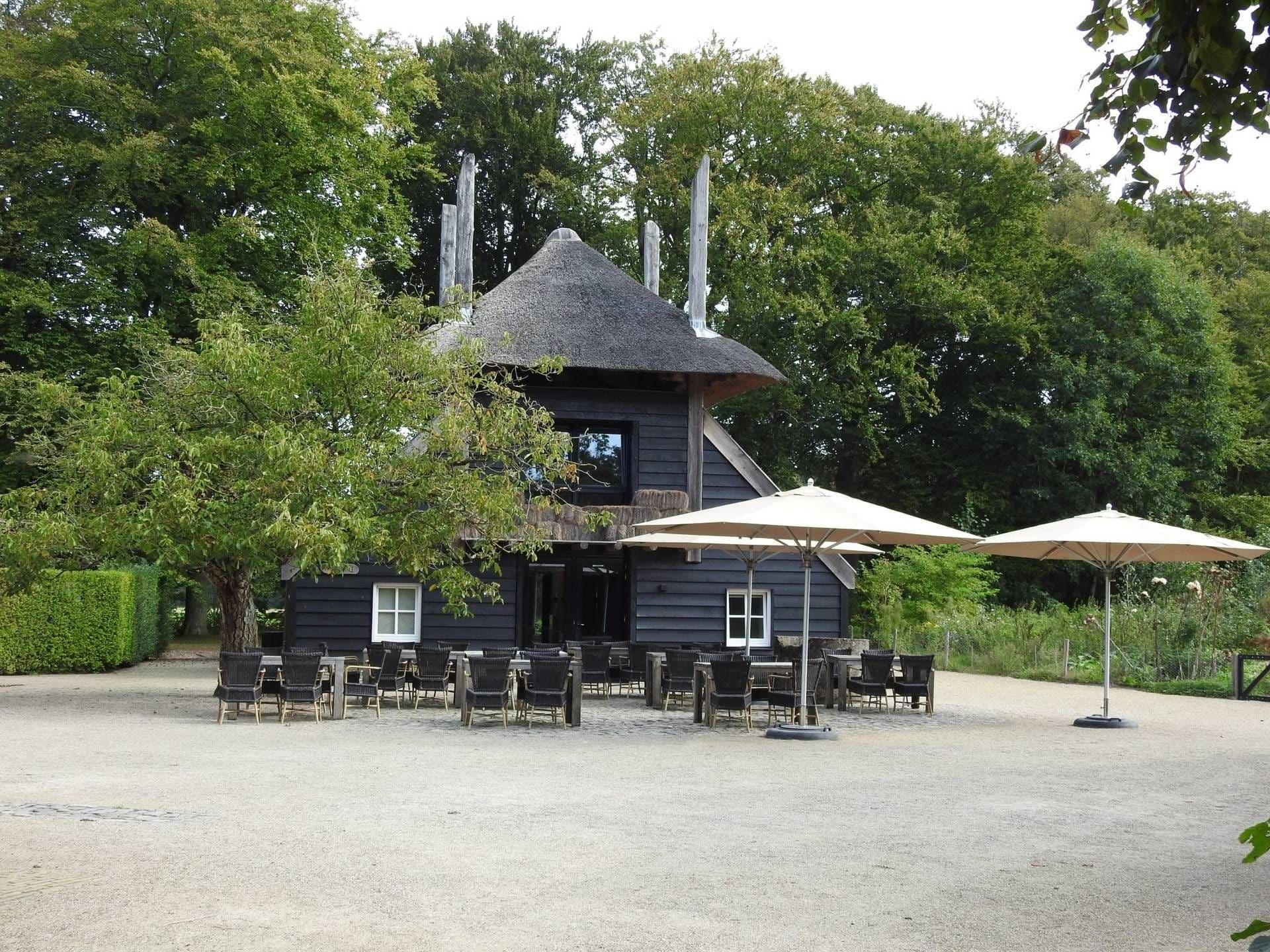
These group retreat locations give planners a practical mix of countryside calm, city access, and venues with character, so you can match the setting to the agenda quickly.
Use them to choose between space, transport links, accommodation, and the tone you want for meetings, dinners, or time away together.
The strongest options are the ones that make the work easier to run, not harder.
Key takeaways
- The list spans rural, city, and heritage settings, from the Peak District and Loch Lomond and the Trossachs to Edinburgh, London, and Oxford, so planners can choose between quiet space, strong recognition, and a distinctive backdrop.
- Some venues are built around convenience and access, such as the South Downs and Sussex, Manchester, and Bristol, while others suit groups that want privacy or a stronger sense of place, including the Peak District and Loch Lomond and the Trossachs.
- Accommodation and on-site comfort matter in several of the venues, including Bleaklow Farm in the Peak District, The Methuen Arms in Bath and Somerset, and Stuckdarach in Loch Lomond and the Trossachs, so it is worth checking whether the property fits an overnight stay.
- Transport links should be checked early, especially for venues where access is part of the appeal, such as Easyhub Horsham in the South Downs and Sussex and the city settings in Edinburgh and London.
- Room size and event format need to match the venue, from small professional gatherings at St Peters House in Manchester to private dinners at the History of Science Museum in Oxford and meetings or receptions at Tower Bridge in London.
- The right choice depends on purpose as much as setting, so a quiet rural farmstead, a central city venue, or a historic building should be chosen for the way it supports the conversations, not just for how it looks.
1. The Peak District
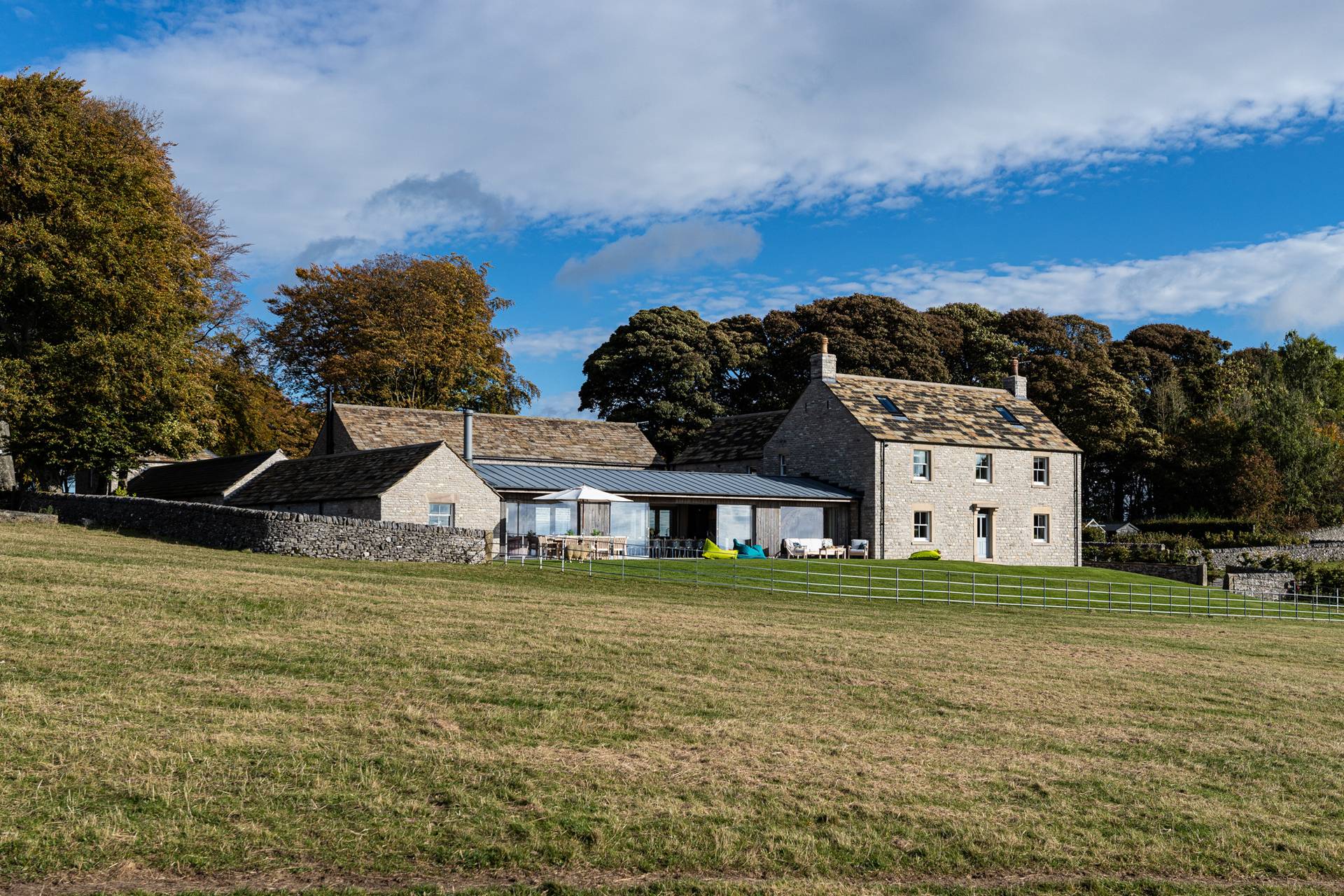
The Peak District works well for a group retreat because it gives teams space, quiet, and a strong sense of place. In Great Longstone, Bleaklow Farm sits on Longstone Edge with wide views across the national park. This 15-bedroom farmstead combines traditional limestone architecture with modern comfort, including underfloor heating, rainfall showers, and en-suite bedrooms. It suits groups that want a rural setting without giving up a polished stay.
2. Edinburgh
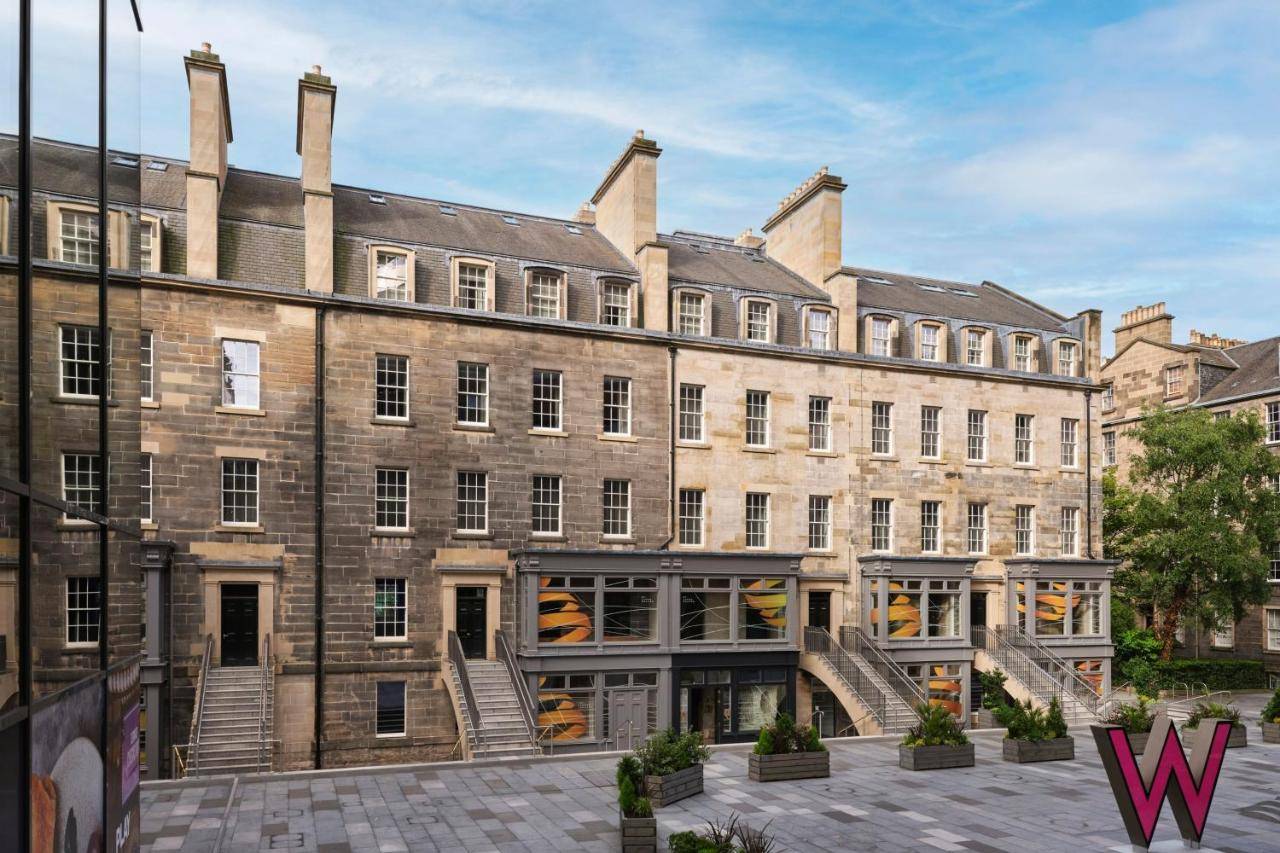
Edinburgh suits a group retreat when you want a city with history, culture, and a professional event setting. W Edinburgh sits in the heart of Scotland's capital and offers modern, elegant meeting spaces for conferences, seminars, and receptions. The rooms are equipped with the latest technology, which helps presentations run smoothly. For teams that want a central base with a strong city backdrop, this is a practical and polished choice.
3. London
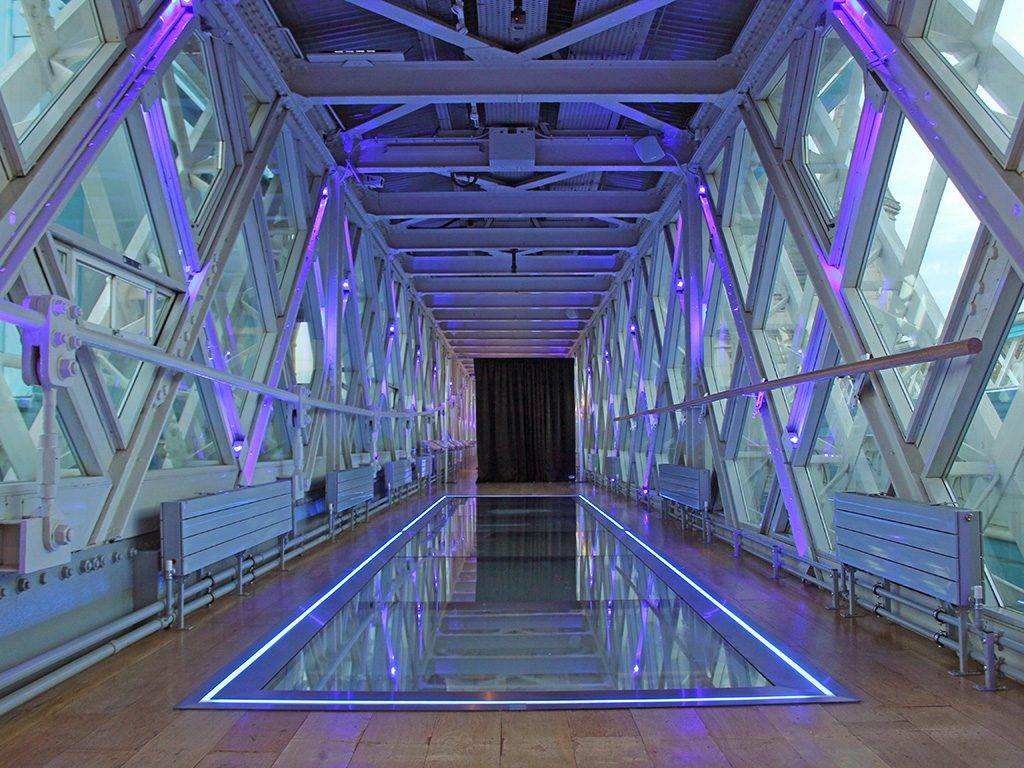
London works for a group retreat when the brief calls for a landmark setting with strong recognition. Tower Bridge offers corporate event spaces in one of the city's most iconic locations, with options that include panoramic walkways, Victorian halls, and a lounge with views of the city. It is a good fit for meetings, dinners, and receptions where the venue itself adds character to the occasion.
4. The South Downs and Sussex
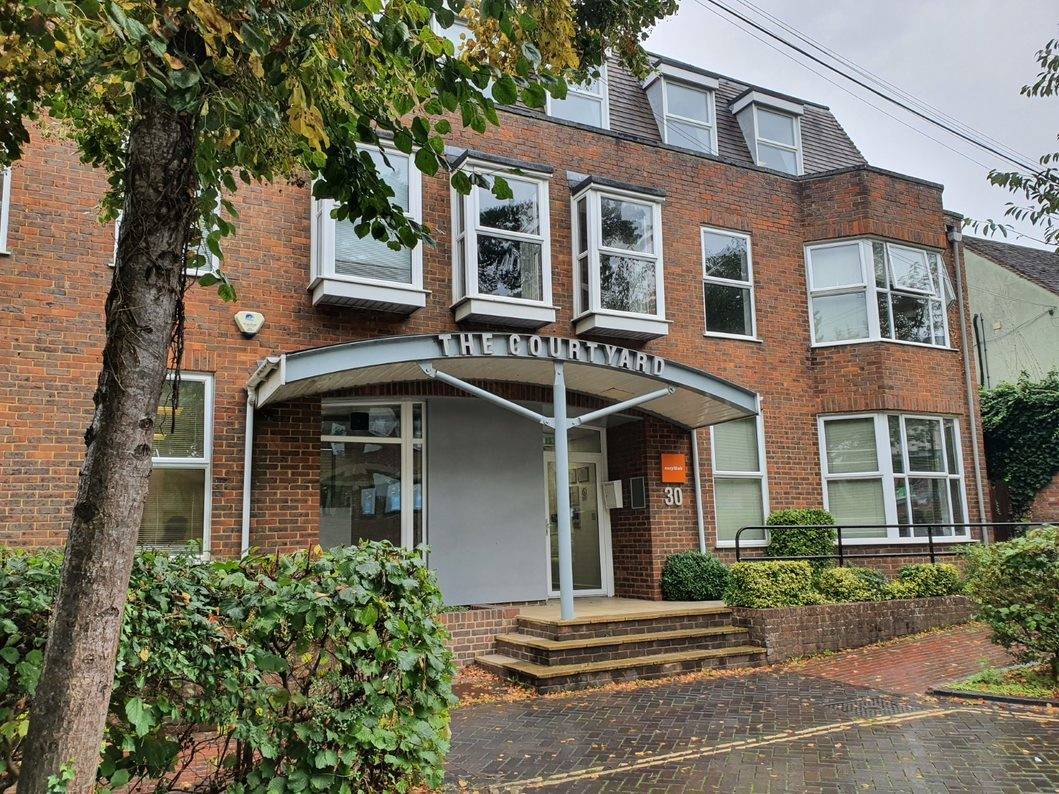
The South Downs and Sussex are a strong choice for a group retreat when easy access matters as much as atmosphere. Easyhub Horsham sits in a lively area with shops, bars, and restaurants nearby, and it is a 15-minute walk from the mainline station with fast services to London and surrounding areas. Road access is straightforward too, with the A24 close by. That makes it useful for groups that need convenience.
5. Bath and Somerset
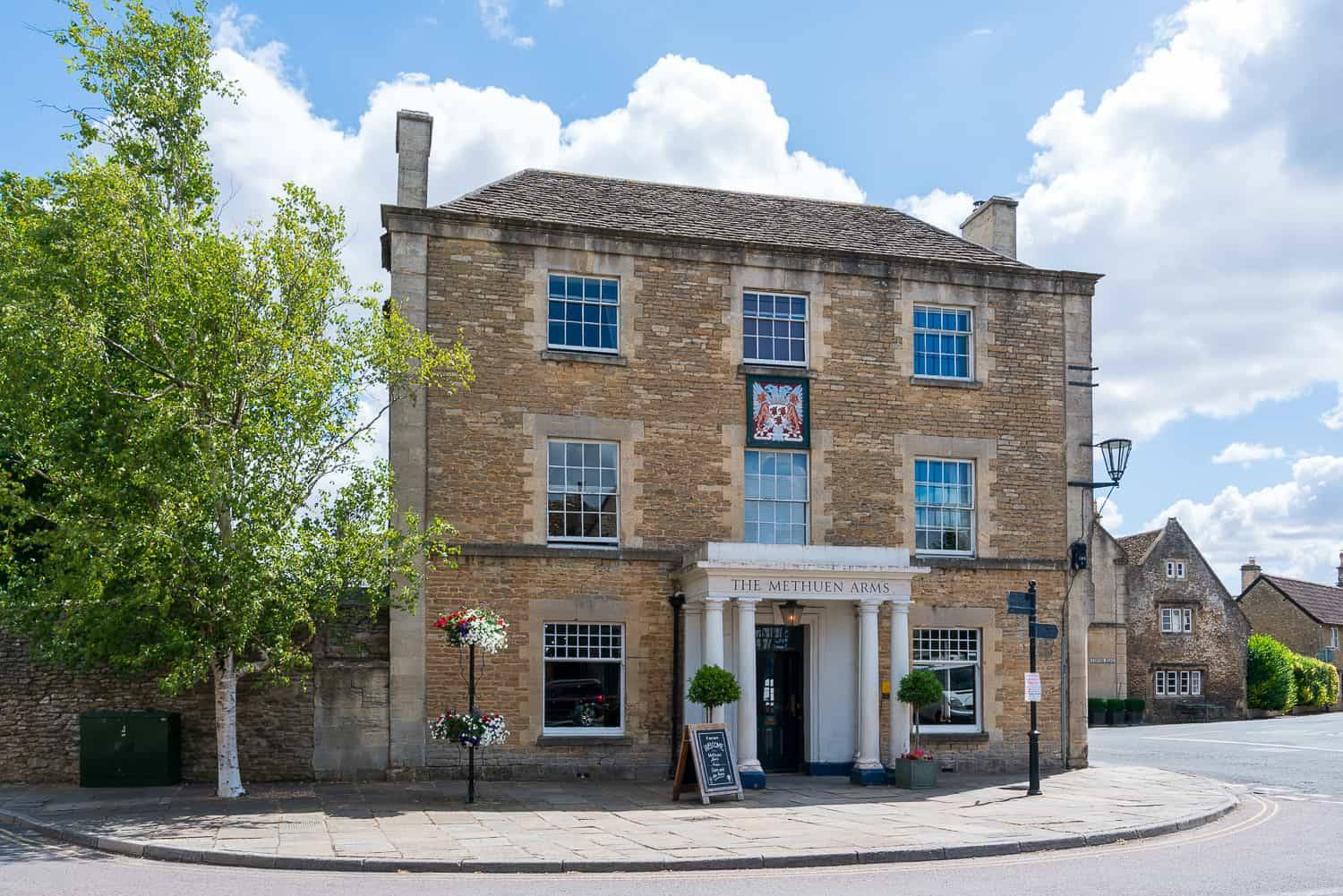
Bath and Somerset work well for a group retreat when you want countryside character with a refined feel. The Methuen Arms is a Georgian coaching inn in the Wiltshire countryside, next to Corsham Court and about 10 miles from Bath. It offers 19 boutique rooms across Snug, Signature, Superior, and Studio types, all with double beds. The setting suits groups that want a cosy country pub atmosphere with accommodation on site.
6. Loch Lomond and the trossachs
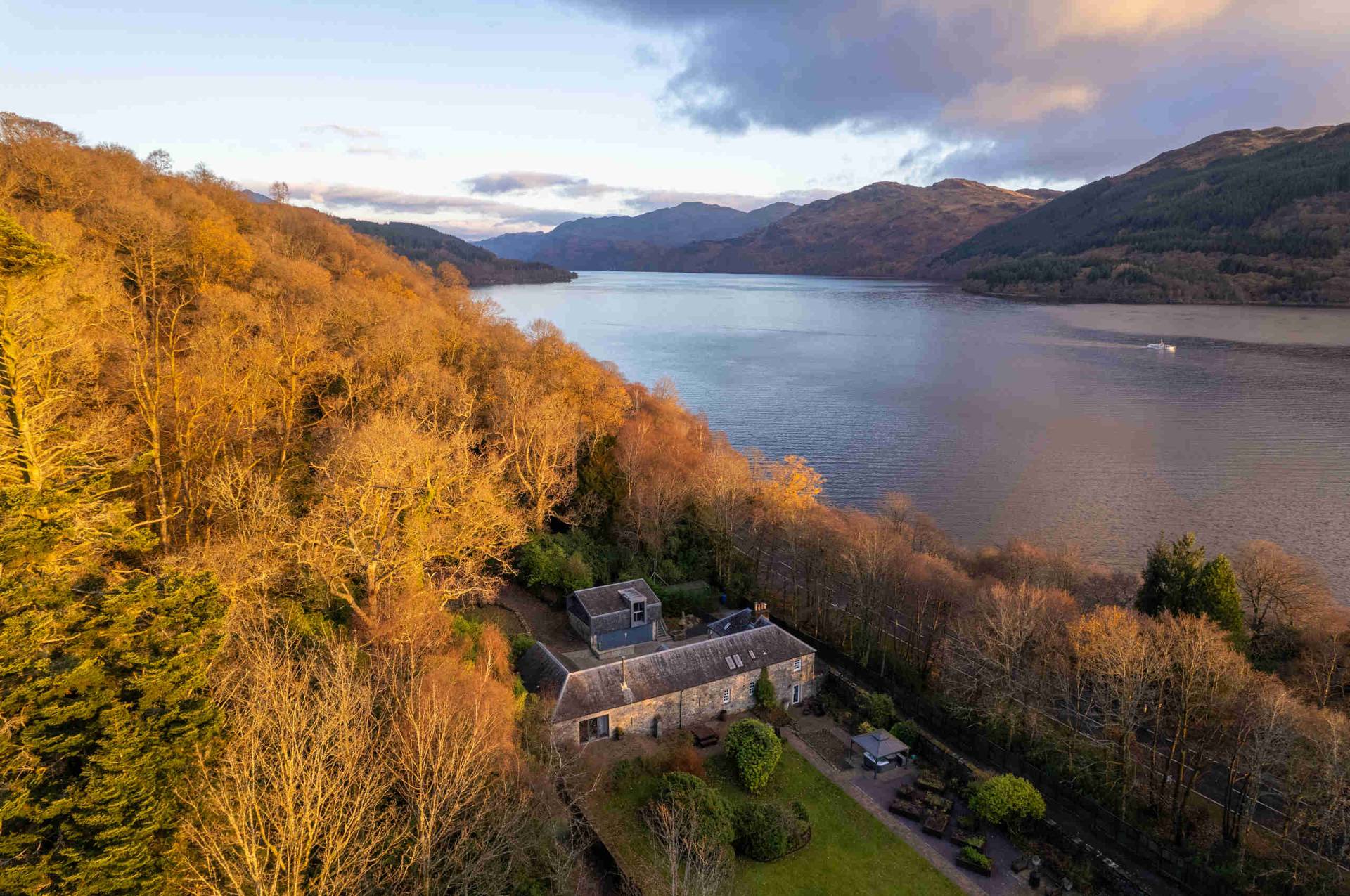
Loch Lomond and the Trossachs are ideal for a group retreat that needs privacy, scenery, and a sense of escape. Stuckdarach sits on the western shores of Loch Lomond within the historic Stuckgowan Estate, set in a private one-acre walled garden and surrounded by 34 acres of Highland woodland near Tarbet and Arrochar. It combines original period features with contemporary comforts, giving groups a private estate feel in a striking Scottish setting.
7. Manchester
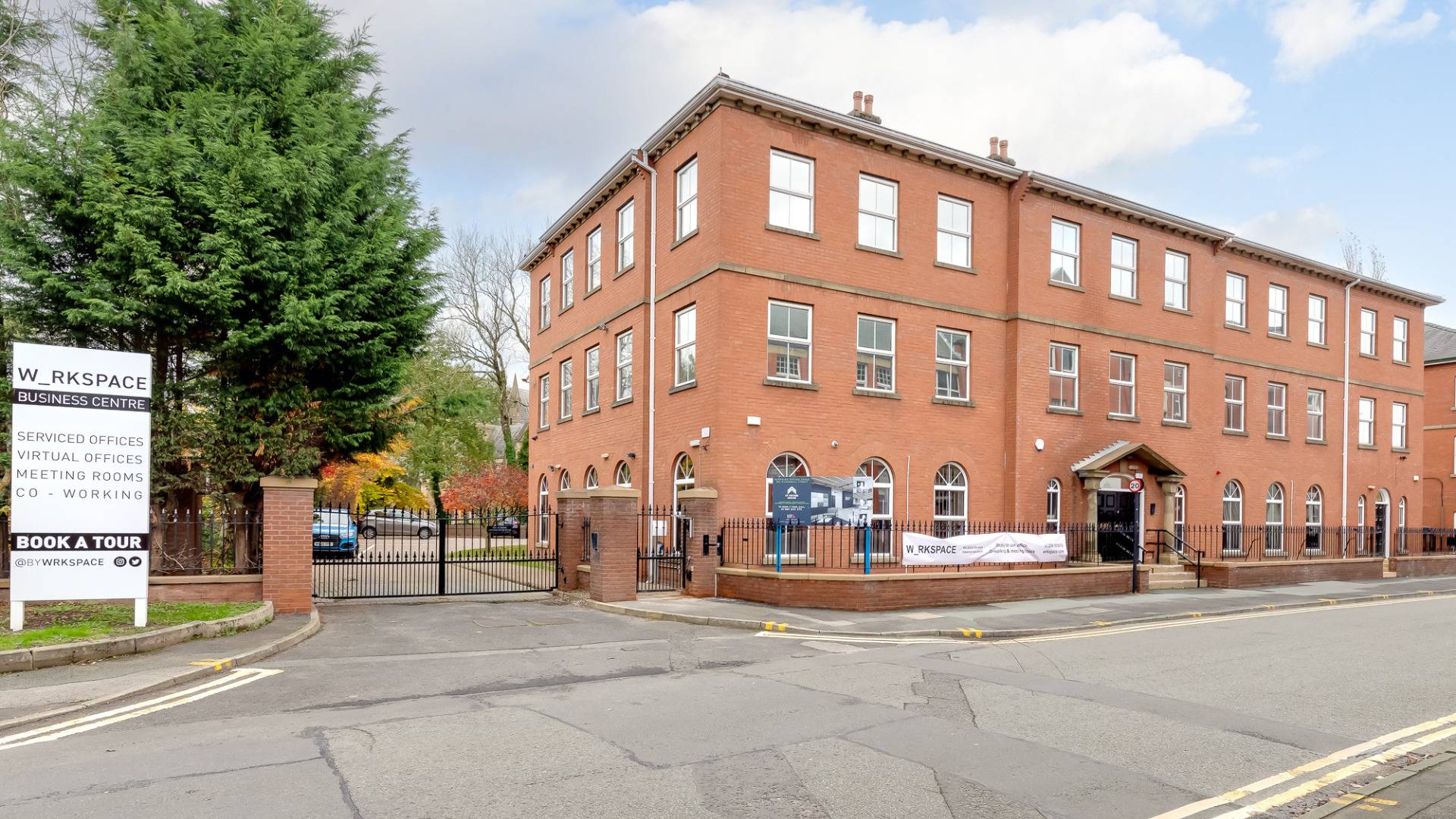
Manchester works for a group retreat when the priority is a focused meeting space rather than a large resort. St Peters House in Bolton offers a stylish conference-style room designed for collaboration and client discussions. It accommodates up to twelve guests, which makes it suitable for boardroom meetings or small professional gatherings. Natural light, heating, and air conditioning help keep the room comfortable for longer sessions.
8. Bristol
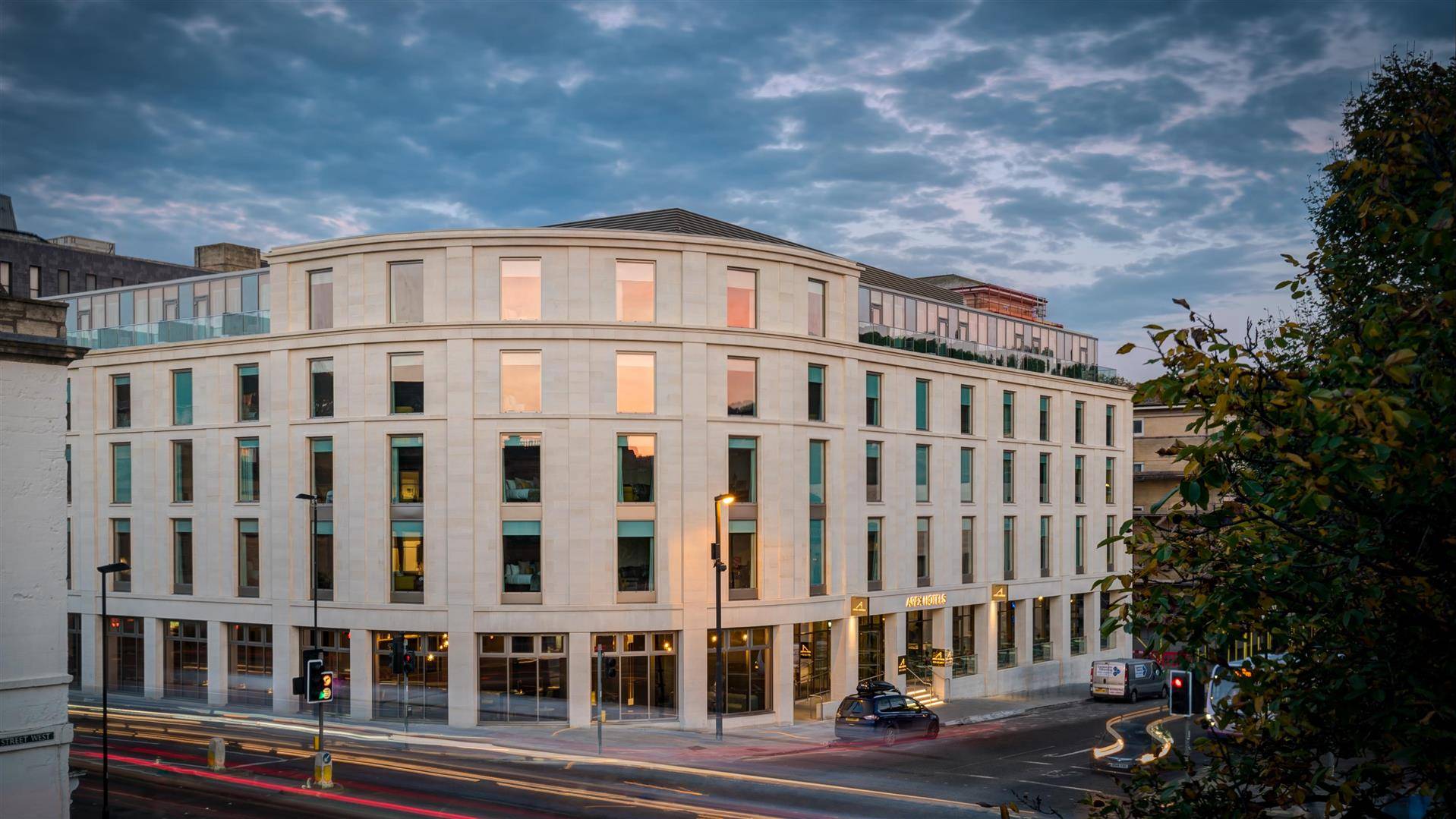
Bristol is a good option for a group retreat when you want a city base with a polished hotel setting. Apex City of Bath Hotel stands in the heart of Bath and offers a contemporary four-star environment with functional elegance. Built and renovated in 2017, it has 177 modern bedrooms with king-size beds, sleek ensuite bathrooms, and Antipodes toiletries. It suits groups that want a well-kept, central place to stay and meet.
9. Oxford
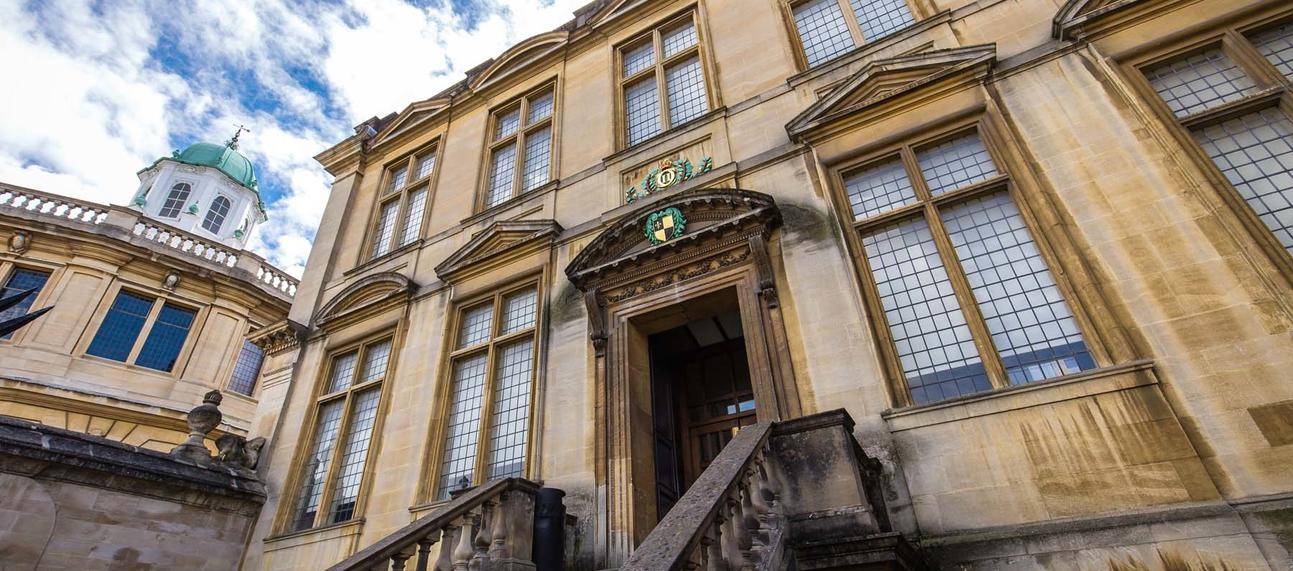
Oxford works for a group retreat when the venue itself should feel distinctive. The History of Science Museum is one of the oldest museums specifically designed in the world, with architecture dating back to 1683 and three floors of different character. It can host private dinners for up to 60 guests in the Basement Gallery, which was once part of the original building. That gives group events a memorable setting with real historical weight.
How do you choose the right group retreat locations?
Start with the purpose of the gathering. A strategy session may need a quiet rural setting, while a client dinner or leadership meeting may work better in a city venue with clear transport links. Then check the practical details: room size, accommodation, access, and whether the property suits the tone of the event. The right venue should make the agenda easier to run, not harder.
What should planners look for in a retreat venue?
Planners should look for a venue that matches the group size, the style of meeting, and the amount of time people will spend on site. Accommodation matters for overnight stays, while transport links matter for short gatherings. It also helps to think about the setting itself. Some teams work better in a quiet estate or farmstead, while others need a central city location with easy access.
How do you avoid choosing the wrong venue?
The main mistake is choosing a place for its image rather than its function. A venue can look impressive and still be awkward for the group if it is too small, too remote, or poorly connected. It is better to match the property to the purpose. If the event needs focus, choose a calm setting. If it needs convenience, choose somewhere with strong transport links and practical facilities.
How do you measure whether the retreat worked?
Success is usually visible in the quality of the conversations and the clarity that follows. If people leave with decisions made, next steps agreed, and a better sense of how they will work together, the venue has done its job. For some groups, success also means the setting helped people relax enough to speak honestly. That is often what makes a retreat feel worthwhile.
Why these group retreat locations work
Each of these places offers something different, but they all give planners a clear starting point. Some are built around transport and convenience. Others are about privacy, scenery, or a venue with character. That variety matters. The best group retreat locations are the ones that fit the people, the purpose, and the pace of the event, so the setting supports the work rather than distracting from it.
Frequently asked questions
What should I look for when choosing a UK group retreat location?
Start with the purpose of the gathering, then check the practical details that support it. A strategy session may need a quiet rural setting, while a client dinner or leadership meeting may work better in a city venue with clear transport links. Room size, accommodation, access, and the tone of the property should all fit the agenda.
Which UK settings work well for group retreats?
Rural farmsteads, city landmarks, and quiet estates by the water can all work well, depending on the brief. The strongest venues give teams space to think, room to talk, and a setting that suits the work in hand. UK venues can work well for retreats in both cities and countryside settings.
How important are transport links when choosing a retreat venue?
Transport links matter most when the group needs convenience or a short travel time. Easyhub Horsham is a 15-minute walk from the mainline station with fast services to London and surrounding areas, and the A24 is close by. City venues can also work well when access is a priority.
What group size should I plan for when booking a retreat venue?
Match the venue to the group size and the style of meeting. St Peters House in Bolton accommodates up to twelve guests, which makes it suitable for boardroom meetings or small professional gatherings, while the History of Science Museum can host private dinners for up to 60 guests in the Basement Gallery.
What is the best time of year for a UK group retreat?
The best time depends on the setting and the purpose of the trip. Spring and autumn often work well because they can offer a good balance of availability and atmosphere, and winter can also suit countryside venues if the group wants a quieter pace.
How do I choose between a city retreat and a countryside retreat?
Choose a city venue if the group needs easy access, a formal setting, or strong transport links. Choose a countryside venue if the team needs more breathing room, privacy, and a stronger sense of escape. The right place should support the agenda without getting in the way of it.