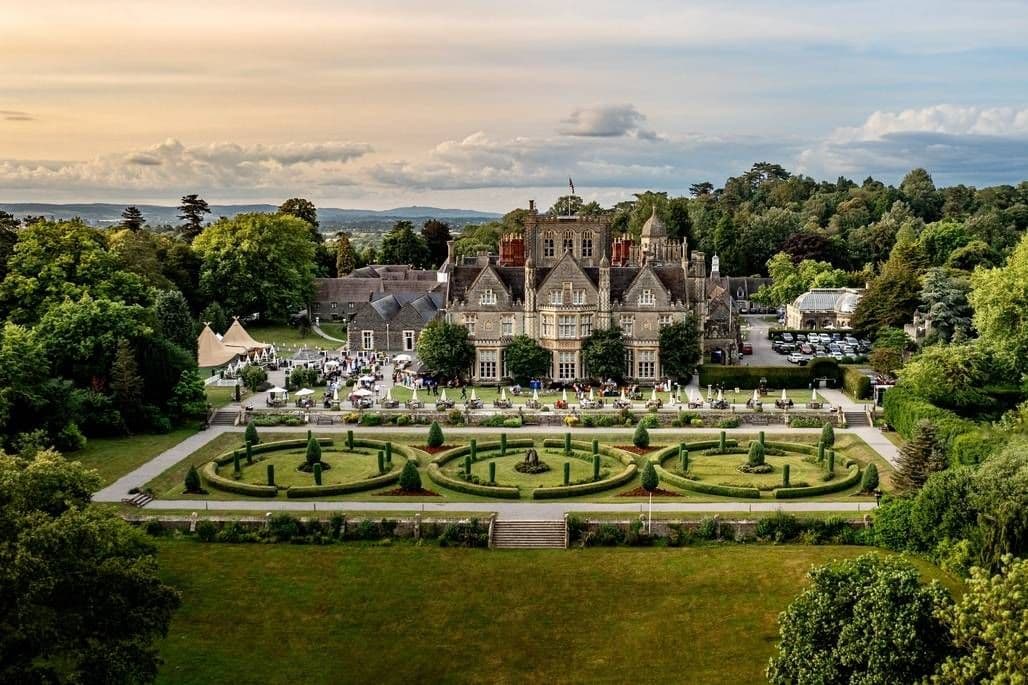
These UK event spaces give planners a practical spread of city meeting rooms, countryside houses, cinemas, galleries, and larger event venues for a 2026 team away day.
Use them to match the setting to the agenda, whether you need focused work, team bonding, or a more social format, and check access, capacity, and the named room before you book.
The strongest options range from central London addresses to quieter countryside settings, so you can choose the tone that fits the day rather than forcing the day to fit the room.
Key takeaways
- Bizquarter, Home House, and Airivo Chislehurst suit focused business use, with executive meeting rooms, boardrooms, and a dedicated boardroom available by the hour.
- Milton Farm, Moreves barn, and IXL Events Centre At Dallas Burston Polo Club bring a countryside feel, from private accommodation and restored barn character to a 600-acre estate setting.
- Boom Battle Bar Canterbury, Curzon Knutsford Cinema, and Curzon Canterbury Riverside Cinema offer more social formats, with entertainment, screenings, receptions, and networking all supported.
- etc.venues County Hall, Mercato Metropolitano- Elephant & Castle, and Mall Galleries, Main Gallery cover flexible city venues, from multiple meeting rooms to food-led gatherings and renovated gallery space.
- Before booking, check the agenda, access, capacity, room layout, and whether the named space is the one you will actually use, especially in venues with several distinct areas.
- The list also shows the value of matching tone to task: polished London rooms for formal meetings, quieter rural settings for private away days, and lively venues when the group needs energy and interaction.
1. Bizquarter
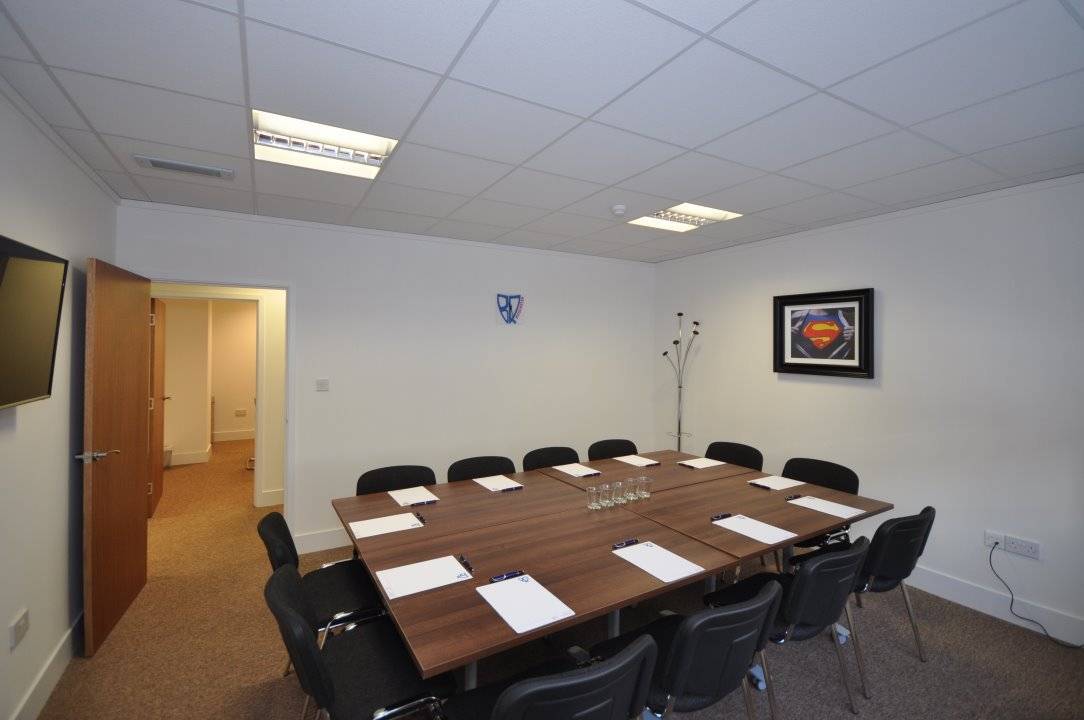
Bizquarter is a strong choice for a team away day if you want a professional setting in Glasgow City Centre's financial district. It offers modern executive meeting room solutions, with spaces that include executive meeting rooms, boardrooms, consulting rooms, and treatment room facilities. The rooms are contemporary and functional, which makes them suitable for professional gatherings where the focus is on getting work done without distraction. Consulting Room 2 is one of the named spaces.
2. Milton Farm
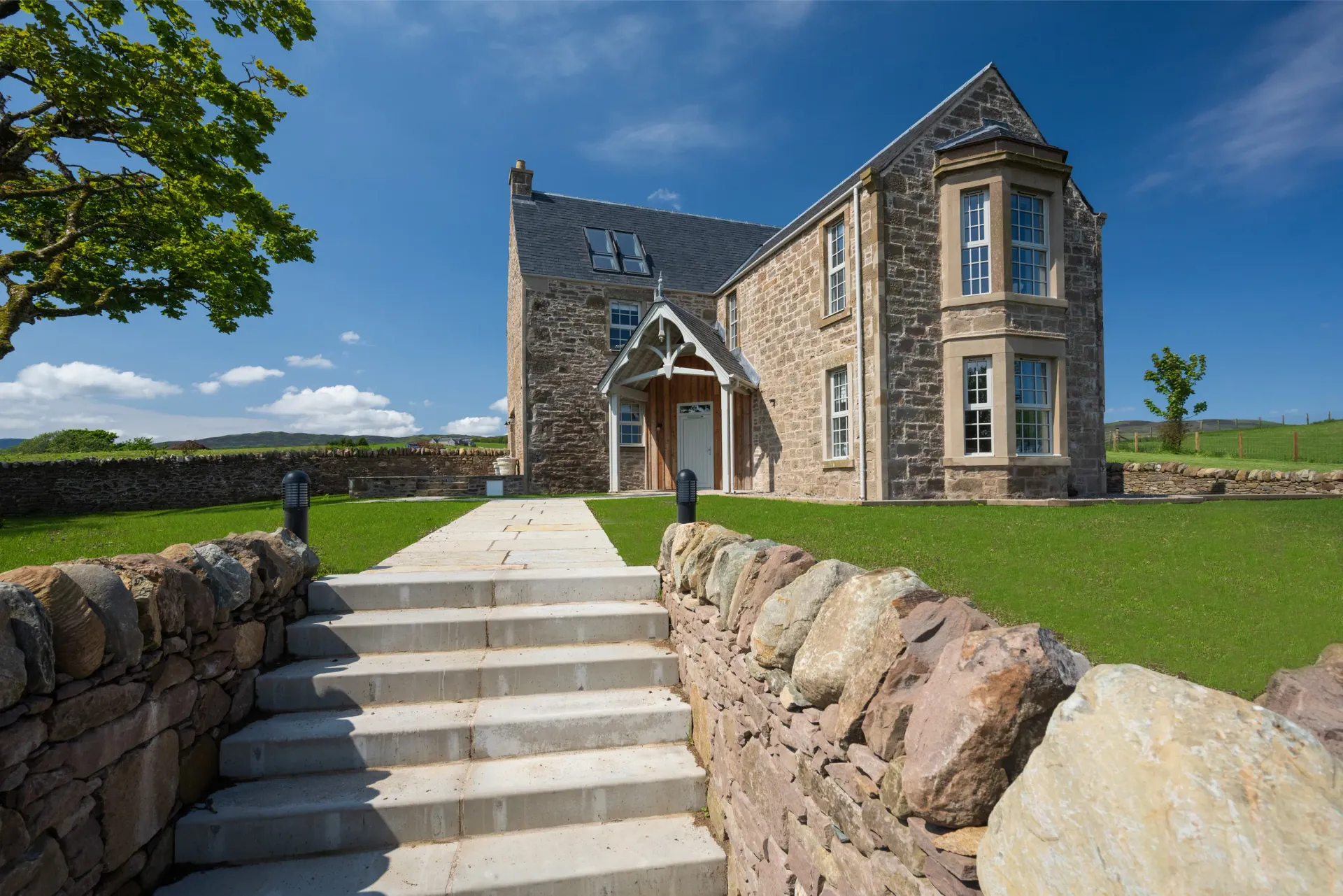
Milton Farm suits a company event that needs a quieter setting and a more private feel. Located in the countryside of Perthshire, this luxury accommodation complex can host up to 30 guests across elegantly renovated properties. The rooms combine modern comfort with traditional charm, and each one has an en-suite bathroom for privacy and convenience. Separate entertaining space is one of the named areas, which makes it a practical option for small team gatherings and away days.
3. Boom Battle Bar Canterbury
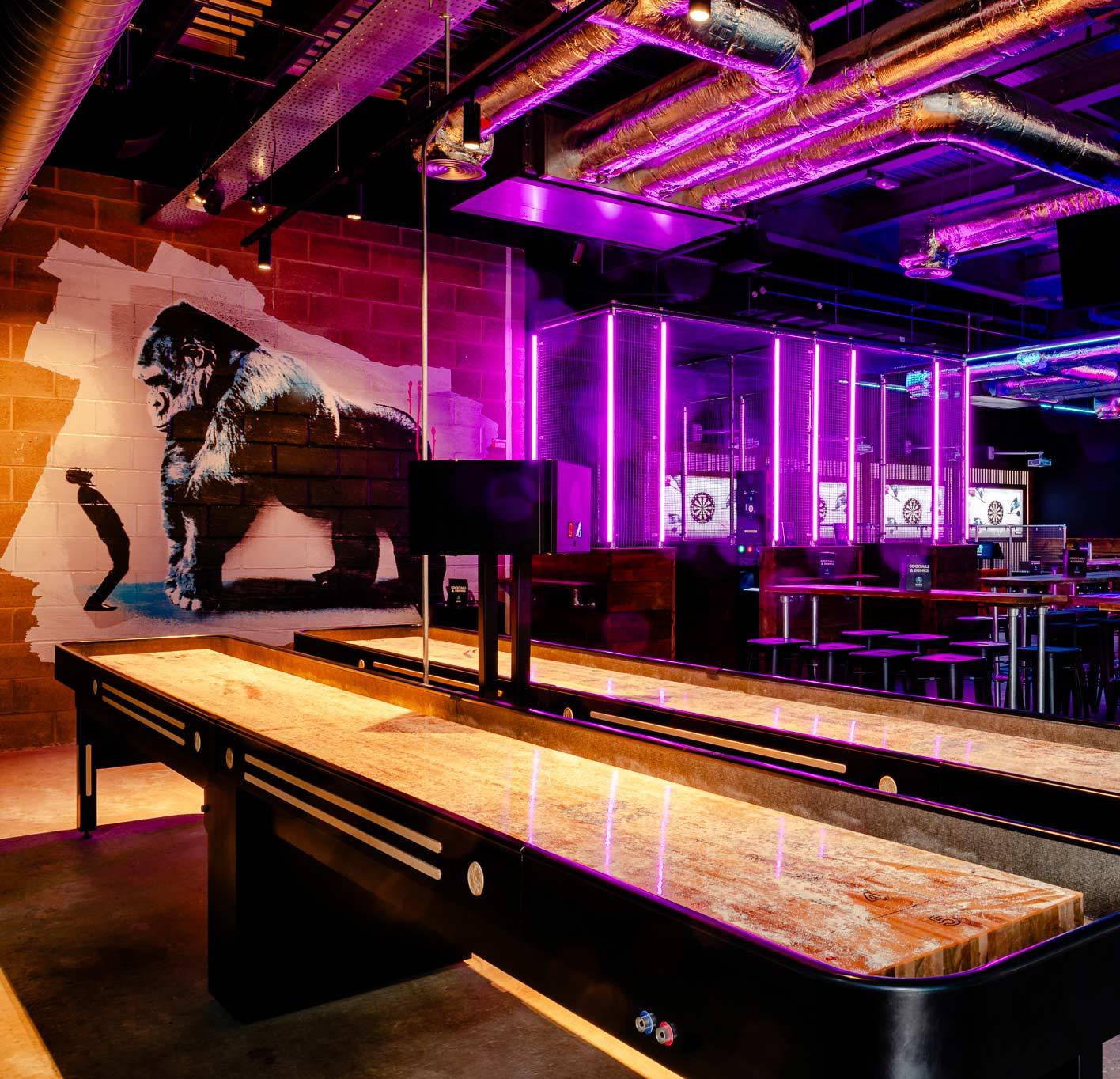
Boom Battle Bar Canterbury works well for teams that want an indoor entertainment venue with energy and movement built in. It is located at Canterbury Riverside, in an urban setting that is easy for local and visiting groups to reach. The venue is designed for corporate events, team building, and group activities, with a vibrant atmosphere centred on fun, competition, and social interaction. It is a natural fit when the day should feel lively rather than formal.
4. Home House
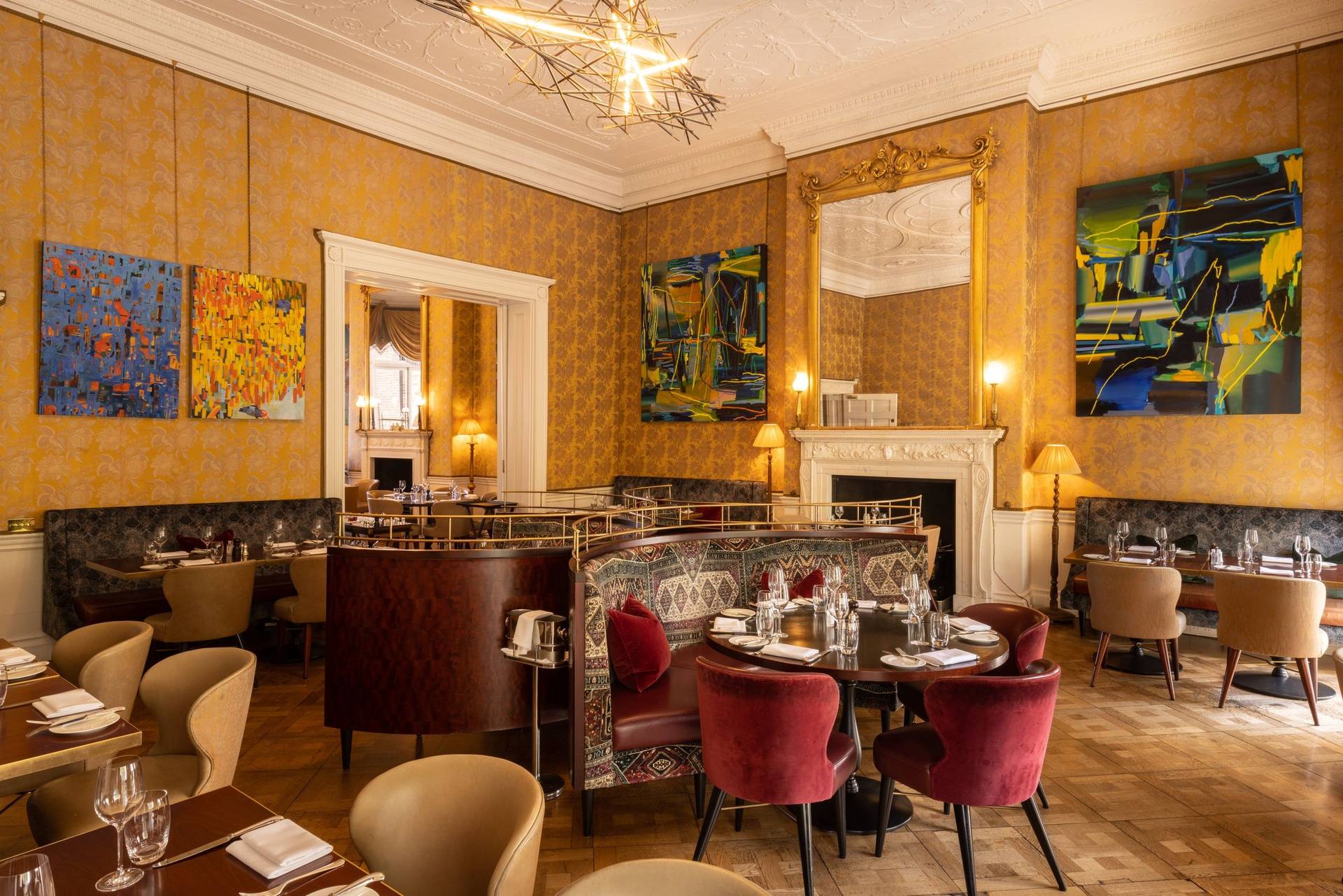
Home House offers a refined setting in Marylebone for meetings, seminars, and business dinners. Its elegant Georgian-style rooms give corporate events a polished backdrop, while the private spaces are designed to support creativity and collaboration. The venue also places emphasis on personalised service, which matters when the day needs to run smoothly and feel considered. Business Meetings is one of the named event spaces, making it a useful option for teams that want a more formal London address.
5. Curzon Knutsford Cinema
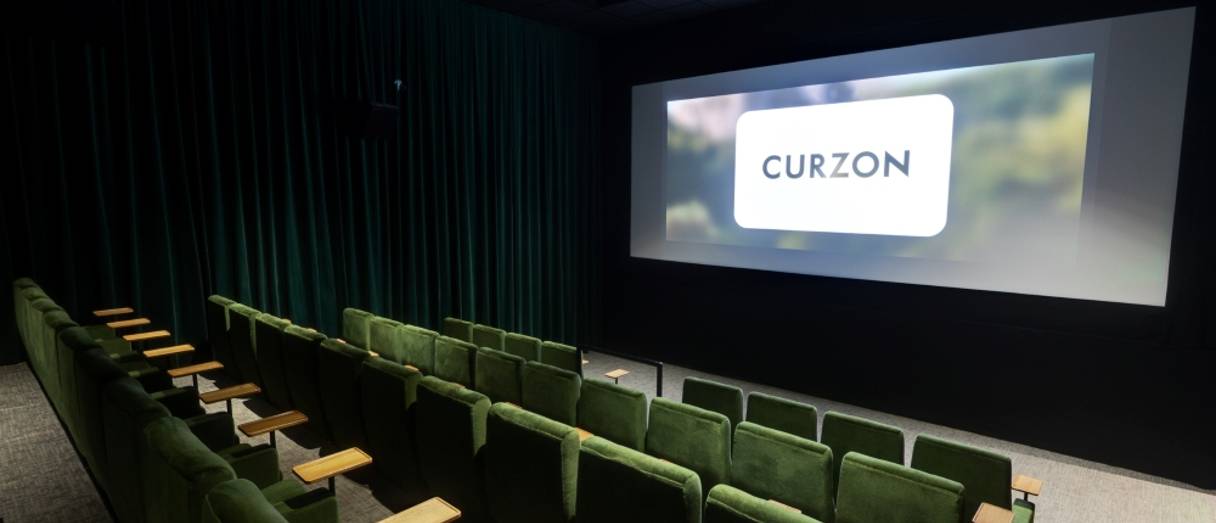
Curzon Knutsford Cinema brings a different feel to corporate hosting in East Cheshire. It is a single-screen cinema with a café-bar and free parking, which makes arrival straightforward for groups. The recently renovated entrance hall and bar areas are bright and welcoming, and they work well for receptions, welcome drinks, and networking events. Screen 2 is one of the named spaces, so the venue can support both social moments and more structured business use.
6. etc.venues County Hall
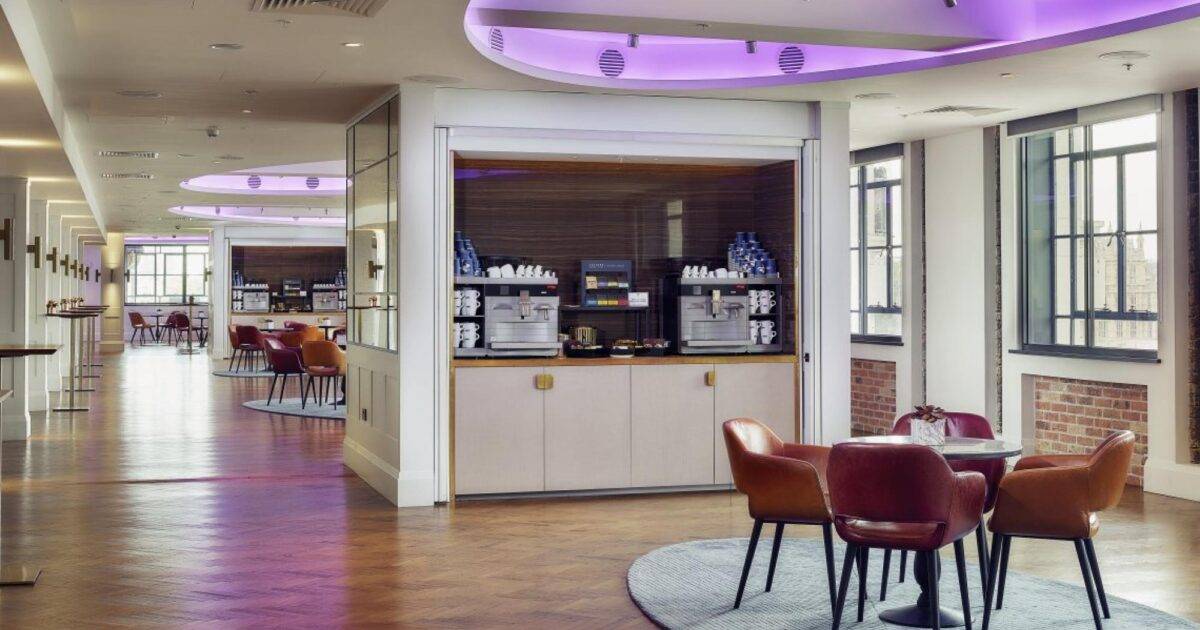
etc.venues County Hall is a versatile London venue on the south bank, with 30 flexible meeting rooms across 67,800 square feet. It can accommodate up to 400 participants, which makes it suitable for larger corporate events as well as smaller breakout sessions. The historic site has been carefully restored, keeping original features while adding modern design elements for comfort. Meeting Room 1 is one of the named spaces, giving planners a clear option for a focused session.
7. Mercato Metropolitano- Elephant & Castle
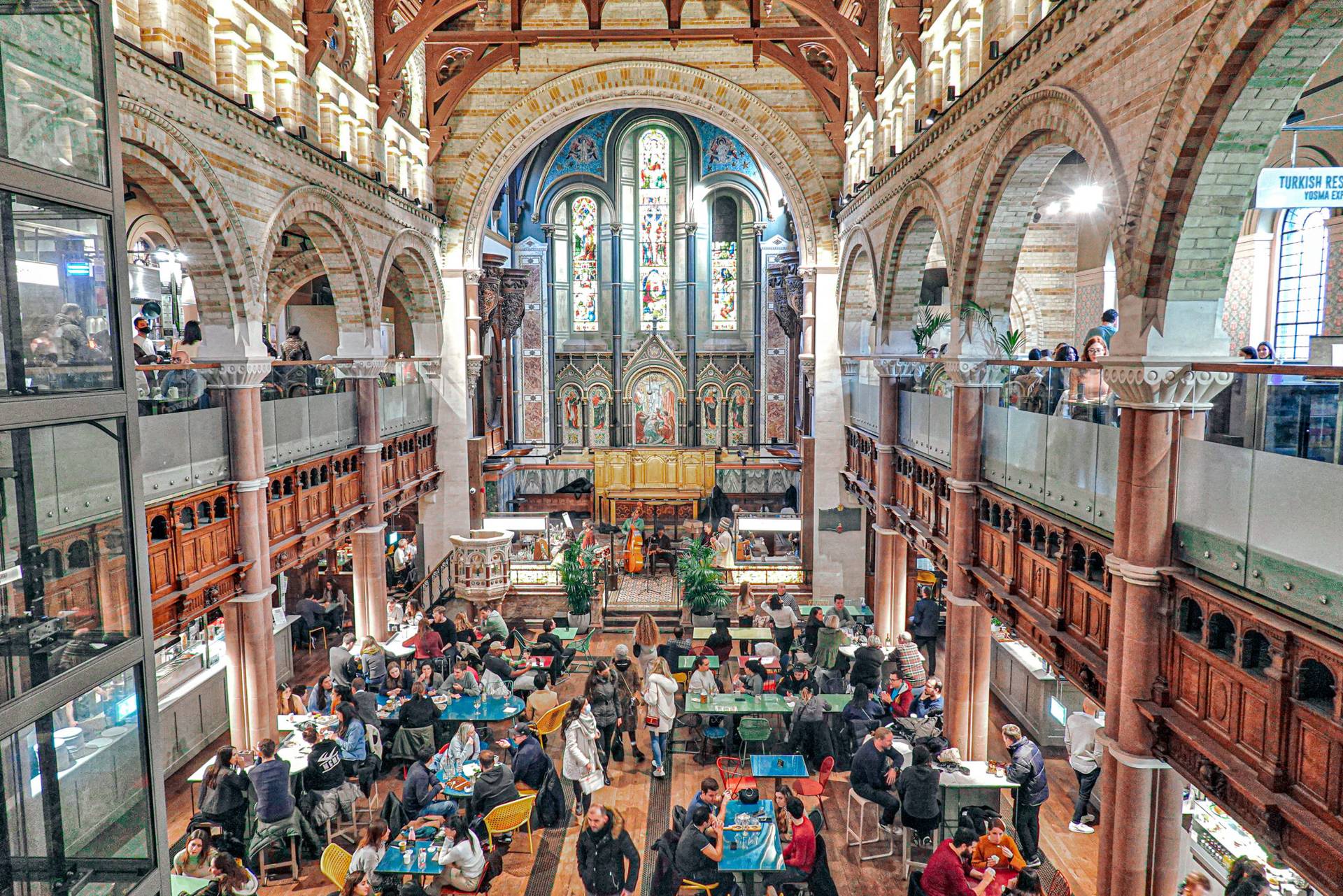
Mercato Metropolitano- Elephant & Castle is a distinctive choice for corporate events that benefit from a lively, food-led setting. The venue combines authenticity and modernity, with a global approach and a local focus that shapes the experience. Its spaces are designed to encourage interaction and support a healthy lifestyle, which gives group gatherings a different rhythm from a standard meeting room. Meeting space is one of the named areas, with capacity for up to 200 people.
8. Bala Hissar
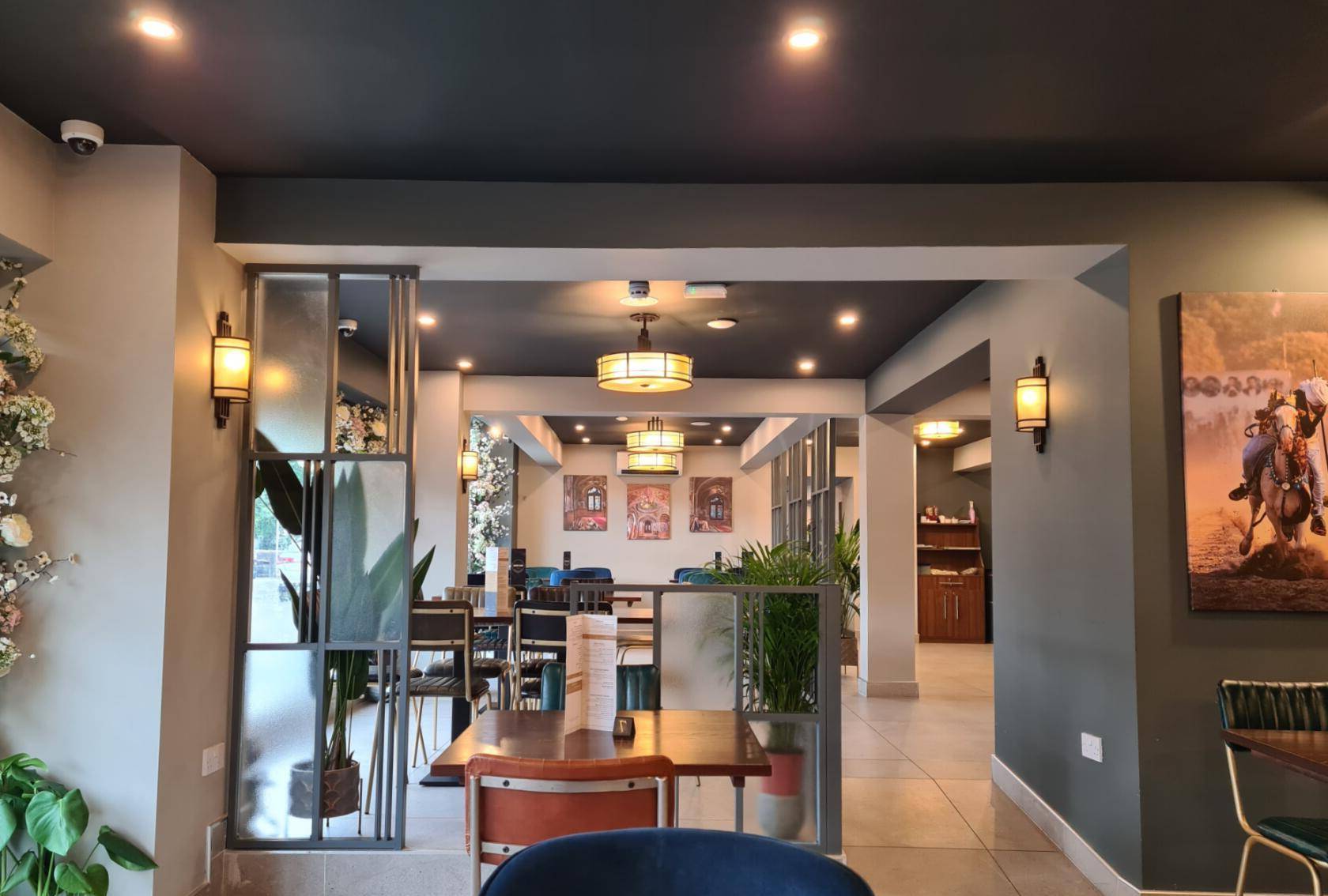
Bala Hissar in Bradford offers a welcoming venue with capacity for up to 60 guests standing. The space is divided into two distinct areas, each with its own atmosphere. Upstairs is serene and spacious, with framed photographs, soft ceiling lights, and greenery placed between partitions and along the edges. That calm, considered layout makes it a good fit for company events that need a relaxed but polished setting. Upstairs Area is one of the named spaces.
9. Home Grown Club
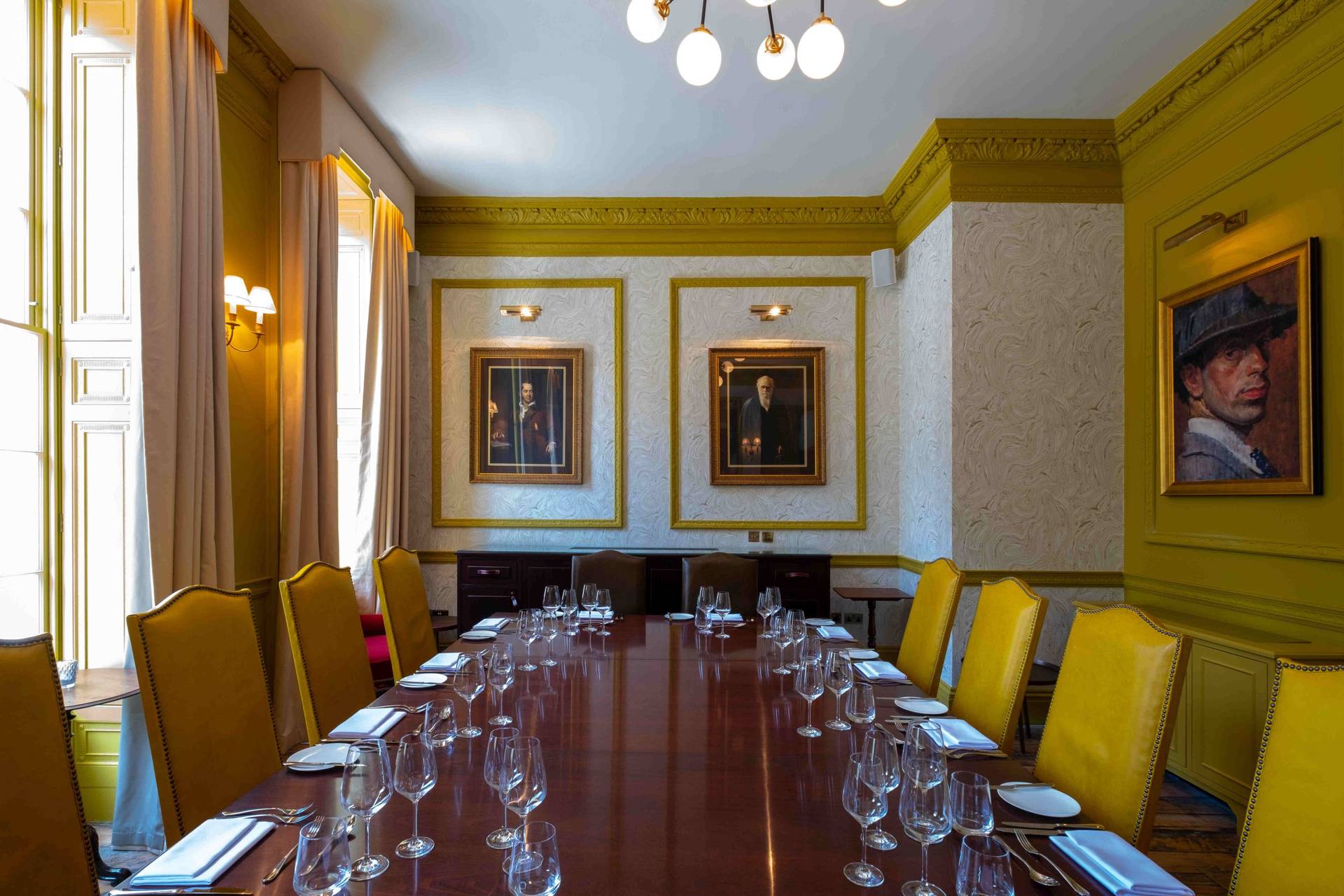
Home Grown Club sits in central London, within restored Georgian townhouses on Great Cumberland Place in Marylebone. It combines historic charm with modern amenities, which gives corporate events and private functions a refined setting. Elegant period details sit alongside contemporary décor, creating a sophisticated atmosphere without feeling stiff. The venue includes several spaces, and The Montagu Room & Lounge is one of the named options. It suits teams that want a polished address for an away day.
10. Curzon Canterbury Riverside Cinema
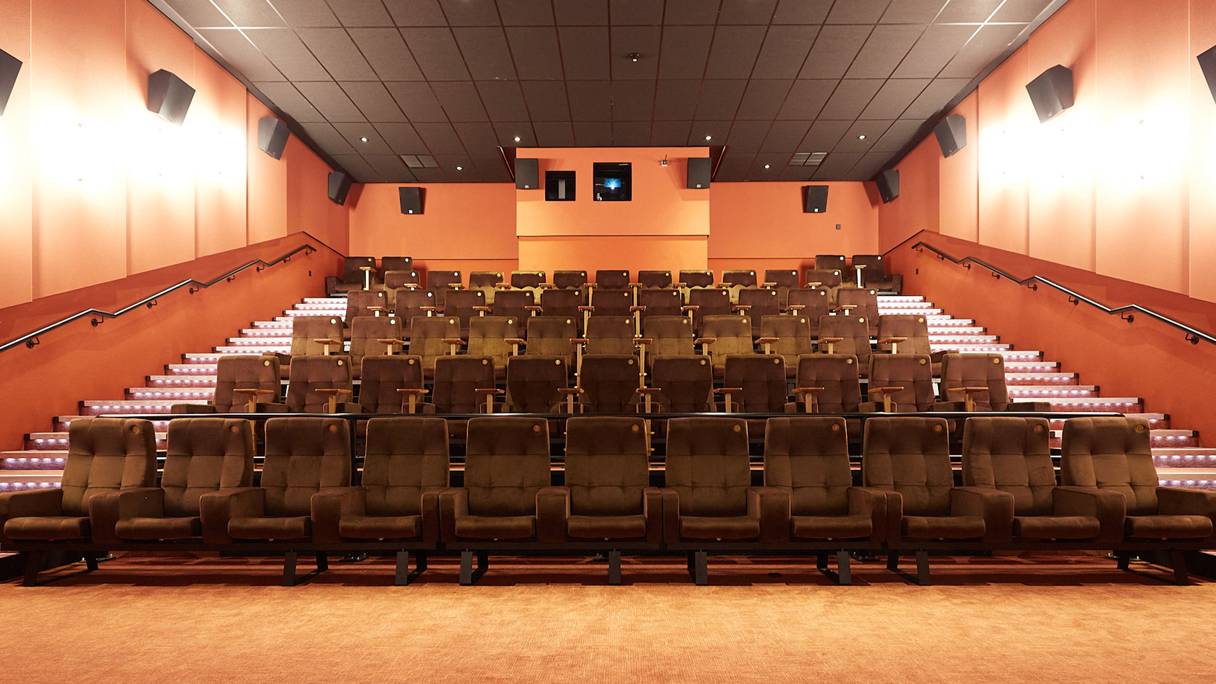
Curzon Canterbury Riverside Cinema is a river-side venue with a modern feel and carefully designed architecture. It is suited to conferences, seminars, and private screenings, and the flexible spaces can accommodate groups of different sizes while keeping the experience personal. The facilities include state-of-the-art technology, which supports presentations and screenings with confidence. The Knight Screen is one of the named spaces, making this a practical choice for teams that want a cinema setting for business use.
11. IXL Events Centre At Dallas Burston Polo Club
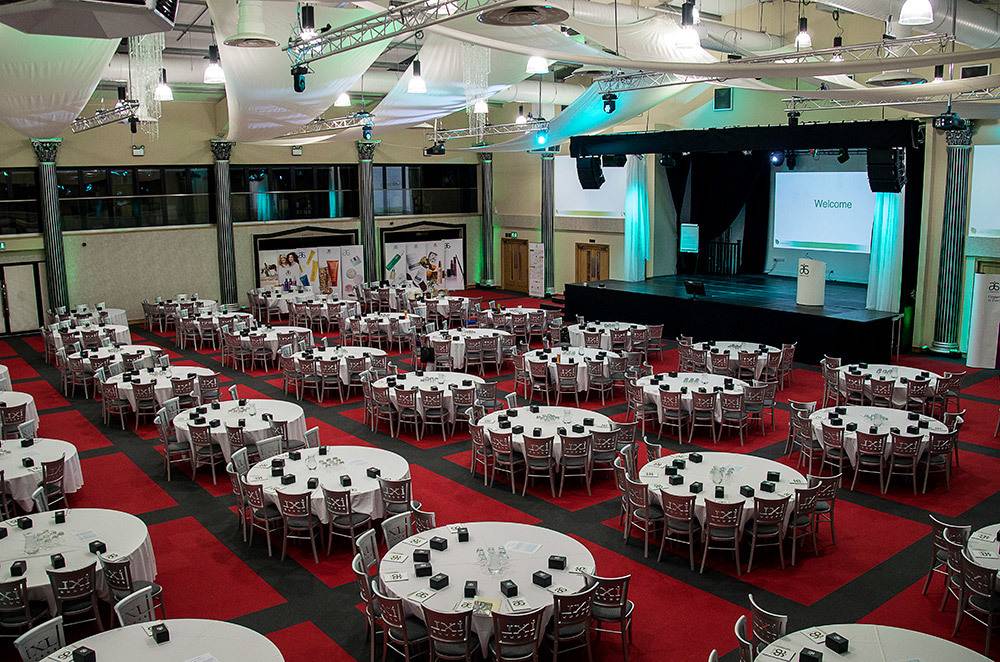
IXL Events Centre At Dallas Burston Polo Club is set within a 600-acre estate in the Warwickshire countryside. It combines elegance and versatility, with a setting that has hosted polo tournaments, weddings, business events, live music, and entertainment. That range gives it a distinctive place among UK event spaces, especially for teams looking for something with scale and character. Main Hall is one of the named spaces, and it can host up to 1,000 guests.
12. Airivo Chislehurst
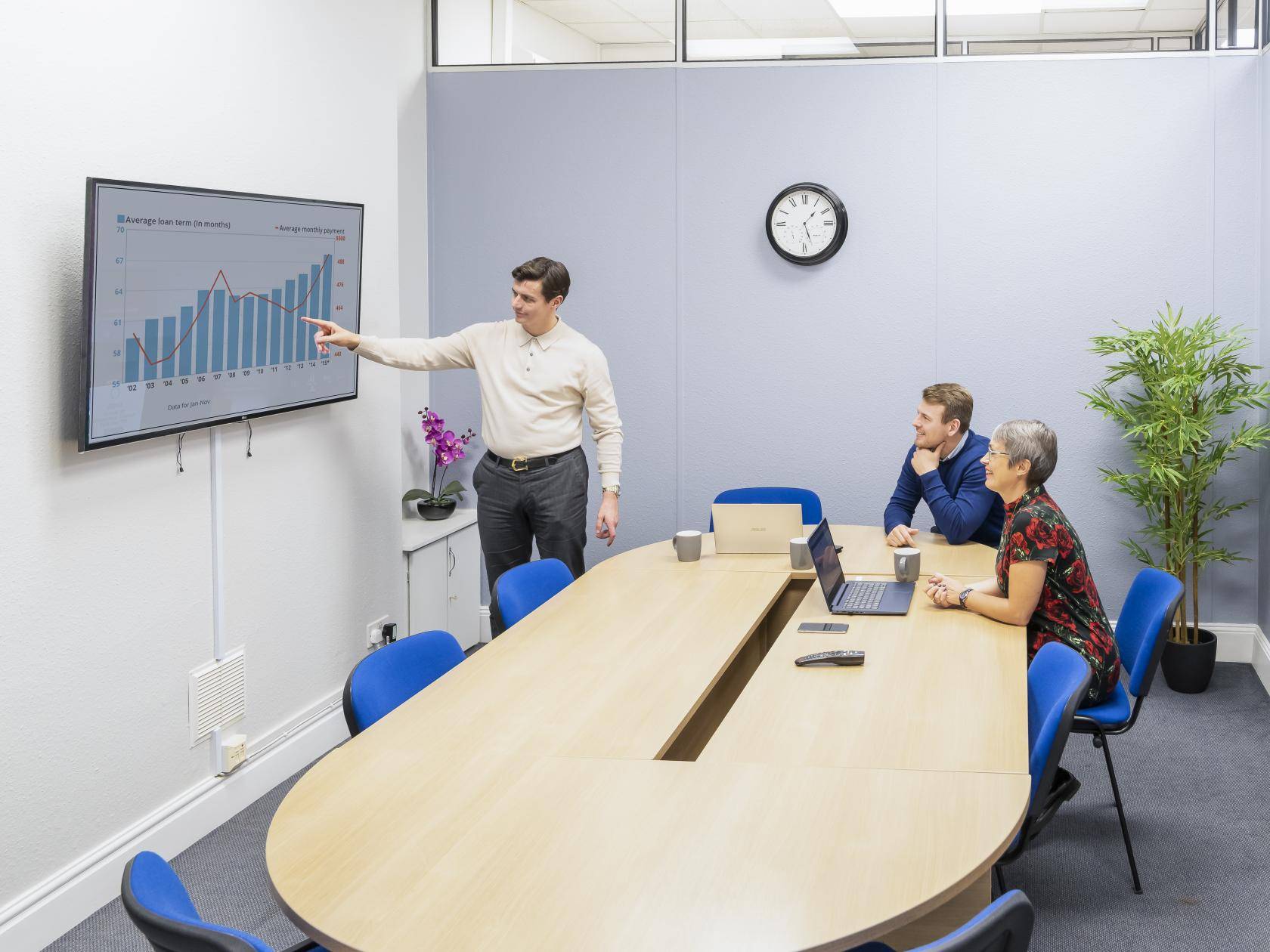
Airivo Chislehurst is a meeting venue in Chislehurst, Kent, suited to professional gatherings and collaborative work sessions. The Boardroom is a dedicated meeting room available for hire by the hour, which makes it a practical option for productive business meetings. It is available Monday through Saturday, giving planners useful flexibility across the working week and into the weekend. With capacity for up to 10 in boardroom style, it suits smaller teams that need focus.
13. Mall Galleries, Main Gallery
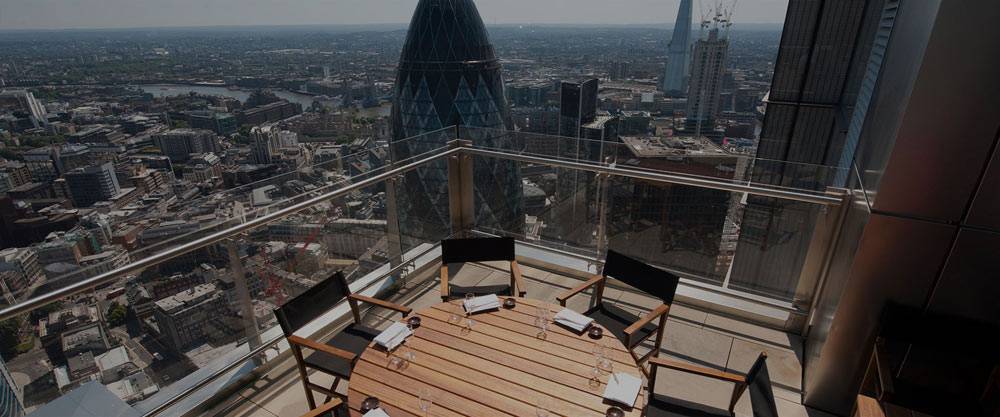
Mall Galleries, Main Gallery is a recently renovated venue in the heart of London, offering an elegant space for private and corporate events. Its contemporary galleries work well for breakfasts, evening events, and occasional rentals, giving planners a flexible setting in a central location. The large gallery is the most spacious and prominent area, and it has been completely refreshed for a roomy, modern feel. Main Gallery is the named space, with capacity for up to 36.
14. Citibase London Millbank
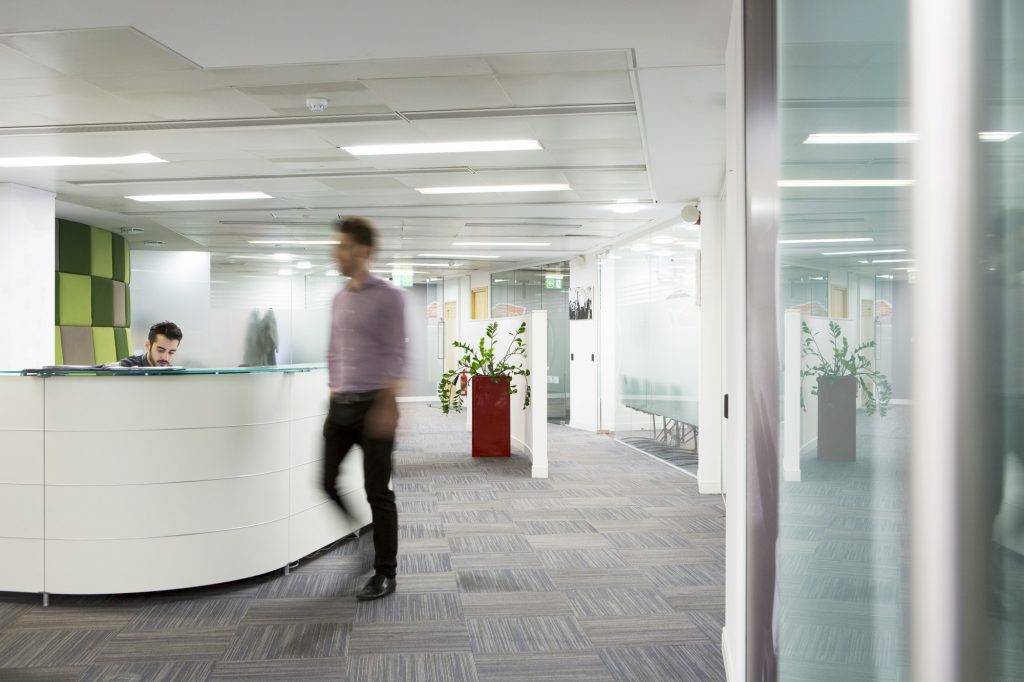
Citibase London Millbank offers flexible office spaces across two floors of the iconic Millbank Tower, including the 15th floor. Many offices have views over the River Thames and across London, which gives the venue an inspiring working environment. It sits by Tate Britain and is close to Pimlico and Westminster tube stations, so access is straightforward for city-based teams. London Bridge is one of the named event spaces, with capacity for up to 8 in boardroom style.
15. Moreves barn
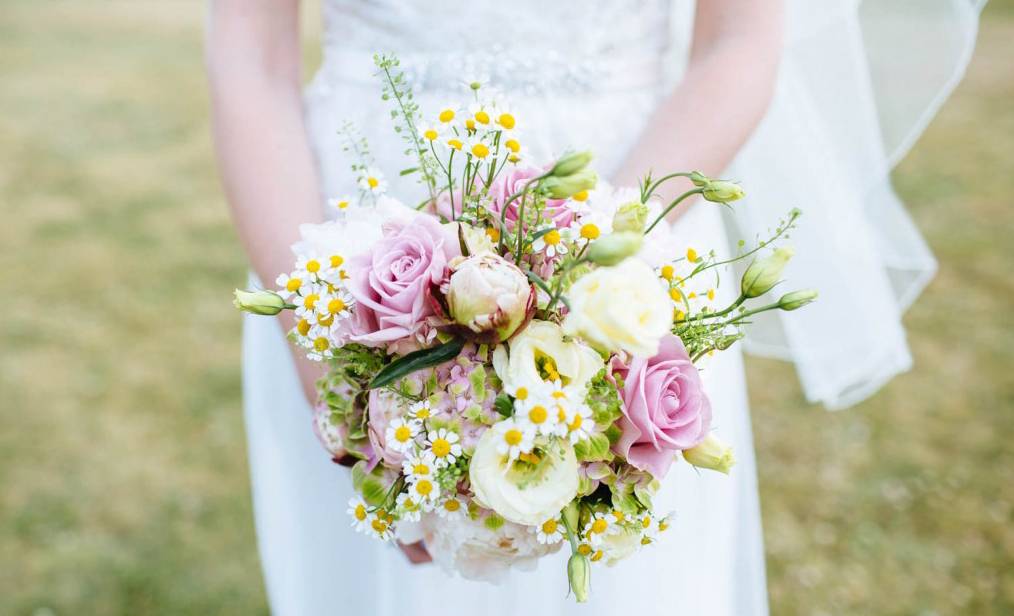
Moreves Barn is a 17th-century timber framed barn in the Suffolk countryside near Great Waldingfield, England. It has been carefully restored to keep its rustic charm while adding elegant and romantic design elements. Handcrafted oak features and stylish furnishings give the venue a distinctive country feel with a more contemporary finish. Main Space is one of the named areas, and it can host up to 150 guests, which makes it suitable for larger team away days and company events.
Common mistakes when picking a venue
A common mistake is choosing a place because it looks attractive without checking whether it suits the actual agenda. A venue can feel impressive and still be awkward for a workshop, a presentation, or a team dinner. Another issue is overlooking the full cost, especially when food, drink, or minimum spends change the picture. Access matters too. Older buildings can be difficult for some guests to move through, so it is worth checking that everyone can arrive and take part comfortably.
How to know if the venue worked
The real test is whether the space helped the day do its job. If the goal was team bonding, did people actually talk to colleagues they do not usually meet? If it was a planning session, did the room support concentration and discussion? Simple post-event feedback is often enough to show what worked and what did not. Over time, that gives you a shortlist of places you can return to with more confidence for future away days and corporate gatherings.
The quick venue check-list
Use a short checklist to keep the decision grounded in practical needs rather than first impressions. It helps you compare venues fairly and avoid picking on style alone.
- Does it work: Can the space support the agenda you have in mind?
- Can everyone get there: Is access straightforward for the whole group?
- Does it feel right: Does the setting suit the tone of the day?
- Is it good value: Does the offer match the budget and the brief?
- Is there help on-site: Will someone be available if you need support?
Frequently asked questions
What makes a venue suitable for a team away day in the UK?
A suitable venue fits the day's purpose, not just the postcode. The right space supports the outcome you want, whether that is planning, bonding, or entertaining clients, and it should suit the tone of the day.
How should you choose between a city venue and a countryside venue?
Choose the setting that matches the feel you want. City-centre meeting rooms can suit focused work, while countryside estates and quieter settings can work better for more private team gatherings and away days.
How important is capacity when booking an event space?
Capacity matters, but it should sit alongside the setting and the agenda. Some spaces suit small leadership groups, while others are better for larger team days and private events.
What should you check about location before booking?
Check how easy the venue is to reach and whether the location suits the group. Access matters, and the feel of the room and the setting can shape how the day lands with your team.
What should you confirm before you book a named space?
Confirm the named space you will actually use, not just the venue as a whole. It also helps to check capacity, access, room layout, and whether the space suits the style of event you are running.
How do you know if the venue was the right choice?
The real test is whether the space helped the day do its job. If the goal was team bonding, people should have talked to colleagues they do not usually meet, and if it was a planning session, the room should have supported concentration and discussion.