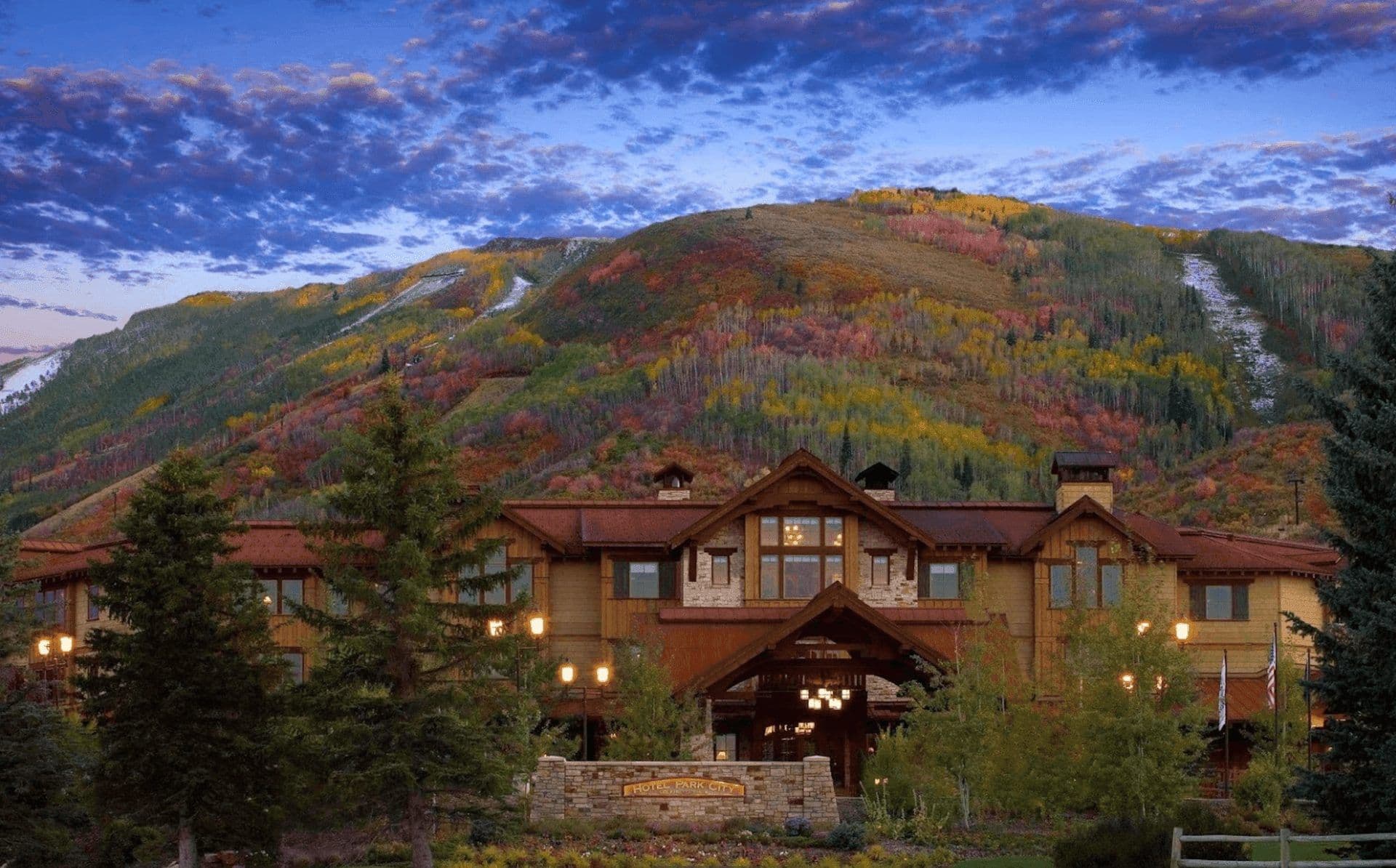
Something shifts when October arrives. The air gets sharper, the light turns golden, and even the most deadline-driven teams start gazing out the window. That seasonal pull is not just aesthetic - it represents a genuine psychological opening. Research consistently shows that novel environments unlock creative thinking, and few settings are more novel or more emotionally resonant than a woodland in full autumn colour. For workplace leaders planning a Q4 offsite, leaning into the season rather than fighting it is one of the smartest moves available.
The challenge is not finding beautiful autumn destinations. There are plenty. The real challenge is matching the right environment to the right team goals, then executing the logistics without burning out the person doing the planning. This guide walks through the most important decisions, a practical planning framework, proven autumn retreat ideas for different team types, and the mistakes that quietly ruin even well-funded corporate escapes.
Why Autumn Is the Smartest Season for a Corporate Retreat
Most organisations cluster their offsites in spring or early summer, which means competition for premium venues is fierce and pricing reflects that demand. Autumn quietly offers a different picture. Many autumn corporate getaway destinations are at their most visually spectacular precisely when demand begins to soften, creating a window where quality and cost align unusually well.
Beyond economics, the seasonal context does meaningful psychological work. Teams arriving at an autumn foliage retreat spot share a sensory experience from the moment they step off the coach or out of the car. That shared reaction - the instinctive pause to take in a hillside of red and amber - creates informal connection before any facilitator has said a word. Workplace leaders typically underestimate how much environment shapes the emotional tone of a retreat. In autumn, the environment does a significant portion of that work for free.
There is also a strategic timing advantage. A Q4 retreat lands teams at the exact moment they need to consolidate the year's lessons and build momentum for the year ahead. The natural sense of transition that autumn carries reinforces that reflective energy. Corporate retreat ideas for the autumn season are not just about scenery - they are about aligning the external environment with an internal team moment.
The LEAF Framework: A Model for Planning Autumn Retreat Ideas
Teams often approach retreat planning as a logistics puzzle when it is actually a design challenge. The LEAF framework - Location, Experience, Alignment, and Flow - gives planners a structured way to move from vague intention to a coherent programme.
Location is about more than aesthetics. It covers travel time from the team's primary base, the range of activities available nearby, accommodation quality, and whether the venue can support the group size comfortably. A spectacular view means nothing if half the team spent four hours on connecting trains to reach it.
Experience refers to the emotional arc of the retreat. What should participants feel on day one versus day three? What balance of structured sessions and unstructured time serves this particular group? Teams navigating organisational change need different experience design than teams celebrating a record quarter.
Alignment connects the retreat to real business objectives. Every activity, every session, and every venue choice should connect back to at least one stated goal. Without this anchor, retreats drift into pleasant but forgettable breaks that generate no lasting workplace benefit.
Flow addresses pacing and sequence. The order of activities matters enormously. Deep-focus strategy sessions work better on day two, after social bonds have loosened, than on day one when people are still in commute mode. Physical activities like walks through autumn countryside retreat spots work well as mid-retreat reset moments, not as opening gambits for groups who do not yet know each other.
Applying the LEAF Framework: A Realistic Scenario
Consider a 28-person product team preparing to launch a major platform update in Q1. Their retreat goal is to surface cross-functional friction points and build a shared vision for the launch. Using LEAF, the planning team selects a country house venue in the Peak District with meeting rooms, outdoor trails, and communal dining - ticking the Location box for Midlands and Northern teams within a two-hour drive. The Experience arc begins with an evening social dinner on arrival night, moves into a half-day structured workshop on day two, includes a two-hour guided autumn walk as a midday reset, and closes with a collaborative scenario-planning session on the morning of day three. Alignment is maintained by opening every session with a single question tied to the Q1 launch. Flow is managed by front-loading relationship-building and back-loading the high-stakes conversations. The result is a retreat that feels rejuvenating rather than exhausting and produces three concrete decisions the team could not have reached in a conference room.
Choosing the Right Type of Autumn Corporate Getaway Destination
Not every destination suits every team. The categories below represent genuinely different retreat experiences, each with trade-offs worth understanding before booking.
Country House and Manor Retreats
Country house properties offer the quintessential cosy corporate retreat venue experience. Think open fireplaces in common areas, wood-panelled meeting rooms, and footpaths that begin at the back door. These venues work especially well for teams that need a slower pace and space for reflection. The Cotswolds, the Yorkshire Dales, and the Brecon Beacons all offer country house properties that combine genuine comfort with visual drama. The trade-off is that rural roads can be slow in October traffic, and some properties have limited mobile signal, which is either a feature or a drawback depending on your team's culture.
Lakeside and Lochside Estate Retreats
Lakeside properties in the Lake District, Scottish Highlands, and Snowdonia provide a different visual palette: still water reflecting orange and gold canopies, morning mist, and evening fires by the shore. These venues tend to suit larger groups because the outdoor space distributes people naturally, reducing the social pressure that sometimes builds in smaller lodge settings. They are particularly effective for autumn team building activities that use the water as a focal point, including kayaking, lochside yoga sessions, or simple morning walks along the bank.
Wellness-Centred Retreat Venues
Organisations managing high-stress periods or navigating significant change often find that wellness-oriented venues change the entire register of a retreat. Properties that integrate mindfulness programming, spa access, and restorative outdoor experiences help teams decompress before asking them to think strategically. Scotland and the Welsh borders are particularly well-stocked with venues of this type. Many organisations find that investing in this kind of environment for a year-end retreat produces measurably better follow-through on decisions made during the programme, because participants leave feeling restored rather than depleted.
Glamping and Nature-Immersive Venues
A growing category of corporate retreat venue offers the atmosphere of camping without the discomfort that puts some team members off. Shepherd's huts, luxury canvas lodges, and cabin clusters with modern amenities let teams genuinely immerse in autumn corporate getaway environments without requiring anyone to sleep on the ground. These venues are especially effective for teams with a strong outdoor culture or for organisations that want to signal a real break from conventional corporate settings.
Best Autumn Retreat Locations Worth Knowing
Geography shapes the retreat experience in ways that go beyond scenery. Travel logistics, the local culture teams encounter, and even the specific character of autumn foliage vary significantly by region. The following are among the best autumn retreat locations in the UK for corporate groups.
| Location | Best for | Foliage peak | Travel hub |
|---|---|---|---|
| Scottish Highlands | Wilderness immersion, large groups | Late September - October | Edinburgh, Glasgow, Inverness |
| Lake District | Lakeside activities, wellness focus | Mid to late October | Manchester, Leeds, Newcastle |
| Cotswolds | Country house comfort, smaller teams | Late October - early November | London, Birmingham, Oxford |
| Peak District | Accessible countryside, mixed programmes | Mid October | Manchester, Sheffield, Nottingham |
| Brecon Beacons | Adventure activities, digital detox | Late October | Cardiff, Bristol, Birmingham |
| Yorkshire Dales | Walking, reflection, heritage venues | Mid to late October | Leeds, York, Newcastle |
| New Forest | Accessible from London, gentle terrain | Late October - early November | London, Southampton, Bournemouth |
| Snowdonia | Drama and scale, lochside settings | Mid October | Manchester, Liverpool, Birmingham |
The Scottish Highlands Corporate Retreat Scene
A Scottish Highlands corporate retreat delivers something most UK destinations cannot match: genuine wilderness scale alongside world-class hospitality. Properties here often sit beside lochs or within grouse moor estates, offering a complete sensory break from city working life. A team dinner in a converted stone lodge with views across open moorland feels genuinely memorable rather than generic. Peak foliage typically arrives from late September through October, and the range of accommodation spans boutique country hotels to eco-lodge glamping sites, making it flexible for different group sizes and budgets. Many teams travelling from London find direct flights to Inverness or Glasgow make the logistics more straightforward than they expect.
The Lake District Team Retreat
The Lake District has a strong claim to producing the most celebrated autumn scenery in England, and a Lake District team retreat puts teams right at the heart of it. The region is unusually well-matched to corporate groups: it is contained enough to feel intimate but developed enough to offer excellent dining, spa services, and a range of accommodation styles. The surrounding fells and lakeshores provide walking options for all fitness levels, which matters when planning team retreat ideas for autumn that need to include the whole group rather than just the most active members. Mid-October is peak season; booking windows often open six months in advance for the best properties.
The Cotswolds and Oxfordshire
The Cotswolds offer a distinct character that sets them apart from the more rugged northern retreat circuit. Properties here often occupy converted historic manor houses or former coaching inns, giving them a texture that newer purpose-built venues lack. The foliage across the honey-stone villages is dense and warm-toned, and proximity to London and Birmingham makes logistics straightforward for teams travelling from major cities. This region suits groups looking for something between refined country house luxury and genuine outdoor immersion.
The Peak District and Yorkshire Dales
Teams based in Manchester, Leeds, or Sheffield have excellent access to two genuinely different autumn landscapes within a short drive. The Peak District offers dramatic moorland and valley scenery with a strong range of activity providers, while the Yorkshire Dales deliver a quieter, more reflective atmosphere suited to teams that want space to think. Lodge properties in both regions tend to blend well-designed meeting facilities with easy access to outdoor programming, making them well-suited to teams that want to combine strategic sessions with memorable physical experiences.
Autumn Team Building Activities That Actually Work
The activity selection is where many well-planned retreats quietly fail. Teams often sit through forced icebreakers or elaborate trust exercises that feel contrived rather than energising. Effective autumn team building activities share three characteristics: they use the environment rather than ignoring it, they create genuine shared narrative, and they scale to different participation levels without excluding anyone. For inspiring event ideas that go beyond the generic, it is worth exploring formats designed specifically for UK workplace teams.
Guided Autumn Walks With Structured Conversation
A guided walk through peak-season woodland combines physical activity, sensory experience, and relationship building without requiring any special skills or equipment. The key upgrade that most teams overlook is pairing the walk with a structured conversation format. Small groups of four to six walk together with a simple prompt they discuss along the route, such as a challenge they are proud of navigating this year or a question they are still trying to answer. The movement and the natural setting reduce the social pressure that makes these conversations feel forced in a conference room.
Collaborative Cooking With Seasonal Ingredients
Farm-to-table cooking experiences using autumn produce have become a reliable team building format precisely because they combine a clear task, natural time pressure, healthy competition, and a shared payoff in the form of a meal everyone eats together. Many retreat venues in agricultural regions like the Cotswolds and the Yorkshire Dales can connect groups with local farms for ingredient sourcing, which adds an additional layer of regional connection to the experience.
Fireside Strategy Sessions
Moving strategy conversations from conference rooms to fireside settings changes participation dynamics in ways that are hard to predict but consistently positive. Teams often find that people who are quiet in formal presentations speak more freely in casual physical environments. A fireside session is not simply a meeting held indoors by a log burner - it requires intentional facilitation design, clear input questions distributed in advance, and a commitment to capturing outputs digitally rather than on a flipchart that disappears at the end of the evening.
Volunteer and Conservation Activities
Autumn is an active season for conservation organisations, footpath maintenance crews, and food banks processing harvest donations. Incorporating a half-day community contribution into a corporate retreat adds genuine meaning and often produces stronger team bonding than purely recreational activities. Teams consistently report that shared physical work toward a tangible external goal creates a different quality of connection than any facilitated exercise.
Corporate Retreat Planning Tips That Save Real Time and Money
Logistics are where good intentions meet hard reality. The following corporate retreat planning tips address the decisions that most frequently derail autumn offsite programmes. Many event coordinators also find that platforms like Naboo help teams streamline venue sourcing and logistics coordination, particularly when juggling multiple supplier conversations at once.
Book Early or Book Smart
Peak foliage windows are narrow, typically two to three weeks in any given location, and the best venues know it. Properties in the Lake District, Scottish Highlands, and Cotswolds routinely fill their October weekends six months out. Teams that set their retreat dates in March or April and lock venue contracts immediately save both money and flexibility. Organisations that wait until August often face a choice between inferior venues and paying premium pricing for last-minute availability.
Build Buffer Into the Agenda
Overscheduled retreats are among the most common complaints in post-event surveys. Workplace leaders typically underestimate how much informal time drives the relationship-building that makes retreats valuable. A useful rule of thumb is that for every hour of structured programming, there should be at least forty minutes of unstructured time. This does not mean empty time - it means time without a facilitator and without an explicit output requirement.
Define Success Before Departure
Every retreat should have two or three measurable outcomes agreed upon before the first session begins. These might be specific decisions made, relationships formed across team silos, or alignment achieved on a key strategic question. Defining these outcomes in advance allows the programme design to serve them explicitly and gives leaders a way to evaluate whether the investment generated real value.
Account for Dietary and Accessibility Needs Early
Autumn retreat venues in rural areas can have limited options for dietary requirements and mobility accommodations. Gathering this information at registration and communicating it directly to the venue before arrival prevents the awkward situation of a team member with a food allergy eating plain bread rolls for dinner while their colleagues enjoy a seasonal feast.
Common Mistakes That Undermine Autumn Retreat Ideas
Even experienced event planners make predictable errors when organising autumn corporate offsites. Recognising these patterns in advance is the most effective way to avoid them. If you want to explore more workplace insights on retreat planning and team events, the Naboo blog covers a wide range of practical topics for HR leads and office managers.
Choosing Destination Over Fit
A venue can be objectively beautiful and still be wrong for a specific team. A remote property with patchy connectivity is ideal for a team craving a digital detox and counterproductive for a team that needs to stay partially available to a client in crisis. The visual appeal of a destination should always be secondary to whether it can support the logistics and programme design the retreat actually requires.
Neglecting the Arrival Experience
The first two hours of a retreat set the emotional tone for everything that follows. Teams often arrive after long travel days feeling tired and slightly anxious about the days ahead. Organisations that invest in a warm, well-organised arrival experience - including clear check-in, a light welcome gathering, and a genuinely good first meal - see markedly better engagement in the sessions that follow.
Packing in Too Much Programming
The instinct to justify the retreat investment by filling every hour is understandable but counterproductive. Cognitive load accumulates over multi-day events, and teams that feel overscheduled stop processing information and start enduring sessions. Three high-quality, focused sessions with generous breaks will consistently outperform six sessions crammed back to back.
Ignoring Post-Retreat Integration
The retreat itself is only valuable insofar as it produces changes that survive the return to the office. Many organisations find that committing to a structured post-retreat integration process - including a 30-day check-in, documented decisions, and clearly assigned ownership for actions taken at the retreat - dramatically increases the return on investment. Without this, even the most inspiring autumn offsite fades within a fortnight.
How to Measure Whether Your Autumn Team Building Activities Delivered
Measuring retreat success requires thinking about outcomes at three distinct levels: immediate, medium-term, and long-term.
At the immediate level, collect structured feedback within 24 hours of the retreat's conclusion while experiences are fresh. Ask participants to rate specific sessions and experiences, identify the single most valuable moment, and name one specific thing they intend to do differently. This data is useful for improving future retreats and provides an immediate signal about which elements of the programme resonated.
At the medium-term level, conduct a 30-day follow-up to assess whether the decisions made at the retreat have been implemented and whether the relationships built during the programme have translated into changed working patterns. This is where most retreat return on investment is either confirmed or lost.
At the long-term level, track the objectives that motivated the retreat in the first place. If the goal was to improve cross-functional collaboration, are there measurable indicators of that improvement three months later? If the goal was to align on strategy, is the team executing with greater coherence? Connecting retreat investment to business outcomes is the only way to build an organisational case for making these experiences a regular part of the employee calendar rather than an occasional luxury.
Frequently Asked Questions
What makes autumn the best season for a corporate retreat?
Autumn combines favourable pricing windows with visually striking natural environments and a psychological sense of transition that aligns well with end-of-year strategy and team reflection. The cooler temperatures also make outdoor activities more comfortable for mixed-fitness groups than summer heat typically allows.
How far in advance should we book an autumn corporate getaway destination?
For peak foliage windows, which typically run from late September through to mid-November depending on the region, the best venues fill up quickly. Booking five to seven months in advance is advisable for popular destinations like the Lake District and Scottish Highlands. Waiting until late summer substantially limits both availability and budget options.
How do we choose between an urban retreat location and a nature-focused one?
The deciding factor should be your team's stated goals. Urban locations offer cultural programming and easier logistics for groups travelling in from multiple cities, while nature-focused locations provide genuine sensory separation from office environments that supports deeper reflection. Teams navigating burnout or major transitions often benefit more from immersive natural settings.
What are the most effective autumn team building activities for large groups?
Activities that scale well for groups above 20 people include guided autumn walks with small-group conversation formats, collaborative cooking challenges, volunteer or conservation projects, and facilitated evening sessions around a communal fire. The key is designing each activity so that participation does not require specific physical abilities or competitive comfort levels.
How do we make sure our autumn retreat produces lasting results rather than a temporary boost?
Define two or three measurable outcomes before the retreat begins, document all decisions and commitments made during the programme, assign explicit ownership for each action item, and schedule a 30-day integration check-in before the retreat concludes. These steps transform a one-time experience into the beginning of a sustained change process.