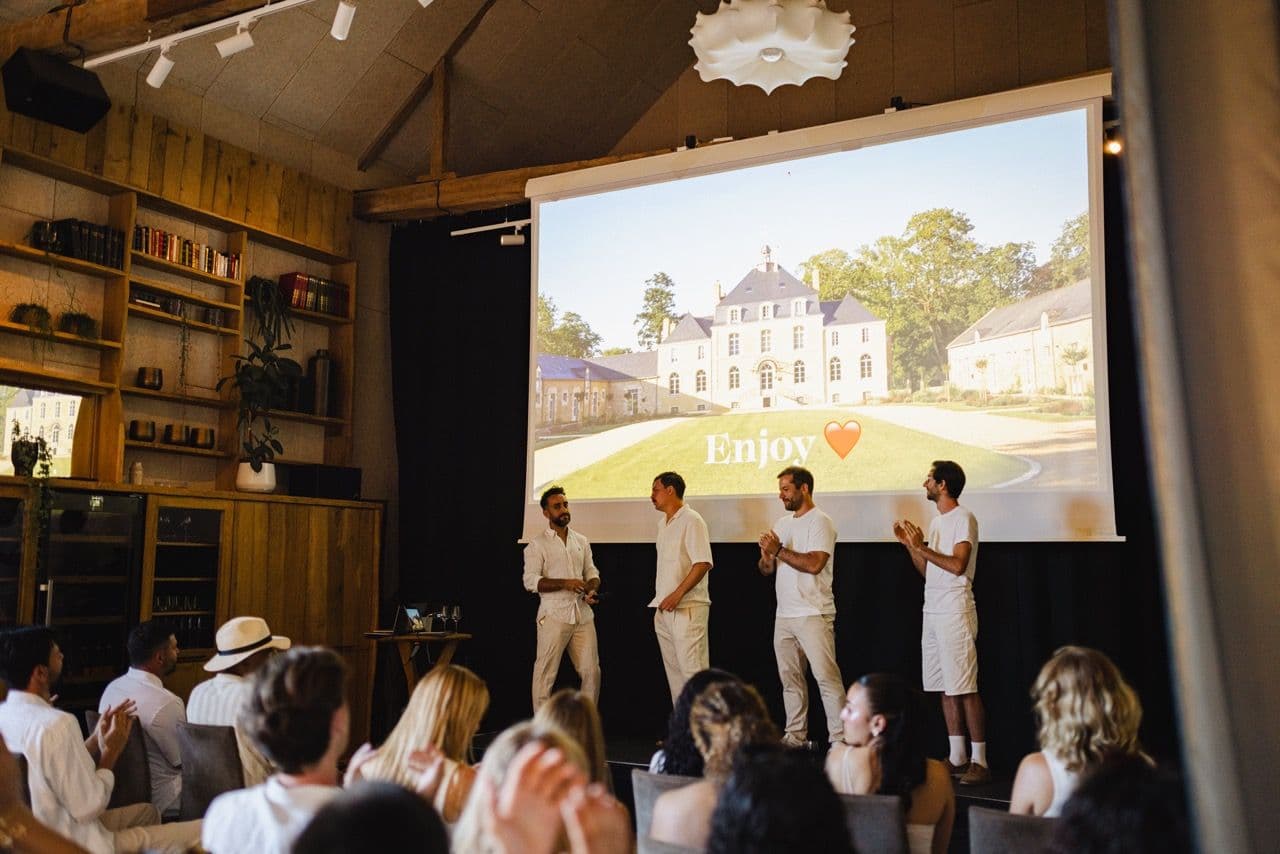
The days of corporate retreats meaning fluorescent lights and endless PowerPoints are largely over. Today’s leaders recognise that real innovation and team cohesion are built away from the office, often through shared challenge and environmental immersion. The majestic peaks and glens of the United Kingdom offer the ideal stage for this transformation, providing breathtaking backdrops for truly unforgettable mountain adventure retreats.
Choosing a remote, beautiful location guarantees a natural reset, shifting perspectives and fostering deep interpersonal connections that translate directly into stronger workplace performance. From the rugged beauty of the Scottish Highlands to the dramatic fells of the Lake District, we explore ten of the most epic UK destinations specifically designed to host high-impact corporate groups seeking both comfortable amenities and thrilling outdoor experiences.
The Strategic Value of Intentional Mountain Adventure Retreats
Why should organisations choose a remote, adventure-focused setting over a standard city hotel? The answer lies in designing the experience intentionally. When teams tackle a challenging hike in the Peak District, navigate a gorge in Wales, or collaborate during a guided sea kayaking session, they practice communication, trust, and resilience in real time. These intense, shared moments help teams feel safe to speak up faster than any indoor exercise. If you're looking for ideas for planning meaningful events, embracing the outdoors is a great start.
Effective mountain adventure retreats leverage the setting to disrupt routine thinking. Fresh air and spectacular vistas are proven stimulants for creativity, making brainstorming sessions held loch-side or trail-side significantly more productive. Planning these complex trips requires specialist insight, focusing heavily on logistics, safety, and ensuring the chosen activities align perfectly with organisational goals for maximum value.
The Ascent Retreat Planning Framework: Matching Goals to Geography
To maximise the success of an offsite in the peaks, workplace leaders often employ a structured approach. The Ascent Retreat Planning Framework is a model designed to align corporate objectives with the unique capabilities of adventure locations. This framework helps teams move beyond simple venue booking to intentional experience design.
C: Challenge Integration
This phase focuses on selecting physical and mental challenges that match the team’s fitness level and retreat objectives. For a highly ambitious sales team, this might involve gorge scrambling or intense guided trekking up a Munro. For a technical or leadership team focused on communication, a guided open water swimming session or complex orienteering in the Moors might be more appropriate. The key is ensuring the activities in these mountain adventure retreats require genuine collaboration and effort, not just passive observation.
O: Outcome Alignment
Before confirming any destination for your mountain adventure retreats, define what success looks like. Is the primary goal retention, cross-functional collaboration, or leadership development? For example, if leadership development is the goal, the itinerary must include structured debriefs after high-stakes activities, requiring participants to reflect on decision-making under pressure. Outcomes should be measurable through post-retreat surveys focused on trust scores and perceived efficacy.
R: Resource Management
Logistics in remote UK mountain locations are inherently more complex. Resource Management involves securing appropriate transportation (often shuttles from regional airports like Manchester, Glasgow, or Bristol), guaranteeing high-quality Wi-Fi/meeting infrastructure in remote settings, and critically, managing safety protocols. Remote locations in the UK require specific health and safety considerations, especially given our unpredictable weather, and adventure activities necessitate vetted guides, waivers, and robust emergency action plans.
E: Experience Design
This involves crafting the flow of the entire retreat, balancing intense activity with necessary downtime and reflection. A successful mountain retreat isn't just work; it integrates wellness, quality dining, and opportunities for unstructured bonding. Consider the trade-off between rustic immersion (glamping in the Yorkshire Dales) and luxury convenience (a full-service resort in Perthshire).
Common Pitfalls When Designing Mountain Adventure Retreats
While the rewards of a successful mountain retreat are high, the operational challenges can trip up even experienced planners. Recognising common mistakes ensures a safe, productive, and enjoyable experience.
Underestimating the UK Weather and Access
Many prime mountain locations (especially in Snowdonia and the Highlands) involve challenging access and unpredictable weather that changes quickly. Failure to account for cold, rain, or early darkness is a critical oversight. Teams should aim for a slow start, incorporate hydration breaks, and ensure they have the right gear. Always consult local experts and mountain rescue advice when planning mountain adventure retreats.
Underestimating Adventure Logistics
Booking a simple hike is easy; coordinating a guided half-day canyoning trip for 50 people across multiple vendors, including transportation, gear rental, and securing liability coverage, is complex. Planners often underestimate the time required for transition between adventure activities and meeting sessions, leading to rushed, stressful agendas. Always buffer travel and preparation time generously.
Failing to Balance Ruggedness and Comfort
Some teams thrive on true wild camping, while others need reliable electricity, high-speed internet, and plush bedding. A common mistake is forcing a team into an overly rustic environment that creates unnecessary stress or alienation. Ensure the accommodations for your mountain adventure retreats align with your team’s expectations and the necessary operational capabilities (especially reliable power for laptops and video conferencing). The modern retreat requires a delicate balance between disconnecting from the office and staying connected to essential operational tools.
1. Crieff Hydro, Perthshire, Scotland
Nestled in the heart of Perthshire, Crieff Hydro provides a compelling mix of accessibility and dramatic nature. Located a short drive from Edinburgh and Glasgow airports, it minimises travel fatigue while maximising environmental impact. This location excels for teams that prioritise extensive on-site meeting space alongside varied activities.
The hotel features comprehensive conference facilities, ensuring productivity is never compromised. Teams can alternate between serious working sessions and high-energy adventure, including gorge walking, archery, and guided cycling through the surrounding hills. The option for self-catering lodges adds a unique, memorable element to these exceptional mountain adventure retreats.
2. The Bivouac, High Park, Yorkshire Dales
For organisations seeking immersive nature without sacrificing comfort, The Bivouac offers high-end glamping accommodations in custom lodges, yurts, and cabins near Masham. This setting is ideal for smaller teams (up to 50 guests) looking to foster creativity and bonding through communal experiences.
The main barn serves as a central hub for meetings, while the proximity to the Yorkshire Dales National Park allows for world-class guided activities like caving, orienteering, and guided hikes along the Fells. It embodies the modern demand for refined, nature-focused mountain adventure retreats where the environment is the primary team-building tool.
3. The Torridon, Wester Ross, Scottish Highlands
Situated on the shores of Loch Torridon, The Torridon is the ultimate basecamp for exploring the wildest parts of the North West Highlands. This location is perfectly suited for teams focused on executive leadership development and highly specialised outdoor skills like stalking or sea kayaking.
The hotel offers both traditional rooms and private boathouses, providing flexibility for different group sizes. Beyond proximity to iconic routes like the NC500, the property orchestrates the 'Highland Challenge,' integrating local activities such as clay pigeon shooting and coasteering into competitive team-building events. It offers secluded, high-end mountain adventure retreats centred on rugged Scottish ambiance.
4. Kip & Nook, County Durham, North East
Set near the border of the North Pennines AONB, Kip & Nook delivers an authentic yet comfortable wilderness experience. This is the choice for teams looking to truly disconnect and focus on raw, natural team building in a peaceful environment.
The accommodations are luxury canvas tents and architect-designed cabins complete with wood-burning stoves. While meeting spaces are more informal and outdoors-focused, the main attraction is the immediate access to trails for high-impact activities, including mountain biking and guided hikes up local summits. These focused mountain adventure retreats prioritise immersion over large-scale event facilities.
5. Gleneagles Hotel, Perthshire, Scotland
Gleneagles provides a comprehensive, year-round luxury experience nestled beneath the Ochil Hills. This is an excellent option for large corporate groups (up to 800 attendees) requiring robust resort infrastructure alongside dynamic adventure opportunities.
The resort features extensive accommodation and event spaces. Team activities span all seasons, from championship golf and off-road driving in the summer to falconry, shooting, and guided treks in the winter. The versatility and scale of the venue make it a reliable choice for impactful mountain adventure retreats.
6. The Coniston Hotel Country Estate & Spa, Yorkshire Dales
Located in the stunning Yorkshire Dales, The Coniston blends high-end resort amenities with unparalleled access to the peaks. Its private lake and extensive shooting grounds make it a prime choice for corporate travel.
With multiple versatile function rooms, this resort effortlessly hosts large and small gatherings. Teams can bond through guided fly fishing on the estate lake, Land Rover off-roading, or mountain biking toward Malham Cove. It successfully mixes luxury hospitality with high-energy mountain adventure retreats.
7. Palé Hall, Bala, Snowdonia, Wales
For organisations seeking the pinnacle of luxury and service near serious mountain terrain, Palé Hall provides an exceptional experience. This location caters to high-level executive and leadership retreats where fine dining, seclusion, and convenient access to premier watersports are required.
The historic manor boasts several sophisticated meeting spaces perfect for strategic workshops. Team-building activities here lean into high-end regional offerings, such as guided hill walking up the Welsh mountains, white water rafting on the River Tryweryn, and bespoke survival skills training. This is the definition of bespoke mountain adventure retreats.
8. Lodore Falls Hotel & Spa, Lake District, Cumbria
Situated spectacularly on the shores of Derwentwater with views of the Borrowdale fells, this destination offers an environment focused on natural majesty and rugged beauty. It is ideal for teams who value scenic walks, open water, and premium lodging.
The resort offers luxurious conference facilities and unique dining experiences. Activities are intensely focused on the surrounding environment: guided excursions up Catbells, kayaking on the lake, guided fell running, and world-class hiking access to Scafell Pike. These rugged, yet refined, mountain adventure retreats provide profound connections to the wilderness.
9. Macdonald Forest Hills Hotel & Spa, Trossachs, Scotland
Set high in the Loch Lomond and The Trossachs National Park, this location provides an atmosphere of remote access and stunning lochside views. The hotel is perfect for teams seeking a genuine Scottish retreat away from major city congestion.
The resort offers access to numerous walking trails and a massive spa focused on recovery and wellness, balancing challenging mountain activities with necessary rest. Activities include hiking and mountain biking on challenging single-track trails, exploring Loch Ard by boat, and experiencing the isolation perfect for deep strategic planning sessions. This location specialises in secluded, yet active, mountain adventure retreats.
10. The Coed-Y-Garth Estate, Betws-y-Coed, Snowdonia, Wales
Providing essential access for teams in the Midlands and North West, this estate is located in the adventure capital of the Snowdonia National Park. It offers a distinctly different, yet equally adventurous, experience compared to the Scottish peaks.
The location specialises in high-octane corporate travel, leveraging the proximity to major adventure attractions. Teams can engage in Zip World activities, canyoning, and technical climbing, alongside traditional conferences focused on the mountain views. It provides accessible, action-packed, and amenity-rich mountain adventure retreats for organisations based in major UK hubs.
Measuring Retreat Success Beyond Anecdote
Measuring the true return on investment for high-impact corporate retreats goes beyond qualitative feedback. Workplace leaders must establish metrics tied to the ‘Outcome Alignment’ component of the Ascent Framework. You can discover more content on the Naboo blog about measuring success.
Post-Event Trust Scores
Immediately following the retreat, teams should complete a concise survey assessing key psychological safety and trust indicators. Questions might focus on: "How confident are you in providing direct feedback to your cross-functional partners?" or "Do you feel better equipped to handle ambiguity with your team?" Significant positive shifts in these scores demonstrate the effectiveness of the shared challenge inherent in mountain adventure retreats.
Operational Metrics and Velocity
For retreats designed to improve specific business processes or launch new initiatives, success can be measured in operational output. If the goal was improving cross-department communication, track the subsequent reduction in inter-department project delays or error rates in the 90 days following the retreat. If the goal was innovation, track the number of viable new ideas generated and prioritised during the mountain offsite and the team's subsequent velocity in executing them.
Frequently Asked Questions
What is the ideal team size for a mountain adventure retreat?
The ideal size often depends on the type of adventure activity chosen. For high-impact activities like guided climbing or technical canyoning, smaller groups (10-30 people) work best to ensure individualized attention and safety. For larger corporate events (100+), choose locations like Gleneagles or Crieff Hydro that have the necessary infrastructure and staffing to manage diverse, simultaneous activities.
How should we address connectivity issues in remote mountain locations?
Always verify the dedicated bandwidth capabilities of the venue's meeting spaces before booking. For true wilderness immersion, consider intentional digital disconnection, setting clear boundaries for when Wi-Fi is available. For hybrid meetings, choose resorts situated close to major infrastructure hubs, like those near Perth or the edge of the Lake District.
What are the critical safety considerations for UK team building in the mountains?
The primary safety concerns are rapidly changing weather, proper gear, and ensuring routes match fitness levels. Ensure all participants have access to adequate water and time to prepare. Always use certified, local guides for all high-risk adventure activities, and verify that the venue has a clear, accessible emergency medical response plan, including contact details for local Mountain Rescue teams.
Should we mix work sessions with adventure, or keep them separate?
The most successful mountain adventure retreats integrate the two. Schedule challenging activities in the morning when energy is high, followed by reflective debrief sessions in the early afternoon where teams apply lessons learned (trust, communication under pressure) directly to workplace scenarios. Keep evenings reserved for unstructured bonding and relaxation.
How far in advance should we book a specialty mountain adventure retreat?
Because specialty venues offering both high-end lodging and robust adventure access are limited, organisations should aim to book executive and large corporate mountain adventure retreats 9 to 18 months in advance, especially if aiming for peak seasons like summer or the festive period.