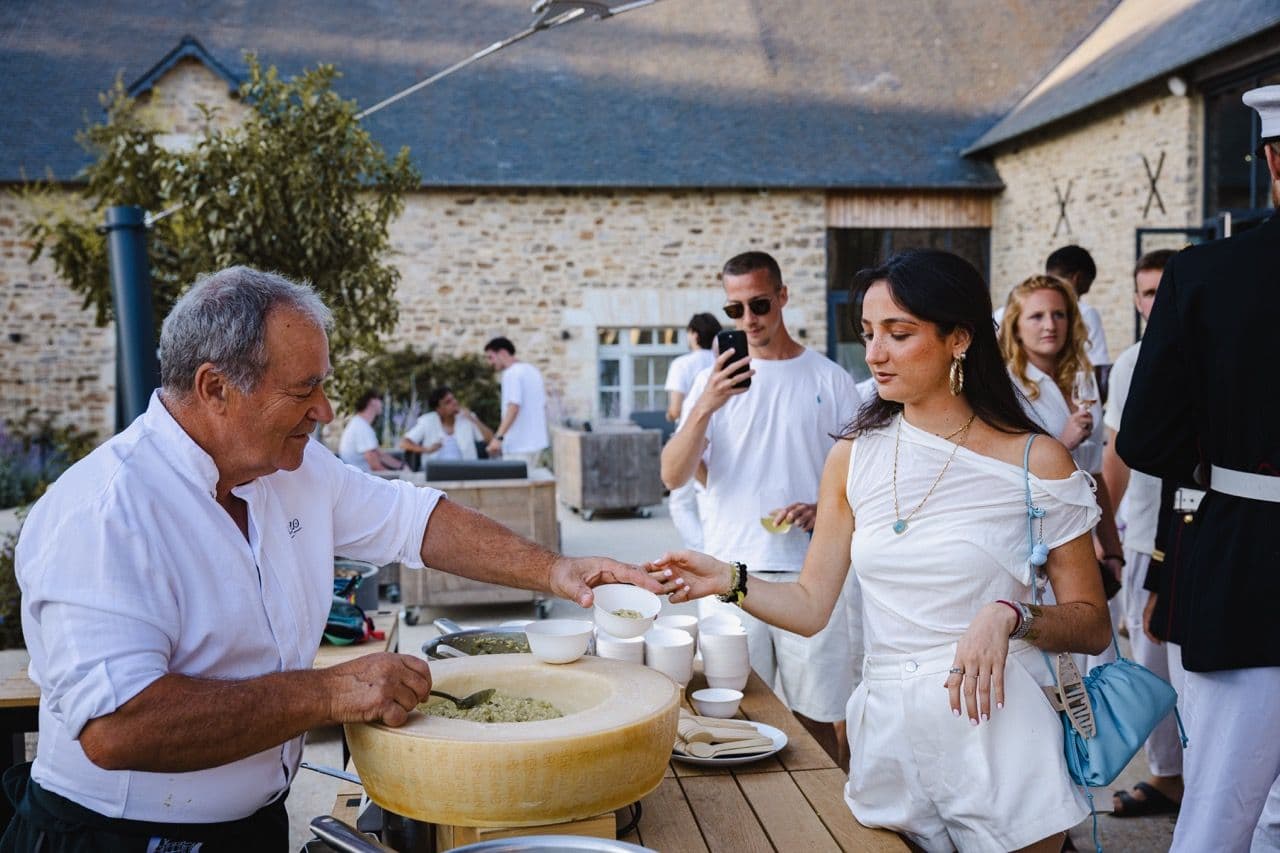
With the UK world of work changing quickly, fostering cohesive teams requires moving beyond traditional office activities. The shared experience of making something together, particularly involving something as universal and rewarding as food, is a fantastic way to bring colleagues together and help them bond. This is where culinary team building activities shine, offering a blend of hands-on collaboration, playful competition, and sensory engagement.
For organisations, whether based in a busy London office or a regional hub in Manchester, stepping into the kitchen provides a neutral, buzzy environment for improving communication and cross-departmental understanding. Preparing a meal together forces clarity in instruction, encourages immediate problem-solving, and culminates in a tangible, shared achievement. Whether your team is in-person, remote, or hybrid, leveraging the power of gastronomy can transform interpersonal dynamics.
The Strategic Value of Cooking for Team Dynamics
Why do culinary experiences work so well for strengthening professional teams? The kitchen operates under constraints (time, ingredients, specific recipes) that naturally mimic real-world project scenarios. Success depends entirely on clear delegation, mutual support, and adapting quickly when ingredients are missing or temperatures are wrong.
These culinary team building activities are not merely recreational; they are effective training grounds for essential business skills:
- Enhanced Communication: Everyone needs to be clear about what they need and listen actively to coordinate complex tasks like simultaneous searing, chopping, and plating.
- Role Negotiation and Leadership: When the heat is on, different leadership styles come to the fore. Team members naturally take on roles, testing out flexible ways of managing and supporting each other.
- Creative Problem-Solving: When a recipe fails or a key utensil is forgotten, teams must innovate under pressure, which translates directly into being more agile when facing business challenges.
- Stress Reduction: The focus required for cooking serves as a form of active mindfulness, diverting attention from daily work stressors and helping everyone relax together.
The Harmony Framework: Selecting the Ideal Culinary Challenge
Choosing the right activity is crucial for maximising impact. Managers and team leads typically assess events based on desired outcomes, team composition, and logistical limitations. Naboo recommends using The Harmony Framework, a simple tool for aligning your team's needs with the appropriate type of culinary team building activities.
- Goal: Competition or Collaboration?
Does the team need to practise friendly rivalry and high-pressure execution (Competition), or focus on seamless integration and skill transfer (Collaboration)?
- Expertise: Novice or Advanced?
Are your employees mostly inexperienced cooks seeking comfort (Novice), or are they foodies who would appreciate learning specialised skills (Advanced)?
- Setting: In-Person or Distributed?
Are all participants gathering in a single location (In-Person), or must the event accommodate remote participants (Distributed)?
Applying the Framework: A Scenario
Imagine a rapidly expanding sales team (25 people) with members based everywhere from Edinburgh to Bristol. They need a fun way to break the ice and are meeting for an offsite event. Goal: Collaboration (to build trust). Expertise: Novice (many rarely cook). Setting: In-Person.
Result: Based on the framework, a collaborative, hands-on workshop focused on a simple, shared cultural dish (like homemade pasta or pizza making) would be ideal. A high-stakes competition would likely be too stressful for those new to cooking together, while a virtual class wouldn't leverage the benefit of being in the same room.
Common Mistakes in Planning Culinary Team Building Activities
Even the best concept can fall flat if execution is flawed. Organisers often overlook key operational details that detract from the team-building goal:
Getting Dietary Requirements Wrong: Failing to conduct a thorough survey of allergies, restrictions, and preferences (vegan, gluten-free, coeliac, kosher, etc.) can alienate participants and necessitate last-minute panic that stresses the facilitators. Always prioritise inclusivity.
Recipes That Are Too Complicated: If the chosen dish requires extremely advanced techniques or takes too long, frustration replaces fun. The activity should be challenging enough to require teamwork but simple enough to achieve success within the allotted time.
Poor Role Division: In competitive events, ensure every team member has a meaningful task. Activities that allow one or two dominant personalities to take over defeat the purpose of collective skill development and engagement.
Skipping the Post-Cook Chat: The real payoff from these activities is linking the kitchen experience back to the day job. Always schedule 15-20 minutes for a guided conversation about what organisational lessons were learned—who took leadership, how communication broke down, and how they overcame the pressure.
Measuring Success in Culinary Team Building Activities
Unlike purely metric-driven events, measuring the success of team bonding requires qualitative assessment alongside short-term feedback. Team leaders should track these indicators:
- Immediate Feedback Scores: Use a brief post-event survey (e.g., Net Promoter Score for the activity, and ratings on collaboration and engagement).
- Observed Interpersonal Shifts: Did departments that usually clash collaborate effectively? Were junior members given space to lead? Note specific instances of positive behaviour that can be reinforced later.
- Sustained Behavioural Change: Check in one month later. Are teams communicating more effectively in morning check-ins? Are employees more willing to ask for help or delegate tasks?
- Qualitative Anecdotes: The best measure is often the tea break chat. If people are still talking positively about 'that time Dave saved the béchamel' weeks later, the memory has successfully cemented social bonds.
For ideas for planning meaningful events that target specific organisational outcomes, you might want to check out some of our other resources on the Naboo platform.
20 Brilliant Culinary Team Building Ideas
1. The Global Spice Trade Challenge
Teams are given a base ingredient and a selection of exotic spices, tasked with creating a dish that highlights an unexpected flavour profile. This challenge pushes teams outside their comfort zone, requiring them to research and agree upon cultural flavour combinations quickly. It’s an exercise in quick decision-making and appreciation for cultural diversity. Success relies heavily on leveraging diverse knowledge within the team.
2. Blindfolded Taste Test and Recipe Recreation
A classic sensory challenge where teams must blind taste several complex dishes or sauces and collaboratively deduce the ingredients. They then attempt to recreate the dish from scratch. This activity demands intense communication and non-verbal cues, forcing members to rely solely on description and trust in their teammates' palates. It is highly effective for improving descriptive communication skills.
3. Gourmet Dessert Decoration Duel
Focusing purely on presentation and artistry, teams compete to create the most aesthetically stunning dessert platter. While the base components are provided, the decoration is a blank canvas. This is a low-stress yet high-creativity option, testing team consensus on design and meticulous execution, often revealing hidden artistic talents within the group.
4. Homemade Pasta Workshop
Teams learn the foundational steps of making pasta dough, shaping, and saucing from scratch. Because pasta making is labour-intensive (kneading, rolling, cutting), it demands constant coordinated effort. This is one of the best culinary team building activities for pure, focused collaboration, as everyone must contribute physical effort to achieve the final meal.
5. The Signature Cocktail Mixology Competition
Moving from the kitchen to the bar, teams are given a limited selection of spirits, mixers, and unique garnishes, and must develop a brand-new signature cocktail. They must name it, market it, and present it to the judges. This activity promotes creativity, storytelling, and rapid iteration, aligning well with marketing and product development teams.
6. The Budget Culinary Challenge (The Apprentice Style)
Teams are given a fixed, small budget and must shop for all ingredients at a designated market, perhaps navigating the chaos of Borough Market in London or a local Northern quarter shop. They must then produce a high-quality dish using only those purchased items. This tests resource management, negotiation, and strategic spending under time pressure.
7. Artisan Bread Baking Mastery
Baking bread is a slow, methodical process that teaches patience and precise measurement. Teams must manage multiple stages—mixing, kneading, proofing, and baking—all of which require careful monitoring. This is ideal for teams working on long-term projects, emphasising the importance of diligence and shared responsibility over time.
8. The Sustainable Scraps Challenge
A focus on minimising food waste. Teams are presented with food scraps and typically discarded items (carrot tops, cheese rinds, spent coffee grounds) and challenged to create a delicious, palatable dish. This promotes resourcefulness and innovative thinking, particularly relevant for sustainability-focused organisations across the UK.
9. Dim Sum Rolling and Steaming Mastery
Learning to make delicate items like dumplings, buns, or spring rolls requires fine motor skill coordination and extreme attention to detail. Teams must work in assembly lines, emphasising process efficiency and quality control. This cultural immersion is a highly effective culinary team building activity for precision-focused groups.
10. Focus on UK Regional Classics
Teams explore low-and-slow cooking techniques, focusing on British favourites like the perfect pulled pork baps, or perhaps tackling a classic Scottish haggis with neeps and tatties (for the brave!). This multi-hour activity often involves preparing rubs, managing temperature, and ensuring the meat reaches perfect tenderness. It teaches delegation over extended periods and requires trust in the process, culminating in a satisfying communal feast.
11. Vegan World Tour Cooking Class
Teams are tasked with preparing a multi-course menu featuring vegan dishes inspired by different global cuisines. This challenges preconceptions about cooking, encourages experimentation with plant-based ingredients, and fosters flexibility. It also inherently practices accommodation and inclusivity.
12. The Starter Quick-Fire Showdown
A rapid-pace, highly competitive challenge where teams have just 30 minutes to create and plate two unique starters using a pre-selected pantry. The focus is on rapid execution, efficient task division, and impeccable plating under extreme time pressure, mirroring tight deadlines in the workplace.
13. Mastering the Art of Sauces and Emulsions
Sauces are the foundation of fine dining, but they are technically difficult (think hollandaise or béchamel). This workshop focuses on precision and scientific understanding. Teams must collaborate to maintain delicate temperatures and measurements, proving that success often lies in the details.
14. Virtual Ingredient Scavenger Hunt & Cook
Perfect for distributed teams working across the UK. Participants receive a list of highly specific ingredients they must find in their home kitchens (e.g., "the oldest spice," "something pickled," "a red citrus"). They then receive a simple recipe incorporating those elements. This encourages creative substitution and remote collaboration via video conference.
15. Themed Packed Lunch Creation Challenge
Teams compete to create the most visually appealing and nutritionally balanced meal appropriate for a specific scenario (e.g., a perfect summer picnic for the National Trust, or a meal for a children's birthday party). This activity integrates practical constraints (portability, shelf life) with creative cooking.
16. Coffee Brewing and Tasting Seminar (Virtual or In-Person)
While not strictly cooking, this beverage challenge involves precise measurements and temperature control. Teams explore various beans, roasts, and brewing methods (French press, pour-over, espresso). It refines sensory analysis skills and teaches attention to the subtle differences that impact quality, applicable to process quality review.
To discover more content on the Naboo blog about blending work and wellbeing, read more articles on the Naboo blog.
17. Culinary Relay Race
Teams divide a complex recipe into segments (prep, cooking, plating). Each member works on their segment for a fixed time before tagging the next person, who must pick up exactly where the last one left off. This activity stresses seamless hand-offs, detailed documentation, and accountability across the production chain.
18. Farm-to-Table Preservation Class
Teams learn how to make jams, chutneys, or ferments using fresh, seasonal produce. This task requires planning for the future (the products aren't consumed immediately) and focuses on the science of food preservation. It’s an ideal choice for teams needing to focus on organisational knowledge retention and long-term planning.
19. International Soup and Stock Mastery
A deep dive into the art of making flavourful stocks and culturally significant soups (e.g., Pho, French Onion, Borscht). This requires patience, simmering techniques, and precise layering of flavours over several hours. It emphasises the foundational steps required before a successful final product can be realised.
20. Mystery Box Challenge: The Apprentice Edition
Teams receive a box containing six unusual ingredients and must build an entire main course and side dish using everything provided. They must also manage the timeline and justify their menu choices. This is the ultimate test of leadership, resourcefulness, and time management, making it an excellent high-intensity culinary team building activity.
Frequently Asked Questions
How much time should we set aside for a typical culinary team building activity?
Most impactful culinary team building activities, especially those involving competitive cooking or multiple courses, require between 2.5 and 3.5 hours. Shorter, skill-based workshops (like cocktail making or a quick starter challenge) can often be completed in 90 minutes to 2 hours.
Are culinary challenges suitable for small teams versus large departments?
Yes, culinary challenges are scalable. Small teams (6-10 people) can engage in complex tasks allowing for maximum individual participation, while large groups (30+ people) can be divided into smaller sub-teams that compete against each other, fostering intra-team cohesion and inter-team competition.
What are the key logistical constraints for organising in-person culinary events?
The primary constraints are kitchen access, equipment availability, and dietary requirements. You must secure a professional kitchen or suitable cookery school with enough station space for all participants, and crucially, you must partner with a provider who can seamlessly manage ingredient sourcing and accommodate all specified allergies and dietary needs.
Can participation in culinary events truly improve professional outcomes?
Absolutely. The controlled, pressure-filled environment of the kitchen directly translates to business skills. Teams practise clearer communication, rapid decision-making, effective delegation, and creative adaptation—all traits that lead to higher functionality and better collaboration back in the workplace.
How do we ensure remote teams stay engaged during virtual cooking sessions?
Engagement in virtual culinary team building activities relies on interactivity and preparation. Ensure all participants receive the ingredient list or box well in advance. Use high-quality video instruction, encourage real-time questions, and integrate interactive elements like voting, polls, or an element of surprise to maintain focus.