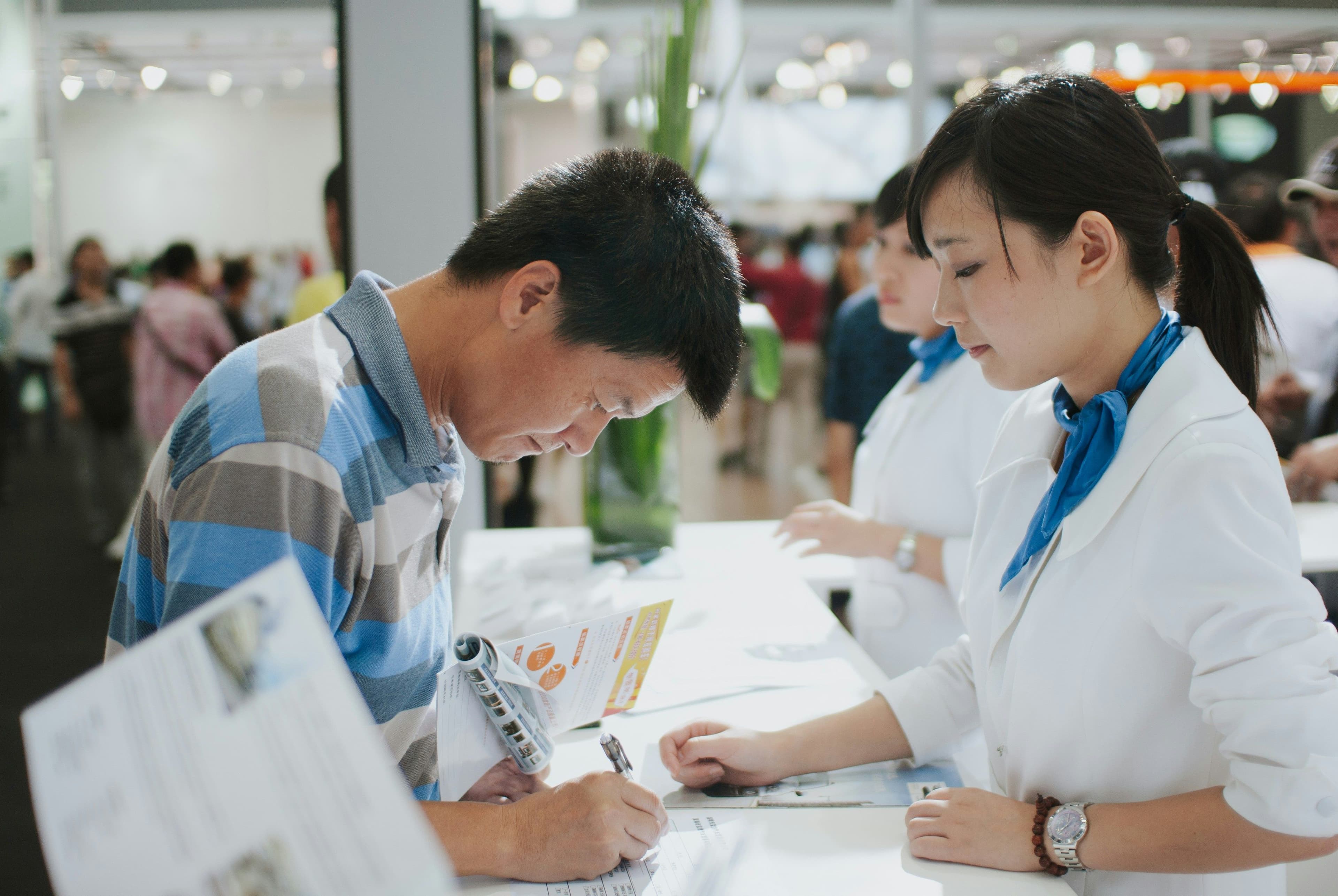
An event summary should state the point of the gathering in one clear line, then show what it was for, who it brought together, and why it mattered.
Use the opening to set the scene, then build the rest of the write-up around concrete figures, useful quotes, and a clear next step.
Key takeaways
- Start with one clear line that explains the event's purpose, the people it brought together, and why it mattered, whether it was a strategy summit in London, an annual sales kick-off, or a partner meeting in Manchester.
- Back up the story with concrete figures such as session attendance, lead generation, sponsor stand interactions, app usage, survey results, action points taken away, or a strong Net Promoter Score.
- Use visuals that show atmosphere, not just the stage, with photos of people networking over coffee, groups collaborating, lively audience reactions, and a short edited video of around 60 to 90 seconds.
- Include delegate quotes that are specific and grounded, and use named voices from respected peers where possible, whether based in Canary Wharf or the Northern Powerhouse region.
- Pull the sessions into short, easy-to-scan sections that capture the main takeaways, the new ideas introduced, and the predictions speakers made.
- Shape the follow-up for different audiences, giving delegates highlights and networking moments, internal stakeholders data, budget context, and progress against organisational goals, and sponsors lead quality and visibility.
1. What should the opening summary say?
The opening summary should state the point of the gathering in one clear line. It needs to answer what the event was for, who it brought together, and why it mattered.
A simple title and location are not enough. The strongest openings set the scene with the main goal and theme, whether that was a strategy summit in London, an annual sales kick-off, or a partner meeting in Manchester.
Group setup: the opening paragraph
Best for: setting the scene for the whole piece
How to apply: Start with the event's point in one clear line. Make sure the opening answers what it was for, who it brought together, and why it mattered. Use the main goal and theme to give the piece direction straight away.
2. Which metrics prove the event worked?
The best proof comes from concrete figures, not vague praise. A strong write-up should include session attendance, lead generation, sponsor stand interactions, app usage, and survey results.
Numbers like action points taken away or a strong Net Promoter Score give the report weight. They turn a recap into a business document that stakeholders can use.
Group setup: the metrics section
Best for: showing whether the event worked
How to apply: Include concrete figures rather than vague praise. Cover session attendance, lead generation, sponsor stand interactions, app usage, and survey results. Add action points taken away or a strong Net Promoter Score if they are available. Use the numbers to give the report weight.
3. How should visuals support the story?
Visuals should show the atmosphere, not just the stage. Photos of people networking over coffee, groups collaborating, and lively audience reactions tell a better story than static shots alone.
A short edited video, around 60 to 90 seconds, can carry the main moments and is easy to share across channels. Good imagery keeps the momentum alive after the day itself.
Group setup: photos and a short edited video
Best for: capturing atmosphere and context
How to apply: Use photos that show people networking over coffee, groups collaborating, and lively audience reactions. Add a short edited video, around 60 to 90 seconds, to carry the main moments. Keep the focus on energy and context rather than static stage shots.
4. Why do delegate quotes matter?
Delegate quotes add credibility because they show real reactions in real words. Instead of generic praise, use specific comments that show what changed for the person speaking.
Named voices from respected peers, whether based in Canary Wharf or the Northern Powerhouse region, can also strengthen the report. These testimonials make the write-up feel grounded and trustworthy.
Group setup: delegate quotes
Best for: adding credibility and real reaction
How to apply: Choose specific comments that show what changed for the person speaking. Avoid generic praise. Use named voices from respected peers where possible. Place the quotes so they support the report's main points.
5. What should readers learn from the sessions?
Readers should come away with the most useful ideas from the programme. That means turning long talks into short knowledge capsules: the main takeaways, the new ideas introduced, and the predictions speakers made.
Bullet points or brief sub-sections work well here because they make the content easy to scan. The report should feel useful, not just descriptive.
Group setup: bullet points or brief sub-sections
Best for: summarising the sessions for readers
How to apply: Turn long talks into short knowledge capsules. Pull out the main takeaways, the new ideas introduced, and the predictions speakers made. Use bullet points or brief sub-sections so the content is easy to scan. Keep the focus on what readers can use.
6. How do you write for different audiences?
You should shape the message around who will read it. Delegates want highlights and networking moments. Internal stakeholders need data, budget context, and progress against organisational goals. Sponsors want lead quality and visibility.
A single version rarely serves all three well, so the smarter approach is to segment the follow-up and adjust the emphasis. That keeps the report relevant without diluting the core story.
Group setup: segmented follow-up by audience
Best for: writing for delegates, stakeholders, and sponsors
How to apply: Adjust the message to suit who will read it. Give delegates highlights and networking moments. Give internal stakeholders data, budget context, and progress against organisational goals. Give sponsors lead quality and visibility. Segment the follow-up so each audience gets the right emphasis.
7. What should the next step be?
The write-up should end with a clear call to action. That might be early registration for the next conference in Edinburgh, a link to presentation slides, or an invitation to join a related content series.
The best closing lines create anticipation without overpromising. They hint at what is coming next, such as a new keynote speaker or a different format, and give readers a simple way to stay involved.
Group setup: the closing section
Best for: turning interest into action
How to apply: End with a clear call to action. Use early registration for the next conference in Edinburgh, a link to presentation slides, or an invitation to join a related content series. Hint at what is coming next without overpromising. Give readers a simple way to stay involved.
8. How quickly should it be published?
Speed matters because interest fades fast. A short visual recap, such as a social post or a brief video, should go out within 48 hours.
The fuller blog version can follow within five to ten working days, once the team has gathered the figures, quotes, and images. That staged approach keeps the event fresh while still allowing for a proper report.
Group setup: a short visual recap, then the fuller blog version
Best for: keeping attention while the event is still fresh
How to apply: Publish a short visual recap, such as a social post or a brief video, within 48 hours. Follow with the fuller blog version within five to ten working days. Wait until the team has gathered the figures, quotes, and images. Do not leave it too long.
9. What should the internal debrief include?
The internal debrief should be more detailed and more objective than the public version. It needs to cover budget differences, operational issues, unexpected wins, and supplier performance.
If there were last-minute venue changes in Cardiff or Bristol, those lessons should be recorded clearly. This document is not just a record of what happened. It is the basis for the next planning cycle, helping teams make better decisions on budget, staffing, and logistics.
Group setup: the internal team
Best for: post-event review and the next planning cycle
How to apply: Write up the budget differences, operational issues, unexpected wins, and supplier performance while the event is still fresh. Add any lessons from last-minute venue changes in Cardiff or Bristol. Keep the tone objective and detailed. Use it to inform budget, staffing, and logistics next time.
10. How do you make the report easy to find and use?
The report should be written and structured for digital use. It works because people can find it, scan it, and return to it after the event has ended.
Publishing the full version on the company blog, using speaker names and session themes naturally, and making the layout easy to scan on mobile all help it stay useful. Including links to source material, such as research mentioned in keynotes, gives readers a way to go deeper if they want to.
Group setup: the whole team at once
Best for: a report that needs to be easy to find and reuse
How to apply: Publish the full version on the company blog. Use speaker names and session themes naturally in the text. Make the layout easy to scan on mobile. Add links to source material, such as research mentioned in keynotes, so readers can go deeper if they want to.
Where to host event summary
The venue decides which ideas work, so the right setting should shape the event summary from the start. Each type below pairs with a real Naboo venue, making it easier to match the format to the space.
A hotel with meeting rooms
A hotel with meeting rooms suits a write-up that needs a clear opening summary and a clean next step, because the setting already supports structured discussion, quick note-taking, and a tidy handover from event to follow-up. It also helps teams separate what matters for different audiences, so the report can stay practical rather than sprawling.
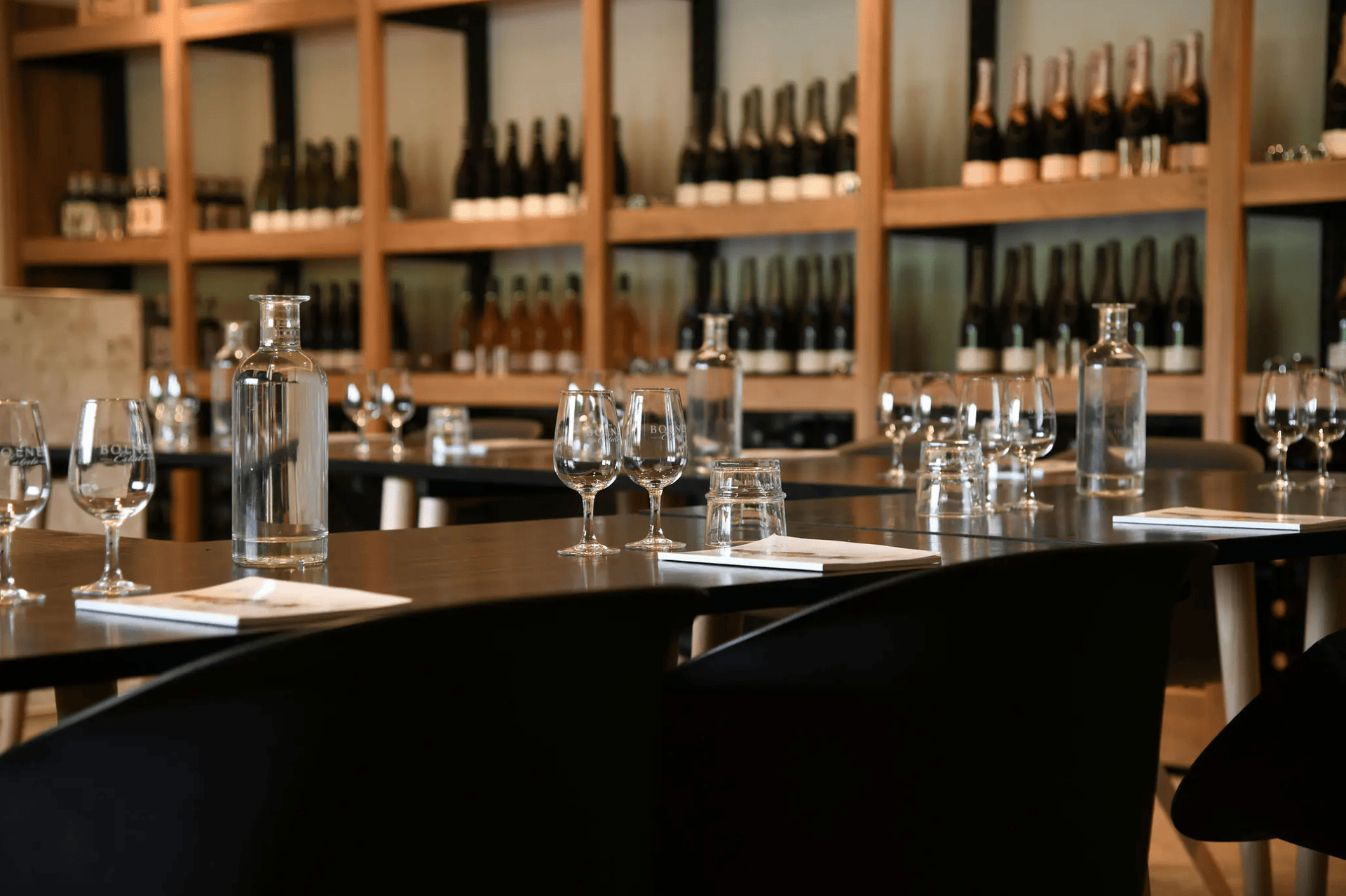
Bolney Wine Estate is in Bolney, England, less than an hour from London. It is a vineyard establishment in the West Sussex vineyards, with easy access from London and the South East, and it offers a professional setting for corporate meetings, workdays, and events.
Frequently asked questions
What should an event summary say first?
It should state the point of the gathering in one clear line. Answer what the event was for, who it brought together, and why it mattered, rather than starting with a date dump or a simple title and location.
How do you choose the right angle for the summary?
Choose the main goal and theme, then use that to give the piece direction straight away. A strategy summit in London, an annual sales kick-off, or a partner meeting in Manchester all need an opening that sets the scene and explains why the gathering mattered.
How do you run the write-up well?
Use a clear structure, concrete metrics, strong visuals, and a useful internal record. Move quickly, then follow with a fuller report, and end with a clear next step that tracks what the write-up drives.
What should you include if the group was small or large?
The opening still needs to answer what the event was for, who it brought together, and why it mattered. For the body of the report, use concrete figures such as session attendance, lead generation, sponsor stand interactions, app usage, and survey results, because those give the write-up weight whatever the group size.
How do you write for remote or hybrid teams?
Shape the message around who will read it, then segment the follow-up so each audience gets the right emphasis. Delegates want highlights and networking moments, internal stakeholders need data, budget context, and progress against organisational goals, and sponsors want lead quality and visibility.
What should the summary do for teams working across locations?
It should keep the core story intact while giving each audience the detail it needs. Use figures, quotes, and visuals to prove impact, and make the layout easy to scan on mobile so people can find it, return to it, and use it after the event has ended.