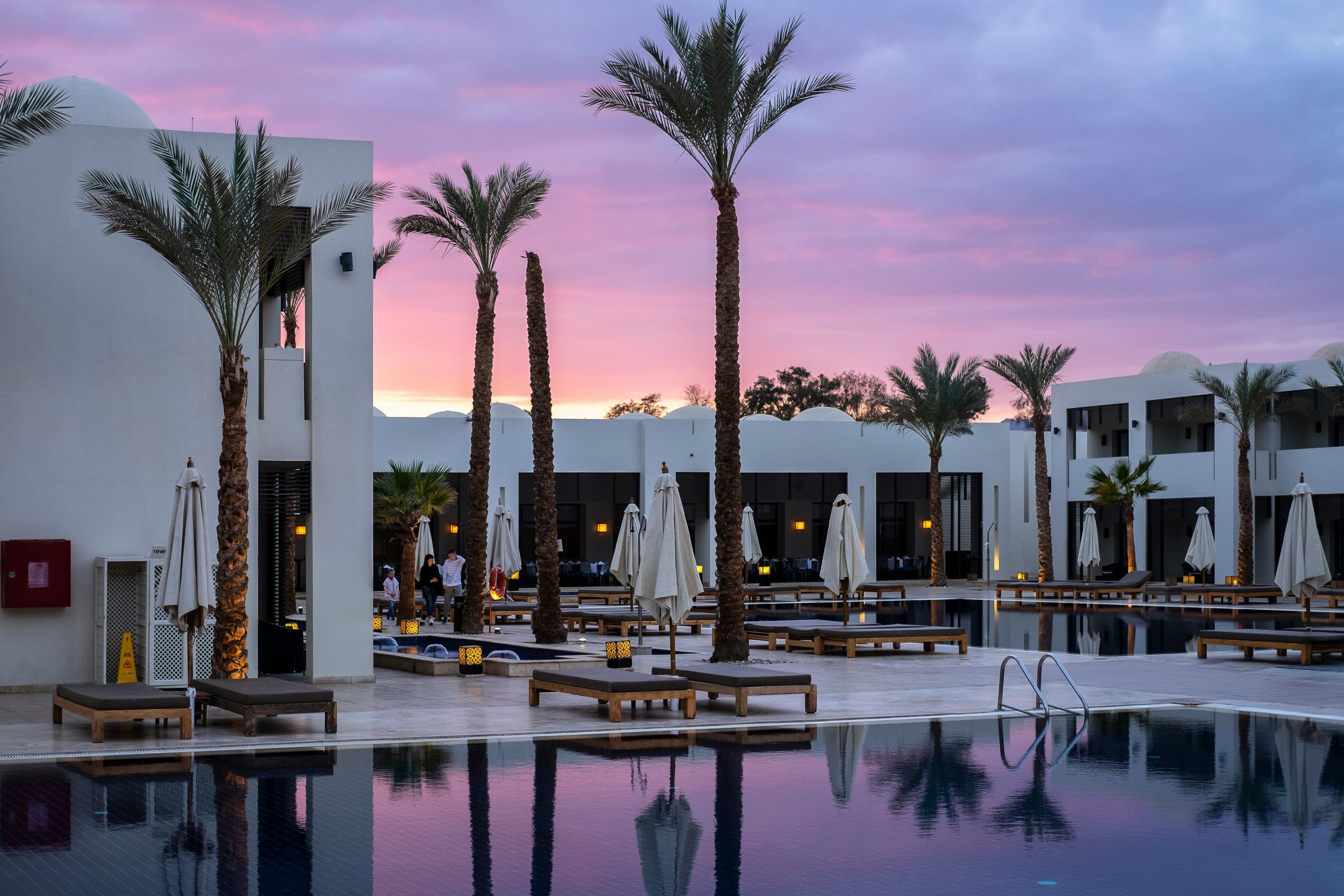
Executive retreat venues shape the quality of conversation, energy, and decisions, so choose them as a strategic part of the offsite, not a logistical afterthought.
Use executive retreat venues that create sensory contrast, operational comfort, and collaborative space, then match the setting to the retreat purpose and the leadership team's needs.
The strongest choices pair the right environment with the right rhythm of work, shared meals, and time to think.
Key takeaways
- The Scottish Highlands suit leadership teams that need reflective conversation and genuine decompression, with open glens, loch-side living, and the absence of urban noise creating a slower pace.
- The Cotswolds suit teams rebuilding cohesion or marking a milestone, with honey-stone villages, rolling farmland, and well-preserved market towns creating a calm setting.
- Cornwall suits teams that need renewal, with the Atlantic coastline, the Penwith peninsula, the Lizard Peninsula, and the South West Coast Path all supporting a reset.
- Manchester and the Peak District suit organisations that want urban energy with strong meeting infrastructure, plus time in the Peak District and evening culture in the city.
- Before booking, check that the venue fits the retreat purpose, supports both structured sessions and informal conversation, and avoids logistical friction that distracts leaders.
- Shared meals, walks, coastal activities, and other planned experiences matter when they support the retreat goal, while over-scheduling and choosing on price alone work against it.
Why the venue itself is a strategic decision
Many organisations invest significant time in retreat agendas and almost no time in venue selection beyond basic logistics. This is a costly inversion of priorities. The physical environment a leadership team inhabits during an offsite is not a neutral backdrop. It actively shapes mood, conversation quality, energy levels, and ultimately the quality of decisions made. Research in environmental psychology has long established that surroundings influence cognitive states, and executives are no exception.
Choosing an executive offsite venue is therefore not an administrative task. It is a strategic one. The venue communicates something about how leadership views its own people. A generic conference hotel signals routine. A thoughtfully chosen property in a genuinely restorative environment signals that the organisation takes renewal seriously. Teams often return from well-chosen offsites with not just better ideas, but stronger interpersonal trust, which is one of the most durable performance advantages any leadership group can build.
The environmental design principle
A useful approach for venue selection is to make sure a productive executive leadership retreat has three things at once: sensory contrast, operational comfort, and collaborative infrastructure. Sensory contrast means the environment should feel meaningfully different from the workplace so the brain registers a true context switch. Operational comfort means leaders are not distracted by poor service, inadequate facilities, or logistical friction. Collaborative infrastructure means the space should support both structured sessions and spontaneous, informal conversation with equal ease. When all three are present, the venue itself does part of the facilitative work.
1. The Scottish Highlands
The Scottish Highlands work when senior leaders need intellectual stimulation and genuine decompression in the same trip. The landscape, with open glens, loch-side living, and the absence of urban noise, creates a natural slowing down that many executive teams need.
Properties such as Gleneagles in Perthshire offer resort-scale amenities within intimate, estate-like grounds. That lets a leadership team hold a morning strategy session, then spend an afternoon on a guided walk through the hills, and return to dinner with looser defences and warmer conversations.
Group setup: leadership teams
Best for: post-merger integration, a strategy pivot, or leadership succession
How to apply: Use the Highlands when the group needs reflective conversation and a premium setting. Build the day around a morning strategy session and an afternoon walk. Keep shared meals central, since the dining experience supports trust-building. It is less suitable for very large groups.
2. The Cotswolds
The Cotswolds work when a leadership team needs to rebuild cohesion or mark a significant milestone. The region feels historic, aesthetically rich, and warm in character, which encourages connection rather than competition.
Honey-stone villages, rolling farmland, and well-preserved market towns create a visual calm that helps reduce stress. Properties such as Soho Farmhouse near Chipping Norton, or Barnsley House outside Cirencester, give senior teams a refined but relaxed setting, while shared meals and strong dining options become part of how the retreat is remembered.
Group setup: leadership teams
Best for: rebuilding cohesion or celebrating a milestone
How to apply: Pair structured morning workshops with afternoon experiences such as private estate cycling tours or guided walks through village footpaths. Use the setting to create shared reference points the team can return to later. Let meals be part of the narrative, not just a break in the day.
3. Cornwall
Cornwall works when a leadership team needs recreational energy and a reset for the nervous system. The Atlantic coastline, especially around the Penwith peninsula, creates a sense of openness that can shift group dynamics.
Sea kayaking off the Lizard Peninsula, coastal walking along the South West Coast Path, or sitting above the cliffs at sunset all create soft fascination. Properties such as The Headland Hotel in Newquay or Tresanton in St Mawes combine an iconic coastal setting, solid meeting infrastructure, and direct recreational access, which keeps the energy intact.
Group setup: leadership teams
Best for: introverted or burned out teams that need renewal
How to apply: Keep the agenda disciplined so recreation supports the retreat goals rather than taking over. Use the coastal activities as part of the work, not as a side note. Choose a venue that keeps meetings and recreation in one place. That reduces friction and helps the group stay focused.
4. Manchester and the Peak District
Manchester with easy access to the Peak District works when an organisation wants urban energy and strong meeting infrastructure in the same retreat. The city has grown over the past decade, and its boutique hotels now serve senior leadership teams well.
Properties such as The Edwardian Manchester or King Street Townhouse combine sophisticated design with meeting spaces that feel inspiring rather than merely functional. Manchester also adds music heritage, a culinary scene beyond the Northern Quarter, and civic vitality, so a morning visioning session, an afternoon in the Peak District, and an evening of live music can all fit together naturally.
Group setup: leadership teams
Best for: fast-moving industries that do not benefit from a fully rural retreat
How to apply: Use Manchester when the group needs strong infrastructure and a living city around the retreat. Build the itinerary so each part supports the next, from morning sessions to time in the Peak District to evening culture. If the logistics need pulling together, use Naboo to bring the suppliers into one plan.
Common mistakes in executive retreat planning
Even organisations with generous budgets and good intentions regularly make the same handful of errors when planning a team retreat for executives. Understanding these patterns is the first step towards avoiding them.
- Over-scheduling the agenda: Workplace leaders typically block every hour with sessions, panels, and workshops, leaving no unstructured time for the informal conversations that are often the most valuable part of any offsite. The best insights at executive retreats tend to emerge during a walk between sessions or over a late dinner, not during the keynote.
- Choosing venue on price rather than fit: Many organisations find that the least expensive option available within their region becomes the default choice. This inverts the strategic logic of the retreat. The venue should be selected based on the psychological and relational outcomes it enables, then optimised for cost within that constraint.
- Neglecting the arrival experience: The first two hours of a retreat set the emotional tone for everything that follows. Organisations that treat arrival as purely logistical, rather than designing it as a deliberate transition ritual, miss an opportunity to prime their leadership teams for the mindset the retreat is intended to cultivate.
- Failing to define success in advance: Teams often return from retreats with a general sense of having had a good experience but no clear framework for evaluating whether the retreat achieved its actual goals. Without defined outcomes, it becomes impossible to improve the practice over time.
- Disconnecting venue selection from retreat purpose: A team working through interpersonal conflict has different venue needs than a team celebrating a major milestone. Selecting a venue without first articulating the retreat's primary purpose is a fundamental planning error that no amount of excellent logistics can compensate for.
Aligning venue to retreat purpose
One of the most useful tools available to anyone doing serious corporate retreat planning is a structured approach to matching environment to intention. Use five simple checks to make sure the setting fits the purpose. If you want to explore more workplace insights on planning effective offsites and team events, there is a growing body of practical guidance available for UK teams.
| Dimension | What to evaluate | Questions to ask |
|---|---|---|
| Context | What is the organisation going through right now? | Is this a moment of celebration, crisis, transition, or alignment? |
| Leadership needs | What do the specific leaders attending most need? | Do they need restoration, stimulation, connection, or challenge? |
| Environment | What setting best serves those needs? | Does rural, coastal, urban, or wilderness serve the goal? |
| Activities | What experiences will reinforce the retreat's purpose? | Are activities chosen for connection, reflection, or energy? |
| Results | How will success be measured? | What specific outcomes should the team leave with? |
CLEAR applied: a realistic scenario
Consider a technology company whose leadership team has navigated eighteen months of rapid growth and is now showing signs of misalignment on strategic priorities. Relationships between department heads have grown transactional rather than collaborative. The CEO wants to use a retreat to rebuild trust and clarify direction for the next phase of growth.
Applying CLEAR: the Context is post-growth misalignment. The Leadership Needs are relational repair and strategic clarity, which requires an environment that encourages vulnerability and unhurried conversation. The optimal Environment is therefore intimate and restorative rather than stimulating and urban, pointing towards the Scottish Highlands or a comparable rural estate setting. The Activities should emphasise shared experiences that create trust, such as small-group cooking classes or guided evening walks, rather than competitive or high-energy pursuits. The Results to be measured include the quality of post-retreat inter-departmental collaboration over the following quarter, assessed through both self-reporting and observable project outcomes.
This structured approach transforms venue selection from a logistical afterthought into a strategic instrument. It also gives the planning team a defensible rationale for their choices, which matters when executive budgets are subject to scrutiny.
How to measure the success of an executive retreat
Organisations that treat a high-end executive getaway as a one-time event, rather than a practice to be refined over time, consistently underperform those that build evaluation into the retreat design from the start. Measurement does not need to be elaborate to be effective.
The most useful metrics tend to fall into three categories. The first is immediate sentiment, captured through a structured debrief on the final day that asks participants to rate the retreat across dimensions such as clarity gained, relationship quality, and energy restored. The second is behavioural follow-through, measured in the weeks after the retreat by tracking whether the commitments made during sessions are actually being acted upon. The third is downstream performance, which examines whether the strategic decisions made during the retreat are reflected in organisational outcomes three to six months later.
Teams often discover that the retreats with the most enthusiastic immediate sentiment scores produce the least behavioural follow-through, typically because the planning focused on experience design but neglected to build in accountability structures. The reverse is also common: retreats heavy on structured commitments can feel draining in the moment while generating strong downstream results. The best designs balance both.
Building in accountability without killing the energy
One effective approach is to reserve the final morning of the retreat for what might be called a commitment harvest. Rather than ending the offsite with a closing keynote or a group dinner, the leadership team spends ninety minutes translating the insights of the previous days into named commitments with owners and timelines. These are then shared with a broader group within forty-eight hours of return. This creates social accountability without requiring bureaucratic follow-up systems, and it preserves the forward momentum generated by the retreat experience.
What to look for in an executive offsite venue
Beyond destination, the specific property chosen within any given location significantly shapes the retreat experience. Workplace leaders often default to the most recognisable hotel name in a city, but brand recognition is a poor proxy for retreat suitability. The dimensions that actually matter are more nuanced.
- Privacy and exclusivity: A leadership retreat conducted in a hotel where the group is one of twenty simultaneous events lacks the psychological containment that serious strategic conversation requires. Venues that can offer dedicated spaces, ideally with the option for full property buyout, consistently produce stronger retreat outcomes.
- Natural light and outdoor access: These are not aesthetic preferences but functional requirements. Cognitive performance, mood regulation, and creative thinking are all measurably influenced by access to daylight and outdoor environments. Meeting rooms without windows are not appropriate for leadership retreats, regardless of their other qualities.
- Service quality that anticipates rather than reacts: The hallmark of a genuinely high-calibre venue is a service team that removes friction before the guest encounters it. For an executive group where attention is the scarcest resource, every logistical hiccup is a small withdrawal from the attention budget that should be directed at the retreat's goals.
- Flexible spatial configuration: The retreat agenda will mix plenary sessions, small-group breakouts, and informal gatherings. The venue must be able to support all three without forcing the group into inappropriate spaces for any of them.
- Meaningful proximity to local experiences: Off-site activities are not optional extras. They are integral components of a well-designed retreat. The venue's proximity to genuinely interesting local experiences, and the quality of its relationships with activity providers, directly influences the depth of the retreat experience.
Where to host executive retreat venues
The venue decides which ideas work, and each type below comes with a real Naboo venue. Use this section to compare executive retreat settings by how they support focus, conversation, and time away from the office.
A hotel with meeting rooms and private dining
A hotel with meeting rooms and private dining suits executive retreats because it gives teams space to work, eat, and step back without losing focus. That balance fits ideas like the Scottish Highlands and the Cotswolds, where the setting should feel calm, characterful, and a little removed from the usual office rhythm.
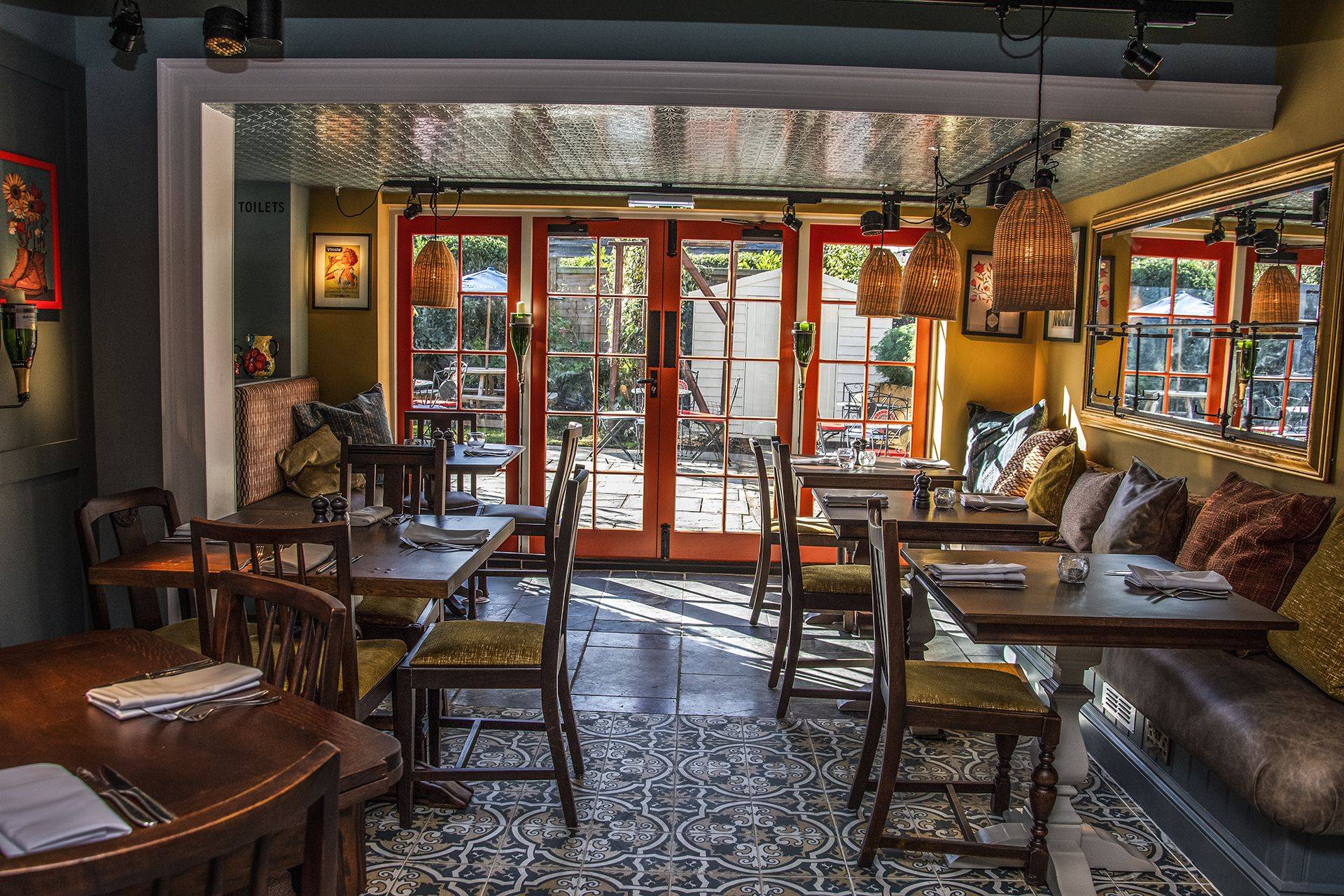
The Winning Post is a country pub and dining establishment in Winkfield, Berkshire, with countryside surroundings and a characterful 18th-century building. It has a restaurant for private dining and corporate gatherings, plus guest rooms for overnight stays.
Frequently asked questions
What venues work best for an executive retreat?
The best venues create sensory contrast, operational comfort and collaborative infrastructure at the same time. The Scottish Highlands, the Cotswolds, Cornwall, and Manchester with easy access to the Peak District all fit different retreat purposes, from reflection and renewal to cohesion, recreation or strong meeting infrastructure.
How do you choose the right executive retreat venue?
Choose the venue by retreat purpose first, not by price or convenience. Check the context, leadership needs, environment, activities and results so the setting matches what the team actually needs, whether that is restoration, stimulation, connection or challenge.
How do you run an executive retreat well?
Keep the agenda disciplined, but do not over-schedule it. The best insights often emerge during a walk between sessions or over a late dinner, so build in unstructured time, define success in advance, and treat arrival as a deliberate transition rather than a purely logistical moment.
What group size works best for an executive retreat?
Most retreat facilitation practitioners consider eight to twenty participants the optimal range for a team retreat for executives. That size supports genuine intimacy and full participation, while groups larger than twenty-five usually need a different design approach, closer to a conference format.
How do you plan for remote or hybrid teams?
Use the retreat to create shared reference points the team can return to later. Pair structured workshops with experiences that support connection, and choose a venue that keeps meetings and recreation in one place so the group stays focused and friction stays low.
How should you choose between rural, coastal and urban settings?
Match the setting to the team's needs and the retreat's purpose. Rural settings suit restoration and reflective conversation, coastal settings suit renewal and softer energy, and urban settings suit teams that need strong infrastructure and a living city around the retreat.