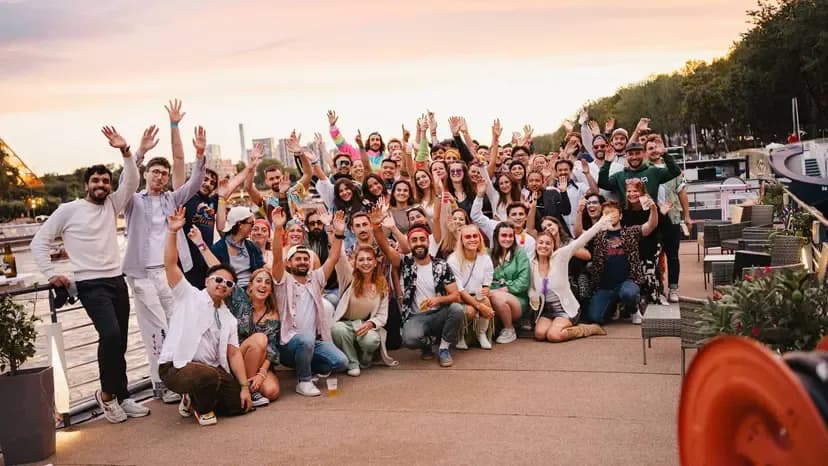
May is a key time in the company calendar. The energy of spring is at its peak, offering longer daylight hours and warmer temperatures—an ideal combination for shaking off inertia and building crucial team momentum ahead of the summer holiday season. For managers and team leads, this is the optimal window to launch high-impact team-building initiatives that foster collaboration, gratitude, and physical well-being.
However, simply scheduling an event is not enough. Effective team building needs to connect with business goals and employee needs. By leveraging May’s rich calendar of cultural, commemorative, and wellness-focused dates, organizations can turn standard get-togethers into memorable, meaningful experiences. We have curated 15 winning May team activity ideas designed to boost morale and strengthen interpersonal connections, regardless of whether your team is fully remote, hybrid, or office-based.
The Strategic Rationale for May Team Building
Why dedicate significant planning effort to activities during this specific month? May serves as a crucial bridge between the intense delivery cycles of Q1 and the often-disruptive holiday schedules of summer. Engaging in focused team building now helps solidify project teams, introduce innovative concepts, and proactively address burnout by prioritising employee wellness.
Moreover, the inherent themes within the month—from workforce appreciation and cultural celebration to mental health awareness—provide ready-made narrative hooks that make activities feel meaningful rather than mandatory. Successful workplace leaders understand that choosing the right context makes the difference between a forgettable outing and a genuine bonding opportunity. Implementing a tailored May team activity right now can define the positive trajectory for the rest of the year. For more inspiration, explore more workplace insights.
The British Workplace Engagement Matrix: Choosing the Right Focus
To maximize the return on investment (ROI) for any team-building effort, organisers must select activities that align with the team's current needs and organizational capacity. The British Workplace Engagement Matrix is a simple framework that maps activities across two critical axes: Engagement Type and Resource Investment.
Engagement Type: Structured vs. Expressive
- Structured: Activities focusing on logic, competition, process alignment, or hard skill application (e.g., problem-solving, trivia).
- Expressive: Activities focusing on creativity, reflection, wellness, or cultural appreciation (e.g., workshops, recognition events, community service).
Resource Investment: Low Effort vs. High Effort
- Low Effort: Requires minimal preparation time, low financial cost, and short duration (e.g., 30-minute virtual games or in-office appreciation moments).
- High Effort: Requires significant logistical planning, higher budget, and longer commitment (e.g., half-day offsite, complex competition, or community partnership).
By plotting your goals onto this matrix, you can select a May team activity initiative that directly addresses the team's developmental gaps, ensuring effort is concentrated where it will yield the most impact.
15 Winning May Team-Building Activity Ideas
1. International Workers' Appreciation Ceremony
In recognition of International Workers' Day (May 1st, often celebrated with the Early May Bank Holiday), transform a standard meeting into a formal, company-wide event dedicated to celebrating professional contributions. This goes beyond simple thank-yous by providing specific, peer-nominated awards that highlight core values like resilience, mentorship, or innovative thinking. The ceremony can be streamed virtually or held in person with prepared certificates and leadership speeches.
Why it matters: This initiative reinforces the company's commitment to valuing labour and boosts retention by linking individual efforts to organizational success. It creates a highly positive, affirming May team activity atmosphere.
2. Global Culinary Exchange Workshop
Leveraging the cultural spirit of May, host a virtual or in-person workshop where employees share and teach simple recipes from different backgrounds. Participants could send in recipe cards beforehand, and teams are provided with a small budget to source ingredients and prepare a dish from a different culture.
Practical Consideration: For remote teams, organise an ingredient delivery service to ensure parity and make this an accessible group May team activity.
3. Star Wars Strategy Scenario Planning
Capitalise on Star Wars Day (May the Fourth) by framing a complex business challenge within the narrative of the Star Wars universe. Teams must adopt roles (Jedi Strategists, Rebel Engineers, Imperial Logistics) and apply critical thinking to "save the galaxy" (solve the business problem). This is a Structured/Low Effort activity.
How to Run It: Use virtual whiteboards (Miro or Mural) to map out the "mission" objectives and constraints, forcing teams to collaborate on imaginative yet actionable solutions.
4. The Gratitude Chain Initiative
This expressive activity focuses on nurturing workplace connections. Provide physical or digital 'links' (cards, chat messages) where employees anonymously write sincere messages of appreciation for colleagues who have supported them recently. These messages are then linked together into a visible chain displayed in the office or compiled into a digital presentation.
Why it matters: It shifts focus from performance metrics to interpersonal support, fostering a culture of psychological safety and reinforcing positive workplace behaviour.
5. Outdoor Corporate Wellness Session
Leverage the pleasant weather for an outdoor wellness break. This could be a guided stretch session, a walk-and-talk meeting, or a gentle outdoor yoga class led by a professional instructor. The key is removing teams from the usual workspace to promote mental clarity and physical movement, perhaps utilising a local city park or common near Leeds or Bristol.
Resources Required: Minimal, often just booking a local park space or using the company campus lawn. Remember to ensure accessibility for all employees.
6. The Workplace Olympics Mini-Games
Design a series of fun, low-impact, timed competitions that take place within the office environment or a nearby outdoor space. Examples include paper aeroplane distance throws, desk chair relay races, or a collaborative puzzle build. Teams compete for bragging rights and small, symbolic prizes.
Context: This is an excellent Structured/Low Effort burst of energy, breaking up routine workdays and enhancing rapid communication under pressure. This competitive May team activity promotes lively engagement.
7. Collaborative Baking Showcase
Organise a baking competition focused on presentation, creativity, and taste, perhaps inspired by the camaraderie of The Great British Bake Off. For large groups, teams can collaborate on a single recipe, or individuals can compete, with judging handled by a neutral panel of management or clients. The social aspect of sharing the results is the core benefit.
Trade-Offs: This requires access to kitchen facilities or, for remote teams, synchronous virtual baking sessions where teams coach each other through the process.
8. Pollinator Habitat Restoration Project
To support World Bee Day (May 20th), partner with a local environmental group or charity to dedicate time to building or restoring a pollinator garden. This requires teamwork for tasks like planting native species, building bee hotels, or clearing invasive plants in urban areas like Manchester's community gardens or the Cotswolds countryside. This is a High Effort/Expressive Corporate Social Responsibility (CSR) project.
Who is involved: Teams, supervisors, and the local environmental partner. This shared outdoor May team activity reinforces purpose beyond profit.
9. Sensory Honey Tasting Education
Host an educational event focused on World Bee Day, bringing in a local apiarist or culinary expert to lead a guided tasting of different types of British honey. This is a unique sensory experience that encourages careful observation, discussion, and learning about biodiversity and agricultural roles.
Why it matters: It connects environmental awareness (bees) directly to a tangible, enjoyable experience, making abstract concepts personal and memorable.
10. City Exploration Geocaching Challenge
Deploy a structured, high-effort challenge where teams use GPS coordinates and cryptic clues to explore a defined area of the city. The tasks involve finding landmarks, solving local historical puzzles around London’s hidden lanes or the waterways of Birmingham, and completing photo challenges that require coordination and strategic delegation.
Duration and Scope: Plan for a half-day event. Ensure clear safety guidelines and a central meeting point for debriefing and awards.
11. Digital Problem-Solving Quest
For fully remote or hybrid teams, implement a virtual hunt that focuses on information literacy and collaborative research. Teams navigate digital platforms, solve complex riddles requiring online data synthesis, and race to "collect" virtual items or facts. Platforms specialising in virtual escape rooms work well here.
Benefits: This tests remote collaboration tools and information sharing protocols under a fun, competitive context, highlighting communication gaps naturally.
12. Mental Fitness Micro-Sessions
As part of Mental Health Awareness Month (May), schedule short, voluntary guided meditation or breathwork sessions twice a week. These sessions should be led by a certified mindfulness coach and last no more than 15-20 minutes to be easily digestible during a workday.
How to Measure: Success is measured by consistent voluntary participation and anecdotal feedback on perceived stress reduction, not by forced attendance.
13. Professional Skill Swap Workshop
Create an internal professional development event where team members teach a non-work-related skill they possess (e.g., beginner coding, calligraphy, photography basics) to others. This breaks down silos and humanises colleagues by revealing hidden talents, fostering new bonds.
Implementation: Use smaller breakout rooms (virtual or physical) and ensure the activity leaders feel supported with necessary materials.
14. Community Unity Service Project
Leading up to or following the Spring Bank Holiday, organise a community service project focused on local park cleanup, supporting a food bank, or helping a community centre. This connects the team through shared purpose and civic responsibility. Projects like assembling care packages or volunteering at a local charity are excellent low-effort options, particularly beneficial in regional hubs like Glasgow or the Welsh valleys.
Impact: The reflection and unity derived from purposeful work often yields deeper connection than purely competitive games. This meaningful May team activity effort leaves a lasting positive impression.
15. DIY Floral Artistry and Mindfulness
Offer a hands-on creative break by hosting a flower arranging workshop. Provide simple kits containing flowers, clippers, and vases, and guide participants through creating small arrangements. This slow, tactile expressive activity promotes mindfulness and offers a tangible take-home item.
Budget Note: While requiring material costs, this activity is generally low stress and highly valued as a creative outlet, particularly appreciated by those who seldom engage in artistic expression at work.
Avoiding Common Pitfalls in May Event Planning
While May offers abundant opportunities, several operational mistakes can derail even the best-intentioned team-building efforts:
1. Over-Committing to Themes: It is easy to feel obligated to celebrate every May holiday. Attempting too many themed events dilutes the impact and creates too much planning work. Focus intensely on one or two themes (e.g., Wellness and Cultural Appreciation) that align best with organizational values, rather than spreading effort too thinly. If you need more structure, check out our ideas for planning meaningful events.
2. Ignoring Accessibility and Inclusion: Outdoor activities, physical challenges (like the Office Olympics), or culinary events must be designed with universal access in mind. Ensure that physical constraints, dietary restrictions, and remote employee participation are core design elements, not afterthoughts. A lack of inclusivity guarantees low engagement and morale damage.
3. Failing to Connect Activity to Purpose: If the team does not understand why they are doing a certain activity—beyond just "fun"—they will view it as mandatory filler. Always start with a brief explanation linking the activity (e.g., the Geocaching Challenge) to a necessary skill (e.g., dynamic communication and resource allocation).
4. Making Participation Mandatory: Especially for wellness or appreciation activities, forced participation can negate the positive effects. Offer compelling, low-pressure invitations and make sessions optional. High voluntary attendance is a much better metric of success than 100% mandated compliance.
Measuring the Impact of Your Team-Building Activity
Effective team building is not purely qualitative; its success can and should be measured. Workplace leaders use a mix of immediate feedback and long-term data to assess the value of their May initiatives.
Immediate Post-Event Metrics
- Voluntary Participation Rate: Percentage of invited employees who attended optional events. High rates indicate strong interest and successful internal promotion.
- Post-Event Survey Score (Pulse Check): A very short, anonymous survey asking about enjoyment, perceived value, and relevance to team goals (e.g., 1-5 rating scales).
- Inter-Team Communication Spikes: Tracking communication volume (e.g., Slack activity, email traffic) among teams immediately following a collaborative event. An increase suggests stronger interpersonal bridges were built.
Long-Term and Behavioural Metrics
- Burnout/Stress Scores: Comparing mental health pulse survey results before and after Mental Health Awareness Month activities. A reduction in self-reported stress levels validates wellness efforts.
- Project Handoff Efficiency: Measuring the smoothness or speed of transitions between different internal teams who participated together. Improved speed after a cross-functional May team activity project suggests better relational trust.
- Employee Net Promoter Score (eNPS): Monitoring changes in eNPS or engagement scores. Positive movement often follows high-impact, meaningful team investments like CSR projects.
Scenario: Applying the British Workplace Engagement Matrix
A 50-person hybrid marketing and sales company, "Synergy Solutions," is struggling with cross-functional communication friction and needs a morale boost in May. Leadership identifies two key needs: (1) structured collaboration training and (2) expressive appreciation for hard work.
They consult the Matrix:
-
Structured/High Effort Goal: Improve problem-solving and cross-functional strategy. Synergy Solutions chooses the 3. Star Wars Strategy Scenario Planning for the entire team, requiring them to work in mixed sales/marketing squads for two hours.
Outcome: The structured setting forced departments to use shared language and frameworks, reducing confusion on joint projects.
-
Expressive/Low Effort Goal: Boost appreciation and psychological safety. Synergy Solutions chooses the 4. Gratitude Chain Initiative, setting up a virtual board where daily notes are posted throughout the first two weeks of May.
Outcome: This quick, low-cost activity significantly raised the emotional temperature of the team, addressing the initial morale deficit.
By using the matrix, Synergy Solutions avoids scheduling irrelevant activities and focuses resources on the two most critical engagement types, resulting in a successful, targeted May team activity programme.
Frequently Asked Questions
What is the most effective type of May team-building activity for remote teams?
The most effective activities for remote teams are those that focus on synchronised, high-engagement collaboration, such as the Digital Problem-Solving Quest (virtual hunt) or the Professional Skill Swap Workshop, which leverage digital platforms to foster personal connection and shared accomplishment.
How can we ensure our outdoor May activity is accessible to everyone?
Always prioritise universal design. If planning an Outdoor Corporate Wellness Session or a picnic, ensure the location is wheelchair accessible, transportation is provided, and the physical requirements of the activity are minimal or easily adaptable, allowing every employee to comfortably participate in the May team activity.
Should we budget more for cultural celebration events?
Cultural events do not necessarily require a higher budget, but they do require sensitivity and authenticity. Focus resources on sourcing genuinely representative food, inviting culturally relevant speakers, or supporting local community vendors rather than elaborate décor, ensuring the celebration is respectful and meaningful.
How often should we run activities during Mental Health Awareness Month?
Instead of one large event, organisations should favour consistency and repetition. Implementing short, frequent initiatives like Mental Fitness Micro-Sessions (15 minutes, twice weekly) throughout May ensures that mental well-being becomes a regular, non-disruptive part of the workplace routine.
What is the primary benefit of choosing a community service project in May?
The primary benefit of a community service project (like the Community Unity Service Project) is fostering teamwork through shared purpose. Working side-by-side on a meaningful, altruistic goal builds deeper trust and collective identity than competition alone.