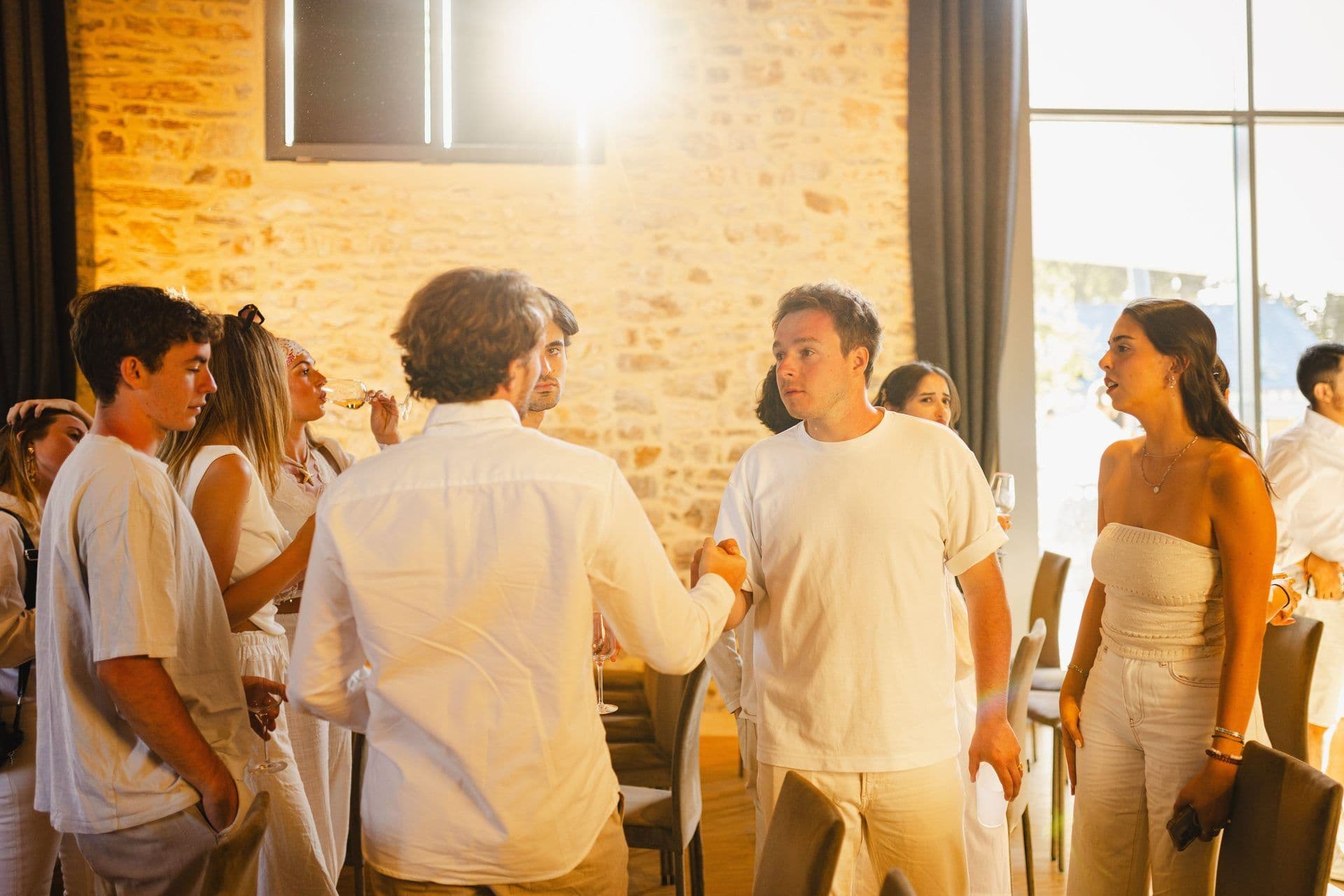
The way UK companies get together is changing. We are seeing a move away from the era of massive, faceless conferences in huge exhibition centres towards smaller, more focused get-togethers. This shift highlights a preference for quality and depth over sheer numbers. Workplace leaders in cities like London, Manchester, and Birmingham are finding that when you scale down a meeting, the level of real engagement goes up. This trend is driven by a need for better communication and a closer sense of community within teams.
Moving towards micro events is not just a passing fad; it is a smart response to how we work now. With many people tired of endless video calls, the value of meeting in person is now judged by how well people actually talk to each other. By choosing meaningful event experiences over large-scale spectacles, teams can hit specific goals like solving a tricky problem or planning a new project. This is a key part of how the UK event industry is evolving to put people first.
1. Strategic focus through micro events
The main benefit of smaller events is the ability to stay focused on one goal. Large conferences often feel a bit watered down because they try to please everyone. In contrast, micro events let organisers tailor every detail for a specific group, whether it is a small creative team in Bristol or a management group in Leeds. This means the discussions are useful and the results are easy to put into practice. Many teams use these unique event formats to fix specific issues within a department.
Operational implementation
In practice, planning a smaller event starts with a clear goal. Instead of inviting every single person in the company, a manager might bring together eight or ten key people for a workshop. This approach respects everyone’s time and ensures that the money spent on value-for-money events provides a better result than a generic all-staff meeting. You can explore more workplace insights to see how different companies are handling this shift.
2. Building real team connections
Another major plus is how easily authentic event connections happen in smaller groups. In a room of five hundred people, staff usually stay with the people they already know. In a group of twelve, everyone is seen and everyone gets a chance to speak. This smaller scale helps build trust, which is the foundation of a good working relationship. Many small gathering ideas focus on shared tasks that get rid of typical office hierarchies, letting junior staff and directors chat more naturally.
Creating a safe space
To get the best out of personalised event experiences, people need to feel they can share their real thoughts. Smaller venues, like a studio in Shoreditch or a quiet space in Edinburgh, help create a sense of focus and privacy. When these events are done right, they turn a standard business meeting into a place where new ideas can actually grow.
3. Creative flexibility and unique event formats
Small groups allow for creative event concepts that just would not work with a huge crowd. When you are not stuck in a massive hotel ballroom, you can use unique event formats like a cooking class, a retreat in the Cotswolds, or a guided tour of a local gallery. These settings help people think differently and get them away from their daily desks. There are plenty of inspiring event ideas that show how a bit of detail in planning can make every person feel the day was made for them.
Tailoring the day
With personalised event experiences, the whole day can be built around the guests. This could mean a menu that suits everyone’s tastes or sessions that focus on exactly what that specific team needs to learn. This level of care is what makes meaningful event experiences stay in people’s minds long after they have gone home.
4. Efficiency and value for money
Managing costs is a big reason why smaller events are becoming the go-to choice. Large events cost a lot in venue hire and expensive tech setups. By choosing value-for-money events on a smaller scale, companies can spend their budget more wisely. Instead of paying for a giant hall, they can pay for top-quality food, a great guest speaker, or a unique location that would be too expensive for a big group. This means the quality stays high even if the guest list is shorter.
Making the most of resources
Teams often find that small gathering ideas allow them to meet up more often throughout the year, rather than just having one big expensive party. Meeting more regularly is often better for morale. It is a more sustainable way to manage budgets while making sure the team still feels looked after.
The connection density model
To help leaders decide how to meet, we use the Connection Density Model. This looks at how many meaningful conversations happen compared to the number of people there. This model shows that smaller groups have a higher "density," which leads to better sharing of knowledge and stronger team bonds. Smaller events usually fall into the Focused or Intimate categories. If the goal is to solve a complex problem, the group should stay under fifteen people to keep that connection high.
A real-world example: the leadership retreat
Imagine a tech company in Cambridge needing to change its strategy. Instead of a long day in a boardroom, they organise a two-day retreat in a quiet cottage in the Peak District for their eight senior leaders. They swap PowerPoint slides for unique event formats like collaborative cooking and chatting around a fire. By choosing a smaller, more focused setting, they align the team on a new plan in just forty-eight hours—something that might have taken months of emails and large meetings. The authentic event connections made here become the foundation for the company’s new direction.
Common mistakes to avoid
Packing the schedule too tight
A common mistake is trying to fill every single minute. Small events work best when there is "white space"—the quiet moments where the best ideas often pop up. When you over-schedule, you stop those authentic event connections from happening naturally.
Picking the wrong venue
The space has to fit the group. A tiny team in a massive hall feels awkward. For meaningful event experiences, the room should feel just right for the number of people, making everyone feel part of the conversation. Many companies now look for non-traditional spaces like converted lofts or private libraries to get this right.
How to tell if your event worked
Success in small events is measured differently. While big events look at how many people signed up, micro events look at how much people actually took part. You should look at the quality of the feedback, how many ideas from the day actually get used, and how well the team works together afterwards. Companies are now using simple surveys to see how meaningful event experiences help keep staff happy and motivated.
When looking at the success of these get-togethers, leaders should look for "micro-wins"—small breakthroughs in how people talk or work that would never have happened in a big crowd. These wins add up to big improvements for the whole company. Ultimately, it is about making sure the individual feels valued within the wider team mission.
The move towards smaller events is more than just a trend; it is a better way of working. By focusing on micro events and personalised event experiences, UK companies can build stronger cultures. As the world becomes more digital, the need for authentic event connections will only grow, making this approach the standard for the future.
Frequently Asked Questions
What is an intimate event in a workplace setting?
It is a smaller, more focused get-together that prioritises deep conversation and relevant content over a large, one-size-fits-all programme.
Do micro events really save money?
Yes, because you spend less on massive venues and huge amounts of catering. This lets you spend more on high-quality facilitators or a better location that gets real results.
What are some good event formats for small teams?
You could try interactive workshops, private dining, outdoor retreats in places like the Lake District, or even a visit to a local museum to spark new ideas away from the office.
Why is it easier to connect in a small group?
Small groups make people feel more seen and less nervous than they might feel in a huge crowd. This makes it easier to have honest and open conversations.
What is the hardest part of planning a small event?
The main challenge is that every detail is more noticeable. You have to be very precise with the venue, the food, and the plan for the day to make sure everything runs smoothly.