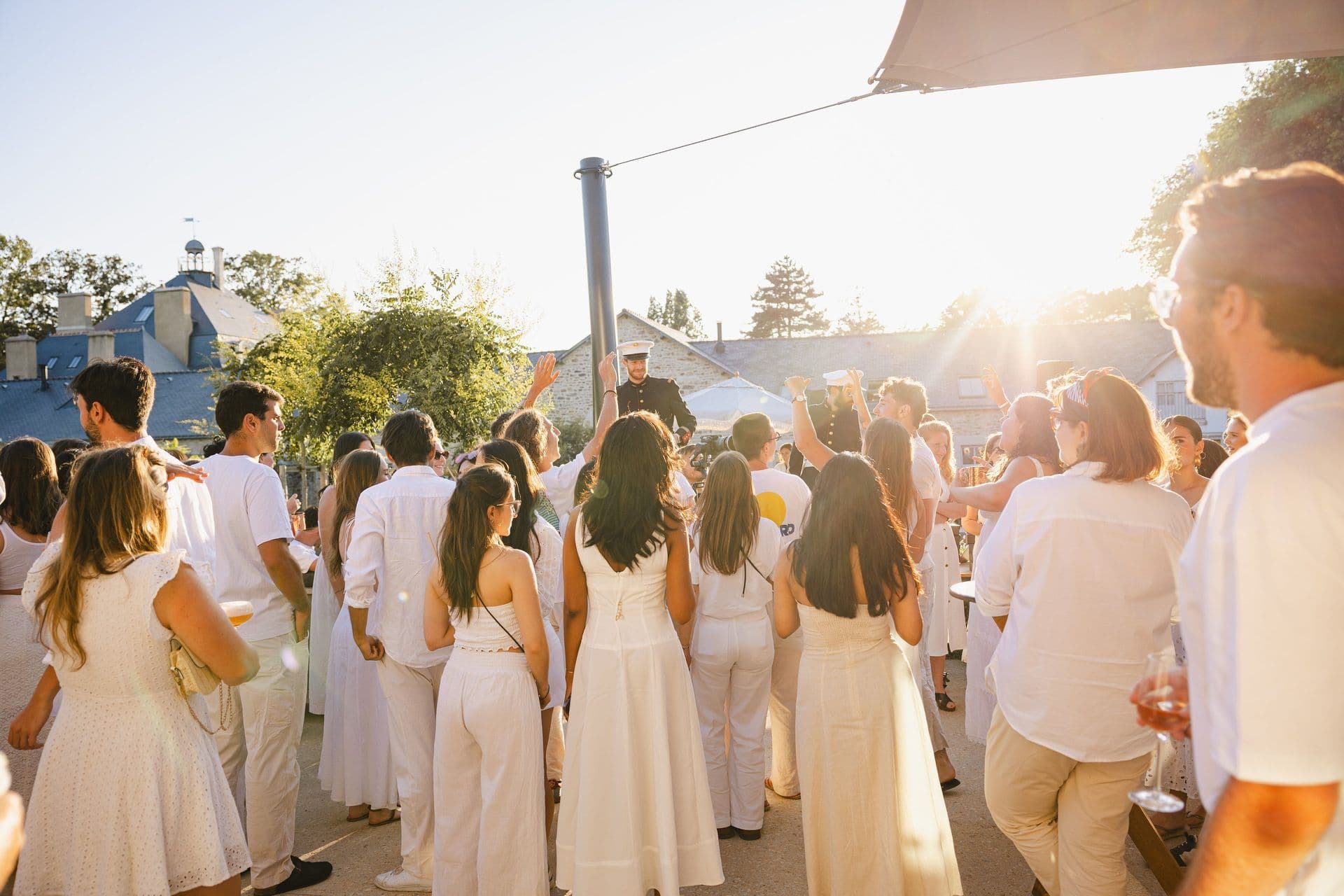
Summer arrives with longer evenings, warmer air, and a collective exhale from teams that have spent months pushing through quarterly targets and back-to-back meetings. That shift in energy is not just pleasant - it is genuinely useful. Workplace leaders tend to find that the window between June and August is the single best opportunity to invest in real human connection across their organisations. The trick is knowing how to channel that seasonal momentum into corporate event ideas for summer that actually move the needle on culture, not just tick a box on the calendar.
This guide walks through a practical planning framework, event formats worth considering, common pitfalls to avoid, and a straightforward way to measure whether your summer investment paid off. Whether you are organising a full corporate retreat for fifty people or a quick afternoon of summer team building activities for a single department, the principles here apply.
Why Summer Is a Strategic Window for Employee Engagement
Many organisations treat summer events as an afterthought - a nice-to-have rather than a deliberate lever for employee engagement. That framing leaves real value on the table. Research consistently shows that social cohesion within teams directly influences collaboration quality, psychological safety, and voluntary retention. Summer provides the environmental conditions - lighter schedules, outdoor availability, a shared cultural mood - that make building that cohesion feel natural rather than forced.
Teams often report that events they attended during summer months are remembered more vividly than those held in Q4, even when the Q4 events had larger budgets. The reason is sensory richness. Sunlight, open spaces, the smell of food cooking outdoors, the sound of water nearby - these elements create multi-sensory memories that embed experiences more deeply. Thoughtful corporate event planning harnesses that reality.
The PLACE Framework for Summer Corporate Event Planning
Before choosing between a rooftop social and a lakeside retreat day, it helps to have a structured way to evaluate options. The PLACE Framework is a five-factor model designed specifically for outdoor corporate events and summer gatherings. Each letter represents a dimension that should shape your final decision.
- P - Purpose: What specific outcome does the event need to produce? Team cohesion across new starters? Cross-functional relationship building? Recognition and celebration? The answer shapes every decision that follows.
- L - Logistics Complexity: How many moving parts does the format require? Travel, permits, catering coordination, and weather contingencies all add complexity that can overwhelm underprepared planning teams.
- A - Accessibility: Can every team member genuinely participate? Physical ability, dietary requirements, family responsibilities, and geographic distance all affect real inclusion.
- C - Cost Predictability: Summer pricing on venues and suppliers fluctuates considerably. Can you lock in costs with confidence, or does the format expose you to surge pricing risk?
- E - Experience Memorability: Will attendees remember this in eighteen months? Would they describe it as meaningful to a colleague who asks? If the honest answer is uncertain, the format probably needs upgrading.
Teams often find that running a quick PLACE audit on two or three competing event concepts surfaces trade-offs they had not previously considered, saving both budget and post-event disappointment.
Applying the PLACE Framework: A Realistic Scenario
Consider a 35-person product and engineering team at a mid-sized software company based in Manchester. Their people operations lead is choosing between a city-centre rooftop party and a full-day lakeside retreat about 90 minutes outside the city. Running the PLACE audit reveals: the rooftop scores well on logistics simplicity and cost predictability but lower on experience memorability. The lakeside retreat scores highly on memorability and purpose alignment - the team recently came through a stressful product launch and needs genuine decompression time - but requires careful planning around transport and accessibility for two team members with mobility considerations. The audit does not make the decision automatically, but it forces an honest conversation about what the team actually needs versus what is simply easy to book.
1. Rooftop Corporate Events with a Curated City Experience
Rooftop corporate events have become one of the most popular formats for urban teams, and the reasons are straightforward: they require minimal travel, they make use of existing city infrastructure, and they carry a natural wow factor from the elevated vantage point alone.
The most effective versions of this format go well beyond renting a rooftop and adding a bar. Workplace leaders typically combine the venue with a curated local experience - a mixologist-led cocktail workshop, a live jazz duo, a chef-designed grazing table built around seasonal British produce, or a timed arrival that positions the group to watch a city fireworks display from above. The event becomes a narrative experience rather than a gathering in a nice location.
What Makes Rooftop Events Work
The physical elevation creates a natural conversation starter and a shared reference point. People who work together every day suddenly feel as though they are experiencing something exclusive together, which quietly reinforces group identity. For summer corporate gathering ideas in cities like London, Manchester, Leeds, or Birmingham, rooftop venues tend to book out quickly. Securing space six to eight weeks in advance is the minimum, with ten to twelve weeks giving considerably more room to negotiate on pricing and customisation.
Common Mistake: Underestimating Weather Variability
Summer evenings in the UK can shift rapidly. A rooftop venue with no partial cover or indoor fallback is a genuine planning risk. Always confirm whether a covered area or interior backup space is available, and build a weather communication plan into your event logistics so attendees know exactly what happens if conditions change.
2. Lakeside Team Retreats for Deeper Connection
Lakeside team retreats consistently outperform urban event formats on the dimensions of psychological safety and lasting relationship formation. The reason is time. A full day or overnight at a lake property gives people enough unstructured hours to have conversations that would never happen during a two-hour drinks reception.
The best lake retreat formats blend light structured programming with genuine free time. A morning kayaking or canoeing session provides a shared physical experience and a mild challenge that sparks natural collaboration. An afternoon with free swimming, lawn games, and open-ended conversation lets the more introverted members of the team engage at their own pace. An evening around a fire creates the intimate closing moment that anchors the day in memory.
For teams based in the north of England, the Lake District offers exceptional retreat options within easy reach of Manchester, Leeds, and Newcastle. Scottish-based teams have access to outstanding loch-side properties across Perthshire and Argyll, while teams in the Midlands or South can find quieter options in the Brecon Beacons and the Welsh borderlands. These settings embody exactly what summer team building activities should feel like: unhurried, sensory-rich, and genuinely removed from the rhythms of the office.
Structuring the Retreat Day for Maximum Impact
Many organisations find that the impulse to fill every hour with programming actually undermines the retreat's effectiveness. A practical structure is the 60-30-10 ratio: 60 percent of the day is loosely guided with optional activities, 30 percent is genuinely free, and 10 percent is a brief closing moment of reflection or recognition. This ratio respects the reality that people connect most naturally when they are not being managed through a packed agenda.
3. Company Summer Camp Formats That Bring Out Authentic Energy
There is something immediately disarming about the summer camp concept. Even when applied to a professional group, the format signals permission to play, to be a little silly, and to engage without the usual hierarchical posture that shapes office behaviour. That signal is precisely why corporate retreat ideas built around a camp theme tend to generate strong participation and positive feedback.
Modern corporate summer camp formats do not require rustic bunkhouses or waterproofs, though those elements can absolutely be part of the experience if the team embraces them. Glamping properties across the Cotswolds and Yorkshire Dales, outdoor resort venues with sports facilities, and retreat centres in the Scottish Highlands with communal gathering spaces all offer the functional equivalent. The key ingredients are team-based competition or collaboration - think relay races, group cooking challenges, trivia tournaments, or outdoor scavenger hunts - shared meals in casual settings, and enough space for people to wander, sit, and talk without structured prompts.
Why This Format Works for Mixed Seniority Groups
Workplace leaders often struggle to design events where a director and a junior analyst feel equally at ease. The summer camp format levels the playing field more effectively than almost any other structure because the activities themselves are inherently equalised. Running a three-legged race requires coordination, not seniority. A cooking challenge rewards creativity and humour, not job title. The egalitarian nature of camp-style activities creates a social dynamic that genuinely benefits cross-level relationship building.
4. Summer Festivals and Community Immersion Events
Rather than building an event from scratch, some of the most memorable corporate event ideas for summer involve immersing a team in something that is already happening around them. City-wide summer festivals, outdoor concerts, food and drink markets, and cultural street events provide built-in atmosphere, entertainment, and sensory stimulation that no private venue can replicate.
The corporate layer sits on top of the public event: a reserved group meeting point, a pre-event catered gathering at a nearby venue, a friendly competition to find the best dish at a food festival, or a shared experience like an outdoor concert followed by a group dinner. This format works particularly well for hybrid teams travelling in from multiple locations because it gives remote employees an authentic taste of the host city's culture rather than an artificially constructed corporate experience. If you are looking for inspiring event ideas that combine local culture with team connection, festival immersion events are well worth exploring.
The UK has a rich calendar of summer events well-suited to this format. Edinburgh's summer festival season offers a dense programme of outdoor performances and cultural happenings. Bristol's harbourside events and street food markets provide a relaxed backdrop for informal team gatherings. Nottingham, Liverpool, and Cardiff each run strong summer arts and food festival programmes through July and August that offer genuinely memorable group experiences.
Logistics Considerations for Festival-Based Events
The crowd factor is the primary planning variable. Teams often underestimate how much crowd density affects the experience for employees who do not enjoy large public events. The solution is strategic timing rather than avoidance: arriving during off-peak hours, booking a private section at a nearby restaurant as a home base, or choosing a secondary festival day rather than opening weekend. A little research into attendance patterns significantly improves the group experience.
5. Outdoor Culinary Events and Coastal Feast Experiences
Food is one of the most reliably powerful bonding mechanisms available to event planners, and summer uniquely amplifies its social impact. The combination of seasonal ingredients, outdoor cooking, and communal eating creates a context for conversation and connection that formal dining rarely matches.
Coastal feast formats have become a standout option for teams based in or visiting the British coastline. The format is inherently interactive: guests gather around a communal spread, help themselves to freshly prepared seafood, and eat in a setting that leaves no room for corporate posturing. Cornwall, the Jurassic Coast, and the Norfolk coast all have well-established catering operations that specialise in this format for corporate groups, with seasonal menus built around British-caught fish and shellfish.
Inland teams can access similar energy through barbecue-style feasts, farm-to-table outdoor dinners, or food truck events organised exclusively for the company group. The common thread is interactivity: food that guests assemble, combine, or help prepare generates far more conversation than a plated sit-down dinner. This makes culinary events one of the strongest employee engagement ideas that summer planners consistently recommend.
Pairing Food Events with Team Building Activities
The most effective versions of this format use food as both activity and meal. A morning where teams compete in a seaside cooking challenge followed by eating what they created together transforms a dinner into a shared story. By the time the meal is finished, everyone has a moment they will reference for months. That combination is exactly what team morale boosting events should aim to produce.
6. Summer Office Party Ideas That Go Beyond the Usual Format
Not every team has the budget or bandwidth for a full offsite retreat. Summer office party ideas that transform the existing workplace environment deserve more credit than they typically receive. When done thoughtfully, an in-office or on-site summer celebration can deliver real engagement value without the logistical complexity of an external event.
The key is genuine novelty. Replacing the usual meeting room with a transformed outdoor courtyard, rooftop terrace, or car park converted into a festival space signals that this is something different. Food and drink quality matters enormously: seasonal cocktails and soft drinks, freshly grilled food made to order, and fruit and dessert stations outperform standard catering trays in both enjoyment and perceived generosity.
Adding an activity layer - a lawn games zone, a photo booth with summer-themed props, a DIY cocktail station, or a friendly competition structured around company trivia - converts a party into an experience. Teams often find that the activities they initially thought were unnecessary turned out to be the most talked-about elements of the event afterwards. Tools like Naboo help people operations and HR leads manage the operational side of events like these, freeing up time to focus on the human elements that actually make events worth attending.
Common Mistakes in Summer Corporate Event Planning
Even well-resourced planning teams make predictable errors when organising summer gatherings. Understanding these patterns in advance is one of the most practical ways to protect both your budget and your attendee experience.
- Booking against peak holiday weekends: Events scheduled across bank holiday weekends compete with personal holiday plans and create resentment rather than enthusiasm. Midweek events or weekends that fall outside major bank holiday windows consistently see better attendance and more relaxed energy.
- Ignoring the heat: Summer weather means managing sun exposure and hydration for outdoor events. Shade structures, adequate water stations, and sunscreen availability are basic necessities that are frequently overlooked until someone raises the issue on the day.
- Over-programming the schedule: The instinct to fill every hour reflects good intentions but produces exhaustion. White space in the agenda is not wasted time - it is where the most valuable unscripted conversations happen.
- Late venue booking: Popular outdoor venues and retreat properties fill up by early spring for peak summer dates. Organisations that begin planning in May for a July event routinely find their first and second choices unavailable.
- Designing for the majority while ignoring accessibility: Activities, venues, and food options that work for most employees but exclude a meaningful minority send a damaging signal about inclusion. Reviewing every element through an accessibility and dietary lens is not optional - it is fundamental to genuine employee care.
How to Measure Whether Your Summer Event Actually Worked
Workplace leaders often face scepticism when justifying event budgets, and summer events are no exception. Building a simple measurement approach into the planning process protects the investment and provides data for future planning cycles.
A practical measurement model for creative corporate event planning uses three time horizons. For those looking to explore more workplace insights on measuring engagement and planning effective events, there is a growing body of useful guidance available for HR and people operations teams.
- Immediate (within 48 hours): A short pulse survey asking three questions: Did you feel this event was a good use of your time? Did you learn something new about a colleague? Would you recommend this format to your team again next year? The response rate itself is a data point - high response rates signal genuine engagement with the event.
- Short-term (four to six weeks later): A check-in during regular one-to-ones or team meetings asking whether any new working relationships or collaborative habits formed as a result of the event. This captures behavioural change rather than just sentiment.
- Long-term (six months later): A comparison of relevant engagement metrics - voluntary turnover rate, eNPS scores, cross-team collaboration frequency - against the baseline before the event season. No single event moves these numbers dramatically, but a consistent summer event programme compounds over multiple years.
Many organisations find that documenting this data over two or three summer cycles produces compelling internal evidence for protecting and growing the events budget, even in tighter financial years.
Planning Timeline for Summer Corporate Events
Timing is one of the highest-leverage variables in outdoor corporate events planning. The table below provides a reference guide for major milestones.
| Weeks Before Event | Key Actions | Priority Level |
|---|---|---|
| 16 to 20 weeks | Define purpose, set budget, shortlist venues | Critical |
| 12 to 16 weeks | Book venue and anchor suppliers, confirm dates with leadership | Critical |
| 8 to 12 weeks | Send save-the-dates, confirm catering and activity providers | High |
| 4 to 8 weeks | Finalise agenda, communicate logistics, arrange transport | High |
| 1 to 4 weeks | Confirm headcount, share detailed itinerary, prepare contingencies | Medium |
| Day of event | Execute, document with photos, collect early feedback | Execution |
Bringing It All Together: Building a Summer Events Culture
The most successful organisations do not treat summer corporate events as isolated moments. They treat them as part of a deliberate, year-round culture of human investment. A single well-run summer corporate gathering plants a seed. A consistent annual commitment to thoughtful summer experiences builds a team that genuinely wants to be part of the organisation it is helping to grow.
That kind of loyalty is not manufactured through perks or announcements. It grows through shared experiences that make people feel genuinely valued, genuinely seen, and genuinely connected to the colleagues beside them. Summer, with all its sensory richness and lighter energy, is simply the best window the calendar offers to do that work well.
Frequently Asked Questions
What are the most effective corporate event ideas for summer for large remote teams?
For distributed teams, the most effective corporate event ideas for summer combine a central destination that is worth travelling to with enough free and semi-structured time to justify the journey. Lakeside retreats and city-based festival immersion events work particularly well because they give remote employees a rich, memorable shared context that creates conversation and common reference points long after the event ends.
How far in advance should we start planning summer team building activities?
Ideally, planning for summer team building activities should begin at least four to five months before the intended event date. Popular outdoor venues and retreat properties in desirable locations routinely book out by early spring, and waiting until May or June for a July or August event significantly limits both availability and pricing leverage.
What is a realistic budget range for outdoor corporate events?
Per-person budgets for outdoor corporate events vary considerably based on format and location. A half-day rooftop event in a major UK city typically runs between £60 and £120 per person including food and drink. A full-day lakeside retreat with transport, activities, and meals generally ranges from £150 to £300 per person. Overnight corporate retreat ideas with accommodation and programming can range from £300 to £600 or more per person depending on the property and location.
How do we make summer office party ideas feel genuinely special rather than obligatory?
The gap between a party people dread and one they look forward to usually comes down to intentionality. Transforming the physical space, investing in food and drink quality above the standard catering baseline, building in at least one genuinely novel activity, and giving the event a clear narrative purpose all signal that leadership cared enough to do something beyond the minimum. Team morale boosting events that feel special are almost always the result of genuine planning effort, not budget size alone.
What should we measure to know if our summer corporate event was successful?
A practical measurement approach covers three horizons: an immediate post-event pulse survey capturing satisfaction and perceived value, a short-term check-in four to six weeks later to identify whether new collaborative relationships or habits formed, and a longer-term review of engagement metrics six months out. This framework gives workplace leaders both qualitative and quantitative evidence of impact, which strengthens the case for sustaining creative corporate event planning investment across future years.