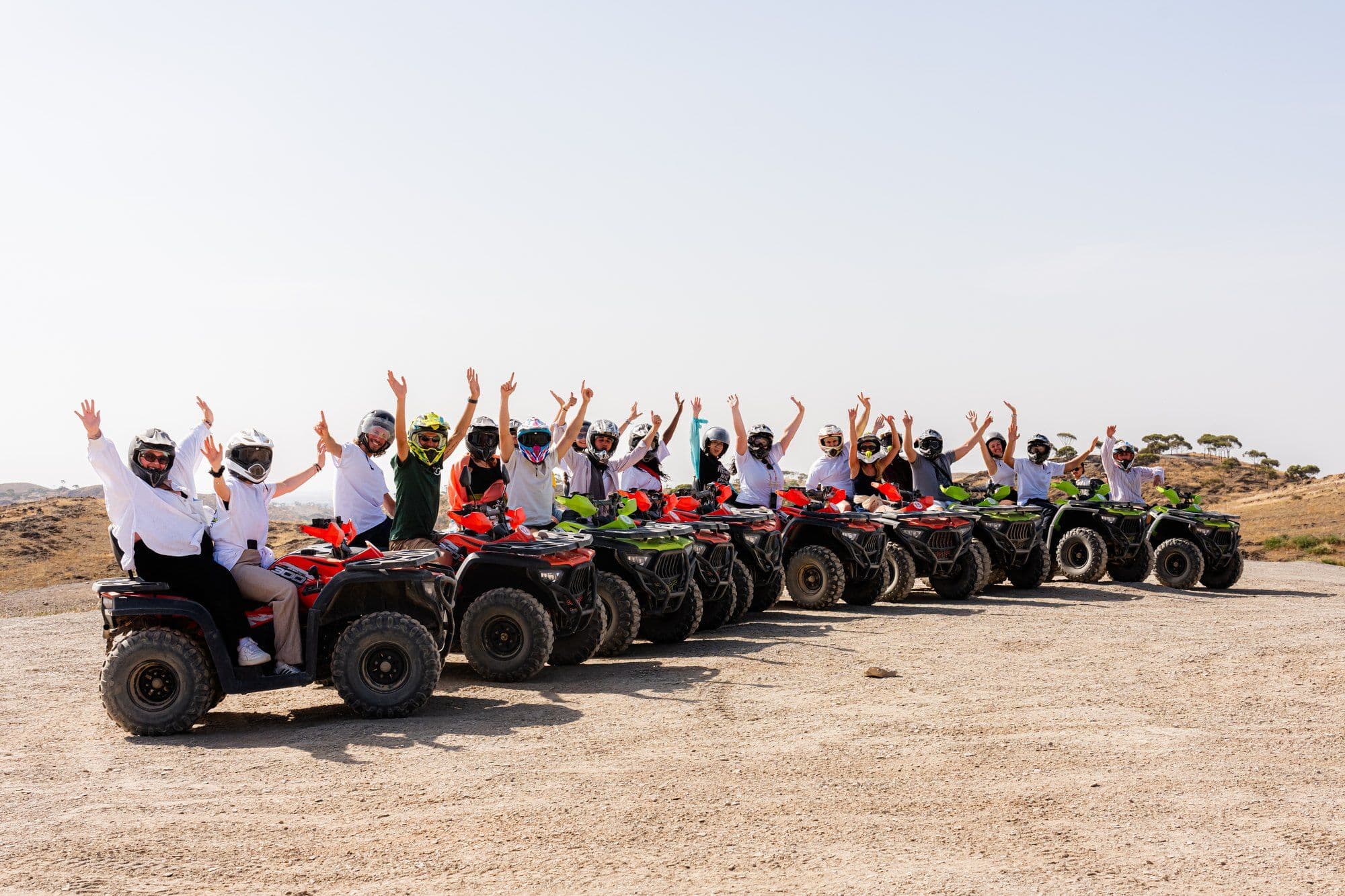
For large groups, team away day games work best when they get people moving, talking, or solving something together without long setup or complicated rules.
Use this shortlist to match the activity to your venue, your group size, and the outcome you want, whether that is quick icebreaking, sharper communication, or a more competitive finish.
Key takeaways
- Large-group options in the mix include human bingo, photo treasure hunt, relay races, balloon stomp, ultimate frisbee, and capture the flag, so you can choose between mingling, movement, and team competition.
- Some activities suit open outdoor space, including relay races, ultimate frisbee, and capture the flag, while others are built for indoor halls or conference spaces such as human battleship and quiz night.
- Several games are designed for smaller teams or rotating sub-groups, including codenames, egg drop challenge, giant Jenga tower build, and human knot, which helps keep everyone involved in bigger gatherings.
- Before booking, check the setup, timing, and instructions: some games need a strict time limit, a central caller or umpire, clear safety planning, or simple materials such as balloons, a grid on the floor, or a blindfolded route.
- The strongest choices are the ones that match the job you want done, from immediate chat and physical energy to trust, focused listening, and quick collaboration.
- For a more social or playful finish, quiz night, improv skits, and murder mystery game bring in competition, creativity, and clue gathering without needing everyone to play in the same way.
The challenge of scale: designing for 50+ participants
When an event gets too big for everyone to have a chat in one circle, the goal changes from intimate conversation to structured, widespread interaction. A large group environment, like a conference centre in Birmingham or a large hall in Manchester, needs activities that can quickly bring in new participants, cut down on waiting time, and ensure every employee, no matter their personality, feels involved.
Good large-group activities have to deal with common scaling problems, like handling noise, making sure instructions are clear, and stopping cliques from forming. By choosing well-structured games for large groups, organisers can manage the complexity and help more people take part.
For managers planning their next big get-together, picking the right activities is crucial. To explore more UK workplace insights and practical strategies, you can read more articles on the Naboo blog.
Engagement scalability
To ensure these work in practice, assess each large-group activity for accessibility, ease of set-up and fit with your goal:
- Accessibility. Can most of the team take part without needing special fitness, preparation, or previous knowledge?
- Ease of set-up. Can the game be explained in under five minutes, and can the activity start quickly, keeping the set-up time short compared to the playing time?
- Fit with your goal. Does the game meet the overall strategic goal (e.g., building trust, improving communication, or just pure fun)?
The 15 games listed below have been chosen because they are accessible, simple to set up and suited to a clear goal, making them reliable choices for major corporate gatherings, whether you're in a hired venue in Leeds or a dedicated events space near Slough.
High-energy movement and icebreakers
1. Human bingo
Human bingo is a classic mingling game that gets people talking straight away by finding colleagues who match the statements on a card.
It works because it encourages people to move beyond the colleagues they already know, making it a low-fuss icebreaker for the start of an event.
Group setup: the whole group together
Best for: kicking off the event and encouraging immediate chat
How to apply: Hand out bingo cards with statements such as “works in a different team”, “speaks another language”, “has lived in another country”, “cycles to work” or “enjoys cooking”. Ask people to move around the room, find colleagues who match each statement and get them to sign the relevant square. Once someone has completed a row, they can call out “bingo” and share a few of the people they met.
2. Photo treasure hunt
Photo scavenger hunt turns the venue or local area into a dynamic playground where teams search for things or scenarios and photograph them on their smartphones.
It works because it pulls large groups out of meeting rooms, asks for quick decisions, and rewards creative thinking as well as speed.
Group setup: small groups, within a strict time limit
Best for: getting large groups into a more active environment
How to apply: Give teams a list of things or scenarios to find and photograph on their smartphones within a strict time limit. Let them work through the list in smaller groups, deciding quickly what to prioritise. Success comes from interpreting the list creatively, not just moving fast.
3. Relay races
Relay races are high-energy team games that use activities like three-legged runs, water bucket transfers, or obstacle courses.
They work because they demand smooth handovers between participants under pressure and bring immediate physical energy to an event.
Group setup: teams, large outdoor space
Best for: injecting physical energy and immediate team coordination
How to apply: Set up the race with clear, safe and balanced challenges. Use a big outdoor space, such as a playing field or a large sports hall. Make sure everyone can contribute, not just the most athletic people.
4. Balloon stomp
Balloon stomp is a simple, high-energy game where each player has a balloon tied to their ankle and tries to burst other players' balloons while protecting their own.
It works because it creates quick movement and bursts of competitive spirit, and it scales well in a crowd.
Group setup: large crowd, 50 or more
Best for: a breather between long sessions or an evening activity
How to apply: Tie a balloon to each player's ankle. Ask everyone to protect their own balloon while trying to burst the others. Keep the action moving and let the group split naturally into smaller skirmishes.
5. Ultimate frisbee
Ultimate frisbee is a non-contact, self-officiated sport that combines elements of football, basketball, and netball.
It works because it balances running and strategy, and its focus on fairness and mutual respect sets a good tone for the office.
Group setup: teams on a large, open field
Best for: an inclusive sport that suits a wide range of abilities
How to apply: Set up play on grass or astro-turf with a large open field. Teams score by catching a Frisbee in the opposing team's end zone. Keep the game self-officiated and non-contact.
Strategic problem-solving challenges
6. Codenames
Codenames is a structured word association game where two teams race to contact all their secret agents first.
It works because it tests clear communication and calculated risk-taking while teams work through ambiguous clues and avoid the Assassin word.
Group setup: small teams of 4 to 8 players
Best for: large venues with multiple small, intense teams
How to apply: Split the group into teams of 4 to 8 players. Give each team a Spymaster who offers one-word clues that link to multiple words on the board. Teams race to identify their secret agents while avoiding the Assassin word.
7. Egg drop challenge
Egg drop challenge asks teams to build a device from limited materials that will protect a raw egg when dropped from a decent height.
It works because it forces quick design choices, resource management, and agreement under time pressure.
Group setup: teams with a short time limit
Best for: creative problem-solving and quick collaboration
How to apply: Give each team a limited kit of materials such as drinking straws, paper clips, and elastic bands. Set a short time limit for building the device. Drop the eggs from a height that suits the safety of the environment and see which designs survive.
8. Human battleship
Human battleship is a scaled-up version of the classic board game where participants act as ships on a large grid marked on the floor.
It works because it combines physical involvement with strategic planning and communication across teams.
Group setup: the whole group in a large indoor space or hall
Best for: large indoor spaces with a central caller or umpire
How to apply: Mark a large grid on the floor and place participants as ships on it. Have teams call out grid coordinates to hit and sink the opponent's ships. Use a central caller or umpire to keep the game coordinated.
9. Giant Jenga tower build
A giant Jenga tower build is a physically scaled-up version of the classic stacking game. Teams take turns carefully removing oversized wooden blocks from the bottom or middle of a large tower and placing them on top without causing a collapse.
It works because the tension ramps up dramatically while the rules stay simple. The challenge needs a steady hand, collaborative decisions on which block to pull, and intense concentration.
Group setup: rotating sub-groups of 5-8 people
Best for: shared focus and tension
How to apply: Set up several towers side by side. Put teams into rotating sub-groups of 5-8 people. Take turns removing oversized wooden blocks from the bottom or middle and placing them on top. Keep going without causing a collapse.
10. Quiz night
Trivia night is a dependable activity that scales effortlessly, suitable for any corporate event, regardless of the weather or venue size, from a pub function room to a major conference suite. Teams answer general knowledge or company-specific questions across multiple rounds.
It works because it is relaxed but still competitive. Keeping teams to 6-8 people helps stop a few members from dominating, and rounds on company culture or obscure facts about the leadership team can level the playing field and push collaboration.
Group setup: teams of 6-8 people
Best for: a relaxed, competitive evening
How to apply: Run multiple rounds of general knowledge or company-specific questions. Keep teams to 6-8 people so everyone gets involved. Include rounds on company culture or obscure facts about the leadership team. Use the format in a pub function room or a major conference suite.
Trust and collaboration builders
11. Human knot
Human knot starts with participants standing in a tight circle and reaching across to hold the hands of two non-adjacent people, creating a massive knot. The group then has to untangle themselves without letting go, ideally ending in a large, unbroken circle.
It works because it quickly highlights teamwork issues such as impatience or rushing to solutions. The physical barrier breaks down fast, which makes it effective for building immediate team trust and psychological safety in smaller sub-groups.
Group setup: smaller sub-groups of 20-30 people
Best for: immediate team trust and psychological safety
How to apply: Have everyone stand in a tight circle. Ask each person to hold the hands of two non-adjacent people. Work together to untangle the knot without letting go. Aim to finish in a large, unbroken circle.
12. Improv skits
Improv skits give small groups spontaneous scenarios or prompts and ask them to create and perform a short sketch for the larger audience. The core rule is Yes, and, meaning participants must accept and build upon every idea proposed by their teammate.
It works because it helps with adaptability and reduces nerves about presenting. It also encourages creative thinking under pressure and creates a supportive environment where having a go, even if it fails, is celebrated.
Group setup: small groups
Best for: adaptability and reducing nerves about presenting
How to apply: Give each group a spontaneous scenario or prompt. Ask them to create and perform a short sketch for the larger audience. Keep the rule Yes, and, so each idea is accepted and built on. Let the rest of the firm watch and cheer on the risks taken by their peers.
13. Blindfold maze challenge
Blindfold maze challenge has one team member blindfolded and navigating a simple obstacle course using chairs, traffic cones, or rope. They rely solely on the precise verbal instructions given by a sighted partner or team.
It works because it is an intense exercise in precise articulation and focused listening. The blindfolded person has to trust the instructions, and the guide has to trust the listener's interpretation, making it a high-stakes test of mutual reliance.
Group setup: one blindfolded person with a sighted partner or team
Best for: precise articulation and focused listening
How to apply: Set up a simple obstacle course using chairs, traffic cones, or rope. Blindfold one team member and have them navigate using only verbal instructions. Make sure the course is designed to prevent trips or injuries. Keep the instructions precise and the listening focused.
14. Capture the flag
Capture the flag divides the entire group into two teams, each tasked with infiltrating the enemy territory to retrieve their flag while defending their own. It combines physical activity with complex strategic defence and attack planning.
It works because leaders have to step up, roles need to be assigned, and strategy has to evolve in real time. It is especially effective when the venue allows for expansive outdoor play, promoting leadership and cross-functional coordination under dynamic pressure.
Group setup: the entire group split into two teams
Best for: expansive outdoor play
How to apply: Split the entire group into two teams. Assign roles such as attackers, defenders, and messengers. Have each team infiltrate the enemy territory to retrieve their flag while defending their own. Let strategy evolve in real time as the game unfolds.
15. Murder mystery game
Murder mystery game gives participants specific roles such as suspects, detectives, and witnesses within a pre-written scenario. They spend a designated period gathering clues, questioning others, and collaborating in teams to solve a fictitious crime.
It works because it drives high engagement and complex critical thinking. The game relies on observation, logical deduction, and the persuasive articulation of theories, making it an intellectually challenging and social large group game.
Group setup: groups of 20 to 50 people
Best for: a 60- to 90-minute social challenge
How to apply: Assign specific roles within a pre-written scenario. Let participants gather clues, question others, and collaborate in teams. Give them a designated period to solve the fictitious crime. Keep the group size within 20 to 50 people.
Common pitfalls in large group game selection
Successfully running games for large groups is often about avoiding common organisational mistakes. The jump from planning to execution is where events can fail to deliver on their promise of engagement.
Mistake 1: ignoring the "introvert factor"
Many organisers rely exclusively on loud, high-energy, public-facing activities. This can alienate introverted or less physically inclined staff, causing them to withdraw. Fix: Make sure the programme is balanced. Pair high-energy games (like Capture the Flag) with quiet, mentally focused games (like Codenames or Trivia) that allow introverts to chip in without forcing them into the spotlight.
Mistake 2: insufficient set-up and referees
The larger the group, the more critical the clarity of instructions and enforcement of rules becomes. Ambiguity leads to chaos, frustration, and staff eventually giving up. Fix: Appoint dedicated, enthusiastic facilitators (or 'referees') for every 20-30 participants. These people must be trained to clearly explain rules, manage disputes fairly, and keep energy levels high throughout the activity.
Mistake 3: overlooking venue logistics
A brilliant game in theory can be scuppered by a bad venue choice. Trying to run a highly physical game indoors or a high-tech game with iffy Wi-Fi is a recipe for disaster. Fix: Always match the game's practical requirements (space, acoustics, tech needs) to the available facilities. If you are planning a large-scale event: perhaps in the Scottish Highlands or a rural venue: review the criteria for successful event planning.
Measuring success: beyond just having fun
While enjoyment is the immediate aim, the true success of team games for large groups is judged by their long-term impact on how the workplace functions.
Short-term metrics (immediate feedback)
- Participation rate: Did nearly all eligible team members take part in at least one game?
- Energy levels: Observe the mood: was there sustained laughter, cheering, and genuine involvement?
- Cross-functional interaction: Did you observe teams forming organically that mixed members from different departments or seniority levels?
Long-term metrics (post-event impact)
- Post-event survey data: Include specific questions rating the sense of connection and collaboration post-event (e.g., "I feel I understand my colleagues better," or "I am more comfortable approaching cross-functional peers").
- Team cohesion scores: If the company uses regular organisational health surveys, look for measurable, positive shifts in collaboration scores or self-reported psychological safety in the 30-90 days following the event.
- Observable behaviour change: Do staff keep the collaborative behaviours they learned? For example, are they more likely to volunteer ideas or build on a colleague's suggestion in routine meetings?
Where to host team games for large groups
The venue decides which team games work for a large group, from open-plan spaces to outdoor settings. Each idea below includes a real Naboo venue that fits the format.
A hotel with flexible event rooms
A hotel with flexible event rooms suits team games because you can split people into small groups, move quickly between rounds, and keep the energy up without leaving the building. Human bingo works well in a lounge or breakout room, while codenames needs just enough space for teams to talk, think, and reset between turns.
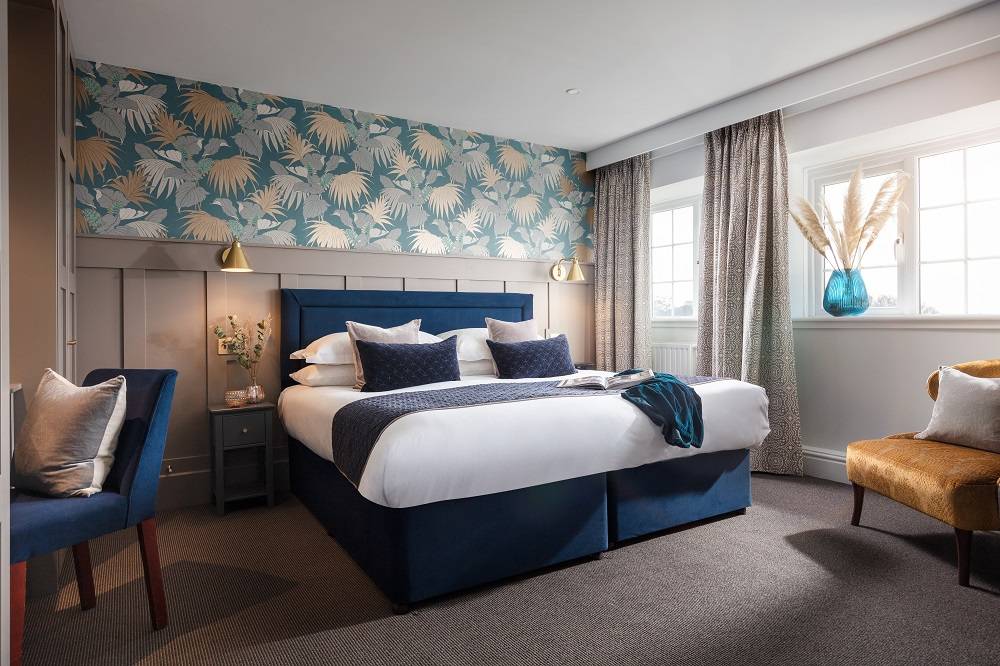
Budock Vean Hotel & Spa is in Mawnan Smith, England. It has flexible event rooms for corporate events, with named spaces including the Helford Lounge, Country Club Room, Pendennis or Trelissick Lounge, and the Restaurant.
A private estate with lawns and space to roam
A private estate with lawns and room to roam suits team games that need movement, clear sightlines, and a bit of friendly chaos. Relay races work well across open ground, and human battleship needs space for teams to spread out, call instructions, and keep the pace lively without crowding each other.
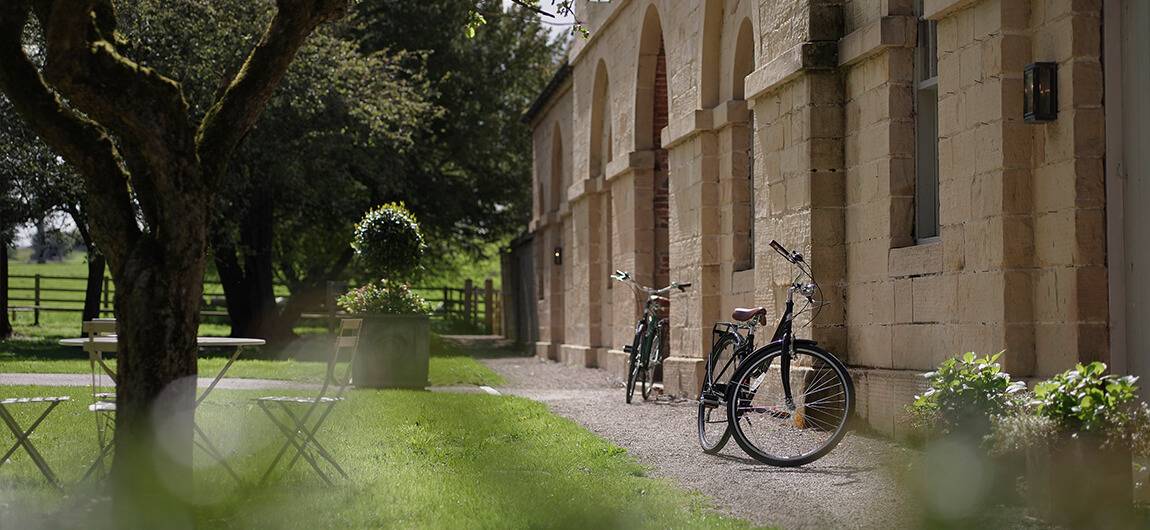
Middleton Lodge Estate is a Georgian estate in Middleton Tyas, England, set in the North Yorkshire countryside near Richmond. It spans over 200 acres of scenic grounds and offers a tranquil setting for corporate gatherings and retreats.
Rather not organise it all yourself? With Naboo you find and book venues and activities for your team in one place. Clients rate the events they organise with Naboo 4.6 out of 5 on average (2,970 rated events, 96% gave 4 or 5 stars).
Frequently asked questions
How do I choose the right team game for a large group?
Choose a game that is easy to scale, quick to explain, and aligned to your goal. Look for accessibility, actionability and alignment, so a strong option lets most of the team take part, can be explained quickly, and fits the outcome you want, whether that is trust, communication or pure fun.
Which team games work best for large groups?
Games that split a big crowd into smaller teams or localised rounds work best. Trivia night, Codenames, Balloon Stomp, Human Battleship and Giant Jenga all scale well because they keep people active, reduce waiting time and make it easier for everyone to stay involved.
How do I run a large group game well?
Keep instructions clear, start quickly and make sure the activity is structured enough to handle noise and stop cliques forming. Large groups need activities that bring in new participants fast and keep setup time short compared with playing time, so the energy stays up.
What group size should I plan for?
Large-group activities are designed for 50+ participants, and some games work best when they break into smaller sub-groups. Codenames works well in teams of 4 to 8, Trivia is ideal at 6-8 people, Giant Jenga suits rotating sub-groups of 5-8, and Human Knot is most effective in smaller sub-groups of 20-30 people.
Can team games work for remote or hybrid teams?
Yes, with a format that gives remote participants a clear role and keeps interaction structured. For online teams, run quiz rounds in a shared call with answers submitted through chat or a simple form, or use a virtual Codenames-style word grid on a shared screen. For hybrid teams, split people into mixed breakout rooms, give each group the same prompt, and bring everyone back together for short debriefs so both in-room and remote participants can contribute.
How do I make sure everyone gets involved?
Pick activities that do not depend on special fitness, preparation or previous knowledge, and avoid letting a few people dominate. Human Bingo, Scavenger Hunts, Egg Drop planning and Trivia all help because they create room for different strengths, from one-to-one chat to strategy and shared problem-solving.