
Company incentive trips work when they are tied to a clear goal, fair eligibility, and a destination that feels worth the effort. Use them to reward performance, support retention, and give people a reason to keep pushing. Plan them around what you want to change, then choose the right mix of access, downtime, and recognition.
Key takeaways
- Clear goals and eligibility criteria set the purpose first, then make the earning criteria easy to explain and defend across the business.
- High-value destinations such as the Cotswolds and the Scottish Highlands can feel more rewarding than a standard city hotel when the setting feels private and memorable.
- Exclusive access matters when a private venue, a historic house opened only for the group, or a dinner with a local chef gives the trip a stronger sense of occasion.
- Balanced itinerary keeps the trip from feeling like work by mixing structured moments with genuine downtime, so people can relax and talk naturally.
- Celebrating success through an awards dinner gives the business a clear moment to recognise wins, share success stories, and say thank you publicly.
- Careful travel management and local expertise help the group settle in quickly, keep the plan easy to follow, and bring a stronger sense of place through local shops, suppliers, and guides.
1. Clear goals and eligibility criteria
The first step is to decide exactly why the trip exists. It may be designed to drive sales, keep key staff, or reward wider performance across the business.
Once the goal is clear, the criteria for earning the trip become easier to explain and defend. People work harder when they understand what success looks like, and managers can use the trip to reinforce where the company is heading next.
Group setup: the whole team at once
Best for: setting the purpose and eligibility for the trip
How to apply: Decide exactly why the trip exists before anything else. Use that goal to set the criteria for earning it. Make sure the criteria are easy to explain and defend. Use the trip to reinforce where the company is heading next.
2. High-value destinations
The right location gives the trip its energy. In 2026, many teams are looking beyond standard city hotels and towards quieter places that feel private and memorable.
A luxury spa retreat in the Cotswolds or a rugged break in the Scottish Highlands can feel far more rewarding than a familiar business destination. The point is not distance for its own sake. It is choosing somewhere that reflects the effort people have put in.
Group setup: the whole group
Best for: making the reward feel worth the effort
How to apply: Choose somewhere that feels private and memorable rather than a standard city hotel. Use a location that reflects the effort people have put in. Focus on the feeling the place creates, not distance for its own sake.
Where to do it: Worsley Park Marriott Hotel & Country Club (Worsley). It suits high-value destinations with its refined countryside setting near Manchester, luxury accommodation and stylish event space.
3. Exclusive access
Exclusive hire changes the tone of the whole experience. A private venue, a historic house opened only for the group, or a dinner with a local chef gives the trip a sense of occasion that a standard booking cannot match.
These touches make the reward feel personal. They also help the group feel looked after from the moment they arrive, which is exactly what a strong incentive trip should do.
Group setup: the whole group with exclusive hire
Best for: creating a more personal, occasion-led trip
How to apply: Use a private venue, a historic house opened only for the group, or a dinner with a local chef. Build in touches that make the reward feel personal. Make sure the group feels looked after from the moment they arrive.
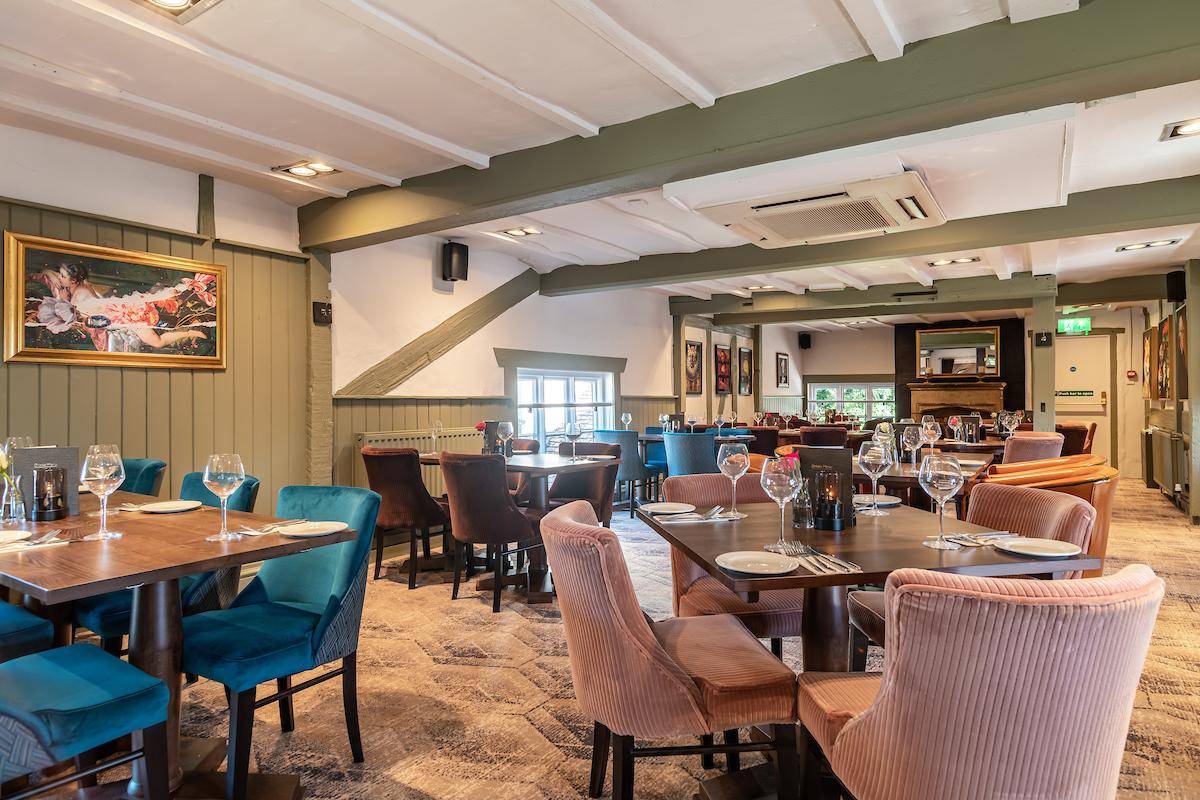
Where to do it: The Queen & Castle. The Upstairs Private Dining Room is available for exclusive hire, making it well suited to private events.
4. Balanced itinerary
A good itinerary leaves room to breathe. If every hour is filled with meetings, workshops, and formal sessions, the trip starts to feel like work in a different setting.
The better approach is to mix a few structured moments with genuine downtime. That gives people space to relax, talk naturally, and enjoy the setting. When the balance is right, they return refreshed rather than drained.
Group setup: the whole group across the itinerary
Best for: keeping the trip rewarding rather than work-like
How to apply: Mix a few structured moments with genuine downtime. Do not fill every hour with meetings, workshops, and formal sessions. Leave space for people to relax, talk naturally, and enjoy the setting.
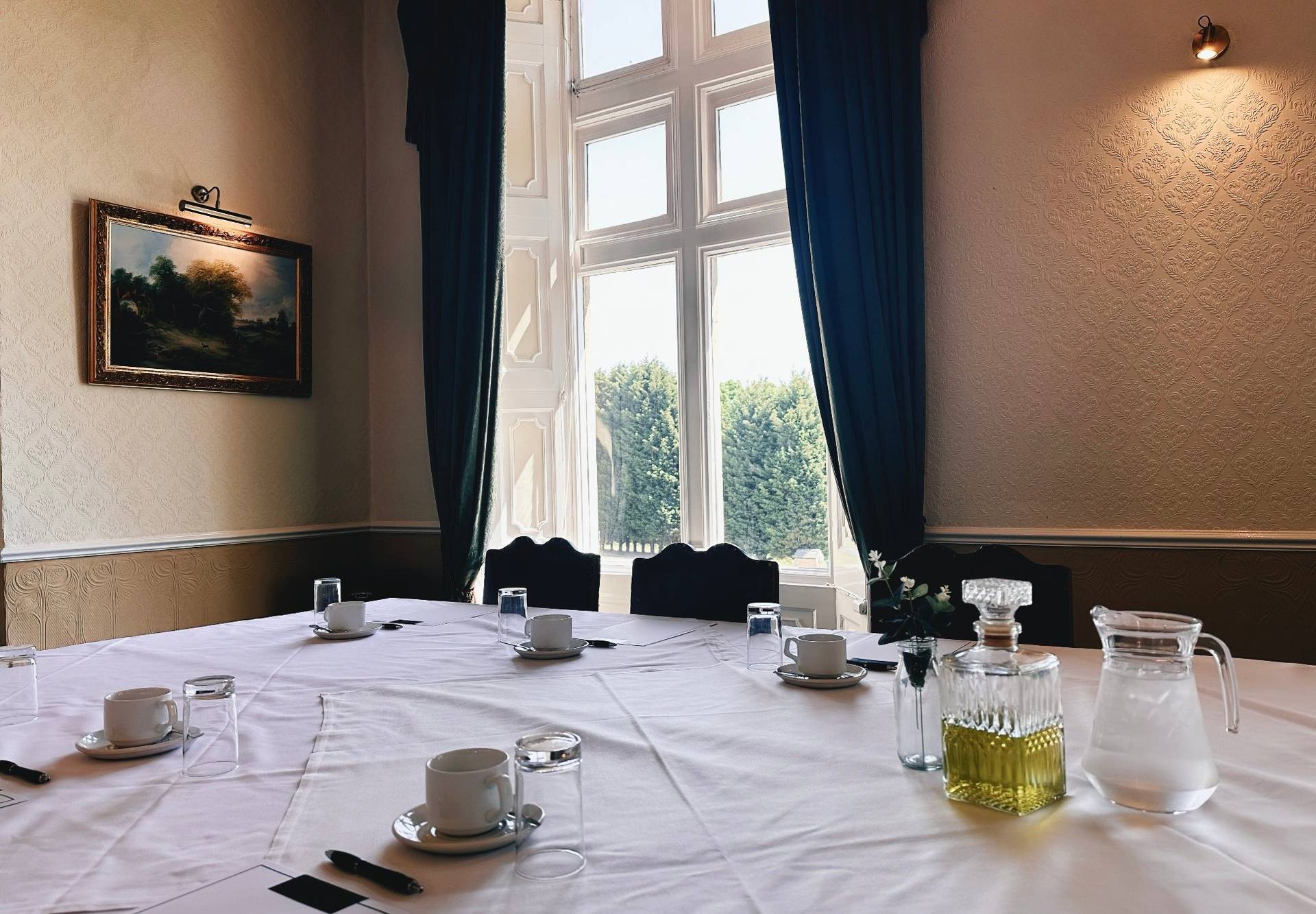
Where to do it: Cave Castle Hotel (South Cave). It suits a balanced itinerary because it combines modern conference facilities with leisure options such as a health club and golf course.
5. Celebrating success
A well-planned awards dinner can be the emotional centre of the trip. It gives the business a chance to recognise individual wins, share success stories, and say thank you in a way that feels public and sincere.
This is especially effective when the trip is tied to sales or performance targets. Celebration turns the reward into something people remember, and it gives everyone a clear reason to aim higher next time.
Group setup: the whole group at an awards dinner
Best for: recognising wins and linking the trip to performance
How to apply: Plan an awards dinner as the emotional centre of the trip. Use it to recognise individual wins, share success stories, and say thank you publicly. Tie it to sales or performance targets when that fits the trip.
Where to do it: The Witchery. Its historic dining rooms and reception spaces suit an awards dinner or recognition meal.
6. Careful travel management
The small details shape the experience more than most planners expect. Smooth train journeys, airport transfers, a welcome gift in the room, and clear information about the plan all help the group settle in quickly.
Dietary needs should be checked early, and the itinerary should be easy to follow. When the logistics are handled properly, the team can focus on the trip itself instead of the admin around it.
Group setup: the whole group
Best for: reducing friction and helping people settle in quickly
How to apply: Arrange smooth train journeys, airport transfers, a welcome gift in the room, and clear information about the plan. Check dietary needs early. Keep the itinerary easy to follow so the team can focus on the trip itself.
7. Local expertise
Working with local experts can make the experience feel more authentic. Local shops, suppliers, and guides bring a sense of place that a generic package often lacks.
It also supports a more responsible approach to planning, which matters to many employee recognition programmes now. Bringing local culture into the trip makes the reward feel richer and more connected to the destination.
Group setup: the whole group with local suppliers and guides
Best for: making the trip feel authentic and grounded in place
How to apply: Work with local experts rather than relying on a generic package. Bring in local shops, suppliers, and guides. Use local culture to make the reward feel more connected to the destination.
Where to do it: Dùthchas. It works closely with local farmers, suppliers and producers across the Scottish isles to showcase seasonal Scottish ingredients.
8. Post-trip review of results
The value of the trip should not be judged only by how people felt on the day. Managers need to look at retention, performance, and engagement in the months that follow.
That gives a clearer picture of whether the investment paid off. If the trip helps people stay longer and perform better, it is doing more than creating a nice memory. It is supporting the business in a measurable way.
Group setup: the whole business after the trip
Best for: checking whether the trip paid off
How to apply: Look at retention, performance, and engagement in the months that follow. Do not judge the trip only by how people felt on the day. Use those measures to see whether it helped people stay longer and perform better.
9. Tracking reward and retention
Trips can have a long after-effect when they are done well. People often come back with a stronger sense of loyalty and a better view of the company.
That matters because recognition is not only about the moment itself. It is about how staff feel when the pressure returns. A trip that leaves people feeling valued can keep motivation high long after they are home.
Group setup: the whole team at once
Best for: building loyalty and motivation after the trip
How to apply: Make the trip feel like genuine recognition, not just a day out. Choose experiences that leave people feeling valued when they return. Keep the focus on how the trip will land once normal pressure is back.
Keep the core principles in mind
A simple planning structure helps keep the trip on track. Purpose means knowing the goal. Access means offering something people could not easily arrange for themselves.
Connection means using the trip to bring different parts of the business together. Evaluation means checking whether the trip improved performance and culture. Taken together, these four points keep the programme focused on results rather than just appearances.
Group setup: the whole programme
Best for: keeping the trip focused on results
How to apply: Start by defining the goal. Then make sure the experience offers access people would not easily arrange for themselves. Use the trip to connect different parts of the business, and check whether it improved performance and culture.
A London fintech example shows the approach
A fast-growing London fintech company used an incentive trip to improve how its developers and sales staff worked together. It opened the reward to top developers as well as sales performers, then booked a private estate in the Peak District.
The trip centred on guided hiking and local food tasting instead of formal meetings. That approach helped the group connect in a more natural setting and showed how a trip can solve a real business problem.
Group setup: developers and sales staff
Best for: improving cross-team working
How to apply: Open the reward to the people whose working relationship you want to improve. Choose a setting that supports natural connection rather than formal meetings. Build the trip around shared activities that fit the business problem you want to solve.
Keep the trip tied to business value
One common mistake is assuming these trips are just a luxury break with a business label attached. They are not. They are a tool for recognition, motivation, and retention.
Another mistake is thinking the trip must involve a long-haul flight to feel special. A well-chosen UK destination with exclusive access can be more effective than a badly organised trip abroad. The value lies in the design, not the mileage.
Group setup: the whole team at once
Best for: avoiding a luxury-only approach
How to apply: Treat the trip as a tool for recognition, motivation, and retention. Do not default to long-haul travel if a UK destination with exclusive access fits better. Focus on the quality of the design rather than the distance.
10. Eligibility across teams
Trips work better when they are not reserved only for a small top tier. Sales teams may still be the most obvious group to reward, but other departments can also earn a place through collaboration, problem-solving, or new ideas.
Broadening access lifts morale across the office and makes the programme feel fairer. It also gives more people a reason to stay engaged throughout the year.
Group setup: more than one team
Best for: raising morale and fairness across the office
How to apply: Open the reward beyond sales if other teams have contributed through collaboration, problem-solving, or new ideas. Make the criteria clear so the programme feels fairer. Keep the offer visible through the year so more people have a reason to stay engaged.
11. Return-focused budgeting
A sensible budget starts with the return the business expects. One option is to tie the spend to a small share of the extra revenue the team has brought in, so the investment stays connected to performance.
That approach makes it easier to justify the trip internally and helps keep the programme focused on results. The aim is not to spend for the sake of it. It is to spend in a way that supports growth.
Group setup: the whole programme
Best for: linking spend to performance
How to apply: Set the budget against the return you want from the trip. If it fits your business, tie spend to a small share of the extra revenue the team has brought in. Use that link to justify the trip internally and keep the programme tied to growth.
Resolve common questions before booking
For some teams, a four- or five-day trip gives people enough time to enjoy the experience without being away too long. Smaller businesses can still run group trips by choosing a local option with strong quality.
Incentive planning also differs from normal event planning because it centres on the guest and the recognition experience, not just the agenda. And while cash is useful, travel creates shared memories that a one-off bonus cannot match.
Group setup: the whole group, or a smaller business choosing a local option
Best for: answering common planning questions before booking
How to apply: Use four to five days as the reference point if that suits the trip. If you are a smaller business, choose a local option with strong quality. Plan around the guest and the recognition experience, not just the agenda.
Frequently asked questions
How can you maximise corporate incentive trips without making them feel forced?
Set a clear purpose, choose a destination that feels special, and leave room for recognition, rest, and practical planning. The strongest programmes do not rely on a packed agenda or a flashy hotel alone.
How do you choose the right destination for a corporate incentive trip?
Choose somewhere that feels private and memorable rather than a standard city hotel. The point is not distance for its own sake, but a location that reflects the effort people have put in.
How do you run a corporate incentive trip well?
Keep the schedule balanced, handle travel details early, and make time to celebrate success. Mix a few structured moments with genuine downtime, check dietary needs early, and use an awards dinner to recognise wins and say thank you publicly.
What group size works best for a corporate incentive trip?
The right group setup depends on the purpose, and the text points to several useful formats. You can run it with the whole team at once, the whole group with exclusive hire, more than one team, or specific groups such as developers and sales staff.
How do you plan an incentive trip for remote or hybrid teams?
Use the trip to bring different parts of the business together and build connection in a setting that supports natural conversation. Shared activities, local experts, and time away from formal meetings help people connect properly.
How do you know if a corporate incentive trip has worked?
Measure retention, performance, and engagement in the months that follow, not just how people felt on the day. A trip has worked if it helps people stay longer, perform better, and feel more loyal when normal pressure returns.