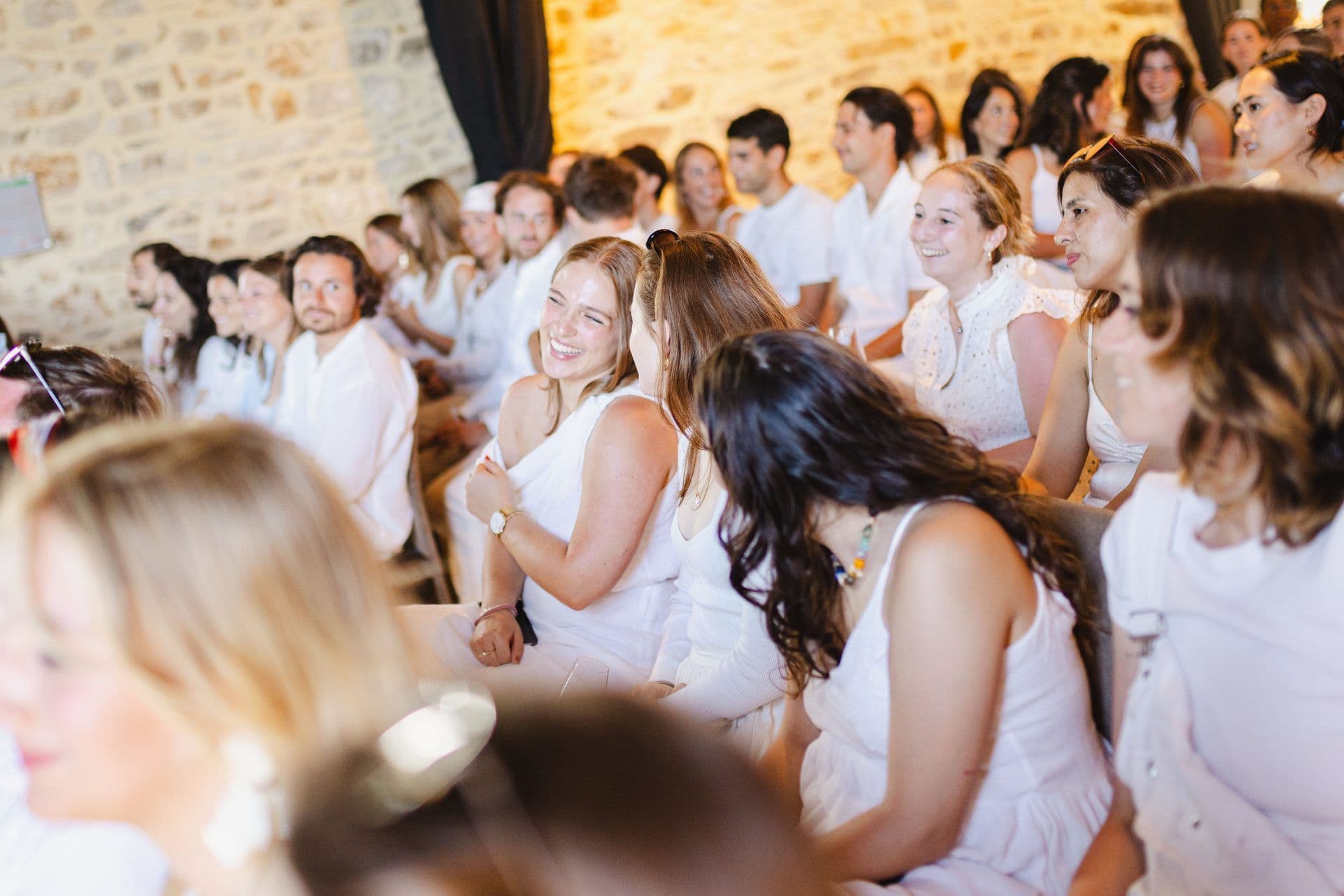
These company event ideas give planners a clear way to match the format to the outcome, whether the goal is rapport, problem-solving, or a reset away from the office.
Use them to choose between hands-on, outdoor, remote, and retreat-style formats, then check the practical details that matter before you book: location, setup, facilitation, and any safety or equipment needs.
Key takeaways
- Collaborative culinary workshop, immersive puzzle challenge, and structured innovation sprint all work with the whole team at once, while distributed reality gaming session and remote mystery box experience suit remote teams that need active participation rather than a standard online meeting.
- Custom geocaching adventure, multi-location scavenger hunt, and cross-time zone relay project show how company event ideas can connect people across places, from local routes and hybrid tasks to a 24-hour handoff across regions.
- Highland leadership immersion, coastal team games day, essential skills wilderness training, and holistic recharge getaway cover outdoor and retreat-style formats, with places such as the Scottish Highlands, the Lake District, Brighton, and Tynemouth named in the text.
- Before booking, check the setup that each format needs: guided facilitation, clear task sequencing, time pressure, safety planning, activity levels that suit different abilities, and whether the event should include remote kits, live chefs, or a digital platform.
- The strongest choices are tied to a clear purpose, whether that is building rapport, seeing how people solve problems together, solving a real business problem, or giving the team a shared challenge with practical value.
1. Collaborative cookery workshop
This hands-on cookery session works best as an in-person activity, where teams share a kitchen, divide tasks, and coordinate around limited space and equipment.
Guided by a professional, participants prepare complex dishes together and see how quickly roles emerge. The format encourages clear communication, practical problem-solving, and trust, while keeping the atmosphere relaxed and sociable.
Group setup: the whole team at once, in the same venue
Best for: cross-functional groups building rapport
How to apply: Bring the group into a guided cookery session with a professional leading the process. Give people dishes that require shared preparation, timing, and coordination, so they need to communicate clearly and work together from start to finish.
2. Immersive puzzle challenge
This escape-room-style challenge pushes teams to think fast and speak clearly when the clock is running.
The pressure is real, but the risk is low, which makes it useful for spotting how people solve problems together. Quieter colleagues often contribute in surprising ways, especially when the group needs logic rather than volume. A short debrief afterwards helps teams see where communication helped and where it stalled.
Group setup: the whole team at once
Best for: seeing how people solve problems together
How to apply: Set up an escape-room-style challenge with time pressure and low risk. Let the group work through the puzzle while you watch how they communicate and solve problems. Finish with a short debrief on where communication helped and where it stalled.
3. Structured innovation sprint
This is a focused workshop for solving a real business problem in a short burst of time.
Rather than building around technology alone, the sprint can tackle internal processes or the customer journey, with mixed groups from different departments and seniority levels. That mix matters. It forces fresh thinking and creates a sense of shared ownership over the outcome. The result should be practical, not theoretical.
Group setup: mixed groups from different departments and seniority levels
Best for: solving a real business problem
How to apply: Choose a real business problem and run a focused workshop around it. Bring together people from different departments and seniority levels so the group can approach the issue from different angles. Keep the work practical and aim for an outcome that can be used, not just discussed.
4. Bespoke geocaching adventure
This outdoor route turns local knowledge, navigation, and clue-solving into a team exercise.
Each stage can include company references or internal trivia, which gives the activity a personal edge. Because success depends on different strengths, it works well for groups that need to see one another beyond job titles. It is also one of the more budget-friendly options, especially in places like the Peak District or the outskirts of Manchester.
Group setup: the whole team at once
Best for: groups that need to see one another beyond job titles
How to apply: Build an outdoor route with stages that use local knowledge, navigation, and clue-solving. Add company references or internal trivia at each stage to give it a personal edge. Use the activity in places like the Peak District or the outskirts of Manchester if you want a more budget-friendly option.
5. Purpose-led volunteering day
This is a strong choice when you want the team to do something useful together, not just spend time together.
Supporting a food bank, joining a National Trust conservation project, or helping a local charity gives the day a clear social purpose. It also strips away hierarchy. People work side by side, which can be especially powerful when the project links back to the company's own mission or values.
Group setup: the whole team at once
Best for: doing something useful together
How to apply: Choose a service day with a clear social purpose, such as supporting a food bank, joining a National Trust conservation project, or helping a local charity. Put people to work side by side rather than in separate roles. If it fits, connect the project back to the company's own mission or values.
6. Remote reality game session
This remote-friendly format uses VR or collaborative gaming platforms to create a shared space that video calls cannot match.
Participants put on headsets and solve problems together in a digital environment, which helps reduce distance between colleagues who rarely meet in person. It is a good fit for global teams that need a lively, interactive session rather than another standard online meeting. The shared challenge keeps people engaged from start to finish.
Group setup: global teams
Best for: a lively, interactive session
How to apply: Use VR or a collaborative gaming platform to create a shared digital space. Have participants put on headsets and solve problems together in that environment. Choose this when you want a lively session that feels different from a standard online meeting.
7. Multi-location treasure hunt
This hybrid activity links people in different places through coordinated tasks that must be completed at the same time.
Some work happens online, such as research and planning, while other parts happen on the ground, such as photography or execution. The format makes interdependence impossible to ignore. That is what gives it value for hybrid teams, because success depends on clear communication between physical and virtual participants.
Group setup: hybrid teams across multiple locations
Best for: clear communication between physical and virtual participants
How to apply: Set up coordinated tasks that people in different places have to complete at the same time. Split the work between online tasks such as research and planning and on-the-ground tasks such as photography or execution. Keep the group linked closely so the interdependence stays visible throughout.
8. Synchronised cook-along session
This is the global version of a cooking class, with everyone receiving the same kit and following a live chef online.
It creates a shared sensory experience even when people are spread across time zones. The atmosphere is relaxed, which makes it useful for teams that need a lighter touch and a more social setting. It also works well when the aim is to celebrate cultural diversity without forcing formal discussion.
Group setup: teams spread across time zones
Best for: a lighter touch and a more social setting
How to apply: Send everyone the same kit and bring them together with a live chef online. Keep the atmosphere relaxed so the session feels social rather than formal. Use it when you want to celebrate cultural diversity without pushing formal discussion.
9. Remote mystery box experience
This event gives each team a physical box filled with coded messages, artefacts, and tactile clues that connect to a digital platform and a live facilitator.
The mix of physical and online elements keeps remote participants involved in a way that feels active rather than passive. It suits teams that enjoy investigation and shared problem-solving. Because the clues need to be pieced together collectively, it naturally rewards careful coordination.
Group setup: teams with a physical box, digital platform and live facilitator
Best for: remote teams that enjoy investigation and shared problem-solving
How to apply: Give each team a physical box filled with coded messages, artefacts, and tactile clues. Connect the box to a digital platform and a live facilitator. Let the group piece the clues together collectively. Keep the focus on careful coordination.
10. Cross-time-zone relay project
This 24-hour format passes one strategic project from region to region as each team finishes its working day.
The handoff becomes the point. Teams need to leave clear notes, flag risks, and keep momentum alive for the next group. It is a practical way to show how global collaboration really works, especially in organisations with offices across multiple time zones. The event also highlights the value of disciplined transitions.
Group setup: 24-hour format across regions
Best for: organisations with offices across multiple time zones
How to apply: Pass one strategic project from region to region as each team finishes its working day. Make the handoff the point of the exercise. Ask teams to leave clear notes, flag risks, and keep momentum alive for the next group. Keep the transition disciplined so the next team can pick up cleanly.
11. Highland leadership immersion
This multi-day retreat in the Scottish Highlands combines physical challenge with reflection.
Hikes or climbing sessions are paired with structured conversations about leadership and resilience, giving the experience both energy and depth. Taking people out of the usual work setting helps them speak more openly and see one another differently. Safety planning matters, as do activity levels that suit different abilities.
Group setup: multi-day retreat in the Scottish Highlands
Best for: teams that need space for leadership and resilience conversations
How to apply: Choose suitable Highland routes or climbing sessions, then build in guided reflection time around leadership and resilience. Keep the pace inclusive, plan safety carefully, and allow enough quiet time for people to step back from day-to-day work.
12. Coastal team games day
This friendly competition on a beach or shoreline brings movement, strategy, and a change of scenery into one day.
Activities can include sandcastle engineering, relay races, and other team challenges that feel playful without being trivial. It works well near places like Brighton or Tynemouth, where the setting adds to the mood. The format is especially useful for groups that want physical activity without making the day too intense.
Group setup: a beach or shoreline day
Best for: groups that want physical activity without making the day too intense
How to apply: Run the day on a beach or shoreline. Include sandcastle engineering, relay races, and other team challenges. Keep the tone playful without making it trivial. Use the setting near places like Brighton or Tynemouth to add to the mood.
13. Essential wilderness skills training
This outdoor training session focuses on practical survival skills such as shelter building, navigation, and water purification.
Guided by experts, it strips away job titles and asks people to rely on basic problem-solving and immediate resource management. That shift can be surprisingly effective for bonding. The shared challenge of learning something unfamiliar gives the group a clear sense of progress and mutual support.
Group setup: an outdoor training session
Best for: teams that want bonding through unfamiliar shared challenge
How to apply: Focus the session on shelter building, navigation, and water purification. Guide the group with experts. Strip away job titles and ask people to rely on basic problem-solving and immediate resource management. Let the shared challenge create a clear sense of progress and mutual support.
14. Holistic wellbeing retreat
This wellness retreat is built around mindfulness, nutrition workshops, yoga, and stress management.
The aim is not just a pleasant break, but habits people can carry back into work. That makes it a good fit for organisations that want to show a real commitment to long-term well-being. It suits teams that need space to reset, especially after a demanding period or before a busy season.
Group setup: a wellness retreat
Best for: teams that need space to reset after a demanding period or before a busy season
How to apply: Build the retreat around mindfulness, nutrition workshops, yoga, and stress management. Keep the aim on habits people can carry back into work. Use it for organisations that want to show a real commitment to long-term well-being. Choose it when the team needs space to reset.
15. Strategic endurance navigation challenge
This navigation challenge asks teams to move through a complex course with maps and compasses while adapting to changing conditions.
It is less about speed than judgement, resource allocation, and steady decision-making under pressure. That makes it a strong mirror of business life, where the best route is rarely the obvious one. The event suits teams that need to practise resilience and think on their feet together.
Group setup: a navigation challenge with maps and compasses
Best for: teams that need to practise resilience and think on their feet together
How to apply: Set the group moving through a complex course with maps and compasses. Ask them to adapt to changing conditions as they go. Keep the focus on judgement, resource allocation, and steady decision-making under pressure. Let the course mirror the fact that the best route is rarely the obvious one.
Measuring success
The value of a company event shows up after the day itself, so measurement should go beyond attendance and a quick satisfaction score. The article's approach uses three angles: connection, creation, and retention. Track how often departments communicate after the event, whether ideas move into action, and whether engagement or turnover changes over the following months. A good event should leave a trace in how people work, not just in how they felt on the day.
Where to host company events
The venue should support the kind of company event you are planning, whether that is a focused workshop, a leadership immersion, a wellbeing retreat or a structured innovation sprint. The example below shows how to pair a residential setting with a retreat-style format.
A venue for a holistic wellbeing retreat
A countryside manor suits a holistic wellbeing retreat because it gives teams space to step away from daily routines, combine guided sessions with quieter moments, and spend time together without the feel of a standard meeting room. It can also work for a leadership immersion or structured innovation sprint when the agenda benefits from privacy, shared living space and time to reflect between sessions.
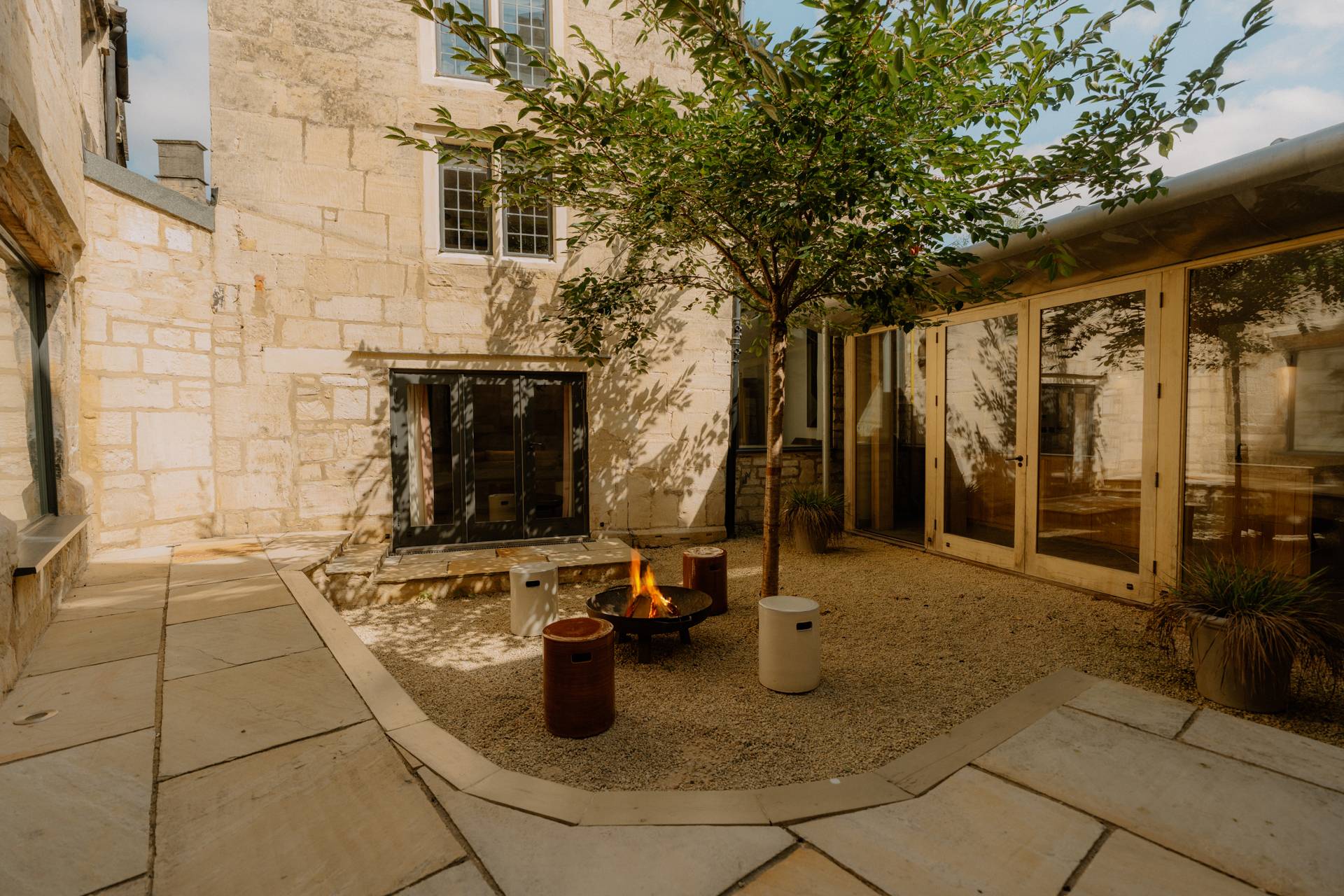
ARC Painswick is a restored 15th-century manor house in the Cotswolds, near the village of Painswick. It combines historic character with modern amenities for group stays, corporate retreats, and wellness events, with traditional English countryside and picturesque villages around it.
Frequently asked questions
What company event ideas work best when you want a clear outcome?
The strongest company event ideas are the ones with a clear purpose, whether that is connection, creation, or challenge. Collaborative cooking, puzzle challenges, innovation sprints, service days, and hybrid formats all work when they fit the team, the setting, and the result you want to see afterwards.
How do you choose the right company event for your team?
Choose an event that matches the goal you want to achieve, not just the time you have available. If you want people to build rapport, a collaborative culinary workshop works well; if you want practical problem-solving, a structured innovation sprint is a better fit; if you want to see how people work under pressure, an immersive puzzle challenge does that job.
How do you run a company event well?
Run it with real interdependence, a clear task, and a proper debrief at the end. The event should ask people to communicate, sequence tasks, solve problems together, or leave clear handoffs, then you should reflect on where communication helped and where it stalled.
What group size works best for company event ideas?
The right group size depends on the format, but several ideas are designed for the whole team at once. Collaborative culinary workshops, immersive puzzle challenges, custom geocaching adventures, purpose-driven service days, and coastal team games days all work with the full group together, while structured innovation sprints work better with mixed groups from different departments and seniority levels.
What works best for remote or hybrid teams?
Remote and hybrid teams need activities with real interdependence, not passive attendance. Remote reality game sessions, multi-location treasure hunts, synchronised cook-along sessions, remote mystery box experiences and cross-time-zone relay projects all keep people working together across distance and time zones.
How can you make a company event useful after the day itself?
A debrief turns a good day out into something useful at work. Track more than attendance by looking at communication, ideas, and engagement after the event, then use what you learn to shape the next one.