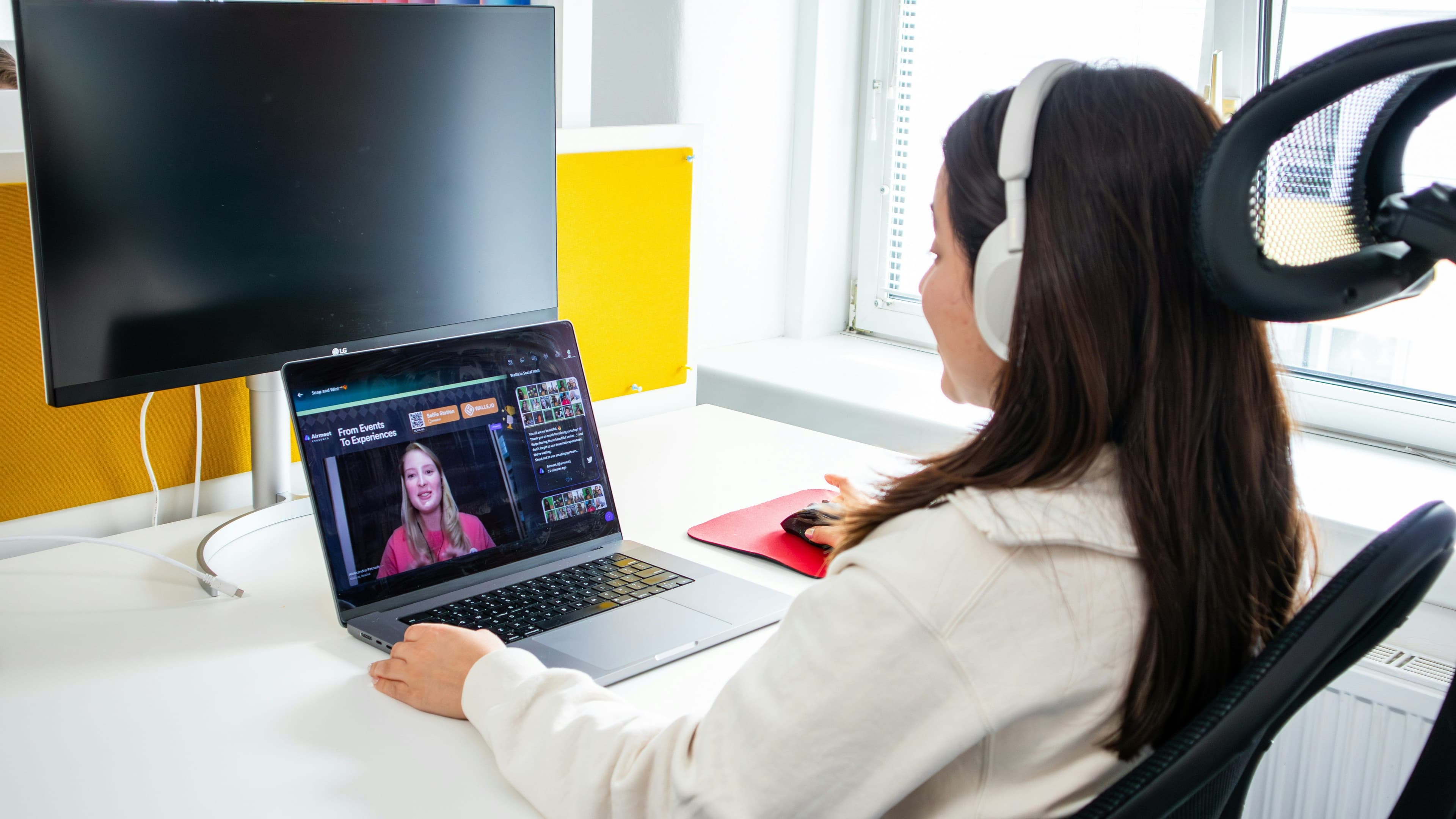
The main remote team offsite benefits are stronger trust, clearer alignment, fresher ideas, and a better rhythm for people who work apart. Use them by planning a relaxed in-person session with space for honest conversation, informal mixing, and proper breaks. If you want the trip to matter, keep the whole team together, leave room for questions and chance encounters, and avoid filling every hour with meetings.
Key takeaways
- Trust and psychological safety matter when people need room to talk honestly, get to know one another beyond job titles, and feel safe enough to speak up and share ideas.
- Shared alignment works best when the whole team hears where the company is going and why it matters, with time for questions and challenge in the same room.
- Chance encounters for fresh ideas happen when lunch, walks, and informal conversation sit between sessions, letting people mix across roles and break down silos.
- Better staff retention is supported when the team meets in person, shares traditions and small celebrations, and feels the company is investing in people, not just output.
- Relief from burnout and digital fatigue comes from shared meals, group activities, and time away from the laptop, giving people a break from calls, notifications, and screen time.
- Professional planning support is useful when travel, bookings, schedules, and room setups need careful handling, so leaders can stay focused on the conversations and decisions that matter most.
1. Trust and psychological safety
Building trust is the first reason to plan a remote team offsite. When people only meet through screens, it is hard to read tone, spot tension, or clear the air quickly.
A relaxed in-person setting gives colleagues room to talk honestly and get to know one another beyond job titles. A safer atmosphere can make it easier for people to speak up, share ideas, and admit when something is not working.
Group setup: the whole team at once
Best for: building trust and helping people feel safe
How to apply: Bring people together in a relaxed setting where they can talk honestly. Give them space to get to know one another beyond job titles. Keep the atmosphere open so people feel safe enough to speak up and share ideas.
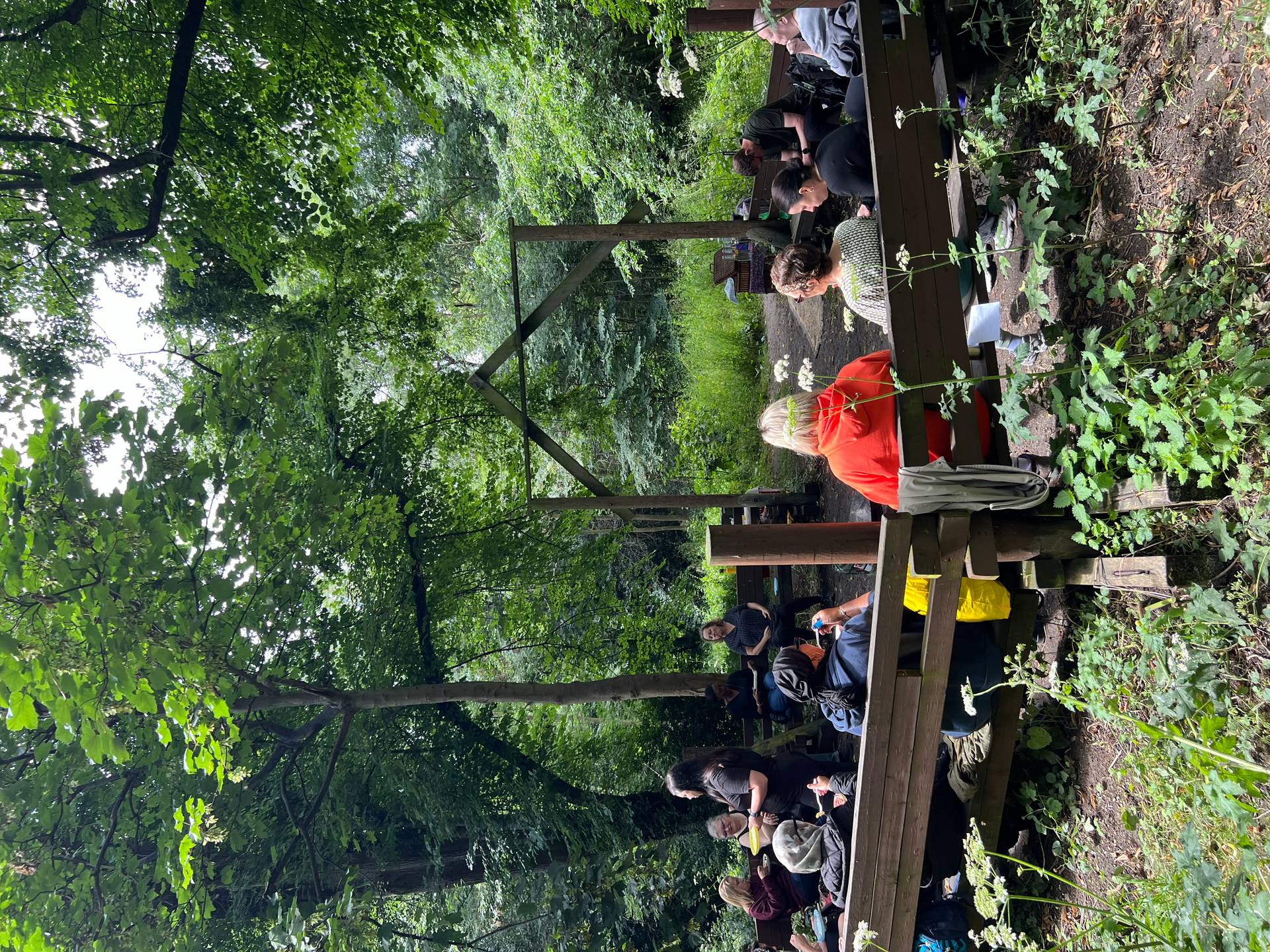
Where to do it: Mind in Nature (London). Its guided outdoor activities and hands-on sessions in a serene natural setting can help people feel comfortable and supported.
2. Shared alignment
Getting everyone on the same page is another strong reason to bring the team together. When departments work from different places, they can drift into separate bubbles and lose sight of the bigger plan.
A shared session gives leaders a chance to explain where the company is going and why it matters. In the same room, people can ask questions, challenge assumptions, and hear the message without the delays of back-and-forth messages or video calls.
Group setup: the whole team at once
Best for: aligning departments around the bigger plan
How to apply: Use a shared session to explain where the company is going and why it matters. Leave time for questions and challenge. Keep the message in one room so people hear it without delays from messages or video calls.
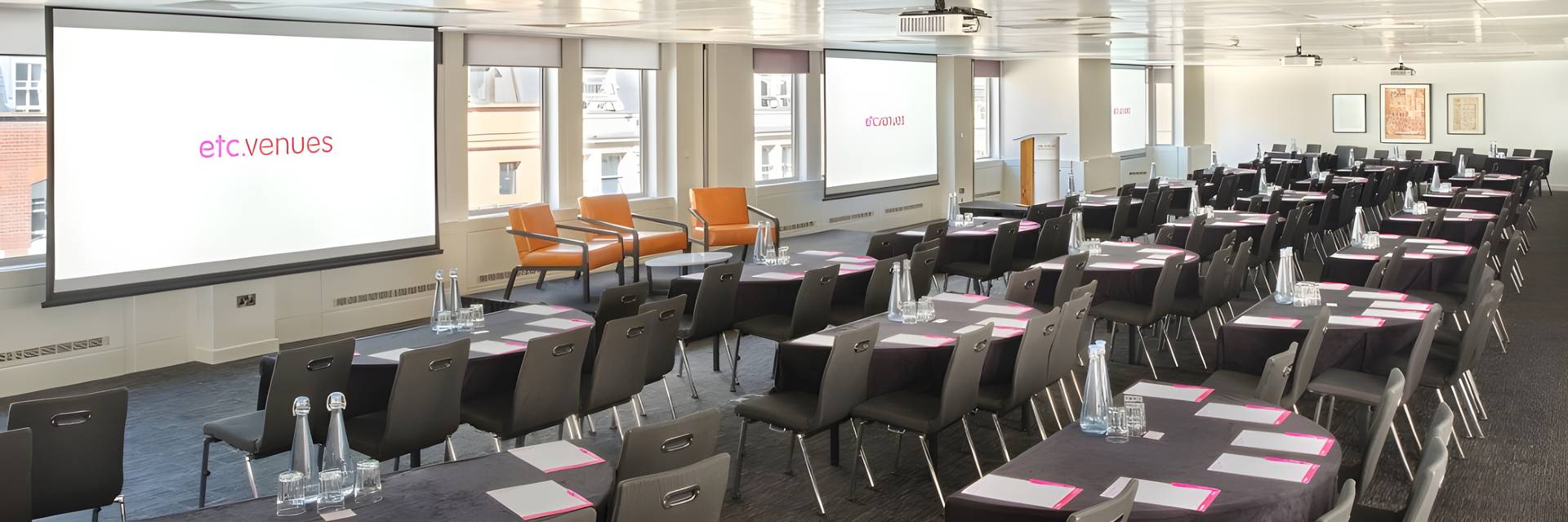
Where to do it: etc.venues Monument. Its versatile meeting spaces and inspiring area support informal and creative brainstorming sessions that help teams align.
3. Chance encounters for fresh ideas
Chance meetings are one of the most useful parts of a remote team offsite. The small conversations that happen over lunch, during a walk, or between sessions often lead to ideas that would never appear in a scheduled call.
A coder sitting next to a sales manager can learn something useful in minutes. Those informal moments break down silos and make it easier for people to share knowledge across the business.
Group setup: the whole team at once
Best for: sparking ideas and breaking down silos
How to apply: Leave space between formal sessions for lunch, walks, and informal conversation. Let people mix across roles so they can learn from one another. Do not pack every hour with meetings if you want those chance meetings to happen.
Where to do it: The Mezz - Manchester. Its refined, flexible spaces are designed for networking events, making chance encounters that can spark fresh ideas.

4. Better staff retention
Keeping your best staff happy is a practical reason to invest in an offsite. Remote workers who feel isolated may start to look elsewhere, especially if they do not feel part of a real team.
Meeting in person shows that the company is willing to invest in its people, not just their output. Shared traditions, small celebrations, and time spent together build a sense of belonging that is hard to create through messages alone.
Group setup: the whole team at once
Best for: supporting retention and belonging
How to apply: Bring people together in person to show investment in them, not just their output. Build in shared traditions, small celebrations, and time together. Use the offsite to strengthen the sense that they are part of a real team.
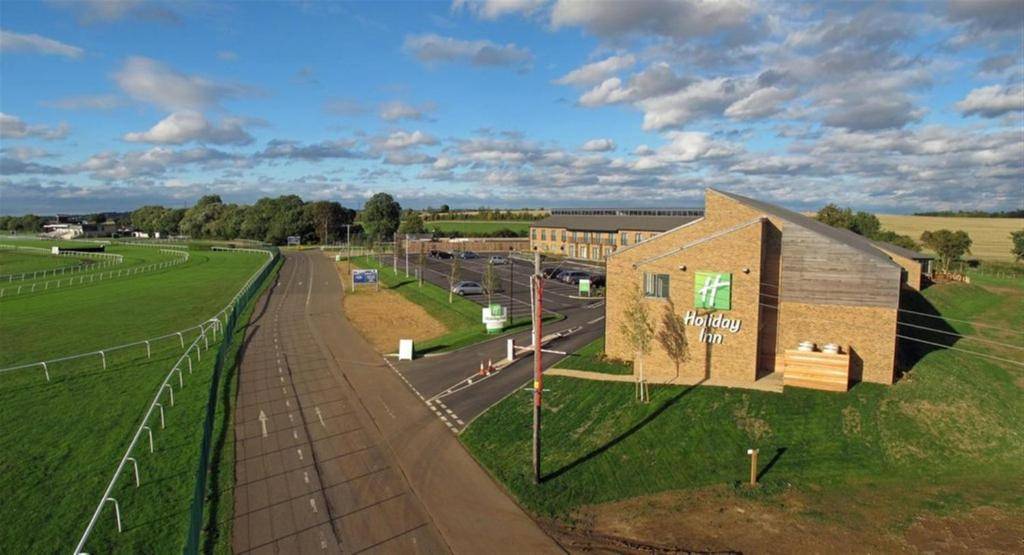
Where to do it: Holiday Inn Huntingdon Racecourse by IHG (Brampton). The modern, air-conditioned rooms with a desk, flat-screen TV and complimentary Wi-Fi, plus the on-site restaurant and bar, support a comfortable stay for professionals.
5. Relief from burnout and digital fatigue

Beating burnout and digital fatigue is another clear benefit. Constant calls, notifications, and screen time can leave people drained, even when the work itself is going well.
An offsite gives staff a break from that rhythm and a chance to reconnect in a different way. Shared meals, group activities, and time away from the laptop help people reset.
Group setup: the whole team at once
Best for: reducing burnout and digital fatigue
How to apply: Plan shared meals, group activities, and time away from the laptop. Give people a break from calls, notifications, and screen time. Let the offsite offer a different rhythm so they can reset before returning to work.
Where to do it: The Park Peebles. Its welcoming spaces, inspiring atmosphere and proximity to nature offer a comfortable setting for relaxation away from digital fatigue.
6. Faster decision-making
A remote team offsite gives the team focused time to discuss work that is harder to settle across scattered messages. A clear offsite plan helps people arrive ready to share context, compare options, and agree what happens next.
When everyone is in the same room or shared setting, leaders can hear different perspectives and resolve open questions with less back and forth. This helps the team leave with clearer priorities, owners, and next steps.
Group setup: the whole team at once
Best for: decisions that need shared context
How to apply: Bring the right people into the same discussion. Set a clear agenda, give space for different perspectives, and close with agreed next steps.
An offsite is not a working holiday
Avoiding the mistake of treating it like a working holiday is essential. If people are expected to spend the trip on their laptops, they do not get the chance to connect properly.
The point of the offsite is to step away from the usual routine and have the kinds of conversations that are hard to have from home. Another common mistake is choosing activities that exclude part of the team.
Group setup: the whole team at once
Best for: keeping the offsite focused and inclusive
How to apply: Do not expect people to spend the trip on their laptops. Choose activities that are welcoming, practical, and easy for everyone to join. Avoid anything that feels like a test of fitness or confidence.
Measure the trip's impact
Measuring whether the trip worked means looking at both morale and business results. After the event, notice whether people are talking more openly on calls, asking better questions, or working together with less friction.
A short survey can show which sessions landed well and which ones felt flat. On the business side, watch retention, follow-up speed, and whether projects move more smoothly after the team returns.
Group setup: the whole team at once
Best for: checking morale and business impact
How to apply: After the event, watch how people communicate on calls and how they work together. Use a short survey to see which sessions landed well. Also track retention, follow-up speed, and whether projects move more smoothly when the team returns.
A real turnaround shows the value
Learning from a real team turnaround shows how a well-run offsite can change how people work together.
In this example, a UK fintech team was dealing with meeting fatigue and weak trust between departments. They met in the Cotswolds, worked directly across functions, and used the time to shape team values as well as product ideas. The result was better communication and a stronger sense of shared purpose.
Group setup: the whole team at once
Best for: teams dealing with meeting fatigue and weak trust between departments
How to apply: Take the team away from the screen and put people side by side. Use the offsite to work directly across functions. Shape team values as well as product ideas while you are together. Keep the focus on shared work so problems get solved faster.
Common planning questions need clear answers
Answering the most common planning questions helps teams make the offsite useful rather than vague.
Twice a year works well for many remote teams, keeping the connection alive without taking over the calendar. A mix of group activities and quiet time helps introverts feel included. Hands-on workshops and shared meals can be more useful than virtual-style meetings, and professional planning support is worth considering as the group gets larger.
Group setup: the whole team at once
Best for: keeping remote teams connected without taking over the calendar
How to apply: Plan the offsite twice a year if that suits the team. Mix group activities with quiet time so introverts are not left behind. Choose hands-on workshops and shared meals rather than more virtual-style meetings. Bring in professional planners once the group grows beyond ten people.
Frequently asked questions
Why do remote teams need an offsite?
Remote teams need an offsite because distance makes trust, alignment, and day-to-day energy harder to maintain. An in-person gathering gives people space to rebuild relationships, sharpen priorities, and talk properly in a way that changes how they work when they return.
How do you choose the right offsite for a remote team?
Choose an offsite that gives the group a shared moment, not a diary full of meetings. The strongest trips focus on building trust, getting everyone on the same page, sparking ideas through chance meetings, and giving people time away from the laptop.
How do you run a remote team offsite well?
Run it with a relaxed setting, sensible breaks, and room for honest conversation. Leave space for lunch, walks, informal conversation, shared meals, and group activities, and do not pack every hour with meetings if you want useful ideas to surface.
What group size works for a remote team offsite?
The text points to the whole team at once for the main offsite format. It also says professional planners are especially useful once the group grows beyond ten people.
What works best for remote or hybrid teams?
Remote or hybrid teams do best with in-person time that helps people speak more openly, build trust, and hear the bigger plan without delays from messages or video calls. A shared session, hands-on workshops, and time for informal conversation help people mix across roles and break down silos.
How do you know if the offsite worked?
Look for people talking more openly on calls, asking better questions, and working together with less friction. A short survey can show which sessions landed well, and retention, follow-up speed, and smoother projects after the team returns are all signs it worked.