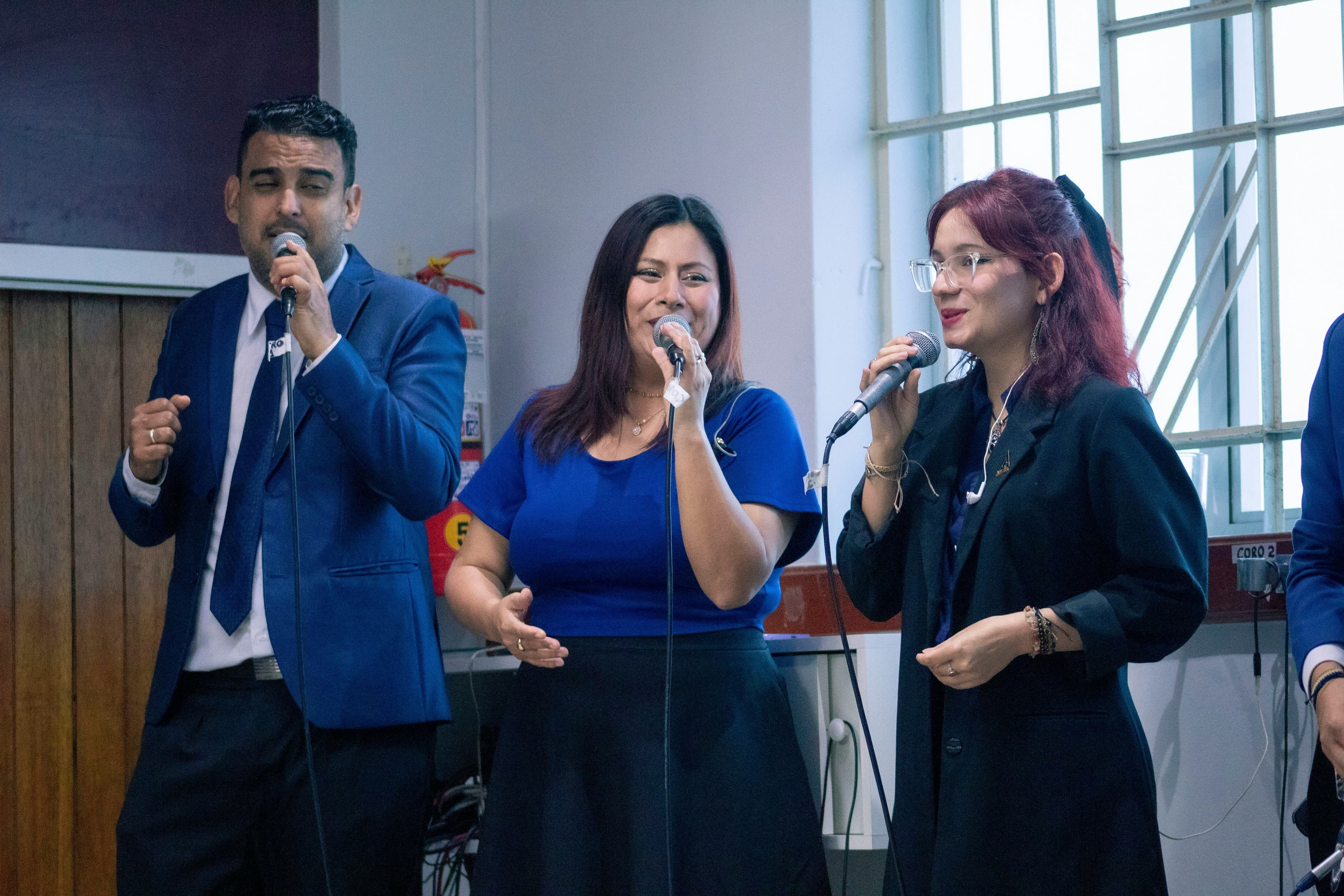
Sixty seconds gives you just enough time to reveal real skill without causing stage fright or taking up your entire event. These 1 minute talent show ideas remove the pressure and encourage even the quietest participants to share something genuine that a resume can't capture.
The Quick-Hit Engagement Framework
Before choosing specific acts, keep in mind that successful events mix newness with ease. We divide 1 minute talent show ideas into four groups based on how much preparation they need and the type of performance:
- Zero-Prep Challenges: Pure spontaneity and quick thinking. Ideal for large groups.
- Creative Expression: Acts that require picking music or text but little to no rehearsal.
- Physical & Cognitive Feats: Skills or dexterity that make an immediate impact.
- Digital Delights: Virtual tools or simple tech that create visual interest.
Offering options across these groups helps everyone find a way to participate comfortably.
The 20 Amazing 1 Minute Talent Show Ideas
1. The One-Minute Life Hack Demo
Have people demonstrate a useful, obscure, or surprising life hack in under sixty seconds. It has to be physical, not just talked about. Rapid sheet folding, impossible knots, smartphone shortcuts. This works because it draws on everyday knowledge, not traditional performance skills, and the audience gets immediate value.
Here's how different one-minute talent show formats stack up across key planning factors:
| Talent Show Format | Ideal Group Size | Preparation Time Required | Formality Level | Entertainment Value |
|---|---|---|---|---|
| Open-Mic Speed Round | 15–100 people | None to 15 minutes | Very Casual | High (spontaneous energy) |
| Pre-Registered Showcase | 10–50 people | 1–3 days advance signup | Semi-Formal | Very High (polished acts) |
| Skill Challenge Stations | 20–80 people | 2–4 hours setup | Casual | High (interactive, competitive) |
| Lightning Improv Battles | 8–40 people | None to 10 minutes | Very Casual | Very High (unpredictable laughs) |
| Department Team Relay | 30–150 people | 1 week planning | Semi-Formal | Very High (team pride, humor) |
| Silent Talent Voting Show | 10–60 people | 30 minutes setup | Casual | Medium to High (inclusive, focused) |
Pick your format based on how much lead time you have and whether you want spontaneous participation or curated performances.
2. Quick Truth, Quick Talent
The participant shares one genuine, surprising fact about themselves, then immediately demonstrates a quick, unexpected talent, executed in under 30 seconds. A specialized whistle or balancing an object. The format exposes personality and bridges professional and personal identity fast.
3. The Chorus Mimic Showdown
Pick a 60-second chorus or bridge of a famous song and perform a high-energy lip-sync. Success depends entirely on facial expressions, physical commitment, and costume choices, not singing ability. This creates shared laughter and collective energy every time.
4. Desk Supply Speed Challenge
Participants attempt a ridiculous feat using only office supplies. Build the tallest structure from paper clips and rubber bands, or execute the fastest staple chain. Judges measure accuracy and speed, turning mundane materials into competitive fun.
5. Hand Shadow Spotlight
Using a desk lamp and a wall or screen, perform recognizable hand shadow puppets. Sixty seconds should fit several different shapes, a rabbit, dog, flying bird, or a short silent narrative. Simple visual technology, high impact.
6. Micro-Storytelling Blitz
Craft and deliver a complete story, beginning, middle, twist ending, using 10 to 15 words strictly. Expressive vocal delivery, pacing, and dramatic facial expressions carry the weight that vocabulary can't. This forces high-impact communication.
7. The Vocal Velocity Test
Recite the most difficult tongue twister you can find, executed perfectly at rapid speed for a full minute. Difficulty should be high enough that failure is comedic. It rewards composure and verbal agility under pressure.
8. The Personal Theme Song Reveal
Play a 60-second clip of a song that captures your work style, department, or personal values. Then spend 15 seconds explaining why you picked it. It requires little preparation but reveals a lot about you and sparks genuine conversations.
9. Object Balance Mastery
Balance an unusual object or a series of objects for a full minute. Stack textbooks, balance a spoon on your nose, or keep a drink on your head. The simple challenge builds suspense and rewards focus and control.
10. Sixty-Second Pet Trick
In virtual or hybrid meetings, show your pet performing a trick, fetch, spin, or "speak." The real challenge is coordinating a live animal, which adds a charming unpredictability. It takes little prep and naturally starts conversations.
11. Found Sound Performance
Create a 60-second soundscape or rhythm using only your voice, body, or items around your desk. Try beatboxing, imitating office noises, or tapping patterns on a coffee mug. It opens up a playful way to explore sound.
12. Industry Icon Imitation
Offer a light, respectful impression of a well-known figure, industry leader, or workplace character, like "The client who always emails late" or "The CEO during a quarterly update." It connects through shared experiences and humor about common work moments.
13. Intentional Incompetence (The Bad Magic)
Perform a deliberately bad skill, an awkward card trick, a terrible joke, or an overly complicated way to make toast. Embracing failure and silliness lowers the barrier and invites everyone to join in.
14. The One-Minute Culinary Tip
Show a quick kitchen skill in one minute. Precise vegetable cutting, fast garlic peeling, or neat plating. The time limit pushes you to focus on technique rather than full cooking.
15. Live Digital Sketch Sprint
Share your screen and quickly sketch a recognizable portrait of a coworker, company mascot, or complex object in one minute. The pressure of live creation makes it as engaging as the final drawing.
16. Sequential Scene Narration
Use virtual backgrounds as a series of 5-10 images that change every few seconds, telling a short, dramatic, or funny story as the backdrop shifts. It turns a standard video call feature into a creative storytelling tool.
17. Specialized Skill Soundbite
Share a very specific skill in exactly 60 seconds. This could be creating a complex data visualization, sharing historical trivia, or solving a puzzle quickly. Focus on knowledge outside your usual work tasks.
18. Office Choreography Snapshot
A small group or solo performer presents a brief, pre-planned dance with quick, sharp moves. Keep the routine to one minute, with high energy but no need for costumes or long practice.
19. Single Joke Setup and Punchline
Deliver one polished joke or funny observation about work or shared experiences. The key is sharp timing, confident delivery, and making it relatable.
20. The Corporate Tanka Slam
Recite an original Tanka poem (5-7-5-7-7 syllables) about a work moment or company value. The short form lets you focus on expression and impact within a minute.
Avoiding Common Mistakes in Execution
Even simple 1 minute talent show ideas need careful handling. The smallest errors can shift attention away from team bonding and toward technical problems.
Keeping Time on Track
Time management has to be strict and clear. Acts that run even a little too long tire out the audience and disrupt the schedule. Use a large, visible countdown timer and set a firm, unmistakable signal, a bell or gong, that ends the performance exactly at 60 seconds.
Smoothing Technical Changes
The event moves fast and requires quick transitions. If each act takes 15 seconds to set up and there are 20 acts, that adds five minutes of downtime. Gather all materials ahead of time, music, images, videos, and load them onto one organizer's device. Assign a technical person to handle audio and visuals, so the host can focus on hosting and keeping energy up.
Clear Judging Guidelines
Judging "best talent" in short acts doesn't work well and feels subjective. Set criteria that reward effort, humor, and sticking to the time limit. Good criteria for 1 minute talent show ideas include:
- Compliance Score: Did the act stay within 60 seconds?
- Novelty Score: How surprising or original was it?
- Audience Engagement: Measured by applause or chat reactions in virtual settings.
Evaluating the Effect of Quick Acts
Success isn't about how polished the act is but about the connections it creates. For companies focused on employee experience, success is seen in engagement, inclusion, and overall energy.
The "Talent Show Connection Audit" looks at three key areas:
Participation Rate
Measure the share of attendees who took part as individuals, small groups, or in supporting roles like judges. A well-run quick event should have much higher participation than longer, traditional showcases.
Feedback and Energy Levels
Right after the event, send out a brief anonymous survey asking employees:
- Did the event help you see a coworker in a new way?
- How would you rate the team's energy (1-5 scale)?
Comments about laughter, surprise, or appreciation show if the performances truly helped break down barriers.
Ongoing Interaction After the Event
The real measure of success is whether the performances spark continued positive interaction. Did the CFO who performed become easier to approach? Did conversations about the "Personal Theme Song Reveal" carry on in Slack the next day? Watch for these moments of continued connection that show stronger bonds and curiosity across teams.
How to Judge and Recognize Talent in One-Minute Performances
A fair judging approach keeps spirits high during your one-minute talent show. Quick acts call for a different way to evaluate than longer performances. Clear criteria shared ahead of time help judges stay consistent and give participants a clear idea of what makes a 60-second act stand out.
Create a straightforward scoring system that focuses on entertainment value, audience engagement, and originality rather than just technical skill. Consider categories like:
- Creativity: How unique or surprising is the act?
- Execution: Did the performer deliver their idea within the time frame?
- Audience Connection: Did the crowd respond with genuine laughter, applause, or amazement?
- Confidence: How present and committed was the performer?
Avoid naming a single winner. Instead, offer multiple award categories that highlight different strengths. Give out awards like "Most Creative," "Best Crowd Pleaser," "Most Improved," or "Best Team Spirit" rather than only first place. This approach encourages wider recognition, keeps discouragement at bay, and invites participation from those who might not see themselves as traditionally "talented."
Include the audience in the recognition process through live voting or applause meters. This spreads the decision-making, eases pressure on judges, and creates immediate positive feedback. When everyone feels noticed and appreciated, whether or not they take home a formal prize, your talent show builds confidence and strengthens team spirit.
Frequently Asked Questions
What is the benefit of limiting a talent show act to just 1 minute?
The 1-minute limit helps reduce preparation and performance nerves, making it easier for almost anyone to join in. It also allows many acts to perform in a short time, keeping the event lively with quick changes.
How do I ensure performers stick strictly to the 60-second rule?
Use a large digital countdown timer that everyone can see. Assign someone to keep time and agree on a clear, firm signal, like a bell or air horn, that ends the act immediately, even if it's in the middle of a performance.
Are 1 minute talent show ideas suitable for virtual events?
Yes. Many ideas work well in virtual settings. Screen sharing, virtual backgrounds, simple props, or pre-recorded clips fit easily and make good use of video conferencing tools.
How should we judge or score these quick performances?
Don't focus on professional skill. Instead, look at Creativity (how original the act is), Engagement (how the audience responds), and Compliance (sticking to the 60-second limit). Let the audience vote through a simple poll for quick and fair results rather than relying on a panel of judges.
What is the most effective way to encourage hesitant employees to participate?
Encourage group acts and low-pressure "non-talents." Use categories like "Intentional Incompetence" to lighten the mood. Remind everyone that the goal is shared fun and laughter, not professional skill. These 1 minute talent show ideas are meant to keep commitment low and enjoyment high.