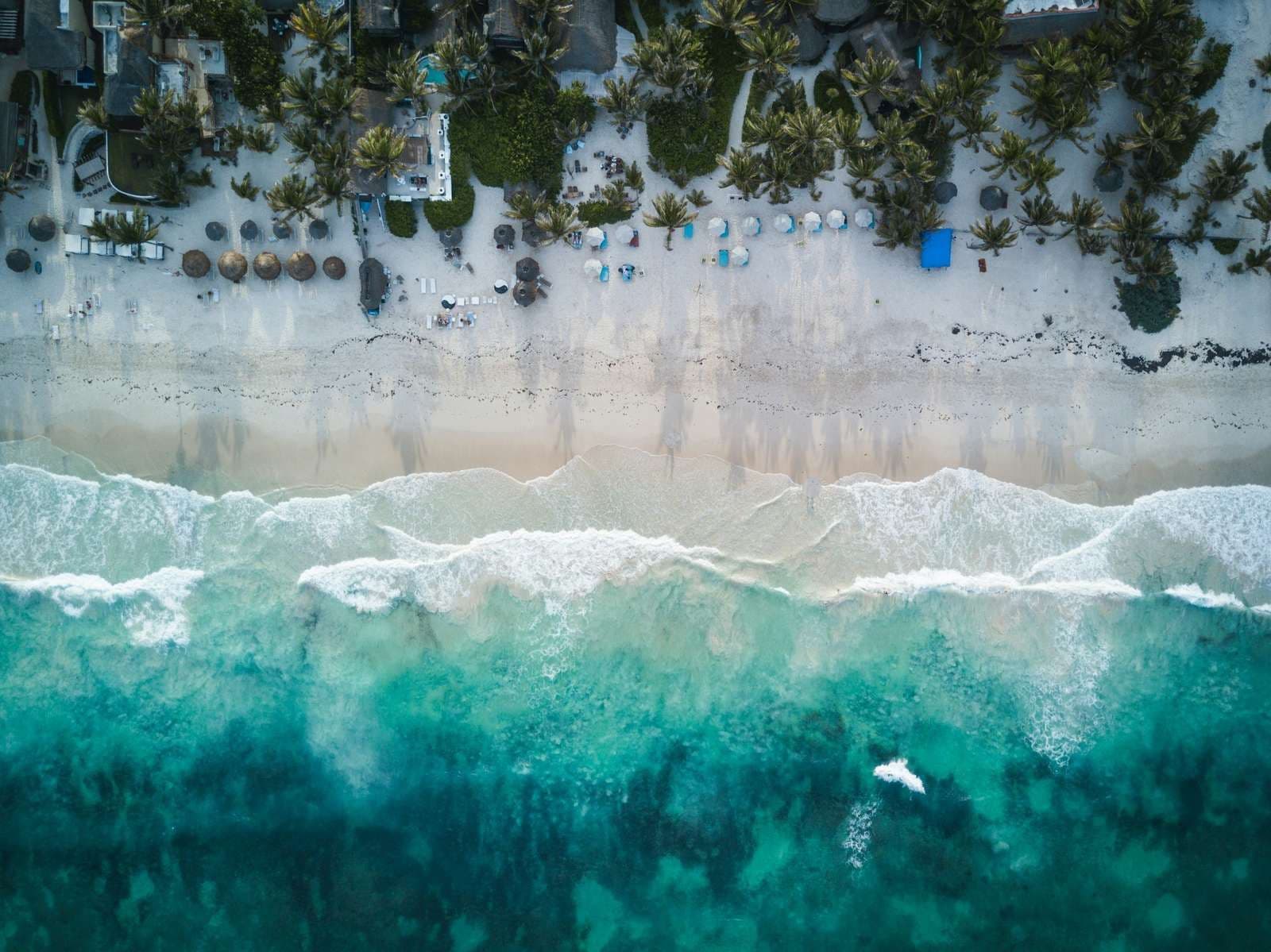
Selecting the best retreat location for your team isn't about finding the most photogenic property. It's about matching a venue's capabilities to your program's demands.
- Start from objectives, not scenery. Identify your top goals (decision-making, relationship-building, training, building trust across departments) before browsing destinations. A strategic planning session for a group of executives needs different infrastructure than a large sales kickoff. Professional facilitators create customized team-building programs, and matching them to the right space amplifies impact. Team-building activities strengthen communication, leadership, trust, and collaboration, but only when the venue supports the format.
- Match travel time and geography to the team profile. Keep door-to-door travel reasonable, and distribute travel inconvenience fairly across regions. Venues close to a major airport are preferred even for remote, nature-first settings.
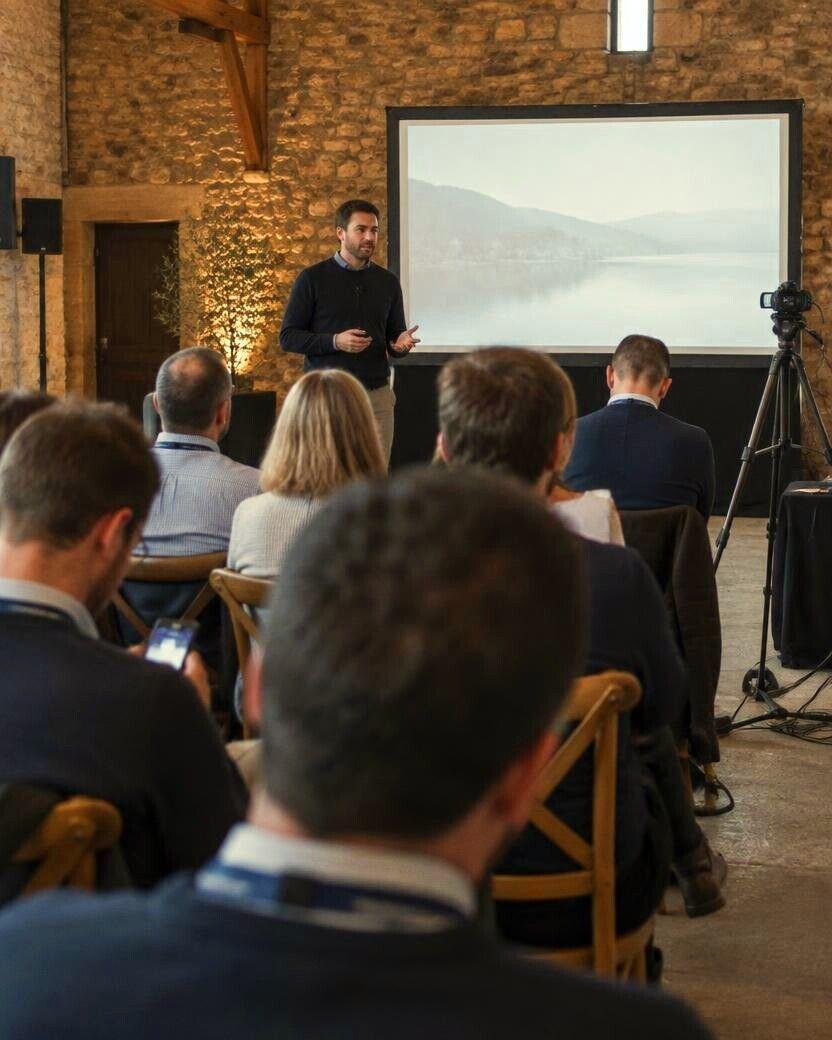
- Check meeting infrastructure first. Minimum standards include separate plenary and dining spaces, natural light, a backup meeting room, a dedicated internet line, and AV support on site. Capacity should match your agenda format rather than be judged by photos alone. It's advisable to avoid single-family rentals for group retreats, as they typically lack the meeting facilities and amenities that corporate events demand.
- Consider seasonality and local events. Trade fairs and major conferences can push hotel prices up and limit availability. Hurricane season affects certain coastal areas. Off-peak or shoulder-season bookings can reduce costs.
- Align with your budget. Set the budget per person early and ask each venue for line-item proposals, so you compare like for like.
Leave free time in the evening so coworkers can unwind, connect and bond through shared experiences. That balance between work sessions and relaxation keeps productivity up, gives people room to share new ideas, and lets the team celebrate progress together.
Organizing the agenda is simpler when people know what they will learn and enjoy. Send invitations early, give every team a voice in the program, and end each day with a moment of rest, so things run smoothly, people leave feeling the retreat was worthwhile, and they head home with a clear mind and fresh thoughts.
A new setting is a refreshing change from the office: teams work differently in unique spaces, a unique backdrop naturally sparks conversation, and a clear plan keeps the whole trip stress free for organizers.
Among top retreat locations in the US, Scottsdale and Phoenix lead for warm weather: Arizona's peak retreat season runs from October to April, most retreats there mix golf, wellness and desert experiences, and direct flights to Phoenix leave from most major US cities. The Arizona Biltmore offers more than 200,000 square feet of indoor and outdoor meeting space, Mountain Shadows Resort pairs 10,000 square feet of indoor meeting spaces with 20,000 square feet outdoors at the foot of Camelback Mountain, whose Echo Canyon Trail climbs about 1.2 miles to the summit. Next to South Mountain Park and its mountain biking trails, Arizona Grand Resort & Spa offers about 120,000 square feet of indoor and outdoor meeting space and a resort spa, Lake Pleasant, northwest of Phoenix, covers about 10,000 acres of water for boating, and in Wickenburg, Rancho de los Caballeros is a historic dude ranch, open from October to May, where all meals are included and groups ride into the Sonoran Desert, play its 18-hole course or try team penning with a cowboy coach. In Mesa, the city-run Arizona Museum of Natural History can be booked whole for private events of up to about 500 guests.
In Southern California, Los Angeles combines diverse neighborhoods, a vibrant culture and food scene, and landmarks such as the Getty Center, with its art collections and gardens, while Santa Monica beaches and the walking trails of Runyon Canyon give the entire team time outside. Further north, The Ritz-Carlton, Half Moon Bay offers more than 32,000 square feet of event space with lawns overlooking the Pacific, and California's climate supports outdoor activities year-round. By the Golden Gate in Sausalito, Cavallo Point hosts groups of 10 to 300 with a cooking school, guided hikes and guided meditation at its Healing Arts Center; luxury properties like it charge higher rates, so set the budget per person early, and in the Sierra, The Ritz-Carlton, Lake Tahoe sits mid-mountain at Northstar, with ski-in, ski-out access and a gondola to the village, with about 10,850 square feet of indoor meeting space and 15,000 square feet of outdoor venues for up to 520 guests.
In Texas, Dallas gives visiting teams easy access through two major airports, DFW International and Dallas Love Field, and its contemporary hotels downtown bring urban energy and a vibrant atmosphere in a prime location: The Statler's rooftop bar and pool deck look over the skyline and the hotel hosts events for up to 1,400 guests, the Thompson Dallas's 14,000-square-foot National Ballroom, with 20-foot windows, seats up to 800, The Ritz-Carlton, Dallas, in Uptown, pairs about 19,000 square feet of indoor and outdoor event space with chef Dean Fearing's restaurant for fine dining, while the Cooper Hotel in North Dallas pairs spa services and a fitness center with a one-mile walking and jogging trail. Matching luxurious accommodations to the group, not just the budget, is what sets up a successful event. For a team offsite in the countryside, Wildcatter Ranch in Graham, about 90 minutes from DFW, spans 1,500 acres with resort-wide privacy for corporate retreats, and the Texas Hill Country near Austin mixes ranches, wineries, local culture and live music venues. These luxury resorts and ranches give convenient access from major cities while keeping special events private.
Among company retreat venues on the East Coast, Washington, DC is easy to reach through three airports (Reagan National, Dulles and BWI) and Amtrak at Union Station. In Woodley Park, on the edge of Rock Creek Park, the Omni Shoreham Hotel has 834 guest rooms and about 100,000 square feet of meeting space, including a 15,718-square-foot ballroom and outdoor poolside space, while The Dupont Circle Hotel offers about 10,000 square feet across six event rooms for small meetings. Between sessions, teams can walk the National Mall past the Washington Monument and the Lincoln Memorial, visit the Smithsonian museums, see a show at the Kennedy Center or take a group dinner along the Potomac River.
When you compare company retreat venues, look for intimate meeting spaces for brainstorming sessions, unique event spaces such as a rooftop lounge, rooftop pool or outdoor patio for team gatherings, on-site restaurants, and built-in activities like guided nature walks. Private estates and luxury cabins encourage casual conversations and bonding, which helps strengthen team dynamics, while inspiring settings, from Arizona's year-round sunshine to a city's fine arts district, give the agenda a dynamic backdrop. Check room sizes in sq ft against your agenda, and make sure the meeting rooms have the technology your presentations need before you book your next team offsite.