Turnkey
We handle the venue, logistics, and suppliers for your Austin event, so you can stay focused on the agenda.
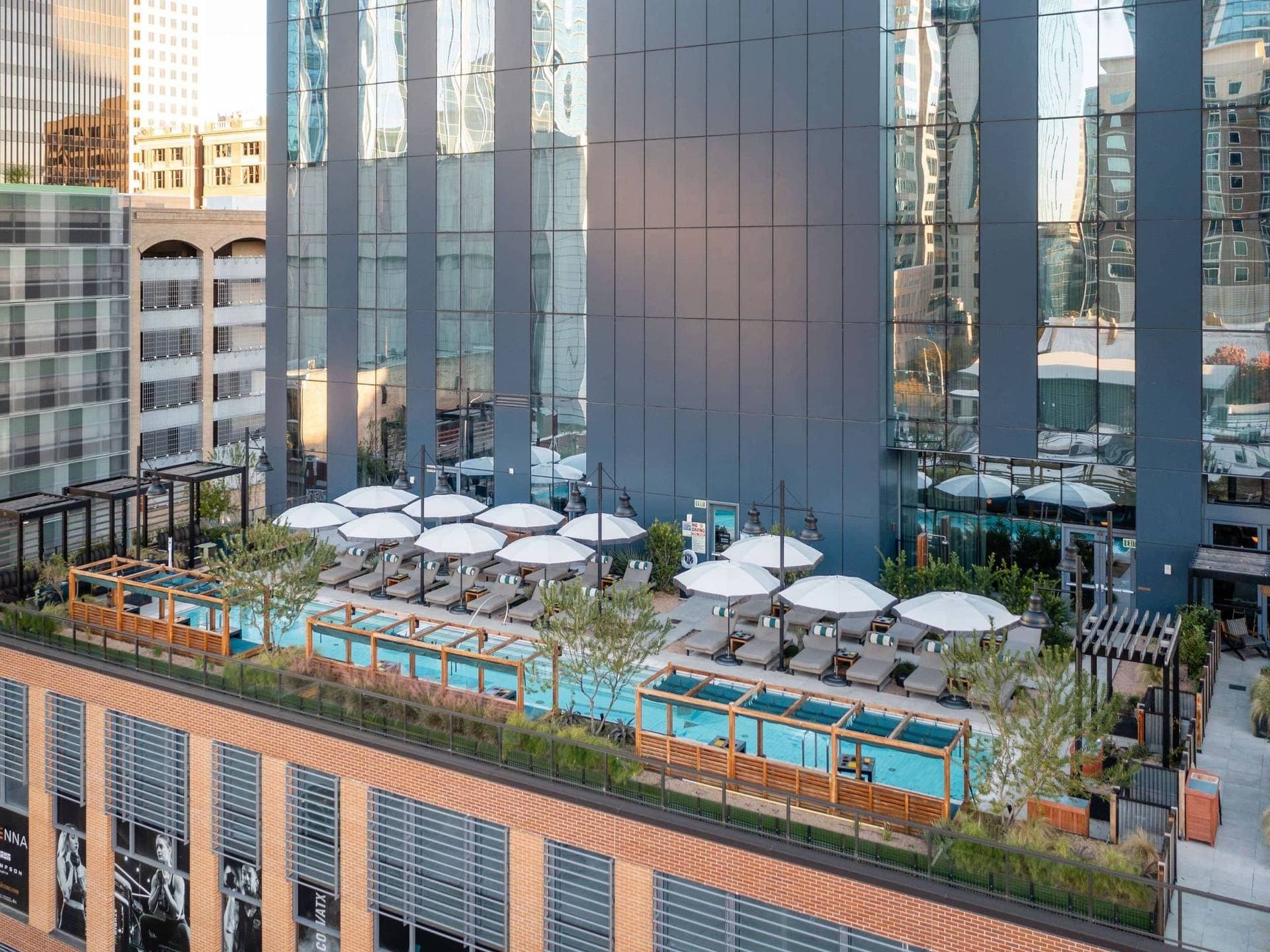
424 maximum · 4 workspaces
FromUSD 448/night
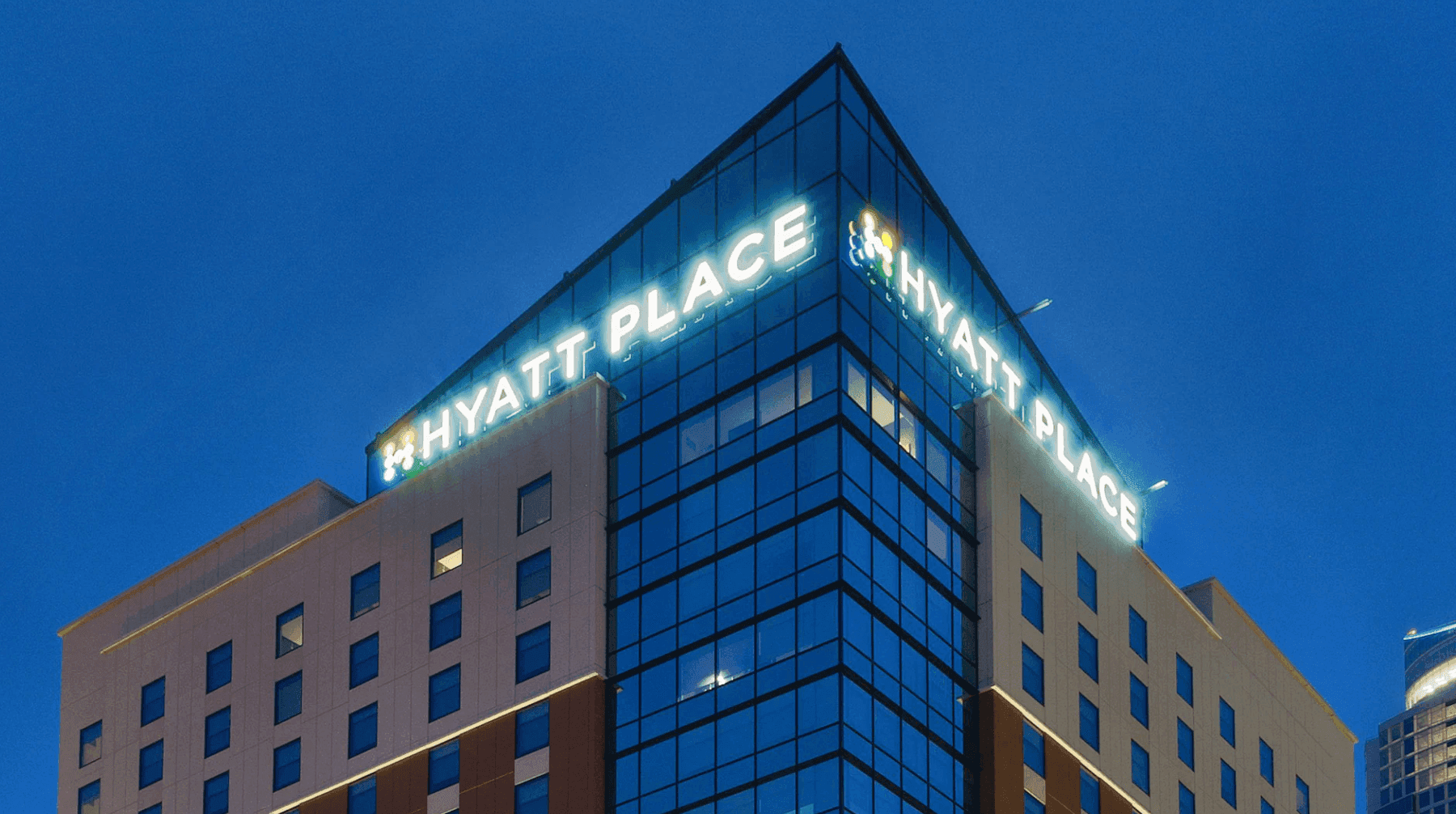
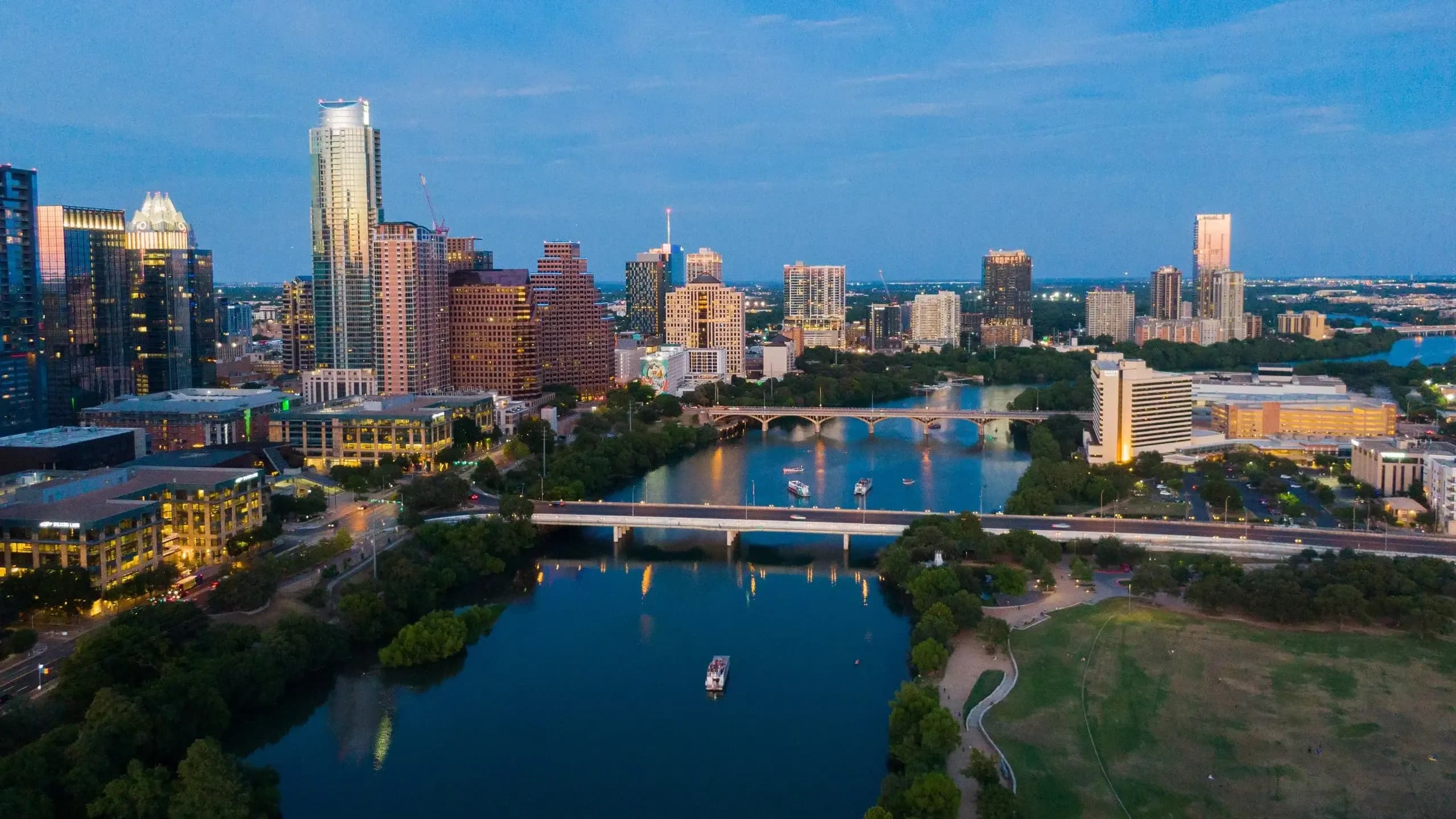
Austin, Texas, United States
296 maximum · 3 workspaces
FromUSD 192/night
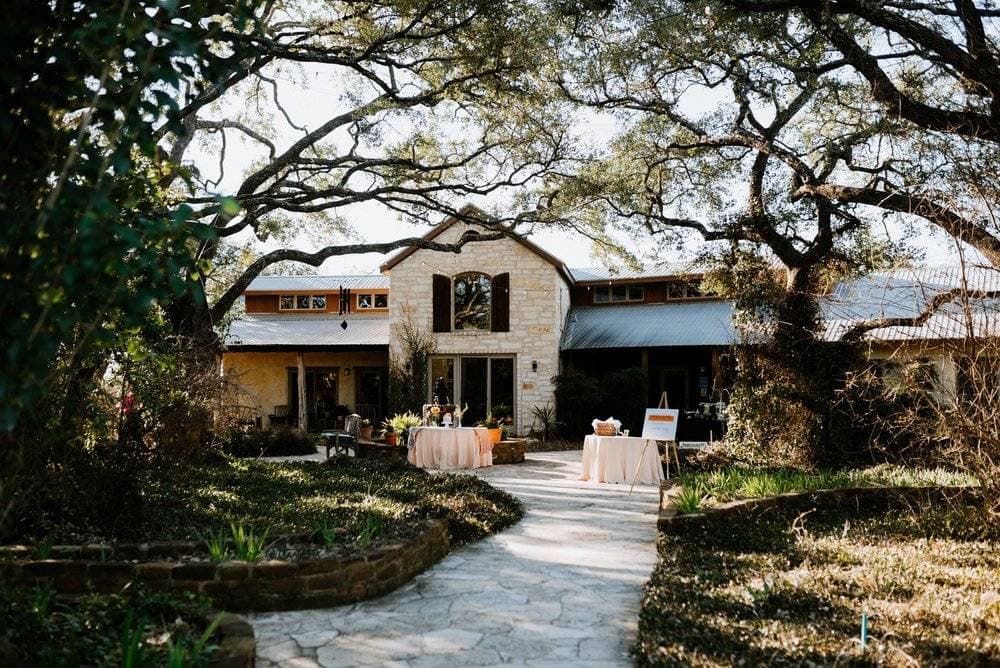
25 maximum
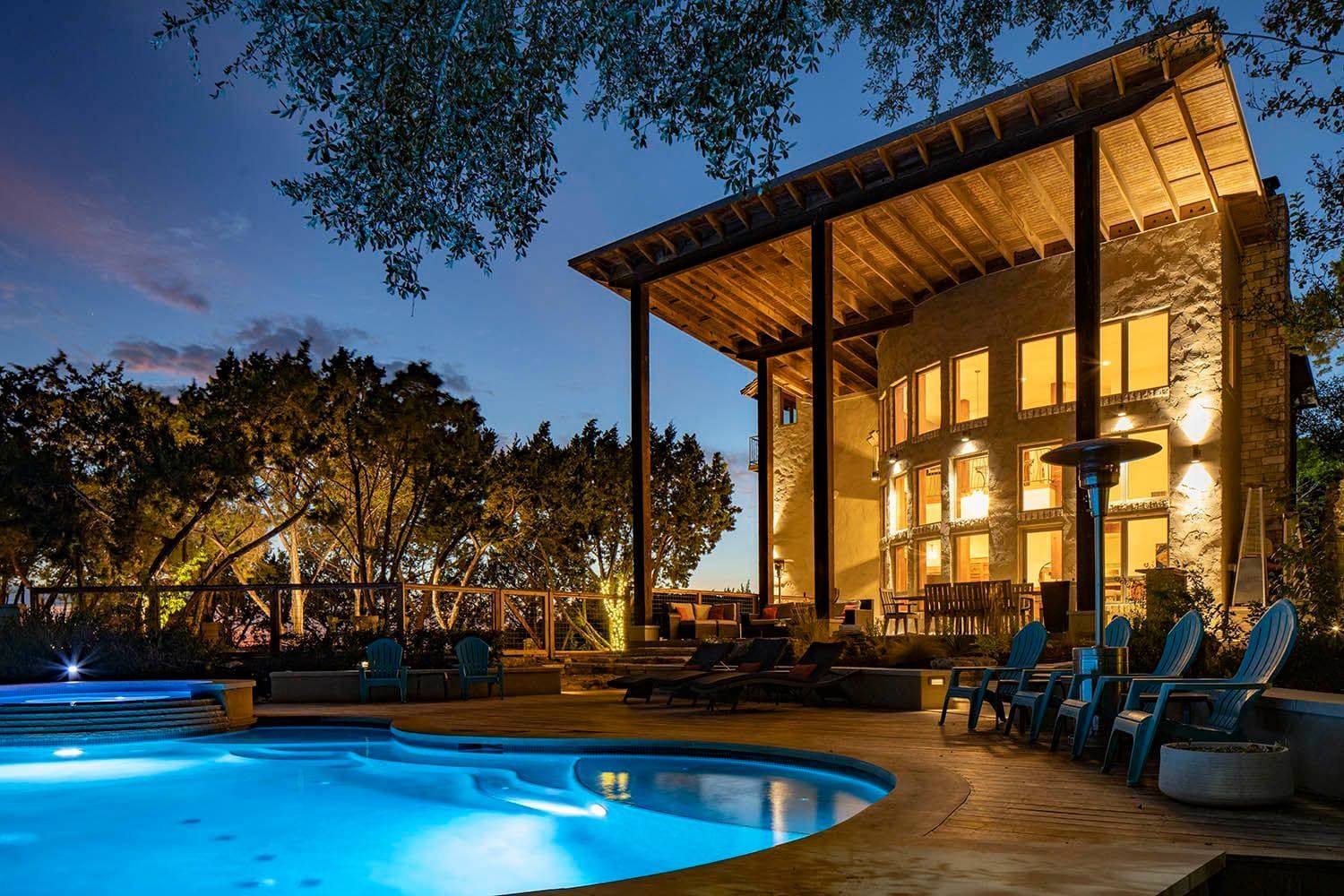
28 maximum · 2 workspaces

1 workspace
7 workspaces
592 maximum
40 maximum · 1 workspace
1012 maximum · 19 workspaces
FromUSD 364/night
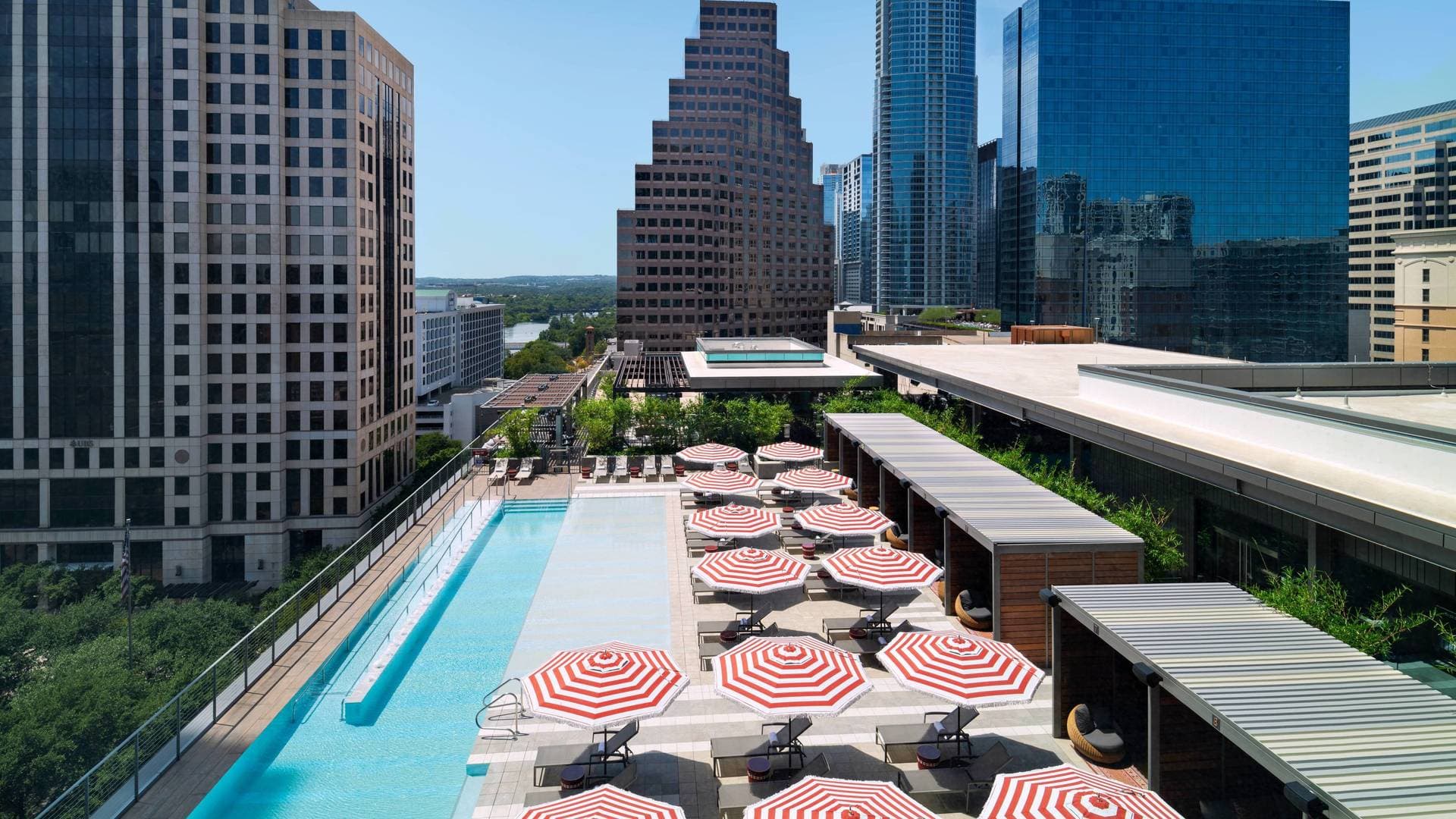
613 maximum · 38 workspaces
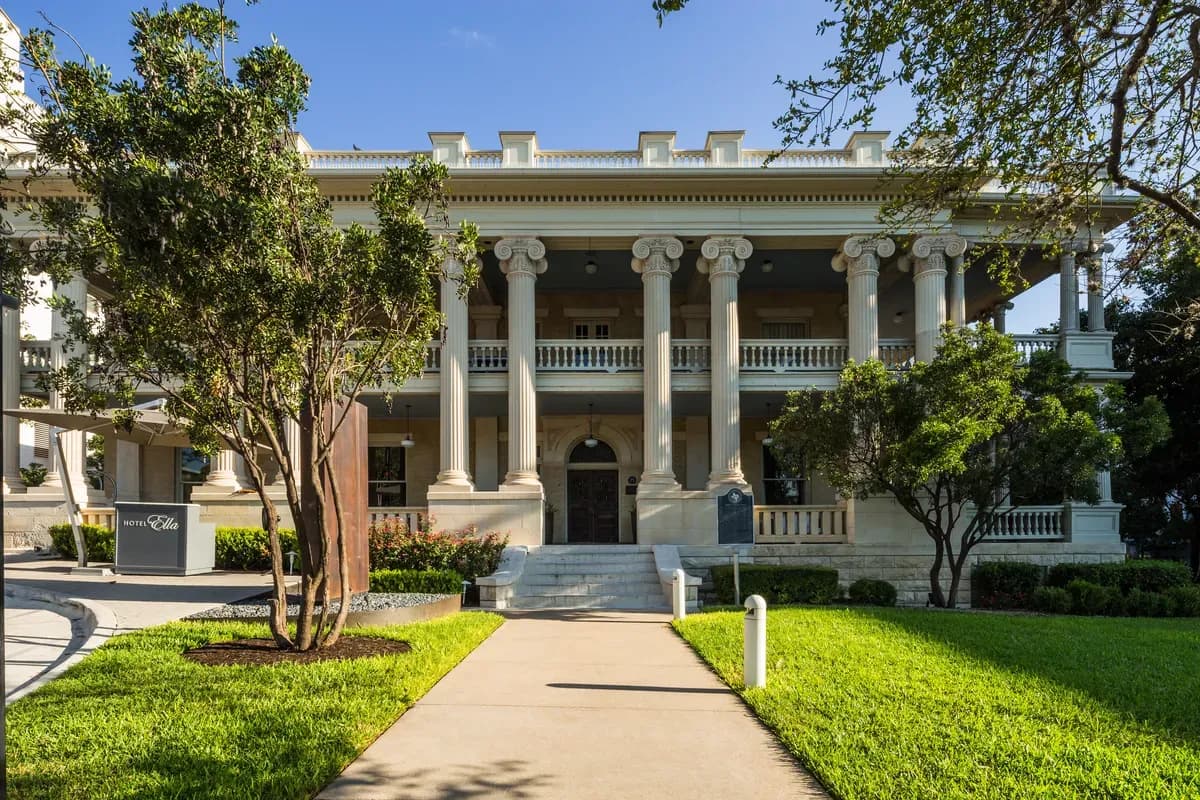
94 maximum · 6 workspaces
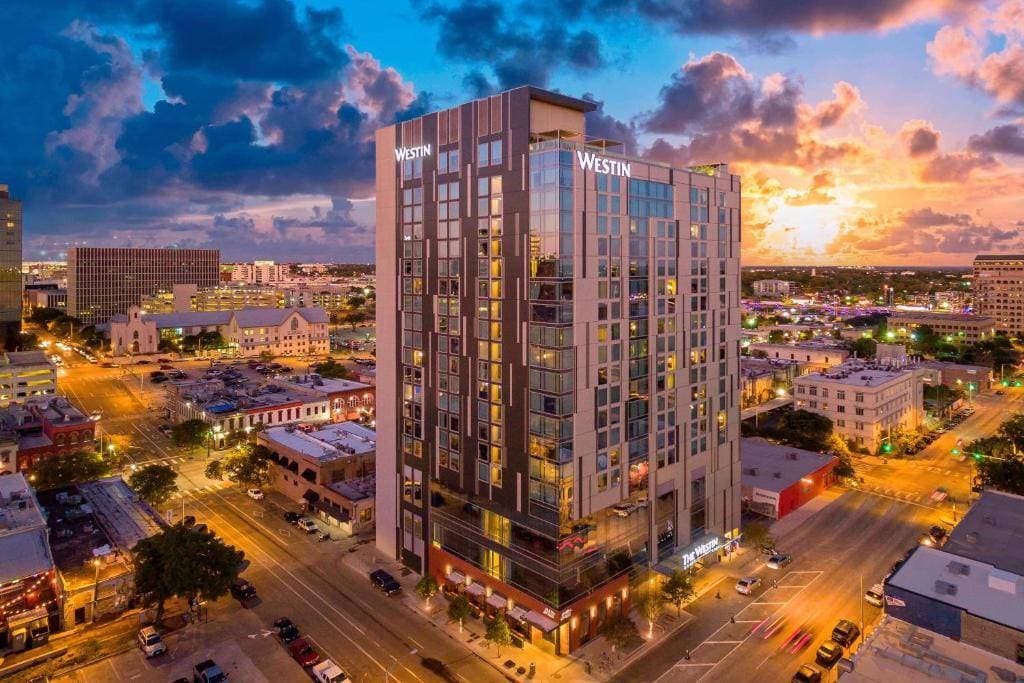
732 maximum · 1 workspace
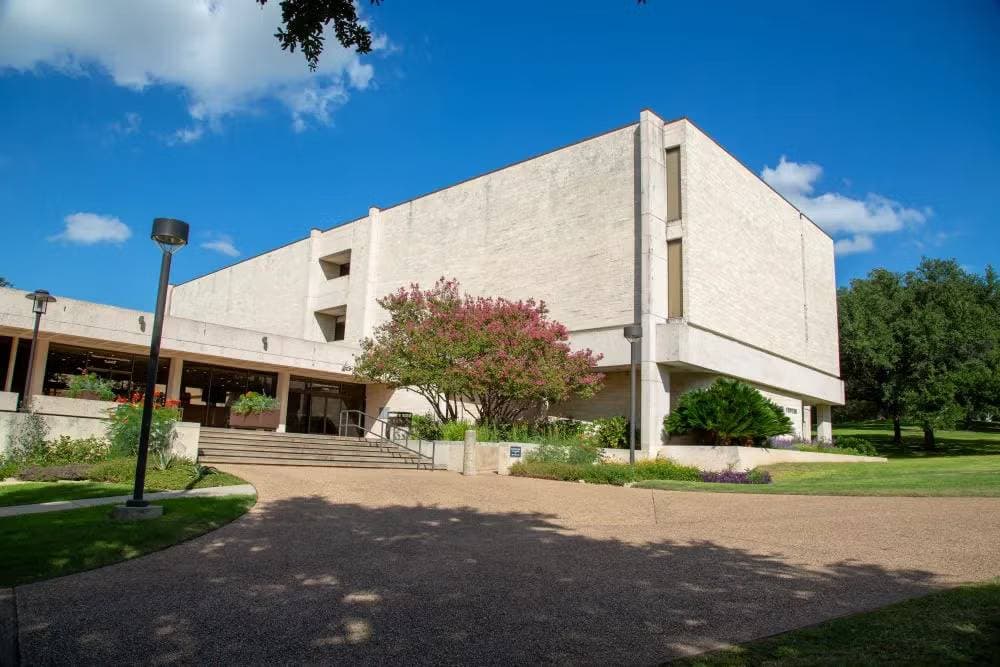
29 workspaces
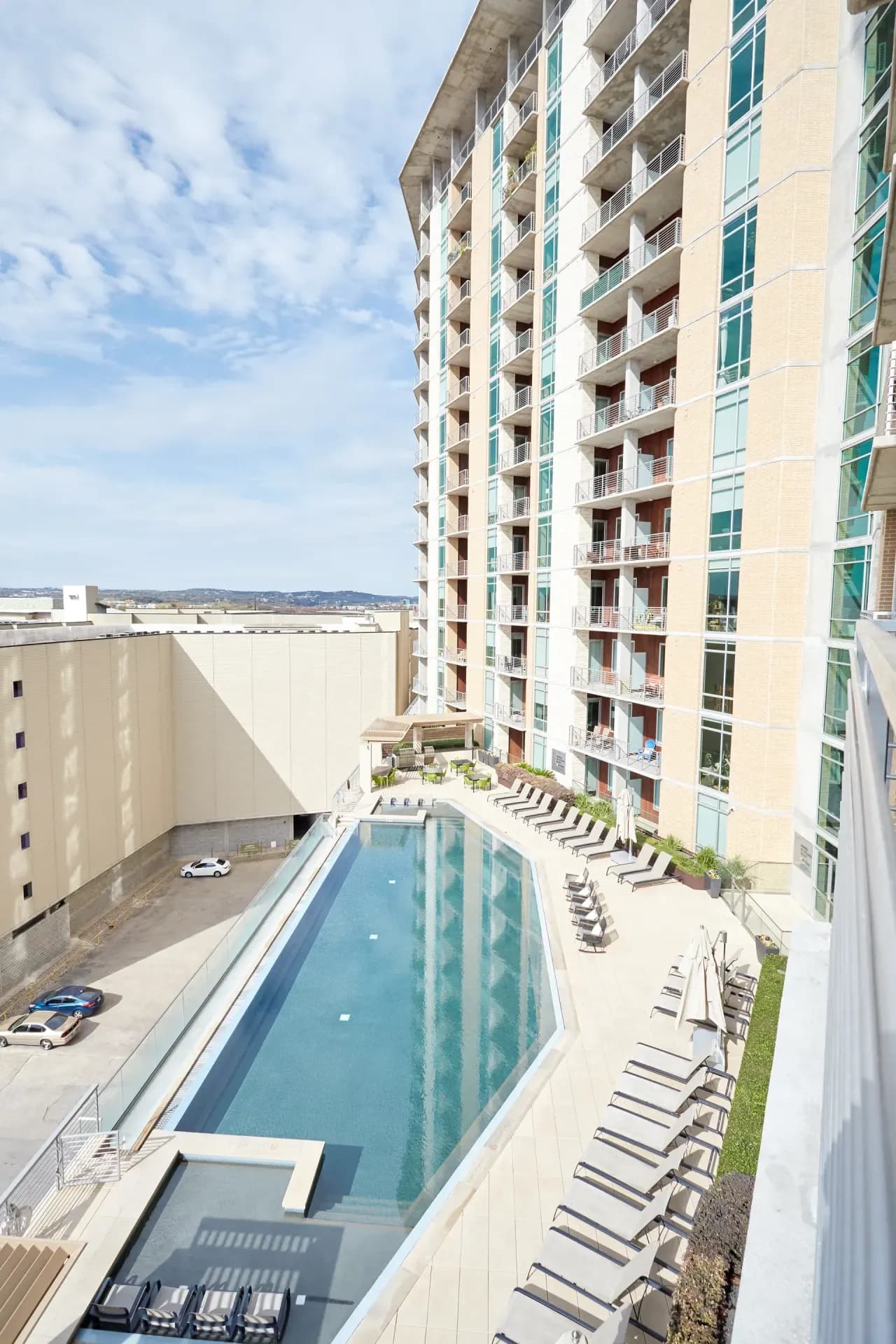
16 maximum · 1 workspace
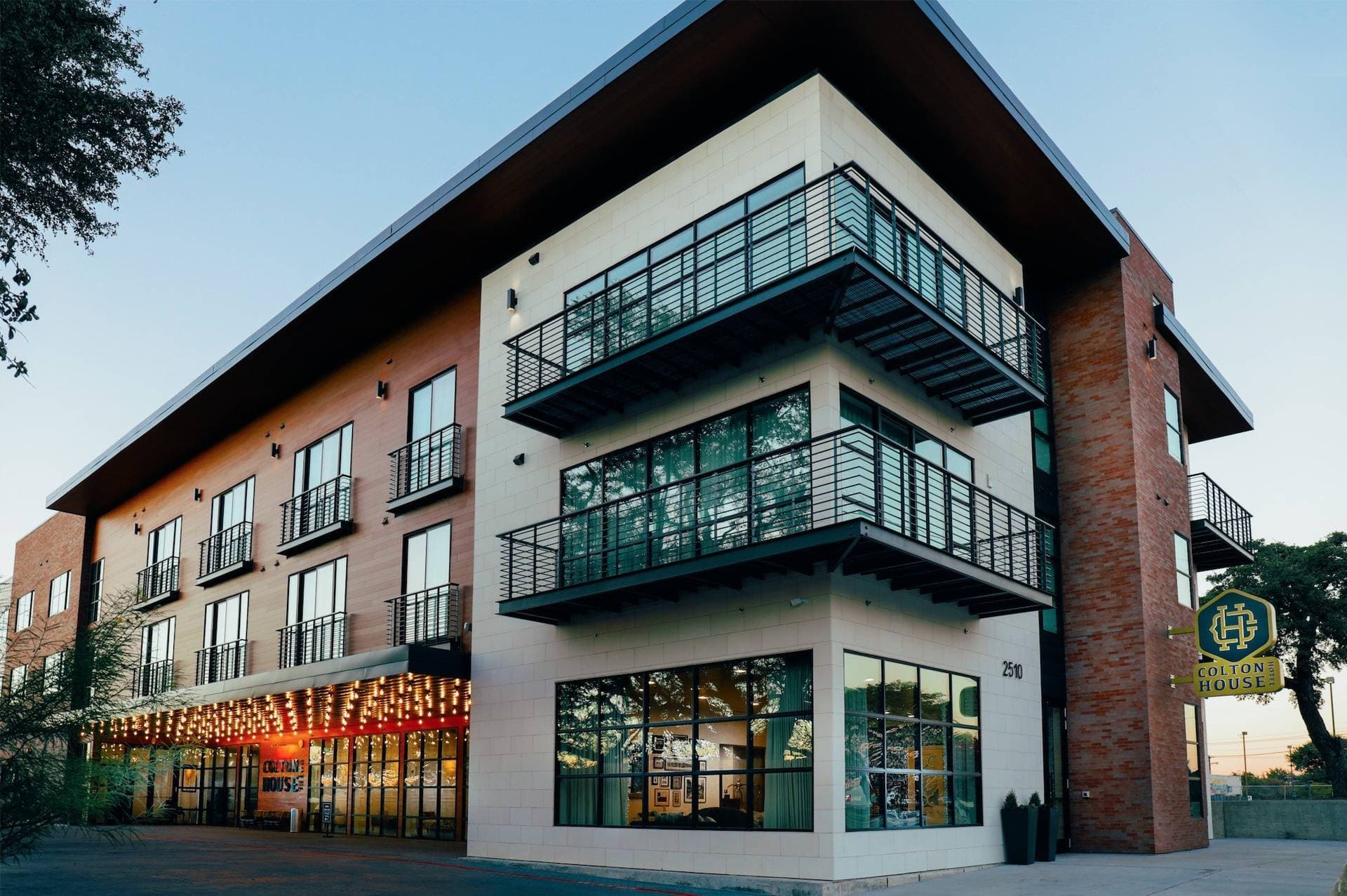
160 maximum · 4 workspaces
FromUSD 301/night
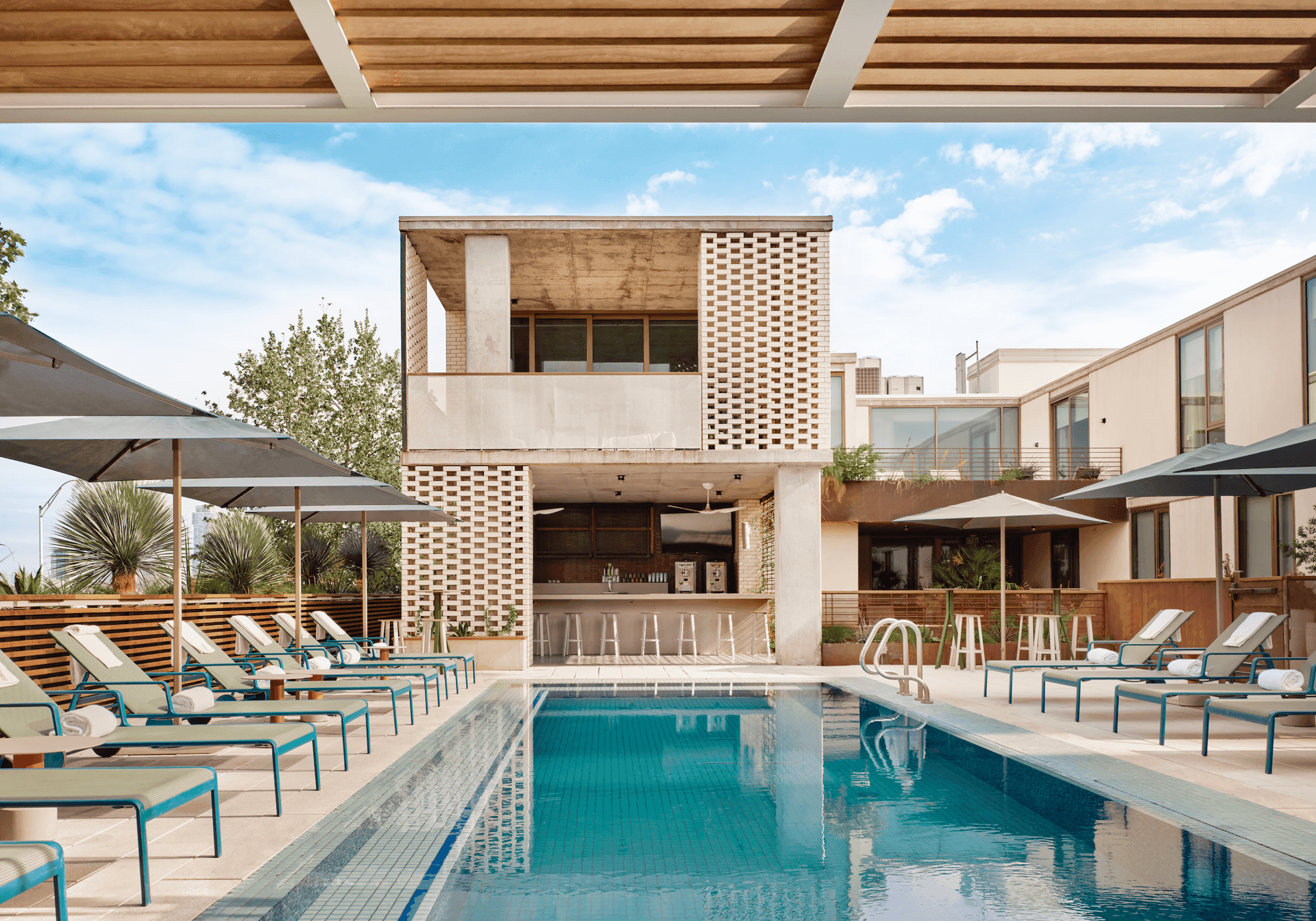
166 maximum · 4 workspaces
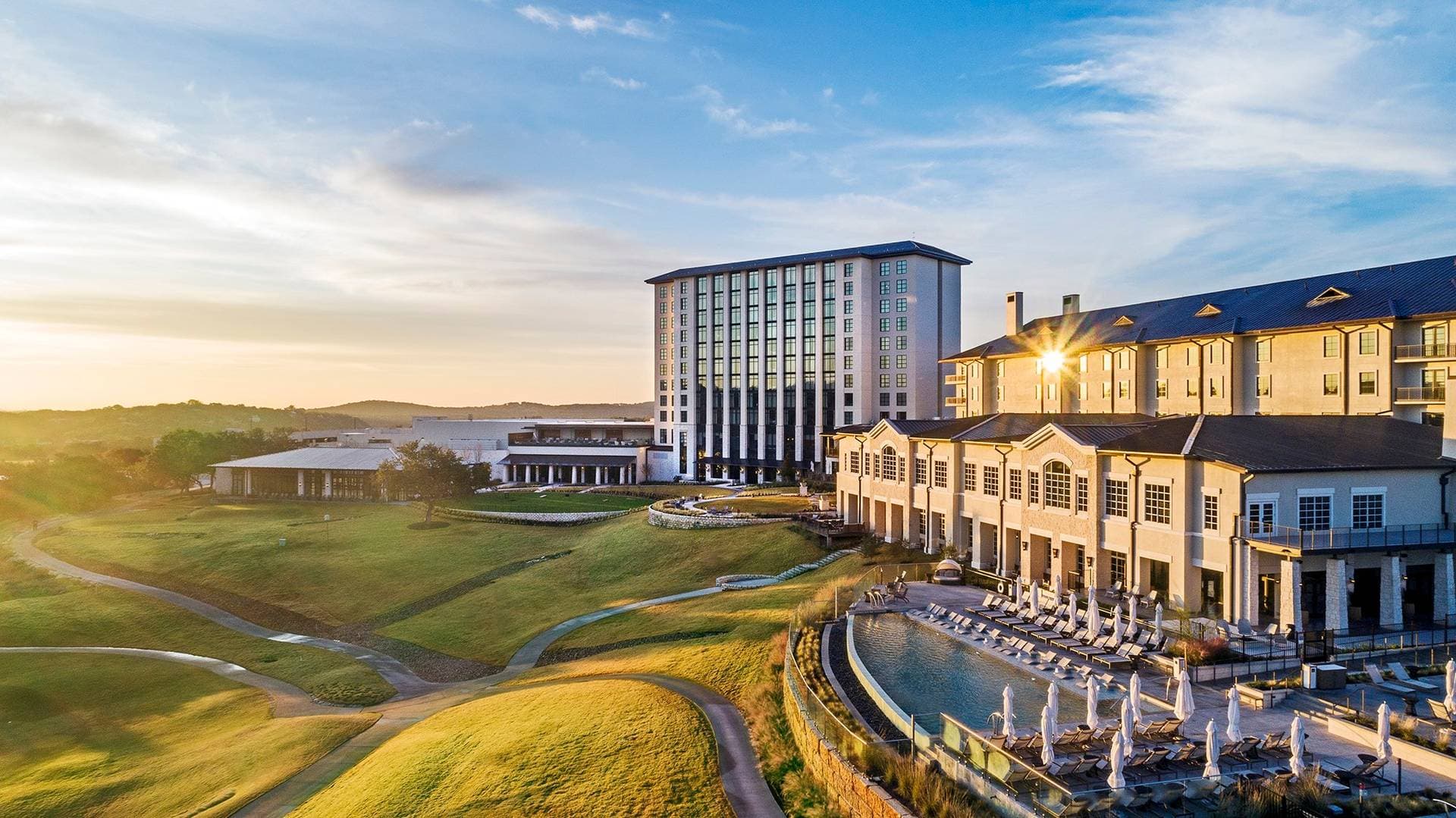
16 workspaces
862 maximum · 1 workspace
21 workspaces
Answer a few quick questions and get venue suggestions for your next event
Over 500,000 employees have experienced a Naboo event









We handle the venue, logistics, and suppliers for your Austin event, so you can stay focused on the agenda.
One quote can cover the venue, catering, AV, activities, and lodging, keeping your budget in one place.
Our AI generates quotes almost instantly, and we get back to you in under 12 hours.
You get itemized pricing and one invoice for Austin event venues, with no mystery line items.
Austin event venues give you a wide range of options across one metro. Naboo works across about 1,450 venues in Travis County and about 1,900 across the Austin metro.
That range works well for corporate events that need downtown access, Hill Country space, or a lakeside setting. Austin event venues also fit overnight offsites, team building, and meetings that need an easy after-hours plan.
about 1,450
venues in Travis County
venues in the Naboo network in Travis County
about 1,900
venues across the Austin metro
venues across Travis, Williamson, and Hays counties
100%
overnight offsites
Austin bookings that are overnight offsites
about 35
median group size
median group size for Austin bookings
Use the blog to compare formats, then ask the real question: does it fit your guests?
We look at retreat-style spaces that keep people together without trapping them in a boardroom all day. Use the blog to compare formats when planners are trying to find a venue that truly fits their guests and format. Company events in Austin can work well in the Hill Country, where the agenda can breathe a little, especially with outdoor spaces that give people room to gather between sessions. Miraval Austin Resort and Spa- Inclusive Resort suits overnight offsites when you want meetings, downtime, and a setting that does not feel like office lighting with a view.
We usually compare restaurants, private dining rooms, and hotel spaces that make conversation easy for intimate gatherings. Restaurants in Austin can help when you want a dinner that feels deliberate, not like a spreadsheet in a blazer, and Hill Country retreats add outdoor spaces when the format needs more room to breathe. Caroline Restaurant works well for a client meal or small reception, with room for good food and a clean flow.
We look for places that let people relax without losing the group. Restaurants and private dining rooms can be strong options for intimate gatherings, client meals, or small receptions, while an on-site bar helps a casual celebration flow more easily. Hotel lounges keep things simple for mixed teams. Hotel ZaZa Austin suits an evening that needs style, easy gathering space, and enough structure that nobody has to play event host all night.
We focus on Austin event spaces that support a clear reveal, strong AV, and flexible layouts that keep attention where you want it. Downtown works well when you need guests to arrive easily and stay for the next part of the plan, and an on-site bar or lounge can make casual team celebrations easier for guests. Tommie Austin suits a launch or kickoff that needs modern rooms, a central location, and a pace that feels current without trying too hard.
We compare hotel venues, private rooms, and spaces with enough flexibility and flexible layouts for dinner, drinks, and a little dancing if the team is brave. Hotels in Austin can simplify the evening when you want one place for arrival, food, and wrap-up. Luxury Escape Austin is a good spot for a holiday format that needs privacy and a more relaxed finish.
Start with the result, then choose the format that supports it. If you need alignment, an overnight offsite usually works better than a quick dinner. If you need energy and visibility, a kickoff or client event may be the better fit. Austin event venues give you room to choose between downtown hotels, Hill Country retreats, and restaurant buyouts, each with a different spirit.
That choice changes the whole day. A meeting room in the city center helps when people are flying in and out. A resort outside town helps when you want fewer interruptions. If the goal is connection, team building in Austin can pair nicely with shared meals and a simple activity, and the city's artistic side can add a fun touch.
What organizers often forget is the time between sessions. Transit, check-in, and the hour after the program matter more than the slide deck. We help you compare formats, then match the venue to the way your guests will actually move through the day, including the walking distance between venues and hotels.
Choose by guest count, schedule, and how much structure you want. Downtown hotels suit overnight offsites with evening plans nearby. Hill Country properties work for retreats that need space and privacy. Restaurants fit smaller groups that want a strong meal and less setup. Meeting space in Austin is useful when the agenda is mostly work and the room needs to do the heavy lifting, especially for teams flying in and out that need easy access, and if you want a good venue with a Texas feel.
Look at the neighborhood first, then the room type, then the service level. Downtown helps with access. The suburbs help with parking and breathing room. If you want a simple comparison, Austin event venues can be filtered by format, budget, features, and whether you need lodging, and by whether the venue is located near your hotel block.
People often forget the small things that shape the experience, like timing, AV, and how guests move between sessions. That is where we come in, with a shortlist that keeps the decision practical and leaves room for Texas charm.
Pick activities that support the reason you gathered people. For an offsite, use team exercises that break up long sessions. For a client event, keep the activity light and conversation-friendly. For a kickoff, choose something that builds momentum without taking over the agenda. Team building in Austin works well when the group needs energy, not a full production, and when the setting can accommodate a fun, intimate pace.
Examples include guided tastings, outdoor challenges, collaborative workshops, and short social formats. Austin event spaces can support all of these, but the room should match the pace. A restaurant works for a meal-led evening. A resort works for a longer retreat. A hotel works when you need everything in one place, including cocktails after the session.
What gets missed is the transition between the activity and the next part of the day. We help you keep that handoff steady, so the agenda does not feel stitched together, and the evening can still feel like Austin with craft cocktails and live music.
Not always. A theme helps when you want a clear tone, a shared reference point, or a holiday party that needs more personality. It is less useful when the goal is a clean business message. Austin event venues already give you enough character, so the theme should support the plan, not rescue it, and the city's creative energy can do some of the work for you.
If you want one, keep it simple. Use a color palette, a regional nod, or a format that matches the city, like a Hill Country retreat or a downtown dinner. If you do not need one, skip it and put the effort into food, flow, and timing, plus a menu that fits the group.
Organizers often overthink the theme and underthink the guest experience. We help you stay focused on what people will remember, which is usually not the font on the signage, but the unique vibe and the lasting memories.
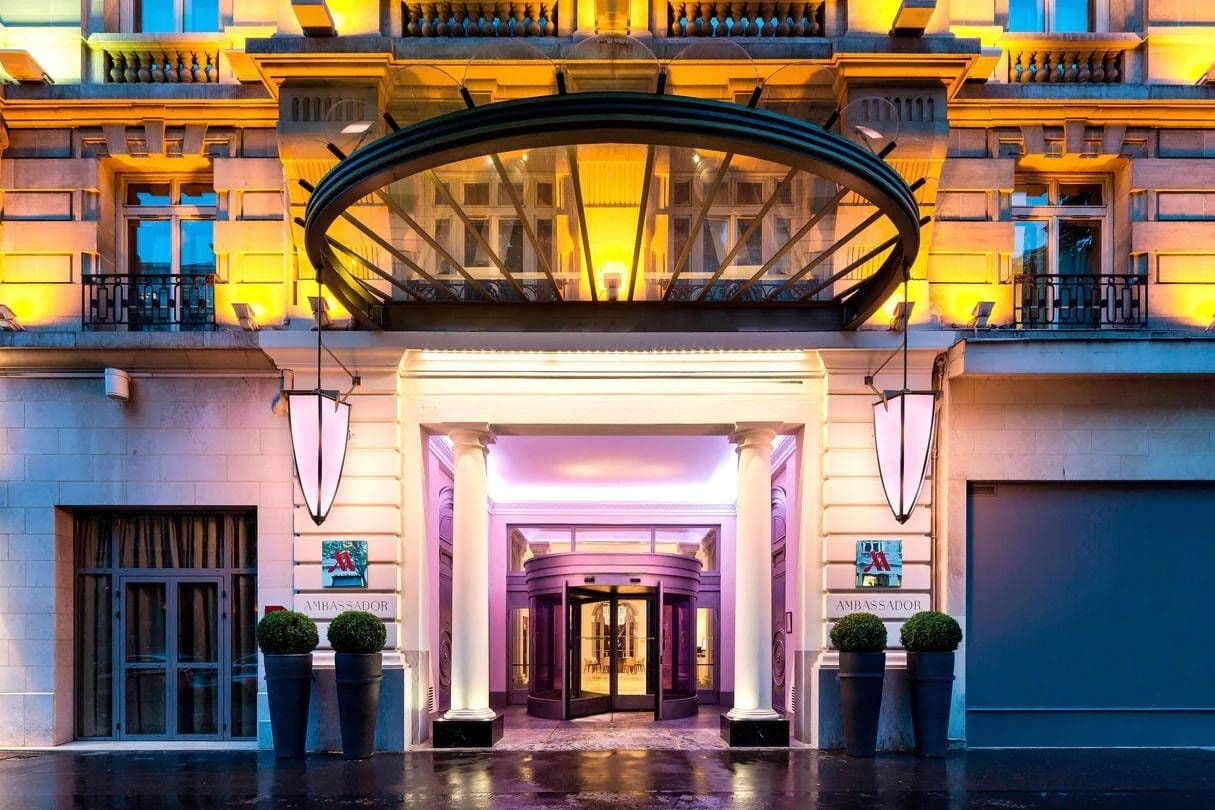
Large corporate events in Austin usually start with one of three formats. A convention center, a performing arts center, or a stadium or arena event space can each support a different kind of program.
Write every production detail into the proposal.
Examples to start your comparison. Each venue confirms its price in writing before you book.
Registration flow, plenary space, breakout routing, supplier access, and loading access. Downtown, The Driskill adds more than 16,500 square feet of meeting and event space in a historic hotel on Sixth Street.
Stage and AV scope, loading access, and the seating layouts available.
Which clubs or suites are included, event-day conflicts, and AV and catering terms.
Which halls or galleries are included, catering rules, and whether the venue closes to the public for your event.
Seasonal rules, permit responsibilities, and an indoor backup plan.
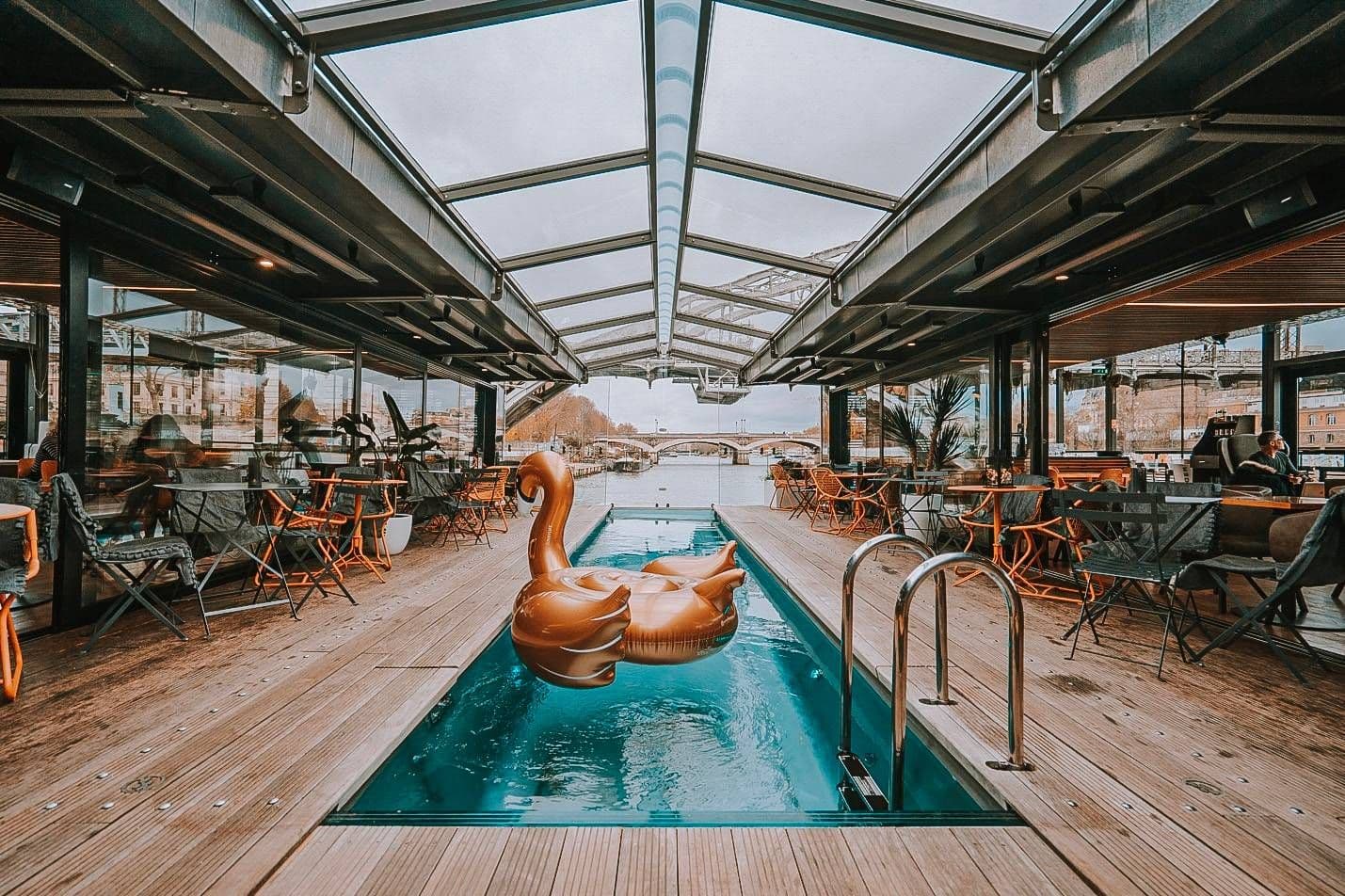
High-capacity spaces should be judged by verified venue sources, not by broad marketing language. Ask for the layout-specific capacity and the service conditions that support your agenda.
Verified details matter more than broad claims.
One brief, comparable proposals, one point of contact.
Tell Naboo the format, guest count, dates and neighborhood preferences for your Austin event.
Shortlisted venues reply with proposals that use the same line items, so room rental, catering, labor and equipment sit side by side. Each venue confirms its price in writing before you book.
Naboo handles the booking with one point of contact and one invoice per event. With a framework contract, procurement also gets one vendor of record.
The answer depends on the format, the neighborhood, and whether you need lodging. A downtown overnight offsite will not behave like a simple dinner, and a retreat outside town will not price like a meeting room. The right budget starts with the guest count and the scope, then the venue type.
We compare similar options so you can see what changes the total. Venue, catering, AV, and lodging may all sit in the same proposal, which makes the decision easier. Austin event venues can look similar at first glance, but the service level changes the spend quickly.
What matters most is not the lowest quote. It is whether the proposal matches the plan without surprise extras at the end.
By comparing like with like. We turn one brief into a shortlist of comparable venues, then bring back quotes you can review side by side. That helps you see where the money goes before you commit.
We also keep the proposal structure clear. When venue, catering, AV, activities, and lodging sit together, you can spot what is essential and what is optional. Austin event venues are easier to manage when the quote reads like a plan, not a scavenger hunt.
That is the point of the process. You keep control without spending your afternoon decoding line items.
Share the date, headcount, budget, and intent. If you have a preferred neighborhood, mention that too. If the group needs lodging or a meeting room, say so early. The more concrete the brief, the faster we can narrow the options.
We also need to know the tone you want. Is this a working session, a celebration, or a mix of both? Austin event spaces can support all three, but the shortlist changes with each one.
A vague brief leads to vague proposals. A clear brief leads to useful choices, which is usually the better trade.
It depends on what you want to hand off. If you want to manage the details yourself, self-serve can work well. If you want us to run the event, the turnkey package includes an on-site Naboo Event Manager for the day.
That support is useful when the schedule is tight or the group is large. It keeps the venue, vendors, and timing aligned while you stay with your guests. Austin event venues are easier to run when one person is watching the moving parts.
The false good idea is to say you will "just handle it on the day." That sentence has caused more coffee than any agenda ever should.
Start with the run of show, then decide who owns each moment. Confirm arrival times, room setup, catering timing, and the handoff between sessions. After the event, compare what happened with what you wanted to happen, then debrief while the details are still fresh.
Success can mean attendance, engagement, client response, or team energy. It depends on the goal you set at the start. Austin event venues are only part of the result, because the real measure is whether the day worked for the people in the room.
If the debrief is honest, the next brief gets better. That is the part people skip, and then wonder why the next event feels familiar in the wrong way.
| Row | Booking venues on your own | With Naboo |
|---|---|---|
| 01 | A different quote format from every venue | One brief, comparable proposals with clear line items |
| 02 | Prices that can change before you sign | Each venue confirms its price in writing before you book, and the price we confirm is the price you pay |
| 03 | Fees that show up late in the process | Fees and service charges shown line by line in the proposal |
| 04 | Rates that may be higher than booking direct | Prices never higher than booking direct |
| 05 | Several contacts and invoices to chase | One point of contact and one invoice per event |
| 06 | Terms negotiated again for every event | With a framework contract: one vendor of record and negotiated terms per contract |
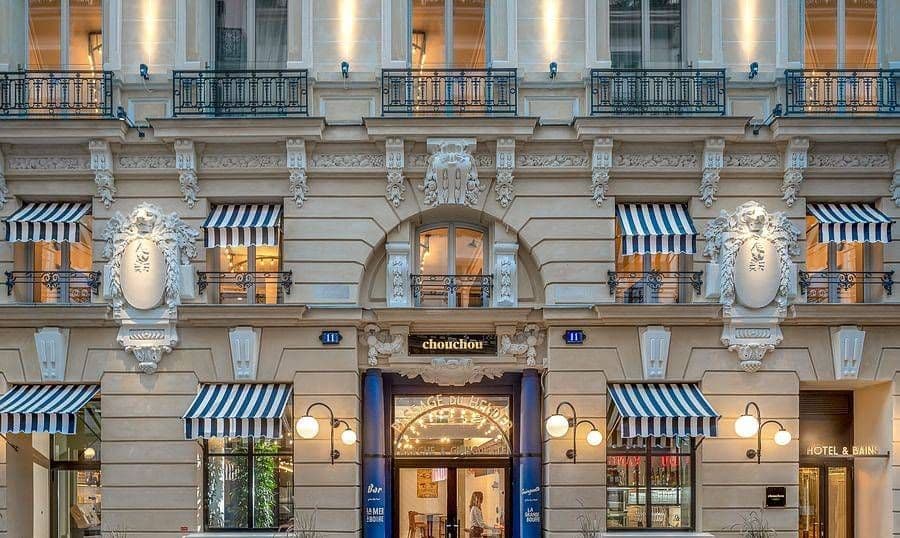
Distinctive venues can give a corporate program a stronger sense of place without losing control of the agenda. Austin offers options that feel different while still working for business events.
Distinctive spaces still need disciplined planning.
Outdoor venues can be a strong fit for receptions, dinners, and brand moments, but the planning rules need to be clear. Seasonal demand, contract language, and weather backup all affect the final choice. Outdoor events need written fallback plans.
Hotel rates rise sharply during the SXSW festival, so booking early matters for any event held at that time. If your program is tied to that period, confirm lodging and venue terms together.
The contract should state who handles permits, approvals, and any related obligations. Naboo does not run venue operations, so the written agreement should make each responsibility explicit.
Ask for a weather contingency plan that fits the event format.
Executive gatherings need rooms that can shift between presentation, discussion, and private conversation. The best meeting space is the one that supports the agenda without forcing awkward compromises.
Breakout flexibility. Evaluate whether the venue can support breakouts, private calls, and small working groups. Flexible room use matters when a leadership meeting includes both formal sessions and side conversations.
Conference technology. Assess the conference technology in writing, including display options, audio, connectivity, and other modern amenities. If executives or remote participants are involved, ask how the room supports that workflow.
Catering minimums. Compare catering minimums across venues before you narrow the list. A room that fits the agenda may still be a poor match if the food and beverage terms do not align with your plan.
The right room should support the work.
Location matters when attendees are flying in, staying nearby, or moving between meetings. Central districts can reduce friction for company events that need easy arrivals and simple routing.
Transit access. Look first at transit-accessible venues near major hubs. Downtown Austin is compact, so many venues are reachable on foot or by short rideshare, and the airport connects to downtown by road.
These areas are often practical when you want guests close to the main event activity.
Travel pattern. Compare the neighborhood fit with how your attendees are traveling. A venue that works for local teams may not be the right choice for visitors who are coming from the airport or nearby hotels. If guests are arriving by car, confirm parking in writing.
Hotel clusters. Map shortlisted venues against nearby hotel clusters, especially Downtown Austin, within a short distance of the convention center. That helps with room blocks, transfers, and late arrivals in Austin, TX.
Convenience can shape attendance and timing.
Austin-Bergstrom International Airport is the main airport for the city. A CapMetro bus route connects the airport with downtown and the university, and shuttles, taxis, and rideshare are available from the ground transportation areas, but there is no rail link.
CapMetro runs bus routes, rapid service, and a commuter rail line, with on-demand shuttles in limited areas. For many visitors, the practical choice is a mix of bus and rideshare, since rail does not reach the airport or every district.
Austin's districts serve different event goals, from central meetings to off-site dinners and team outings. The right fit depends on how much you want to prioritize transit, dining, and the feel of the area.
Downtown clusters around Congress Avenue from the Capitol southward, and it holds the convention district, government offices, and the densest hotel supply. A CapMetro bus route from the airport stops downtown and at the university, which helps with arrival planning.
South Congress is the boutique and design corridor, with tacos, cafes, and independent shops. Guides describe it as the most walkable area for visitors, which makes it useful for casual dining and informal receptions.
East Austin is known for food, galleries, and nightlife, and it has a more local, creative feel. Teams often use it for off-site dinners and social events, but guides disagree on how easy it is to reach, so confirm routes or plan rideshare.
The Domain sits north of downtown along MoPac and has open-air retail, dining, and patios with a suburban feel. Business travelers often look here for shopping, restaurants, and proximity to office areas, so road transfers are worth planning.
Austin's summers are hot and humid, so many planners prefer spring and fall for events. Winter is milder, quieter, and often lower in cost, which can help when you are balancing budget and attendance goals.
Demand rises around SXSW in March and around the Austin City Limits Music Festival and Formula One United States Grand Prix in October. If your dates overlap those periods, expect tighter availability and plan early.
Outdoor events in Austin can involve city permits and department reviews.
Permits. The Austin Center for Events coordinates city departments, and a special event permit is needed when an event affects a street, sidewalk, or alley.
Closures. Austin Transportation and Public Works Office of Special Events issues right-of-way permits for street and sidewalk closures after an application through the Austin Center for Events.
Tents, stages, and food. Austin Fire Department reviews tents and stages, and Austin Public Health issues temporary food permits for events that need them.
Pricing should be reviewed as a document, not as a headline number. Ask for the full proposal, the contract terms, and every fee that could affect approval. Austin venues can be booked weeks to a year in advance, so lock the date first and negotiate the package second.
Itemized proposals. Request itemized proposals from every shortlisted venue. Clear line items make it easier to compare room rental, service charges, and any required add-ons.
Administrative fees. Identify administrative fees before you approve the venue. If a charge is not obvious in the proposal, ask for it to be written out and explained.
Taxes and gratuity. Verify how taxes and gratuity are being assumed in the quote. Small assumptions can change the final budget, especially for corporate events with catering and service staff.
Centralized contracts. Use Naboo to centralize contracts for large groups when you need one vendor of record, negotiated terms per contract, and a single control point for requests, approvals, and payments by entity, country, and event type.
Put every commercial term in writing.
The next day, photos tell one story, and attendee feedback tells another. You need both to understand what worked, and to see whether the event created lasting memories.
Did the format fit the goal? Did the venue support the schedule? Did guests stay engaged? Did the space feel right for the group, with enough open space and a ceiling that suited the plan?
Then review planned budget versus final spend. If there is a gap, trace it to scope changes, add-ons, or timing, and note whether the menu, cocktails, or craft beers changed the total.
The real value of hosting this event is not the room itself. It is the clarity, momentum, or connection that follows, with a little Texas charm and spirit.
Send us the date, headcount, budget, and intent, and we will start with a shortlist of Austin event venues and the first quotes, with first venue proposals the same day or the next business day.
It depends on what worked last time. If the goal was alignment, keep the purpose and change the setting. If the goal was energy, change the pace with a different mix of sessions and social time. A retreat can become a shorter offsite, and a dinner can become a working lunch. The false good idea is to copy the old agenda and call it "proven." That usually means predictable, not effective, even if the venue had a unique vibe.
It depends on your dates and group size. Busy travel periods and popular weekends narrow the field faster. If you need lodging or a specific neighborhood, start earlier. A simple meeting can move quickly, but an overnight offsite needs more runway, and Austin venues are often booked weeks to a year in advance. The false good idea is waiting until the calendar feels "less busy." Austin does not usually send that invitation.
It depends on whether you need continuity or flexibility. A hotel offsite works when you want sessions, meals, and rooms in one place. A separate dinner works when the meeting happens elsewhere and the evening should stay light. Choose the format that protects the main goal. The false good idea is mixing both just because it sounds efficient, even when downtown venues are within walking distance of hotels.
It depends on how much the room has to do. If you need presentations, hybrid access, or a launch moment, AV is usually worth it. If the event is mostly conversation, you may need less. The deciding criterion is whether the technology supports the message. The false good idea is saving on AV and then asking people to squint at a screen like it is a team exercise, especially in a room with a low ceiling.
Start with the brief, then compare venues that match the same scope. Look at format, location, lodging, and service level before you chase pretty photos. That keeps the search practical. Naboo helps by turning one brief into a shortlist of comparable options and quotes. The false good idea is opening twenty tabs and hoping one of them reads your mind, instead of choosing a good venue for the plan.
It depends on the goal, but the usual trap is too many priorities. When you try to make the event a workshop, a party, and a sales meeting at once, the message gets fuzzy. Pick the main outcome and protect it. The false good idea is assuming guests will enjoy confusion because the catering was excellent, even if the craft cocktails were strong.
It depends on the type. Hotels often include rooms, meeting space, and catering options. Restaurants usually include food, service, and a more social flow. Retreat properties may include lodging, outdoor space, and room for activities. The deciding criterion is what you need on site. The false good idea is assuming every venue includes everything except the part you actually need, whether that is open space or a menu that fits the group.
It depends on flexibility. If your date, headcount, and budget are fixed, the search gets narrower, but it is still possible. Choose a format that can move quickly, like a hotel, restaurant, or meeting room. Naboo can help with a fast shortlist and quotes. The false good idea is insisting on a perfect match and a perfect timeline. That is how short notice becomes long stress, even in texas.
November 26, 2026

November 17, 2026

November 12, 2026

November 12, 2026

November 12, 2026

November 12, 2026