Turnkey
For your Detroit event, we handle the venue, logistics, and suppliers in one smooth flow.
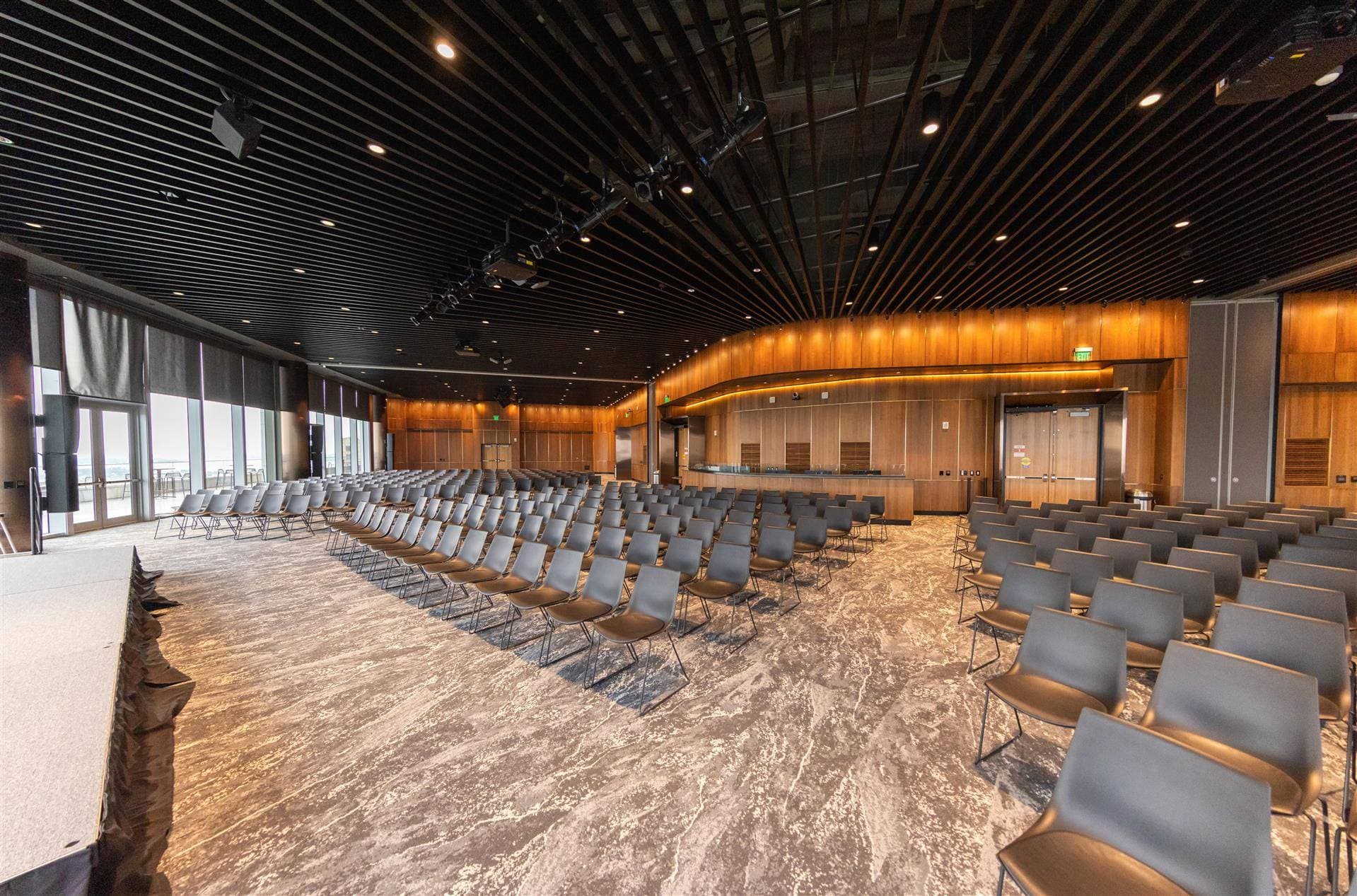
0 maximum · 3 workspaces
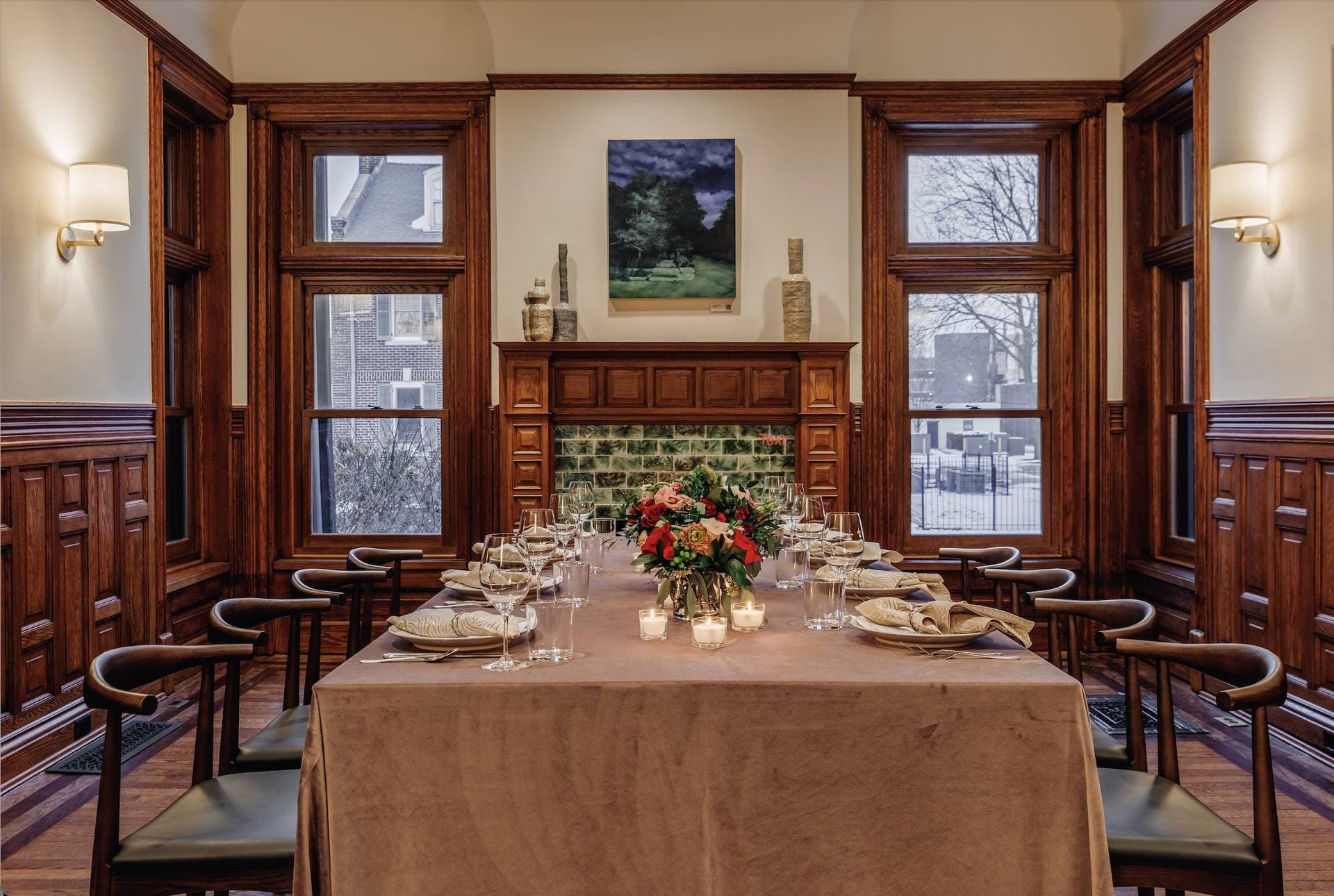
240 maximum · 1 workspace
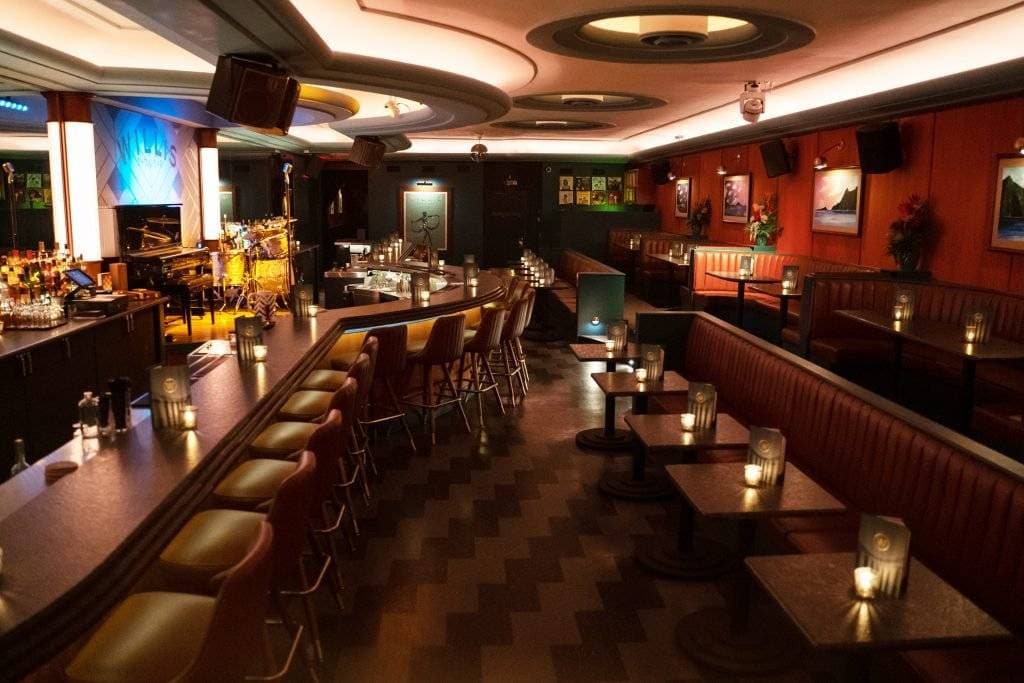
100 maximum · 1 workspace
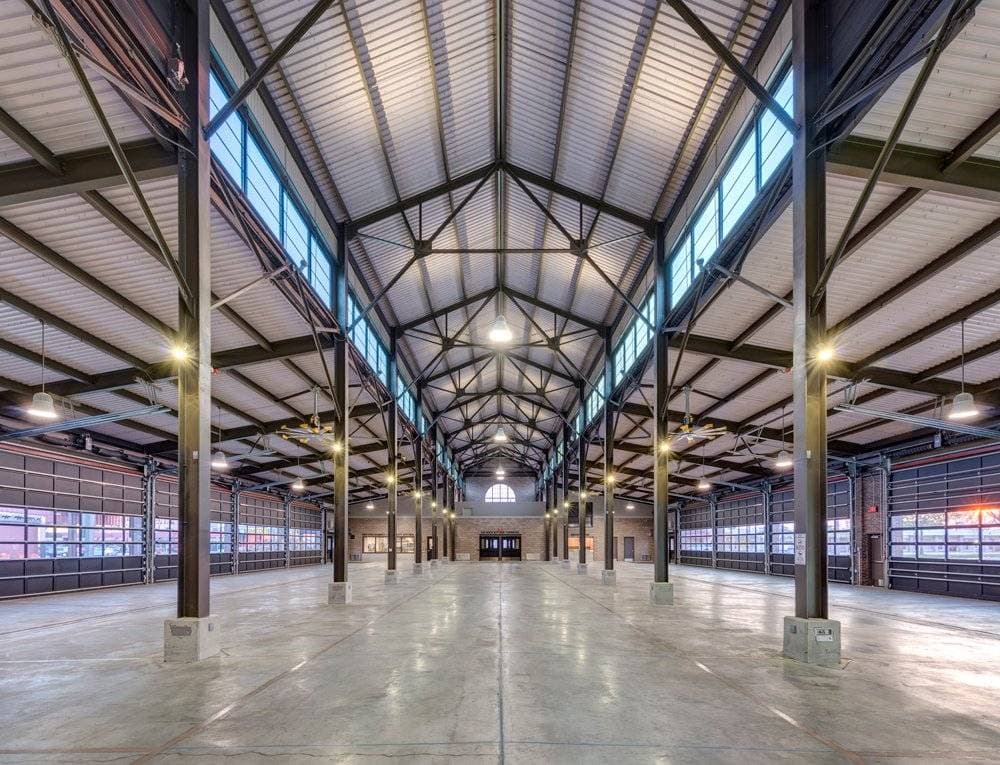
1980 maximum · 1 workspace
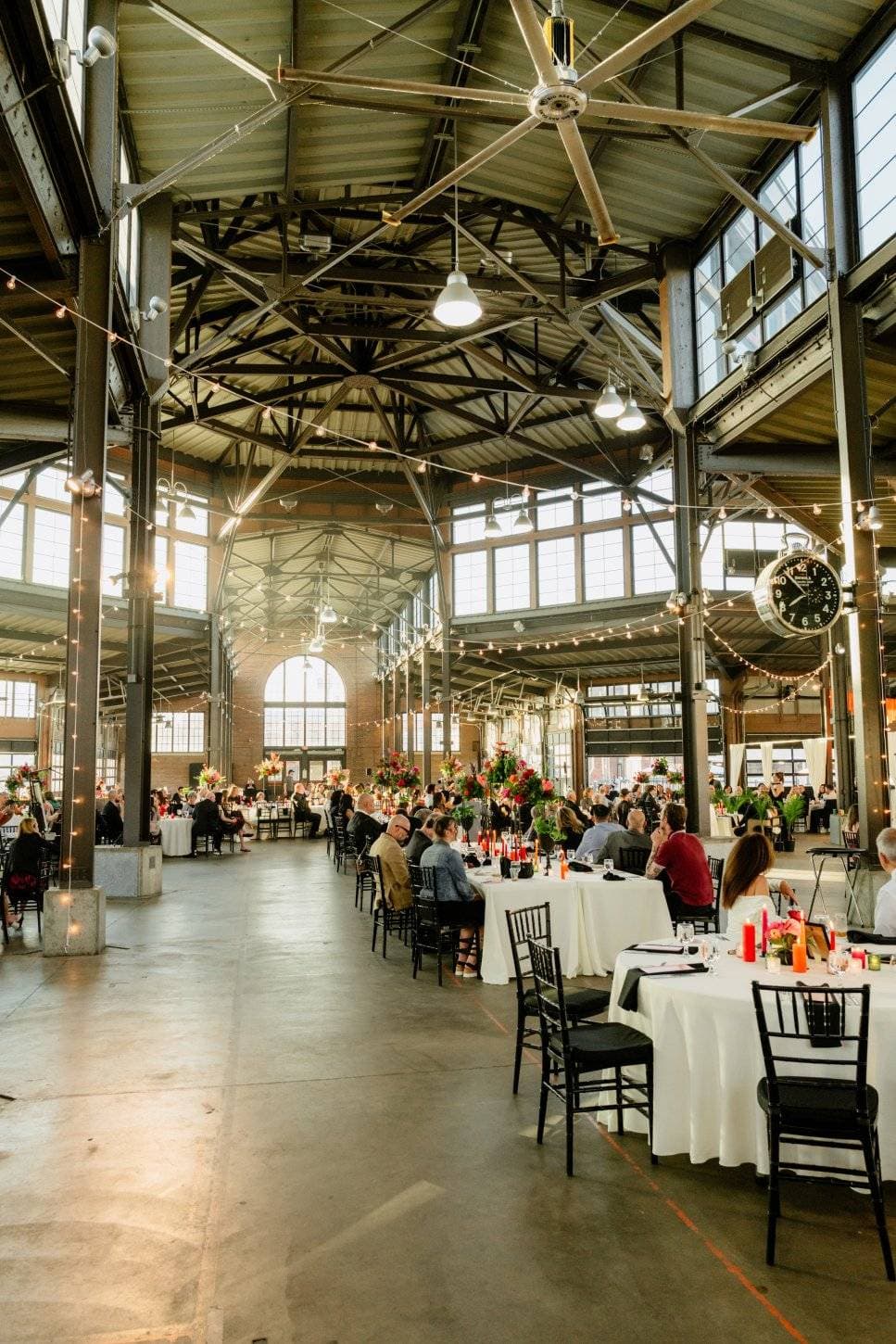
3120 maximum · 1 workspace
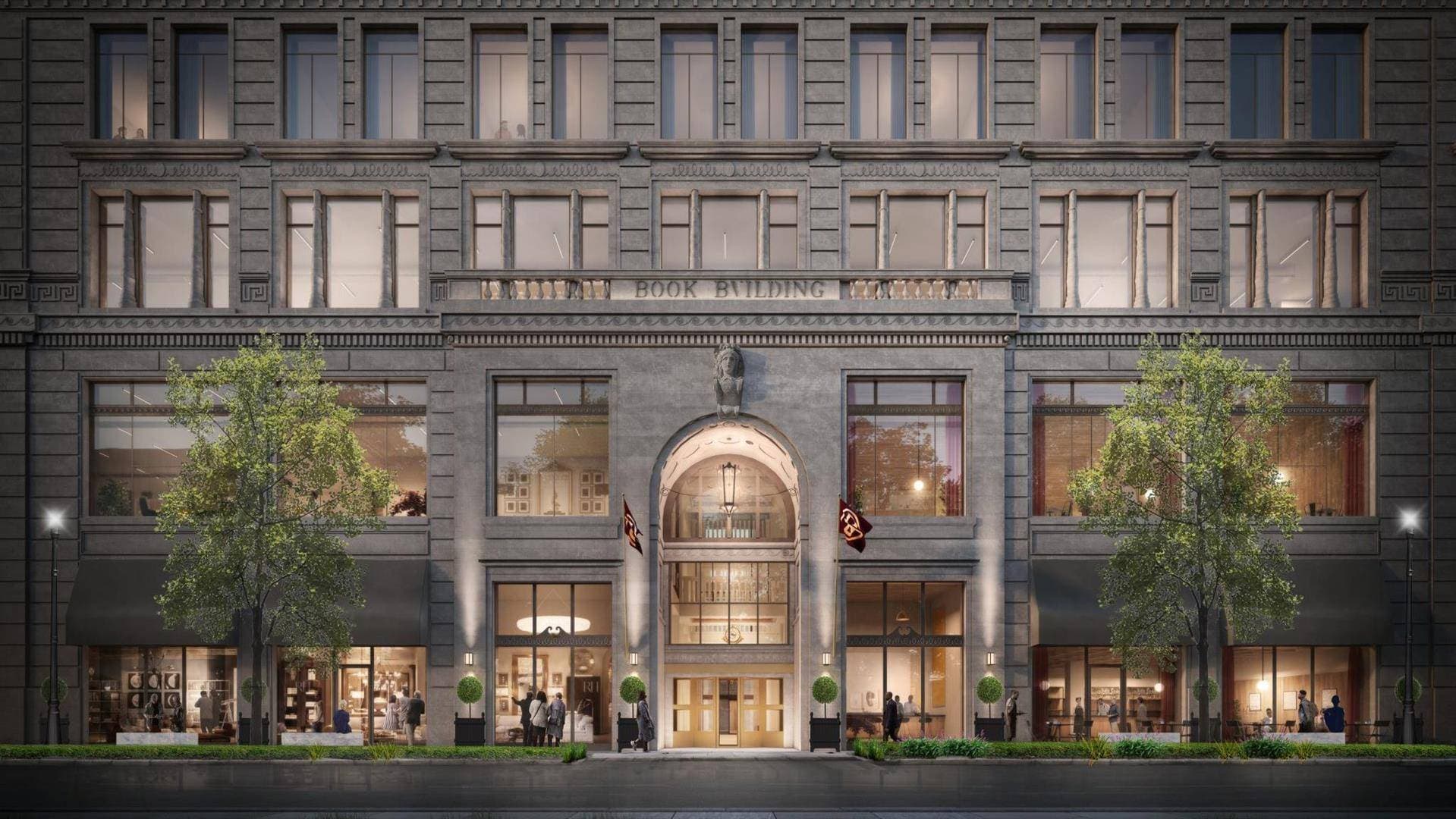
117 maximum · 5 workspaces
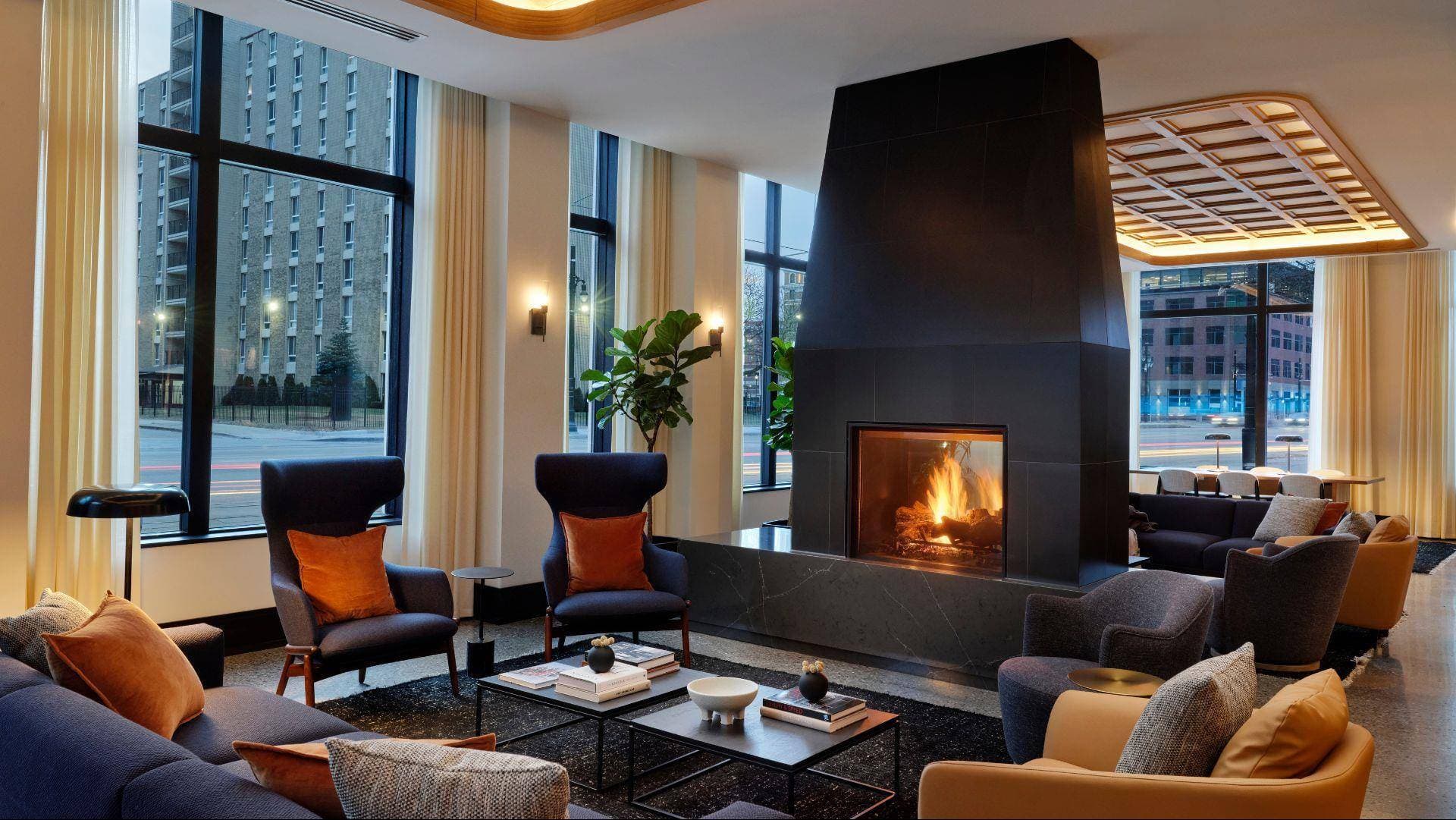
154 maximum · 2 workspaces
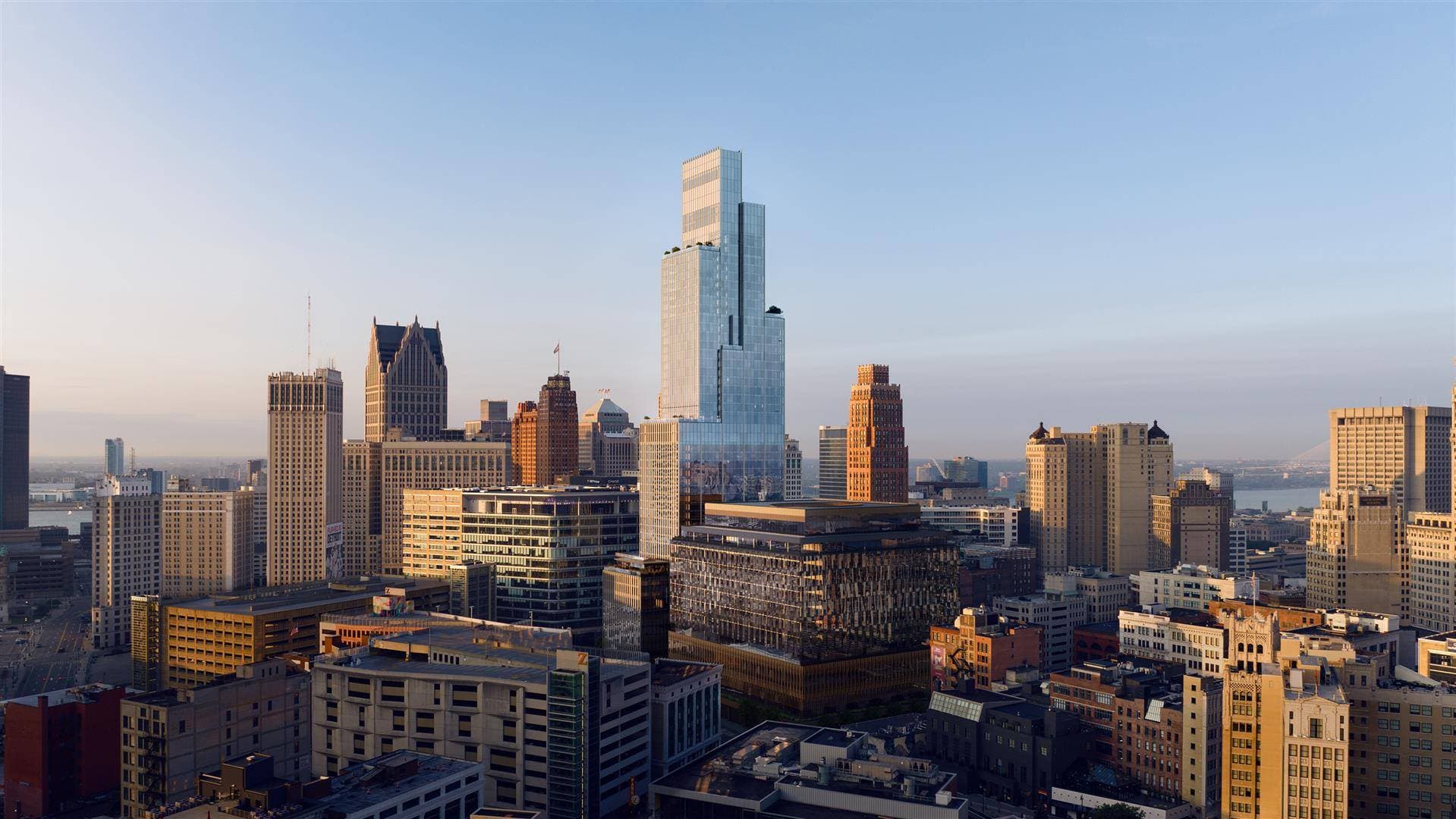
0 maximum · 15 workspaces
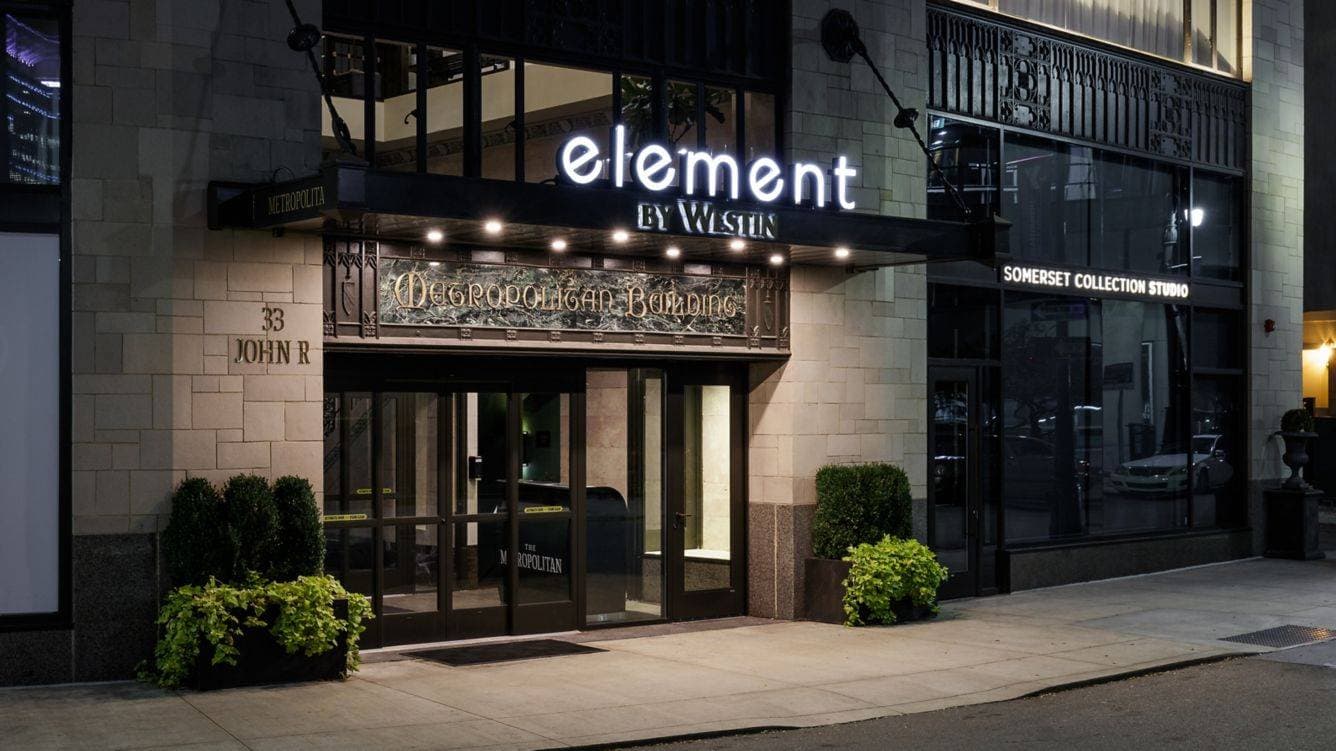
3 workspaces
FromUSD 2,074/night
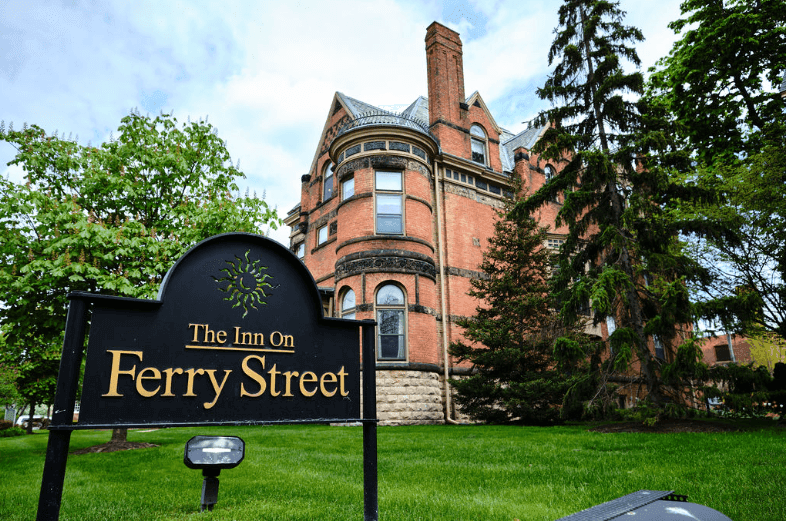
66 maximum · 1 workspace
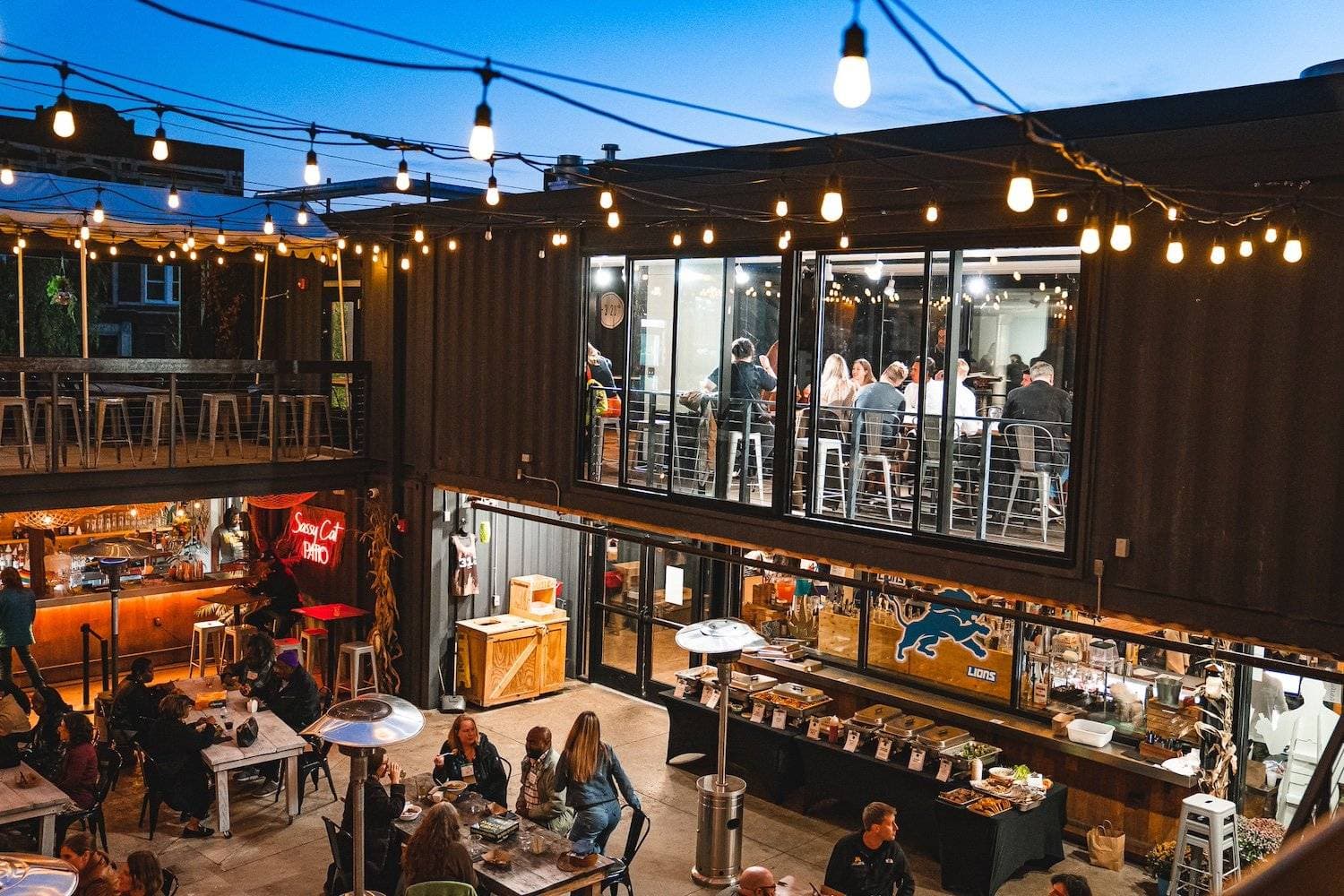
500 maximum · 1 workspace
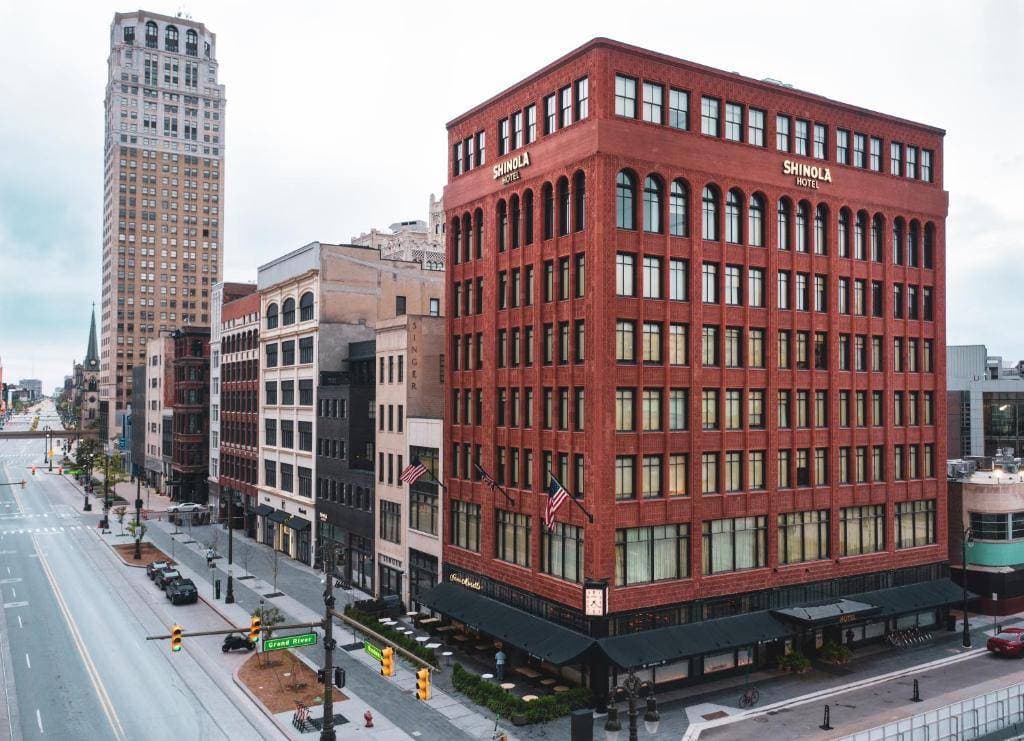
0 maximum · 1 workspace
320 maximum · 1 workspace
367 maximum · 9 workspaces

453 maximum · 24 workspaces
154 maximum · 9 workspaces
404 maximum · 40 workspaces
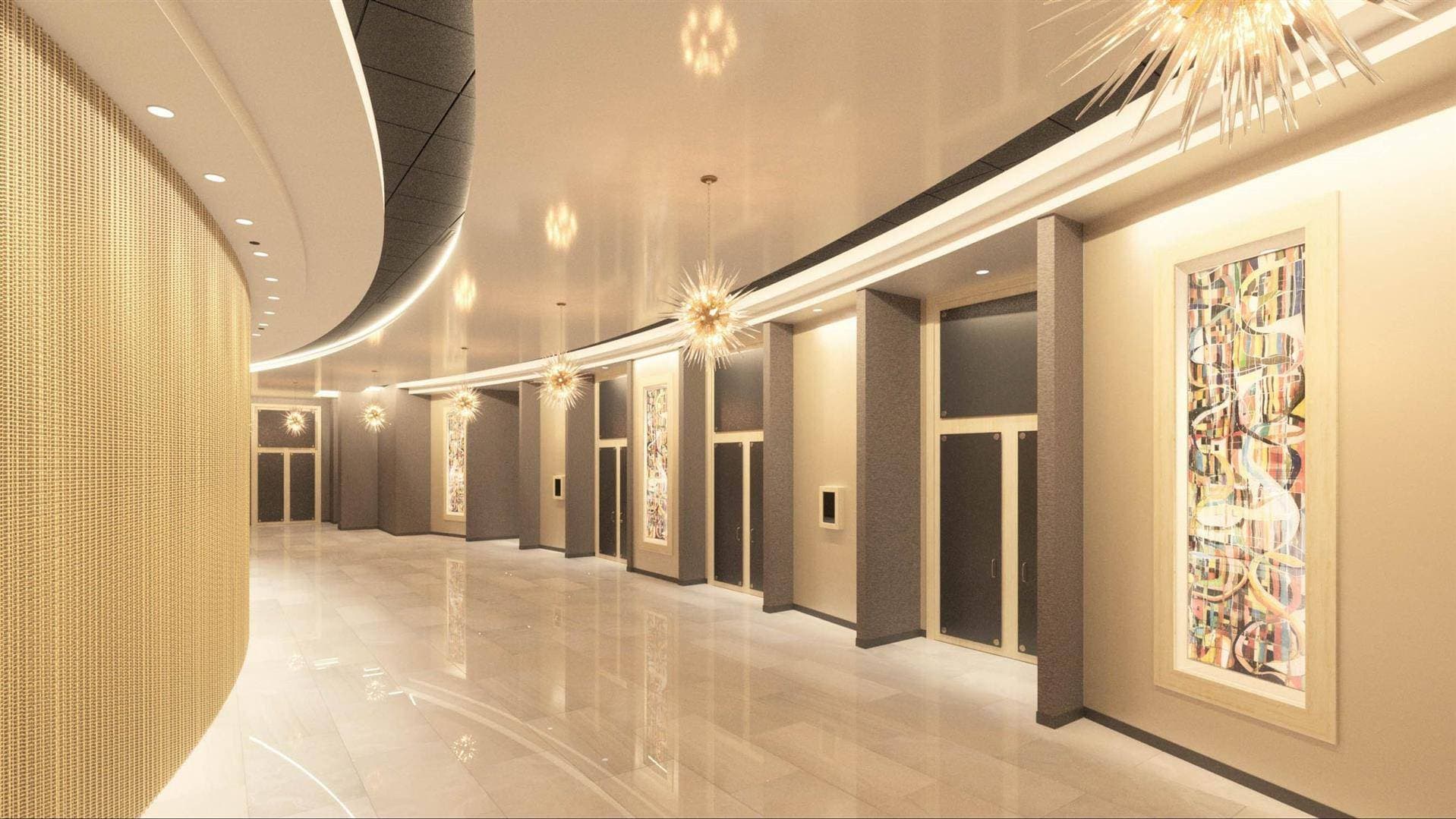
400 maximum · 9 workspaces
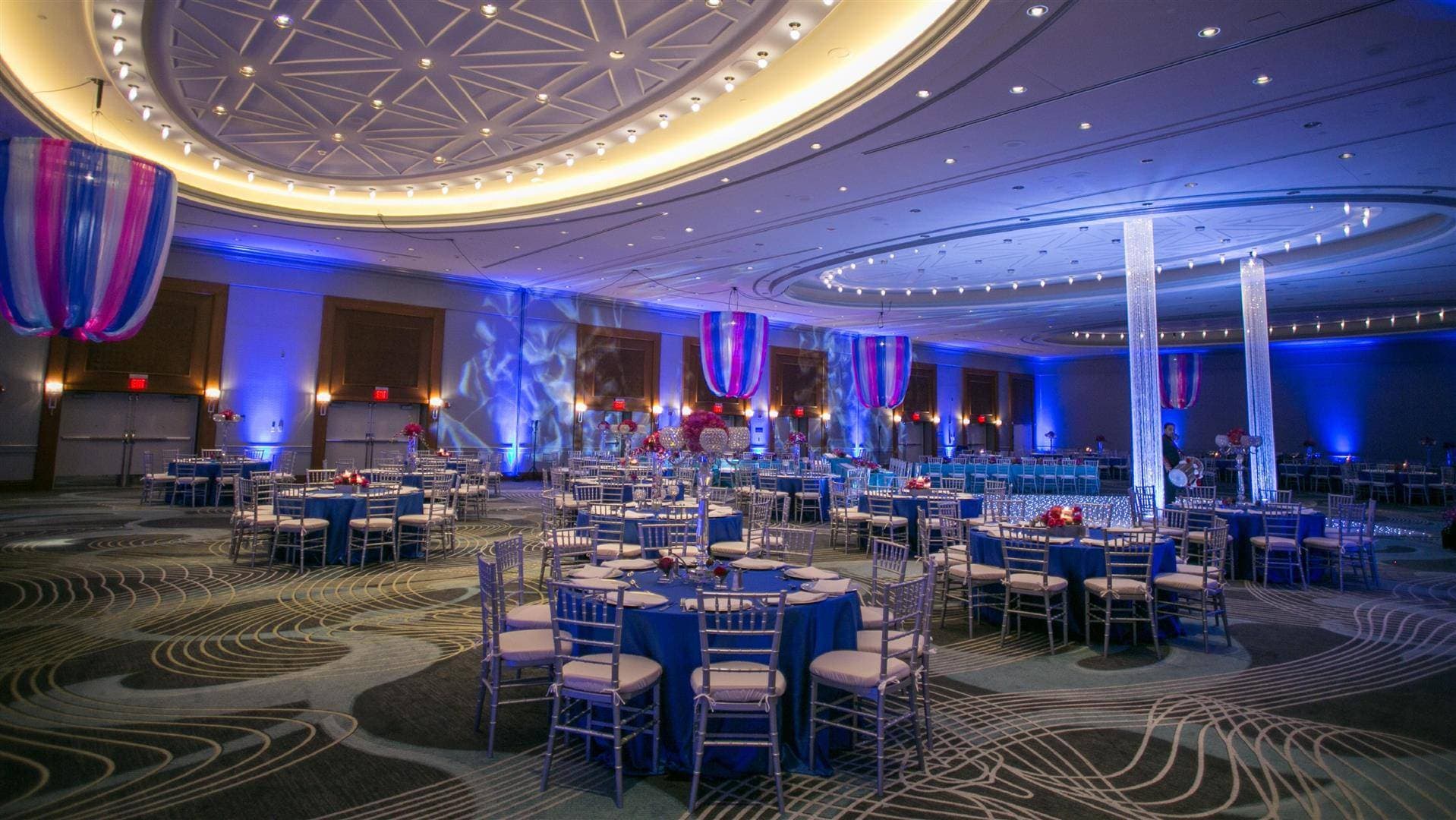
1328 maximum · 9 workspaces
346 maximum · 9 workspaces
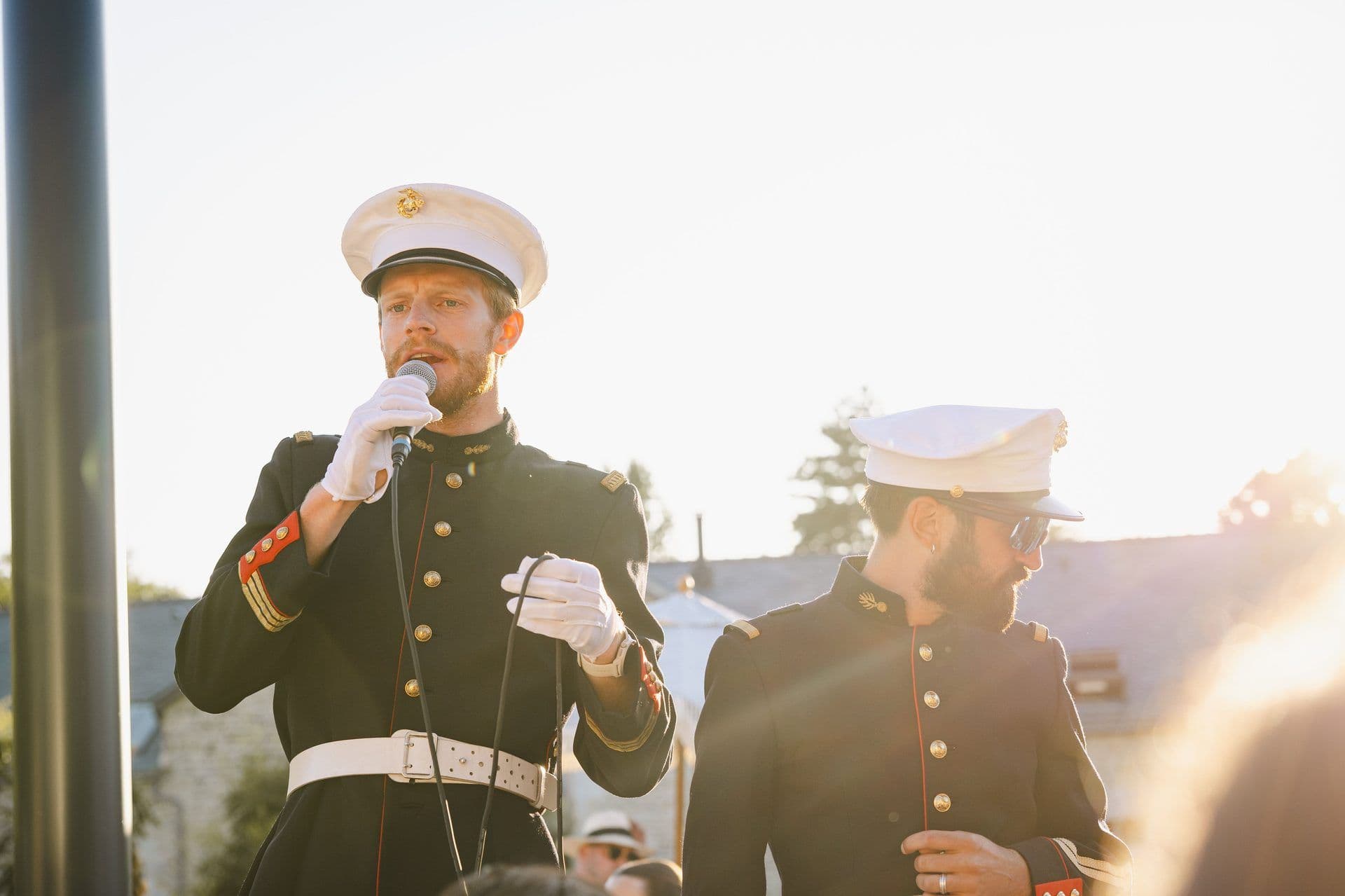
Answer a few quick questions and get venue suggestions for your next event
Over 500,000 employees have experienced a Naboo event








For your Detroit event, we handle the venue, logistics, and suppliers in one smooth flow.
One quote can cover the venue, catering, AV, activities, and lodging.
Our AI generates quotes almost instantly, and we get back to you in under 12 hours.
You get itemized pricing and one invoice, so the budget stays easy to follow.
Detroit is a new market for Naboo bookings, and we already have a local network in place across Wayne and Oakland counties. We book event venues in Detroit for corporate events, from downtown and Corktown to suburban areas near automotive campuses.
The city works well for overnight groups, day meetings, evening events, business meals, and team building. You get restored historic buildings, new hotels, and conference centers in one market, which makes planning simpler when the brief is clear.
about 200
venues in Wayne County
in the Naboo network in Wayne County, Michigan
about 350
venues with Oakland County
venues across Wayne and Oakland counties
about 8 in 10
share able to host overnight groups
of Wayne County venues can host an overnight group
about 6x
naboo events in the US, 2026 vs 2025
US event volume grew in 2026 versus 2025
Use the blog to narrow the format, then ask the real question: does it fit your guests?
We usually start with company events in Detroit when the goal is work, not noise. Downtown hotels are a strong fit for overnight offsites, while suburban conference centers near automotive campuses keep teams close to the agenda. A little fresh air helps too, as long as the schedule carries the weight, and larger venues in the region can host several hundred guests.
We look at restaurants, hotels, and private rooms that keep service smooth and conversation easy. In Detroit, restored buildings in Corktown and downtown work well when you want a setting with character, not a lecture from the decor. The right room should support the meeting, not pull attention away from it, and a kitchen that can keep pace matters for the meal.
We lean toward bars in Detroit or relaxed dining spaces when the team wants to unwind without turning the night into a logistics puzzle. A casual format keeps the mood light, and the venue should handle food, drinks, and easy movement. Nobody wants a celebration that feels like a seating chart exam, especially when a kitchen has to keep service moving.
We pair the format with the message, then choose a room that supports stage time, AV, and a clean arrival flow. Meeting rooms in Detroit can work for smaller launches, while larger hotels help when you need lodging and breakout space. The venue should make your content feel deliberate, and the kitchen should support breaks or meals without slowing the agenda.
We often start with hotels or private dining spaces that can handle dinner, mingling, and a late exit without drama. Detroit event spaces in the city center and nearby neighborhoods give you options for groups that want a festive setting and practical access, and some also suit a private celebration. The simple test is this: the room should fit the guests, not the other way around, whether the event space detroit search is in metro detroit or the broader region.
Start with the business goal, then choose the format that supports it. If you need alignment, use a meeting or offsite. If you need relationships, use a dinner or evening event. If you need momentum, use a kickoff or launch. Detroit works because you can match the format to the neighborhood and the travel pattern, including birmingham when that is the easier fit.
Downtown suits hotels and restored buildings. Corktown works well for more personal dinners. Suburban areas near automotive campuses fit offsites and conference days. Team building, business meals, and overnight retreats all have a place here, which is why the format should come before the decor, and the kitchen should be part of the planning.
What organizers forget is the guest journey. Arrival, parking, AV, and timing matter more than the theme you spend an hour debating. That is where we help: we compare event venues in Detroit, then line up the practical details before they become surprises across metro detroit and the region.
Choose by fit, not by first impression. Compare capacity, lodging, meeting space, food service, and access for your group. If you need an overnight offsite, a hotel may be the cleanest answer. If you need a client dinner, a restaurant or private room may work better. If you need a larger corporate event, a conference center can simplify the setup, and a kitchen that can keep up is part of that fit.
In Detroit, the venue type should match the neighborhood and the agenda. Downtown and Corktown work for character. Suburban conference centers work for convenience. Hotels help when you want one address for sleeping, meeting, and eating. That is the part people skip when they fall for the lobby lighting, whether they are comparing options in metro detroit or the wider region.
We help you compare corporate event venues in Detroit side by side, so the choice is based on the brief. That keeps the decision grounded in what your guests actually need, including whether the kitchen and service flow are right.
Pick activities that support the outcome, not the other way around. For team building, use exercises that get people talking. For a kickoff, use content that clarifies priorities. For a client event, keep the activity light and social. For an offsite, choose something that resets attention without eating the whole day, and make sure the kitchen can support the schedule.
Detroit gives you room for dinners, guided discussions, short workshops, and team-building formats that fit inside a hotel or a private venue. You can keep it simple with food and conversation, or add a structured activity when the agenda needs energy. The right activity should feel useful, not like homework in better shoes, whether the group is coming from birmingham or elsewhere in the region.
We help you match the activity to the venue and the schedule, so the plan stays realistic. That is usually where the good intentions need a little editing, especially when the kitchen has to serve on time.
Only if the theme helps the message. A theme can guide decor, content, and tone, but it should never force the format. If the goal is a serious offsite, keep it light. If the goal is a celebration, let the theme do some work. If the goal is a launch, make sure the theme supports the product story, and let the kitchen support the flow.
In Detroit, you can lean on the city itself, the venue style, or the business moment. Historic buildings, hotels, and meeting spaces already give you a strong base. You do not need to decorate every corner like a movie set, whether the event space detroit brief is for metro detroit or the broader region.
We help you decide whether a theme adds value or just adds tasks. That keeps the event clear for guests and manageable for your team, including the kitchen team.
For large corporate events, start with the biggest format that can support your agenda. Detroit has a large convention center as the main large-format option, plus a historic theater and major museums that can work for different program styles.
Use the same checklist for every large-format venue.
Examples to start your comparison. Each venue confirms its price in writing before you book.
Registration flow, plenary space, breakout routing, supplier access, and loading access. On the riverfront, Huntington Place has 723,000 square feet of exhibit space and more than 100 meeting rooms, and its 40,000-square-foot Grand Riverview Ballroom seats 3,500 theater style or 2,250 for a banquet, with a 10,000-square-foot terrace over the Detroit River.
Stage and AV scope, loading access, the seating layouts available, and whether spaces with historic charm create stage access or seating layout limits; for example, Andrew's Hall adds Detroit music history to the venue mix. Garden Theater is sometimes called out as a Black-owned, non-corporate option with strong acoustics for live music, though you should still verify stage and access details. The Fox Theatre on Woodward Avenue opened on September 21, 1928, and its private events team handles rentals.
Which halls or galleries are included, catering rules, and whether the venue closes to the public for your event. At the Detroit Institute of Arts, Rivera Court holds 160 seated or 250 standing, and the museum's 2025 events brochure lists a room rental of $6,000 on weekdays and $10,000 on weekends. Its Great Hall seats 300 or holds 500 strolling, catering comes from Culinaire International, and no outside food and beverage is allowed.
Seasonal rules, permit responsibilities, and an indoor backup plan.
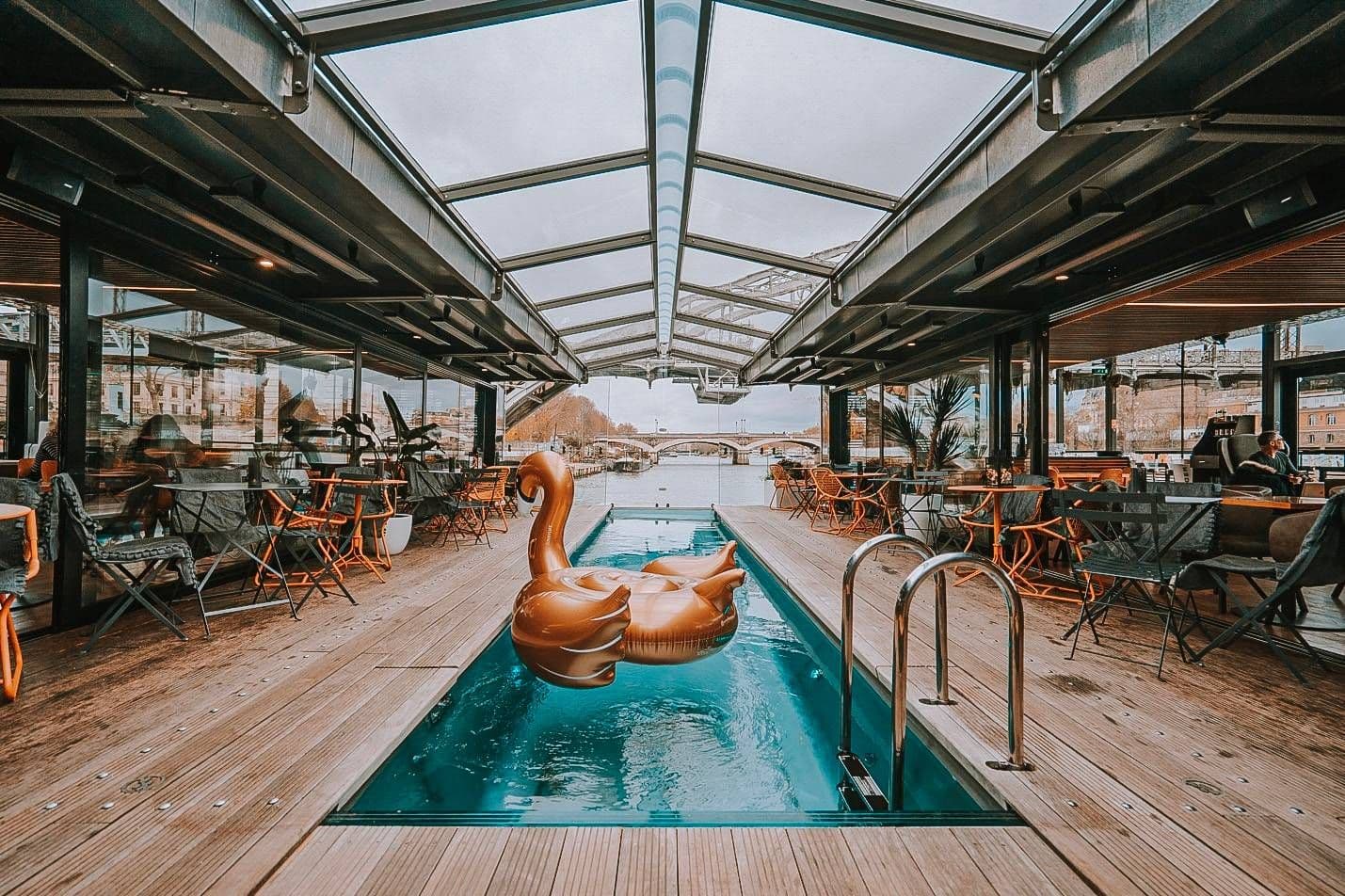
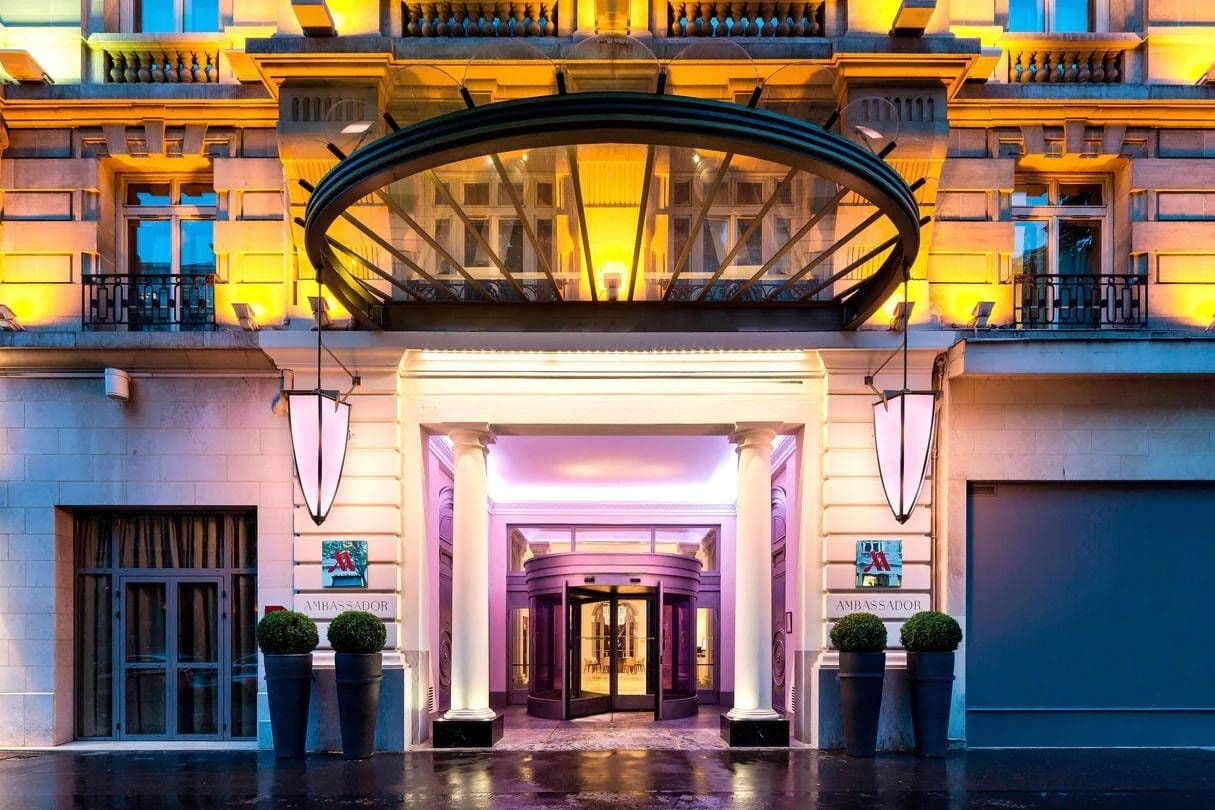
High-capacity event spaces should be evaluated from verified venue sources, not broad marketing copy. For any venue you consider, ask for the exact capacity by layout and get that confirmation in writing. Downtown, the Detroit Marriott at the Renaissance Center has a 25,801-square-foot Renaissance Ballroom that seats up to 1,800 for a banquet.
Verified details matter more than broad claims.
One brief, comparable proposals, one point of contact.
Tell Naboo the format, guest count, dates and neighborhood preferences for your Detroit event.
Shortlisted venues reply with proposals that use the same line items, so room rental, catering, labor and equipment sit side by side. Each venue confirms its price in writing before you book.
Naboo handles the booking with one point of contact and one invoice per event. With a framework contract, procurement also gets one vendor of record.

The answer depends on the format, the neighborhood, and what the venue includes. A hotel, a restaurant, and a conference centre do not price the same way. Lodging, AV, catering, and activities can shift the proposal quickly. That is why the venue alone is rarely the full story, and the kitchen can change the scope too.
We help you compare proposals as a whole, so you can see what is included and what is not. It makes it easier to plan for overnight groups, evening events, or day meetings without guessing where the extra cost comes from, especially when weekend rentals typically cost more than weekday rentals.
The real question is not just the room rate. It is whether the total package fits the brief and the guest experience, from metro detroit to the wider region.
By comparing comparable proposals side by side. You can see what each venue includes, so you can judge value without chasing separate quotes from every supplier. That keeps the conversation focused on the whole event, not on a pile of line items, and it helps when the kitchen is part of the package.
We also help you avoid overbuying the wrong thing. If the goal is a working offsite, you may not need extra decor. If the goal is a client dinner, you may not need a large room. The budget stays cleaner when the format is clear, whether you are looking in birmingham or across metro detroit.
That is usually better than adding more options and hoping the spreadsheet becomes friendly.
Share the date, headcount, budget, and intent. Then add the format, the neighborhood preference, and any must-haves like lodging, AV, or breakout space. The clearer the brief, the faster the shortlist, and the kitchen needs are easier to match.
If you know the audience, say so. If you need a daytime meeting, say that too. If you want something near downtown, Corktown, or the automotive campuses, include it. That helps us filter event venues in Detroit before the first quote lands, whether the search is for metro detroit or the broader region.
A short brief is enough when it is specific. Vague briefs tend to create very confident confusion.
It depends on what you want to hand off. Self-serve works when you want to manage the plan yourself. Turnkey works when you want more support, including an on-site Naboo Event Manager. That package is useful when the day has many moving parts.
Either way, you still get a clear process. You can keep control of the decisions while we help with the venue search and the logistics. If you want less back-and-forth, turnkey is the easier path.
The right choice is the one that matches your time, your team, and your tolerance for last-minute surprises.
Start with the run of show, the arrival plan, and the contacts who need to be reachable. Then confirm the practical pieces that affect the guest experience. On the day, success is not just whether the room looks good. It is whether the agenda runs on time and the guests can participate, with the kitchen and service ready when needed.
Afterward, review attendance, feedback, and whether the event supported the goal. If it was a launch, did people understand the message? If it was a retreat, did the team leave aligned? If it was a client event, did the conversation move forward?
Then do the debrief. That is where the next brief gets sharper, and where the region-wide planning gets easier.
| Row | Booking venues on your own | With Naboo |
|---|---|---|
| 01 | A different quote format from every venue | One brief, comparable proposals with clear line items |
| 02 | Prices that can change before you sign | Each venue confirms its price in writing before you book, and the price we confirm is the price you pay |
| 03 | Fees that show up late in the process | Fees and service charges shown line by line in the proposal |
| 04 | Rates that may be higher than booking direct | Prices never higher than booking direct |
| 05 | Several contacts and invoices to chase | One point of contact and one invoice per event |
| 06 | Terms negotiated again for every event | With a framework contract: one vendor of record and negotiated terms per contract |
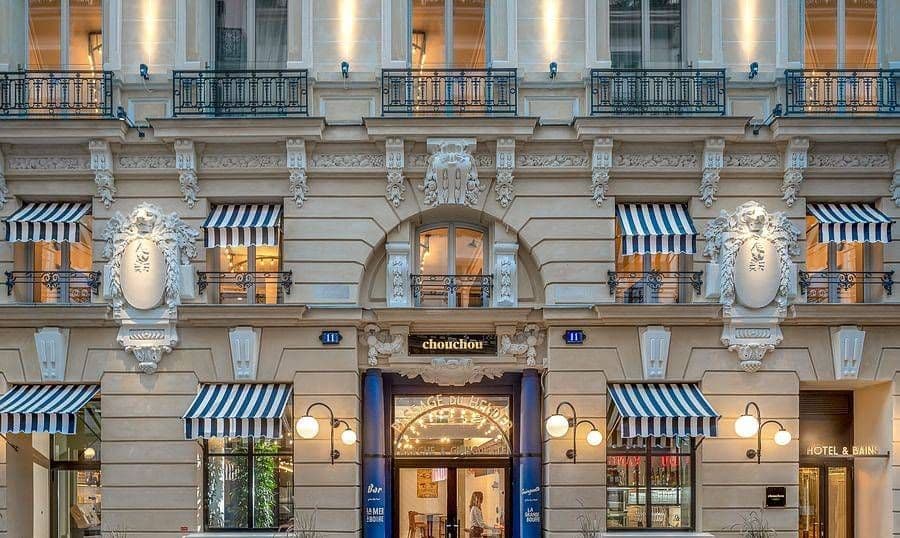
Some programs need a setting that offers unique venues beyond a standard meeting room. Detroit offers a major museum and outdoor settings that can support private events when the format calls for something more distinctive. The Detroit Princess Riverboat charters one floor or the whole boat for groups of 50 to 500, with four enclosed levels and an open fifth deck, and in Midtown the Detroit Shipping Company food hall offers more than five event spaces across 10,000 square feet for up to 1,000 guests.
Distinctive does not mean easy, so confirm the basics first.
Outdoor events in Detroit need a different planning checklist from indoor programs. Seasonal conditions, permit responsibilities, and weather backup plans should all be clear before you commit. Do not leave outdoor risk management vague.
Detroit weather and venue demand can affect outdoor planning, especially when downtown venue and hotel availability should be checked early for the winter period tied to the Detroit Auto Show. Confirm whether your preferred outdoor setting is appropriate for the season you are considering.
The contract should state who handles permits and who is responsible for each approval. Naboo does not run venue operations, so the venue contract should clearly assign those duties.
Ask what happens if the forecast changes and how the event can move or adapt. A good outdoor plan includes a backup space, a revised service path, and clear guest communication.
Executive gatherings need room flexibility, solid technology, clear catering terms, and options like private dining for leadership teams alongside meeting space. In the wider metro Detroit region, Meadow Brook Hall, a National Historic Landmark in Rochester, offers exclusive use of the whole estate, and its equipment covers events of up to 300 guests. In Birmingham, The Community House's South Main Ballroom seats about 230 for a banquet with dancing, 260 without, or 350 theater style, according to its room chart.
Assess breakout flexibility. Ask whether the room can be divided or reconfigured for smaller discussions and smaller gatherings. Flexible event space matters when leadership meetings need both plenary time and private working sessions.
Review conference technology. Check the display, sound, connectivity, and support model before you book. If your agenda depends on hybrid participation or frequent speaker changes, confirm the technology in writing.
Compare catering minimums. Ask for the minimum spend or service requirement tied to catering, then compare that against your agenda and guest count. This is especially important for private events and business meetings with controlled budgets.
Small details can change the true cost of a meeting.
Convenience depends on where attendees are coming from and how they will move around the city. Downtown Detroit, Midtown, and Greektown are the central districts to compare for central gatherings in Michigan, with Midtown located in the heart of key cultural and academic destinations.
Use transit-accessible venues. Look for venues near the People Mover loop, the QLINE streetcar along Woodward Avenue, city buses, and nearby Amtrak service. That helps attendees reach the event without relying on one travel mode.
Compare each neighborhood against the tone of the meeting and the travel habits of your guests.
Map hotel clusters nearby. Review venues against hotel clusters downtown around the riverfront Renaissance Center, Greektown, and Grand Circus Park. That makes it easier to judge walking distance between the venue and where guests are staying.
Convenience is a location question, not just a map question.
Detroit Metropolitan Wayne County Airport connects with downtown by a dedicated airport express bus, a regional bus route, taxis, and rideshare. That gives planners several ways to move arriving groups without assuming every attendee will use the same option.
Once in the city, the People Mover elevated loop serves the convention center, the riverfront complex, and Greektown, while the QLine streetcar runs along Woodward Avenue past major arts institutions. DDOT and SMART buses, rideshare, bike share, and scooters fill in the gaps for shorter trips and cross-town movement.
Detroit gives planners a compact set of districts that support different meeting styles, from walkable downtown programs to neighborhood add-ons. Transit and local character vary by area, so venue comparisons should account for how guests will move between sessions, dinners, and off-site time.
Downtown combines historic architecture, new hotels, parks, and a walkable riverfront, which makes it a practical core for corporate programs. Attendees can reach hotels, restaurants, theaters, and park spaces within a compact area, and both the People Mover loop and the QLine serve the district. Downtown, the Shinola Hotel hosts up to 350 guests across the Birdy Room, Foundry Room and Bixby Hall, and the Detroit Athletic Club, a six-story Albert Kahn clubhouse, seats 200 to 450 in its 3,940-square-foot Assembly Room.
Midtown is home to a major university and several cultural institutions, so it works well for agendas that pair meetings with arts or museum programming. The QLine along Woodward Avenue passes major arts institutions in the area, which helps with movement between downtown and Midtown stops.
Corktown is the city's oldest neighborhood and is known for friendly pubs and dive bars. It can work for small group dinners and evening gatherings, and planners should check DDOT bus or rideshare options from downtown because the sources do not describe a rail link here. In Corktown, Michigan Central rents its 19,500-square-foot Grand Hall for 1,000 to 1,200 guests from $18,750, its 30,000-square-foot North Court for 500 guests from $3,125, and its tower terraces for 160 guests from $10,000, with Continental as exclusive caterer. In short, Michigan Central Station can host up to 1,200 guests in Detroit, MI, in a single restored hall.
Eastern Market is one of the country's oldest farmers markets and is busiest on Saturdays. Teams can add a market visit with produce vendors to a group itinerary, and planners should check bus or rideshare options from downtown because the sources do not describe transit here.
Rivertown is a walkable riverfront community popular with bikers, walkers, and sightseers. The RiverWalk connects Rivertown with downtown on foot, which supports walking breaks and outdoor gatherings near downtown hotels.
Detroit has distinct seasons, with hot summers that can bring occasional thunderstorms and cold winters with heavy snowfall. Spring and fall are mild and pleasant, which makes them the easiest times for event travel and venue comparison.
Planners should also check dates against the Detroit Auto Show in January, the Detroit Grand Prix in June, and the Detroit Jazz Festival over Labor Day weekend. Those recurring events can affect availability, rates, and transportation patterns.
Outdoor and street-level events in Detroit need early attention to approvals.
Outdoor permits. The Special Events Management Team in the Mayor's Office handles applications, which go through city department sign-off and then City Council approval. If your program uses outdoor space, build that review path into your planning.
Right-of-way closures. Events that close any right-of-way count as special events, and late applications are subject to automatic denial. That makes early submission important when your footprint affects streets, sidewalks, or other public access areas.
Publicity and ticketing. Organizers should not widely publicize or sell tickets before City Council approval, and permits, fees, and inspections follow approval. Keep internal timelines aligned so marketing does not move ahead of the permit process.
The best proposal is the one you can read line by line. Ask for itemized pricing, then check the contract for every fee, tax assumption, and service charge before approval. If catering is included, make sure custom menus or upgrade costs appear clearly in the pricing before signoff.
Request itemized proposals. Shortlist a few venues and ask each one for an itemized proposal with the same scope. That makes it easier to compare corporate event venues in Detroit on equal terms.
Spot administrative fees early. Look for administrative fees, service charges, and any other line items that are not obvious at first glance. If something is unclear, such as whether free parking is included, ask the venue to explain it in writing before you approve.
Verify taxes and gratuity. Confirm how taxes and gratuity are treated in the proposal and contract. Do not assume the venue's quote includes the same assumptions as another venue.
Centralize the contract through Naboo. For large groups, a framework contract through Naboo gives you one vendor of record, negotiated terms per contract, and one point of contact and one invoice per event. The Control Tower shows every request, approval, and payment by entity, country, and event type.
Clear paperwork protects the budget.
The day after matters. Photos tell one story, and attendee feedback tells another. You want both to point in the same direction.
Ask whether the format fit the goal, whether the venue fit the guests, whether the timing worked, and whether the content held attention.
Then compare the planned budget with the final spend. If there is a gap, explain it by line item, not by guesswork.
The real value of hosting this event is not the room itself. It is the clarity, trust, and follow-through it creates for the next step.
Send us the date, headcount, budget, and intent, and we will start with a shortlist of event venues in Detroit that fit the brief.
It depends on what worked last time. If the goal changed, the format should change too. A dinner can become a workshop, and a retreat can become a shorter offsite. The real question is whether the new format serves the same outcome better, and whether the kitchen still fits the plan.
Examples make it clearer. If last year was a hotel dinner, this year could be a meeting room with a meal. If last year was a long offsite, this year could be a tighter half-day. The bad idea is repeating the same plan because it was easy. Easy is not a strategy, whether you are planning in birmingham or metro detroit.
It depends on the season and the format. Overnight groups and larger corporate events need more lead time than a simple dinner. Detroit also has periods when hotels and conference spaces fill faster, so earlier is safer, especially in the region when demand rises.
If you need lodging, AV, or multiple rooms, start sooner. If you only need a private dinner, you may have more flexibility. The bad idea is waiting until the team agrees on every detail. By then, the venues you want may already be busy, and weekend rentals typically cost more than weekday rentals.
It depends on whether you need one place or one meal. A hotel works well when you need lodging, meeting space, and a controlled schedule. A restaurant works well when the goal is conversation and a lighter setup, and the kitchen can stay focused.
For a retreat, a hotel often makes sense. For a client dinner, a restaurant can feel more natural. For a launch, either can work if the AV and flow are right. The bad idea is choosing the prettier option and hoping the agenda will behave, whether the search is in metro detroit or the wider region.
It depends on whether your content needs to be heard and seen clearly. If you have speakers, slides, or a product reveal, AV is usually worth it. If the event is mostly conversation, you may need less, though the kitchen still matters for timing.
Examples include microphones for a kickoff, screens for a presentation, or sound support for a larger evening event. The bad idea is treating AV like decoration. When the audio fails, the room gets very honest very fast, and the same is true when the kitchen falls behind.
Use a brief, then compare comparable options. Start with date, headcount, budget, and intent. Then filter by neighborhood, lodging, and format. That narrows the search before you spend time on venues that cannot fit the plan, whether you are looking in birmingham or metro detroit.
Naboo helps by turning one brief into a shortlist of event venues in Detroit with quotes side by side. The bad idea is opening twenty tabs and calling it research. That is usually just a long way to get tired.
It depends on the handoff. The most common trap is assuming the venue will manage every detail without a clear run of show. If the timing, contacts, and guest flow are vague, the day gets harder than it should, and the kitchen can get squeezed.
Examples include late arrivals, unclear AV setup, or food service that does not match the agenda. The bad idea is trusting that everyone will improvise well. That is charming in theory and expensive in practice, especially in the region when the room is full.
It depends on the venue type. Hotels may include lodging, meeting rooms, and food service. Restaurants may include private dining and a simpler guest flow. Conference centers may include larger rooms, AV, and breakout space, plus a kitchen that can support the schedule.
In Detroit, downtown and Corktown often suit character-driven events, while suburban venues can suit offsites and campus-adjacent meetings. The bad idea is assuming every venue includes the same support. That assumption tends to age badly, whether the search is in metro detroit or birmingham.
It depends on flexibility. If your date, headcount, and format can move a little, you still have options. Hotels, meeting rooms, and private dining spaces can sometimes respond faster than larger setups, and the region has more room than a single neighborhood search suggests.
Naboo can help you move quickly by sending a shortlist and quotes after one brief. The bad idea is waiting for perfect conditions before you start. Short notice usually rewards speed, not perfection.
November 26, 2026

November 17, 2026

November 12, 2026

November 12, 2026

November 12, 2026

November 12, 2026