Turnkey
We handle the Pittsburgh event venue, logistics, and suppliers, and we can include an Event Manager if you want one.
300 maximum · 10 workspaces
FromUSD 341/night
1000 maximum · 1 workspace
1 workspace
207 maximum · 6 workspaces
100 maximum · 1 workspace
579 maximum · 38 workspaces
0 maximum
5 workspaces
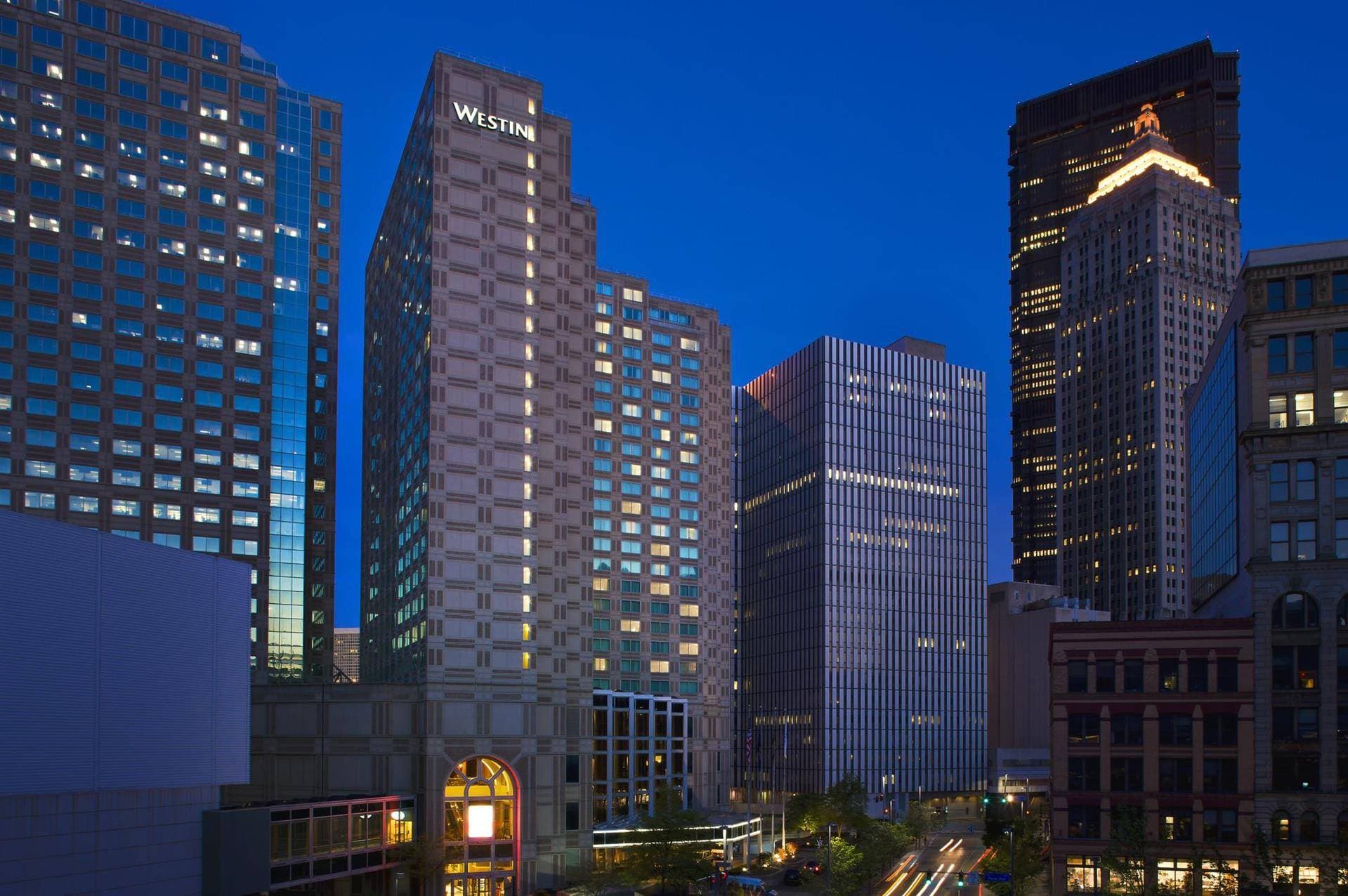
617 maximum · 9 workspaces
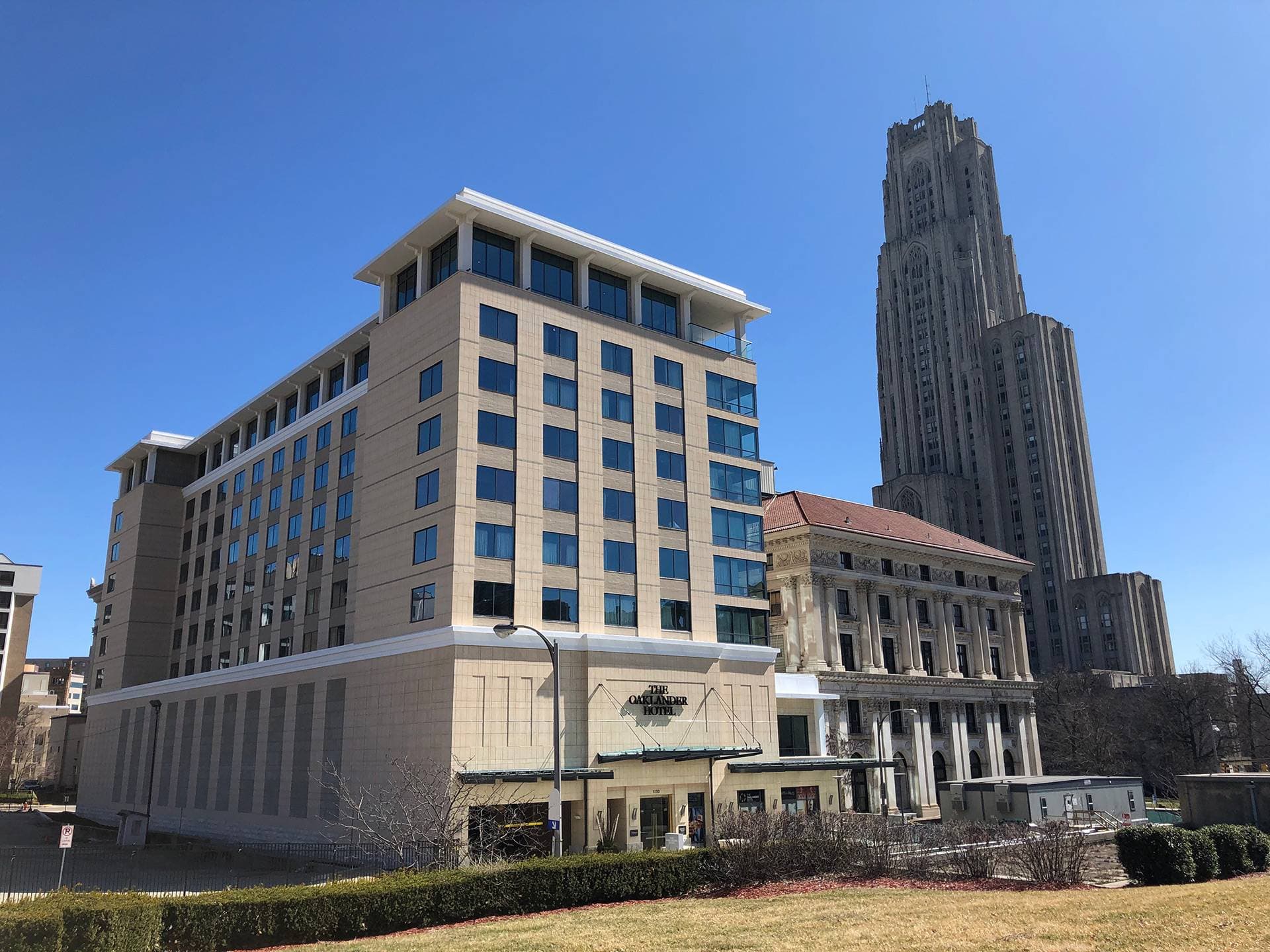
167 maximum · 7 workspaces
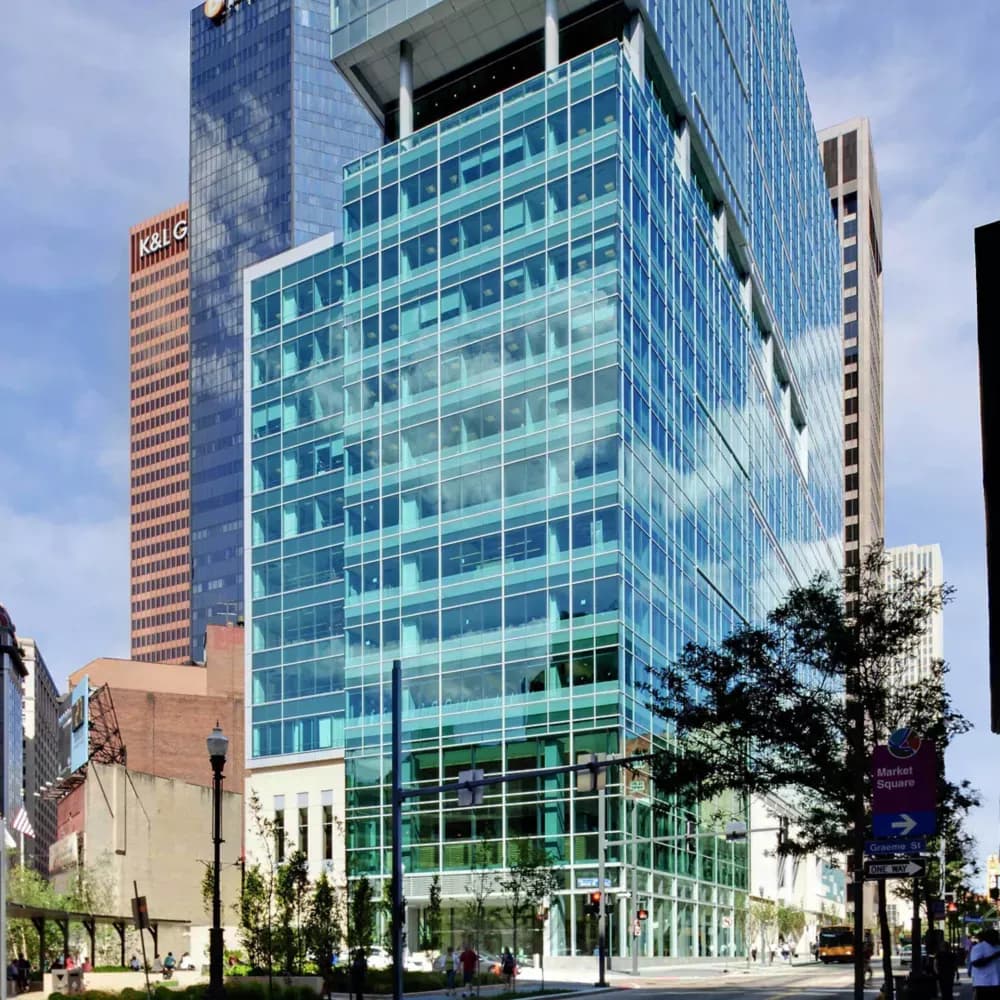
185 maximum · 7 workspaces
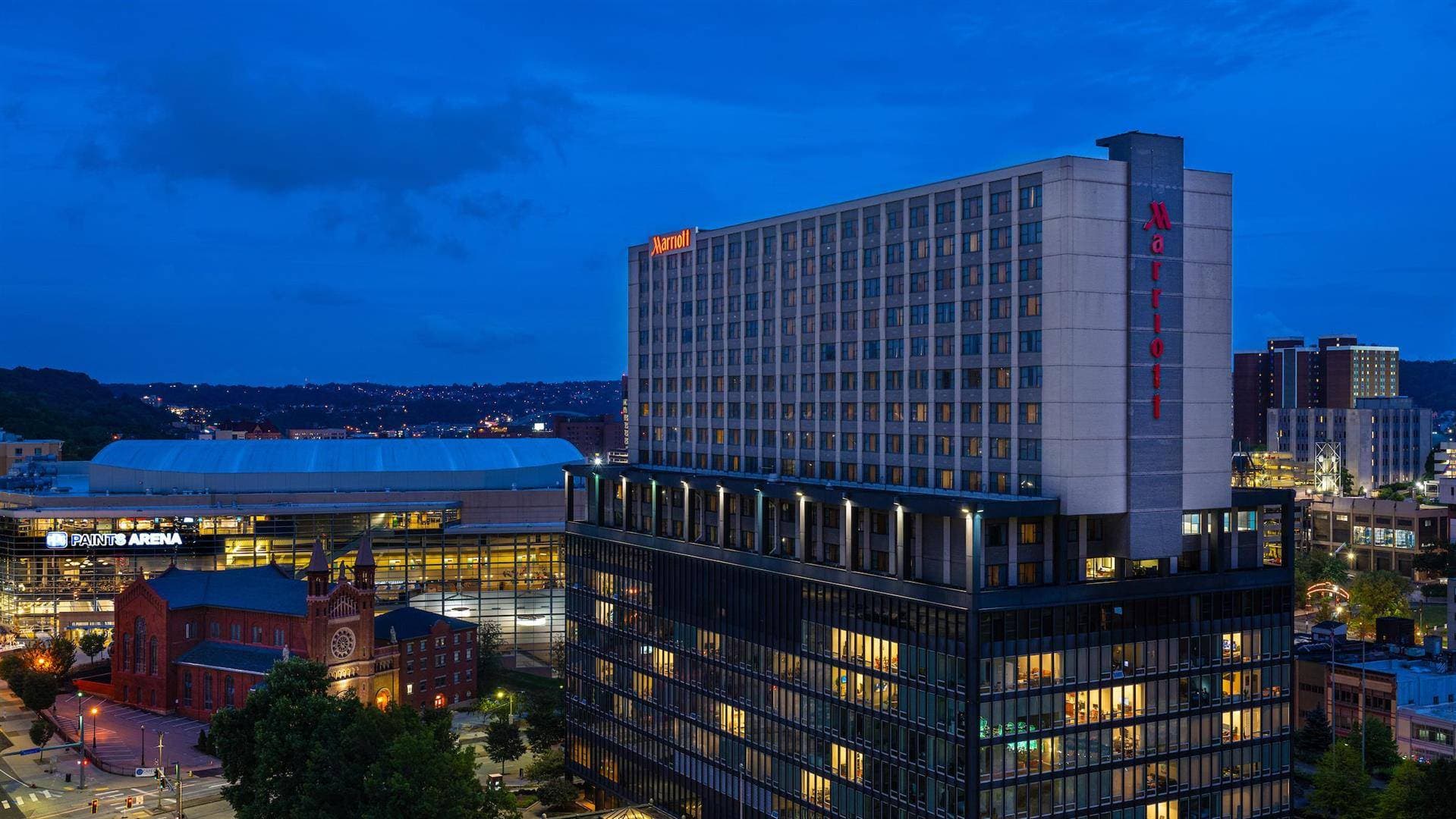
402 maximum
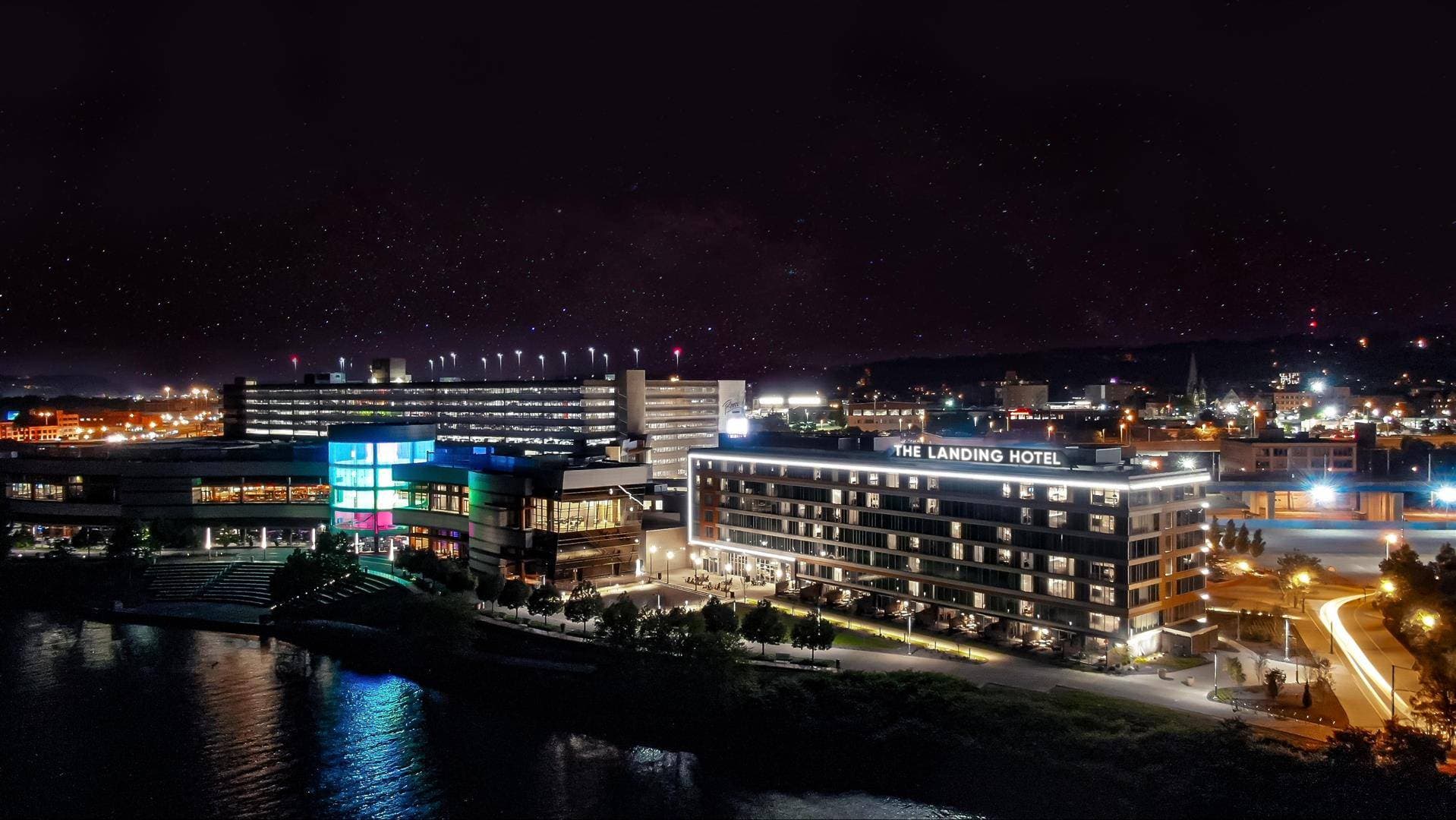
Pittsburgh, Pennsylvania, United States
4.2
(563 reviews)
210 maximum · 7 workspaces
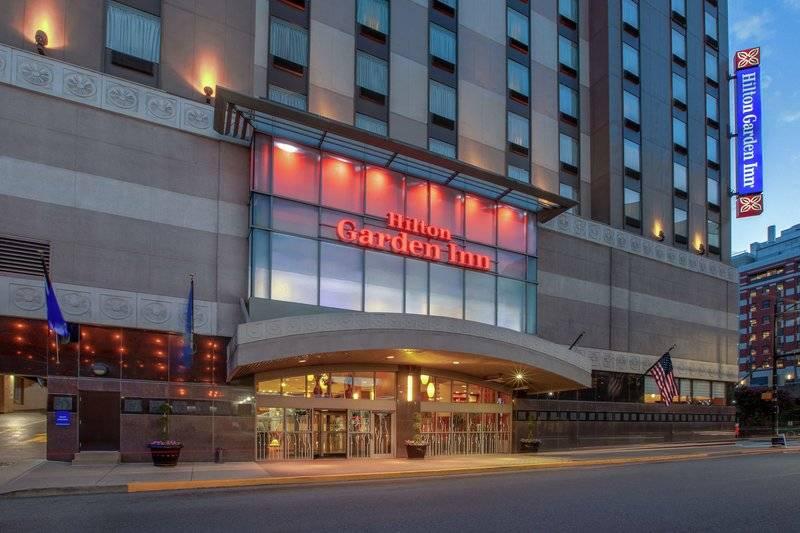
396 maximum
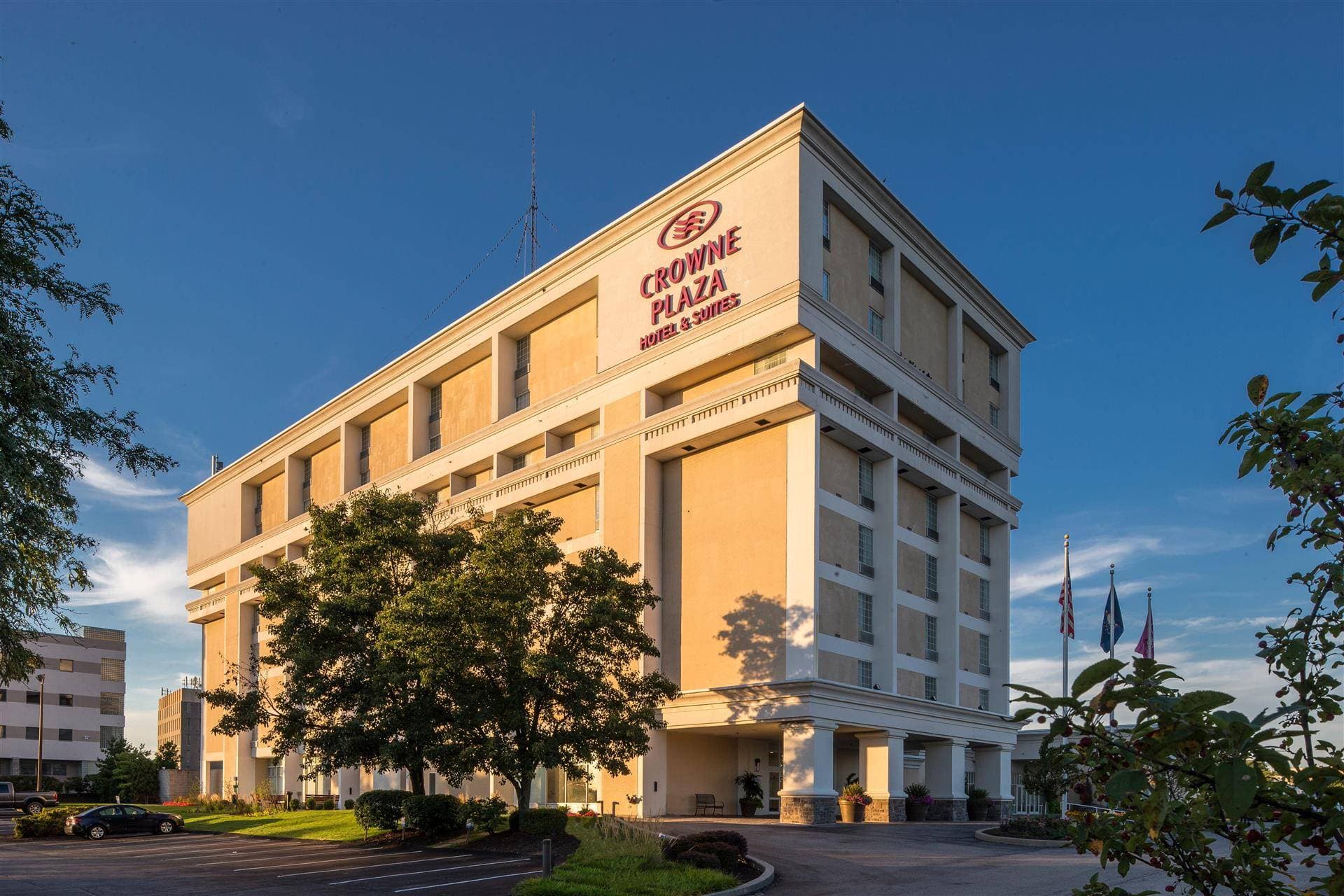
179 maximum · 9 workspaces
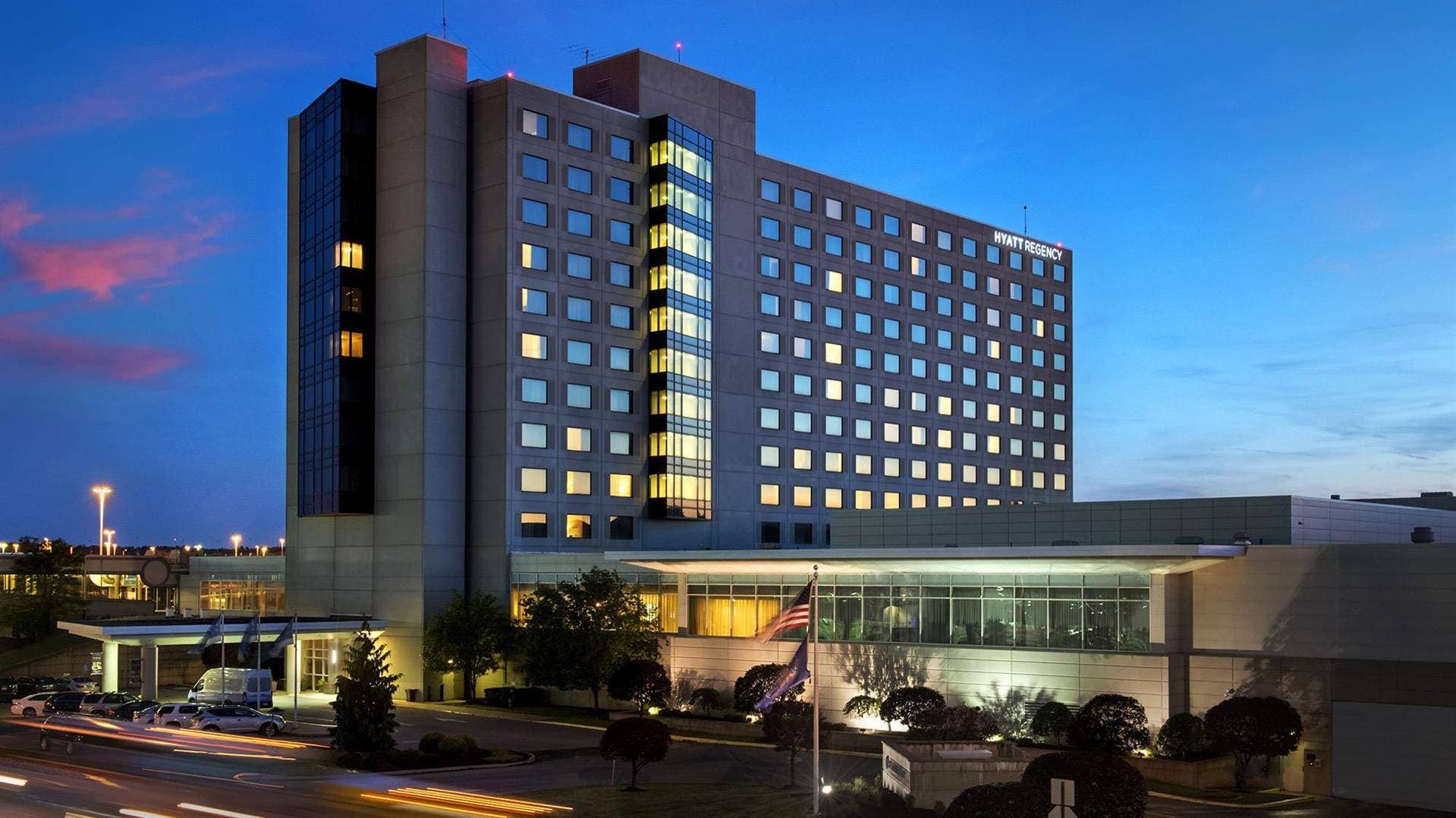
Pittsburgh, Pennsylvania, United States
4.1
(1814 reviews)
338 maximum · 47 workspaces
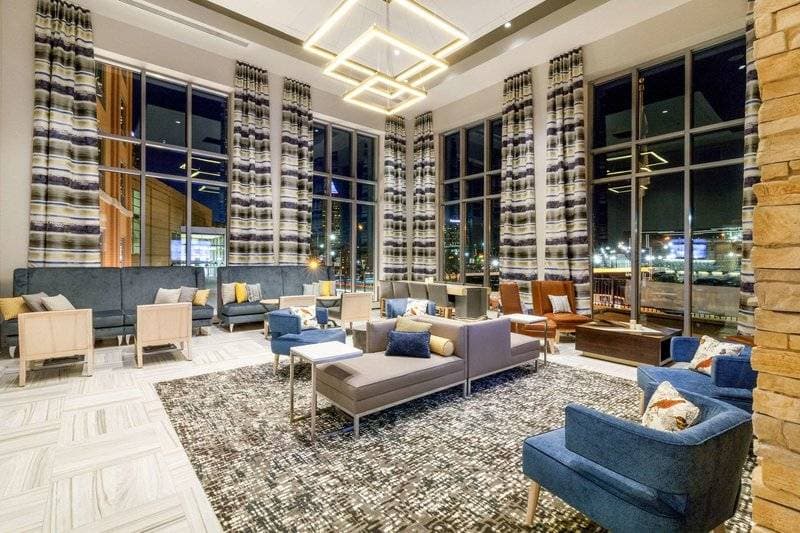
284 maximum
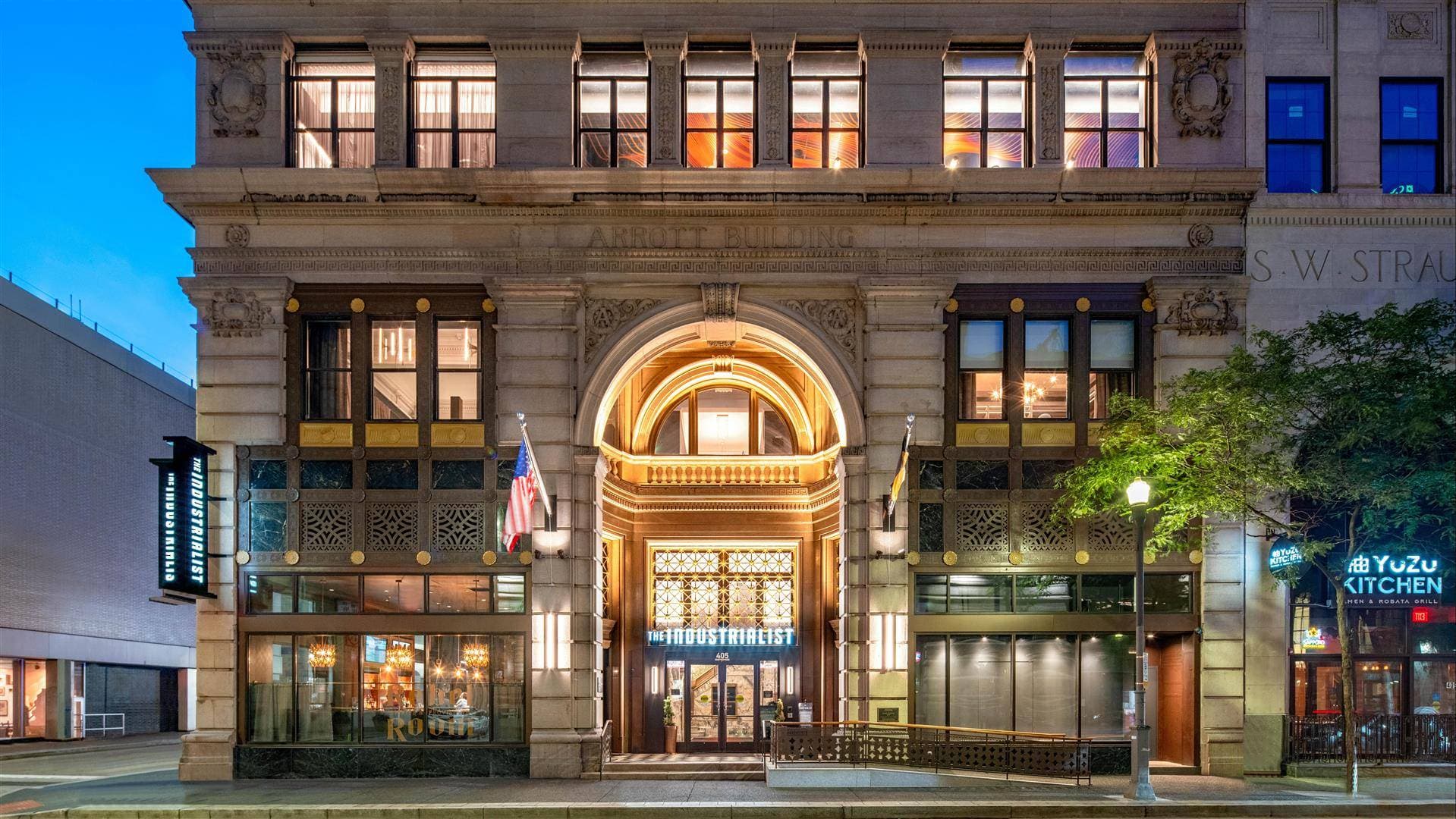
Pittsburgh, Pennsylvania, United States
4.0
(288 reviews)
124 maximum · 2 workspaces
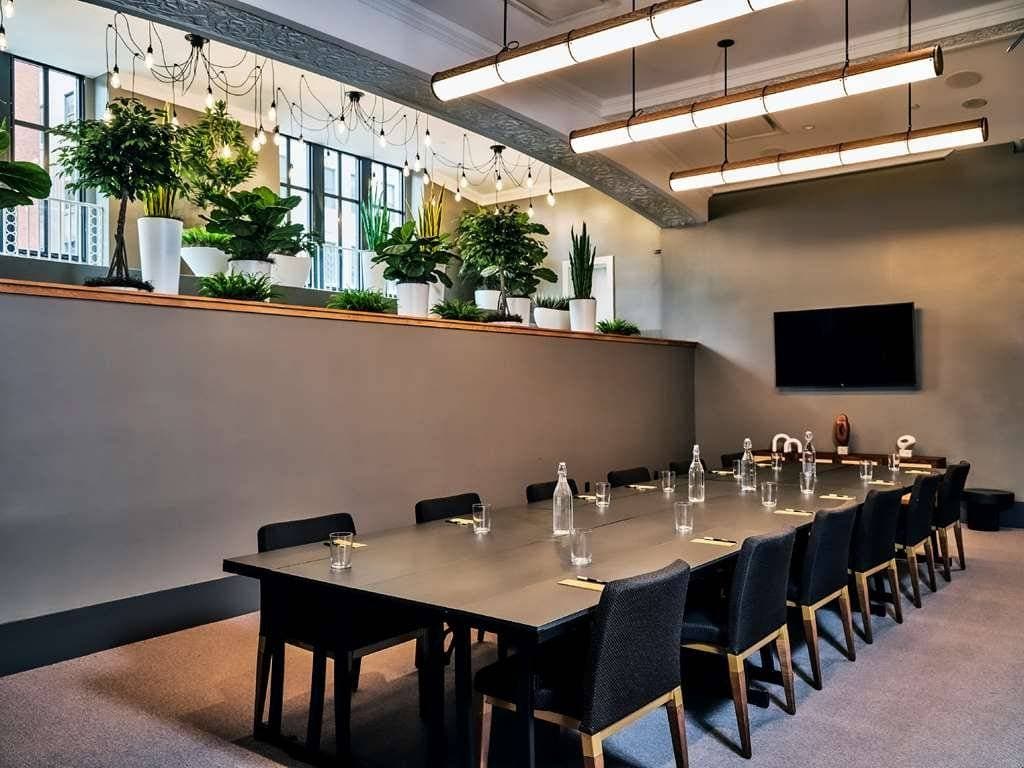
185 maximum · 3 workspaces
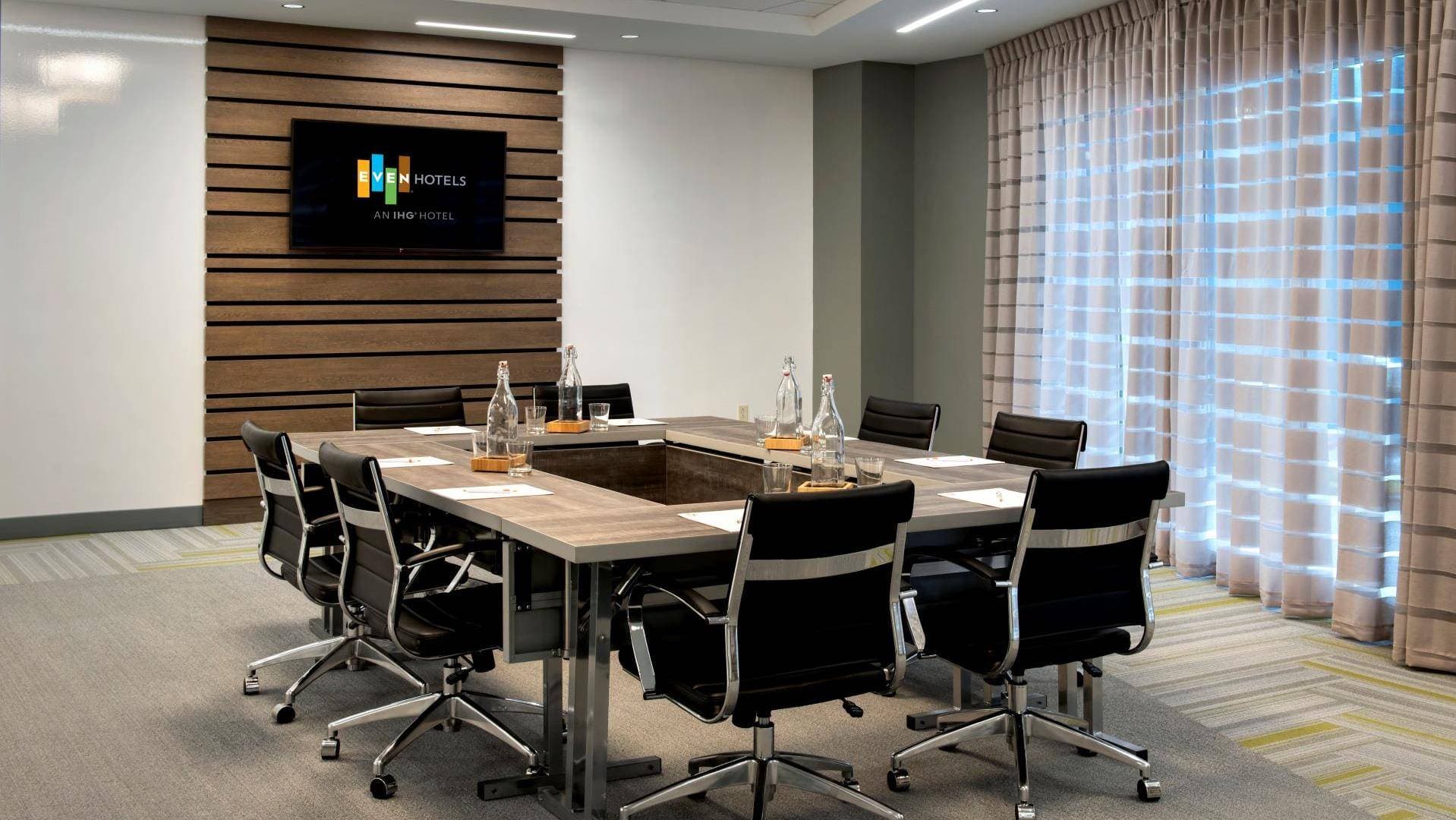
160 maximum · 7 workspaces
Answer a few quick questions and get venue suggestions for your next event
Over 500,000 employees have experienced a Naboo event










We handle the Pittsburgh event venue, logistics, and suppliers, and we can include an Event Manager if you want one.
One quote can bring the venue, catering, audiovisual equipment, activities, and lodging into a single view.
Our AI generates quotes almost instantly, and we get back to you in under 12 hours.
You get itemized pricing and one invoice, so the numbers stay easy to read.
Pittsburgh offers corporate planners a practical mix of settings for offsites, meetings, and evening programs. Naboo works across about 175 venues in Allegheny County, and the city can offer a variety of options in downtown hotels, the Strip District, and the Laurel Highlands.
The city suits teams that want industrial character, river views, or a quieter retreat with rooms on site. About eight in ten venues in our Pittsburgh network can accommodate overnight groups, which helps when your agenda runs past dinner.
about 175
venues in allegheny county
Venues in the Naboo network across Allegheny County.
about 8 in 10
can host an overnight group
Share of Pittsburgh venues with rooms on site.
100%
overnight offsites
Pittsburgh bookings that are overnight offsites.
about 6x
us events in 2026 vs 2025
Change in Naboo events in the US from 2025 to 2026.
Use the blog to compare formats, then ask the real test: does it fit your guests?
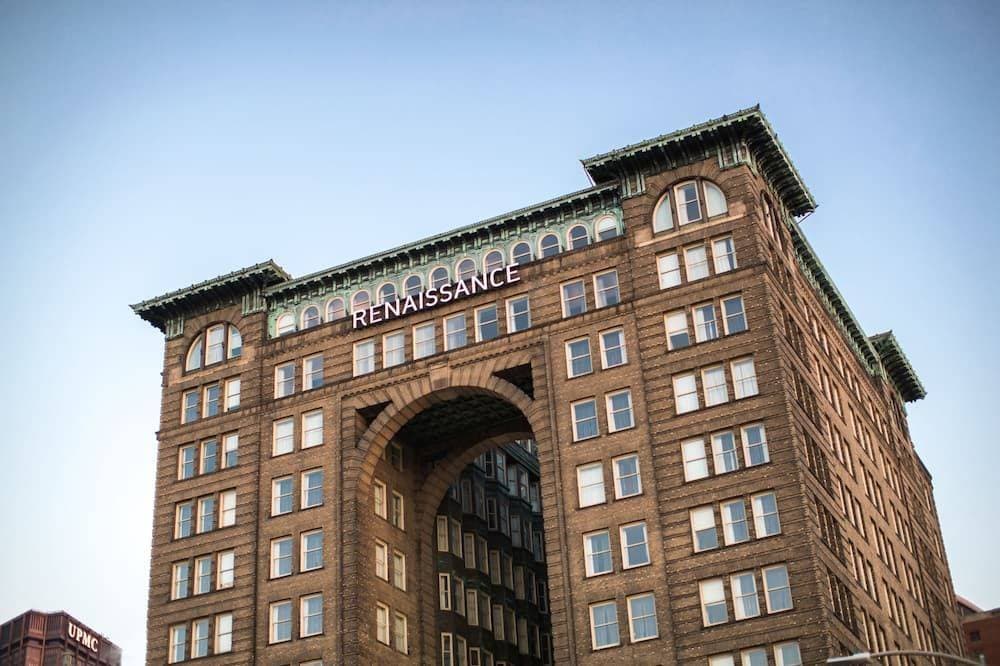
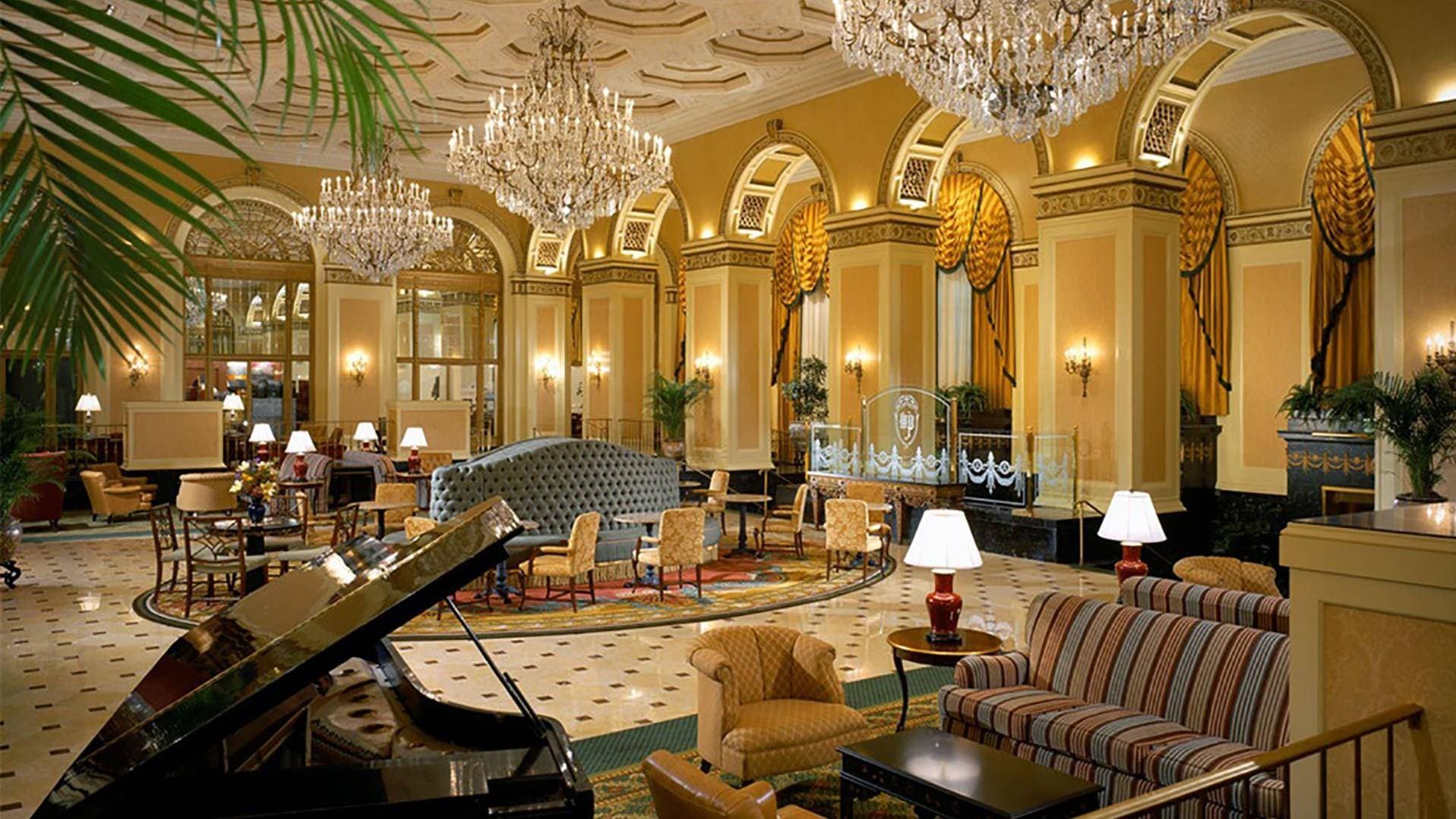
We usually start with a hotel when the agenda needs sleep, meetings, and breakfast in one place. Renaissance Pittsburgh Hotel works well for overnight offsites, especially when you want a downtown base without turning the day into a commute contest. It keeps the group together, which helps when the whiteboard gets ambitious.
We look at riverfront hotels downtown or restaurants that can handle a private room and a clean arrival flow. The goal is to make guests feel considered, not trapped in a maze of name tags. When the menu, AV, and seating plan all agree, the conversation usually does too.
We often steer teams toward the Strip District, where converted warehouses and casual dining spots can support a relaxed evening. If the group wants dinner first and a few activities after, that mix works well. It also gives people room to talk without making the night feel like a staff meeting in nicer shoes.
We favor meeting space in Pittsburgh that can support presentations, demos, and a quick reset between sessions. Downtown hotels and flexible conference rooms help when you need AV, reception space, and a clear guest path. The trick is to keep the room working for the message, not the other way around.
We look beyond the ballroom and consider venues that can handle dinner, mingling, and a late finish. The Laurel Highlands can work when you want a retreat feel, while downtown keeps travel simple. Either way, the venue should support the mood before the playlist gets any ideas.
Start with the business reason, then match the format to the outcome you need. An offsite works when you want focus and shared decisions. A client dinner fits relationship building. A kickoff suits alignment, while a holiday party gives people a reason to show up without pretending it is a spreadsheet exercise.
In Pittsburgh, you can choose between options located across downtown hotels, Strip District warehouses, and retreat settings in the Laurel Highlands. That range helps when you need event venues in Pittsburgh for different goals. If you want a working session, look at meeting rooms. If you want a social evening, consider restaurants or bars. The format should follow the guest experience, not the other way around.
What people forget is the transition between moments. Arrival, coat check, AV, and dinner timing matter more than a clever title. That is where we help, by narrowing the field to event venues in Pittsburgh that fit the plan and ensure the venue fits the plan.
Choose by guest count, overnight needs, and how much control you want over the day. If you need rooms on site, hotels make the most sense. If you want a more social format, restaurants and bars can work well. If the agenda is formal, meeting rooms give you cleaner control over flow and AV.
Then compare neighborhoods. Downtown helps with access and lodging. The Strip District adds character and easy dining options. The Laurel Highlands suits retreats when the team needs quiet. Those choices matter more than a glossy photo, because the room has to support the schedule and the people in it.
What gets missed is the hidden work: transport, setup time, and whether the venue can actually support your content. We help you compare event venues in Pittsburgh with the practical details first, so the shortlist reflects reality, not wishful thinking. Depending on the format, you can also compare restaurants in Pittsburgh, bars in Pittsburgh and hotels in Pittsburgh.
Pick activities that support the goal, not activities that just fill time. For alignment, use guided discussion. For energy, choose a hands-on challenge. For relationship building, keep it social and low-pressure. The right activity should help the group talk, decide, or reset.
In Pittsburgh, team building can pair well with a private dinner, a short workshop, or a neighborhood walk before the evening program. That is why team building in Pittsburgh often works best when the venue and activity are planned together. A warehouse, hotel, or restaurant can all support the right tone.
Organizers often forget pacing. Too much content and people fade. Too little and the day feels vague. We help you match the activity to the venue, so the room supports the goal instead of competing with it.
Only if the theme helps guests understand why they are there. A simple message can be enough for a kickoff or holiday party. For a client event, subtle branding usually works better than a costume-level concept. The point is clarity, not decoration for its own sake.
Pittsburgh event spaces can handle a theme when it supports signage, food, or programming. A downtown hotel can feel polished. A Strip District venue can feel more relaxed. A retreat property can support a quieter, more reflective tone. The theme should fit the venue, not fight it.
What people forget is that a theme also affects budget, setup, and content. We help you keep it useful, so the idea stays grounded in the room and the guest experience.
Large corporate events need space that can handle registration, general sessions, catering, and vendor movement without crowding the program. In Pittsburgh, the main large-format option is a convention center, and a history museum is another local choice worth comparing for a different event feel.
Large programs work best when the venue can support the format without guesswork.
Examples to start your comparison. Each venue confirms its price in writing before you book.
Registration flow, plenary space, breakout routing, supplier access, and loading access. The David L. Lawrence Convention Center offers 313,400 square feet of exhibit space, including 236,900 column-free square feet, plus 53 meeting rooms, a 31,610-square-foot ballroom and a 60,000-square-foot riverside rooftop terrace. For a big banquet outside the convention center, the Circuit Center and Ballroom on the South Side offers more than 11,000 square feet and seats up to 620 guests.
Which halls or galleries are included, catering rules, and whether the venue closes to the public for your event. In the Strip District, the Heinz History Center hosts 600 to 3,000 guests across the facility, and its Great Hall takes 350 for a reception. Carnegie Science Center rentals include tables, chairs, and security. The Carnegie Museums also offer unique settings for receptions.
Stage and AV scope, loading access, and the seating layouts available.
Seasonal rules, permit responsibilities, and an indoor backup plan.
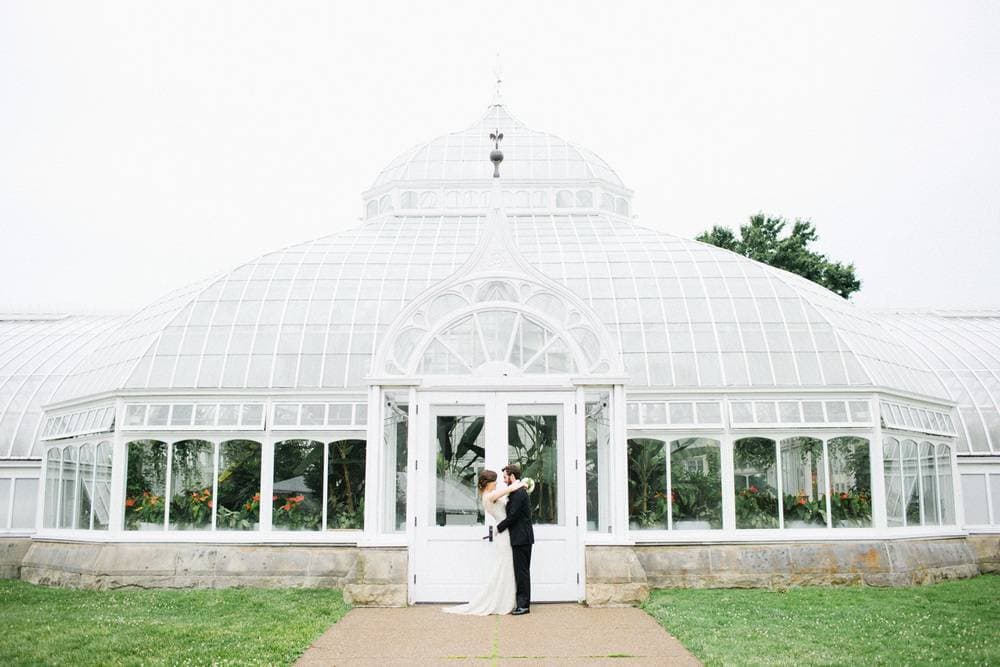
See Phipps Conservatory and Botanical Gardens on Naboo In Oakland, its Tropical Forest is a 12,000-square-foot display area, with a 100-seat auditorium for presentations.
When a venue says it can host a large group, ask for the verified capacity from the source that will hold the booking. The number should match your intended layout, not a generic room description. Event amenities and services vary: many historic and cultural venues in Pittsburgh require their in-house catering teams, while industrial spaces often allow outside caterers, so confirm catering exclusivity, the outdoor space and any premium amenities before you compare quotes. Additionally, share your vision and the event amenities and services you need early, so the venue can add a personal touch and guests enjoy the program instead of the logistics.
The best high-capacity choice is the one that fits the program cleanly.
One brief, comparable proposals, one point of contact.
Tell Naboo the format, guest count, dates and neighborhood preferences for your Pittsburgh event.
Shortlisted venues reply with proposals that use the same line items, so room rental, catering, labor and amenities sit side by side. Each venue confirms its price in writing before you book.
Naboo handles the booking with one point of contact and one invoice per event. With a framework contract, procurement also gets one vendor of record.
The answer depends on the format, the guest count, and whether you need lodging. A hotel offsite will price differently than a dinner or a daytime meeting. The venue, catering, AV, and activities all affect the proposal, so the right budget starts with the full picture.
For overnight programs, the room block and meeting space need to be considered together. For evening events, food and service may carry more weight. We help you compare event venues in Pittsburgh on the same basis, so you are not comparing a dinner to a retreat and calling it fair.
By negotiating the proposal as a whole. We bring the venue, catering, AV, activities, and lodging into one comparison, so you can see where the money goes. That makes it easier to adjust the plan before small choices turn into expensive habits.
You also avoid the usual trap of adding pieces one by one and hoping the total behaves. We keep the scope clear, then show you the tradeoffs. That is how event venues in Pittsburgh stay aligned with the brief instead of drifting into surprise territory.
Share the date, headcount, venue size, budget, and intent. If you have a preferred neighborhood, say so. If you need rooms on site, mention that too. The more precise the brief, the faster we can narrow the field to venues that actually fit.
It also helps to mention the format, such as offsite, client dinner, kickoff, or holiday party. That lets us compare event venues in Pittsburgh with the right lens from the start. A vague brief can still work, but it usually has to work harder than it should.
It depends on what you want to hand off. If you want to manage the details yourself, self-serve can work. If you want us to handle logistics, suppliers, and day-of coordination, turnkey is the better fit. In turnkey, an on-site Naboo Event Manager is part of the package.
That choice matters most when the agenda is full or the stakes are high. Some teams want simple booking. Others want a partner who keeps the moving parts moving. Either way, the support level should match the complexity of the event, not your patience level.
Start with arrival times, the run of show, and who owns each decision. Then define success before the doors open. If the goal is alignment, look for clear decisions. If it is client-facing, look for strong feedback. If it is a celebration, look for energy and participation.
After the event, compare what happened with what you planned. That debrief tells you whether the venue, format, and support worked together. It also helps the next search for event venues in Pittsburgh go faster, which is a pleasant side effect.
| Row | Booking venues on your own | With Naboo |
|---|---|---|
| 01 | A different quote format from every venue | One brief, comparable proposals with clear line items |
| 02 | Prices that can change before you sign | Each venue confirms its price in writing before you book, and the price we confirm is the price you pay |
| 03 | Fees that show up late in the process | Fees and service charges shown line by line in the proposal |
| 04 | Rates that may be higher than booking direct | Prices never higher than booking direct |
| 05 | Several contacts and invoices to chase | One point of contact and one invoice per event |
| 06 | Terms negotiated again for every event | With a framework contract: one vendor of record and negotiated terms per contract |
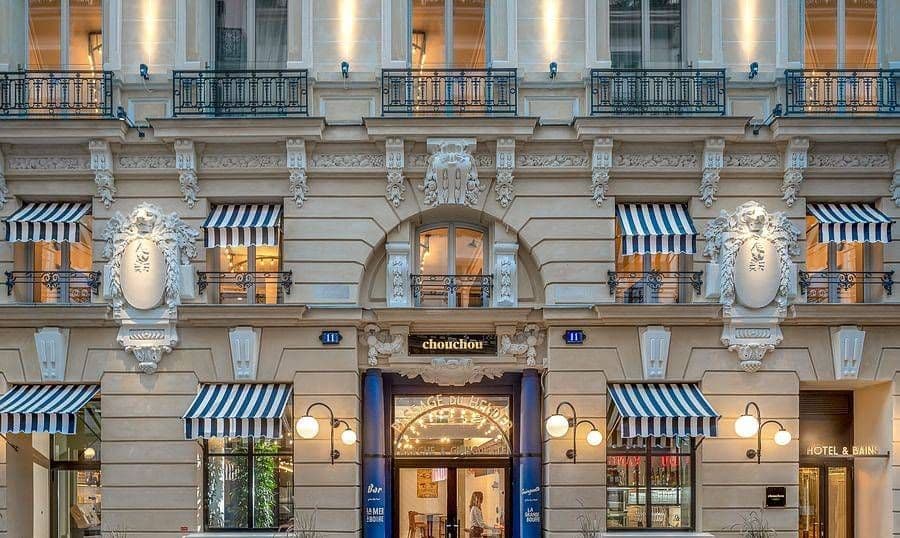
Some programs need a setting that feels different from a standard meeting room. In Pittsburgh, a historic theater can create that kind of distinction, while Phipps Conservatory and Botanical Gardens can support outdoor receptions and other memorable formats for any occasion. Among event venues Pittsburgh teams shortlist, the views stand out: LeMont on Mount Washington hosts 40 to 250 guests in 4,000 square feet, Gateway Clipper boats from Station Square take 90 to 400, and Church Brew Works in Lawrenceville hosts up to 250 in a historic church.
Distinctive spaces still need the same written checks as any other venue.
Outdoor planning at Phipps Conservatory and Botanical Gardens depends on the season, the contract, and the weather plan. Outdoor events need written roles, not verbal assumptions.
Ask the venue what seasonal planning rules apply to the outdoor setting you want to use. Confirm the timing window and any seasonal limits in writing before you proceed.
The contract should state who handles permits and related approvals. Do not assume the venue, your team, or a third party is responsible until that is written down.
Build a weather contingency into the proposal review. If the outdoor plan changes, you should know what the backup option is and how the event will move.
Executive gatherings often need a room that can shift between presentations, private discussion, and breakout work. The best venue is the one that can support those changes without forcing the team into awkward room moves.
If a second floor layout is involved, confirm how that space offers privacy, access, and flow for your group.
Room flexibility. Ask how the room can be reconfigured for breakouts, private conversations, and plenary moments. A versatile event venue should support the agenda without forcing unnecessary compromises.
Conference technology. Review the conference technology in writing, including audio, display, and connectivity. Gather provides state of the art audio and visual equipment for events, but if your leadership team or speakers need specific tools, confirm exact inclusions before approval.
Catering minimums. Compare catering minimums across proposals so you understand the total commitment. That helps you judge whether the venue fits the scale of the meeting or executive dinner and whether it works for your next event.
Flexible rooms still need precise operational checks.
Central districts make attendance easier when guests are arriving from different places in Pittsburgh, PA. Downtown Pittsburgh (Golden Triangle) and the Cultural District are the main central areas to review for convenient event planning.
Transit access. Prioritize venues near transit if your attendee list includes commuters or out-of-town guests. The T light rail serves downtown stations at First Avenue, Steel Plaza, Wood Street, and Gateway, with bus service and Amtrak at Union Station.
Central districts. Use Downtown Pittsburgh (Golden Triangle) and the Cultural District as your first pass for central gatherings. These districts are practical when you want a location that is easy to explain to attendees, especially across Pittsburgh downtown. Oakland is also worth noting for groups who want a venue minutes from the Carnegie Museum before or after the event.
Travel patterns. Match the neighborhood to how people will arrive, whether that means rail, car, or hotel shuttle.
Hotel clusters. Map venues against nearby hotel clusters when lodging is part of the plan. Downtown Pittsburgh is near the convention center, and the Cultural District is within steps of the center.
Location should support the guest journey from arrival to departure.
Pittsburgh International Airport connects into the city with the Airport Flyer bus to Downtown, while rideshare and taxis pick up at ground level. That gives planners a straightforward arrival path for attendees heading to central meeting space. From Pittsburgh International Airport, VisitPittsburgh puts a taxi downtown at about $40, and the 28X airport bus costs $2.75.
Once in the city, Pittsburgh Regional Transit links Downtown, the North Shore, and the South Hills by light rail, with buses reaching Oakland, Lawrenceville, and the South Side. Guests can also visit nearby districts and attractions after they arrive. Downtown is walkable, and bridges make it easy to reach the North Shore on foot.
Pittsburgh gives planners several distinct areas to compare, each with a different event profile. For procurement teams, the main question is how each district supports attendee movement, dining, and the kind of program you are running.
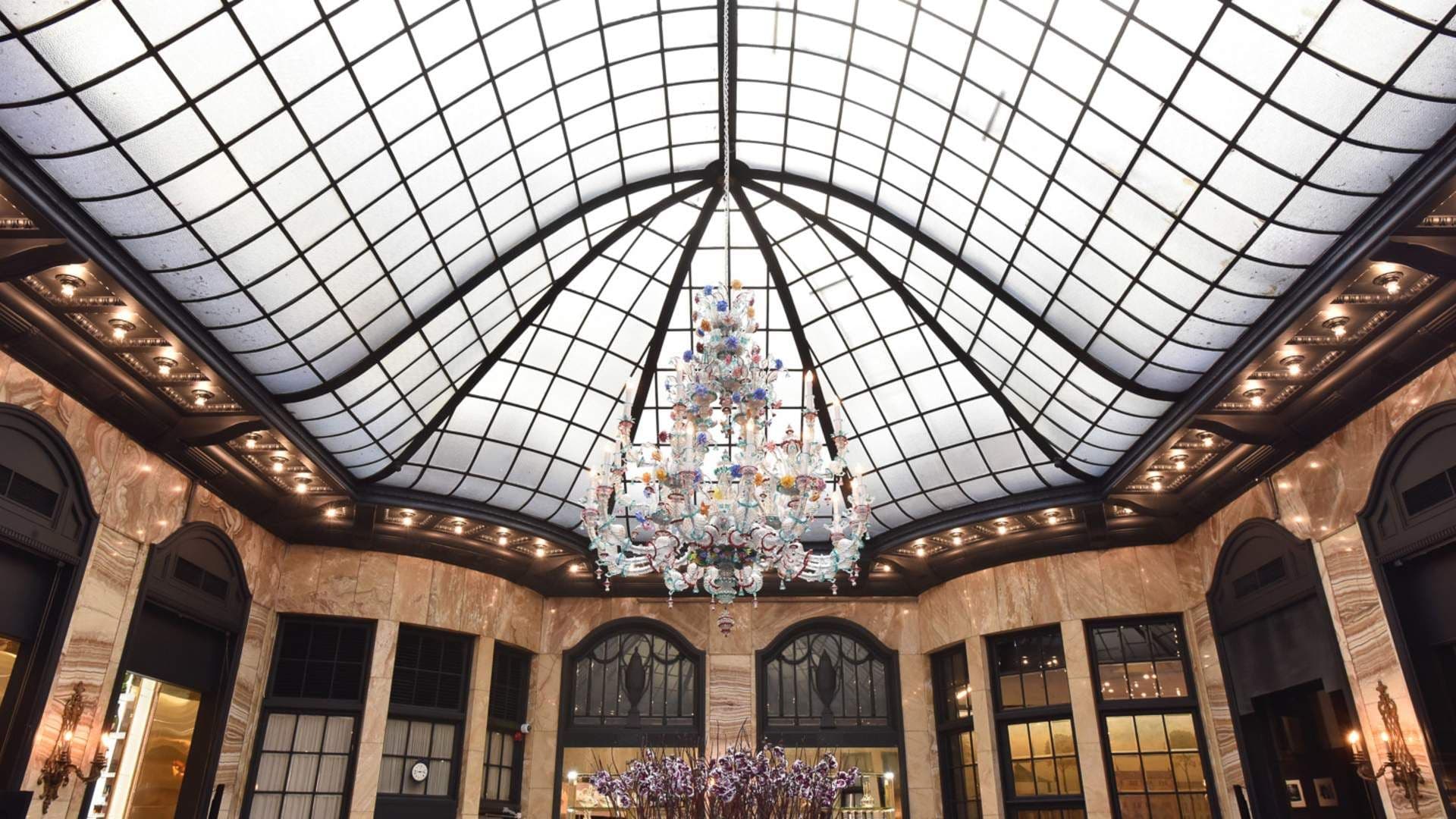
Downtown sits where the rivers meet and combines a theater district, rooftop bars, and walkable streets, making it a fit for everything from meetings to galas. It also gives attendees hotels in historic buildings, the Cultural District, and a financial district with restaurants near the convention center. The Wyndham Grand Pittsburgh Downtown has a 17,280-square-foot Grand Ballroom for 1,990 theater style or 1,610 at a banquet, and the Omni William Penn, open since 1916, hosts 400 to 1,600 guests in its main ballroom. The Fairmont Pittsburgh offers 12,000 square feet of event space for up to 500 guests, and its Grand Ballroom takes 400 at a banquet. By Market Square, the glass-enclosed Wintergarden at PPG Place covers 8,000 square feet bathed in natural light, for 400 at a reception or 300 seated. The Westin Pittsburgh has 36,305 square feet across 17 event rooms, and its Allegheny Grand Ballroom holds 1,400. At One Oxford Centre, the Rivers Club offers rooms from 10 guests to ballrooms seating 250 or more. In the Lower Hill District, the Energy Innovation Center offers an expansive view of the Pittsburgh skyline, and its Brightspace room covers 2,000 square feet. At One Bigelow Square, the DoubleTree by Hilton Hotel and Suites Pittsburgh Downtown has 9 meeting rooms with more than 12,000 square feet, and its Pennsylvania room takes 300 to 625 guests.
The North Shore is a riverfront area with sports stadiums, a casino, and a riverwalk. Hotels near the stadiums work well for groups that want meetings paired with game-day or evening entertainment. The Andy Warhol Museum seats 120 or hosts 200 for cocktails, and its theater has 98 seats. Acrisure Stadium has seven private event spaces for groups from five to 5,000, and its UPMC Club seats 800 for dinner or hosts 2,000 at a reception. In the Central Northside, the Mattress Factory lobby hosts 200 cocktail style or 125 seated. Acrisure Stadium, formerly Heinz Field, hosts large sports events and corporate functions.
The Strip District is a historic market neighborhood with specialty food shops, diners, breweries, and a distillery. It works well for team meals and receptions, especially when you want to stay close to Downtown. In Troy Hill, Penn Brewery's historic 19th-century brewery complex seats up to 120 in its Eisenhalle. Next door in Lawrenceville, Over Eden sits on the rooftop of the TRYP Hotel, a former trade school, and its terrace seats up to about 120 guests for outdoor events.
Oakland is a university and hospital district east of Downtown Pittsburgh, with museums, a conservatory, and a busy student population. Universities, hospitals, and nearby hotels make it a strong fit for academic, research, and healthcare meetings, with natural beauty in its museum grounds, conservatory gardens, and hillside surroundings.
Pittsburgh has four distinct seasons, with cold, cloudy winters, mild springs, warm summers, and crisp falls. Spring and fall are the most comfortable seasons for meetings, while winter weather and summer thunderstorms can disrupt outdoor programs. It's also important to check major local dates early, as they can affect hotel availability and transport.
Anthrocon and Pittsburgh Marathon Weekend are recurring city events that can affect demand and movement around the city. If your program depends on street access or broad attendee mobility, those dates deserve extra review.
A few city rules matter early in the venue search.
Permits. The Office of Film and Event Management issues permits for special events and block parties in the City of Pittsburgh. If your program uses public space, confirm the permit path before you compare final venue options.
Street closures. The Department of Mobility and Infrastructure requires temporary traffic control for events that obstruct streets. It also restricts closures on certain streets during major events such as the marathon.
Planning workflow. When you are comparing venues, ask each one to confirm pricing in writing before you book. Naboo returns comparable proposals with clear line items, and each venue confirms its price in writing before you book, with one point of contact and one invoice per event.
The cleanest way to review pricing is to ask for itemized proposals from the venues you shortlist. That makes it easier to spot administrative fees, service charges, and assumptions before you approve anything.
Itemized proposals. Request a line-by-line proposal from each venue so you can compare room rental, food and beverage, labor, and add-ons. Naboo can centralize those proposals in one place for easier review.
Administrative fees. Identify administrative fees, service charges, and any other non-obvious costs before approval. Ask the venue to explain each line item in writing.
Taxes and gratuity. Verify how taxes and gratuity are handled in the proposal. Do not assume the total includes the same items across every venue.
Centralized contracts. For large groups, a framework contract through Naboo gives you one vendor of record, negotiated terms per contract, and a Control Tower that shows every request, approval, and payment by entity, country, and event type.
Written terms matter as much as the room itself.
The next day, the photos may tell one story, while attendee feedback tells another. You need both to really understand whether the room, the flow, and the tone worked together.
Did the format support the goal? Did guests stay engaged? Did the venue fit the agenda? Did the support level match the pressure?
Then review planned budget versus final spend, and explain the gaps. Some differences come from scope changes, and some come from choices made too late.
Hosting this event means more than booking a room. It means shaping how people meet, decide, and remember the time together.
Send us the date, headcount, budget, and intent, and we will start with a shortlist of event venues in Pittsburgh that fit the brief.
It depends on what last year achieved. If the goal was alignment, keep the structure and change the content. If the goal was energy, change the format or the venue. A dinner can become a working lunch. A hotel offsite can become a retreat. The point is to improve the outcome, not just rename the invitation.
People often think novelty is the answer. It is not. A new theme with the same weak timing still feels weak. That is why the smarter move is to adjust the parts that guests actually notice.
It depends on your season and your format. Overnight programs need more lead time because rooms and meeting space move together. Holiday dates and popular downtown weekends also tighten availability. If you want a quieter retreat setting, start early enough to compare options before the calendar gets opinionated.
A short timeline can still work for a small team dinner or a simple meeting. The false good idea is waiting until the agenda is fixed, then hoping the venue will politely adapt. Venues can accommodate a lot, but they are not telepathic.
It depends on whether you need convenience or contrast. A hotel offsite works when you want rooms, meetings, and lodging in one place.If the group is small and the schedule is full, the hotel usually wins on practicality.
If you want a more social feel, a restaurant or bar can be the better fit. The wrong move is choosing a dramatic space that cannot support the actual agenda. That is how a simple plan becomes a logistics hobby.
It depends on whether the content needs to be heard and seen clearly. For a kickoff, product launch, or client presentation, audiovisual equipment is usually worth it. For a dinner with a short toast, you may need less. The deciding factor is not the equipment itself. It is whether the room needs help carrying the message.
Skipping AV can look efficient until the speaker starts waving at the back row. That is a memorable moment, but not always the one you wanted.
Start with the brief, then compare venues on the same criteria. Look at date, headcount, budget, format, and whether you need lodging, AV, or services. Naboo turns that into a shortlist of comparable options, so you are not sorting through unrelated proposals.
That method saves time because the first pass is already filtered. The false good idea is browsing endlessly and hoping a favorite photo will solve the brief. Photos are useful, but they do not run the event.
It usually comes down to a mismatch between the goal and the format. If you want decisions, but schedule entertainment all night, the result gets fuzzy. If you want relationships, but pack the agenda too tightly, people leave tired instead of connected.
The other trap is underestimating transitions. Arrival, food timing, and room setup shape the experience more than people expect. Ironically, the part nobody plans is often the part everyone remembers.
It depends on the venue type, since different venue types include different things, from hotels, restaurants, bars, and retreat properties to more modern spaces. Hotels often include rooms, meeting space, and lodging options. Restaurants usually include food, service, and a private or semi-private area. Bars can work for informal gatherings. Retreat properties can add overnight stays and a quieter setting. The label matters less than the actual inclusions.
That is why event venues in Pittsburgh should be compared on details, not category names. A venue called flexible may still need a lot of help. A venue called simple may already include what you need.
It depends on how flexible you are on date, format, and neighborhood. If you can adjust one of those, you have a much better chance. Small team dinners, meetings, and overnight offsites are usually easier to place than large programs with many moving parts.
Naboo can help you move fast by narrowing the search and returning comparable options quickly. The false good idea is insisting on every original detail and expecting the calendar to cooperate. That is a charming theory, but not a planning method.
November 26, 2026

November 17, 2026

November 12, 2026

November 12, 2026

November 12, 2026

November 12, 2026