Turnkey
We handle the Houston event venue, logistics, and suppliers, so you can stay focused on the brief.
2 workspaces
7 workspaces
64 maximum · 5 workspaces
3 workspaces
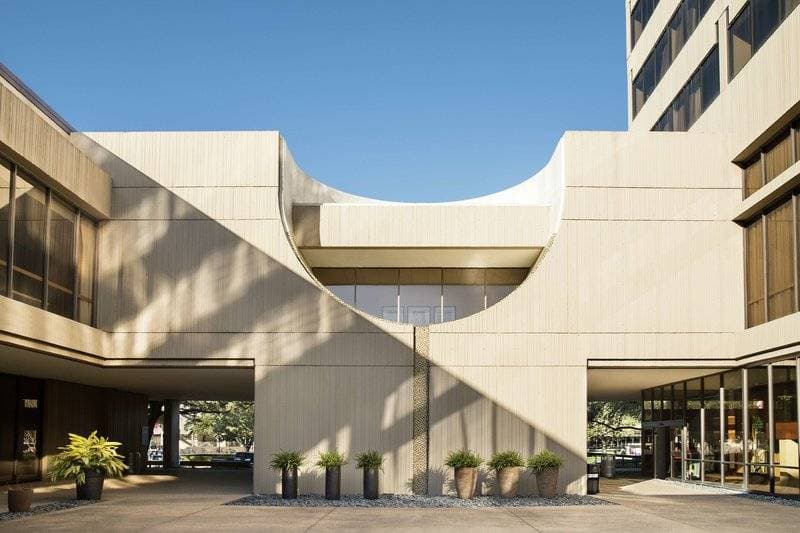
148 maximum · 1 workspace
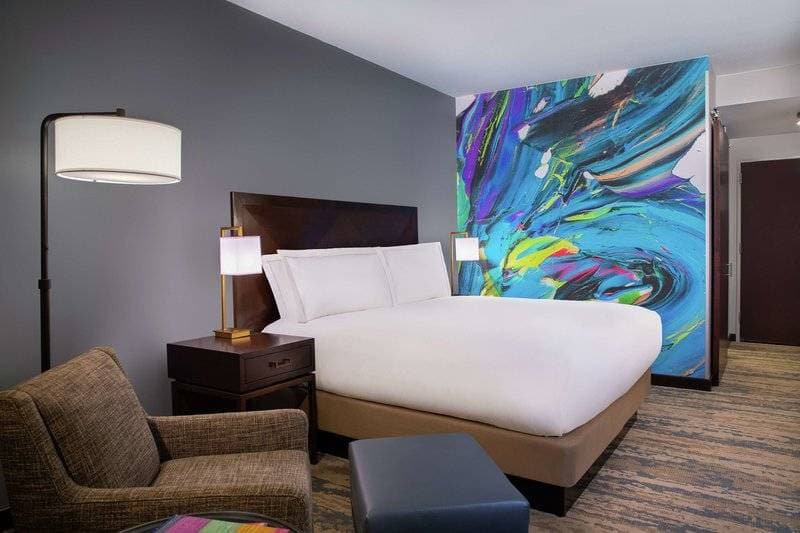
2406 maximum · 1 workspace
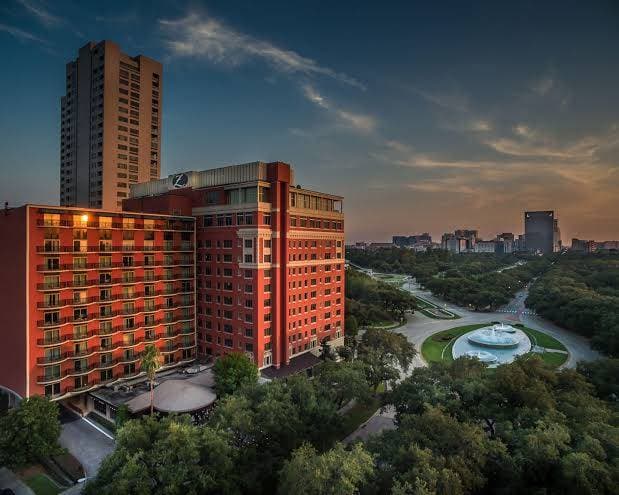
624 maximum · 1 workspace
FromUSD 275/night
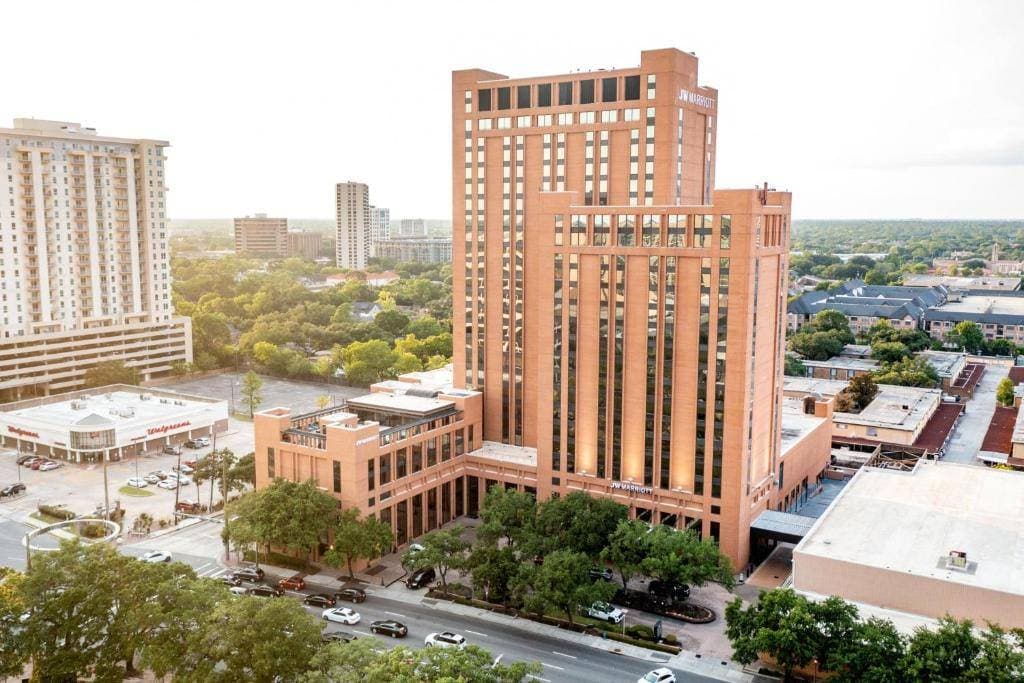
516 maximum · 17 workspaces
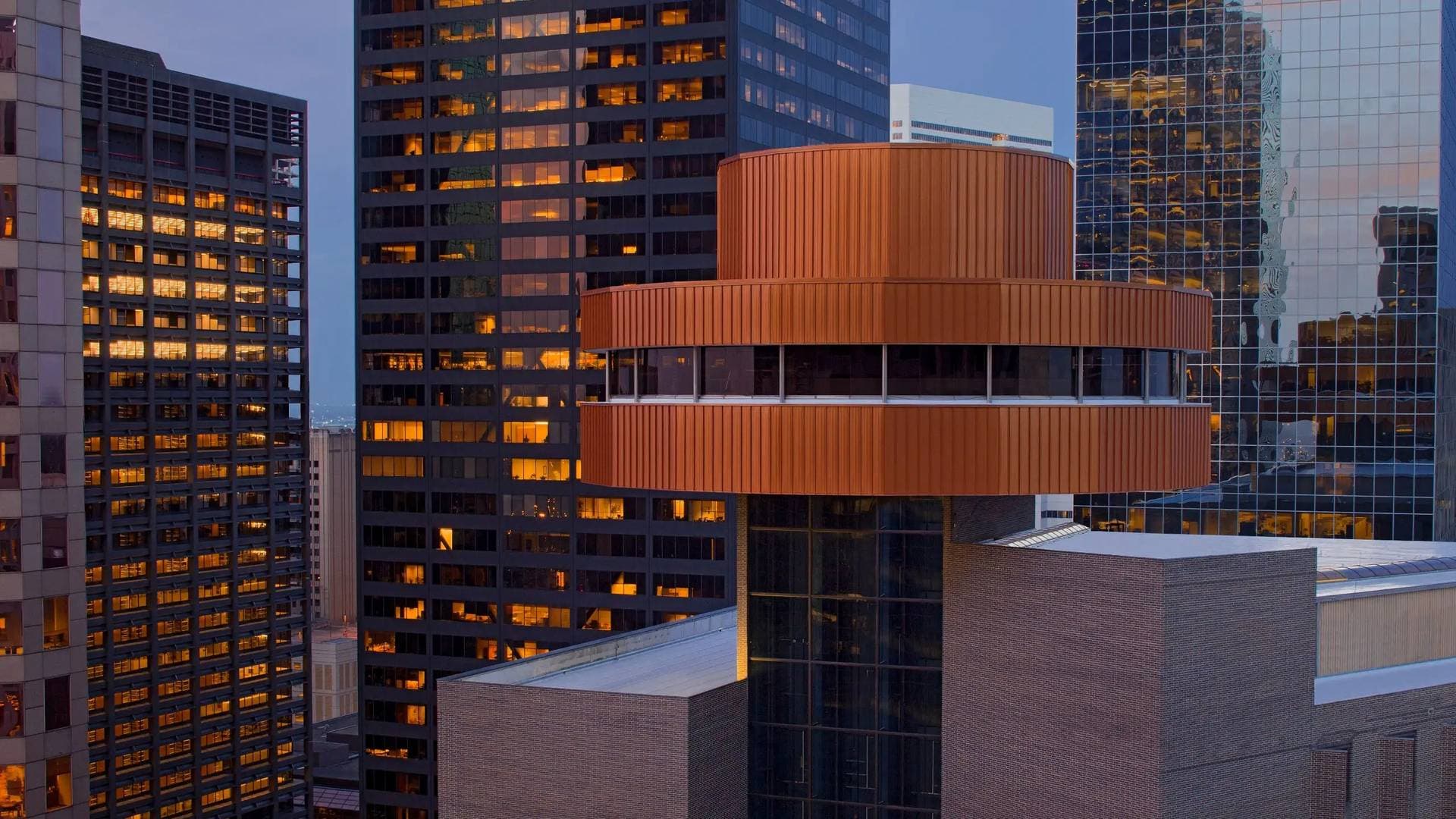
955 maximum
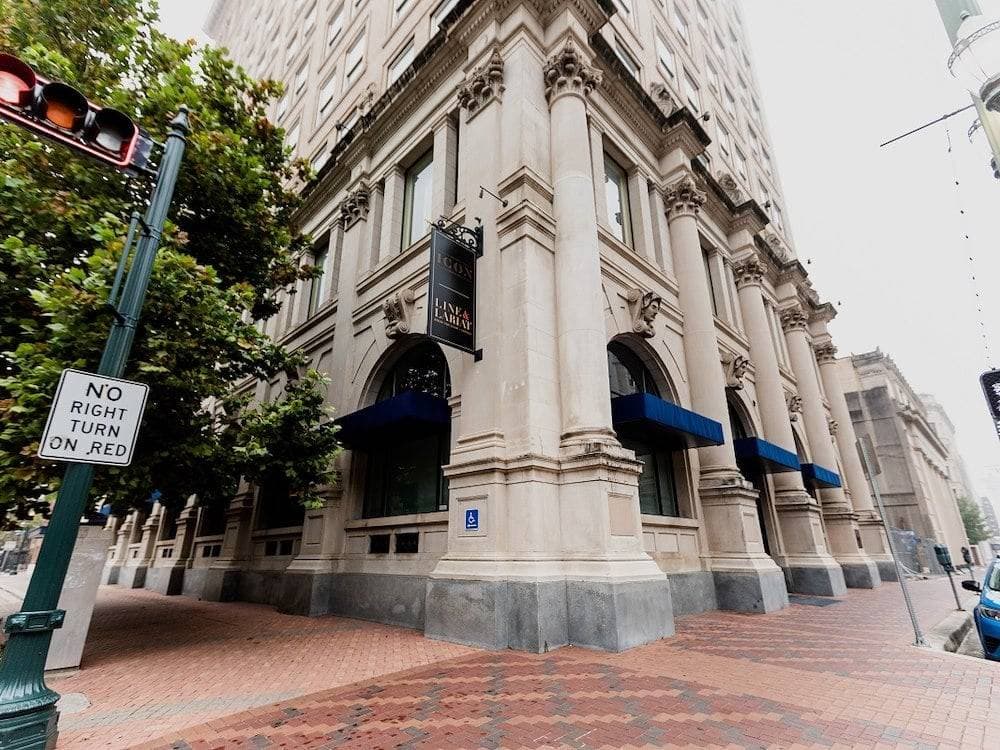
135 maximum · 9 workspaces
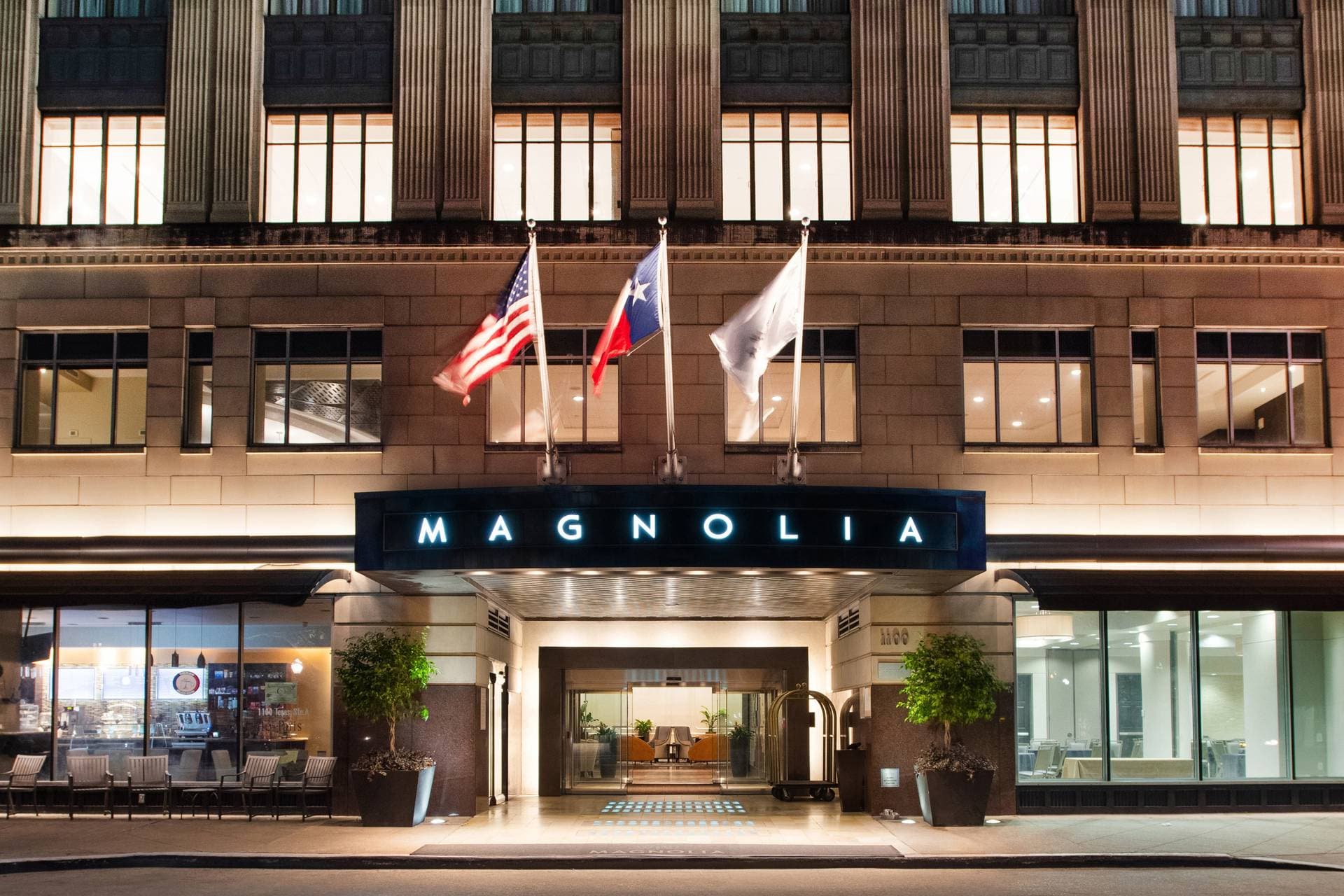
314 maximum · 7 workspaces
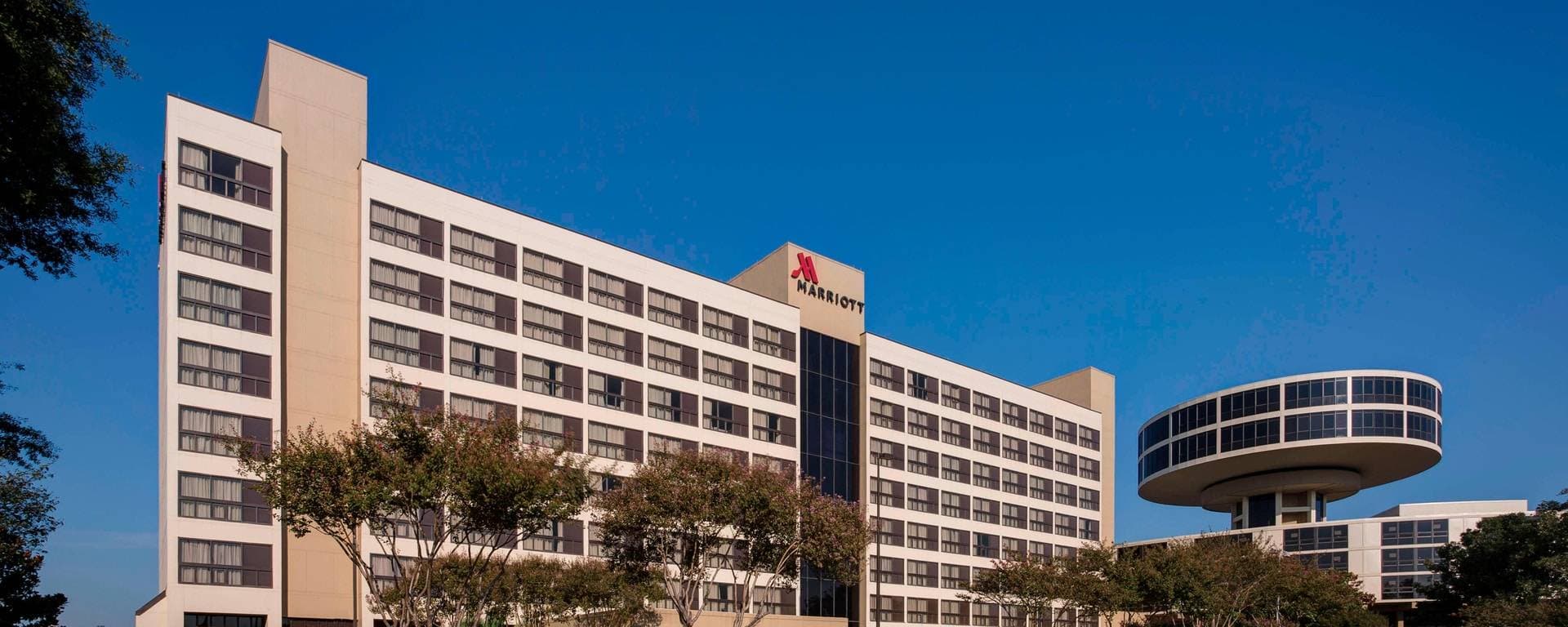
Houston, Texas, United States
4.3
(3269 reviews)
565 maximum · 21 workspaces
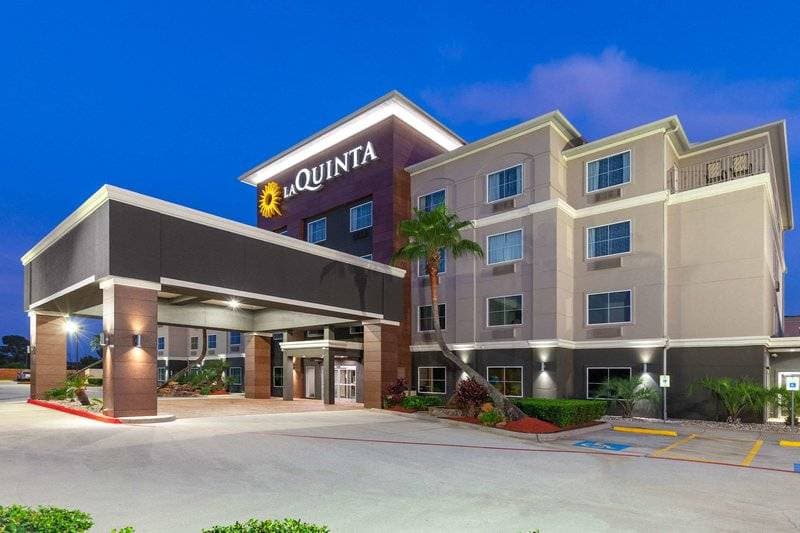
182 maximum · 1 workspace
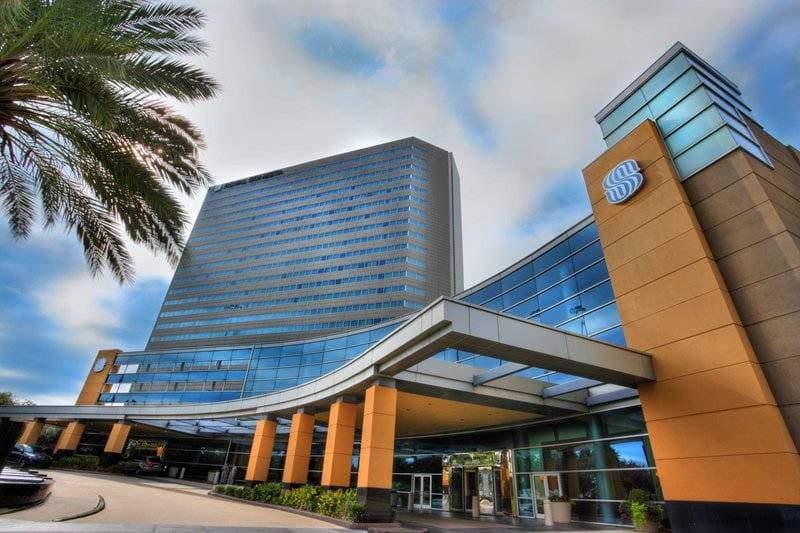
970 maximum · 1 workspace
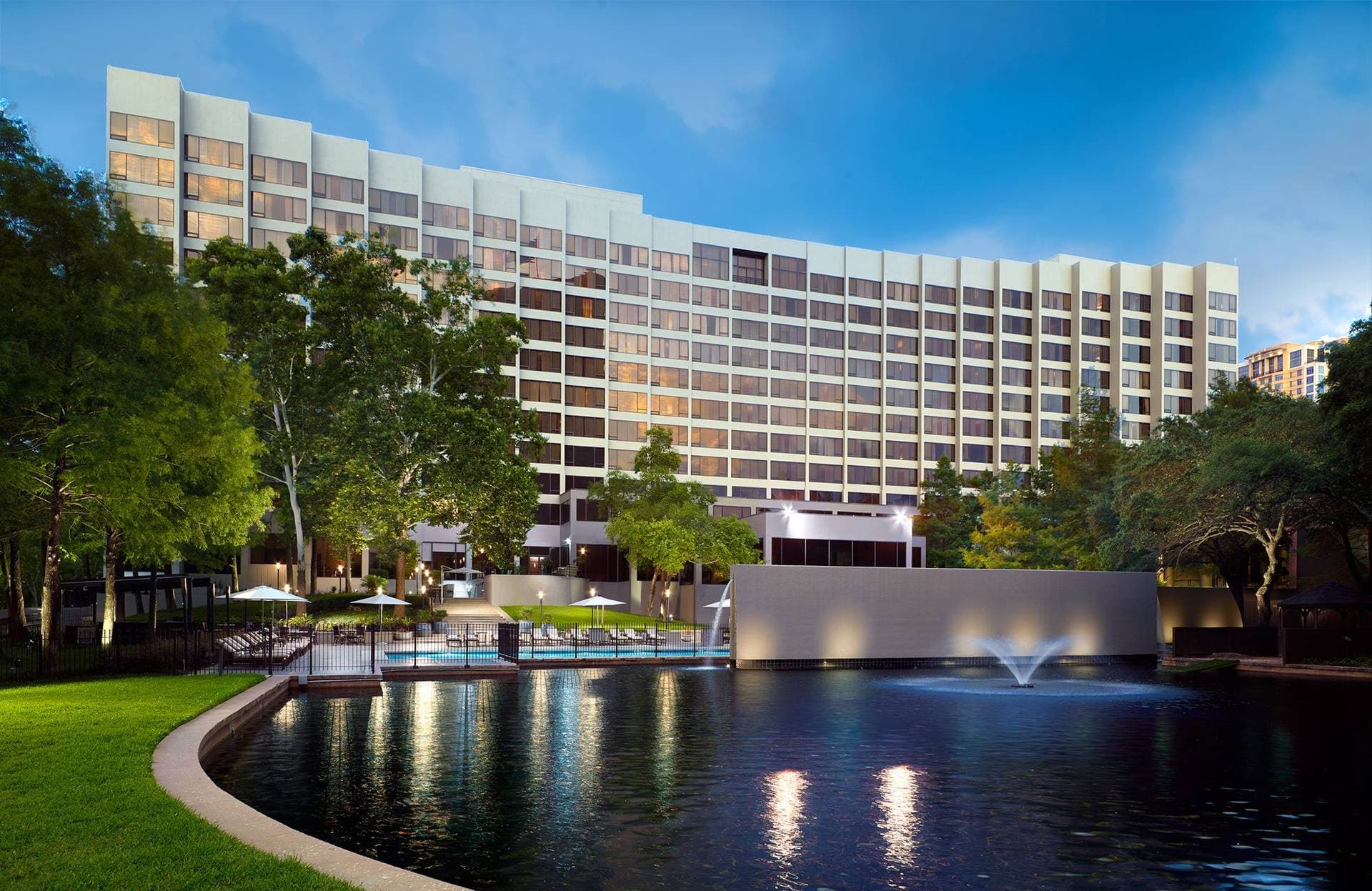
378 maximum · 21 workspaces
FromUSD 1,495/night
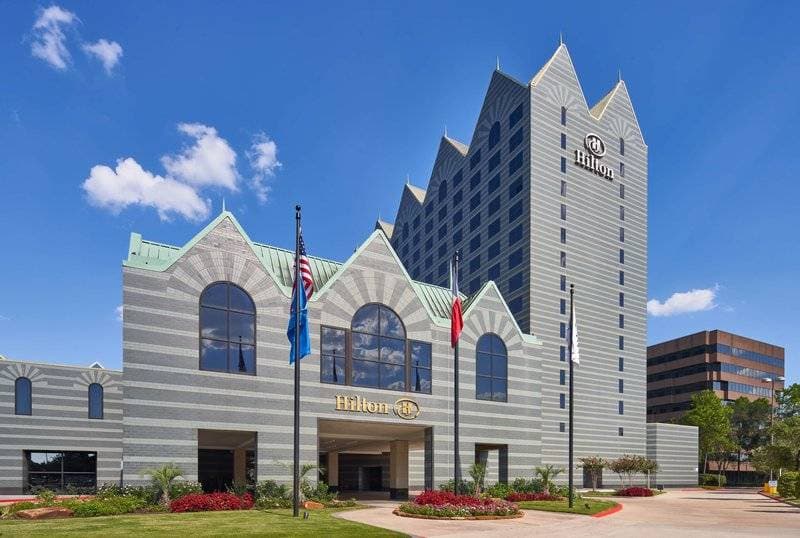
960 maximum
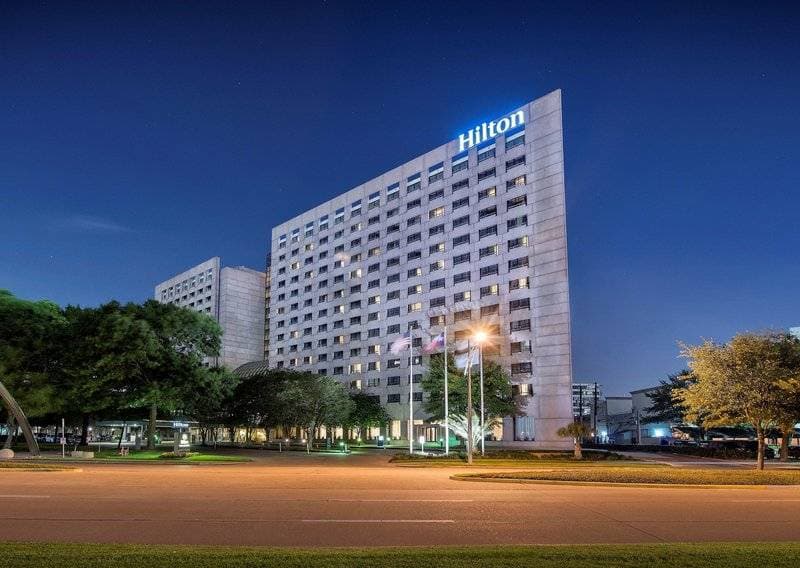
896 maximum · 1 workspace
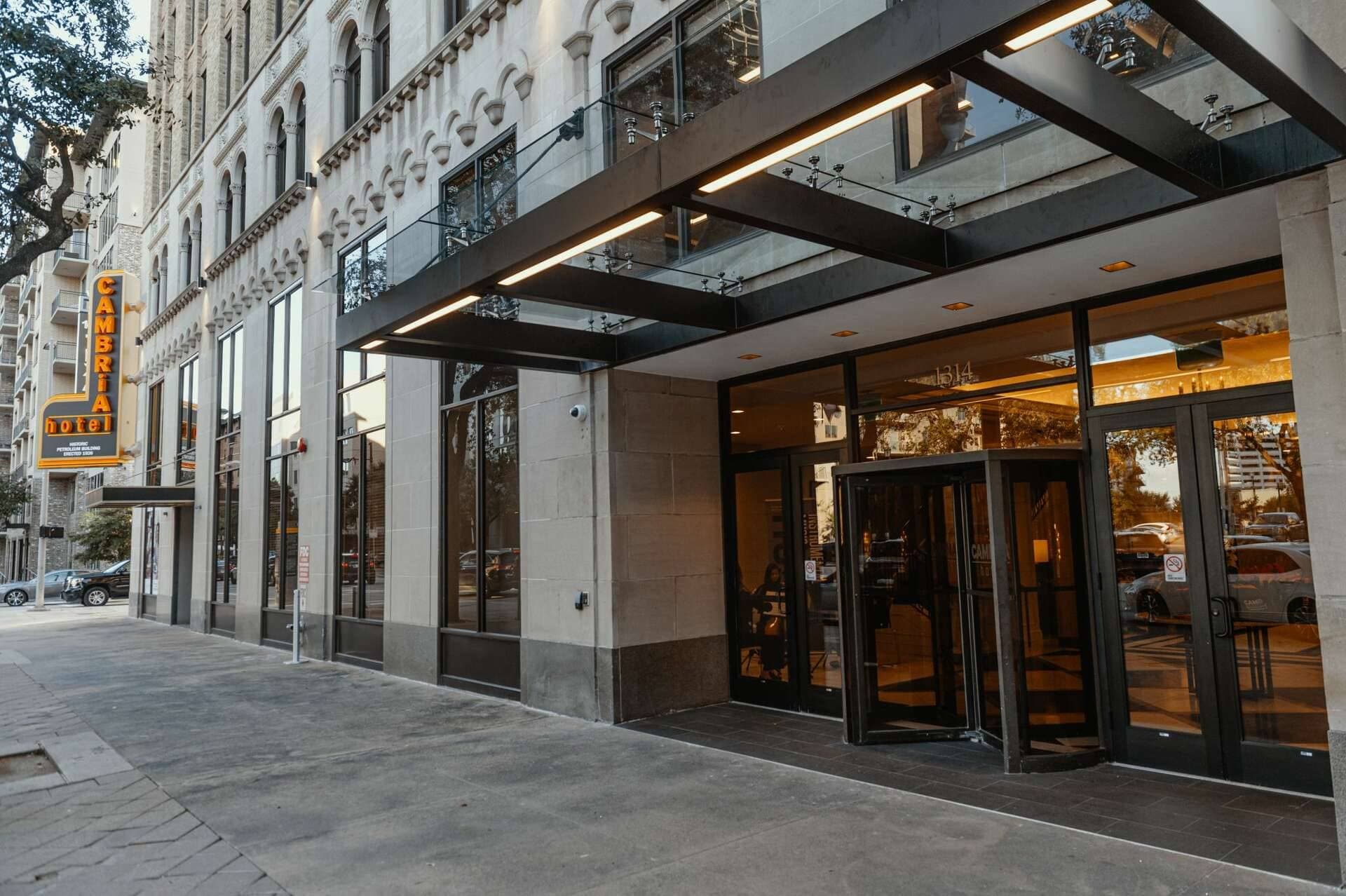
226 maximum · 6 workspaces
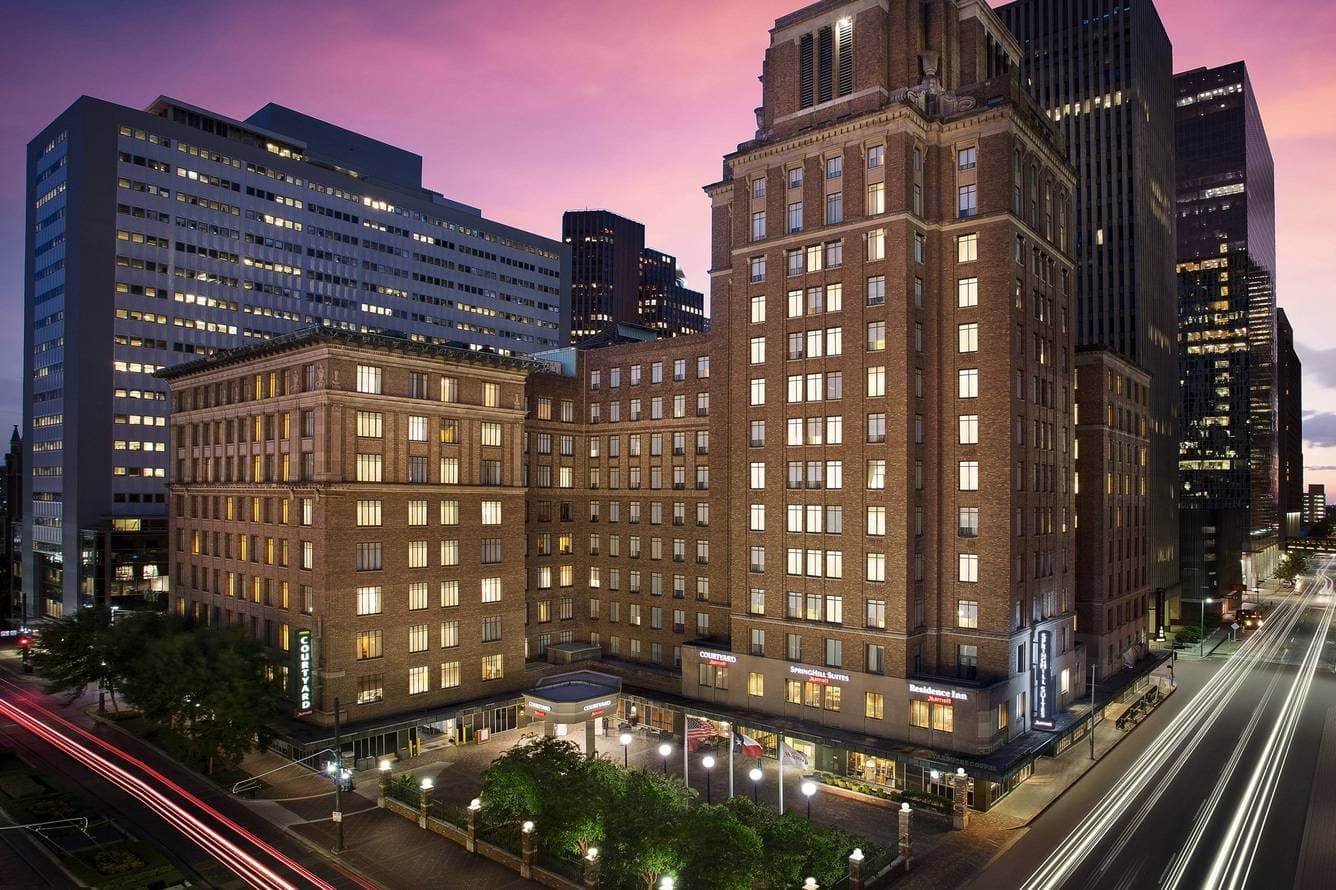
Houston, Texas, United States
4.0
(856 reviews)
8 maximum
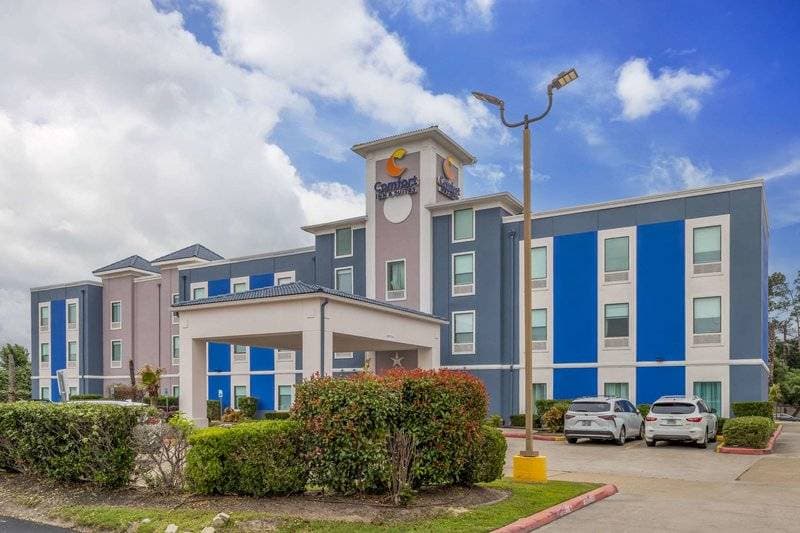
114 maximum · 1 workspace
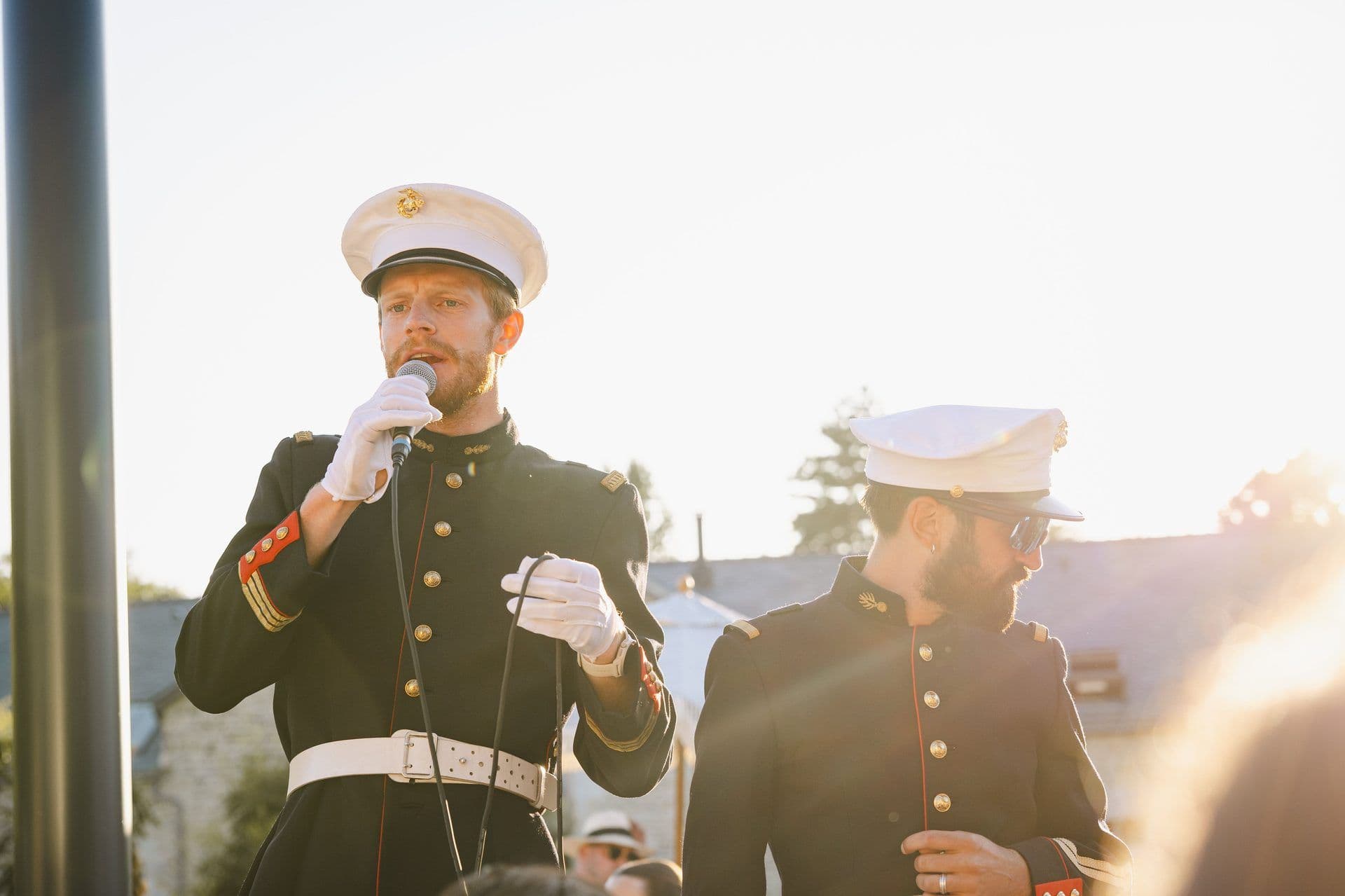
Answer a few quick questions and get venue suggestions for your next event
Over 500,000 employees have experienced a Naboo event









We handle the Houston event venue, logistics, and suppliers, so you can stay focused on the brief.
One quote can cover the venue, catering, AV equipment, activities, and lodging in one place.
Our AI generates quotes almost instantly, and we get back to you in under 12 hours.
You get itemized pricing and one invoice, so event venues in Houston stay easy to review.
Houston offers a wide range of corporate options, with about 1,700 venues in Harris County in Naboo's network and about 1,850 across Greater Houston. We book in downtown, the Galleria, and north of the city, including The Woodlands and Spring.
The city works well for client dinners, team meetings, and evening receptions. It also suits larger company calendars, where event venues in Houston need to be practical, flexible, and easy to compare.
about 1,700
venues in Harris County
in the Naboo network
about 1,850
venues across Greater Houston
including Fort Bend and Galveston
about 4x
houston bookings in 2026 vs 2025
growth in 2026 bookings
about 30
median group size in Houston
typical attendee count in the city
From a quiet working lunch to a larger evening format, the right room depends on the people in it. Read the blog, then ask the real question: does it fit your guests?
We look at spaces that keep people in the room and out of the group chat. A hotel meeting room can work well, and meeting rooms in Houston help when you need structure, AV, and a simple agenda. The Laura Hotel, Houston Downtown, Autograph Collection suits a focused day meeting with a polished setting and easy pacing.
We usually lean toward restaurants or private dining spaces, because conversation matters more than a stage. Restaurants in Houston can support a dinner, a reception, or a smaller group that wants to talk without shouting over the playlist. They also work well for private dinners. Monarca suits an evening event when you want a room that feels current without trying too hard.
We look for a setting that feels relaxed and still organized. Houston event spaces can handle a dinner, a toast, a team milestone, or a casual reception, and can also work for birthday parties when the group wants a relaxed, social format; bars in Houston may fit when the goal is to keep things social. CAVA suits business meals and evening events when the group wants something simple and lively.
We want room for energy, a clear flow, and enough flexibility for speakers or demos. Event venues in Houston can support a seminar-style setup or a reception after the reveal, as well as other corporate events. Goode Co. Armadillo Palace suits seminars and evening events, and it gives you a setting with room to move, which helps when the agenda does not sit still.
We balance atmosphere, food, and timing so holiday parties feel festive without turning into a logistics puzzle. Company events in Houston can include a dinner, a reception, or a mixed-format evening. Bungalow Downtown Dining suits day meetings too, which tells you it can handle a group that wants polish with a little flexibility.
Start with the business reason, then choose the format that fits the outcome you need. A client dinner works when you want conversation, a day meeting works when you need decisions, and an evening reception works when you want broader attendance. Houston gives you room to choose, from downtown dining rooms to Galleria meeting spaces, larger venues north of the city, and smaller rooms when organizers need a more intimate format.
If the goal is alignment, keep the group small and the agenda tight. If the goal is visibility, add a reception or product moment. The format should serve the meeting, not the other way around.
What organizers often miss is the handoff between content and room setup. That is where we help, because the venue has to fit the plan, not just the headcount.
Choose by format first, then by neighborhood, access, and service level to find the right venue. For event venues in Houston, that usually means comparing restaurants for dinners, hotels for working sessions, and private spaces for receptions or launches. Downtown works for central access, the Galleria helps with client-facing events, and The Woodlands can suit a north-side offsite.
Look at what the room includes, not just the photos. Compare each venue in Houston by capacity, location, amenities, and budget. Ask about AV, food service, timing, and whether the space can handle a seated meeting or a standing reception.
People often forget the small things, like arrival flow and how long setup really takes. We compare those details early, so the shortlist stays usable.
Pick activities that match the reason people are gathering. A working lunch, a guided discussion, a tasting, or a short team exercise can all fit corporate event venues in Houston. If the goal is connection, keep the activity light. If the goal is decisions, keep it short and structured.
Restaurants support conversation. Hotels support presentations. Evening venues support networking and a more social close. The right activity should make the format easier, not busier.
What gets missed most is timing. A good activity can still fail if it lands after the room has lost energy. We help you place it where it actually works. It also helps to avoid major sports game nights when traffic could disrupt arrivals and guest flow.
Not always. A theme helps when you want a clearer mood, but it should never cover weak planning. For event venues in Houston, a theme can be as simple as a menu style, a color direction, or a seasonal cue.
Use it when it supports the goal. A simple visual direction can create the right backdrop when the event needs a clearer mood. Skip it when the audience only needs a strong agenda and good food. A theme should guide choices, not become homework for everyone in the room.
Organizers often forget that guests remember clarity more than decoration. We help you keep the idea useful, which is usually the harder part.
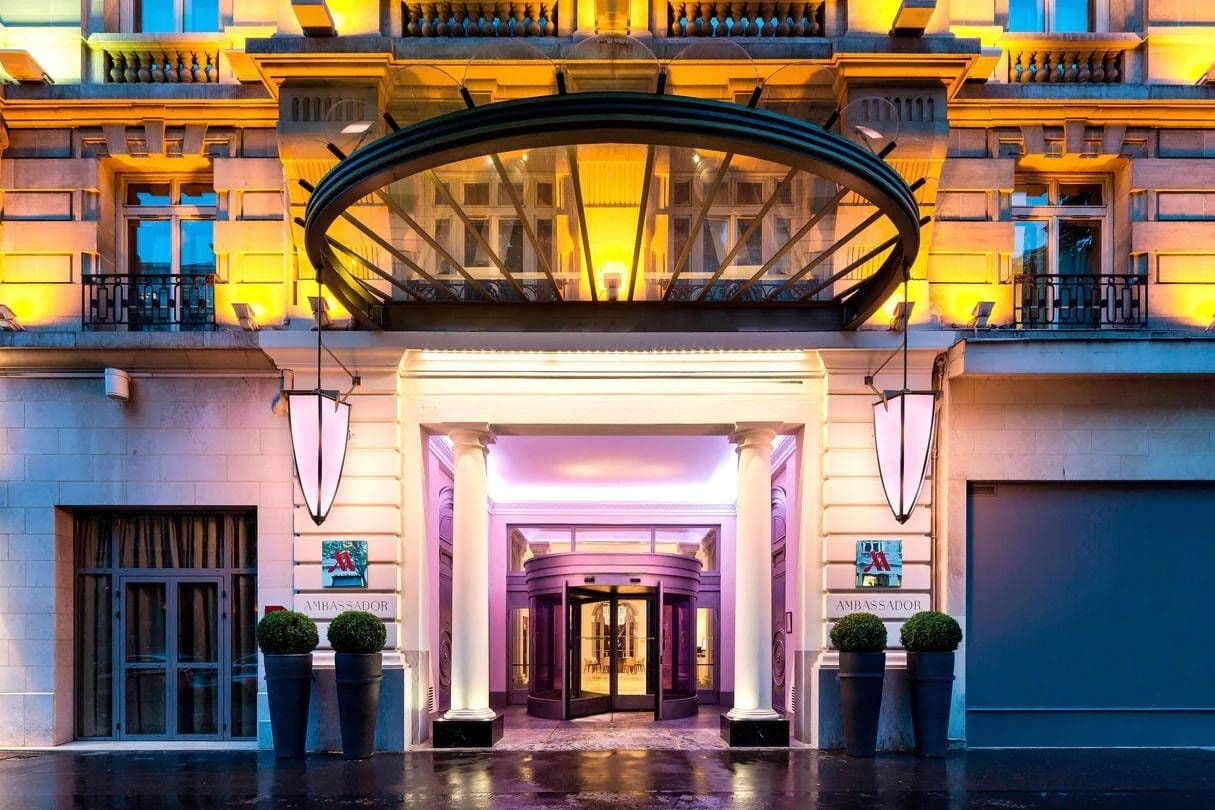
For large programs, start with venues that can support registration, general sessions, and breakouts without forcing the agenda into one room shape. Ask each property to confirm its role in writing before you build the shortlist.
For large programs, written AV terms matter as much as room size.
Examples to start your comparison. Each venue confirms its price in writing before you book.
Registration flow, plenary space, breakout routing, supplier access, and loading access.
See George R. Brown Convention Center on Naboo The 1.8 million-square-foot building in East Downtown has more than 700,000 square feet of exhibit space in seven halls and up to 88 meeting rooms.
Which halls or galleries are included, catering rules, and whether the venue closes to the public for your event.
See Space Center Houston on Naboo The 250,000-square-foot complex holds up to 8,000 guests in a full-center booking, Independence Plaza takes up to 5,400, and the Starship Gallery holds 250 standing or 80 seated. It also works well when you want an immersive experience that leans into Houston's NASA identity for a more memorable setting.
Capacity by layout, catering minimums, and AV scope. Downtown, the Julia Ideson Building, designed by Ralph Adams Cram and completed in 1926 as Houston's main library, is listed on the National Register of Historic Places. The library's rental guide lists its 3,616-square-foot Tudor Gallery and Exhibit Hall at $4,400 Monday to Thursday and $5,500 on Fridays and Saturdays for a seven-hour block, seating 200 or 350 for a reception.
Seasonal rules, permit responsibilities, and an indoor backup plan. In Hermann Park, McGovern Centennial Gardens rents its garden spaces for outdoor events and large gatherings. The Conservancy prices these rentals by season and day of the week, so a weekday date usually opens more options.
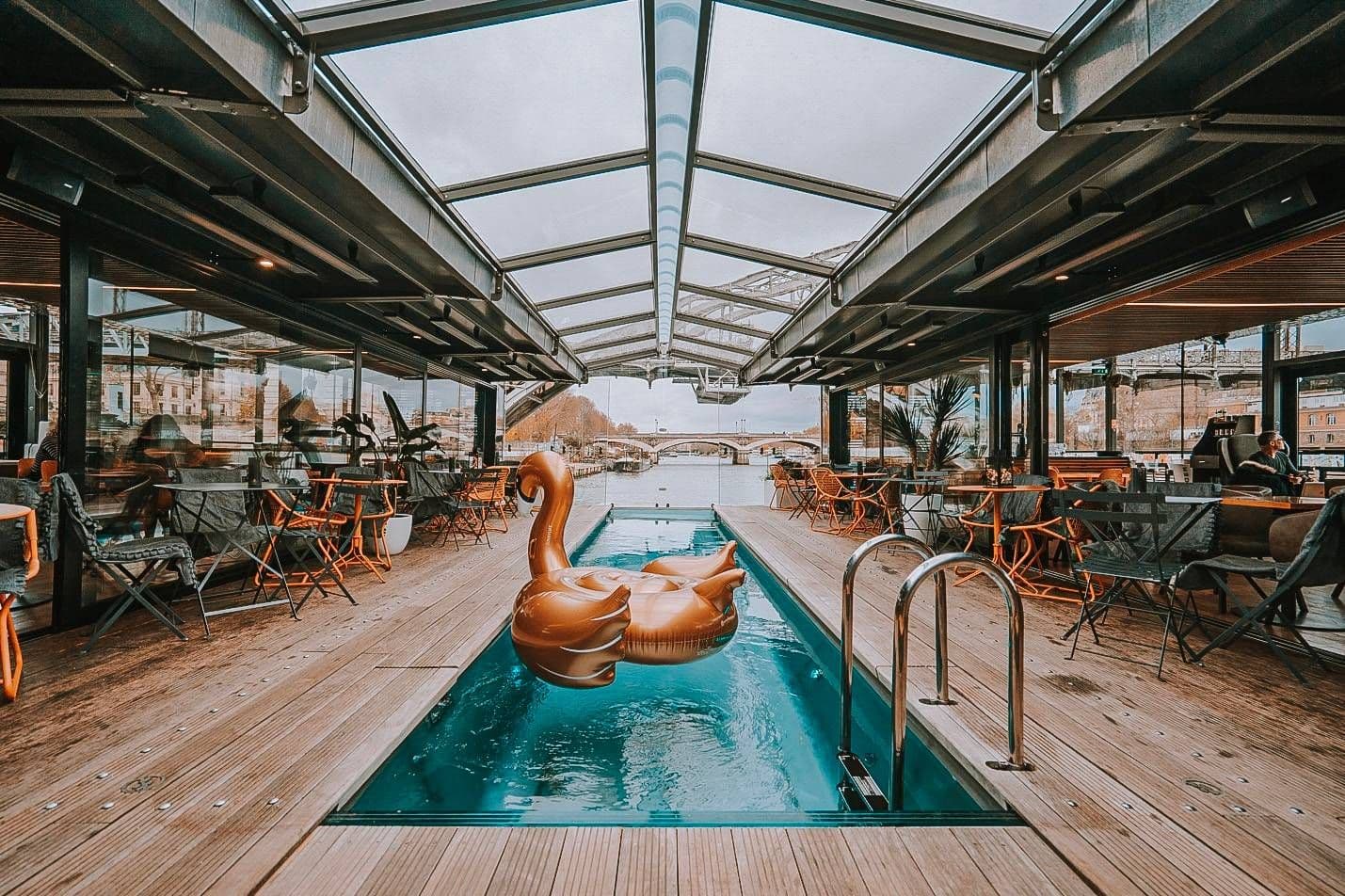
High-capacity venues work best when the event has a clear run of show and a strong production plan. Ask for verified capacities from the venue itself, not from old brochures or third-party summaries.
The right high-capacity choice is the one that fits the plan on paper.
One brief, comparable proposals, one point of contact.
Tell Naboo the format, guest count, dates and neighborhood preferences for your Houston event.
Shortlisted venues reply with proposals that use the same line items, so room rental, catering, labor and equipment sit side by side. Each venue confirms its price in writing before you book.
Naboo handles the booking with one point of contact and one invoice per event. With a framework contract, procurement also gets one vendor of record.
It depends on the format, the neighborhood, and how much service you want included. Whether you need a party venue or a small party venue, a dinner, a meeting, and a reception do not cost the same, even before AV or lodging enters the picture. The real question is not what sounds cheap, but what supports the outcome.
For event venues in Houston, we help you compare proposals as a whole, so you can see what is included and what is not. That makes it easier to choose between a simple room and a fuller package.
The hidden cost is usually time, not just spend. If the proposal is hard to read, the budget becomes harder to control.
By negotiating the proposal as a whole. We compare comparable options, so you can review venue, catering, AV, activities, and lodging in one place. That makes it easier to spot gaps before they turn into surprises.
We also keep the process focused on the brief, not on endless back-and-forth. You get a shortlist that is easier to judge and easier to approve.
The false good idea is to chase the lowest line item and hope the rest behaves. It rarely does.
Share the date, headcount, budget, and intent. If you know the format, add that too, along with whether it's a private eventThe clearer the brief, the faster the shortlist.
We use those details to match you with event venues in Houston that fit the actual plan. That means fewer mismatched quotes and fewer follow-up questions.
What people forget most is the real purpose of the day. If the goal is not clear, the venue search gets noisy fast.
It depends on what you want to hand off. Self-serve works when you want to manage the details yourself. Turnkey works when you want us to handle the venue, logistics, and suppliers, with an on-site Naboo Event Manager as part of that package only.
That choice matters more than the room itself. The right support level keeps the event moving without making your calendar do extra cardio.
If you already know your internal bandwidth, the answer gets easier. If you do not, we can help you sort it out early.
Start with a run-of-show, a contact list, and a clear owner for each task. Then decide how you will measure success: attendance, feedback, decisions made, or client response. The day should end with a debrief, not with everyone guessing. Use those takeaways to improve future events.
We also recommend reviewing what happened against the original intent. That keeps the event tied to business value, not just to a nice room.
Success is easier to see when you plan for it before the first guest arrives.
| Row | Booking venues on your own | With Naboo |
|---|---|---|
| 01 | A different quote format from every venue | One brief, comparable proposals with clear line items |
| 02 | Prices that can change before you sign | Each venue confirms its price in writing before you book, and the price we confirm is the price you pay |
| 03 | Fees that show up late in the process | Fees and service charges shown line by line in the proposal |
| 04 | Rates that may be higher than booking direct | Prices never higher than booking direct |
| 05 | Several contacts and invoices to chase | One point of contact and one invoice per event |
| 06 | Terms negotiated again for every event | With a framework contract: one vendor of record and negotiated terms per contract |
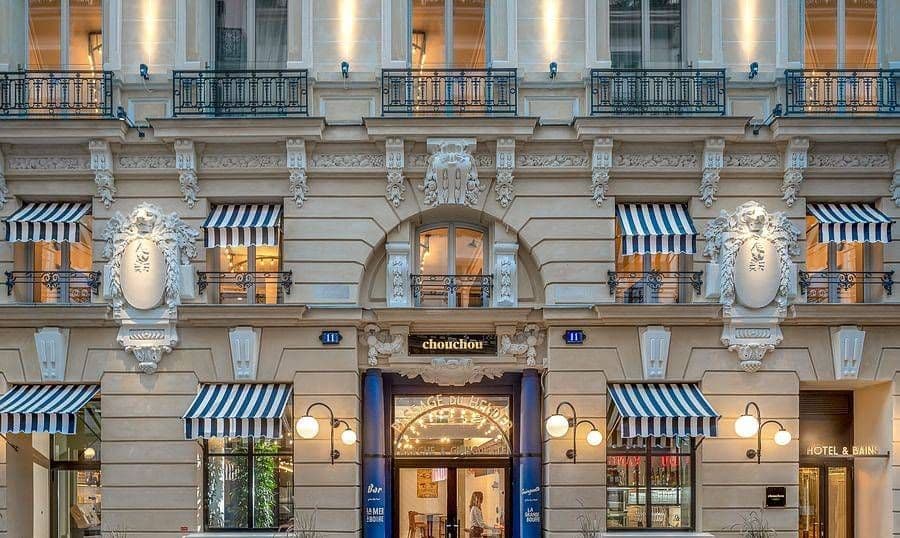
When the goal is a memorable program, Houston has a diverse range of unique venues that can balance corporate polish with atmospheric charm. Keep the guest experience, travel pattern, and service needs in view while you compare options. For a team outing, a Topgolf Houston-Katy full buyout holds close to 1,000 guests, and its Rooftop Terrace holds 178. Unique party venues also host pop-up events, brand activations, milestone parties and immersive experiences, some with food trucks on site or ceiling windows for daytime sessions, so check the space features early in the planning process. For a team dinner, look beyond just a venue: restaurants known for date nights often have private rooms that suit a small group.
Distinctive settings still need practical planning.
Outdoor events in Houston need a plan that accounts for weather, guest comfort, contract language, and outdoor gatherings from the start. Seasonal risk should be part of the venue review from the beginning. Outdoor programs need written backup terms, not assumptions.
Hurricane season is a real planning factor for Houston events, so ask how the venue handles seasonal risk. The local National Weather Service office publishes a hurricane guide and evacuation route maps, which should inform your contingency planning.
The contract should state who handles permits and who does what for the outdoor setup. Do not assume the venue, your team, or a supplier is responsible until it is written into the agreement.
Ask what happens if rain, wind, or heat changes the schedule. In milder periods, these events can work especially well, but weather risk still calls for a written backup plan. A clear backup plan should cover guest arrival, catering movement, speaker changes, and any shift from outdoor to indoor space.
Executive gatherings and corporate gatherings call for rooms that can shift between presentation, discussion, and private conversation when the layout needs to move between presentation seating, dining, and conversation, making it easier to find the ideal space for the way your agenda needs to flow. The right venue should support the agenda without creating extra work for your team. Corporate event planning also means budget management and compliance, so ask each venue for insurance, contract and payment terms with the quote.
Review breakout flexibility. Ask whether the room can be divided or reconfigured for breakouts, executive sessions, small group discussions, or an intimate gathering, including a small party. A versatile event space should support the agenda without creating awkward sightlines or traffic flow.
Assess conference technology. Check the quality of internet, screens, microphones, and speaker support before you commit. For your next meeting, technology should be listed clearly so you can compare it with other venues.
Compare catering minimums. Ask for the food and beverage minimum, service charges, and any rules that affect menu planning. That helps you compare meeting space options without being surprised by the final structure of the proposal.
Small details shape how executive meetings feel on the day.
Venues should be conveniently located for attendees flying in or commuting from offices, especially when they are moving between sessions and dinners. Central districts can reduce friction for both planners and guests. Venues further from Downtown Houston typically save money, so there is often a tradeoff between convenience and budget.
Choose transit-accessible locations. METRO runs local buses and METRORail through Houston, so transit access can matter for some attendee groups. Ask which venues are easiest to reach by public transit and which arrival routes work best for your audience.
Use central districts for central gatherings. Downtown Houston, the Theater District, and the Museum District are the central districts to consider for a central gathering. They can work well when you want a location that is easy to explain and simple to route.
Match the neighborhood to travel patterns. Compare the neighborhood to where attendees are staying, working, or arriving from. A venue that fits the travel pattern can reduce late arrivals and make networking events feel more relaxed.
Map against hotel clusters. Many hotels cluster in Downtown Houston, connected to the George R. Brown Convention Center by climate-controlled walkways. If overnight guests are part of the plan, ask how the venue sits within nearby hotel clusters and how guests will move between them.
Location should support the schedule, not complicate it.
Houston has two major airports that connect into the downtown core. George Bush Intercontinental Airport and William P. Hobby Airport both have nonstop METRO bus service to downtown, with rideshare, taxis, and local buses also available.
Rail helps for some central trips, especially around downtown, the Museum District, the medical center, and the stadium campus. For other moves across the city, rideshare and rental cars are common because Houston is spread out.
Houston gives planners several useful bases, from the convention district to hotel-heavy areas farther west. The right choice depends on how much walking, rail access, and car service your agenda needs.
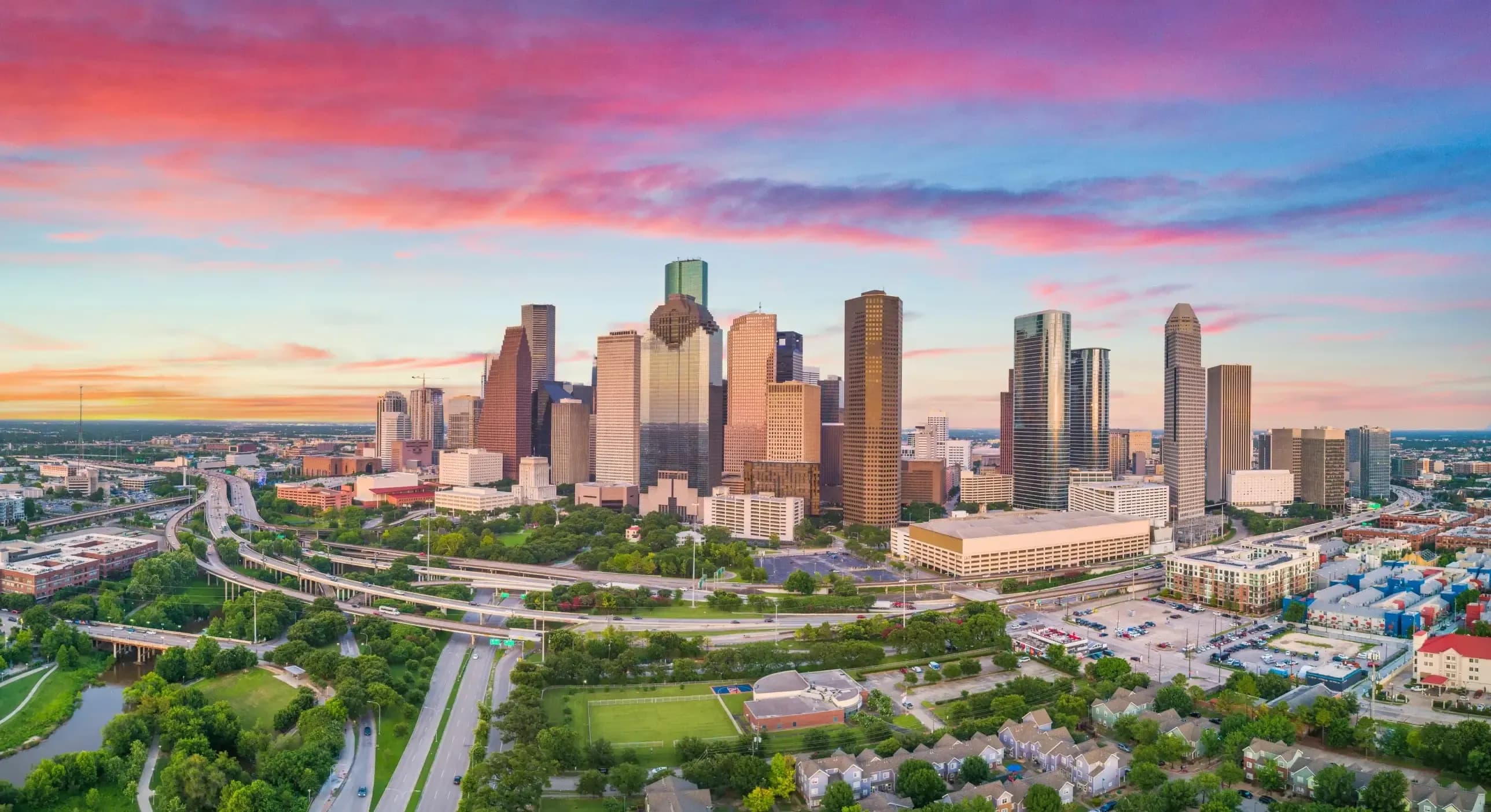
Downtown is the city's business and entertainment core in the most populous city in Texas, with a large theater district, parks, and a revitalized nightlife scene that reflects Houston's scale as a populous city. Attendees can find hotels, steakhouses, music venues, and green space within a short walk of the convention center. The 1,000-room Marriott Marquis Houston connects to the convention center and has a Texas-shaped lazy river on its sixth-floor rooftop deck. Across from the convention center, Hilton Americas-Houston lists 114,377 square feet of event space across 38 rooms, with a largest room of 39,093 square feet.
EaDo brings ethnic shops, restaurants, bars, and art galleries close to the convention center and stadium. The Convention District rail station on the Green and Purple lines serves the nearby convention center.
Midtown offers cafes, independent shops, lounges, dance clubs, and a Saturday farmers market. Teams can reach it by METRORail or shuttle from downtown hotels.
The Museum District combines museums with a large park, a zoo, and an outdoor theater. It works well for groups that want cultural programming and park space alongside meetings. The Houston Museum of Natural Science includes conference tables, some exhibit hall tickets and parking validation with its daytime rentals, and its Sugar Land branch rents its exhibit halls for 350 at dinner or 500 for cocktails at $2,500 per half or full day.
Uptown is a shopping and hotel hub west of downtown. Attendees find a large concentration of hotel rooms, shops, and restaurants in one area, and car service is the practical way to get there from downtown or the airports. Farther west, Ashton Gardens West Houston hosts events of up to 300 guests with all-inclusive packages.
Houston has hot summers, mild winters, and freezing temperatures are uncommon. Rainfall peaks in late spring and early fall, while clear days are most common in October and November.
That pattern matters for outdoor programming, transit planning, and attendee comfort. The Houston Livestock Show and Rodeo, the Offshore Technology Conference, and the Houston Marathon can also affect demand and availability.
Outdoor events in Houston may require city permits, so it helps to confirm requirements early.
Permits for streets and parks. The Mayor's Office of Special Events handles permits for events in city parks and on city streets. It covers special events, minor and major street functions, and parades.
Lead time for closures. Larger street closures require longer filing lead times. That makes early planning important if your program uses public space or road access.
Call before filing. The office asks organizers to call first to discuss the event and check availability before filing an application. That step can help you confirm the right permit path before paperwork starts.
A clean proposal is easier to approve than a vague one. Ask for every charge in writing before you sign anything. Booking venues on Sundays and Mondays often costs less than Friday or Saturday dates, so ask for quotes on more than one day before you sign.
Request itemized proposals. Shortlist a few venues and ask each one for an itemized proposal. Clear line items make it easier to compare room rental, food and beverage, labor, and support charges.
Look for administrative fees. Check for administrative fees, service charges, and other costs that may appear outside the base proposal. If a charge affects the budget, it should be visible before approval.
Verify tax and gratuity assumptions. Ask how taxes and gratuity are applied so you can compare proposals on the same basis. A written breakdown helps procurement review the full cost, not just the headline number.
Centralize contracts through Naboo. For large groups, a framework contract through Naboo can give you one vendor of record, negotiated terms per contract, and the Control Tower showing every request, approval, and payment by entity, country, and event type. That structure helps keep the contract record organized across multiple events.
Written terms are the safest way to compare costs.
The next day, the photos may tell one story, while attendee feedback tells another. You need both to understand what worked.
Did the format fit the goal? Did the venue support the agenda? Did guests stay engaged? Did the room feel right for the audience?
Then review planned budget versus final spend, and explain any gaps before they become habits.
Hosting this event means making the work easier for the people in the room. That is the real win, even if the playlist got a little too confident.
Send us the date, headcount, budget, and intent, and we will start with a shortlist of event venues in Houston that fit the brief.
It depends on the goal, not the calendar. If last year was a dinner, this year could be a working lunch, a reception, or a shorter meeting with stronger content. A new format should change the experience, not just the label, and it can still feel fresh in houston tx.
For example, you can swap a seated meal for a reception, or move from a hotel room to a private dining space. You can also change the activity mix, such as adding a short discussion or a team exercise, or even a creative workshop.
The false good idea is to add more items and call it fresh. That usually just makes the agenda heavier, even for social events.
It depends on your date and how flexible you are. Busy periods fill faster, especially when many companies want the same weekday or evening slot. If your event needs a specific neighborhood or format, start earlier, and keep in mind that off street parking can matter.
For example, a client dinner in downtown may need more lead time than a simple meeting room. A holiday party or large reception also benefits from earlier planning, especially if you want outdoor space or outside vendors.
The bad idea is waiting until the team is ready, then expecting the city to wait too. It rarely does, even in the bayou city.
It depends on whether you need conversation or decisions. A dinner works when relationship-building matters most. A meeting works when the group needs structure, slides, or a clear agenda, and a corporate meeting can still feel relaxed.
For example, client hospitality often fits a dinner, while internal planning fits a meeting room. Dinners can also work well for family events when the gathering is more personal. A kickoff can sit between the two if you want both content and connection, or if you want a special occasion to feel more polished: the right venue can become the ideal setting.
The false good idea is to force a dinner into a meeting problem. The food may be excellent, but the objective still needs a chair, and fine dining is not a substitute for structure.
It depends on whether the event has speakers, slides, or hybrid guests. If the room only needs conversation, you may not need much. If the agenda includes presentations, AV becomes part of the event, not an extra, especially for seated events or social gatherings.
For example, a product kickoff, a seminar, or a leadership update usually benefits from stronger setup. A private dinner may only need basic sound, while a venue with exposed brick or multiple galleries may need a little more planning.
The false good idea is to skip AV and hope everyone can hear from the back. That is a bold strategy, and not a useful one.
That narrows the field quickly. After that, Naboo can turn one request into a shortlist of comparable options and quotes, including event space Houston options for venue rentals, so the search stays focused on the right venue for your next event.
The right choice depends on what makes the right venue for the guests and the format, not just where the room looks nice, and a versatile venue can simplify the decision. Once the format and services align, the setting becomes the right backdrop for the event vision.
The false good idea is to open twenty tabs and call it research. That is usually just noise with better lighting.
It depends on alignment. The biggest trap is when the format, the content, and the room do not match the business reason. A beautiful venue cannot fix a vague brief, even if it has an open floor plan or outdoor space.
For example, a team meeting with no agenda drifts, a client dinner with too much presentation feels stiff, a launch with no flow loses momentum, and engagement parties fall flat when the room, content, and pacing do not support the occasion, especially for social events or private parties.
The false good idea is to assume the venue will carry the whole event. It will not, no matter how flattering the lighting is, and even mcgovern centennial gardens would still need the right plan if the goal is to create memories rather than simply book a nice room.
It depends on the venue type. Restaurants usually include food service and a private room or section. Hotels often include meeting space, AV options, and lodging. Bars and evening venues may include a social layout and beverage service, while some spaces also offer cocktail tables and room for outside vendors.
Some venues can host the meeting and the reception in one place, which can simplify planning. Some venues work as a blank canvas that can be adapted to your event plan. The details matter more than the category name, especially when you are comparing venue features and what the space offers.
The false good idea is to assume every venue type includes the same setup. That is how surprises happen, whether you are looking in sugar land or downtown.
It depends on how flexible you are with date, format, and neighborhood. Short notice works better when you can move quickly on the brief and accept a few comparable options. Naboo can help by returning a shortlist and quotes fast for many requests.
Some venues also host private celebrations, which changes availability and setup time.The more specific the ask, the harder the search, especially when guests enjoy dedicated layouts, catering, or polished service. Expect less flexibility on peak dates.
The false good idea is to wait for the right room to appear on its own. That is not a plan, just optimism with a calendar.
November 26, 2026

November 17, 2026
November 12, 2026

November 12, 2026
November 12, 2026
November 12, 2026