Turnkey
For a Phoenix event, we handle the venue, logistics, and suppliers from one brief.
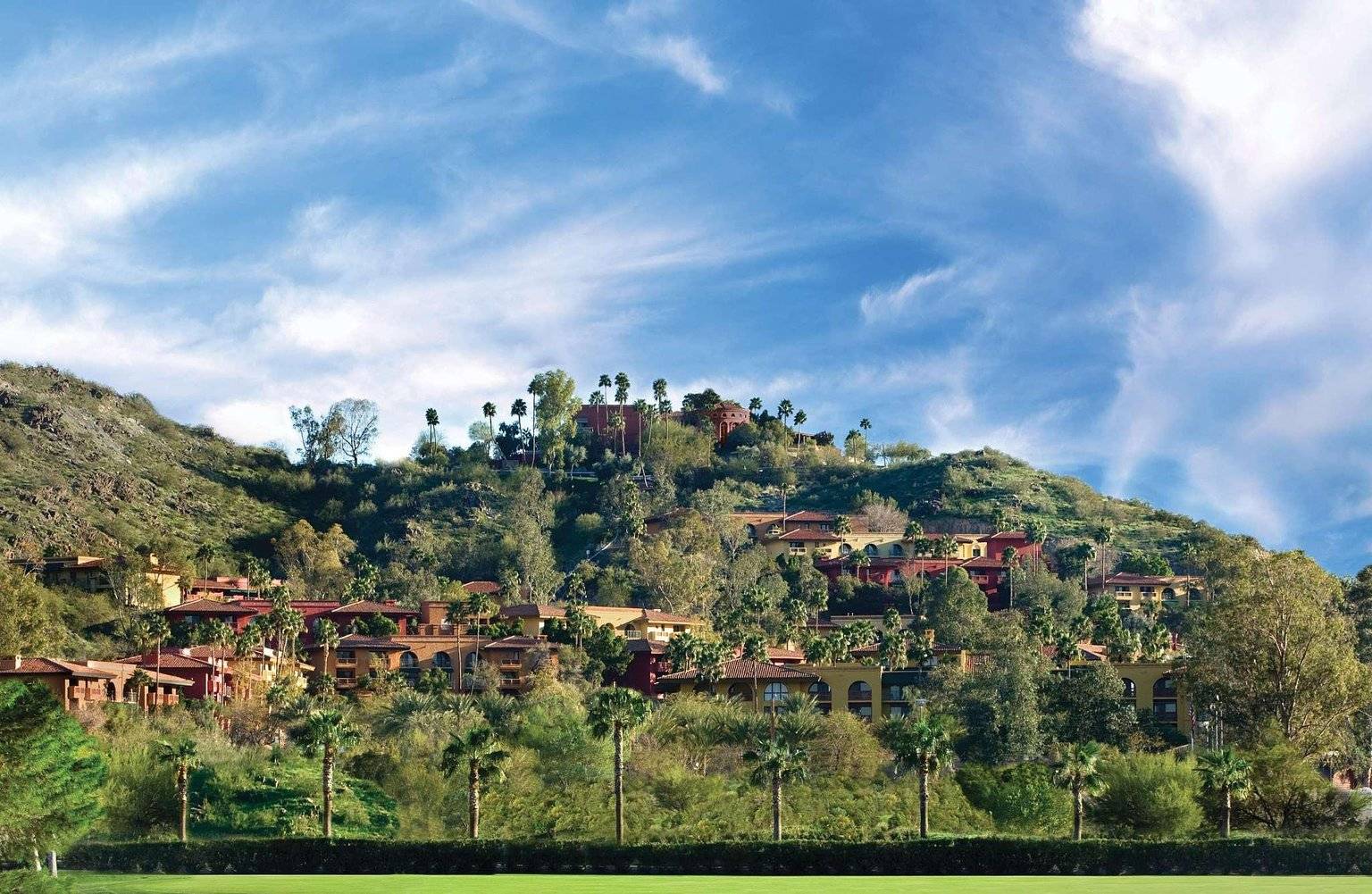
1170 maximum
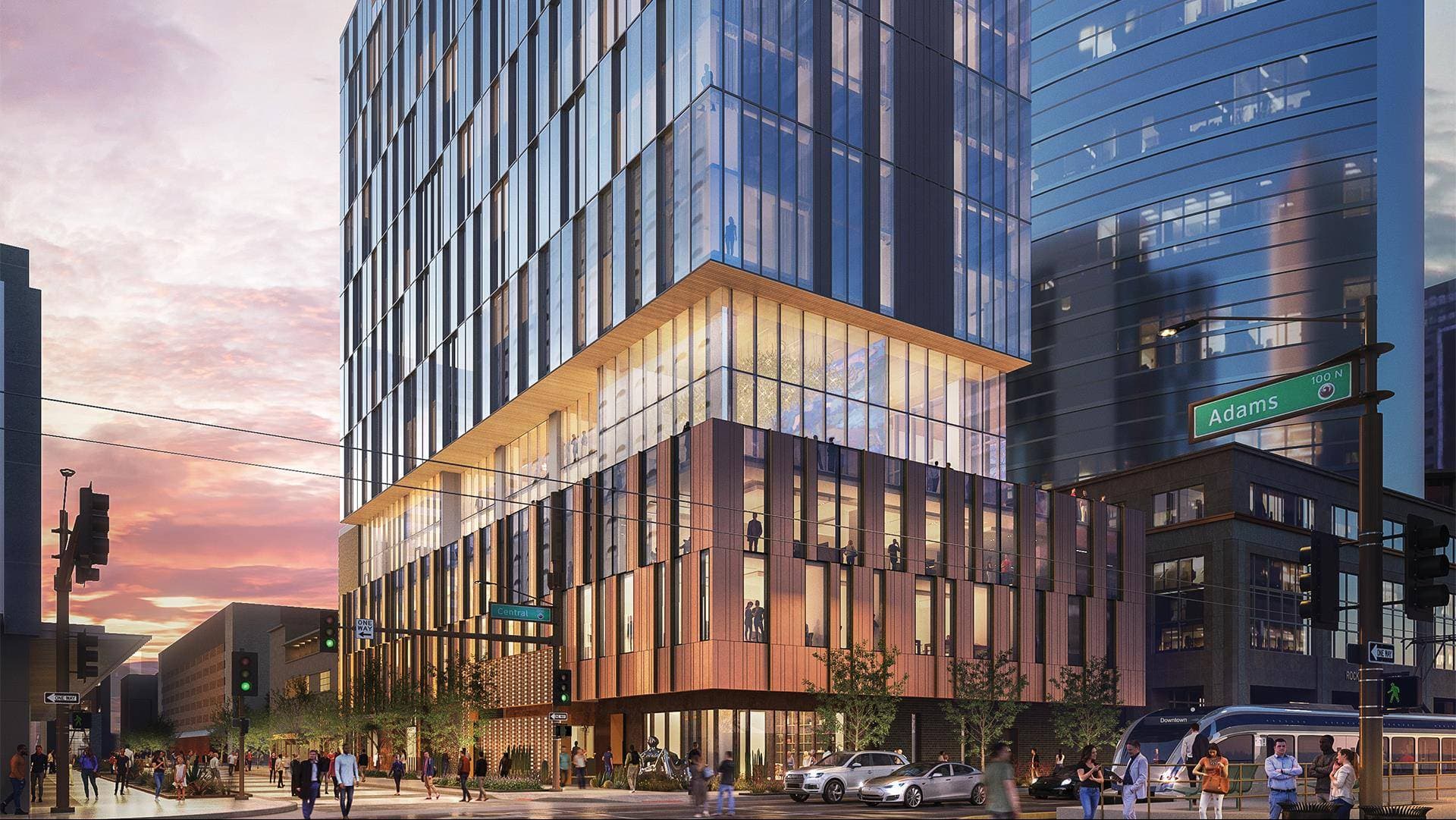
236 maximum · 9 workspaces
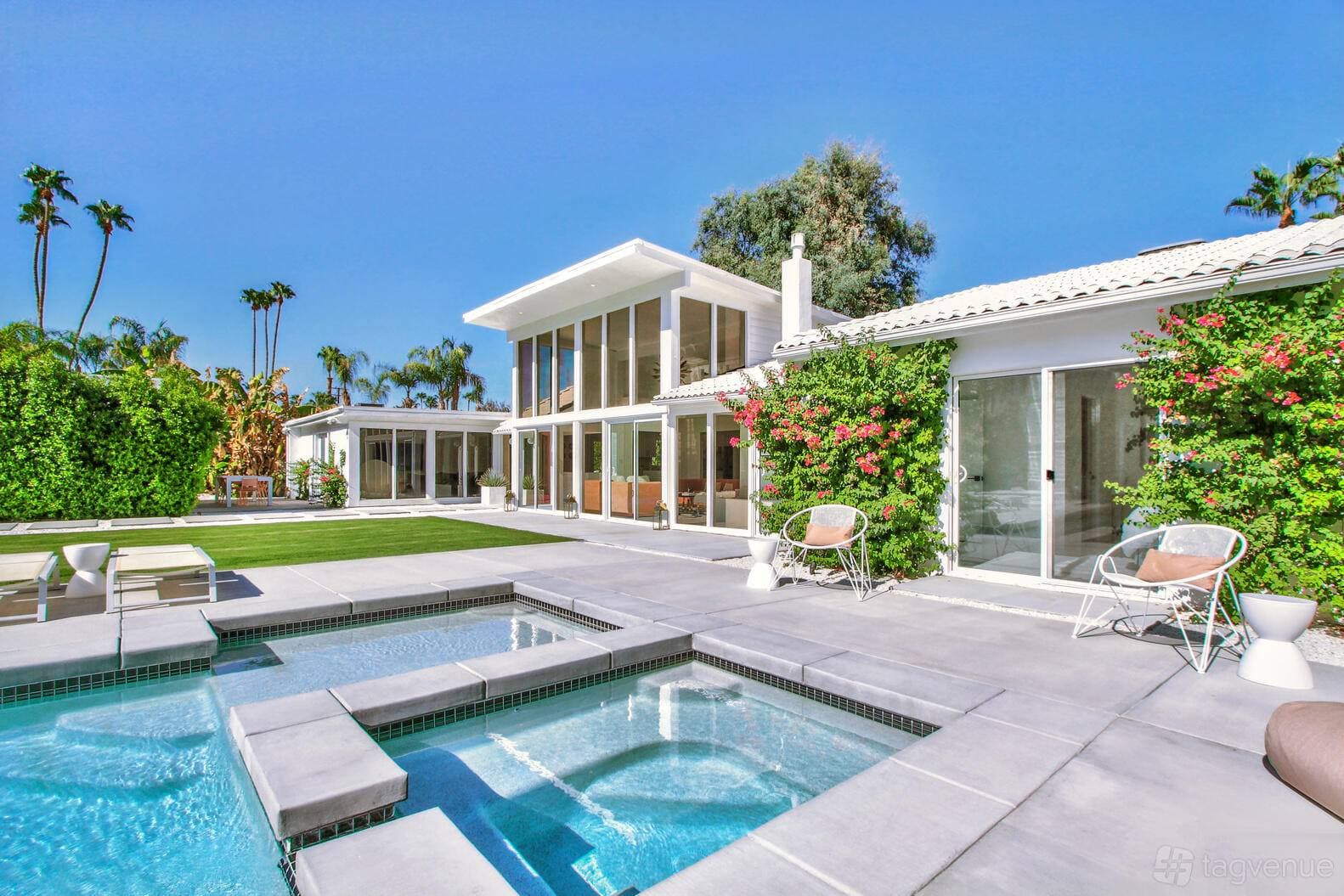
1 workspace
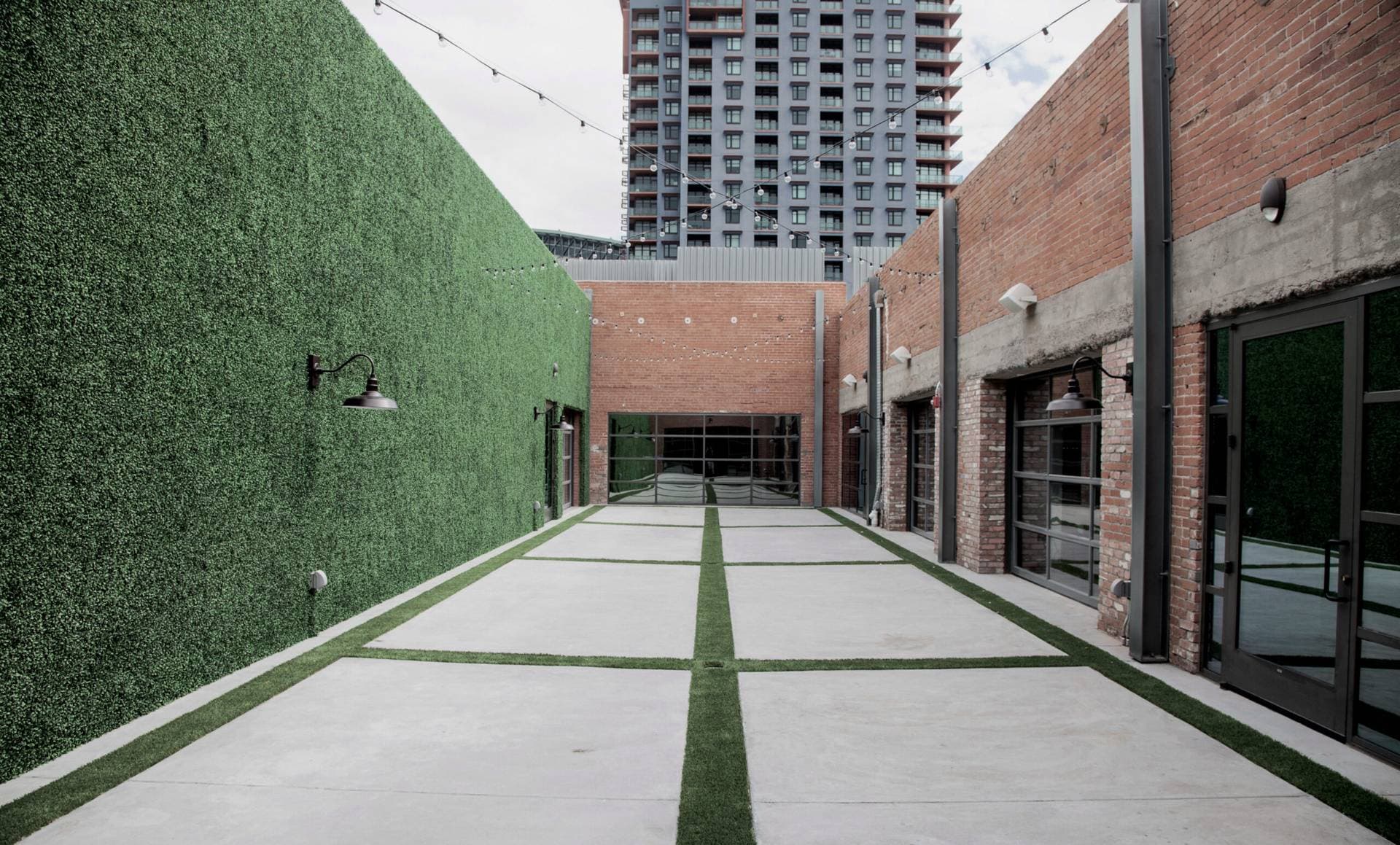
4 workspaces
6 workspaces
300 maximum · 1 workspace
2 workspaces
5 workspaces
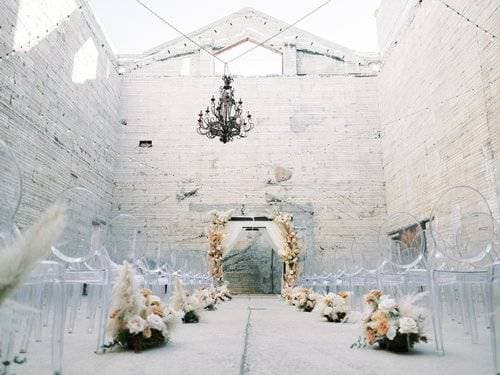
1 workspace
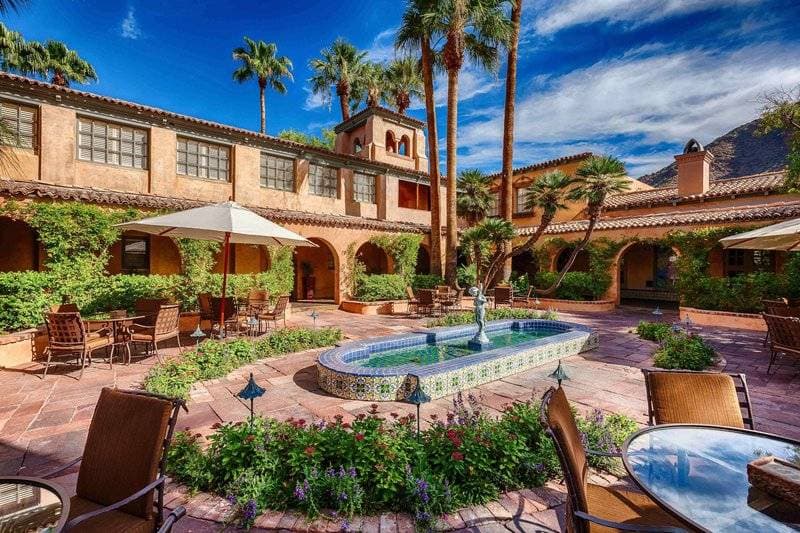
238 maximum · 1 workspace
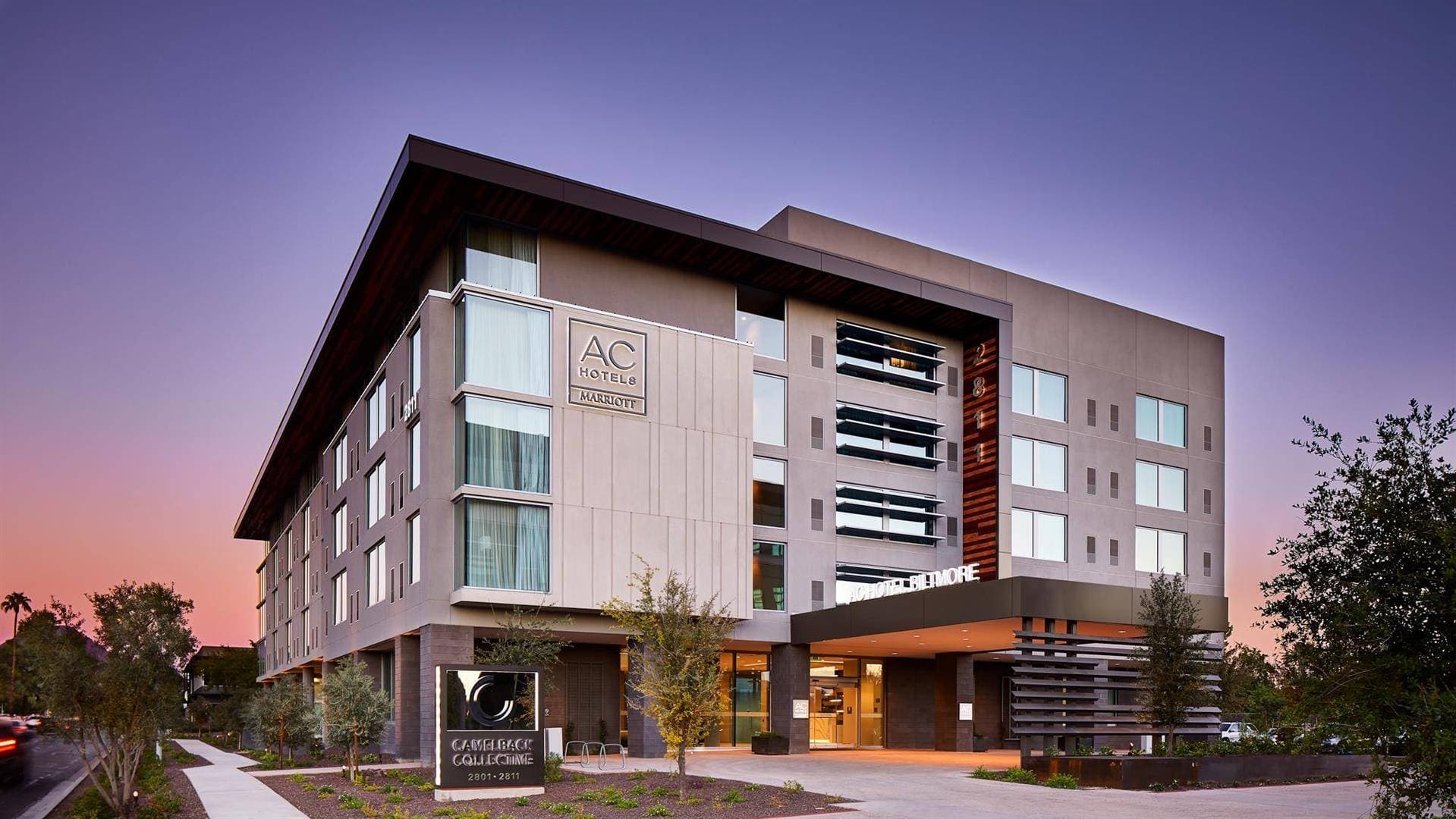
160 maximum · 4 workspaces
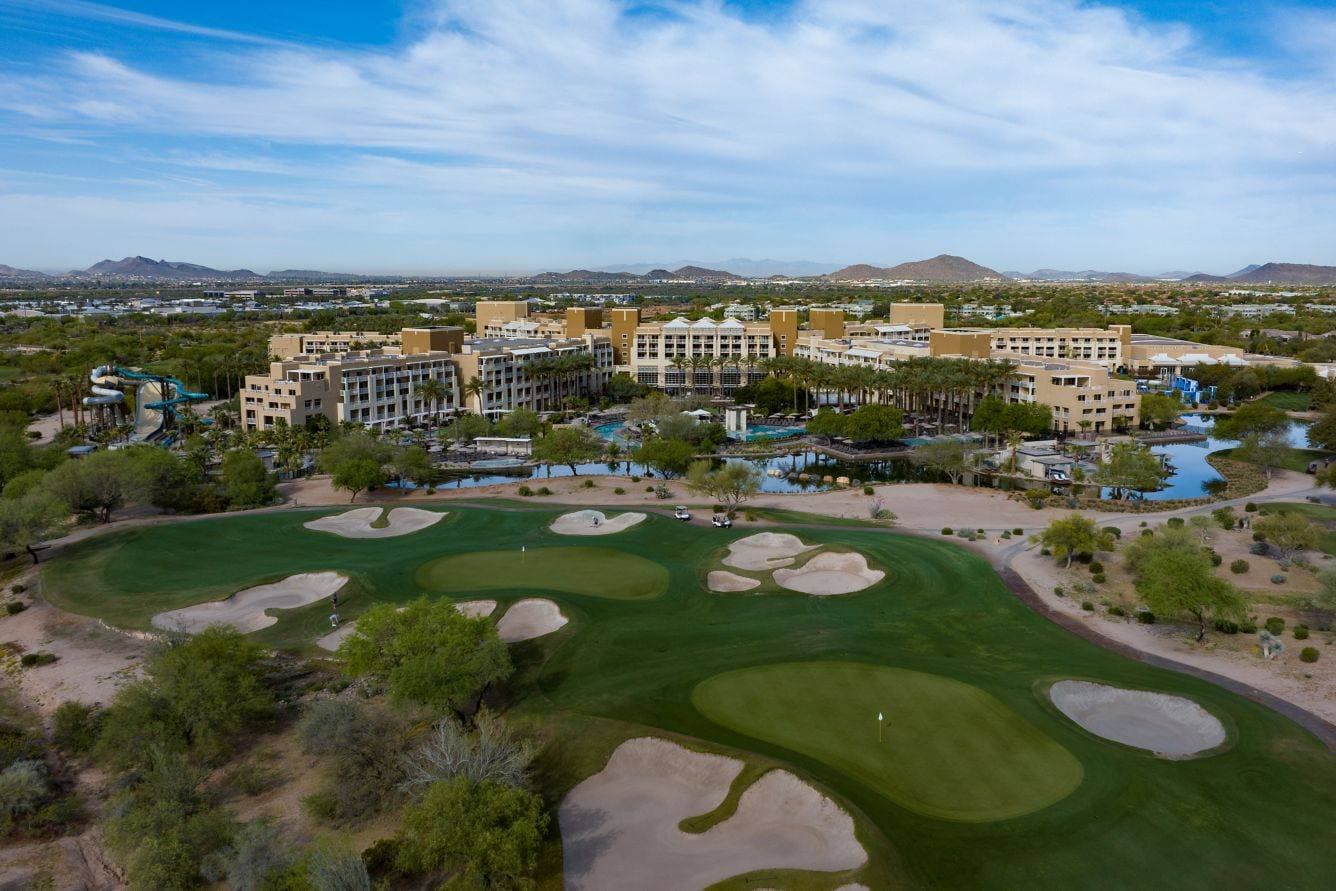
950 maximum · 4 workspaces
FromUSD 375/night
3 workspaces
4 workspaces
3 workspaces
141 maximum
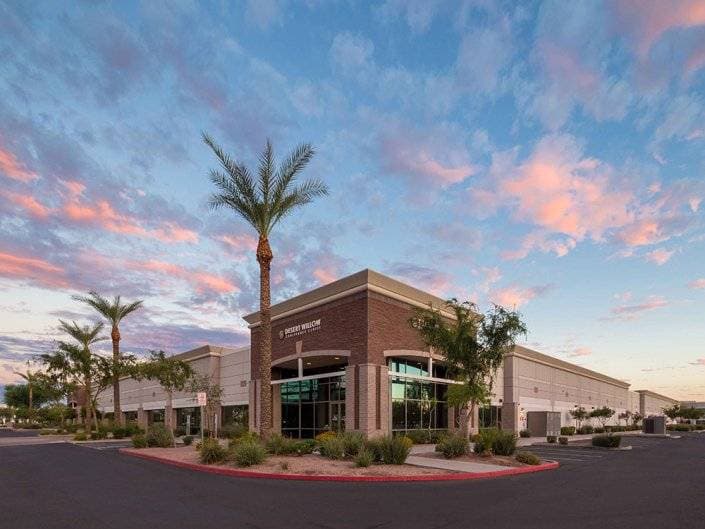
2 workspaces
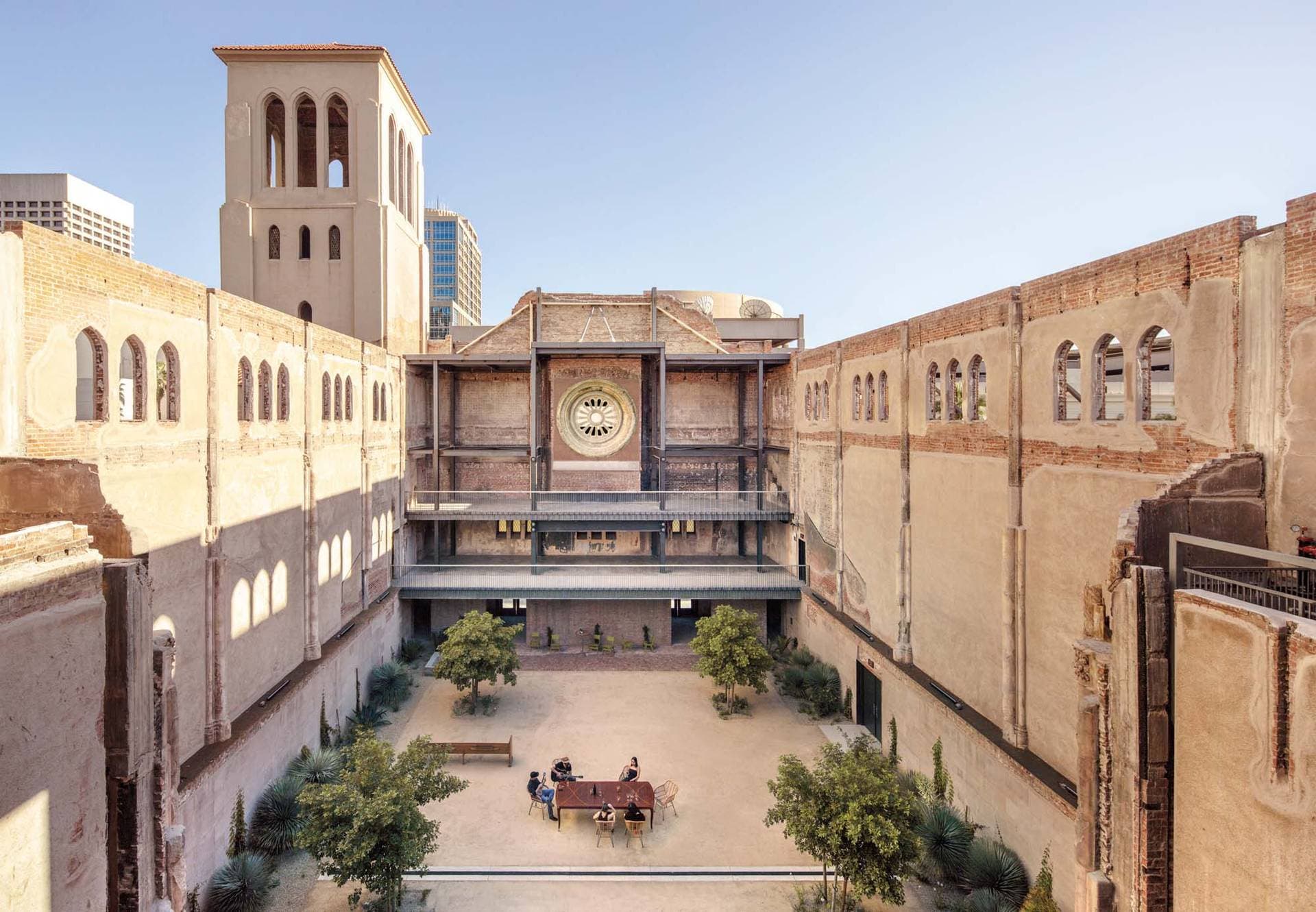
3 workspaces
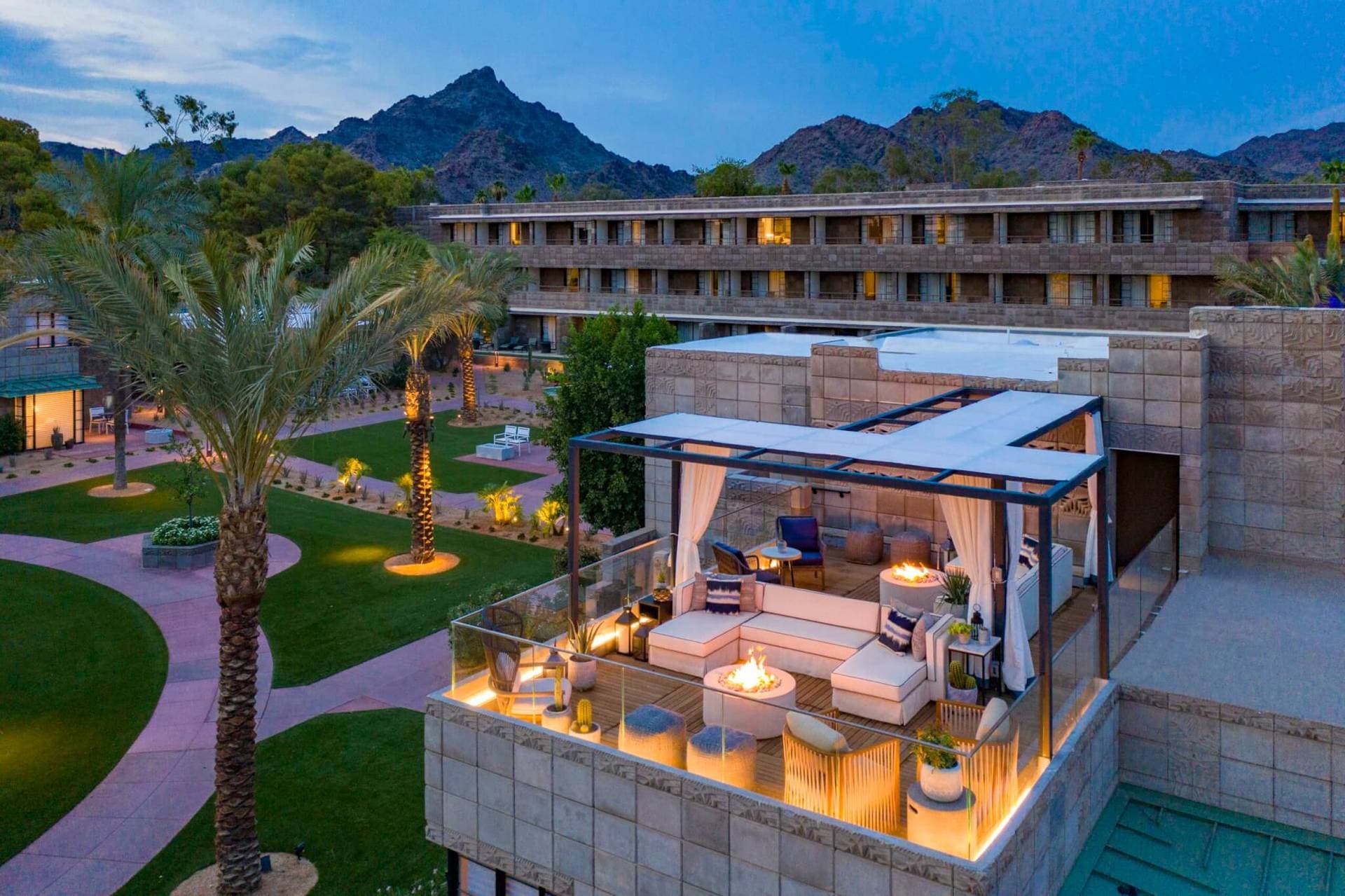
705 maximum · 3 workspaces
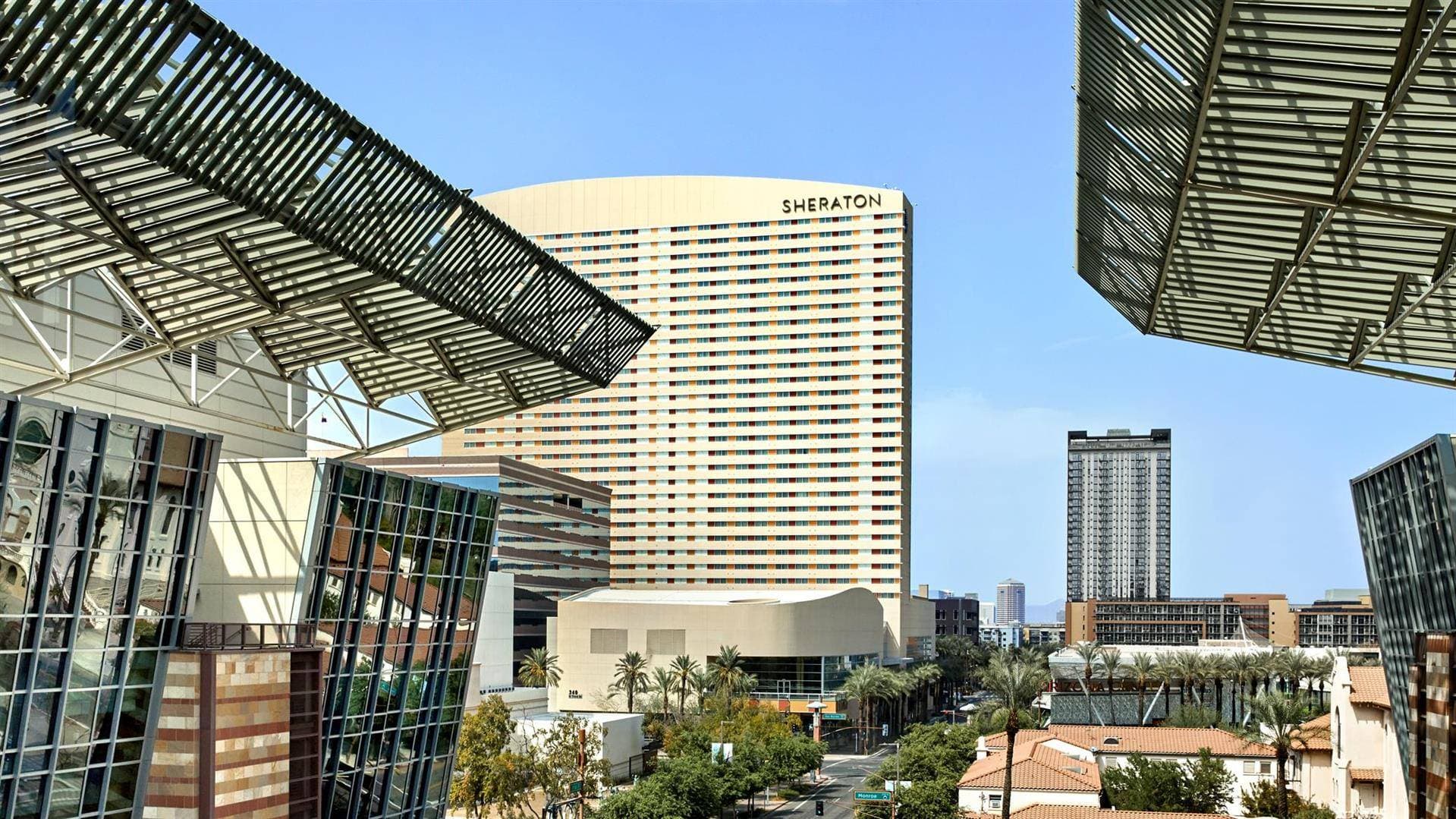
1003 maximum · 48 workspaces
Answer a few quick questions and get venue suggestions for your next event
Over 500,000 employees have experienced a Naboo event










For a Phoenix event, we handle the venue, logistics, and suppliers from one brief.
One quote can cover the venue, catering, AV, activities, and lodging.
Our AI generates quotes almost instantly, and we get back to you in under 12 hours.
You get itemized pricing and one invoice, so the math stays easy to follow.
Event venues in Phoenix give you two useful lanes for corporate events: downtown for meetings, and resort properties in Scottsdale, Paradise Valley, and the surrounding desert for offsites.
We book across Maricopa County, where Naboo works with roughly 990 Phoenix venues and more than half can host an overnight group. October through April is peak corporate event season in Phoenix, so planning demand rises fast across corporate programs. It is a strong fit when you need straightforward logistics and a setting your guests will actually remember.
about 990
venues in maricopa county
The Naboo network covers venues across Maricopa County.
more than half
venues able to host overnight groups
Many venues can host an overnight group.
about 8 in 10
valley bookings that are overnight offsites
Most Valley bookings are overnight offsites.
about 6x
us events in 2026 vs 2025
Naboo events in the US grew in 2026 versus 2025.
Use the blog to narrow the format, then ask the real question: does it fit your guests?
We would point you to Scottsdale or the nearby desert, where overnight groups fit naturally and the pace shifts just enough to feel useful. A resort offsite can handle strategy sessions in the morning, then a dinner that does not feel like another spreadsheet at night. If your team needs room to think, Phoenix event spaces in this lane do the job without making the agenda feel heavy.
We usually look at downtown Phoenix or a private dining room, depending on how formal you want the tone. Restaurants in Phoenix can work well when you want conversation to lead, not a stage. The trick is to keep the room comfortable enough for business, and personal enough that nobody sounds like they are reading a press release.
We would keep the format light and social, with a dinner, cocktails, or a simple activity that lets people exhale. Phoenix makes that easy because you can move from a meeting room to a relaxed evening without changing cities. If the team has earned a break, corporate event venues in Phoenix should make the night feel easy, not like formal homework.
We would choose a space that supports clear messaging, strong AV, and enough room for the reveal to land. Downtown meeting space in Phoenix works well when the agenda needs focus, while resort settings help when you want the day to stretch into a reception. Meeting rooms in Phoenix are often the practical answer when timing matters.
We would look for a venue that can handle food, music, and a crowd that wants to talk without shouting over the playlist. Scottsdale and Fountain Hills both give you room to add a seasonal touch without turning the event into a costume contest. The right Phoenix event spaces make the holiday feel intentional, not like the office found tinsel in a drawer.
Choose Phoenix when you want a destination that can handle both meetings and offsites. The format should follow your goal. If you need focus, a day meeting or conference in downtown Phoenix is a solid fit. If you need time together, a resort offsite in Scottsdale or Paradise Valley gives you more space for meals, sessions, and informal conversations. The best format is the one that matches the outcome you need, not the one that sounds better in the invite.
Start with the rhythm. A client dinner, a kickoff, and a retreat all need different pacing. Phoenix event spaces can support each one, but the room, schedule, and travel pattern should line up. That is where the city helps: you can keep the event practical without making it feel plain.
What people often miss is the transition between sessions, meals, and transport. That is usually where a good plan slips. We help you compare event venues in Phoenix with the details that matter, so the format works on paper and on the day.
Start with the guest list, the date, and the kind of day you want people to have. Then compare venue types by access, overnight capacity, and how much of the program they can support, since different event types call for different venue types. Downtown hotels suit meetings and client events. Resort properties suit offsites and retreats. Restaurants and bars work for smaller groups or evening formats. The right choice is usually the one that reduces friction for your guests.
Neighborhood matters too. Downtown Phoenix is practical for meetings. Scottsdale and Paradise Valley fit offsites with a stronger resort feel and can be the right setting for different formats depending on neighborhood and overnight needs. Fountain Hills works when you want something smaller and more removed. If you need a lighter search, hotels in Phoenix can cover lodging, sessions, and meals in one place.
What gets missed is the hidden load on your team. Someone still has to compare quotes, check inclusions, and keep the timeline moving. We do that part with you, so the shortlist stays comparable and the decision stays sane.
The activity should support the goal, not distract from it. For alignment, use a workshop or facilitated discussion. For client trust, use a dinner or tasting. For team connection, use a shared activity that breaks the ice without forcing it. Team building in Phoenix can include outdoor moments, group challenges, or a simple social format that gives people something to do besides check email.
In Phoenix, the setting helps you choose. A resort offsite can handle a morning session and an afternoon activity. A downtown venue can keep the day tight and efficient. If you want ideas that fit the city, team building in Phoenix gives you room to mix work and connection without making the agenda feel crowded.
People often forget to plan the handoff between the serious part and the fun part. That is where the event can feel awkward. We help you match the activity to the format, so the day feels deliberate instead of stitched together at the last minute.
Only if the theme helps people understand the purpose faster. A theme can make a kickoff clearer, a holiday party warmer, or a retreat feel more cohesive. It should never cover for a weak plan. If the content is strong, the theme can stay subtle and still do its job.
In Phoenix, you can lean into place without overdoing it. Desert colors, local food, or a resort setting can shape the tone without turning the event into a postcard. Company events in Phoenix often benefit from that balance, especially when you want the setting to support the message.
The mistake is choosing a theme before you know the format, budget, and guest profile. That is how you end up decorating the problem. We help you keep the order right, so the event feels coherent and useful.
Large corporate programs need space that can handle presentations, exhibits, and guest movement without confusion. In Phoenix, the main large-format option is a large convention center, and a major museum is also available locally for programs that need a different setting.
Written AV terms matter as much as the room itself.
Examples to start your comparison. Each venue confirms its price in writing before you book.
Registration flow, plenary space, breakout routing, supplier access, and loading access. Downtown, the Phoenix Convention Center has 99 meeting and breakout rooms and 3 ballrooms, its North building offers 635,000 square feet of meeting and exhibition space, and Canyon on Third adds more than 80,000 square feet outdoors.
Which halls or galleries are included, catering rules, and whether the venue closes to the public for your event. On Central Avenue, the Heard Museum offers 9 event spaces for 50 to 1,000 guests. In north Phoenix, the Musical Instrument Museum takes more than 1,000 for a reception buyout, and its Music Theater seats 300.
Seasonal rules, permit responsibilities, and an indoor backup plan.
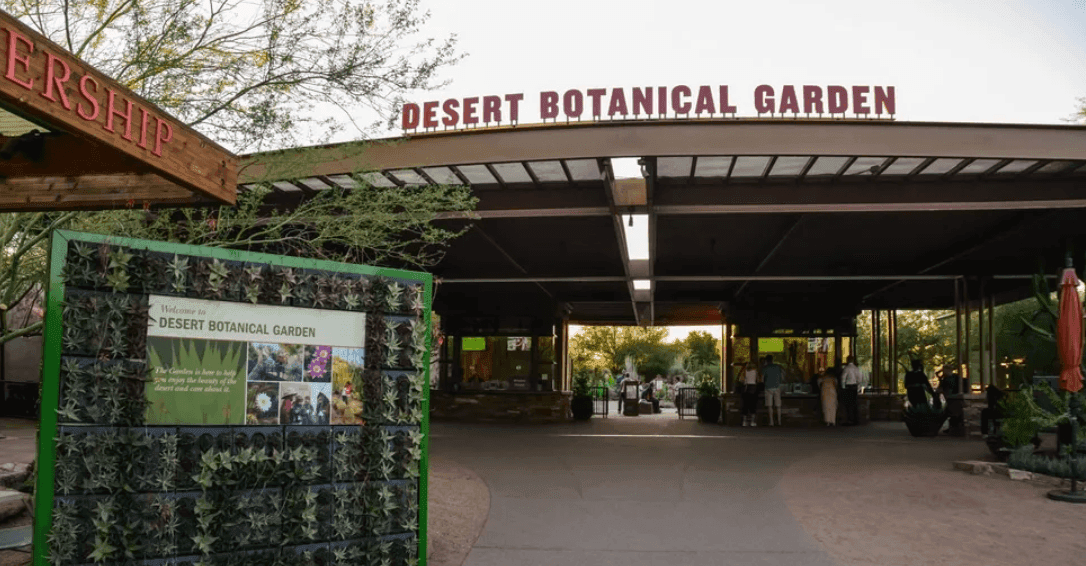
See Desert Botanical Garden on Naboo In Papago Park, Dorrance Hall with its courtyard and patio holds 250 seated or 400 for a reception. Nearby, the Phoenix Zoo and the desert oasis of Papago Park give private parties and upscale events a setting framed by South Mountain and the Phoenix North Mountains. At the Phoenix Zoo, the Lakeside area seats 800 or hosts 5,000 at a reception, and the Stone House Pavilion takes 550 at a reception.
High-capacity spaces should be judged by verified venue sources, not estimates. Ask each venue to confirm the layout, the service path, and the production limits that apply to your program.
Ask for the venue's own written specifications.
One brief, comparable proposals, one point of contact.
Tell Naboo the format, guest count, dates and neighborhood preferences for your Phoenix event.
Shortlisted venues reply with proposals that use the same line items, so room rental, catering, labor and equipment sit side by side. Each venue confirms its price in writing before you book.
Naboo handles the booking with one point of contact and one invoice per event. With a framework contract, procurement also gets one vendor of record.
It depends on the format, the date, and how much you want included. A meeting, a retreat, and a dinner do not price the same way. The venue type matters too, because lodging, catering, AV, and activities can sit in different places on the proposal. The real question is not what Phoenix costs in the abstract, but what your specific brief needs.
By negotiating the proposal as a whole. We turn one brief into comparable quotes, so you can see what is included before you commit. That helps you avoid the classic budget surprise, where the room looks fine and the extras quietly do the damage. Nobody enjoys a mystery line item, except maybe the invoice.
Share the date, headcount, budget, and intent. If you can add the city area, the desired pace, and any must-have services, the shortlist gets sharper. The clearer the brief, the less time you spend translating your own email later. That is usually a good sign.
It depends on what you want to hand off. Self-serve works when you want to compare options and book directly. Turnkey works when you want Naboo to manage the venue, suppliers, and logistics, with an on-site Naboo Event Manager as part of that package only. If your team is already busy, that support can save a lot of back-and-forth.
Start with the run of show, the guest communication, and the people who own each decision on the day. Then decide how you will measure success after the event. Attendance, feedback, goal completion, and budget control all matter. The debrief is where you learn whether the plan worked, not where you discover the plan.
| Row | Booking venues on your own | With Naboo |
|---|---|---|
| 01 | A different quote format from every venue | One brief, comparable proposals with clear line items |
| 02 | Prices that can change before you sign | Each venue confirms its price in writing before you book, and the price we confirm is the price you pay |
| 03 | Fees that show up late in the process | Fees and service charges shown line by line in the proposal |
| 04 | Rates that may be higher than booking direct | Prices never higher than booking direct |
| 05 | Several contacts and invoices to chase | One point of contact and one invoice per event |
| 06 | Terms negotiated again for every event | With a framework contract: one vendor of record and negotiated terms per contract |
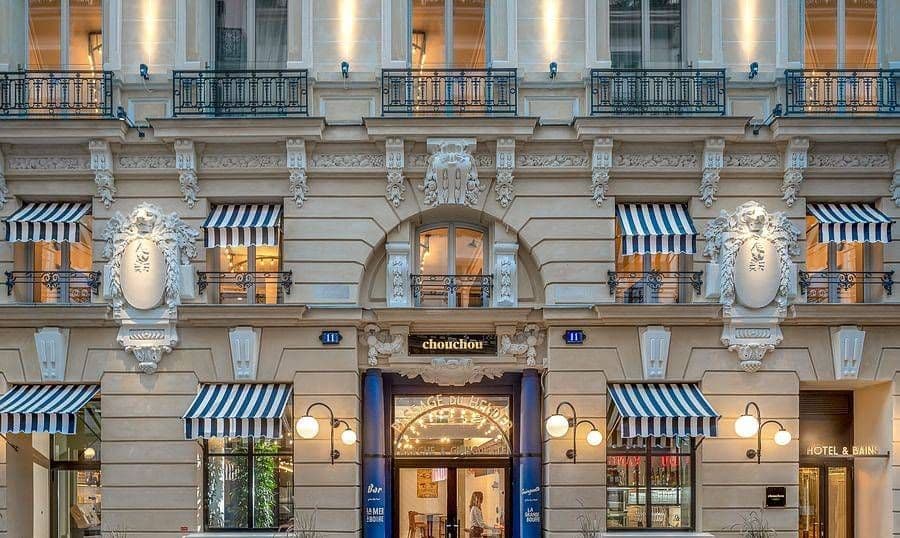
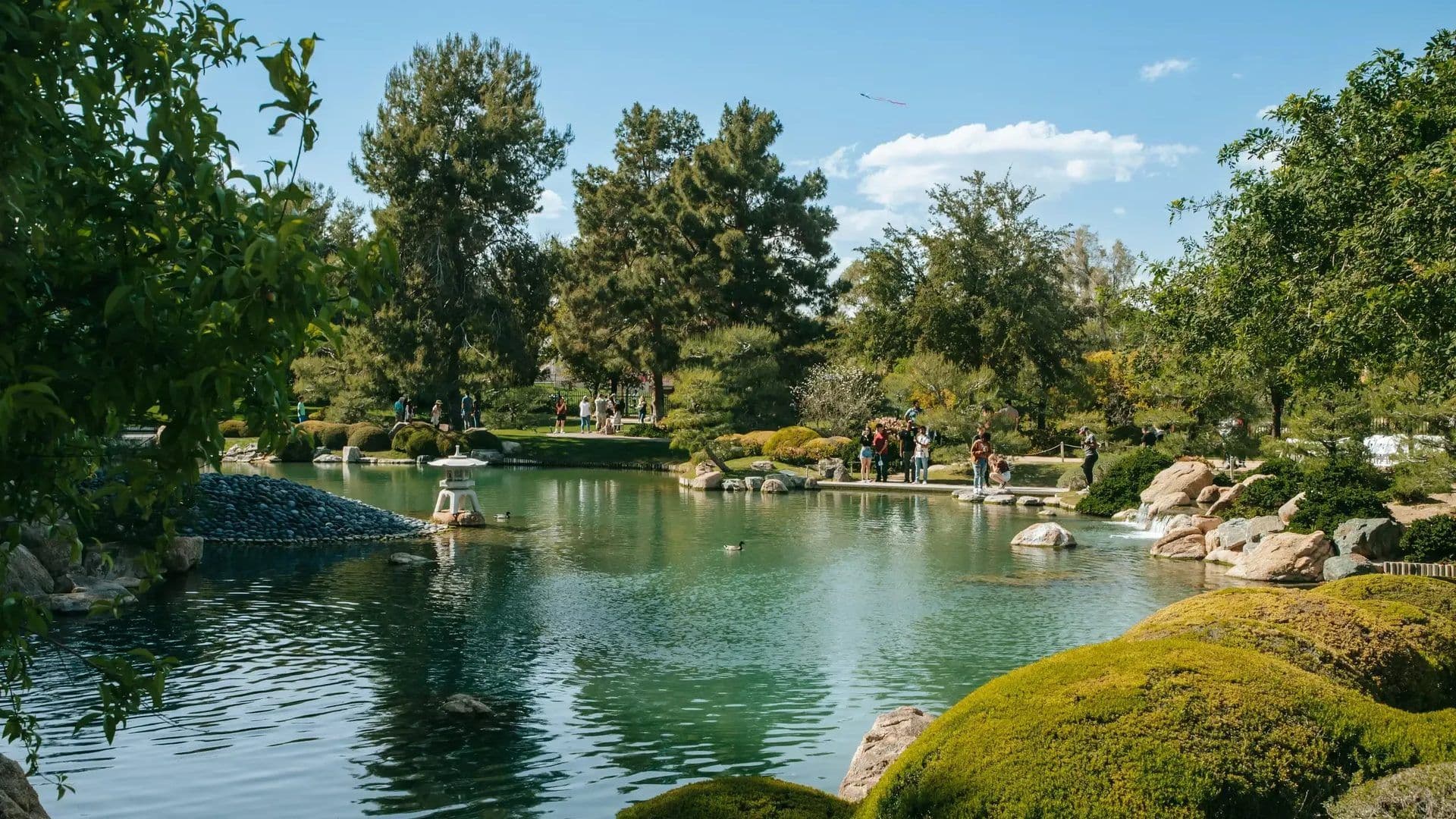
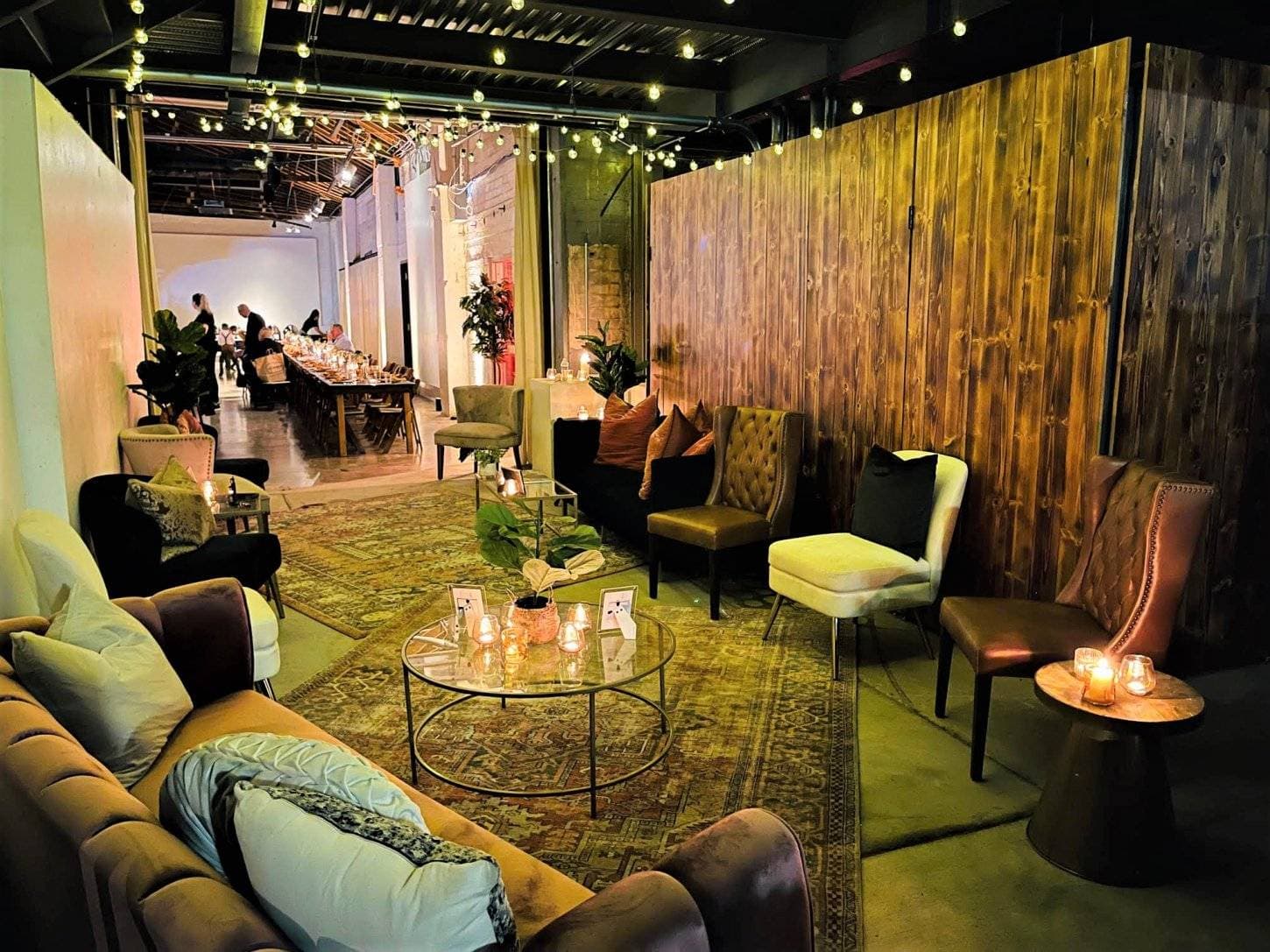
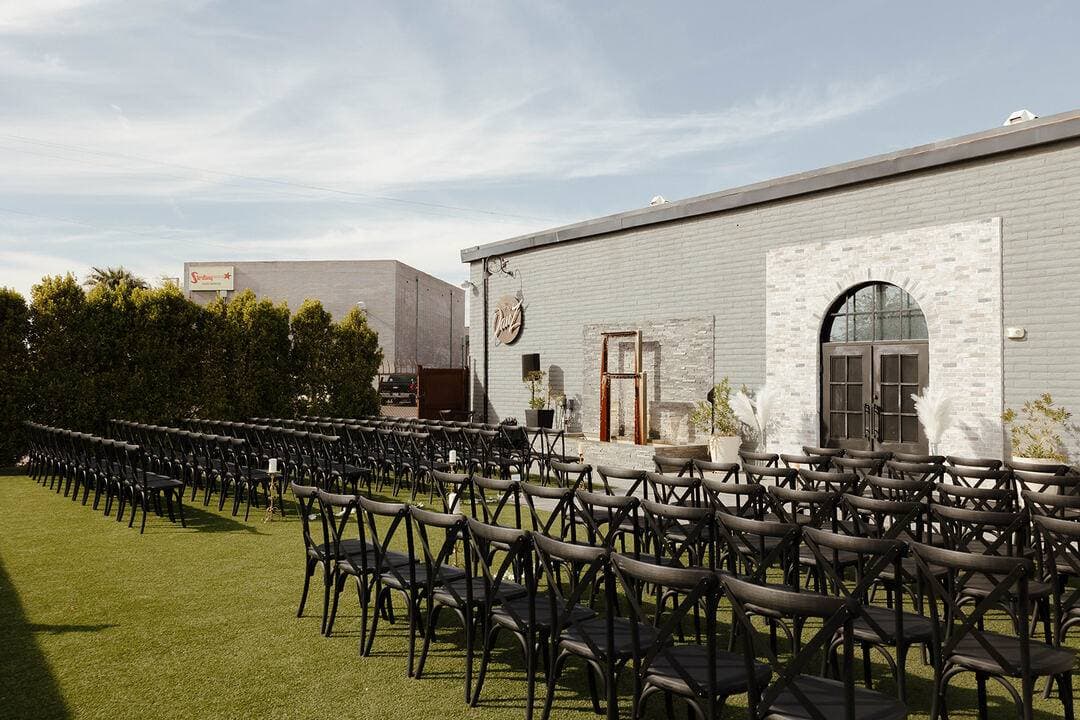
Some programs need a setting that feels different from a standard conference room. Phoenix offers museum and garden options that can support a corporate gathering with a stronger sense of place. Among event venues Phoenix teams shortlist, desert gardens, museum courtyards and historic mansions give a program a sense of place without leaving the city. Corporate events in Phoenix include conferences, retreats, networking receptions and holiday parties, and the city's range is wide: a unique event venue with exposed brick walls and classic industrial details, a creative studio with a spacious blank canvas, an event center with adjustable interior space, or a resort with historic charm, multiple patios and bistro lighting. Some let you bring your own food or outside vendors, others offer catering options and a full bar, so check what each venue offers before your next event.
Distinctive spaces still need clear written terms.
Outdoor planning in Phoenix starts with the season, the contract, the weather plan, and how outdoor spaces will be used. Desert Botanical Garden can work well for an outdoor corporate event when those details are clear before approval. Outdoor events need clear responsibility lines.
Ask the venue how seasonal conditions affect outdoor use and guest comfort. The best plan is the one that matches the time of year, the event format, and the amount of time guests will spend outside.
The contract should state who handles permits and related responsibilities. Naboo does not obtain permits or run venue operations, so the venue agreement must spell out who does what.
Ask for the backup plan if weather changes the outdoor setting. The proposal should explain where the event moves, how the setup changes, and what happens to catering and production if the plan shifts.
Executive gatherings need a versatile event venue designed to shift between discussion, presentation, and private conversation. Flexibility matters as much as appearance when the agenda includes breakouts and client-facing sessions.
Evaluate breakout flexibility. Ask whether rooms can be divided, reconfigured, or used in sequence for smaller groups. The venue should confirm how easily the space supports private discussion, plenary time, and intimate receptions around the same program.
Assess conference technology. Review screen size, sound, microphones, internet access, and support coverage. A business meeting should not depend on assumptions about what the room can handle.
Compare catering minimums. Ask each venue to state catering minimums and service rules in writing. That makes it easier to compare a full service venue with a simpler space, plan private dinners, and ensure a welcoming atmosphere for client-facing executive sessions.
Flexibility should be visible in the proposal.
Central districts can simplify travel for attendees and make a corporate gathering easier to plan. Downtown Phoenix, Roosevelt Row, and Warehouse District are the main central areas to review first, and executive gatherings often work best in a warm and inviting atmosphere.
Prioritize transit access. Look for venues near major transit links when your attendee list includes local arrivals and downtown movement. Valley Metro Rail light rail runs through Downtown Phoenix, with Van Buren and First Avenue and Van Buren and Central Avenue among the major downtown stations. Some conveniently located venues near central Phoenix or Phoenix sky harbor airport can also simplify arrival patterns for traveling attendees.
Use central districts for central gatherings. Downtown Phoenix, Roosevelt Row, and Warehouse District are useful when you want a central setting for meetings, receptions, or a business meeting with guests coming from different parts of the city, especially when the architecture itself adds a picturesque setting to the guest experience.
Match the neighborhood to travel patterns. Compare the venue's district with how attendees will arrive and leave. A central location can help when the guest list is split between local teams, regional travelers, and visiting executives.When reviewing options, compare catering terms in writing rather than only checking food and beverage minimums, and confirm whether bar service is available or restricted.
Map venues to hotel clusters. Review nearby hotels when you expect overnight guests or early starts. Downtown Phoenix is the main hotel cluster to check, including the Hyatt Regency Phoenix and the Westin.
Location should support the full travel plan, especially when ample parking can be useful for guests coming from outside the area.
Phoenix Sky Harbor International Airport has a free airport train that connects the terminals to a Valley Metro light rail station. Valley Metro buses, rideshare, taxis, and shuttles also serve the airport, which gives planners several arrival options to compare for groups.
Valley Metro light rail serves Phoenix, Tempe, and Mesa, with downtown stations near the convention center, museums, and sports venues. Downtown is walkable between hotels, restaurants, and venues, and the Tempe Streetcar runs along Mill Avenue for another useful transit choice. This also helps groups staying near hotel clusters close to major sports stadiums. Some Warehouse District venues are also just a few blocks from Chase Field and the Phoenix Convention Center.
Phoenix gives corporate planners a few distinct settings to work with, from downtown meeting access to resort-oriented neighborhoods. The right fit depends on whether your program needs walkability, executive privacy, or easy access to dining and transit.
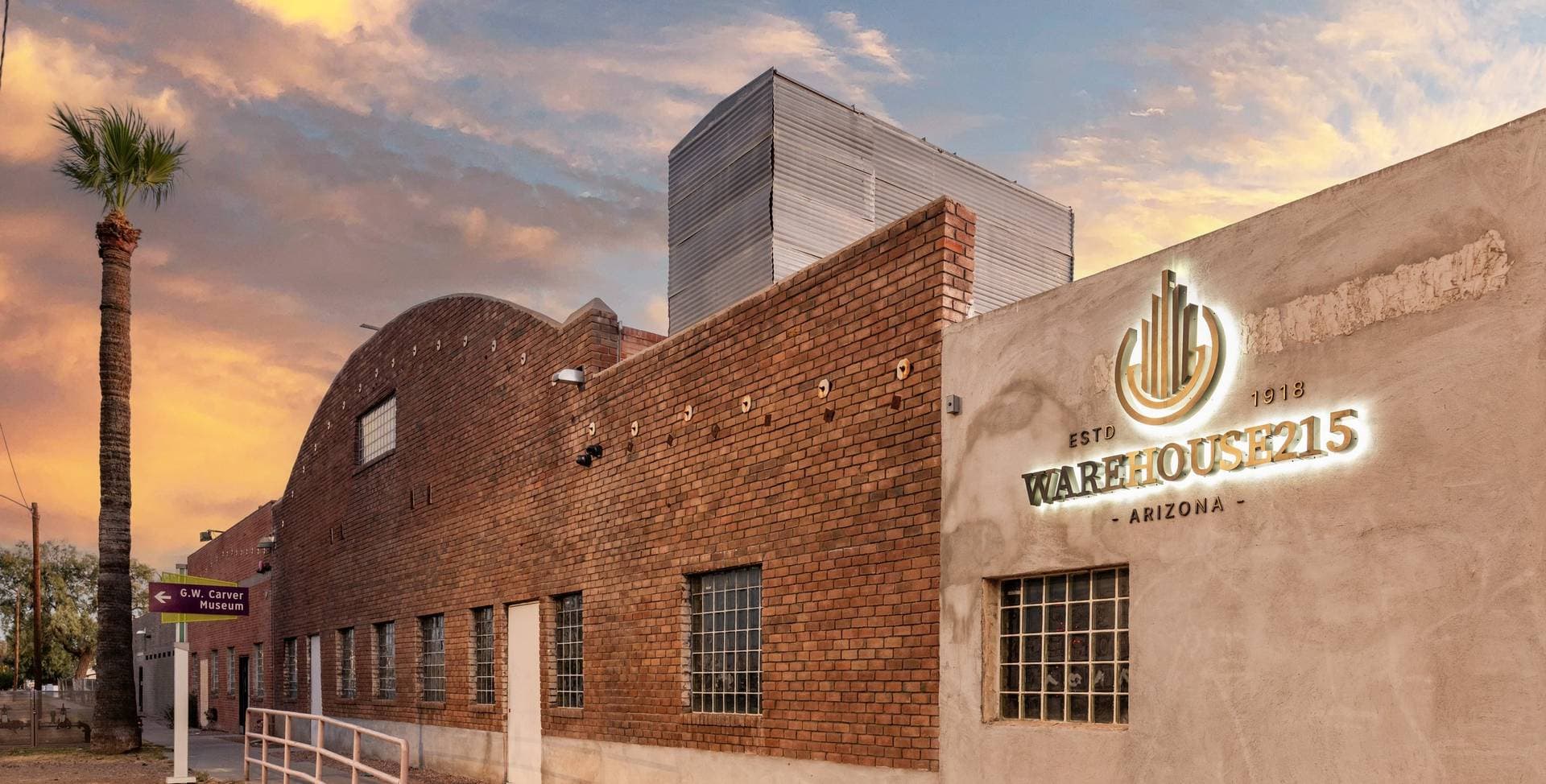
Downtown Phoenix is the urban core, with the convention center, museums, and sports venues in one area. Hotels, restaurants, and theaters sit within easy walking distance of the convention center, and light rail stations serve the convention center, museums, and sports venues. The Sheraton Phoenix Downtown has more than 110,000 square feet of event space across 26 rooms, and its 27,170-square-foot Phoenix Ballroom seats 2,510 theater style or 1,850 at a banquet. Arizona Wilderness Brewing hosts up to 500 guests across its brewery and beer garden. Many venues sit within a short drive of Phoenix Sky Harbor International Airport, which keeps arrival simple for intimate gatherings and larger corporate meetings alike. In the Warehouse District, two to three blocks from the convention center, Warehouse215 offers 28,000 square feet inside and 9,000 square feet of outdoor patio, with an industrial look that includes original brick walls.
Roosevelt Row is a walkable arts district with galleries, restaurants, bars, boutique shops, and street art.Groups find dining and casual evening options a short distance from downtown hotels and the convention center, with access by light rail, several city bus routes, and a downtown area shuttle.
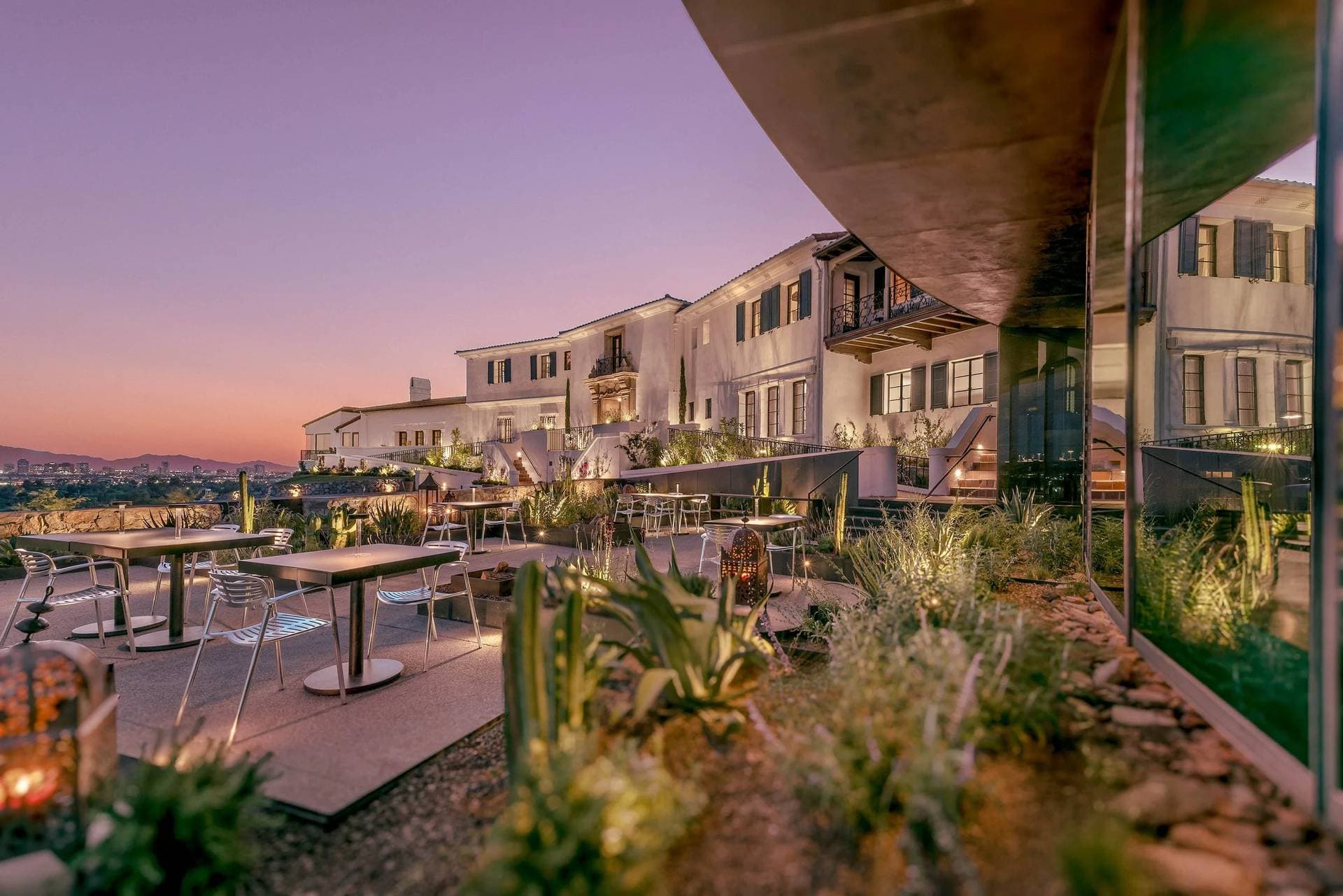
Biltmore is the renowned Biltmore neighborhood with resorts, an office and dining complex, and a main shopping center. Resorts, offices, and restaurants cluster here, which suits executive meetings and retreat-style programs away from downtown, but the sources reviewed list rail stops only downtown and in Tempe, so shuttle or rideshare plans should be confirmed. Wrigley Mansion, built in 1931, offers 15 indoor and outdoor spaces for 250 seated or up to 1,500 at a reception. The Arizona Biltmore, a legendary landmark designed under the strong influence of Frank Lloyd Wright, offers more than 200,000 square feet of indoor and outdoor meeting space, and its Frank Lloyd Wright Ballroom seats 3,000 theater style or 2,400 at a reception.
Tempe pairs a university campus with a lakefront and a downtown shopping and dining street. Attendees find restaurants, bars, and shops along the main street, close to the lake and the airport, with light rail stations serving the campus area and the Tempe Streetcar running along Mill and Ash avenues. Near Arizona State University, modern meeting spaces with indoor meeting spaces and outdoor meeting spaces suit groups that want modern elements and room to accommodate groups of different sizes. In south Phoenix near Tempe, Arizona Grand Resort has 120,000 square feet of indoor and outdoor event space. Its south mountain patio is a picturesque outdoor option for receptions or sunset events. In north Phoenix, Hilton Phoenix Tapatio Cliffs Resort offers 65,000 square feet of special event space with 36 meeting rooms for 50 to 1,500 people.
Fall through spring is the most comfortable window for events in Phoenix. Winters are mild and sunny, spring is warm, and summer is extremely hot with occasional monsoon storms, so indoor programs are often easier to manage in the hotter months.
Summer can still work for the right agenda, especially when indoor space matters more than outdoor time. Hotel rates are often lower, and recurring city events such as Cactus League Spring Training, the WM Phoenix Open, and the Barrett-Jackson Scottsdale Auction can affect availability and demand.
A few city processes matter early when you are comparing venues in Phoenix.
Street closures. The Street Transportation Department's Right-of-Way Management Office coordinates temporary street closures for special events and block parties. If your program needs curb space, load-in access, or a partial street closure, confirm the approval path before you shortlist venues.
Traffic control. Street closures require an approved traffic control plan from a certified barricade company. That makes it worth checking whether a venue can support the plan you need or whether outside coordination will be required.
Alcohol permits. A special event liquor license is handled through the City of Phoenix License Services office. If alcohol service is part of your program, build the permit review into your planning timeline.
The cleanest comparison starts with itemized proposals. That is how you spot service charges, admin items, and contract terms before approval.
Request itemized proposals. Ask each shortlisted venue for a line-by-line proposal. Naboo can bring comparable proposals together so you can review the same categories across venues.
Look for administrative fees. Check for admin charges, service fees, and any venue-specific add-ons before you approve the contract. Make sure every cost appears in writing so there is no confusion later.
Verify taxes and gratuity. Confirm how taxes and gratuity are handled in the proposal. The numbers should be stated clearly so procurement can compare the full cost of each option.
Centralize the contract. For large groups, a framework contract can centralize the process with one vendor of record, negotiated terms per contract, and one place to track requests, approvals, and payment by entity, country, and event type.
Clear terms protect the budget.
The next day, the photos may tell one story, while attendee feedback tells another. You need both to understand what worked.
Did the format fit the goal? Did the venue support the pace? Did the food, AV, and timing help, or get in the way? Did guests leave with the result you wanted?
Then compare planned budget with final spend and explain any gaps. That review matters because the numbers should show where the plan held up and where it drifted.
Hosting this event means making a business decision people can feel. When the venue fits, the rest of the day has a chance to work.
Send us the date, headcount, budget, and intent, and we will start with a shortlist of event venues in Phoenix that match the brief.
It depends on what worked last year and what felt stale. If the goal changed, the format should change too. A retreat can become a shorter offsite, a dinner can become a workshop, and a meeting can gain a social layer. The false good idea is copying the old agenda because it was easy. Easy is not the same as useful, even when the spreadsheet looks calm.
Start earlier if you want fall through spring dates, because demand is stronger then. If your event needs overnight rooms or a resort setting, lead time matters even more. A summer date can be easier to place, but the format still has to fit the heat. The false good idea is waiting for the perfect week to appear on its own. Calendars do not usually volunteer.
It depends on whether you need efficiency or immersion. A meeting works when the goal is decision-making and the team can return home the same day. An overnight offsite works when you need time for strategy, connection, or a longer agenda. The false good idea is adding a hotel night just because it feels more serious. Sleep is not a strategy by itself.
It depends on whether the dinner supports the business goal. For client trust or team recognition, it can be worth it. For a content-heavy kickoff, it may not be the right spend. A dinner should do a job, not just fill a calendar slot. The false good idea is treating it as a nice extra when it is really the main event in disguise.
Use a brief that covers date, headcount, budget, and intent, then compare only venues that match those basics. Look at location, overnight capacity, and what is included in the quote. Naboo helps by turning that brief into a shortlist of comparable options. The false good idea is opening twenty tabs and calling it research. That is just administrative cardio.
It is usually trying to please everyone at once. That leads to a format with too many priorities and not enough focus. A client dinner, a retreat, and a launch all need different choices. The false good idea is adding one more element to make everyone happy. Usually, it only makes the agenda tired.
It depends on the type, and Phoenix options also vary by event types as much as by what services are included. Hotels may include lodging, meeting rooms, and catering. Restaurants usually include food and private space, but not much else. Resort properties can bundle rooms, sessions, and activities. The false good idea is assuming every venue quote covers the same things. That assumption is how budgets grow legs.
Then you need to narrow the brief fast and accept that flexibility helps. If the date is fixed, focus on headcount, budget, and format first. Naboo can return a shortlist and quotes the same day or the next business day. The false good idea is waiting for perfect options to appear while the clock does its thing. Short notice rewards clarity, not wishful thinking.
November 26, 2026

November 17, 2026

November 12, 2026

November 12, 2026

November 12, 2026

November 12, 2026