Turnkey
For your Indianapolis event, we handle the venue, logistics, and suppliers so you can stay focused.
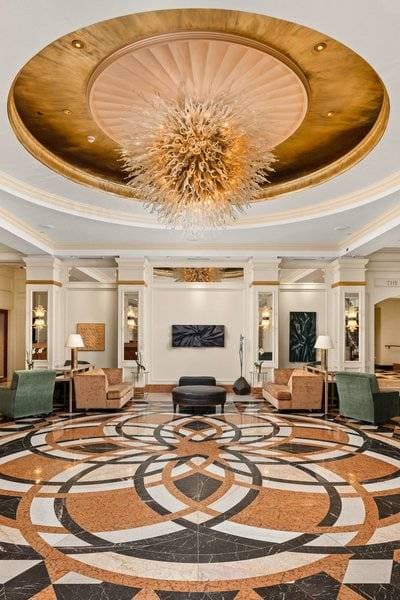
482 maximum · 1 workspace
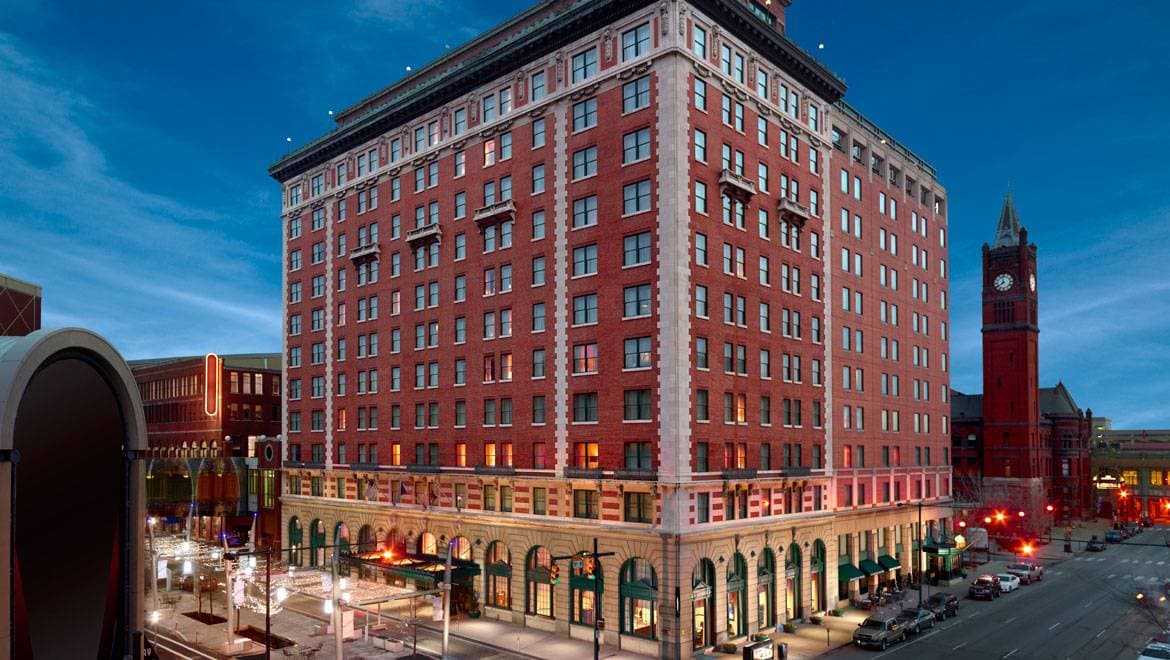
848 maximum · 4 workspaces
Answer a few quick questions and get venue suggestions for your next event
Over 500,000 employees have experienced a Naboo event









For your Indianapolis event, we handle the venue, logistics, and suppliers so you can stay focused.
One quote can cover the venue, catering, AV, activities, and lodging, with no guesswork.
Our AI generates quotes almost instantly, and we get back to you in under 12 hours.
You get itemized pricing and one invoice, so the numbers stay easy to read.
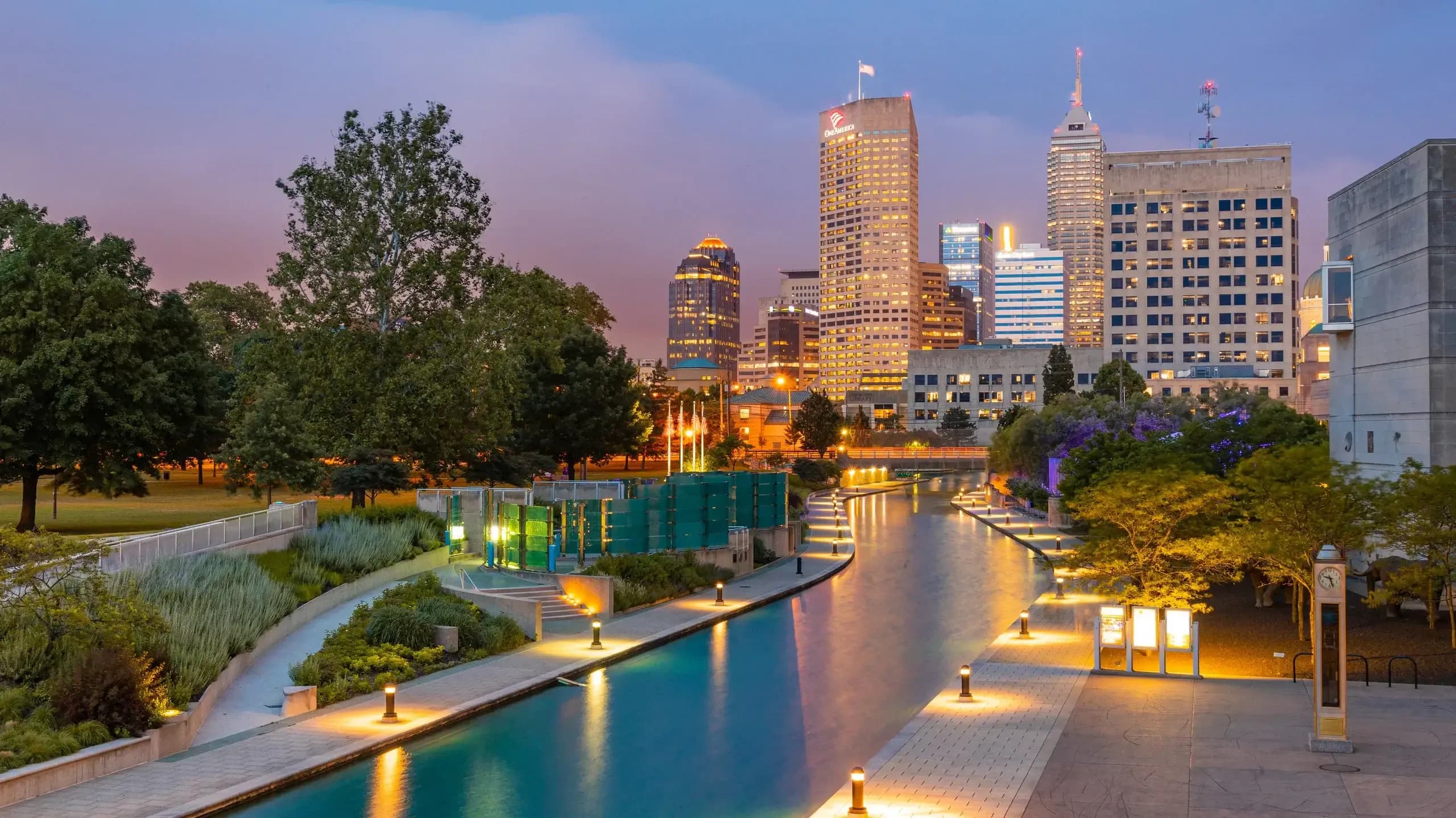
Indianapolis gives corporate planners a compact map to work with. For teams searching for Indianapolis event venues, the city offers a strong mix of downtown hotels, meeting spaces, stadiums, restaurants, museums, waterfront venues, and historic sites across Marion and Hamilton counties: enough range to support both large-scale conventions and smaller corporate meetings, and to match the venue to the event format, budget, guest experience, and logistics your program requires.
Downtown hotels, meeting space, and stadiums are all within walking distance, while Carmel and Fishers add suburban options to the north. For corporate event planners, procurement teams, and workplace, marketing, or HR teams that need to run efficient, compliant events, that range matters: the right venue affects attendance, AV setup, catering, room blocks, transportation, and contract risk as much as the guest experience itself.
about 170
venues in Marion County
Indianapolis venues in the Naboo network
about 230
venues across Marion and Hamilton counties
total venues in the local network
about 3 in 4
venues able to host an overnight group
share of venues with rooms on site
about 6x
US events in 2026 vs 2025
growth in Naboo US events in 2026
If you want more ways to compare event venues in Indianapolis, read the blog and ask the real question: does the space fit your guests?
We usually start with downtown hotels or meeting rooms when the goal is work, not wandering. In Indianapolis, that keeps everyone close to the agenda and the coffee. If you want a simple proof point, the downtown core supports overnight groups and easy transfers, which helps when the team arrives from different cities and still needs to be productive before lunch.
We lean toward restaurants, private dining rooms, or hotel spaces that can handle a conversation without feeling like a sales pitch in a suit. The downtown area works well for that, and Carmel adds a calmer setting when you want the evening to breathe a little. The trick is keeping the room comfortable enough that nobody starts checking the dessert menu before the meeting ends.
We look for bars, restaurants, and flexible social spaces that let people relax without turning the night into a logistics puzzle. Fishers and downtown Indianapolis both give you options for groups that want food, drinks, and a clear plan. That matters when the team has earned a break and nobody wants to spend it hunting for the coat check.
We consider larger meeting spaces, hotel ballrooms, and stadium-adjacent venues that can support presentations, AV, and a clean guest flow. Downtown Indianapolis is useful here because the city keeps hotels, meeting space, and event access close together. That makes it easier to keep the room moving and the message clear, which is usually the point.
We often start with restaurants or hotels that can handle dinner, speeches, and a little room for people to linger. In Indianapolis, that mix is easy to find across the central city and the northern suburbs. The real test is simple: does the space fit your guests, or will the holiday sweater do all the work?
Start with the result you need, then choose the format that fits. If you want alignment, choose a meeting or offsite. If you want relationships, choose a dinner or evening event. If you want momentum, choose a kickoff or launch. Indianapolis works well for each because downtown keeps hotels, meeting space, and transit-friendly access close together.
That means you can match the format to the goal instead of forcing the goal into the room. A board meeting in a hotel conference space, a client dinner in a private room, or a team-building session in a suburban venue each solves a different problem. The city gives you enough range to avoid the classic mistake of picking the venue first and the purpose second, whether the setting is a ballroom like the Indiana Roof Ballroom or a more flexible facility.
What organizers often overlook is the guest experience between the agenda items. Parking, arrival time, and how people move from one part of the event to another matter more than they think. That is where we help you compare event venues in Indianapolis and keep the plan practical, including the staff support and proximity that can make a difference.
Choose by fit, not by square footage alone. Look at room layout, overnight capacity, catering options, AV, and how close the venue sits to your guests. In Indianapolis, that often means comparing downtown hotels, meeting rooms, restaurants, and suburban properties in Carmel or Fishers, plus spaces that can accommodate a larger group.
For example, a leadership offsite may work better in a hotel with rooms on site. A client dinner may need a private restaurant space. A training day may call for a meeting space in Indianapolis with simple access and reliable tech. Each format changes the shortlist, and some venues will require their own caterer while others allow an open vendor policy.
What people often forget is the hidden cost of a poor match: extra transfers, awkward timing, and a room that looks good in photos but works badly in practice. We help you compare corporate event venues in Indianapolis, then narrow the list to the options that actually support the brief. Depending on the format, you can also compare team building in Indianapolis, restaurants in Indianapolis, bars in Indianapolis and hotels in Indianapolis.
Pick activities that support the purpose, not the other way around. For team building, keep the format active and short. For a client event, choose something that leaves room for conversation. For a kickoff, use content that helps people remember the message after they leave.
In Indianapolis, that can mean a guided dinner, a light team challenge, a speaker session, or a simple networking format in a hotel or restaurant. Downtown works well for mixed agendas, while the northern suburbs can suit groups that want more space. The right activity should feel useful, not like homework in nicer shoes, and the caterer choice should support the pace.
What organizers often forget is the energy curve. Too much content makes the room tired. Too little makes the event feel thin. We help you balance the program so the venue, the schedule, and the audience all pull in the same direction, with the staff ready to help when the plan needs a quick adjustment.
Not always. A theme helps when you need a clear visual thread or a simple way to connect content, food, and decor. It is less useful when the goal is efficiency, especially for meetings or offsites where clarity matters more than decoration.
If you do use one, keep it light and tied to the purpose. A launch can borrow brand colors. A holiday party can lean seasonal without becoming a costume test. A client dinner can stay understated and still feel intentional. The venue should support the theme, not fight it, whether that is a ballroom, a hotel, or a facility with a strong heart for corporate groups.
What organizers often forget is that a theme can add work if it is too broad or too clever. We help you decide whether it earns its place, then match the venue and suppliers to the plan, including whether the open vendor policy or in-house caterer is the better route.
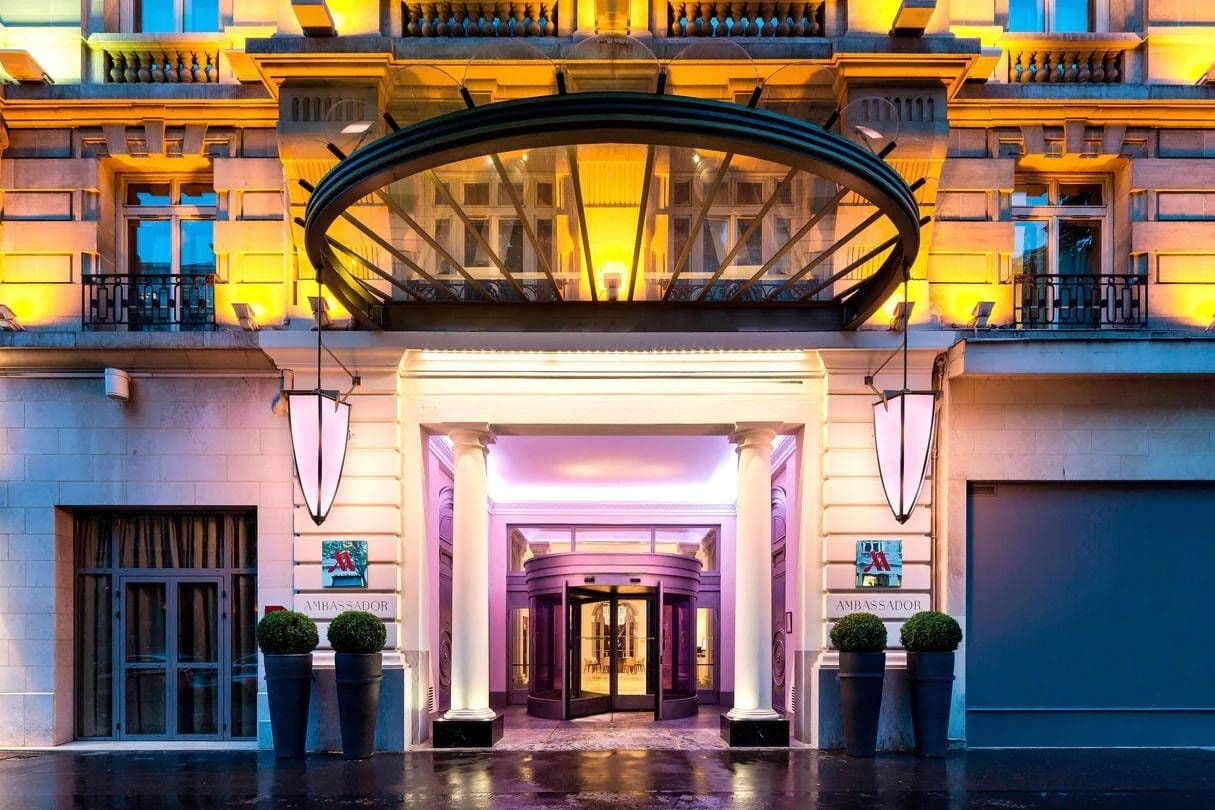
For large corporate events, begin with the main large-format convention center option in the city, such as the Indiana Convention Center. It is the natural starting point for conferences, trade-show style programs, and other programs that need broad floor space and structured operations.
For large programs, the written proposal matters as much as the room itself.
Examples to start your comparison. Each venue confirms its price in writing before you book.
Registration flow, plenary space, breakout routing, supplier access, and loading access. The Indiana Convention Center has 566,600 square feet of contiguous exhibit space in 11 halls, 71 meeting rooms and 12 connected hotels, plus the Sagamore Ballroom at 33,335 square feet.
Which halls or galleries are included, catering rules, and whether the venue closes to the public for your event. On the canal, the Indiana State Museum's Great Hall holds 500 for a reception or 300 for a seated dinner, with a Saturday evening rate of $3,800 and a $10,000 food and beverage minimum.
Which clubs or suites are included, event-day conflicts, and AV and catering terms. At the Indianapolis Motor Speedway, the Pavilion holds up to 1,500 for a reception, the Media Center 1,000 and the Pagoda 350.
Capacity by layout, catering minimums, and AV scope. For example, Hilbert Circle Theatre on Monument Circle has 1,660 seats, and its main lobby holds 700 standing. Downtown, the Indiana Roof Ballroom has an 8,700-square-foot ballroom ringed by a 2,500-square-foot promenade inside a 15,700-square-foot facility, plus a 100-ft circular dance floor, seating 800 for a banquet, 750 for a sit-down meal and dancing, or 950 for a reception. For smaller groups, ask whether built-in sound and screen mirroring are included.
Seasonal rules, permit responsibilities, and an indoor backup plan.
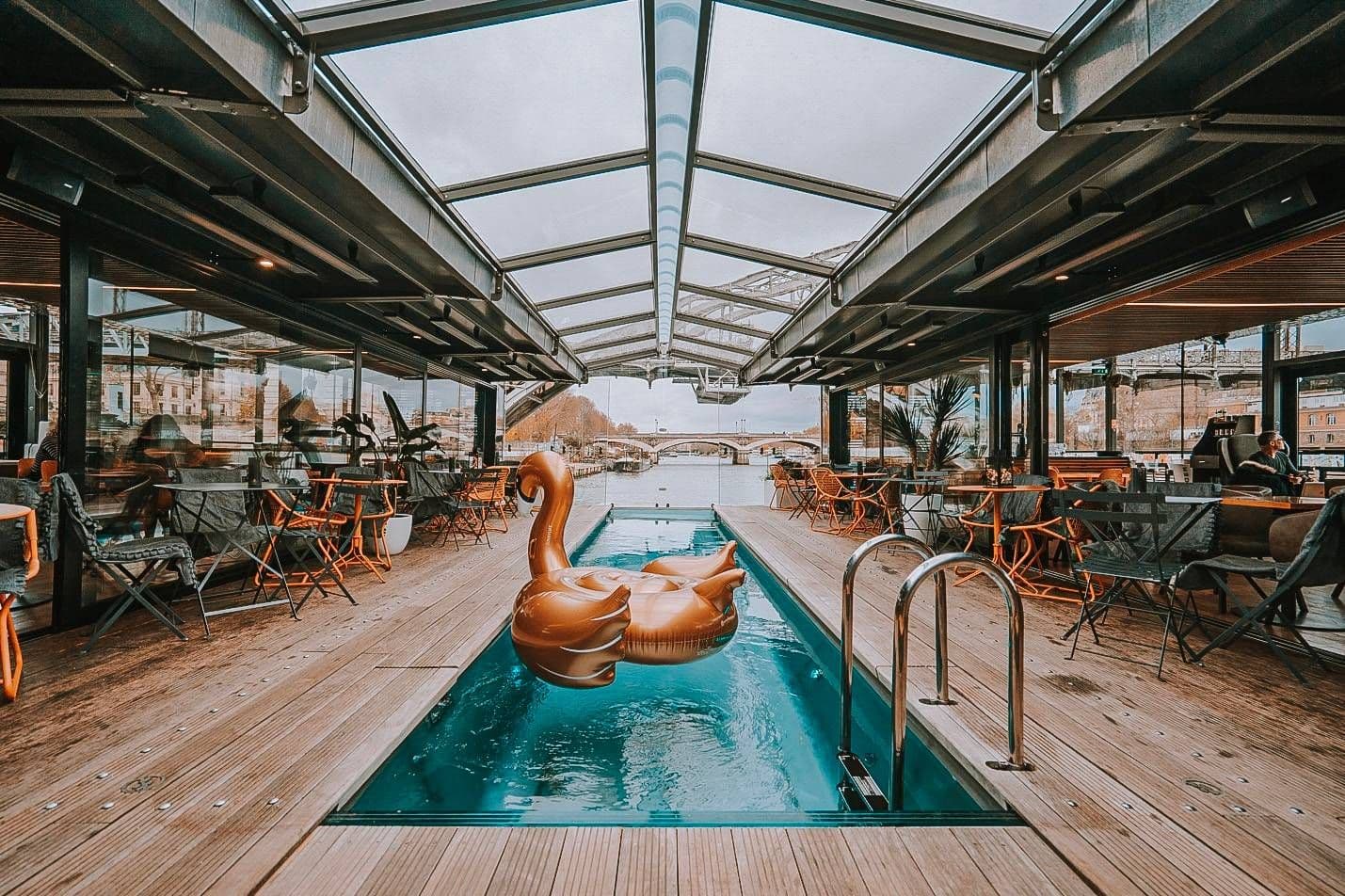
High-capacity event spaces should be reviewed through verified venue sources, not through broad marketing language. Ask the venue to state the capacity for your exact layout and include it in the proposal. The Crane Bay Event Center, an 18,000-square-foot facility, seats 650 for a banquet or 1,500 for a reception, with in-house catering from Crystal Catering.
Written details are the safest way to compare larger spaces.
One brief, comparable proposals, one point of contact.
Tell Naboo the format, guest count, dates and neighborhood preferences for your Indianapolis event.
Shortlisted venues reply with proposals that use the same line items, so room rental, catering, labor and equipment sit side by side. Each venue confirms its price in writing before you book.
Naboo handles the booking with one point of contact and one invoice per event. With a framework contract, procurement also gets one vendor of record.

It depends on the format, the guest count, and what you want included. A room-only meeting, a dinner, and an overnight offsite do not work the same way. Your budget should reflect the venue type, catering needs, AV, and any lodging or activities you want bundled into the proposal, plus whether the facility can accommodate the group.
By negotiating the proposal as a whole. We compare comparable venues, then bring the main costs into one view so you can see what is included and what is not. That makes it easier to choose between event venues in Indianapolis without chasing separate quotes all day, and it helps when one caterer is included while another is optional.
Share the date, headcount, budget, and intent. If you know the format, add that too. The clearer the brief, the better the shortlist. We can work with a simple note, but the more you explain the goal, the easier it is to match the venue to the job, especially if you need a lower level room or a larger facility.
It depends on what you want to hand off. Self-serve works when you want control and only need the venue options. Turnkey works when you want us to manage the venue, suppliers, and logistics, with an on-site Naboo Event Manager included in that package only.
Set the run of show, confirm arrivals, and decide what success looks like before guests walk in. Then watch the day against that plan. If the room supports the agenda, the timing holds, and the guests stay engaged, you are in good shape. The debrief tells you what to keep and what to change next time, including whether the venue had the right staff and proximity for the group.
| Row | Booking venues on your own | With Naboo |
|---|---|---|
| 01 | A different quote format from every venue | One brief, comparable proposals with clear line items |
| 02 | Prices that can change before you sign | Each venue confirms its price in writing before you book, and the price we confirm is the price you pay |
| 03 | Fees that show up late in the process | Fees and service charges shown line by line in the proposal |
| 04 | Rates that may be higher than booking direct | Prices never higher than booking direct |
| 05 | Several contacts and invoices to chase | One point of contact and one invoice per event |
| 06 | Terms negotiated again for every event | With a framework contract: one vendor of record and negotiated terms per contract |
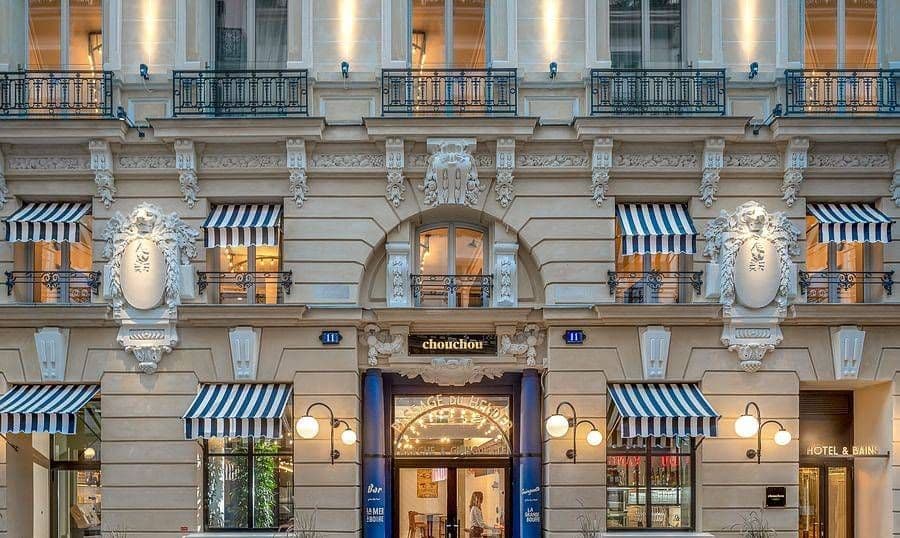
Some programs need a setting that feels different from a standard meeting room. In Indianapolis, that can mean a stadium or arena event space, a waterfront setting, or another unique space that gives the program a distinct backdrop. In the Bottleworks District, The Garage Food Hall's private Bottling Room holds up to 65 guests with its own entrance and a 95-inch TV, next to more than 20 food vendors.
Distinctive settings still need the same written checks as any other venue.
Outdoor planning in Indianapolis should start with the season and the backup plan. Downtown hotels nearly sell out around the city's major race weekend, so groups should book well ahead when the program depends on outdoor or nearby event space. Outdoor events need clear roles before approval.
Ask the venue how seasonal conditions affect use of the outdoor setting and what months or weather patterns matter most. If your event depends on outdoor service or a spacious outdoor lawn for flexible setups, confirm the plan early and in writing.
The contract should state who handles permits and who handles each outdoor requirement. Naboo does not obtain permits or run venue operations, so the venue contract must make responsibilities clear.
Some groups also want fresh air when indoor-outdoor flow is part of the setup. Every outdoor event needs a weather contingency plan. Ask where the program moves if conditions change and what parts of the setup are already included in the proposal.
Executive gatherings need room flexibility, reliable conference technology, and clear catering terms. The right choice is the one that handles breakouts, presentations, and private conversations without forcing awkward room changes. Flexible meeting space and breakout rooms are essential for corporate conferences; the JW Marriott Indianapolis, for example, lists more than 100,000 square feet of meeting space across about 50 meeting rooms.
Breakout flexibility. Ask whether the venue can create distinct spaces for breakouts and private conversations, including two distinct spaces for different parts of the program.
Conference technology. Review microphones, screens, Wi-Fi, and support for hybrid or recorded sessions. Confirm the technology and other modern amenities in writing so the venue and your production team are aligned before the event. For example, verify whether built-in sound and screen mirroring are included; when they are, presentations run more smoothly.
Catering minimums. Compare catering minimums across your shortlist before you commit. A lower minimum can matter as much as the room itself when the guest list is still changing.
Executive programs work best when the room can adapt to the agenda.
Convenience matters when attendees are traveling from different places and the program has a tight schedule. Venues located in Downtown Indianapolis and near White River State Park are practical starting points for central gatherings.
Transit access. Look for transit-accessible venues near major hubs, especially where IndyGo runs city buses and the downtown transit center can support arrival planning. That helps attendees who are not driving into the city, while free parking can matter for those coming in from across Indianapolis.
Central districts. For central gatherings, start with Downtown Indianapolis and the waterfront setting.
Travel patterns. Compare neighborhood fit with where attendees are coming from across the Indianapolis area and how they will move between sessions. A venue that works for one group may not work as well for another if the travel pattern is different.
Hotel clusters. Map venues against nearby hotel clusters, especially where downtown hotels connect to the convention center and the stadium or arena event space through climate-controlled skywalks. Venues with on site parking can also simplify arrivals for attendees staying outside the core. That can simplify movement for large corporate events.
Location should support the agenda, not complicate it.
Indianapolis International Airport gives attendees a straightforward arrival point for downtown programs. Rideshare and taxis pick up outside baggage claim, and an IndyGo bus route serves downtown.
Once in the city center, the indoor skywalk system links major downtown hotels, the convention center, and the stadium. That setup helps planners reduce outdoor transfers between meeting blocks, especially when weather is cold, wet, or hot.
Different parts of Indianapolis support different event formats, from central hotel blocks to after-hours group plans. For venue comparisons, it helps to match the district to the kind of attendee experience you want to build.
This is the downtown core around Monument Circle, with hotels, stadiums, arenas, and theaters close together. Attendees can stay near the main business district and move between key venues on foot or through the indoor skywalk system. Next to Union Station, the Omni Severin Hotel offers about 17,000 square feet of flexible event space, and its 3,036-square-foot Jennings Ballroom holds 200 theater style, 230 for a banquet or 316 for a reception.
Mass Ave is the arts and theater district, with performance venues, locally owned shops, restaurants, bars, and cafe options for informal mingling before or after a meeting, or private event. It works well for groups that want independent dining and evening options after a meeting program. Near Mass Ave, the Mavris Arts & Event Center at 121 South East Street lists one floor with capacity for up to 300 guests with Visit Indy.
Fountain Square has restaurants, live music venues, antique shops, and galleries in a vintage neighborhood setting. Teams can use it for informal outings built around casual dining and live music.
This west-side downtown area offers the Central Canal and large open grounds close to the city center. It suits planners looking at walking, biking, or paddling activities near downtown hotels.
Broad Ripple sits north of downtown and brings together coffee shops, boutiques, bars, and restaurants. It gives teams a more casual setting away from the downtown core while still staying connected by the Monon Trail and bus rapid transit.
Indianapolis has four distinct seasons, with warm and sometimes humid summers, cold winters with occasional snow, and mild spring and fall weather. The downtown skywalk system helps keep movement comfortable when heat or snow would otherwise complicate attendee transfers.
Recurring demand also matters when you compare dates. Month of May racing events at the Motor Speedway and Gen Con in August can tighten downtown hotel availability, so planners should check inventory early when those periods are in play.
Pricing reviews should begin with itemized proposals from every venue on the shortlist. That is the easiest way to spot administrative fees, service charges, and assumptions that do not belong in the final budget. Scottish Rite Cathedral at 650 North Meridian Street requires catering through Kahn's Catering, while The Crane Bay uses its own in-house team, so confirm whether outside caterers are allowed before you compare quotes. Ask about the rental window too, since setup and teardown time matter. Confirm seated capacity limits and house rules when comparing contracts, since they can change a complete venue comparison. INDUSTRY, at 545 Kentucky Avenue, offers a 24-hour rental from 10 a.m. to 10 a.m. with a bring-your-own-vendor policy and no on-site catering, which changes how you compare its price with an all-inclusive hotel package.
Itemized proposals. Request a line-by-line proposal from each venue before approval. Clear line items make it easier to compare event venues in Indianapolis teams are considering for corporate events and private events.
Fee review. Identify administrative fees, service charges, and any other added costs before you sign. Ask the venue to explain what each charge covers so there are no surprises later.
Tax and gratuity. Verify how taxes and gratuity are handled in the proposal. Those assumptions can change the total quickly if they are not stated clearly.
Centralized contracting. With Naboo, you can centralize contracts through a framework contract for large groups, with one vendor of record, negotiated terms per contract, and one invoice per event. The Control Tower shows every request, approval, and payment by entity, country, and event type.
Written pricing and clean contract terms protect the budget.
The next day, photos may tell one story while attendee feedback tells another. You need both to see the full picture.
Did the format fit the goal? Did the venue support the agenda? Did the guest experience feel easy? Did the event reflect the budget you set?
Then compare the planned budget with the final spend. If there is a gap, trace it to scope, timing, or added services.
That review matters because hosting an event is not just about filling a room. It is about making a decision that helps people work, meet, or celebrate with less friction.
Send us the date, headcount, budget, and intent, and we will start with a shortlist of event venues in Indianapolis that match the brief.
It depends on what last year achieved. If the goal was alignment, keep the structure and change the content. If the goal was energy, change the room or the timing. A breakfast meeting can become a lunch offsite, and a dinner can become a workshop with a social close. The false good idea is to change the theme and call it strategy. That usually just gives you new napkins, even if the venue is a familiar Indianapolis event venues option.
It depends on the season and the format. For larger groups or overnight stays, start earlier so you have more room to compare options. Indianapolis can move quickly, but dates still tighten around busy periods and citywide demand. A short lead time can work for a simple meeting, while a retreat or dinner needs more runway. The false good idea is waiting until the brief feels perfect. Perfect briefs often arrive after the good dates are gone, even for a venue near Lucas Oil Stadium or Clowes Memorial Hall.
It depends on whether you need structure or atmosphere. Hotels work well for meetings, offsites, and overnight groups. Restaurants work well for dinners, client events, and smaller celebrations. A hotel gives you rooms, AV, and flow. A restaurant gives you food and a more social feel. The false good idea is assuming one venue can do everything equally well. That is how you end up asking a dining room to behave like a conference center, or expecting a lower level space to act like a ballroom.
It depends on how much your event relies on sound, screens, or presentations. If the agenda includes speakers, product content, or hybrid participation, AV is usually worth planning clearly. If the event is a simple dinner, you may only need basic support. The false good idea is treating AV as an afterthought because the room looks nice. Nice walls do not project slides, no matter how politely you ask them to, and the staff still has to make the room work.
Start with the brief, then compare event venues that can actually meet it. Look at location, capacity, lodging, catering, and the kind of event you want to run. Check the size against your guest count and room setup, since that often shapes fit and pricing. Then use Naboo to turn that brief into a shortlist and side-by-side quotes. There are plenty of options, but the false good idea is opening twenty tabs and hoping one will feel right by lunch. That is not a process. That is a browser workout, and it is easier when the venue can accommodate the plan.
It depends on the goal, but the common mistake is overfocusing on the room and underfocusing on the guest. A polished venue cannot fix a vague agenda, and a strong agenda can survive a modest room. For example, a kickoff needs pacing, a client dinner needs comfort, and a retreat needs breathing room. The false good idea is assuming people will remember the wallpaper more than the experience, even when the heart of Indy is close by.
It depends on the type. Hotels usually include rooms, meeting space, and food service. Restaurants usually include private dining and catering. Meeting rooms usually include the basics for presentations and group work. In Indianapolis, the right choice depends on whether you need overnight stays, a social setting, or a clean working space. The false good idea is reading the venue name and assuming the package. Names are not contracts, even when they sound confident, and some places have an open vendor policy while others require their own caterer.
It depends on how flexible you are on date, format, and neighborhood. If you can move one of those, you usually have more options. Start with the brief, then ask for a shortlist and quotes right away. Naboo can help you move quickly when the timeline is tight, providing a low-stress planning process, and our AI generates quotes almost instantly. The false good idea is waiting for the right venue to appear on its own. That rarely happens before the calendar closes, so prospective customers should send the details for their next event as soon as they're ready.

November 26, 2026

November 17, 2026

November 12, 2026

November 12, 2026

November 12, 2026

November 12, 2026