01
Define the format first
Write down whether the program is a board meeting, training session, reception, or mixed-format event. That makes it easier to judge whether the room supports presentations, dining, or breakout conversations.
100 maximum · 1 workspace
Salt Lake City, Utah, United States
4.8
(124 reviews)
7 workspaces
250 maximum · 1 workspace
7 workspaces
400 maximum · 1 workspace
4 workspaces

250 maximum · 1 workspace
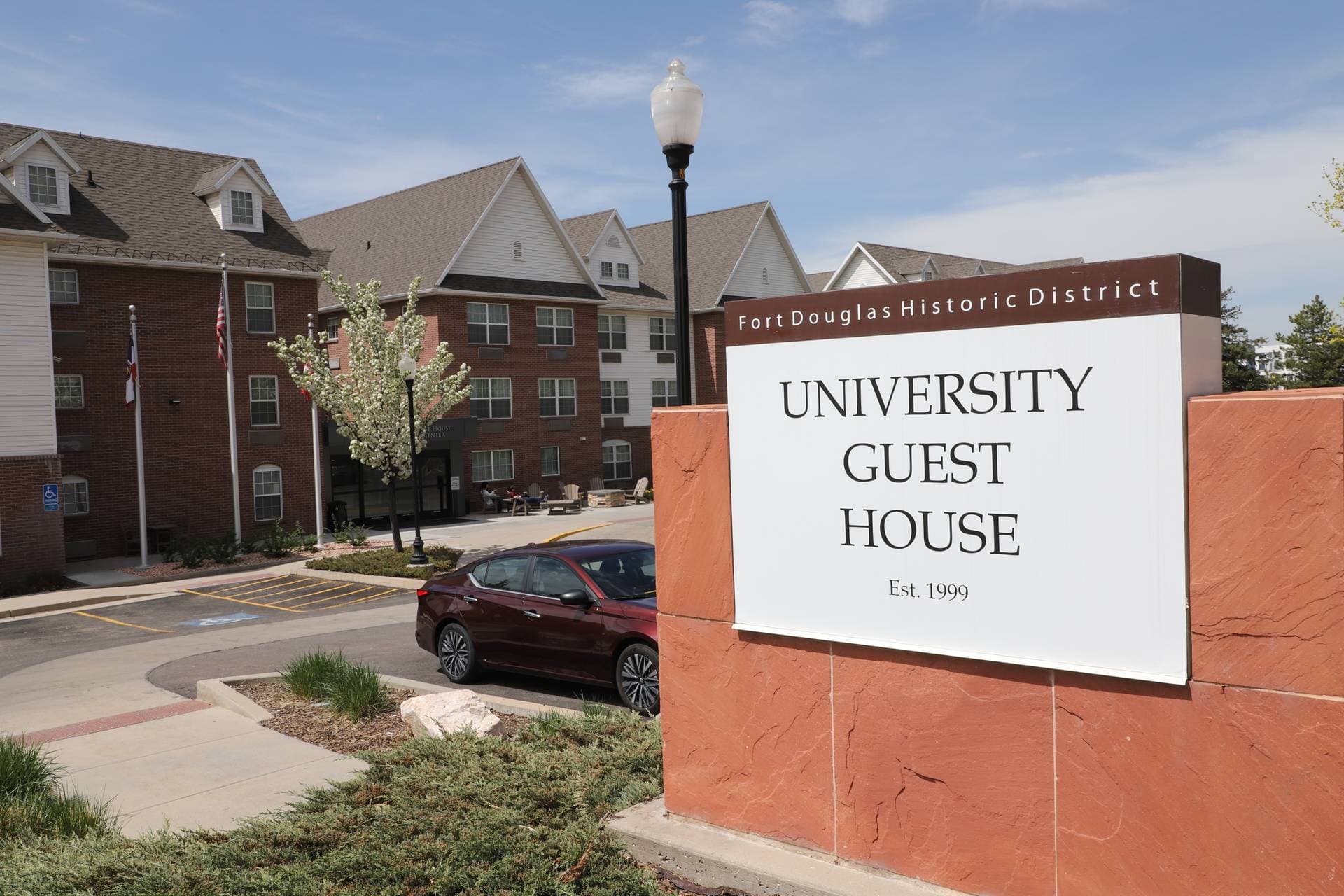
Salt Lake City, Utah, United States
4.5
(618 reviews)
200 maximum · 7 workspaces
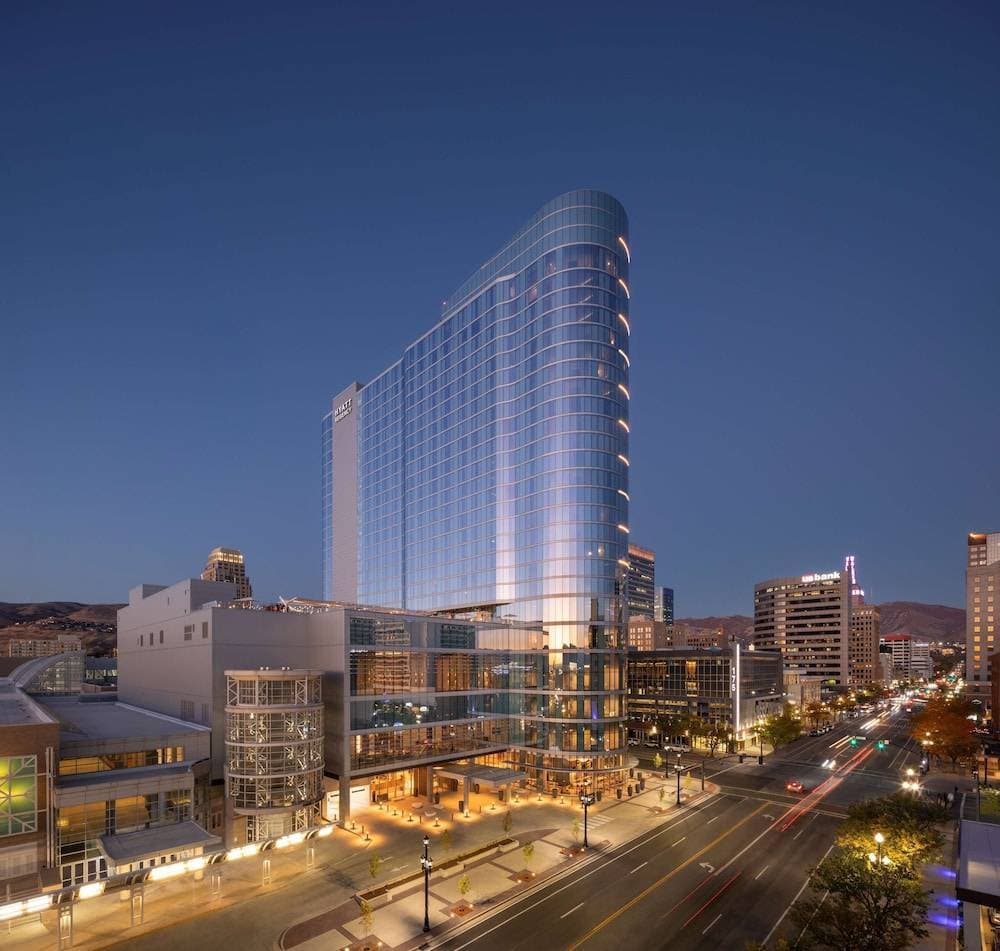
700 maximum · 7 workspaces
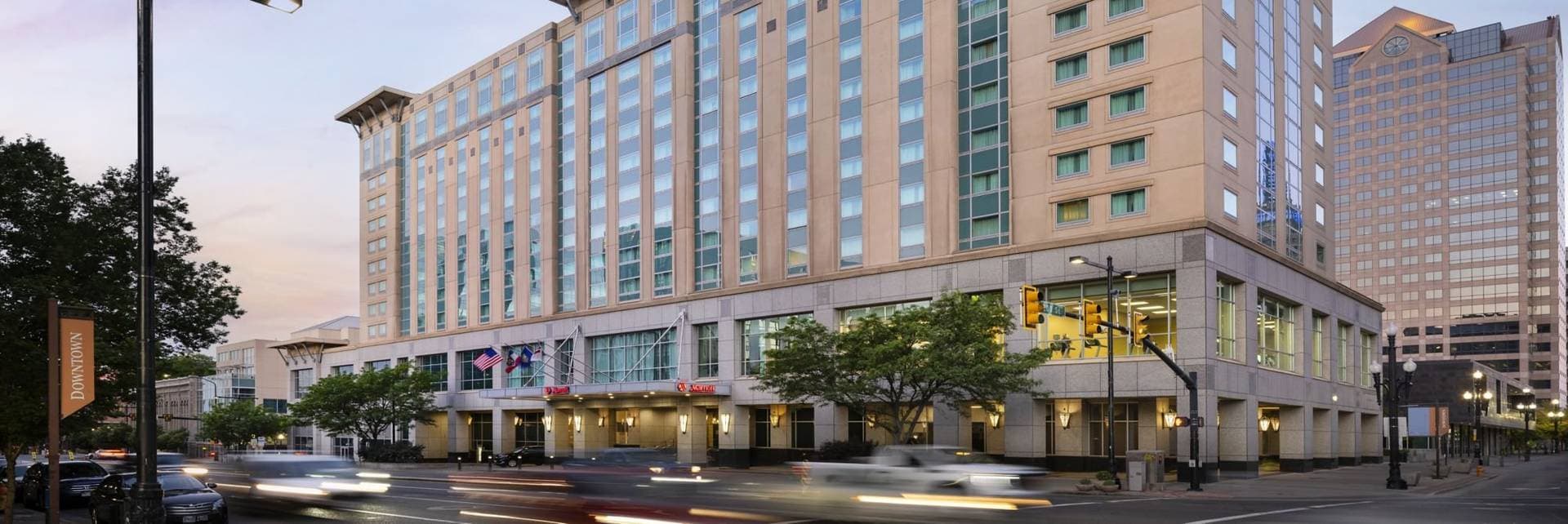
15 workspaces
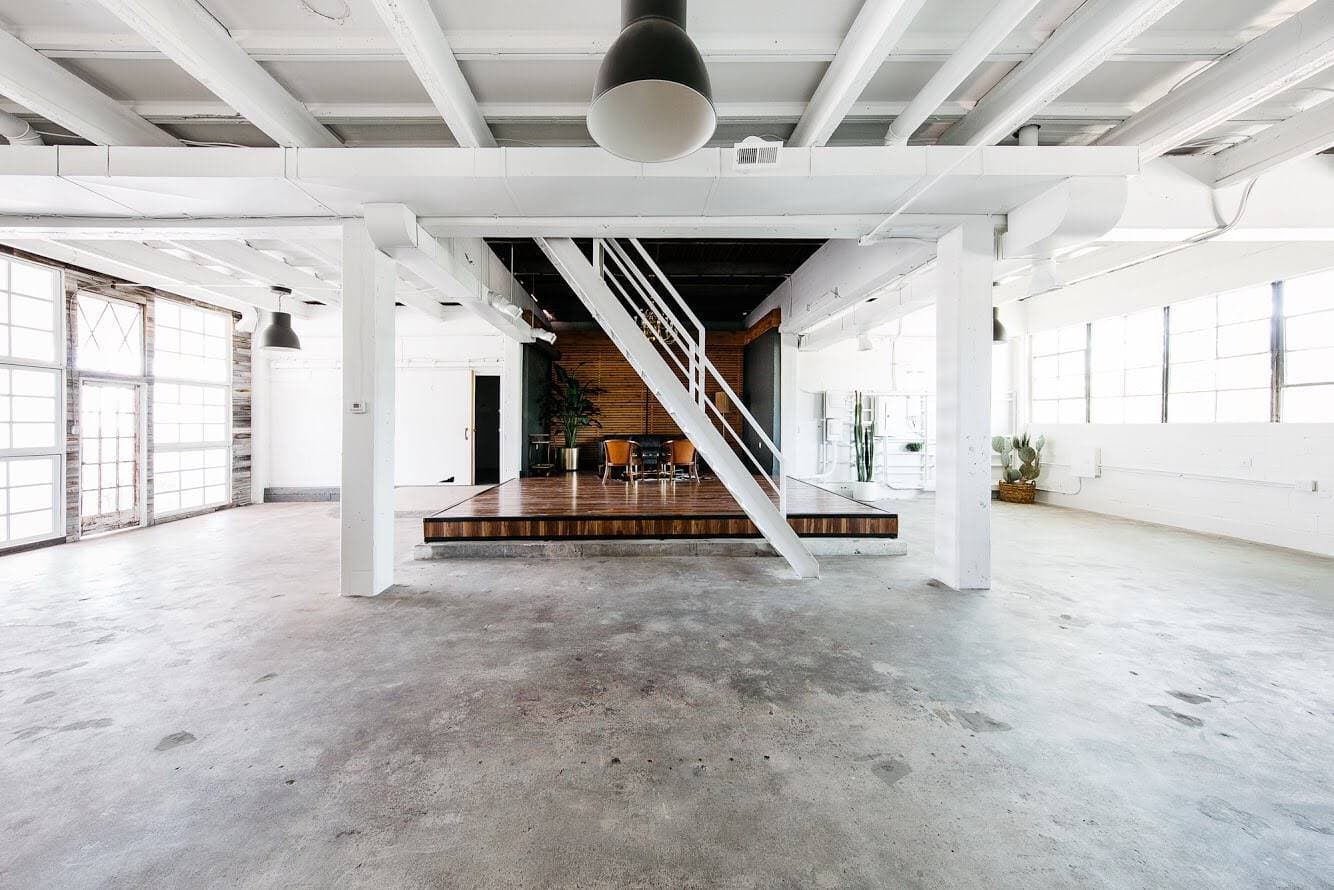
75 maximum · 1 workspace
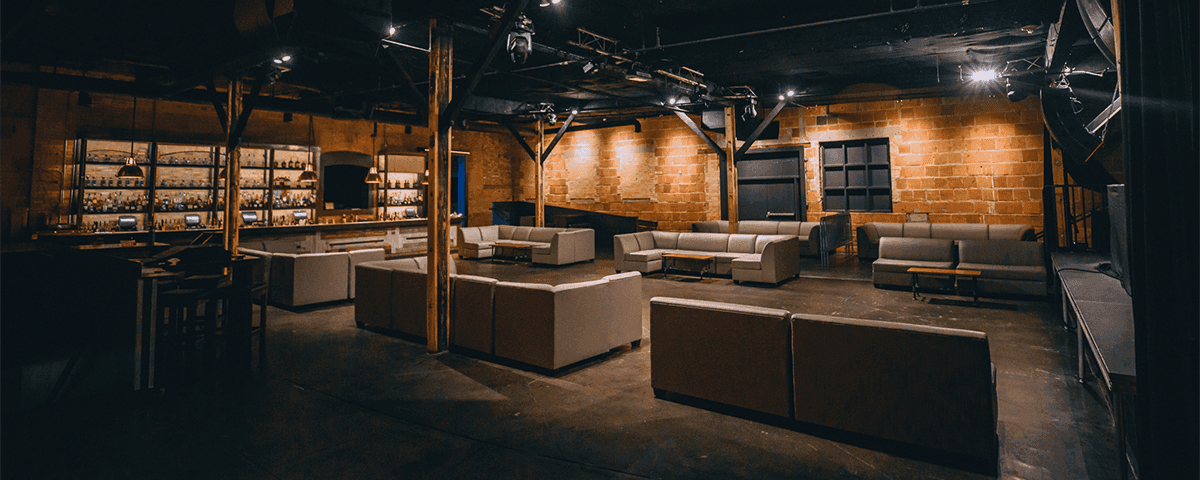
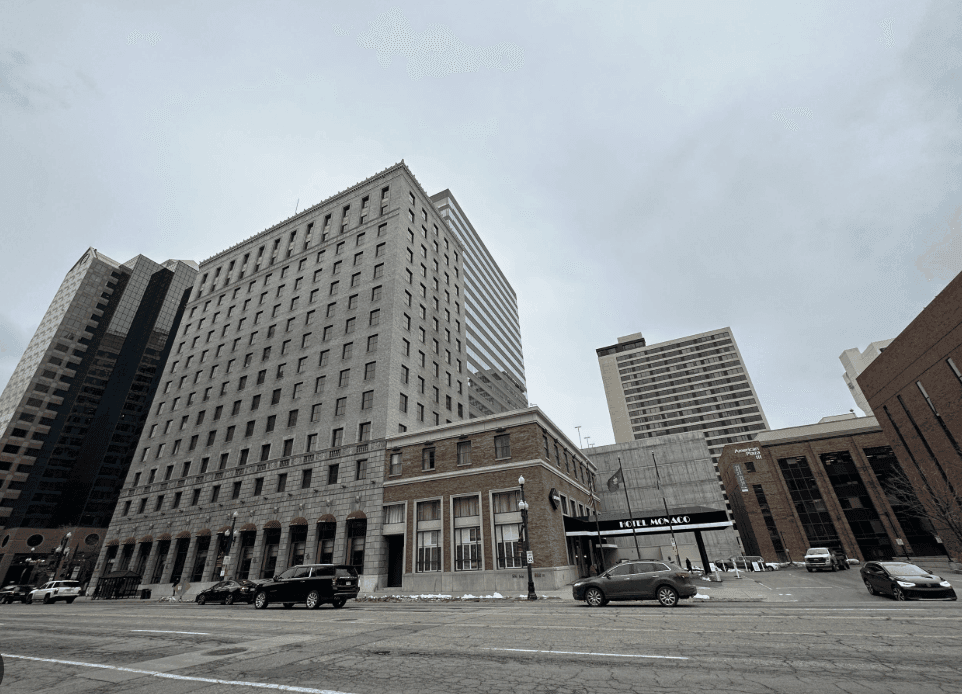
225 maximum · 6 workspaces
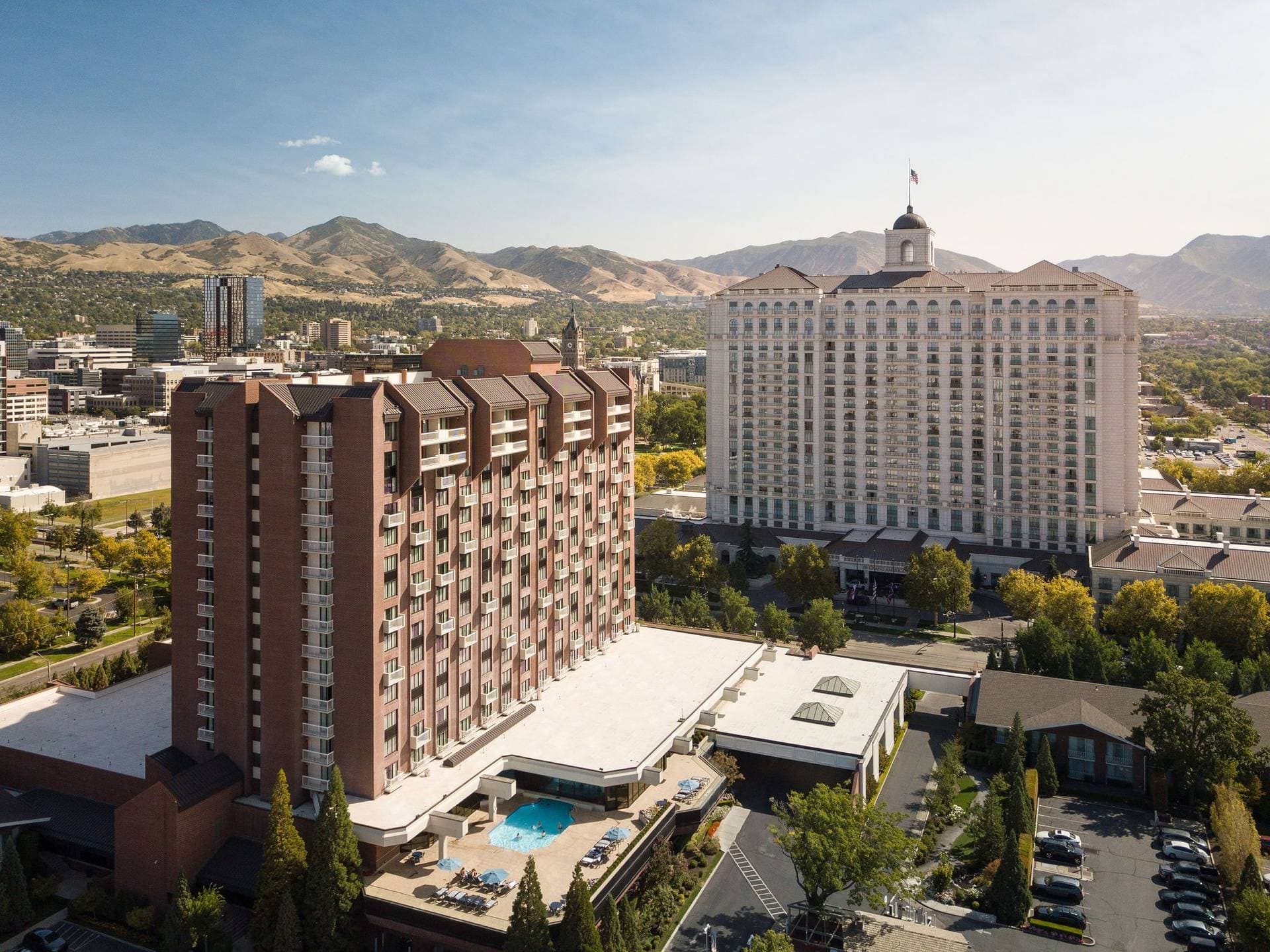
850 maximum · 8 workspaces
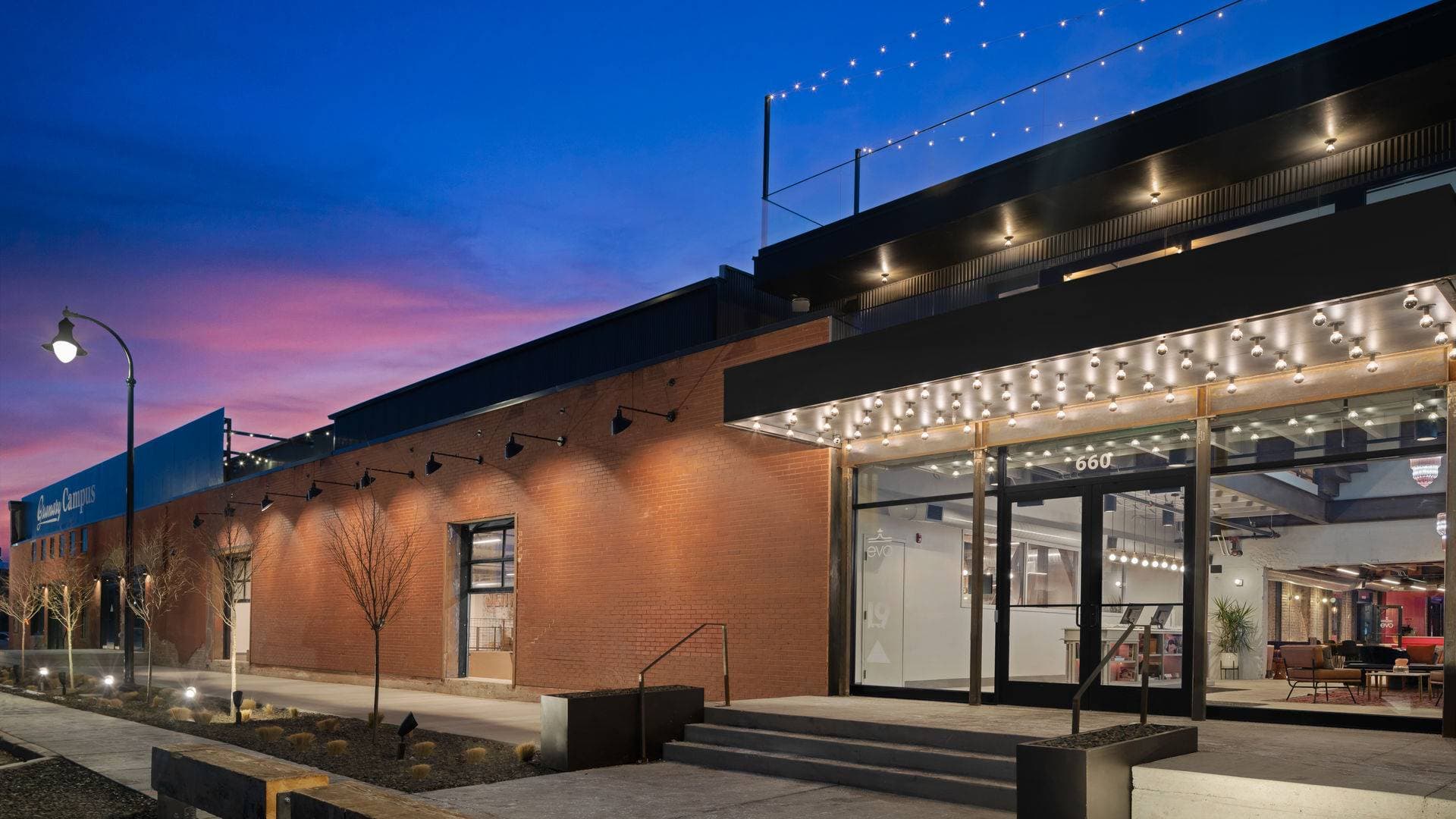
100 maximum · 3 workspaces

5 workspaces
630 maximum · 1 workspace
Answer a few quick questions and get venue suggestions for your next event
Over 500,000 employees have experienced a Naboo event








When you compare event venues in Salt Lake City, focus on the format, attendee flow, and the level of production your program needs. For a company event, the best choice is the venue that fits the agenda, not just the guest count. Start by asking each venue for verified capacity by layout, along with any restrictions that could affect your setup. Then review proposals side by side so you can see what is included, what costs extra, and what needs to be confirmed in writing.
Start with the event format, since a conference, reception, leadership offsite, product showcase, or business meeting all need different room flow. Then ask each venue to show how the layout works for seating, circulation, and service. A short shortlist is easier to approve than a long list of maybes.
Write down whether the program is a board meeting, training session, reception, or mixed-format event. That makes it easier to judge whether the room supports presentations, dining, or breakout conversations.
For seated programs, ask for verified capacity by each layout you may use. Do not rely on a general maximum when your seating plan, stage, and service tables change the usable space.
Use one brief to collect comparable proposals with clear line items. That makes it easier to review venue fees, food and beverage terms, and any production charges in one place.
Look at parking, public transit access, and step-free entry for guests and vendors. Accessibility should be confirmed in writing so there is no confusion on event day.
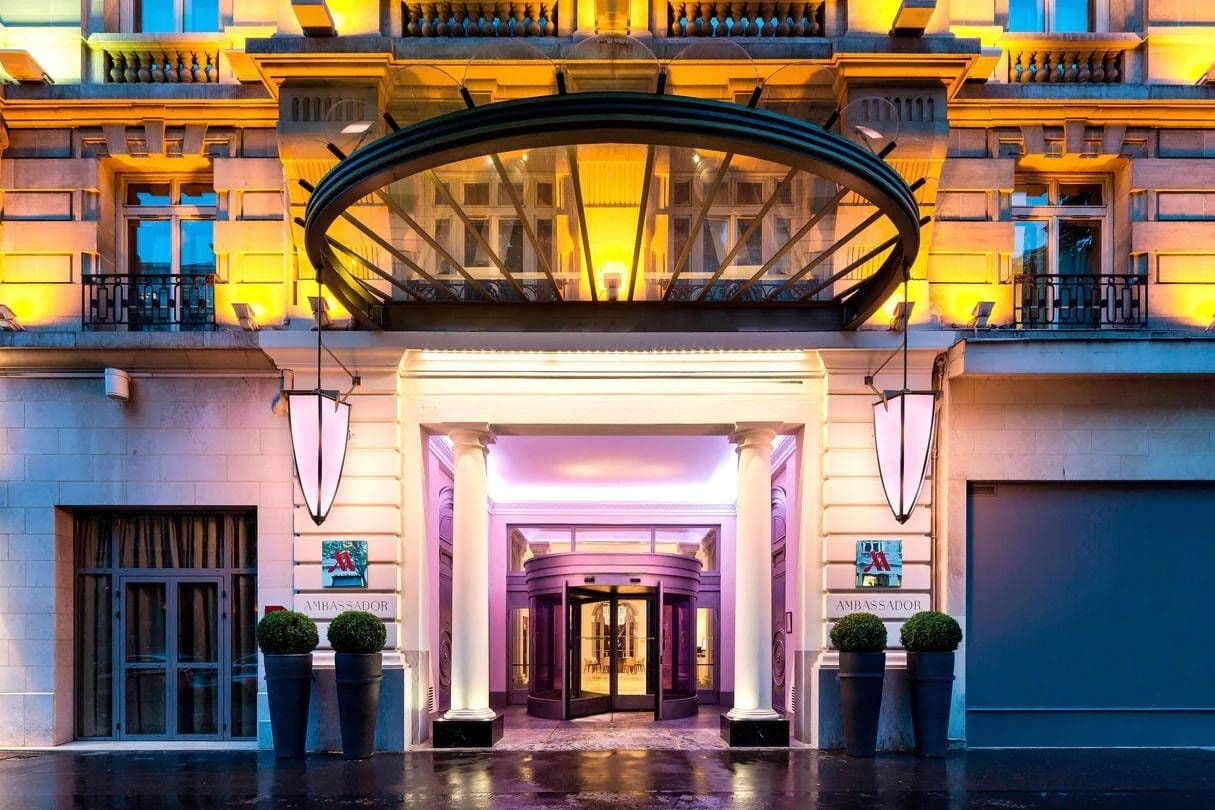
For large corporate events, start with the main convention center in the city as your primary large-format option. It is the natural place to compare against other venues when you need conference flow, exhibit space, or a trade-show style program.
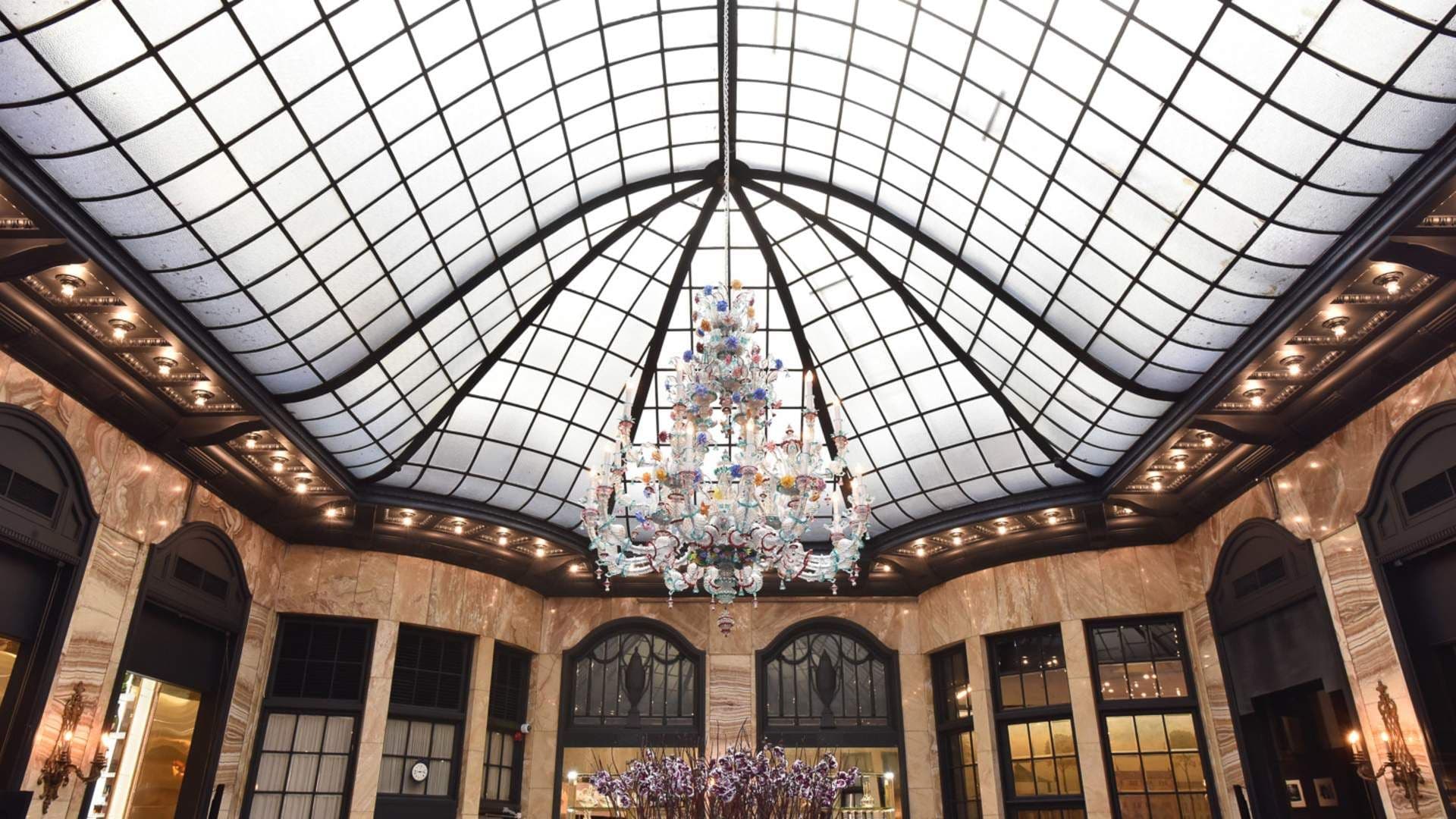
The Grand America Hotel is another strong option for large corporate events when you want a hotel-based format.
For large programs, written details matter more than broad claims.
Examples to start your comparison. Each venue confirms its price in writing before you book.
Registration flow, plenary space, breakout routing, supplier access, and loading access.
The room list for your layout, access limits, and any restrictions on décor or sound.
Which halls or galleries are included, catering rules, and whether the venue closes to the public for your event.
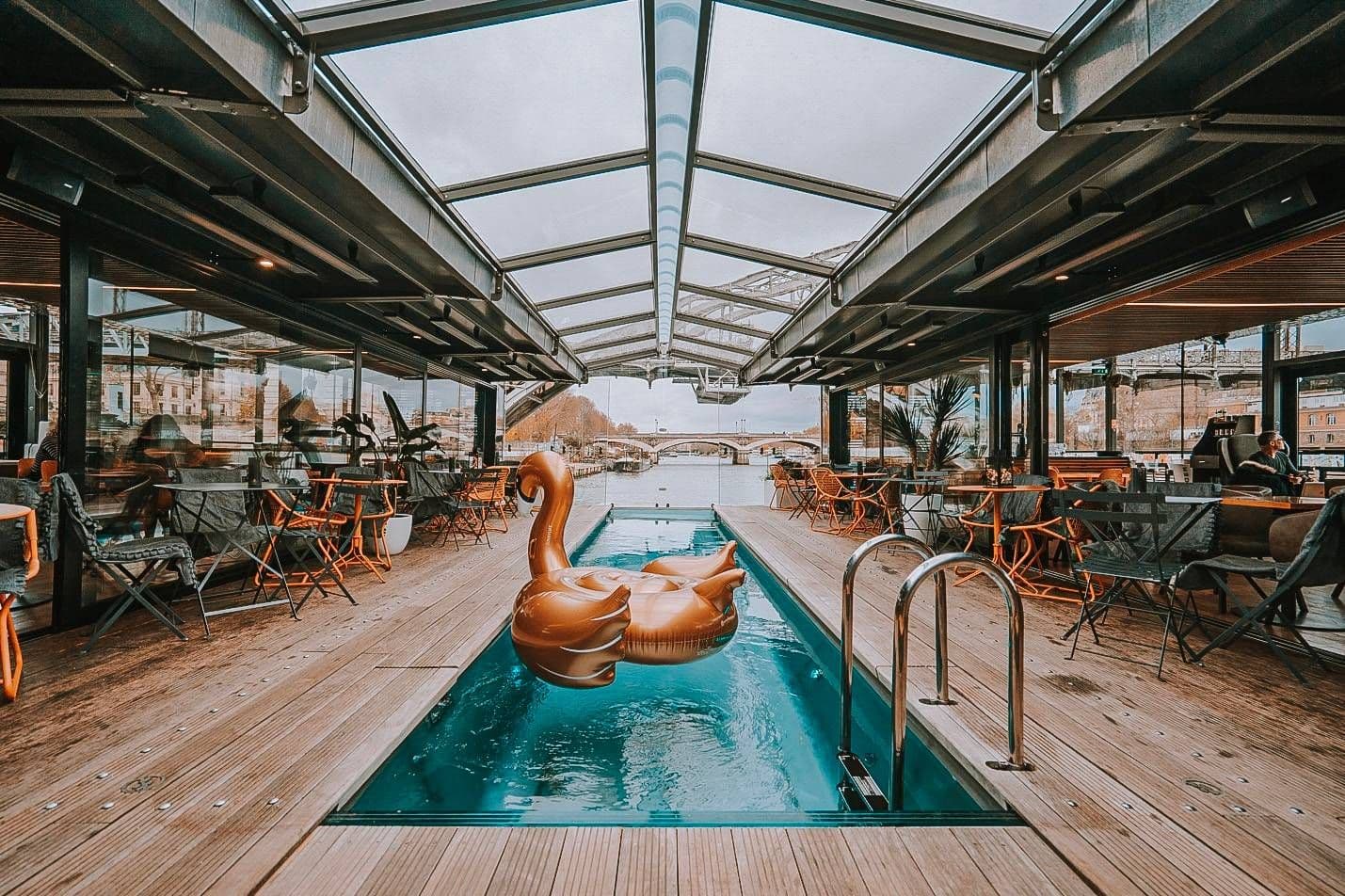
When you need a room for a large group, ask for verified capacity from the venue source itself. That is the only reliable way to compare spaces without guessing about how the room will perform for your layout.
The best high-capacity space is the one that matches your agenda without forcing workarounds.
One brief, comparable proposals, one point of contact.
Tell Naboo the format, guest count, dates and neighborhood preferences for your Salt Lake City event.
Shortlisted venues reply with proposals that use the same line items, so room rental, catering, labor and equipment sit side by side. Each venue confirms its price in writing before you book.
Naboo handles the booking with one point of contact and one invoice per event. With a framework contract, procurement also gets one vendor of record.
| Row | Booking venues on your own | With Naboo |
|---|---|---|
| 01 | A different quote format from every venue | One brief, comparable proposals with clear line items |
| 02 | Prices that can change before you sign | Each venue confirms its price in writing before you book, and the price we confirm is the price you pay |
| 03 | Fees that show up late in the process | Fees and service charges shown line by line in the proposal |
| 04 | Rates that may be higher than booking direct | Prices never higher than booking direct |
| 05 | Several contacts and invoices to chase | One point of contact and one invoice per event |
| 06 | Terms negotiated again for every event | With a framework contract: one vendor of record and negotiated terms per contract |
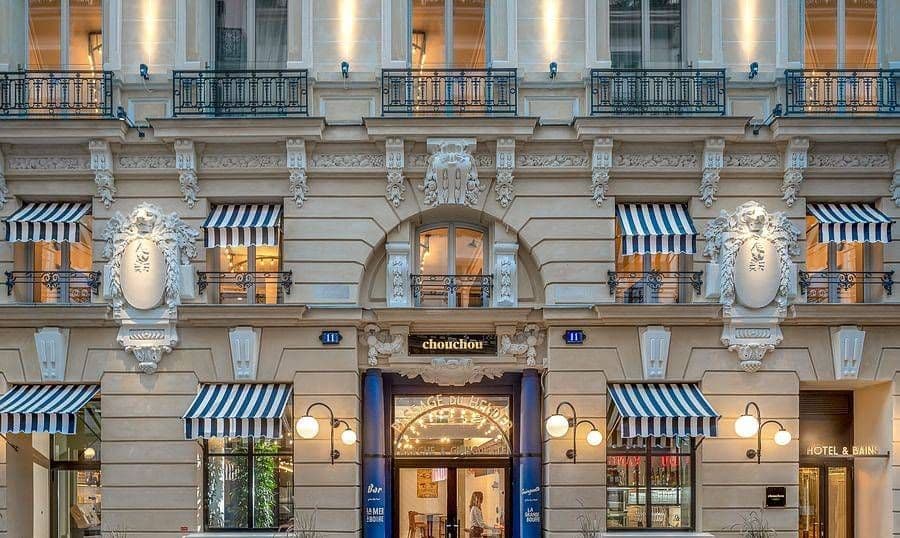
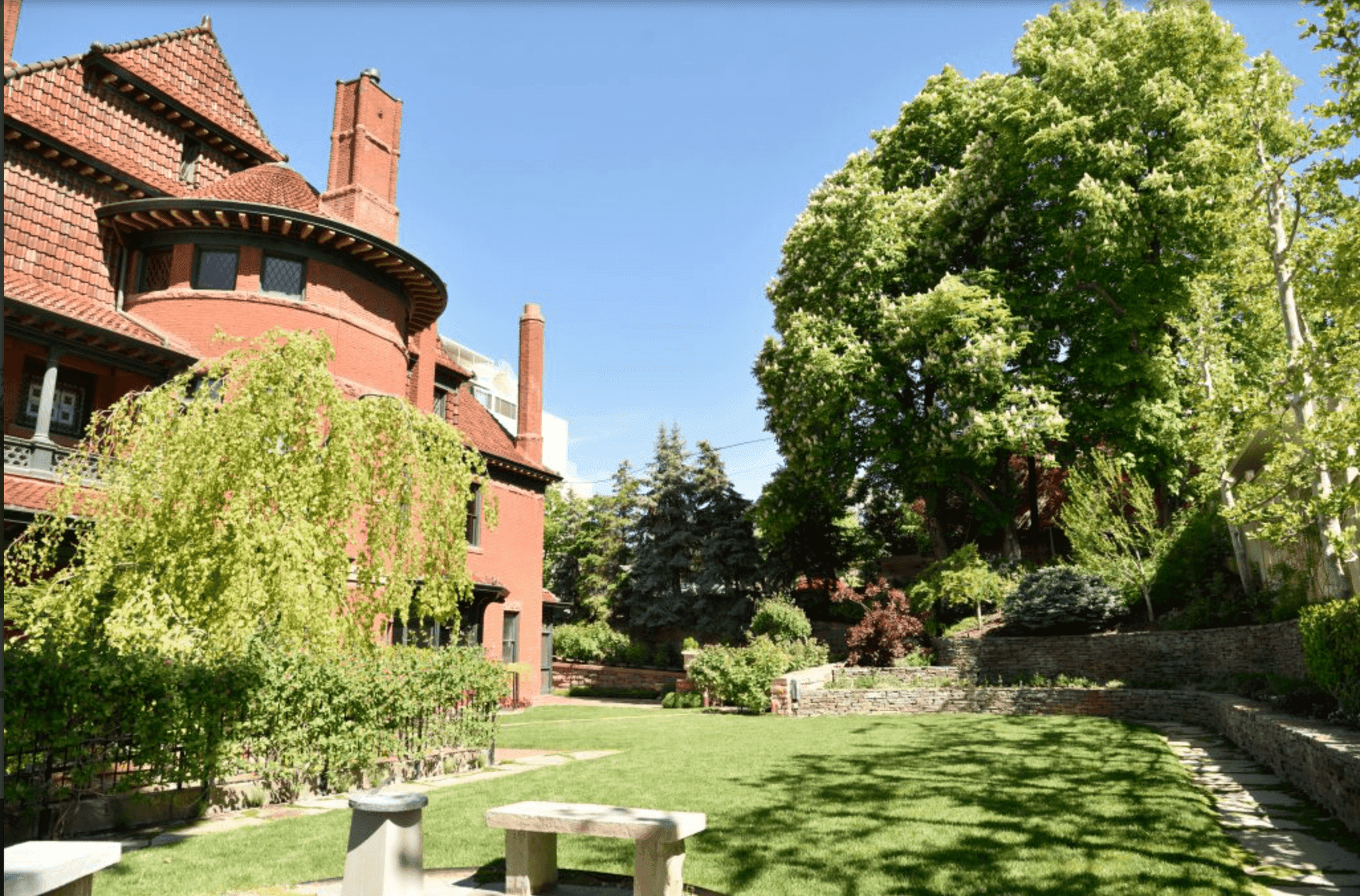
If the goal is a memorable event, look beyond standard meeting rooms. A museum or garden can give your program a stronger sense of place while still supporting business goals.
Distinctive spaces work best when the operational details are clear.
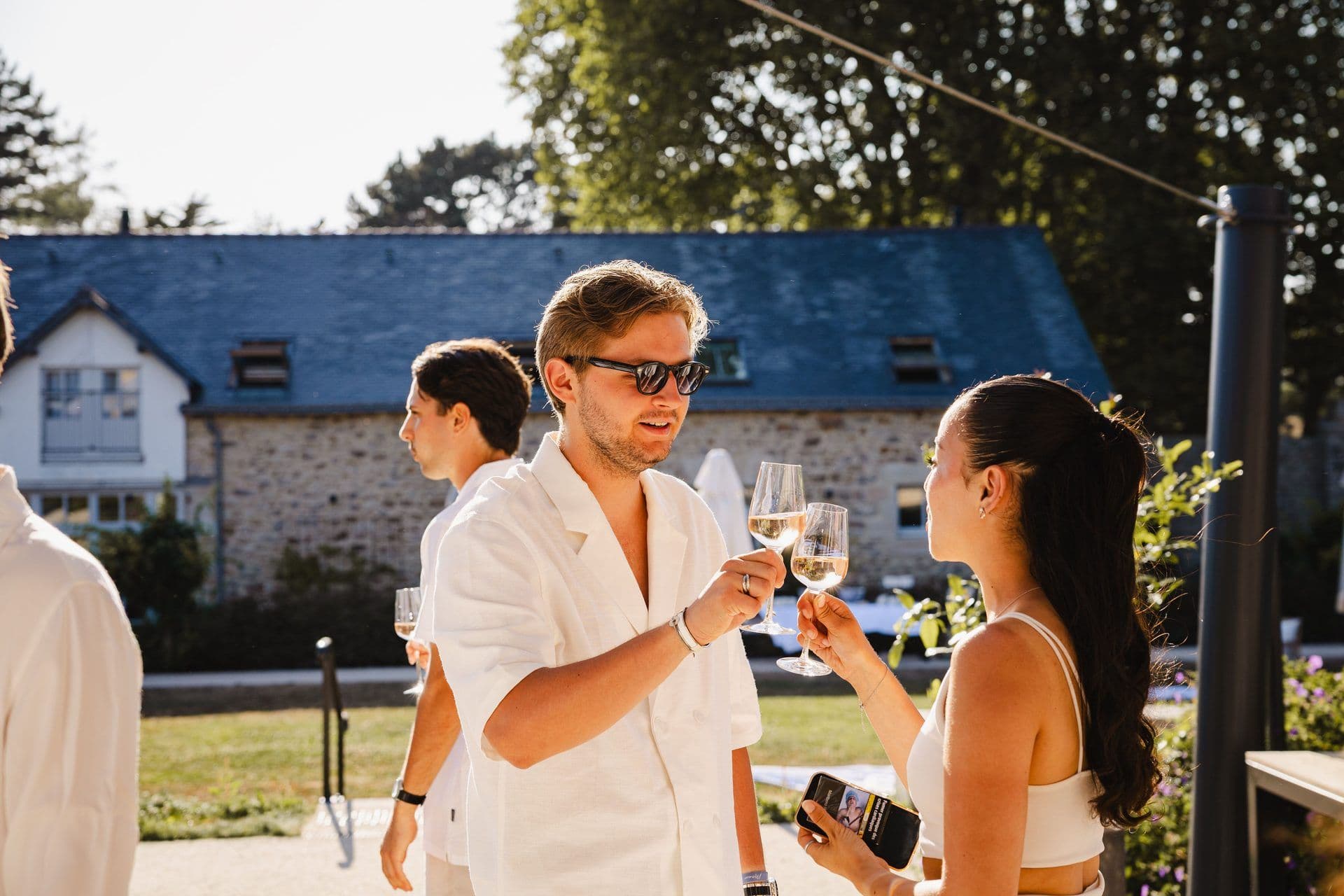
Outdoor programs need more planning than indoor meetings because the venue and the contract must spell out responsibilities. That includes season, weather, and who handles each part of the setup. Outdoor events are easier to manage when responsibilities are written down.
Ask the venue to confirm seasonal availability and any limits that apply during your preferred dates. Outdoor space should be reviewed with the expected weather pattern in mind, not just the look of the setting.
The contract should state who handles permits, approvals, and related responsibilities. Public events require a permit from Salt Lake City. Naboo does not run venue operations, so those duties must be assigned clearly between the venue and the event team.
Every outdoor event should have a written contingency plan. That plan should cover shelter, seating changes, and how the program moves if conditions change. Event venues must comply with local health regulations.
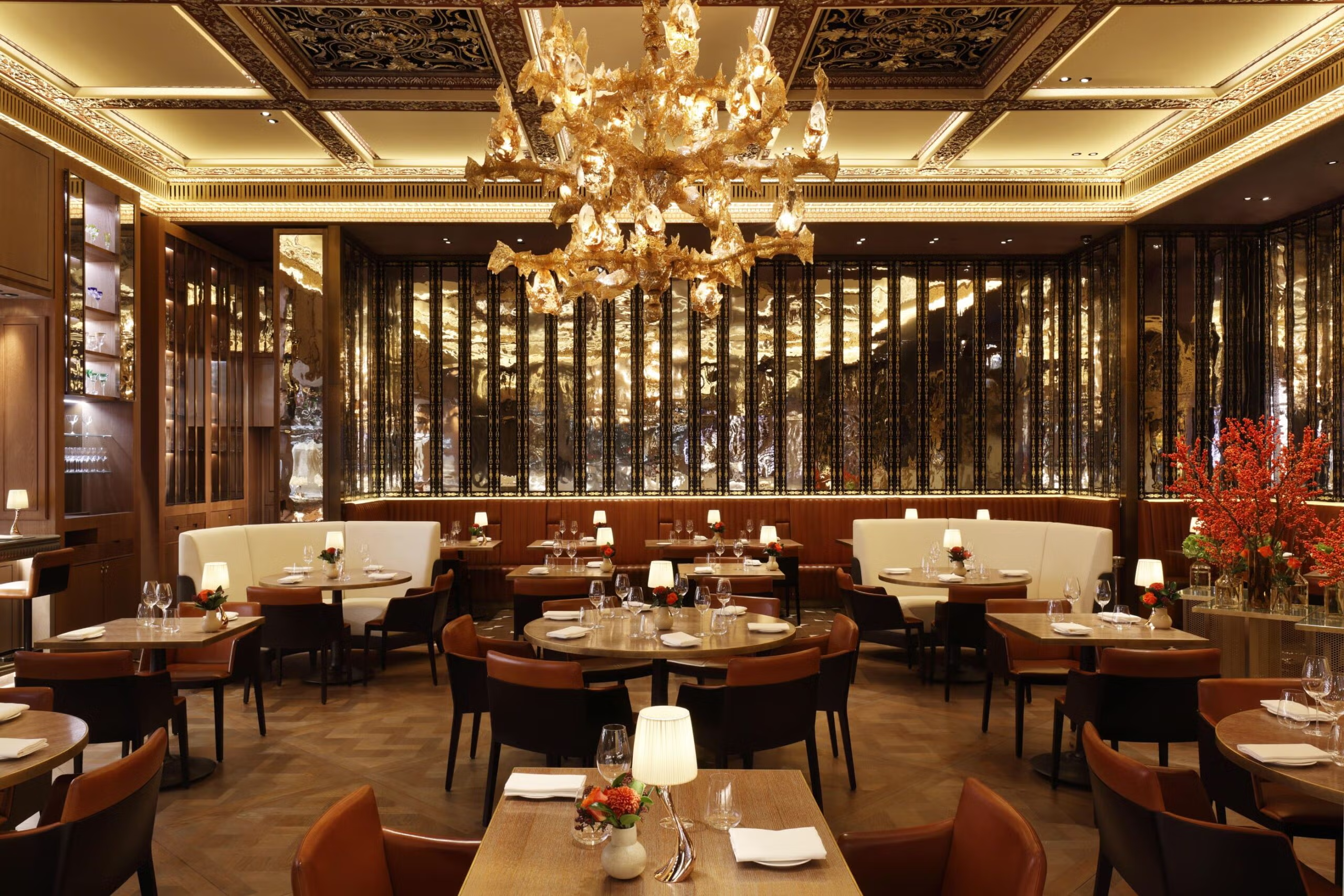
Executive gatherings need rooms that can shift between discussion, presentation, and private conversation. Flexibility matters just as much as finish and location.
A flexible room should support the meeting, not force the meeting to adapt to the room.
For central gatherings, start with transit-accessible venues near the city's main districts. Downtown Salt Lake City, Temple Square, The Gateway, Main Street, and Regent Street are all useful reference points when attendee travel matters, and the Utah campus can also be a useful location marker when citywide access is part of the brief.
Central locations are easier to approve when travel is part of the brief.
Salt Lake City International Airport connects to downtown by the TRAX Green Line, with rideshare and taxis also serving the airport. That gives planners a straightforward arrival path for attendees heading into the city center.
Downtown is compact and walkable, and UTA runs TRAX light rail, the S Line streetcar, FrontRunner commuter rail, and buses. Bus and TRAX rides are free inside the downtown free fare zone, which can help simplify short transfers between meeting spaces.
Salt Lake City gives corporate planners a few distinct areas to compare, depending on whether the priority is walkability, casual dining, or a more relaxed offsite setting. The best fit often comes down to how much movement you want to build into the program.
Downtown holds the convention center, hotels, restaurants, bars, and shops in a compact core. Many of those options sit within a short walk of the convention center, which keeps attendee movement simple.
The Gateway sits beside the convention district and offers shopping and dining close to the action. Attendees can reach restaurants and retail on foot from the convention center and nearby hotels.
Sugar House has tree-lined streets, boutiques, cafes, bars, and a large park, which gives it a more independent feel. It works well for casual dinners and small team gatherings away from the convention district.
The Granary District includes former storage buildings now used for restaurants, breweries, artist spaces, and food halls. It suits informal receptions and team outings when you want a less formal setting.
Salt Lake City has four seasons, with dry warm summers, chilly snowy winters, and moderate spring and fall. Spring and fall are often comfortable for meetings, while winter can bring ski season demand to nearby resorts.
Recurring city events such as Outdoor Retailer and FanX Salt Lake Pop Culture and Comic Convention can affect availability and rates. If your dates overlap with those periods, compare venue options early and ask for written pricing before you decide.
A few local rules can shape how you plan an event here.
Pricing should be reviewed line by line, not in broad terms. Ask for itemized proposals so you can see the base rental, service charges, and any added costs before approval.
Clear contracts are easier to approve than vague estimates.
Tell Naboo the format, guest count and dates for your event in Salt Lake City, then compare itemized proposals from vetted venues for your next gathering, with one point of contact and one invoice per event.
Ask for verified capacity by layout, not a single headline number. Request written details on AV, catering, access, and any venue restrictions. Use one brief to compare proposals side by side before you choose.
Start with the agenda, then check whether the room supports presentations, breakouts, dining, and a business meeting. Confirm accessibility, transit access, and nearby hotel options for your company meeting or next meeting. Ask for clear line items so procurement can compare the full cost.
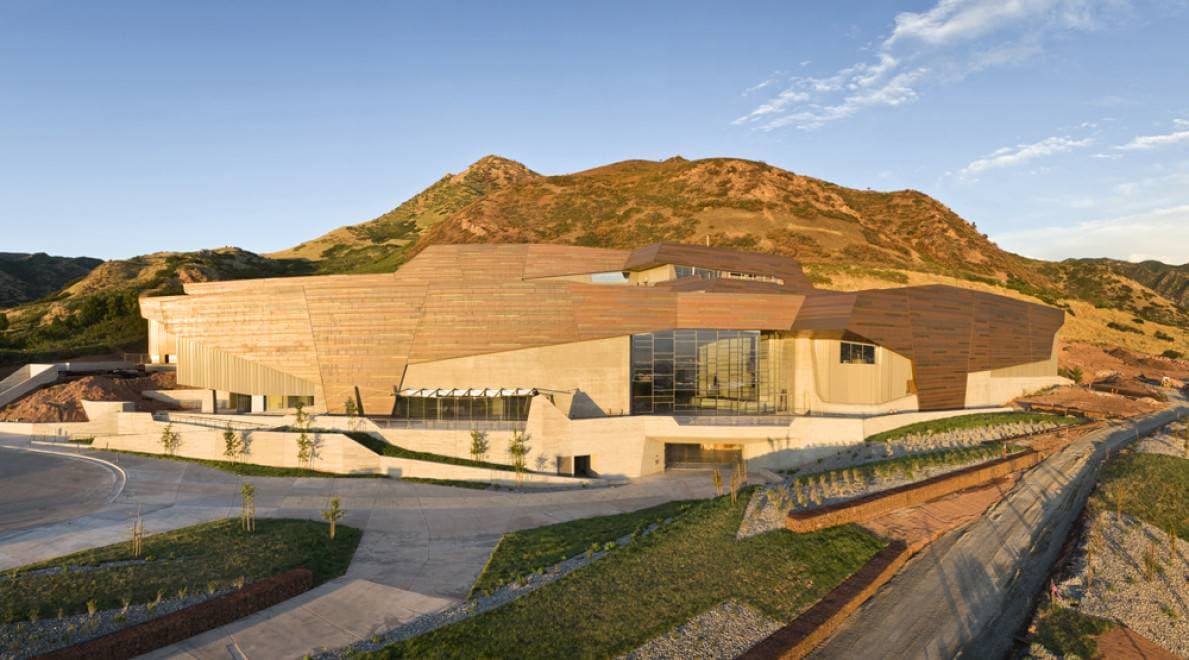
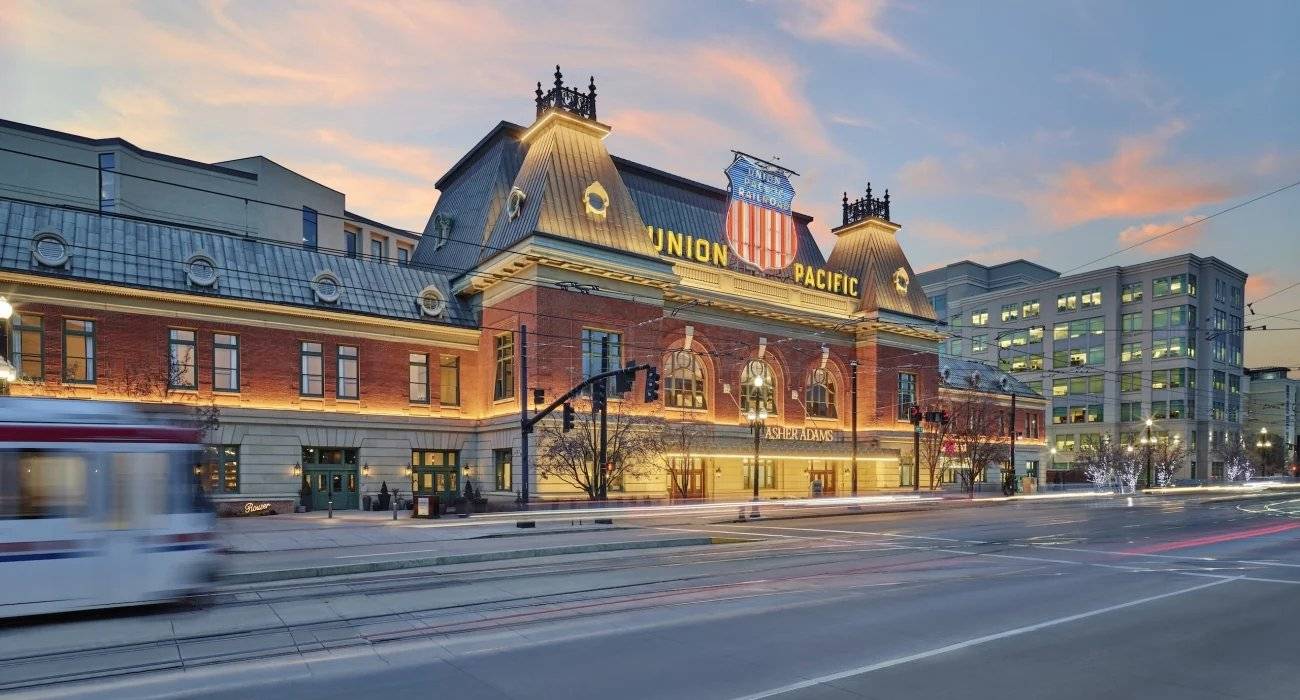
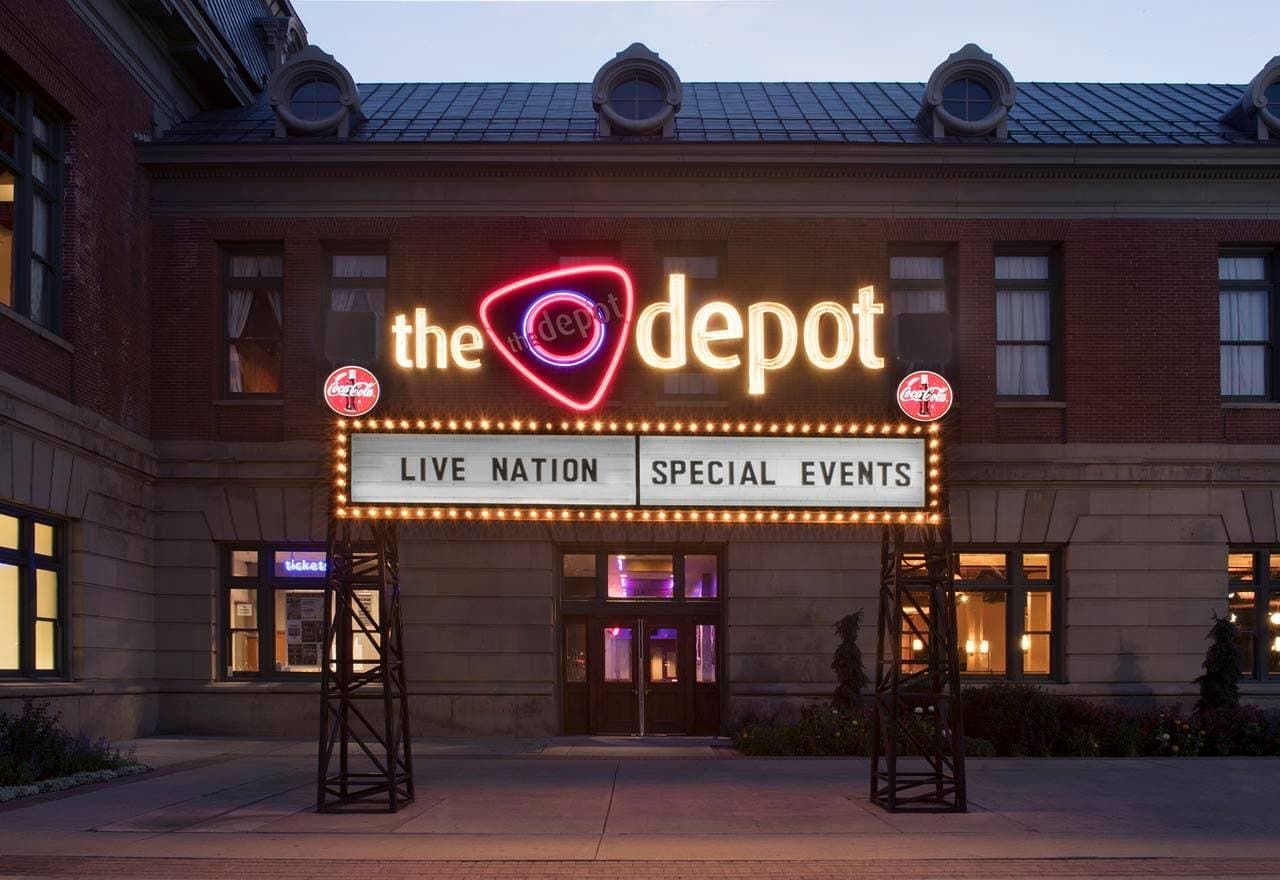
A large convention center is the main large-format option in the city. A historic train station can work well for programs that need a more distinctive setting. Natural History Museum of Utah is useful for receptions and plenary sessions.
Confirm seasonal availability and weather backup plans in writing. Review how the venue will manage service, seating, and shelter if conditions change.
One brief can produce comparable proposals for your next event with clear line items. Each venue confirms its price in writing before you book, and the price confirmed is the price you pay. You also get one point of contact and one invoice per event, with framework contract support for large groups.
The TRAX Green Line runs from the airport terminal to downtown. Rideshare and taxis also serve the airport, so planners have multiple transfer options.
Yes. The convention district is downtown itself, with hotels, restaurants, shopping, and TRAX stations within a short walk of the convention center.
A permit is required for events on city property, including road closures, but not for events entirely on private property. If your setup uses public streets or barricades, check the permit process early.
From the venue to the logistics, we handle it all.
Lodging, catering, activities and spaces in one quote.
Proposals with clear line items, side by side.
Clear pricing, no hidden fees.

November 17, 2026

November 12, 2026

November 12, 2026

November 12, 2026

November 12, 2026

November 12, 2026