Turnkey
For your Boston event, we handle the venue, logistics, and suppliers from brief to day of.
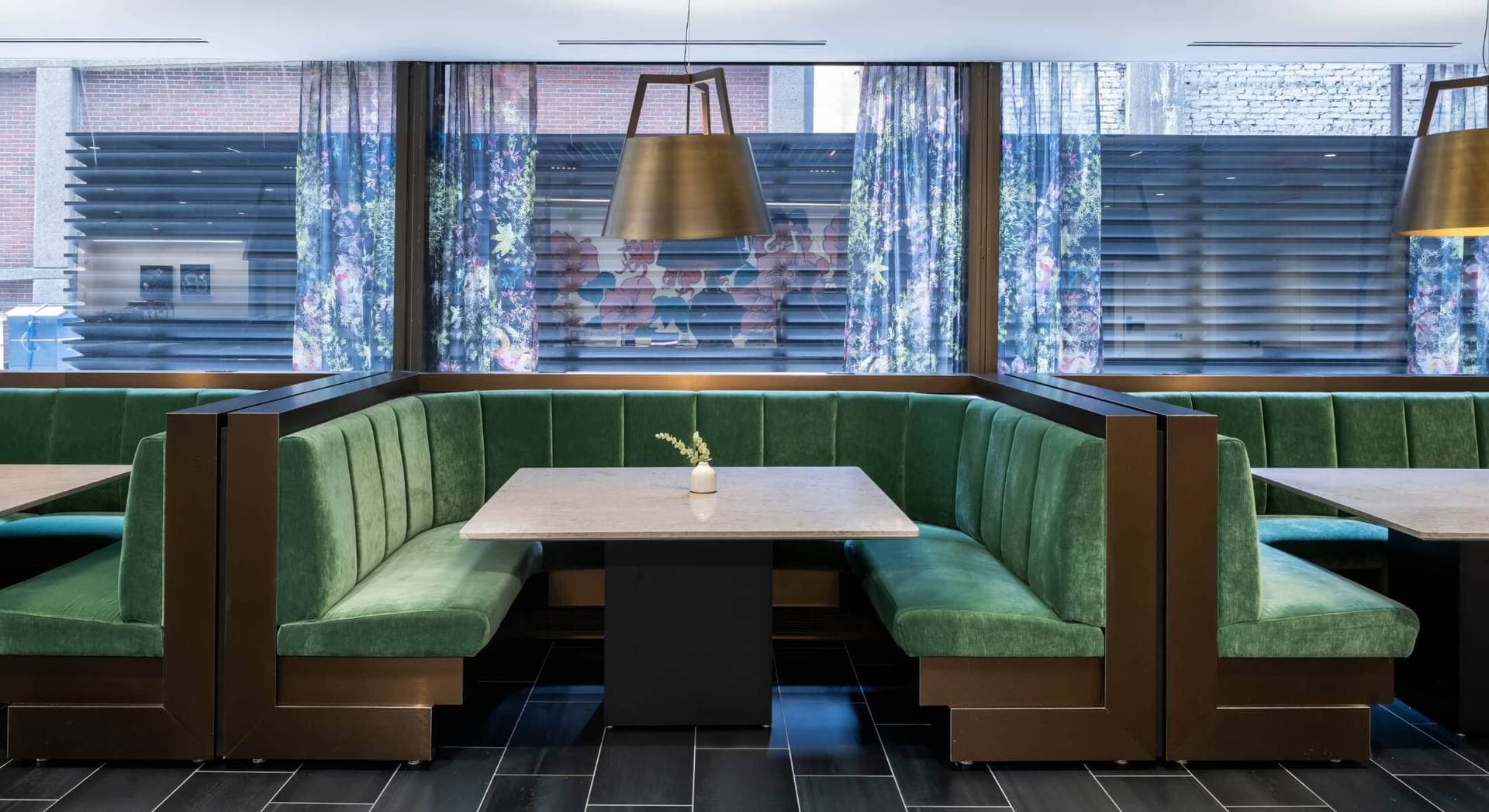
10 workspaces
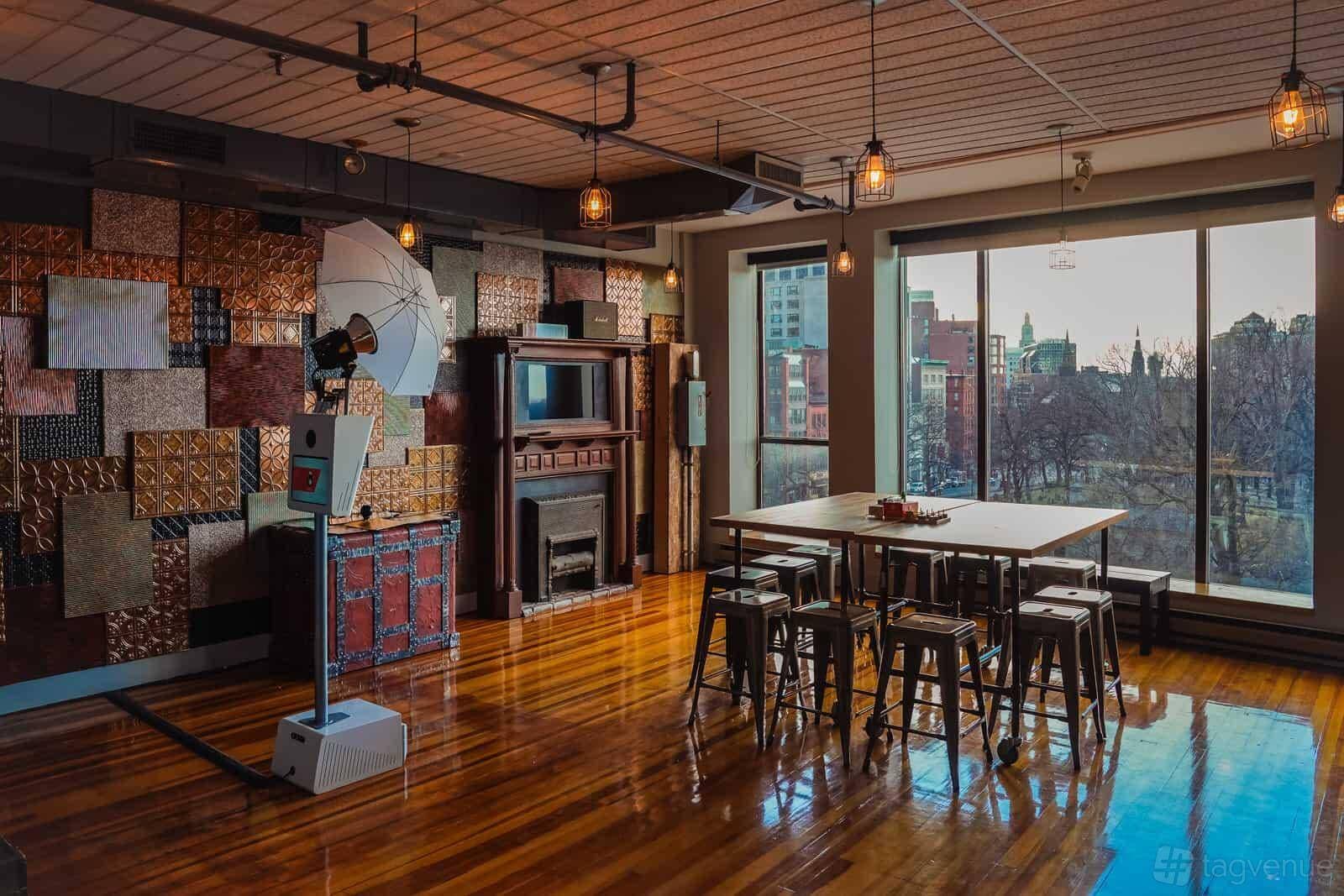
2 workspaces
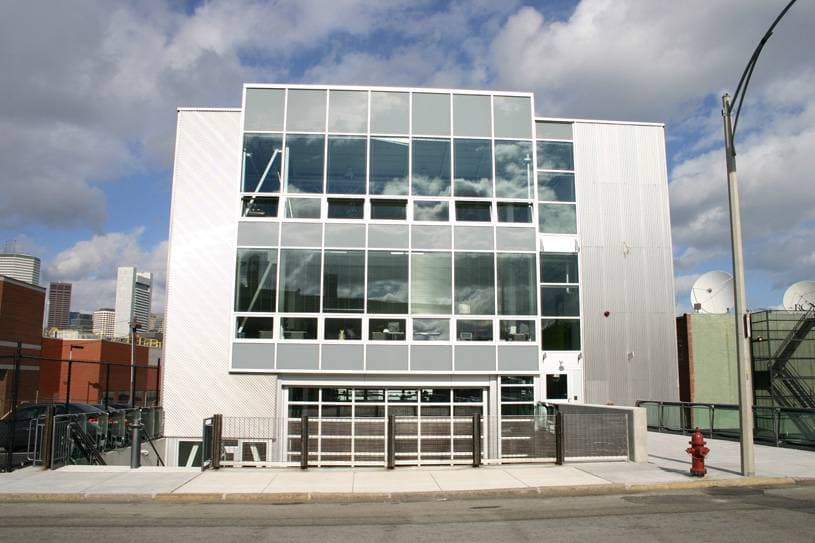
800 maximum · 1 workspace
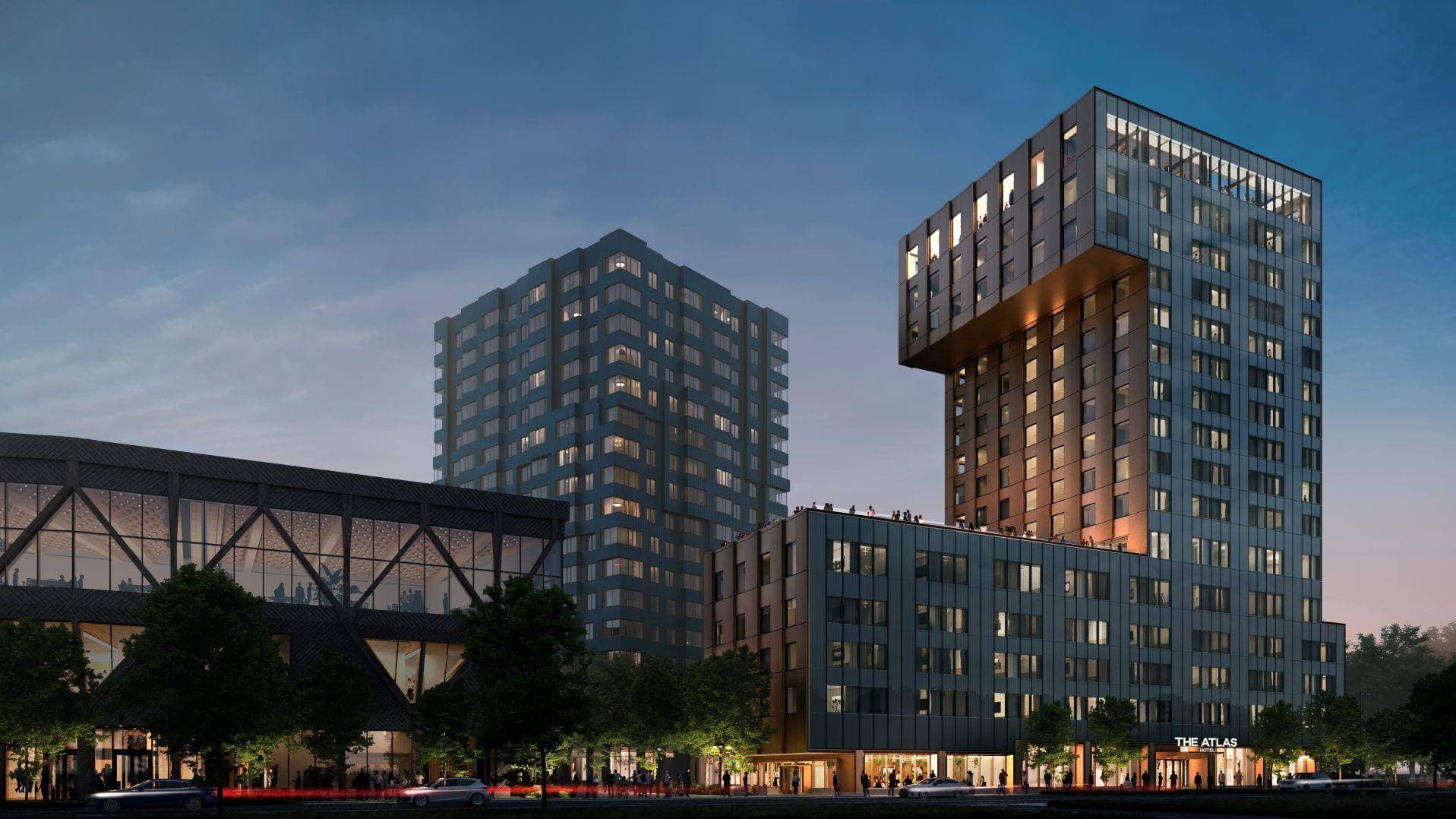
246 maximum · 7 workspaces
3500 maximum · 1 workspace
3 workspaces
7 workspaces
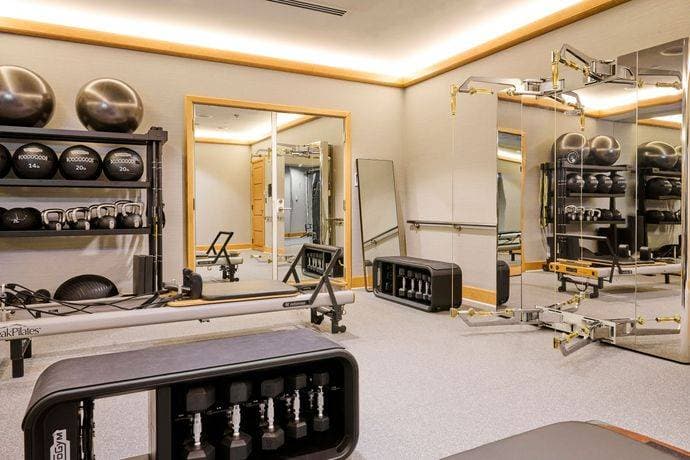
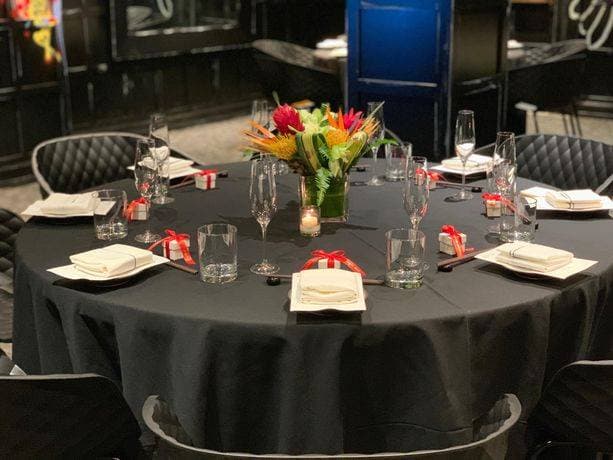
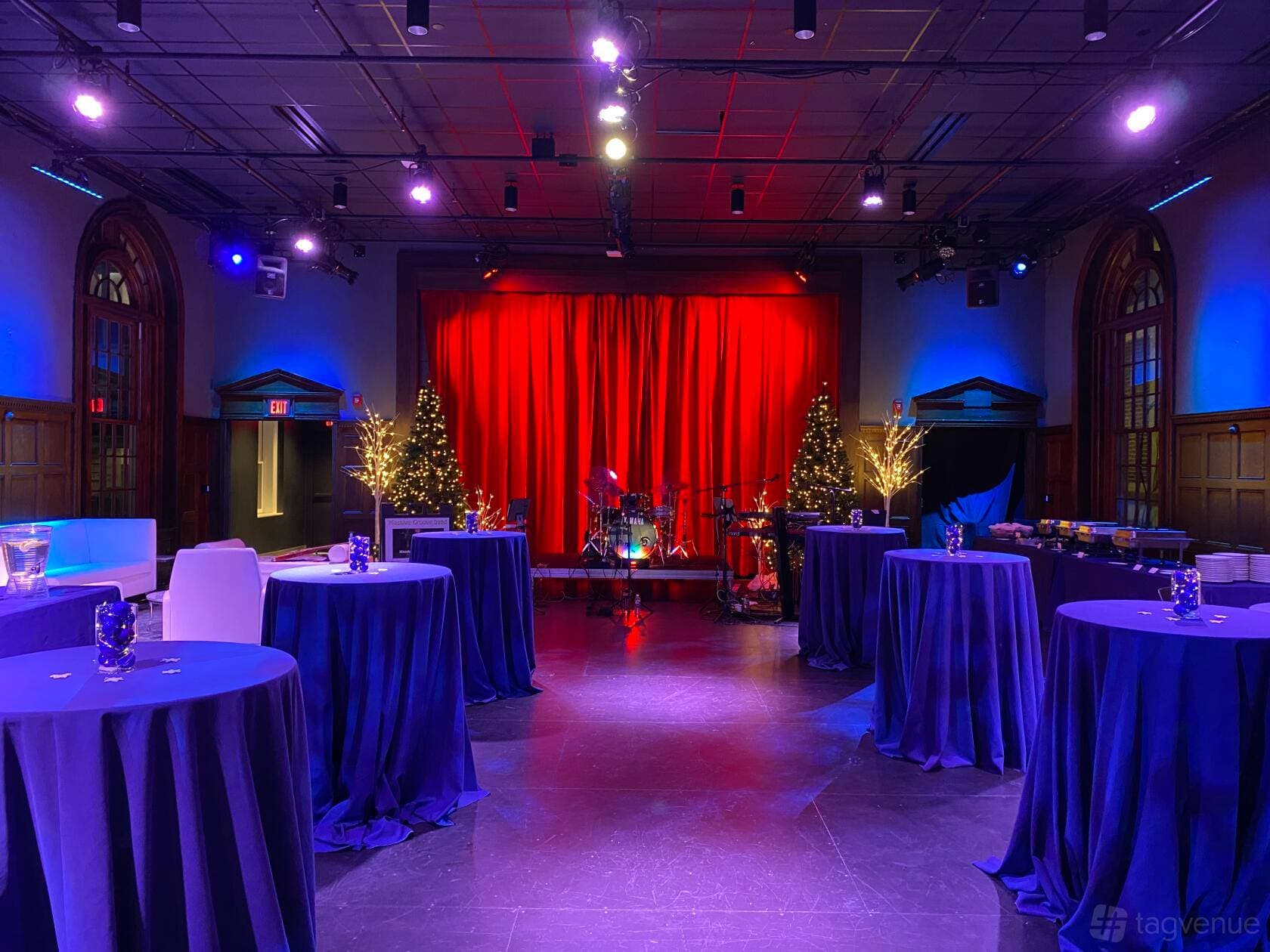
2 workspaces
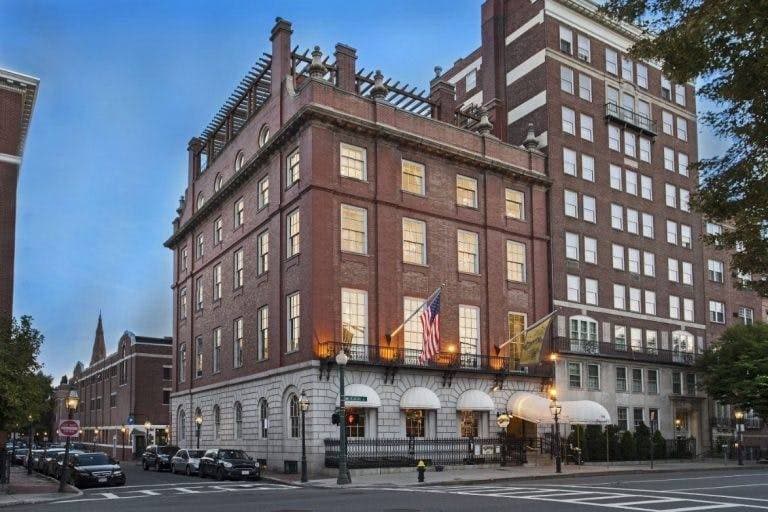
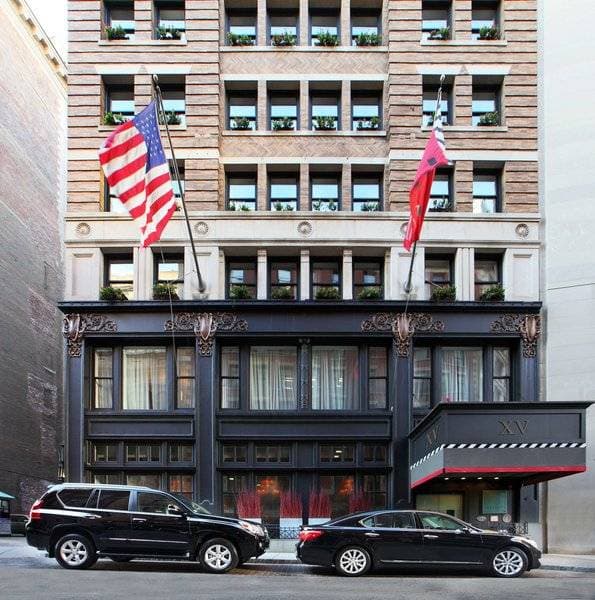
126 maximum · 1 workspace
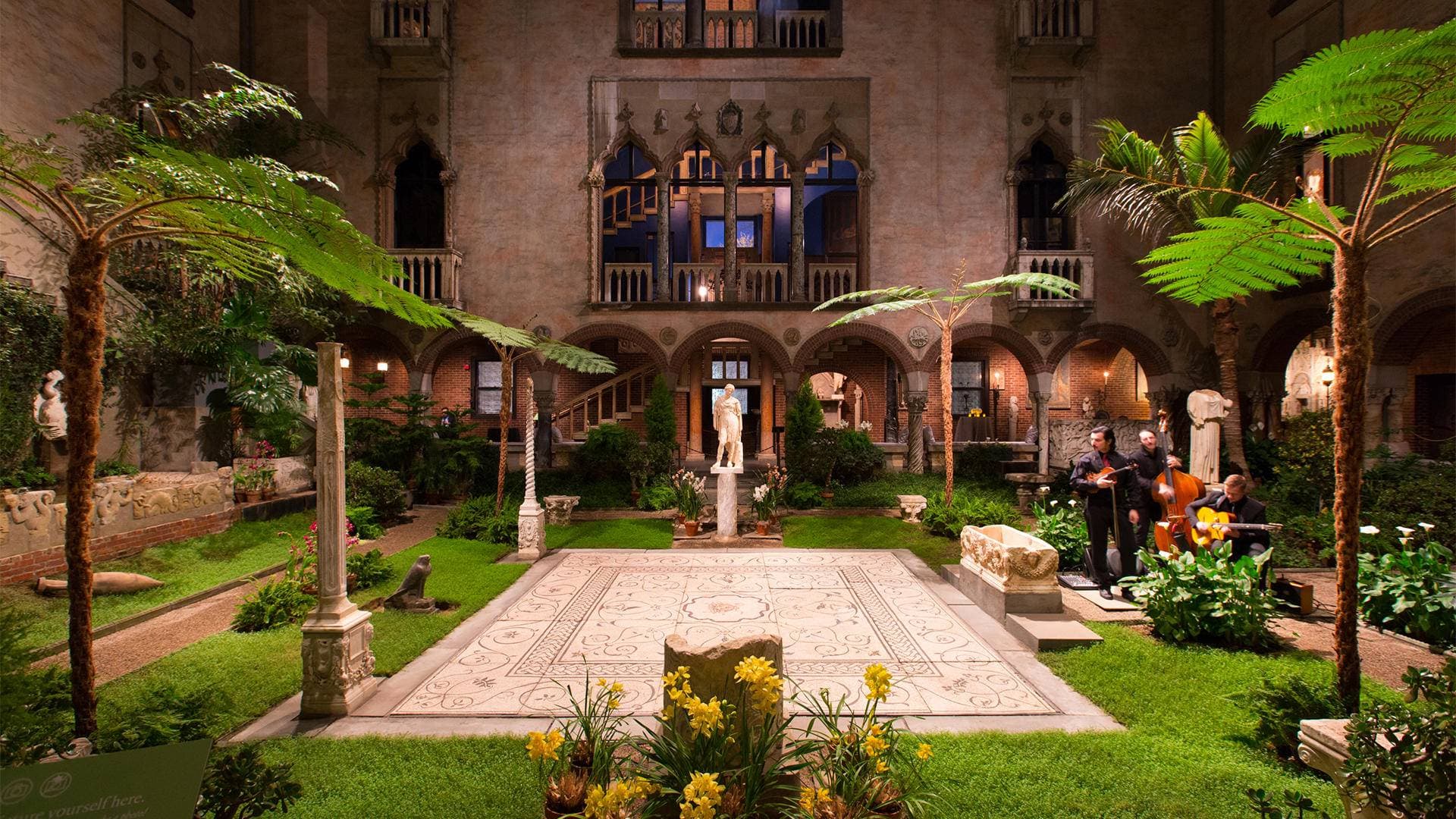
150 maximum
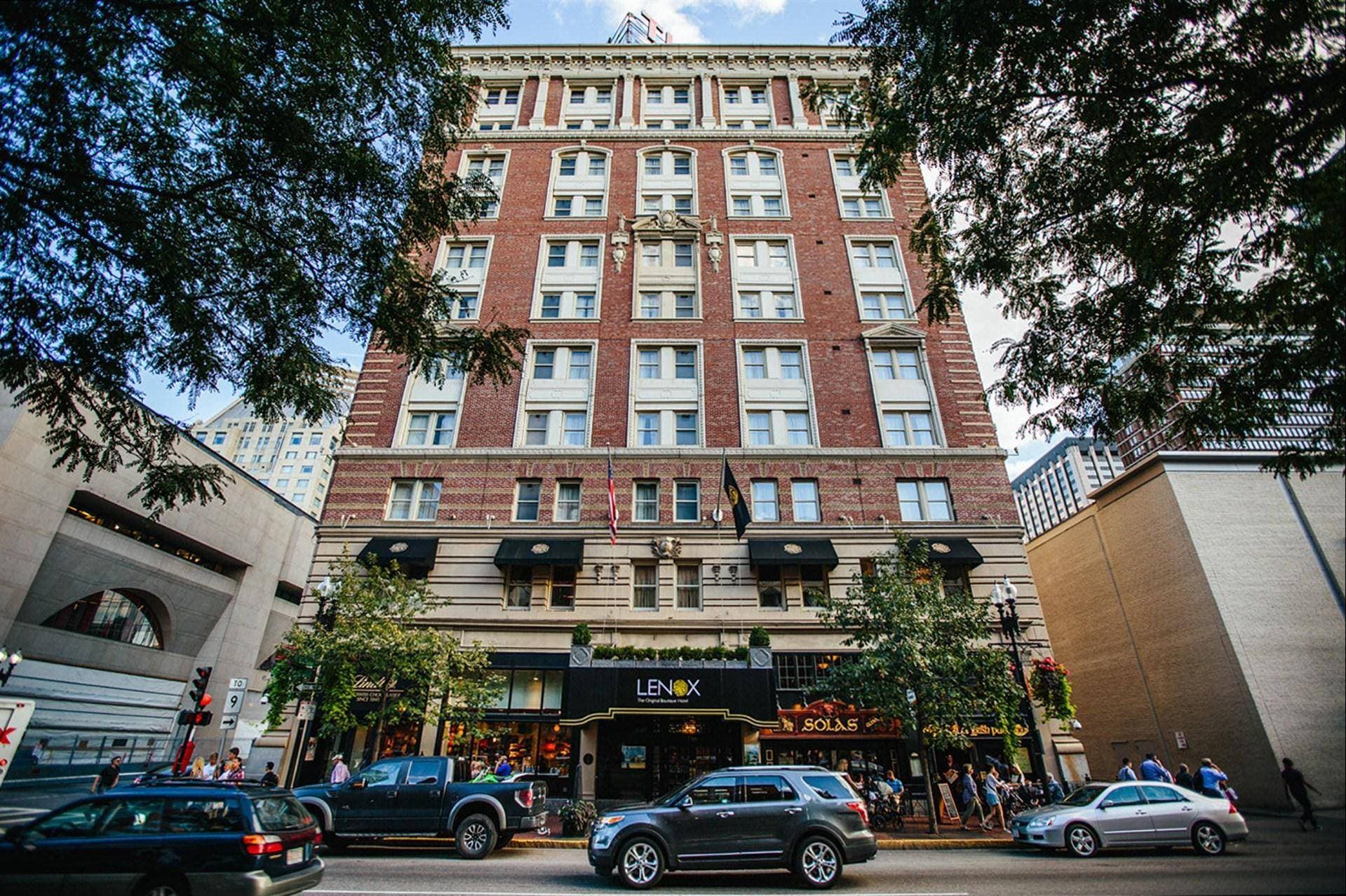
214 maximum · 6 workspaces
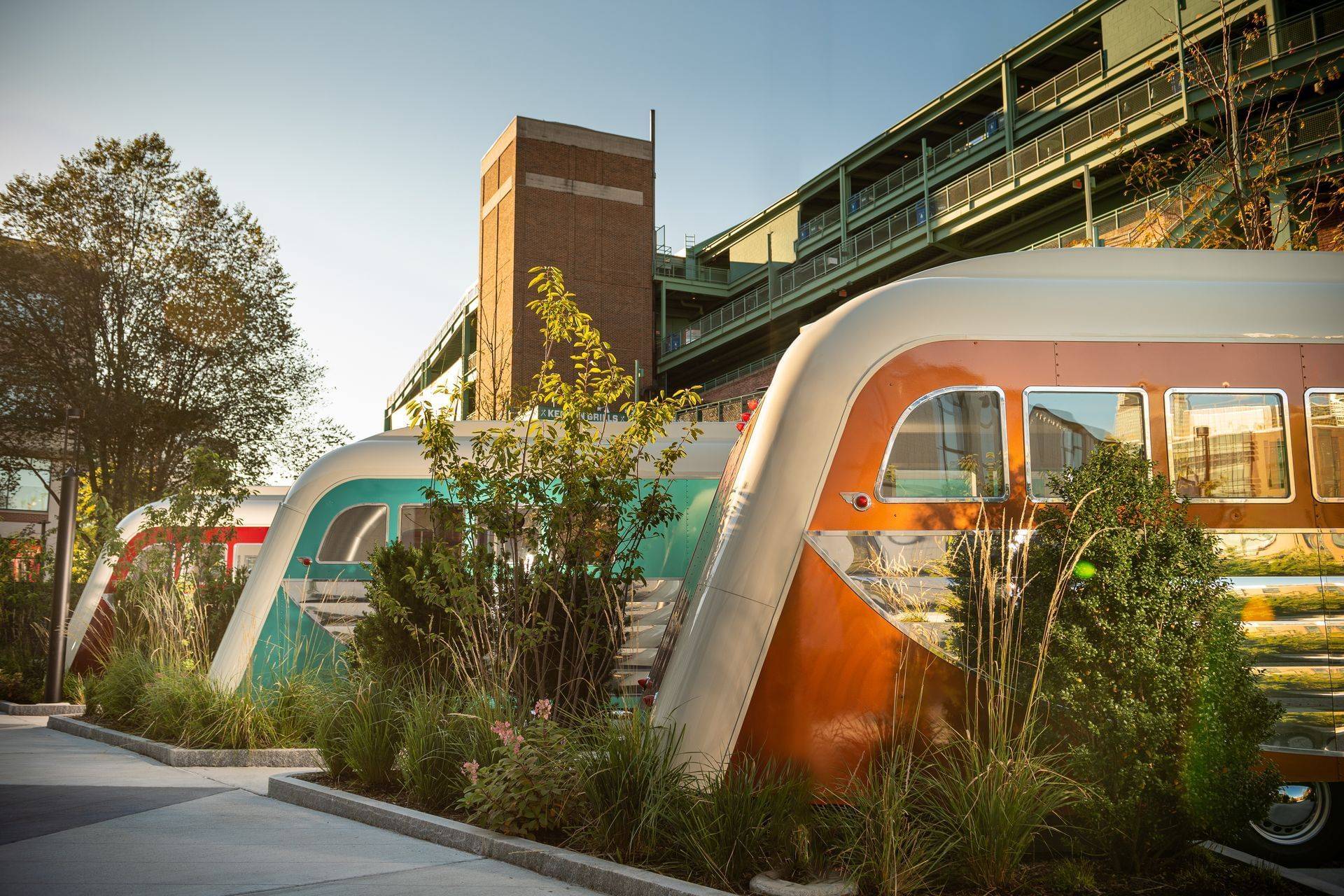
103 maximum
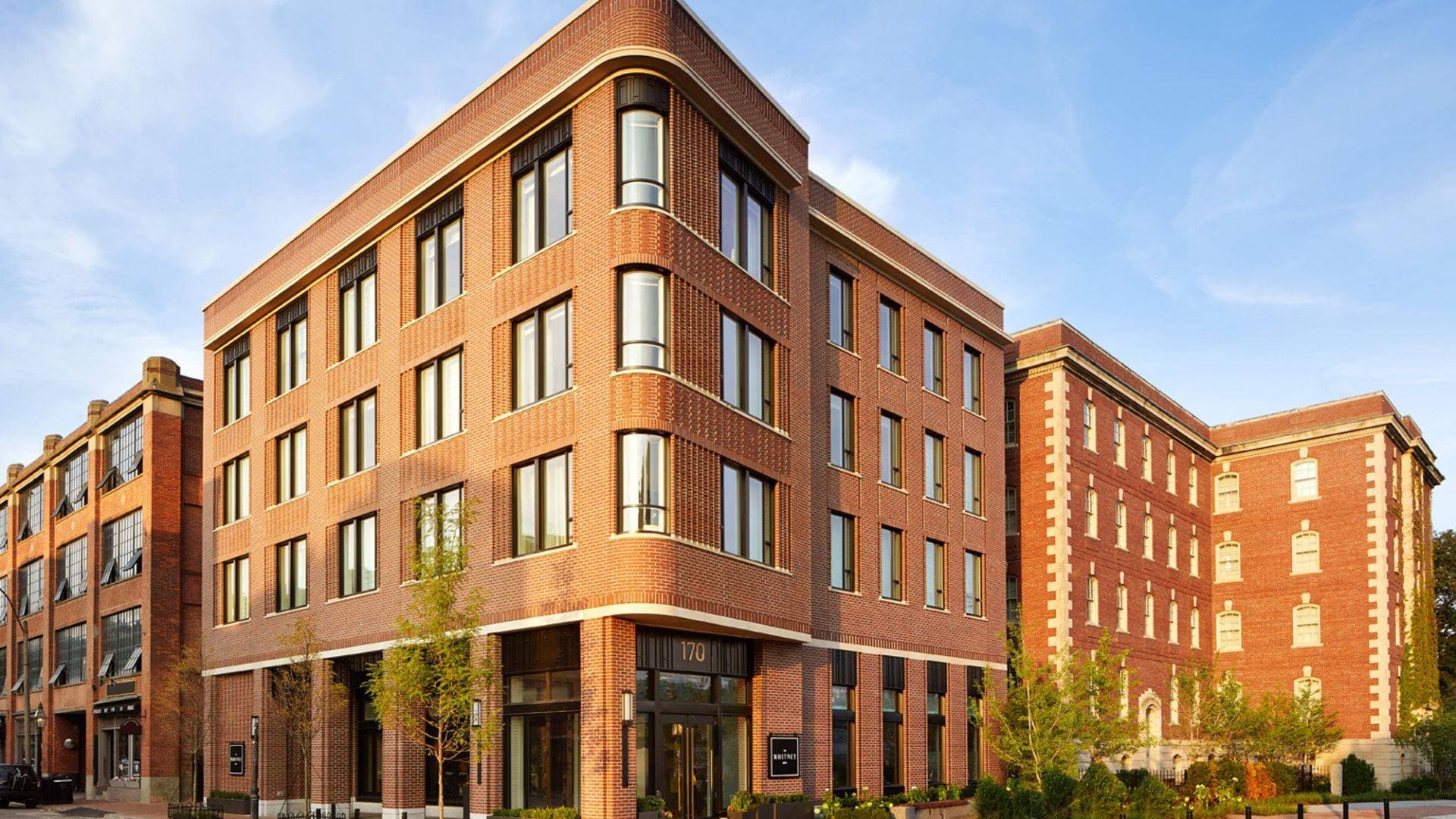
130 maximum · 1 workspace
FromUSD 404/night
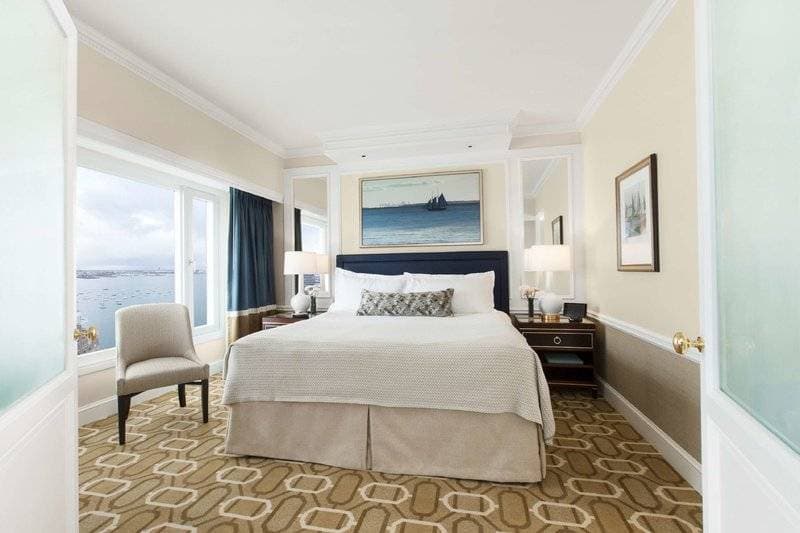
460 maximum · 1 workspace
FromUSD 805/night
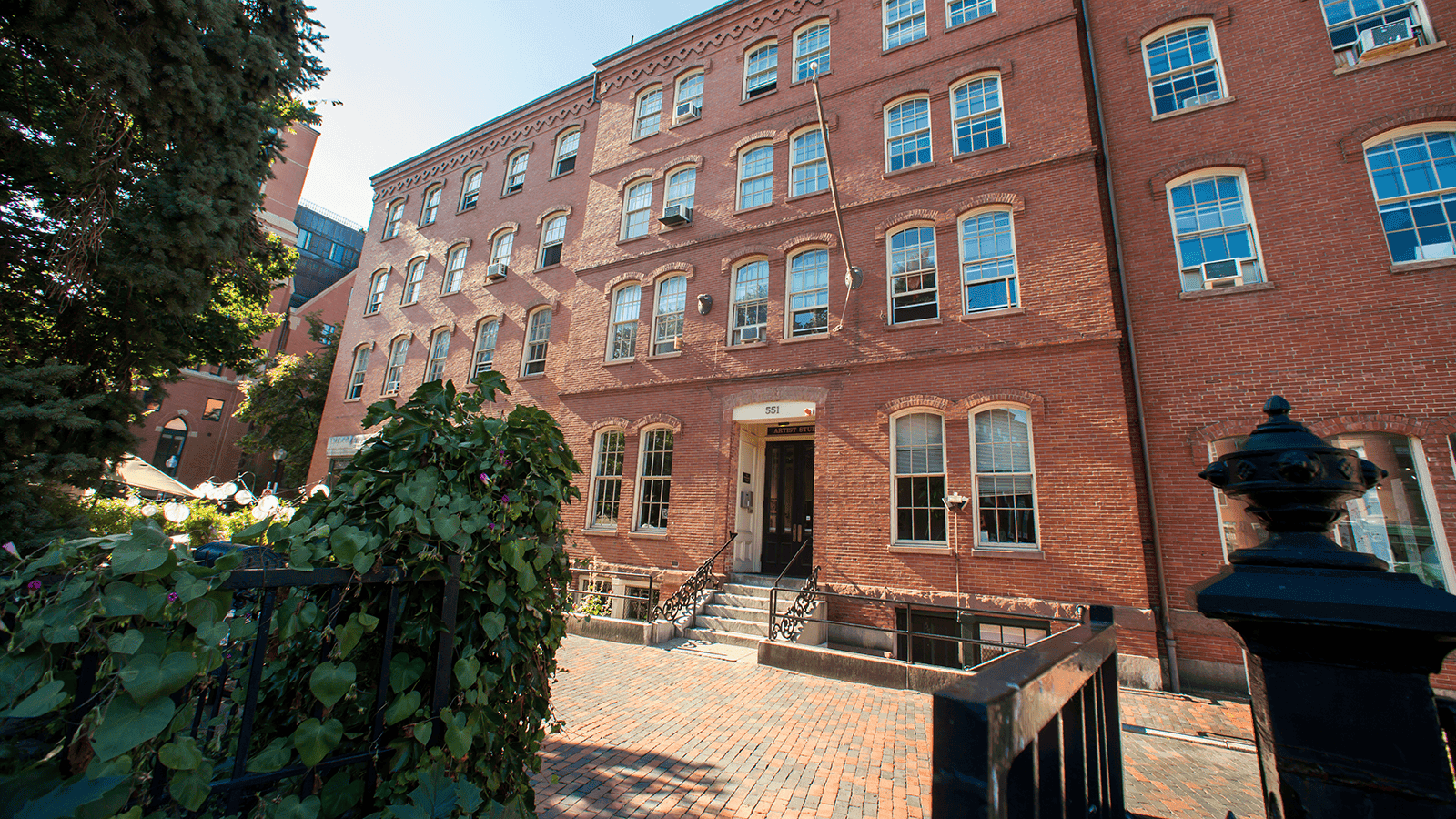
1 workspace
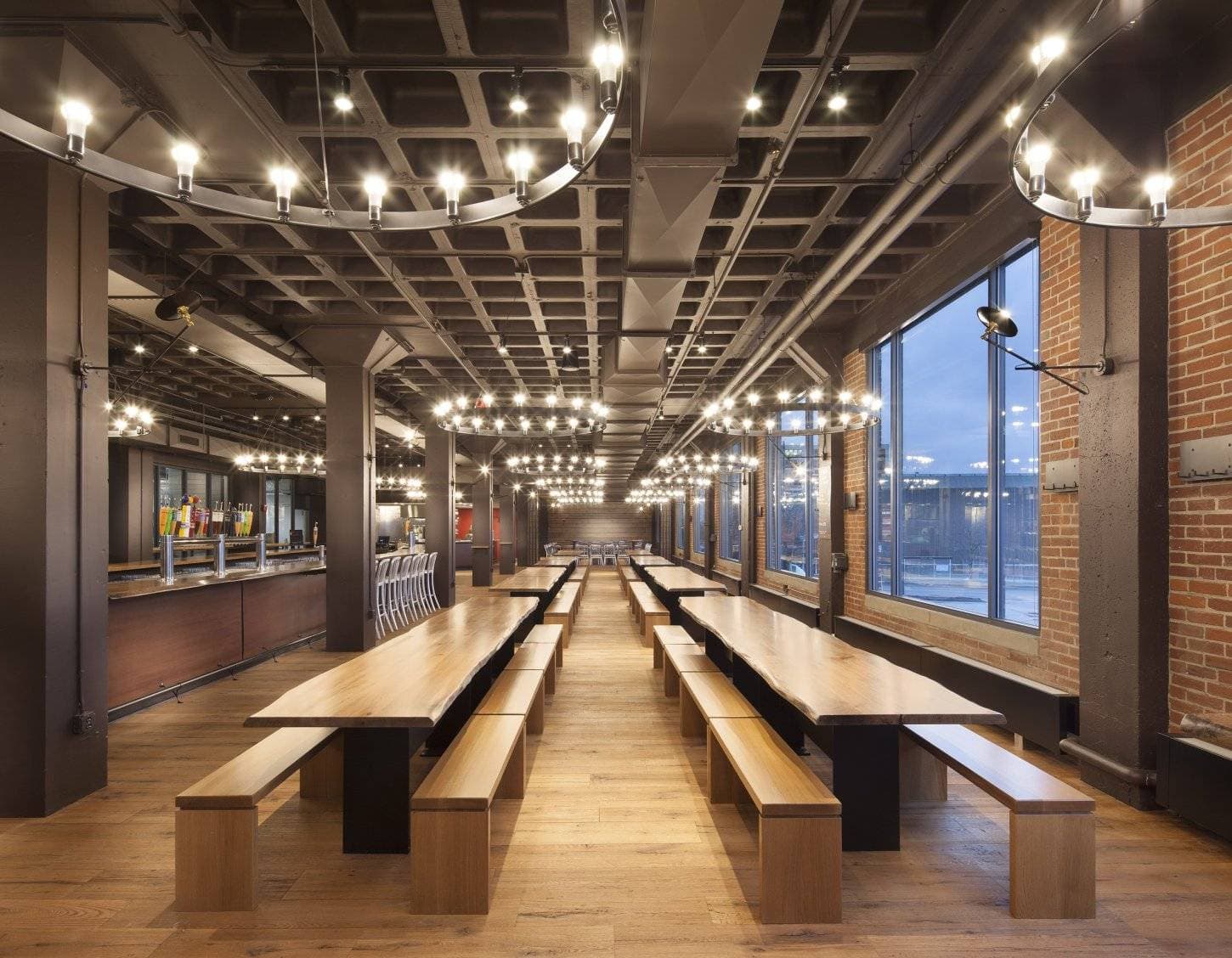
400 maximum · 1 workspace
Answer a few quick questions and get venue suggestions for your next event
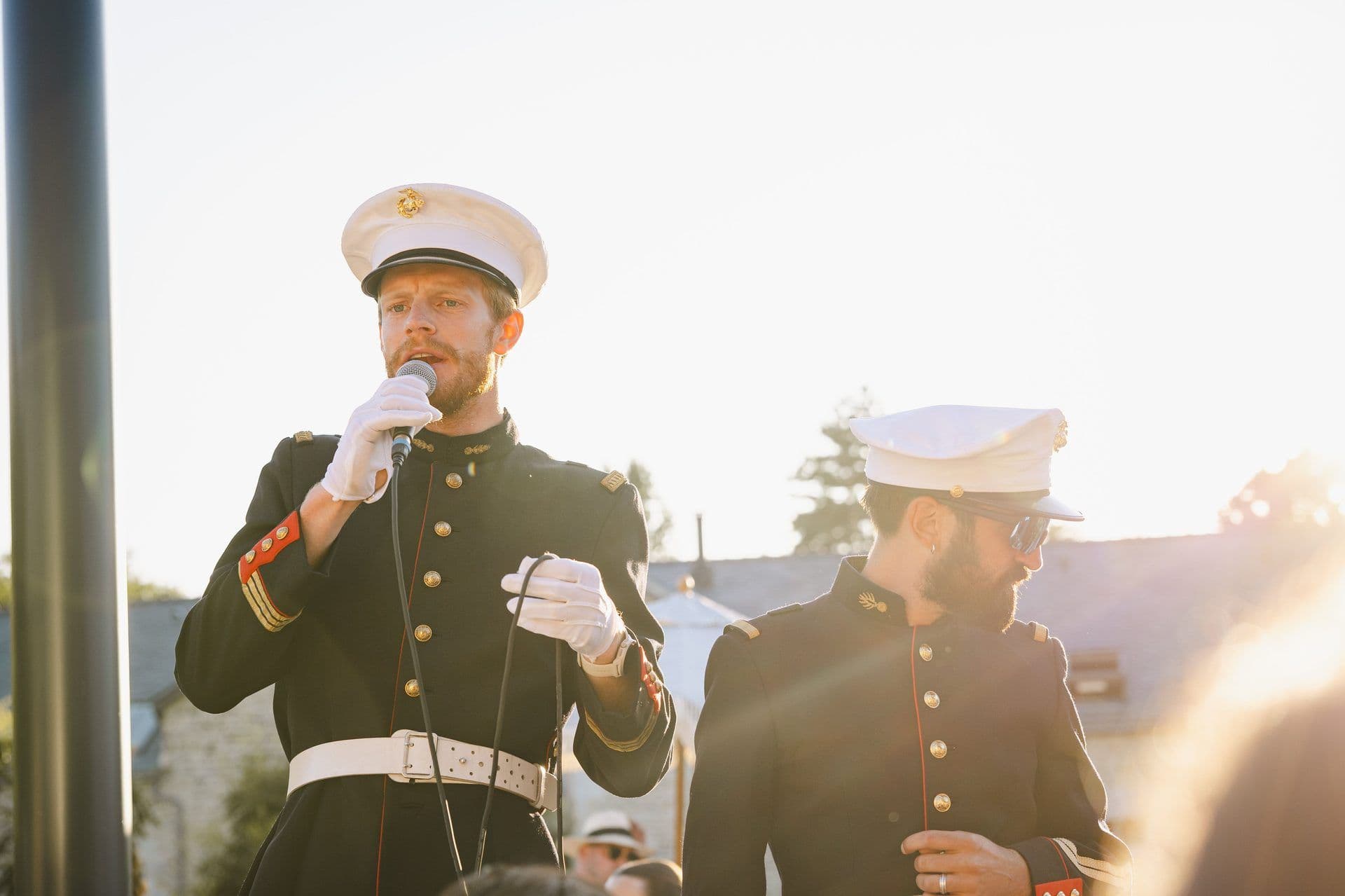
Over 500,000 employees have experienced a Naboo event








For your Boston event, we handle the venue, logistics, and suppliers from brief to day of.
One quote can cover the venue, catering, AV, activities, and lodging in a single view.
Our AI generates quotes almost instantly, and we get back to you in under 12 hours.
You get itemized pricing and one invoice, so your Boston event stays easy to track.
Boston offers a historic downtown, waterfront options in the Seaport, and a steady stream of universities and life-science teams. That mix keeps corporate planning active all year.
We book event venues in Boston for groups of up to about 190, with a network of about 570 venues in Suffolk County. This page also serves as a practical guide to help you evaluate the right fit for evening events, offsites, meetings, and client-facing gatherings.
about 570
venues in Suffolk County
venues in the Naboo network across Suffolk County
about 2 in 3
evening events
Boston bookings that are evening events
about 75
median group size
median size for Boston bookings so far
about 190
largest Boston event
largest group size booked in Boston
From a focused offsite to a lively holiday party, the format changes the room. Our blog helps you compare the options, but the real test is simple: does it fit your guests?
We look at meeting-ready spaces, hotel meeting rooms, and quieter restaurants when the goal is work, not theater. Raffles Boston suits an overnight offsite when you want rooms, meetings, and dinner in one place. That saves your team from the classic scavenger hunt for the breakout room.
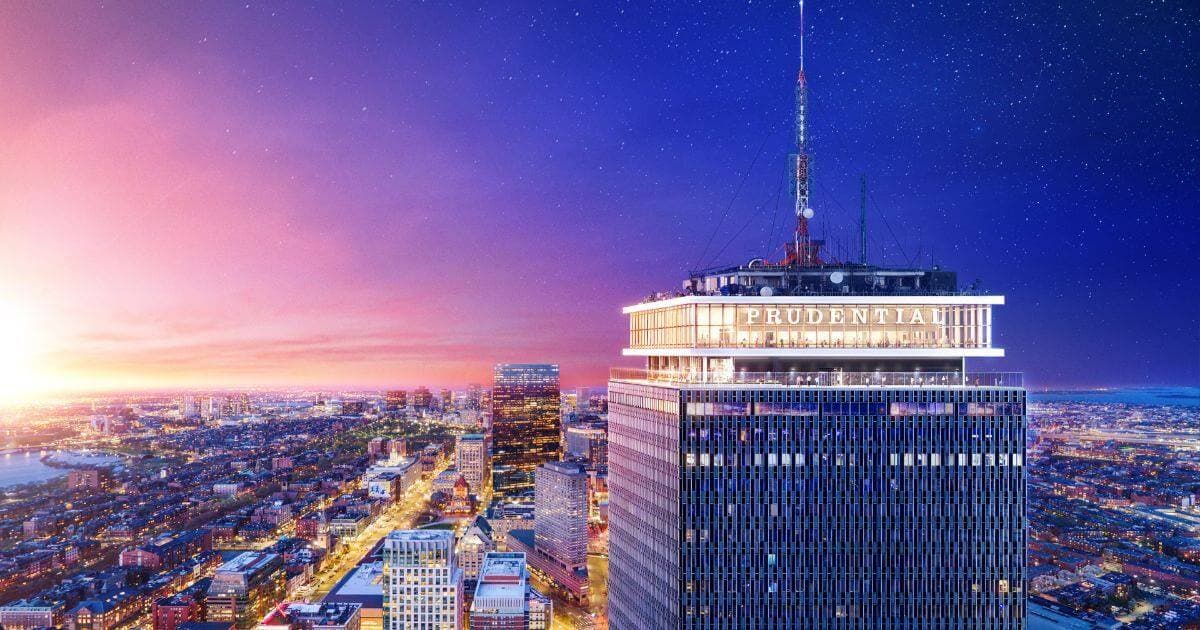
We lean toward restaurants, reception halls, and private dining rooms that make conversation easy. View Boston works well for an evening client event when you want skyline views and a clear arrival moment. The room should help the meeting, not compete with it.
We choose relaxed Boston event spaces where people can talk, eat, and stay a little longer without overplanning the night. Loretta's Last Call fits an upbeat team celebration, especially when you want music, food, and a room that does not ask for a dress code memo. That is mercy for everyone.
We build around visibility, flow, and a simple path from welcome to presentation to networking. Clerys suits a day meeting launch when you need a central room and a format that keeps the agenda moving. Boston gives you enough variety to match the mood without making the planning feel like a puzzle.
We look for venues that handle arrivals, cocktails, and a little movement between groups. Smith & Wollensky works for an overnight offsite, and it also shows how a restaurant can support a more social format when the guest list grows.The trick is choosing a room that fits the guests, not just the calendar.
Start with the business goal. If you need alignment, choose an offsite or retreat. If you need relationships, choose a client dinner or evening reception. If you need momentum, choose a kickoff or product launch. The format should follow the outcome, not the other way around.
In Boston, that might mean a hotel in Back Bay, a restaurant in the Seaport, or a meeting space in the downtown core. You can also use company events in Boston when you want a broader offsite format, or meeting rooms in Boston when the agenda needs focus. For lighter networking, restaurants in Boston and bars in Boston both work well, especially when drinks are part of the plan.
What organizers often forget is the guest experience between the agenda items. Arrival, timing, food, and sound matter more than a clever title. That is where we help you compare options and keep the plan grounded, with plenty of attention to the details.
Choose by fit, not by instinct. The right venue matches headcount, format, neighborhood, and service level. A Seaport reception hall feels different from a Back Bay hotel or a downtown restaurant, even before the first guest arrives.
Think about what the room must include. Do you need AV, private dining, breakout space, or lodging? Do you want a place for a presentation, a meal, or both? That is how event venues in Boston stop being a long list and become a short one, and it helps teams search event venues in Boston more efficiently.
People usually forget access, timing, and how the room changes after dinner starts. We help you narrow the search with practical details first, so the choice supports the event instead of decorating it, including whether on site catering is required or own food is allowed.
Pick activities that reinforce the goal. For a retreat, use planning sessions, small-group work, and a shared meal. For a client event, keep the activity light and social. For a kickoff, add a short presentation, a Q&A, or a team exercise that gets people talking.
Boston event spaces can support tastings, guided networking, trivia, or simple breakout conversations. A hotel works well when you need multiple parts in one place. A restaurant works when the meal is the main event. A reception hall works when you need room to move, and the right aesthetics can make the format feel intentional.
The common mistake is adding an activity because it sounds fun, then losing time to it. We help you keep the agenda honest and the energy in the room, with enough flexibility for drinks or a quick reset.
Only if the theme helps the message. A theme can make a holiday party feel cohesive or a launch feel intentional, but it should never cover up a weak plan.
You can use simple cues instead of a full concept. Think city views, local food, a seasonal menu, or a room that already has character. That often works better than forcing a costume moment on a Tuesday, especially when the venue already has strong aesthetics.
What matters most is clarity. Guests should know why they are there, what they should do, and when the event ends. We help you choose the right level of personalization without adding noise, and without losing the occasion's purpose.
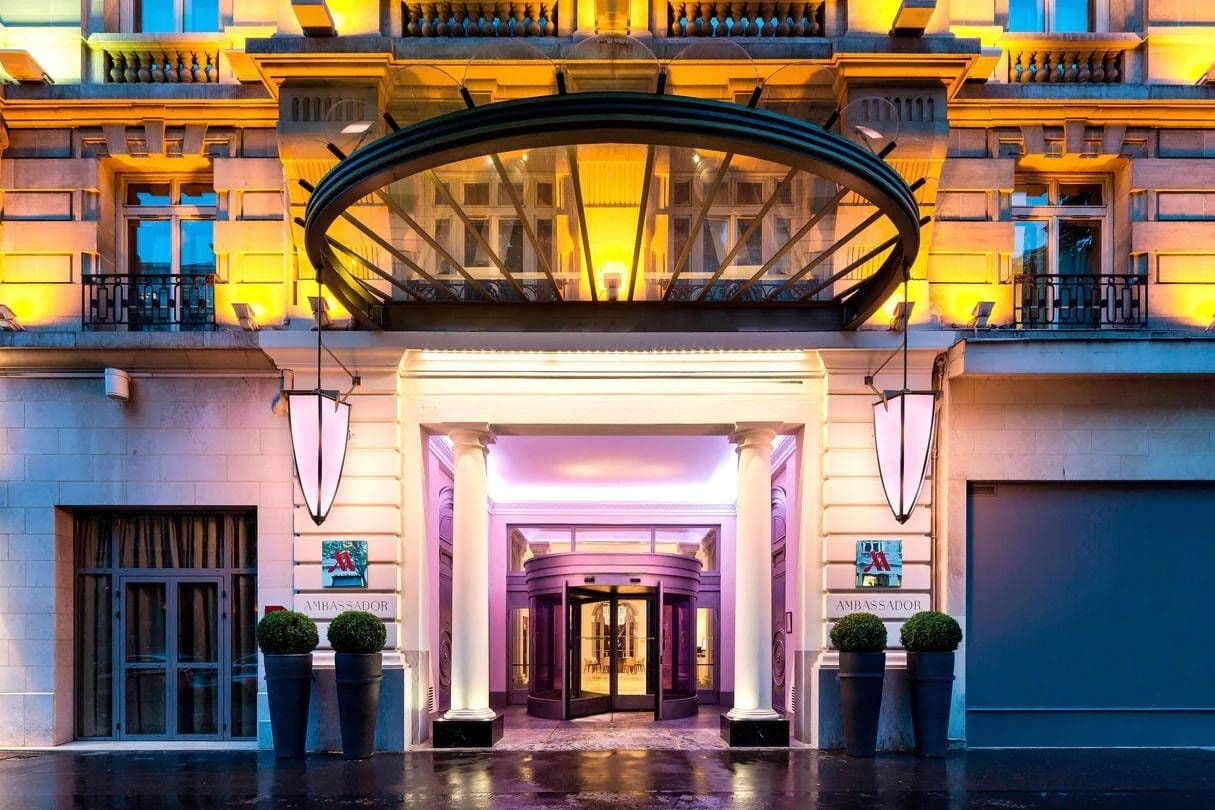
Large corporate events in Boston often start with the main large-format convention center option, especially for conferences and trade-show style programs. From there, compare other large venues by how well they support staging, flow, and production needs.
Ask for the exact package in writing.
Examples to start your comparison. Each venue confirms its price in writing before you book.
Registration flow, plenary space, breakout routing, supplier access, and loading access. In the Seaport, the Omni Boston Hotel at the Seaport adds about 100,000 square feet of indoor and outdoor meeting and event space next to the convention district. The Boston Convention and Exhibition Center offers 516,000 square feet of contiguous exhibit space and a 40,020-square-foot ballroom, and its Exhibit Hall B can host a reception for up to 26,285 guests.
Which halls or galleries are included, catering rules, and whether the venue closes to the public for your event. The Museum of Science hosts 250 to 900 guests in its Blue Wing exhibit halls and up to 4,500 for a full buyout.
The room list for your layout, access limits, and any restrictions on décor or sound.
Which clubs or suites are included, event-day conflicts, and AV and catering terms. Fenway Park hosts corporate events for groups from 20 to 20,000 guests, and its 521 Overlook suits 75 to 200 guests.
Seasonal rules, permit responsibilities, and an indoor backup plan. Nearby, the Revere Hotel Boston Common offers a rooftop, Rooftop@Revere, that can be reserved for private events.
Seasonal rules, permit responsibilities, and an indoor backup plan. Boston Harbor Hotel is known for waterfront event spaces with full-service catering, and the Exchange Conference Center on the historic Fish Pier offers unobstructed skyline views. On Central Wharf, the New England Aquarium hosts up to 800 guests for a cocktail reception or 375 for a seated dinner, with indoor galleries and a harbor terrace.
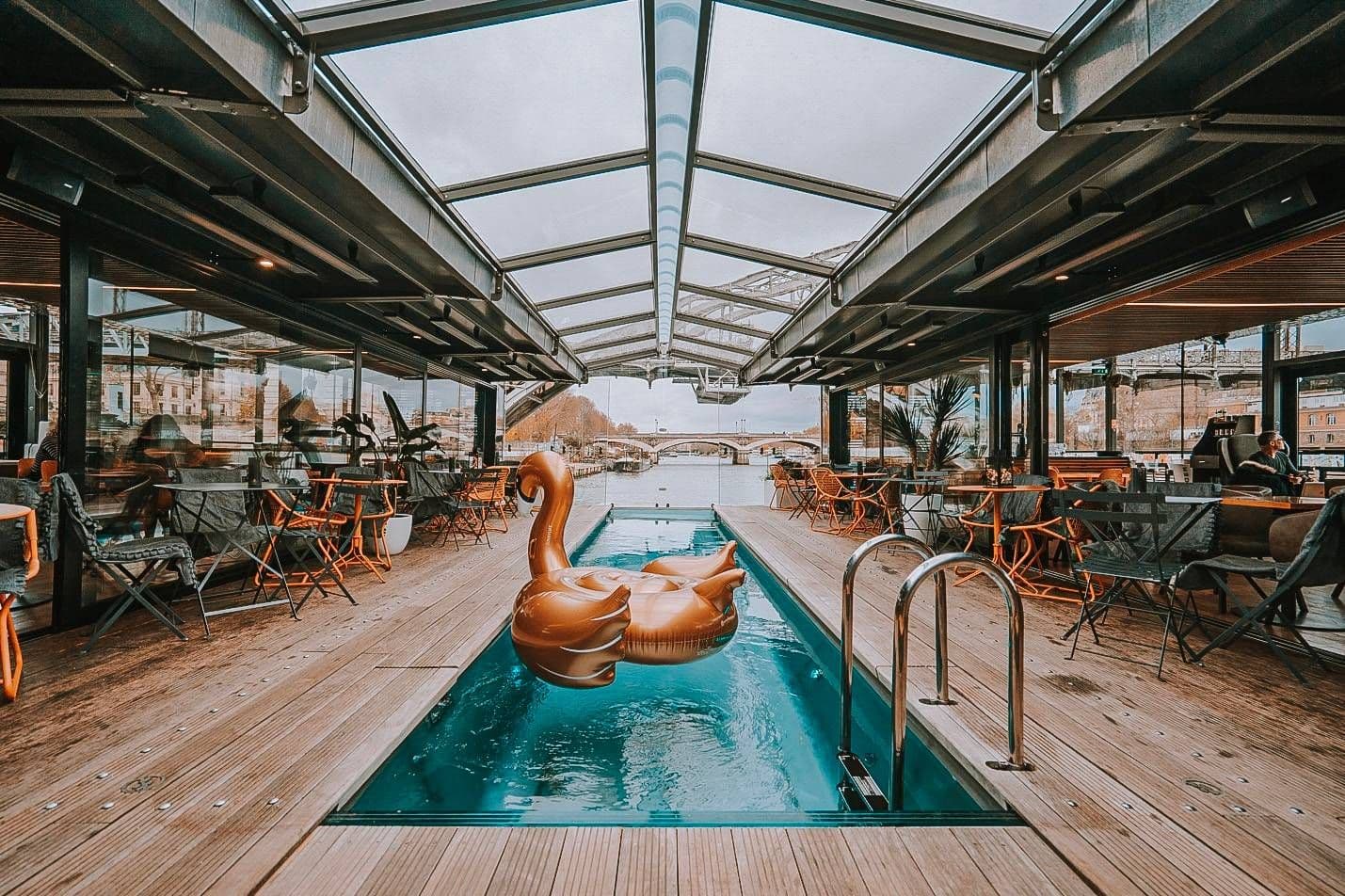
High-capacity event spaces work best when the venue can support your agenda without forcing awkward compromises. The key is to verify the layout, the staging plan, and the supplier team before you commit.
Supplier fit matters as much as room size.
One brief, comparable proposals, one point of contact.
Tell Naboo the format, guest count, dates and neighborhood preferences for your Boston event.
Shortlisted venues reply with proposals that use the same line items, so room rental, catering, labor and equipment sit side by side. Each venue confirms its price in writing before you book.
Naboo handles the booking with one point of contact and one invoice per event. With a framework contract, procurement also gets one vendor of record.
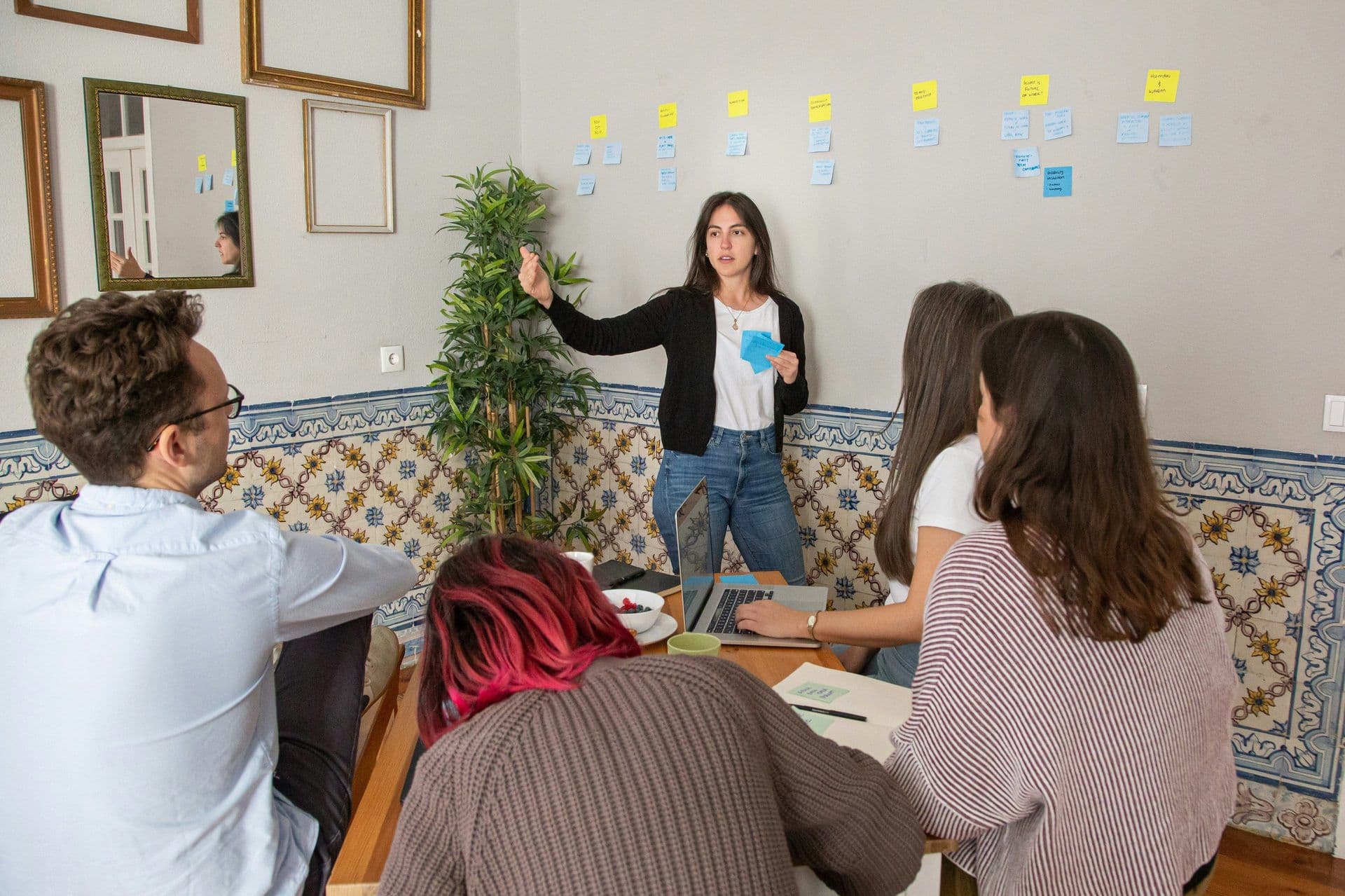
It depends on the format, headcount, and how much you want included. A dinner, an offsite, and a meeting all come with different costs because the venue, food, and setup are not the same.
For event venues in Boston, the real question is not just what the room costs. It is what the full proposal includes, from catering to AV to lodging when needed. That is how you compare offers without comparing apples to chandeliers, and why on site catering can matter as much as the room itself.
By negotiating the proposal as a whole. We bring venue, catering, AV, activities, and lodging into one view, so you can see where the money goes.
That makes it easier to compare Boston event spaces on the same basis and avoid add-ons that show up late in the process. You keep control because the brief stays specific and the quote stays readable, whether the venue allows own food or requires on site catering.
Share the date, headcount, budget, and vibe. Add the goal, the preferred neighborhood, and any must-haves such as AV, lodging, or private dining.
The clearer the brief, the faster we can narrow the field of corporate event venues in Boston. That saves time for the decisions that actually matter, and helps us find the right venue for the occasion.
It depends on what you want to hand off. Self-serve works when you want to manage the details yourself. Turnkey works when you want us to run the venue, logistics, and suppliers, with an on-site Naboo Event Manager included in that package only.
If you want more control, you can stay close to the process. If you want less admin, we take on the moving parts and keep the plan moving, including coordination with the venue team.
Prepare the run of show, confirm contacts, and check arrival timing, AV, and food service. Then decide how you will measure the result before the guests arrive.
Success can mean attendance, engagement, feedback, or a smoother next step after the event. The debrief should compare what you planned with what actually happened, then note what to repeat and what to change, including how the food and drinks were received.
| Row | Booking venues on your own | With Naboo |
|---|---|---|
| 01 | A different quote format from every venue | One brief, comparable proposals with clear line items |
| 02 | Prices that can change before you sign | Each venue confirms its price in writing before you book, and the price we confirm is the price you pay |
| 03 | Fees that show up late in the process | Fees and service charges shown line by line in the proposal |
| 04 | Rates that may be higher than booking direct | Prices never higher than booking direct |
| 05 | Several contacts and invoices to chase | One point of contact and one invoice per event |
| 06 | Terms negotiated again for every event | With a framework contract: one vendor of record and negotiated terms per contract |
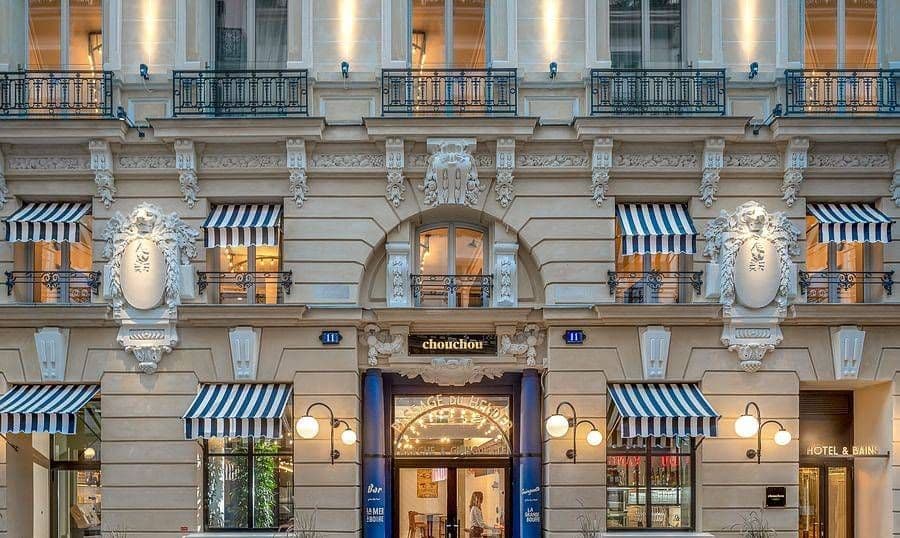
Distinctive venues can help a corporate program feel more memorable without sacrificing function. The right choice still depends on verified capacity, service rules, and how the venue supports your agenda. Downtown, State Room sits on the 33rd floor of 60 State Street with 270-degree views and hosts up to 900 guests for a seated dinner, while View Boston offers 360-degree views for networking and product launches, and SoWa Power Station suits large conferences and launches. For a music-led evening, City Winery Boston seats 300 in its concert venue and up to 1,000 guests for a reception with a full buyout.
# Best event venues in Boston for corporate events
Distinctive does not have to mean impractical.
Outdoor programs in Boston need seasonal planning from the start. Winter brings snow, mostly from northeast storms, so late spring and early fall are the recommended times for pleasant temperatures and low precipitation. Outdoor plans need written backup terms.
If your event depends on an outdoor setting, compare the season against the guest experience you want. Ask the venue how weather patterns may affect setup, comfort, and service flow.
The contract should state who handles outdoor permit responsibilities and related approvals. Naboo does not obtain permits or run venue operations, so the written agreement should make that division clear.
Always ask what the weather contingency plan looks like for an outdoor private event. The venue should confirm the backup space or backup process in writing before you approve the proposal.
Executive gatherings often need more than generic rooms; the right Boston meeting space for executive gatherings should support presentations, smaller discussions, and a polished flow. Flexible event space matters when you need breakouts, technical support, and catering that fits the program.
Check room flexibility. Ask whether the space can shift between plenary time and breakout sessions without disrupting the agenda. A good fit should support the meeting flow you need, not just the opening layout.
Review conference technology. Confirm screen support, sound, microphones, and any other conference technology in writing. If the event depends on presentations or hybrid participation, the technical scope should be part of the proposal.
Compare catering minimums. Ask for the catering minimums and service requirements before you choose a venue. That helps you compare custom menus, seated dinners, and private dining options on equal terms.
Flexibility should be written into the proposal.
Neighborhood choice affects how guests arrive, where they stay, and how easily they move between sessions. For central gatherings, the main districts to compare are Seaport District, Back Bay, and Downtown Boston.
Use transit access. The MBTA connects these districts by subway, bus, and commuter rail, and the Silver Line serves the Seaport. Transit access matters most when attendees are arriving from different parts of the region.
Match the district to the program. Back Bay, Seaport District, and Downtown Boston each suit central gatherings, but the right fit depends on your attendee travel patterns. Choose the district that makes arrival and departure simplest for the majority of guests.
Compare hotel clusters. Map venues against nearby hotel clusters before you shortlist them. Seaport is near the Boston Convention and Exhibition Center, while Back Bay is near the Hynes Convention Center and Copley Place.
Boston Logan International Airport connects into downtown with several practical options for event arrivals. A Silver Line bus runs from the terminals to South Station, shuttles connect to the Blue Line, and taxis and rideshare are also available.
Once in the city, the MBTA subway lines, buses, trolleys and ferries give planners multiple ways to move groups around. Boston is also described as a walking city, and parking is costly, so rail, walking and rideshare are the usual choices for event travel.
The right district can shape how easy it is to move attendees, book rooms and keep meetings close together. Boston's main corporate areas each serve a different planning need.
Back Bay is the most all-purpose base for visitors, with a very walkable core. Planners find hotels, professional-services offices and dining close to major business centers, and the Green Line plus commuter rail service at Back Bay Station support access.
The Financial District is the traditional downtown business core. Groups find offices and hotels aimed at weekday corporate travel, though it is quieter on weekends, and the Blue Line connects to the Orange Line at State Street while the airport bus ends nearby at South Station.
The Seaport is the newer, more modern and business-focused district on the waterfront. Planners find new hotel supply and modern meeting space, which suits corporate groups, and a harbor ferry loop links the Seaport, North Station and Logan on weekday mornings and evenings.
Kendall Square is MIT territory, suited to technology and life-science work. Groups find research-driven companies and hotels that often cost less than comparable Boston rooms, and buses are essential for reaching parts of Cambridge that sit far from the train lines.
Late spring and early fall are the most recommended seasons for Boston event planning. July is the hottest month, while winter is cold, snowy and the lowest in cost; spring can be rainy, and fall foliage pushes hotel prices up in October.
Boston Marathon weekend in spring and Head of the Charles Regatta weekend in fall can tighten hotel supply. If your program depends on room blocks or nearby meeting space, those dates deserve extra attention.
Boston has a clear permit path for public events and site use.
Outdoor permits. The final permit for outdoor public events comes from the city office that handles consumer affairs and licensing, whether the event is free, ticketed or invitation-only. Plan for that step early if your program includes public access.
Street and park use. Events that use a street need a Public Way Event permit, and events in city parks need a park reservation permit. Those approvals matter when your agenda depends on outdoor circulation or gathering space.
Tents and structures. Boston Fire Department permits may apply to large tents, cooking and generators, and Public Works issues street occupancy permits for large structures. If your event uses temporary buildouts, those reviews can affect layout and load-in planning.
Pricing review should happen after the shortlist is built, not after the contract is nearly signed. Ask for itemized proposals so you can compare venue charges, service items, and any administrative fees with clarity.
Request itemized proposals. Shortlisted venues should send proposals with line items that separate space, food, beverage, and service charges. That makes it easier to compare a corporate event proposal without guessing what is included.
Check administrative fees. Look for administrative fees before you approve any venue. Ask the venue to explain every charge in writing so the final proposal is easy to review with procurement.
Verify tax and gratuity. Taxes and gratuity assumptions should be stated clearly in the proposal. Do not rely on verbal estimates when you are comparing several corporate event venues in Boston.
Centralize contracts through Naboo. With a framework contract for large groups, Naboo gives you one vendor of record, negotiated terms per contract, and the Control Tower showing every request, approval, and payment by entity, country, and event type. You also get one point of contact and one invoice per event.
Clear terms reduce approval friction.
The next day, photos may tell one story while attendee feedback tells another. You need both.
Did the format fit the goal? Did the venue suit the guests? Did the timing help the room? Did the content keep people engaged?
Then compare the planned budget with the final spend, and explain any gaps before they become habits.
When you host this event, you are shaping how people remember the team, the brand, and the next ask.
Share the date, headcount, budget, and intent, and we will start with a shortlist that matches the brief.
It depends on what last year achieved. If the goal was alignment, keep the goal and change the setting. If the goal was energy, keep the format and change the activity. A dinner can become a reception, and a retreat can become a half-day meeting with a stronger close. The false good idea is to change everything at once and call it strategy. That usually creates confusion, which is a bold choice for a corporate planner.
It depends on the season and the format. Fall and year-end dates move faster, especially for evening events and holiday parties. A meeting or weekday offsite can give you more room, but you still want time for venue review and quote comparison. The false good idea is waiting until the calendar feels calm. In Boston, the calendar often has other plans, and the right coordination takes time.
It depends on whether you need conversation or concentration. A dinner works when relationships matter. A meeting works when decisions matter. If you need both, choose a hybrid format with a short session and a meal. The false good idea is pretending one format can do everything. That is how you end up with a room that satisfies nobody and a schedule that apologizes for itself, even when the venue has plenty to offer.
It depends on whether you need people to hear, see, or participate. For a short presentation, basic AV is usually worth it. For a dinner with no speaking, maybe not. For a kickoff or client program, it often pays to budget for sound and screens. The false good idea is skipping AV because the room looks nice. A beautiful room with bad audio still sounds like a bad plan, no matter the aesthetics.
Start with a clear brief, then compare venues that match the same criteria. Look at format, neighborhood, capacity, and what is included in the quote. Naboo helps by turning one brief into a shortlist of comparable options, so you are not sorting through random rooms at midnight. The false good idea is opening twenty tabs and calling that research. It is mostly just a way to collect opinions from your browser, not a path to the right venue.
It depends on the goal, but the common trap is overpacking the agenda. Too many speakers, too little break time, and a room that does not fit the group can drain the energy fast. Keep the plan simple and the transitions clear. The false good idea is assuming people will enjoy a packed schedule because it looks efficient on paper. People are not spreadsheets, thankfully, and they notice when the room lacks enough breathing room.
It depends on the venue type. Restaurants often include food, private space, and sometimes in-house drinks or service. Hotels may include meeting rooms, lodging, and AV options. Reception halls may include more flexible layouts but fewer built-in services. The false good idea is assuming every quote covers the same things. That is how a simple comparison turns into a surprise tour of line items, especially around on site catering and whether you can bring your own food.
It depends on the date and the size of the group, but speed matters more than perfection. Start with your must-haves, then accept a shorter list and move quickly on the right fit. Naboo can help you get a shortlist and quotes fast, which is useful when the calendar is already arguing with you. The false good idea is waiting for the ideal room to appear on its own. That is not a strategy, just optimism with a deadline.

November 17, 2026

November 12, 2026

November 12, 2026

November 12, 2026
November 12, 2026
November 12, 2026