01
Define the format
Write down whether the program is seated, standing, classroom style, or a mix. That simple step narrows the field fast and keeps the search focused on venues that can support the actual agenda.
500 maximum · 1 workspace
150 maximum · 1 workspace
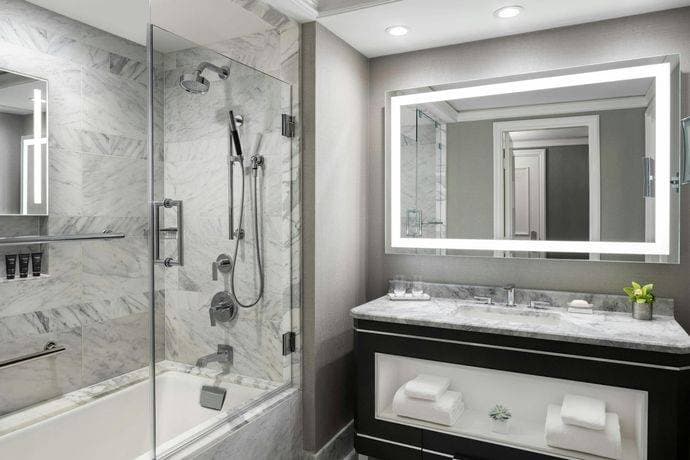
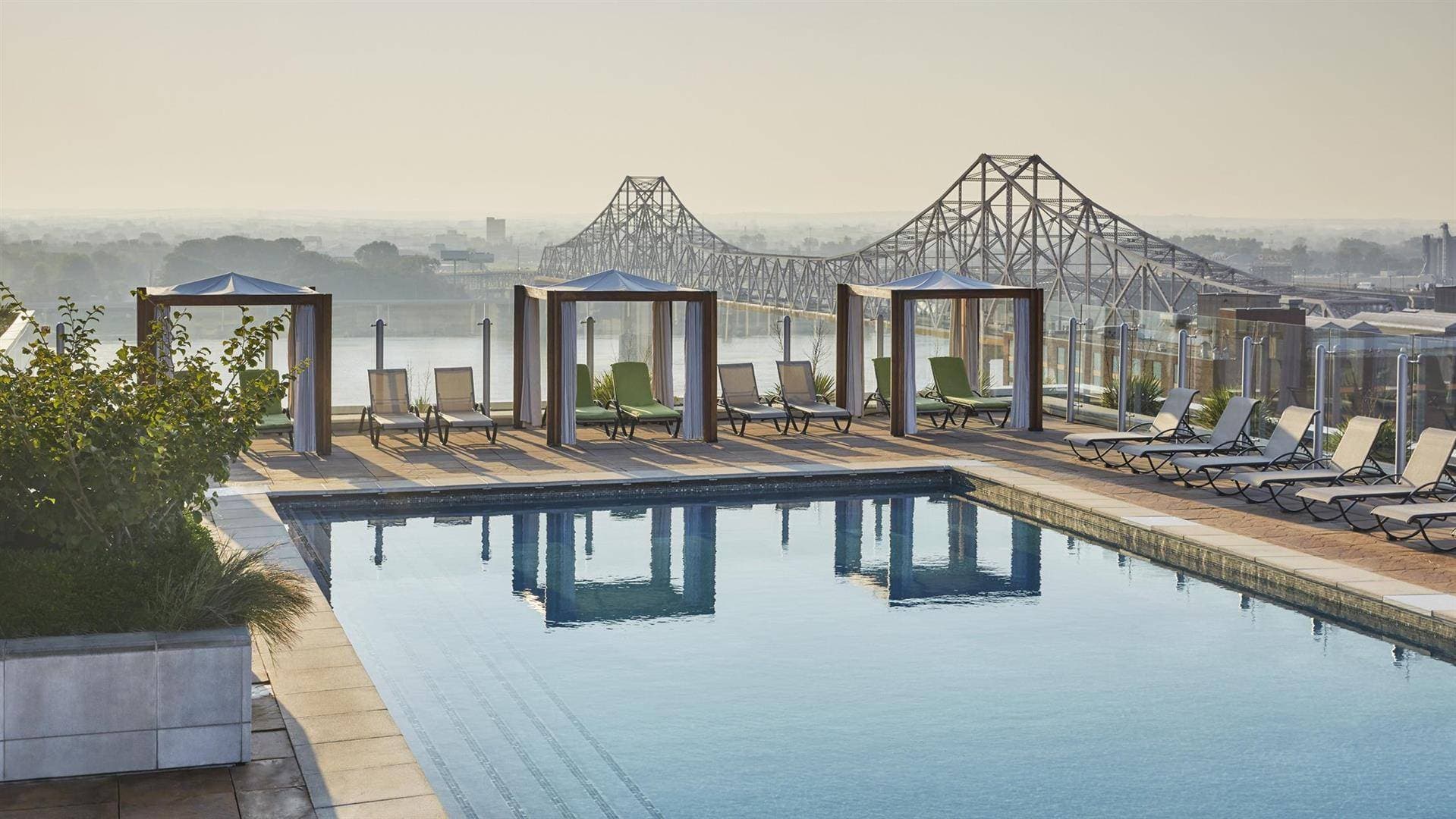
200 maximum · 9 workspaces
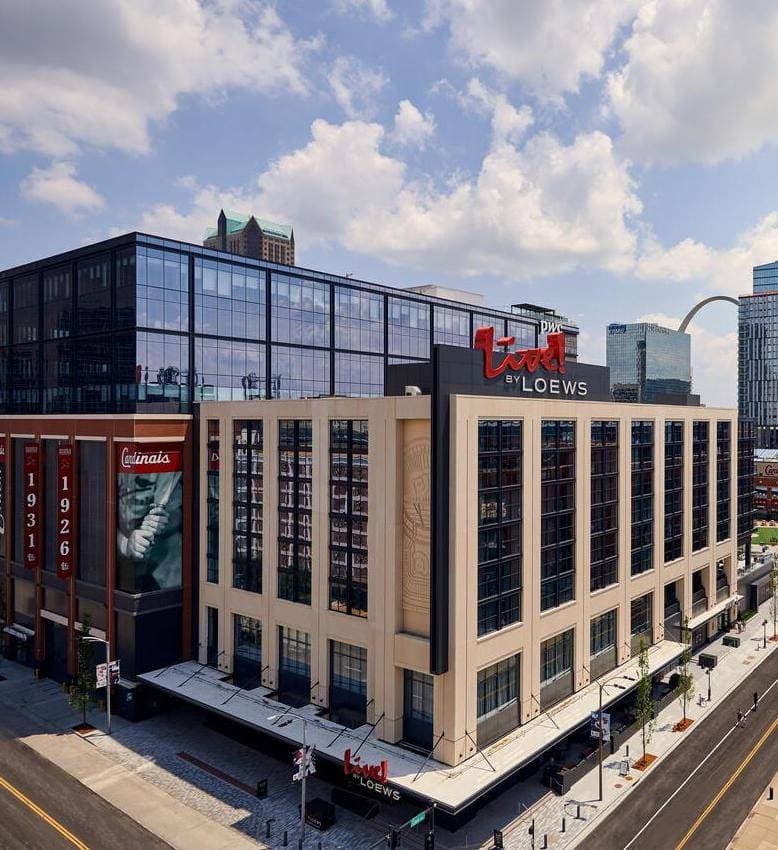
432 maximum
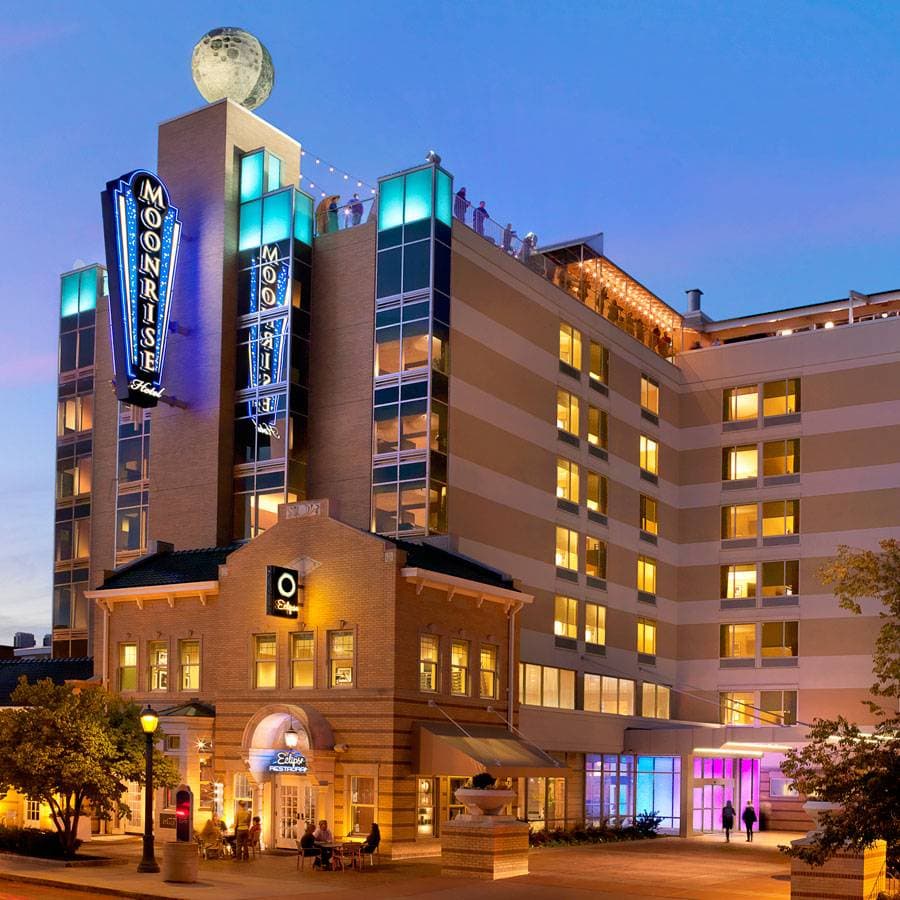
250 maximum
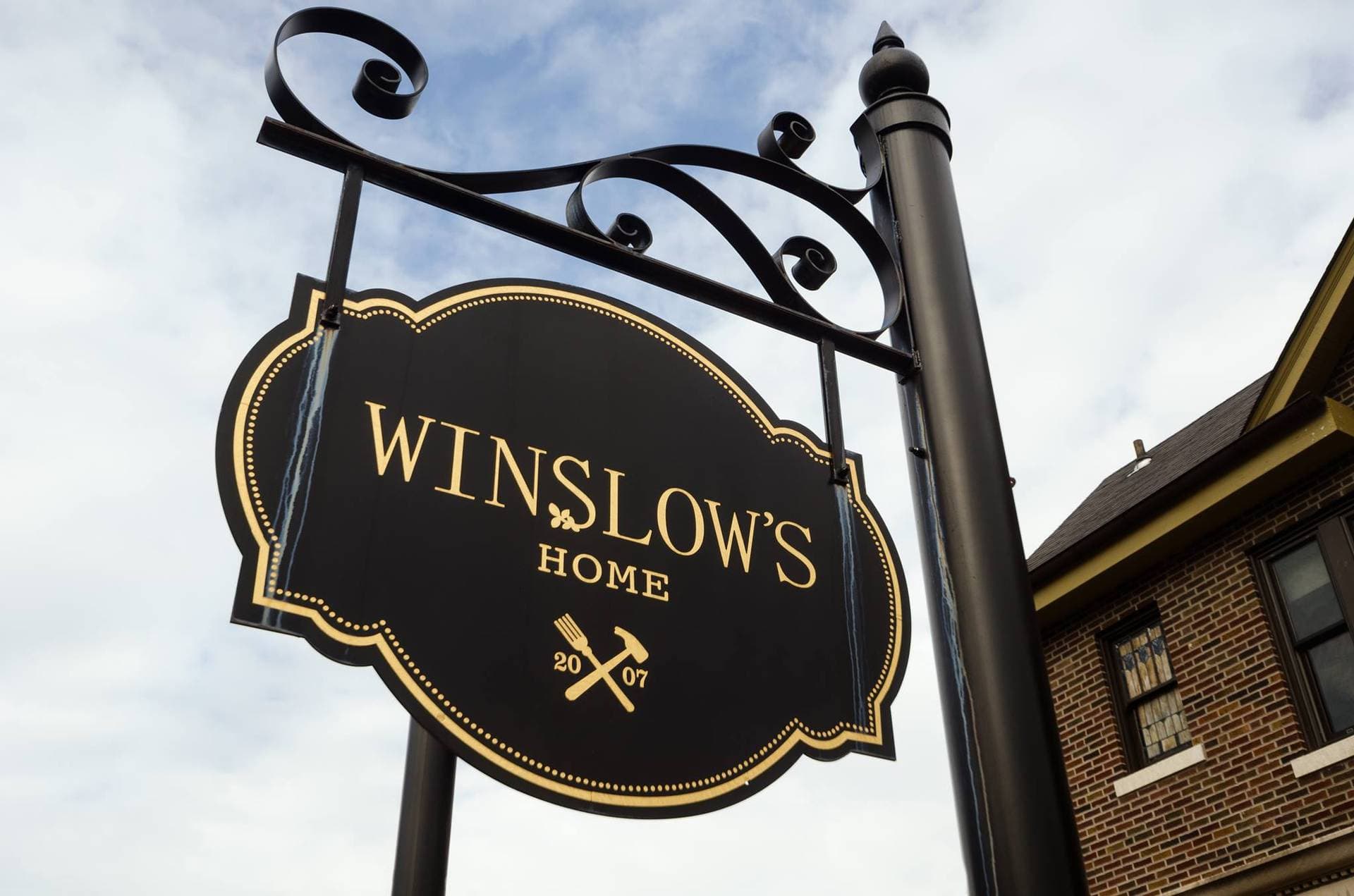
36 maximum · 1 workspace
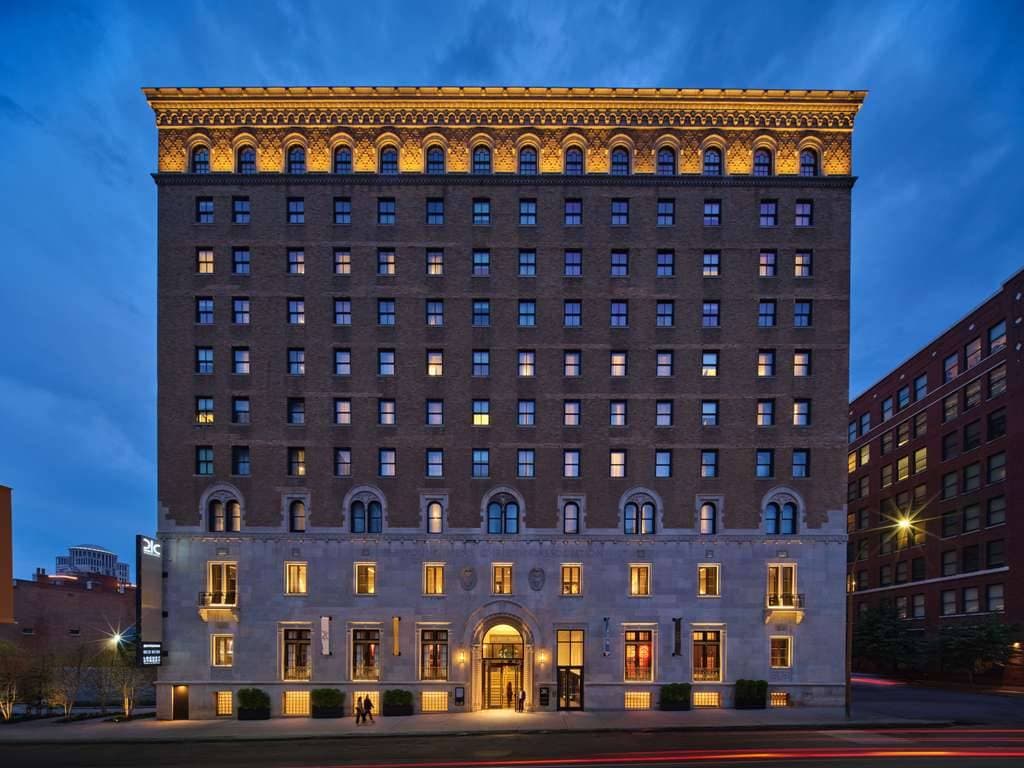
173 maximum · 1 workspace
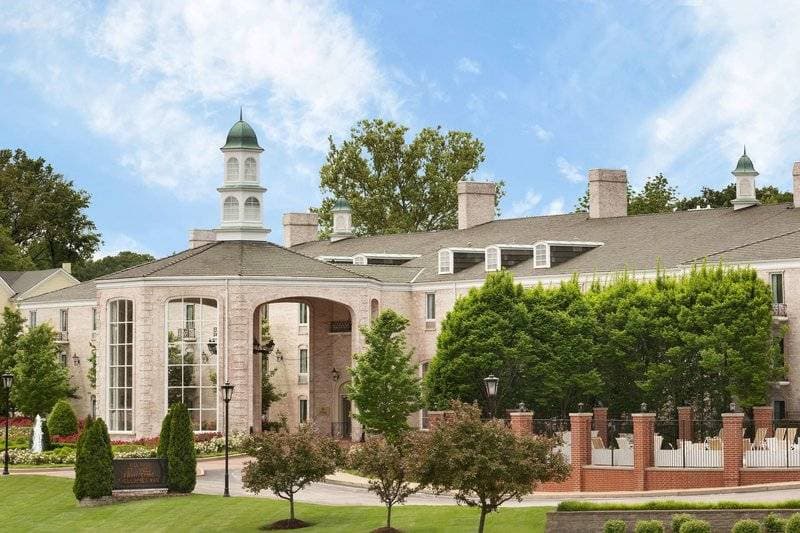
460 maximum · 1 workspace
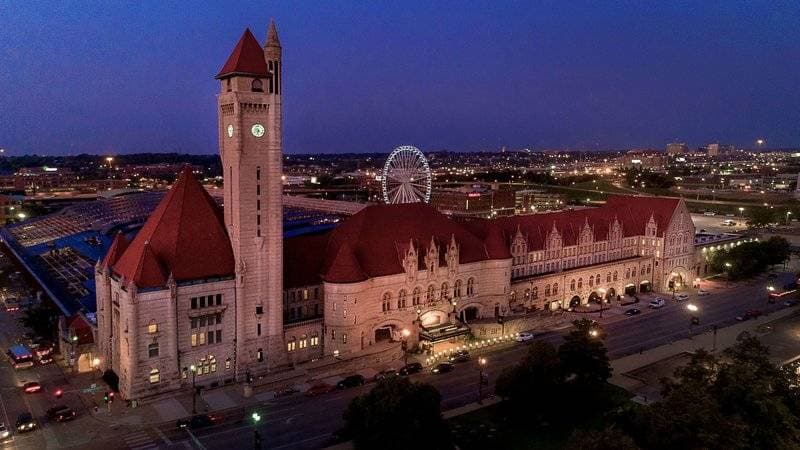
St. Louis, Missouri, United States
4.3
(0 reviews)
1074 maximum
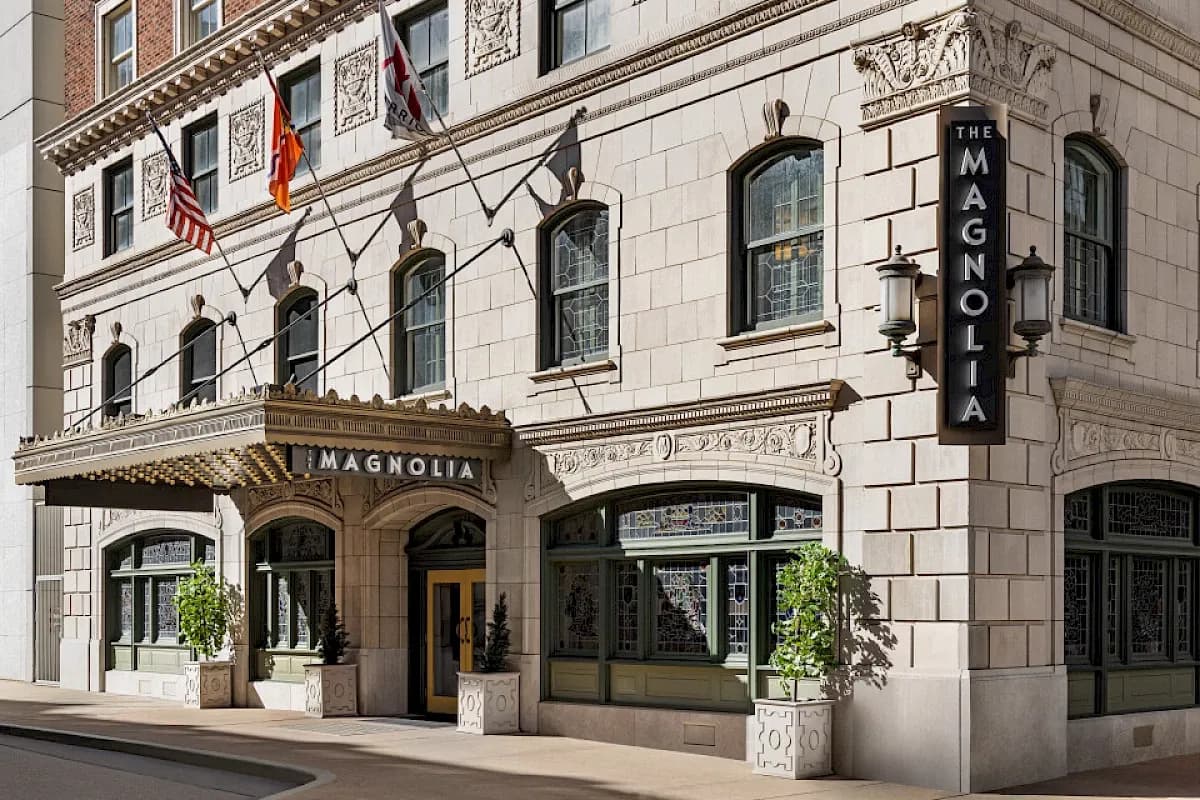
250 maximum · 4 workspaces
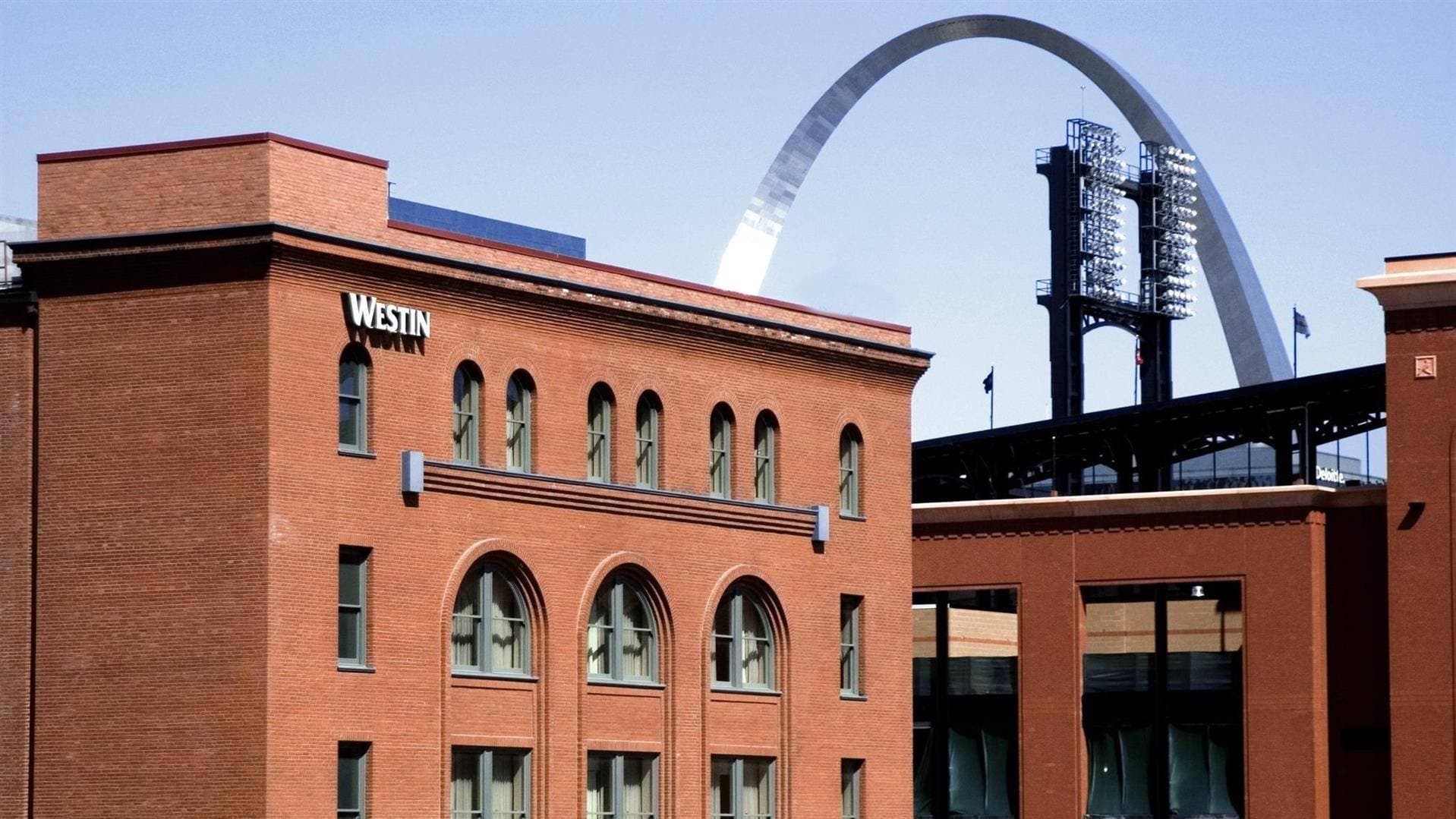
263 maximum · 25 workspaces
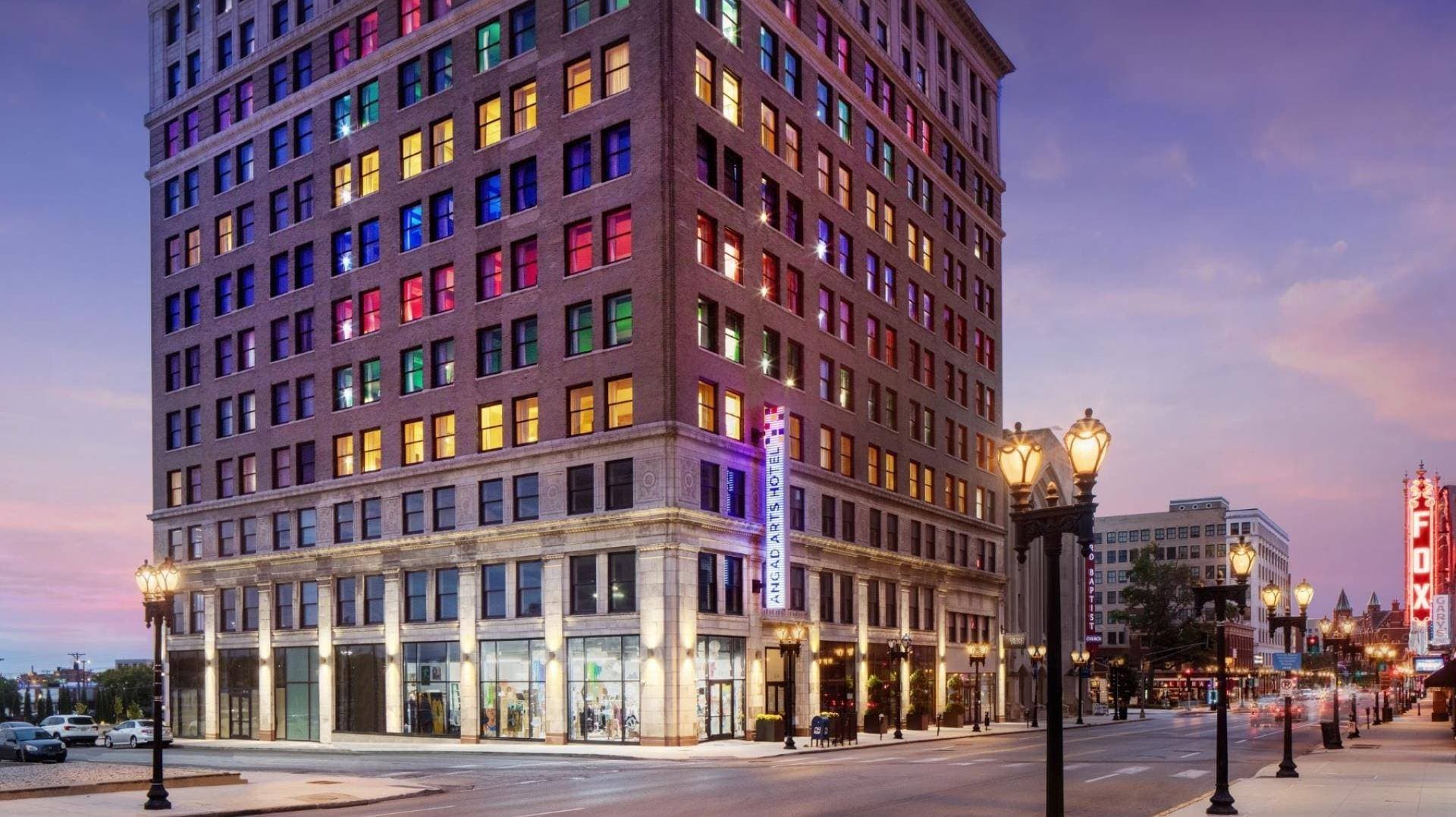
146 maximum · 2 workspaces
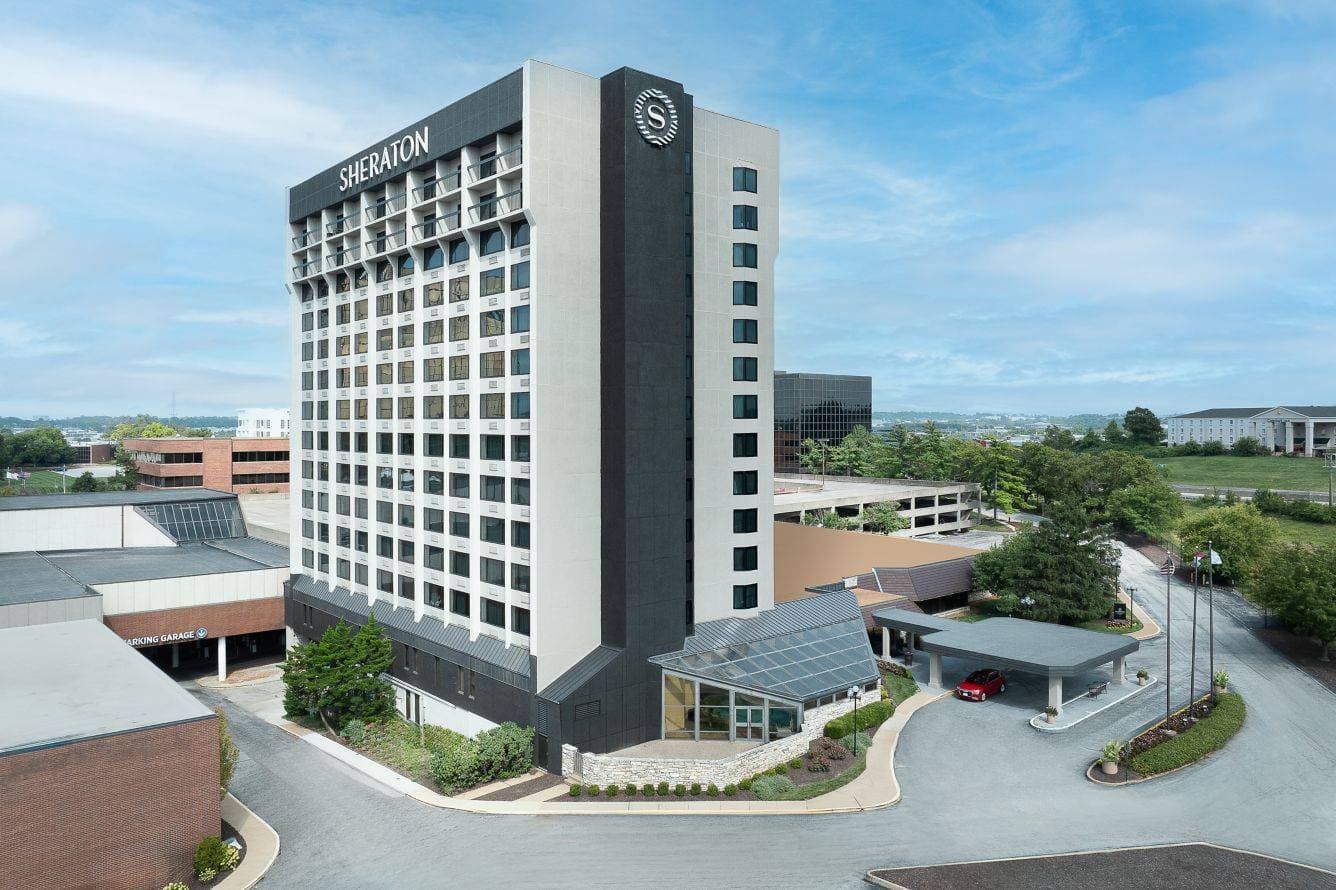
210 maximum · 22 workspaces
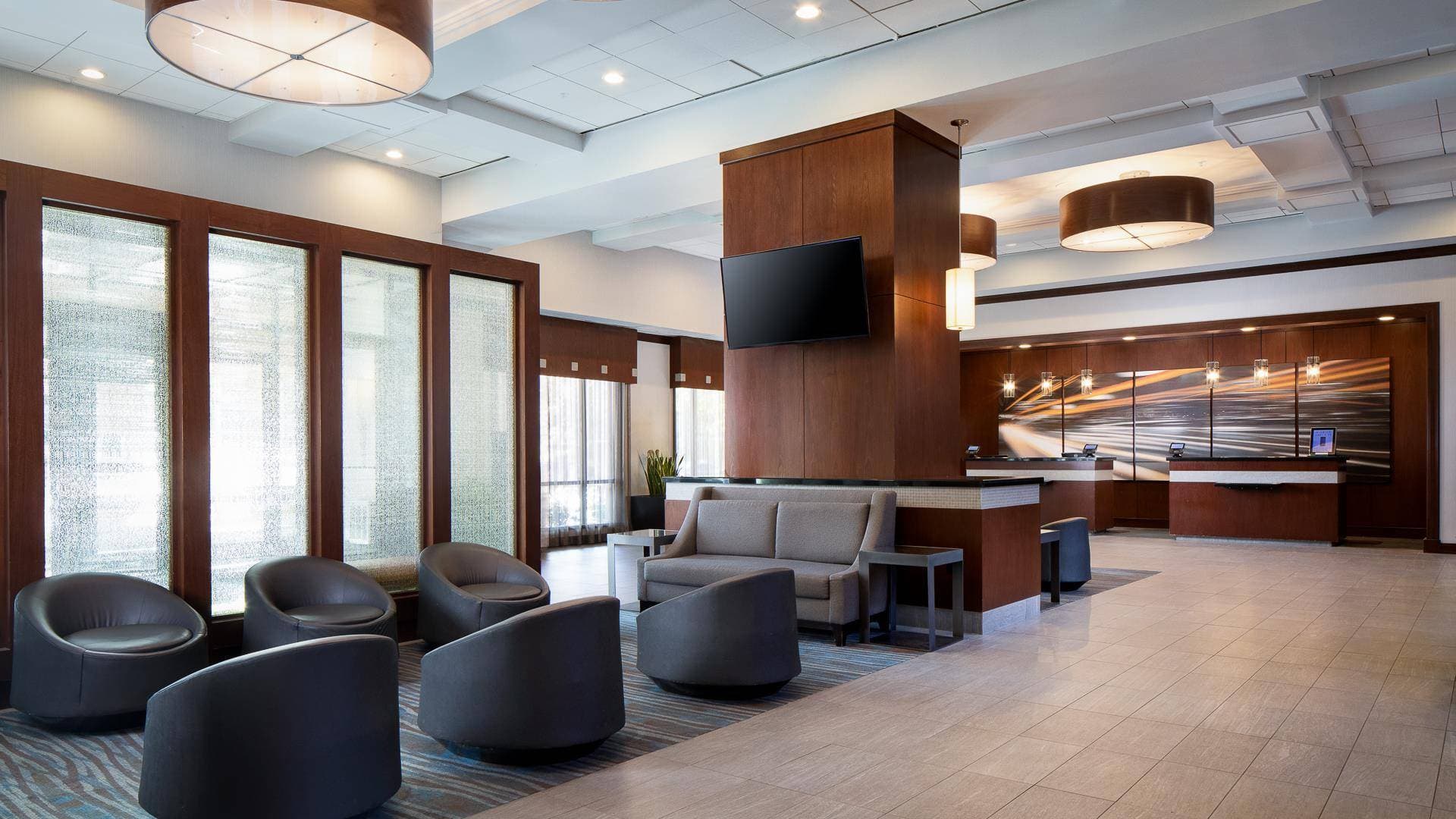
299 maximum · 9 workspaces
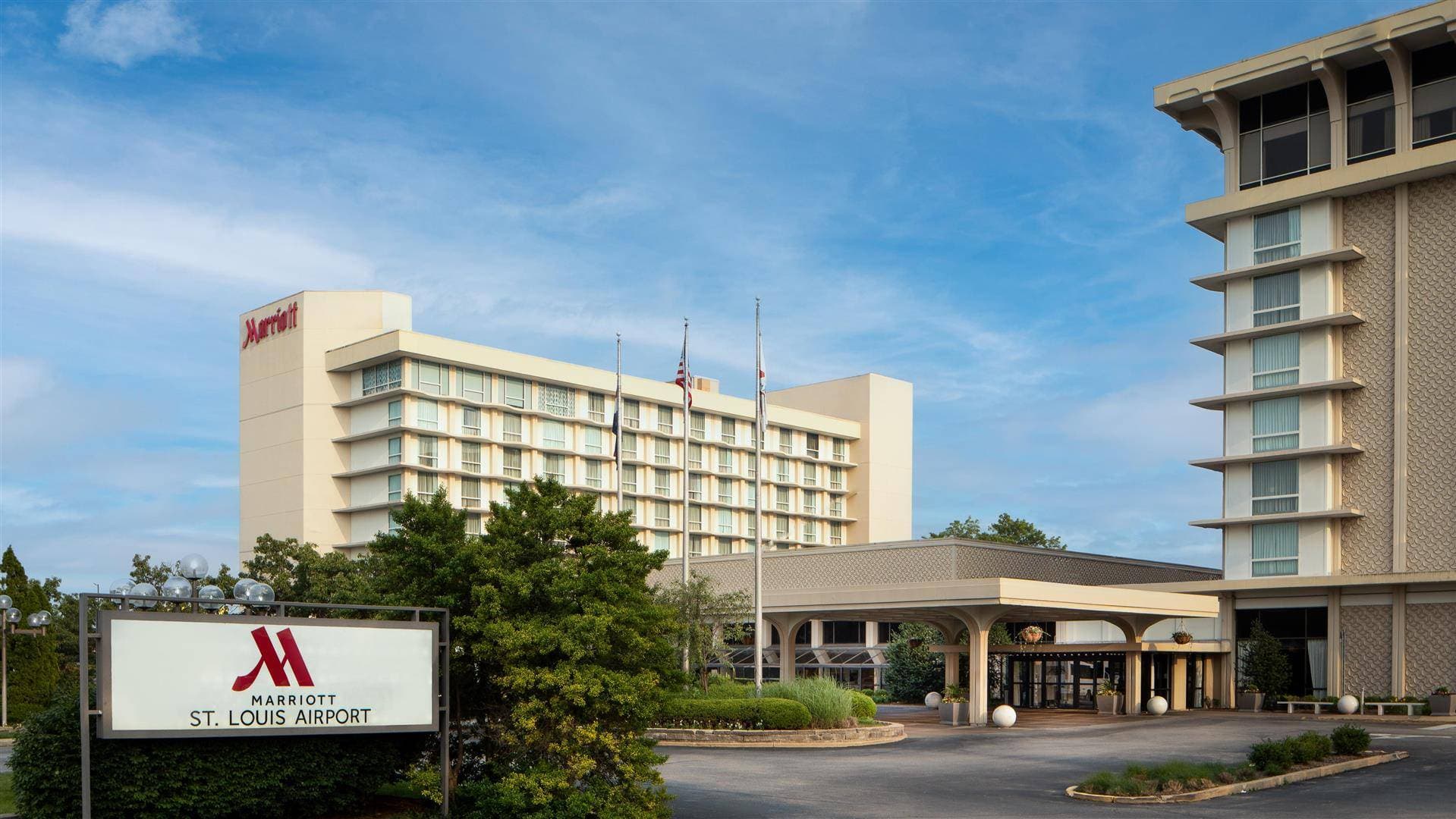
600 maximum · 43 workspaces
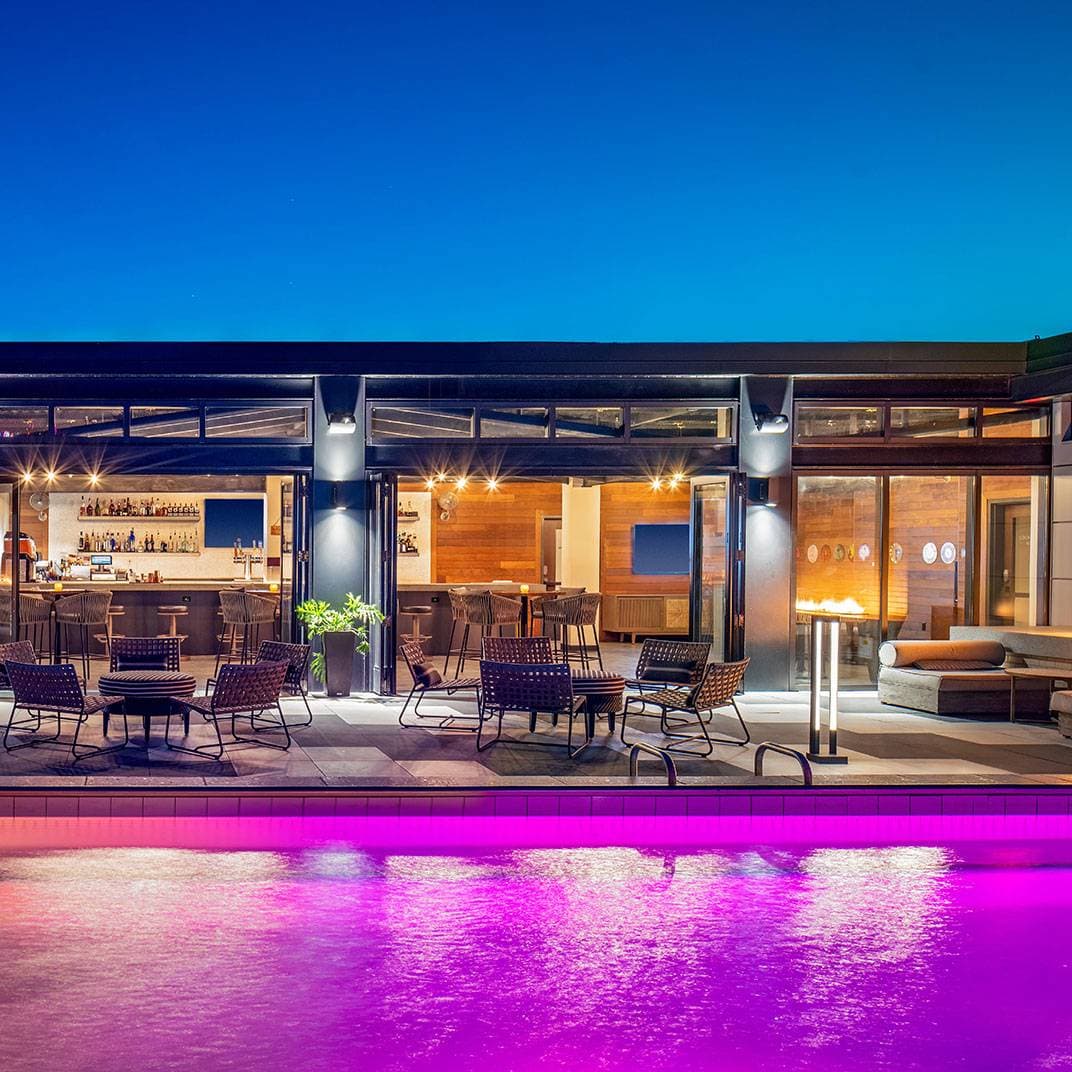
284 maximum
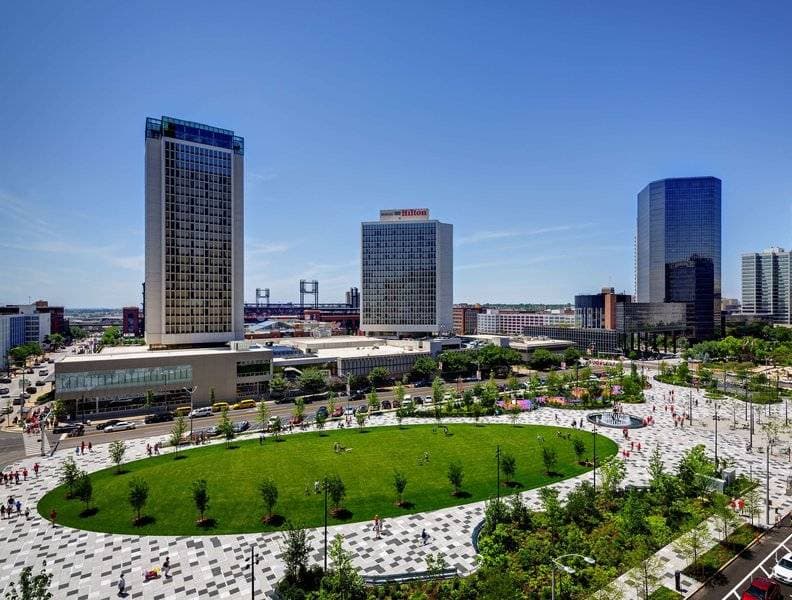
1340 maximum · 1 workspace
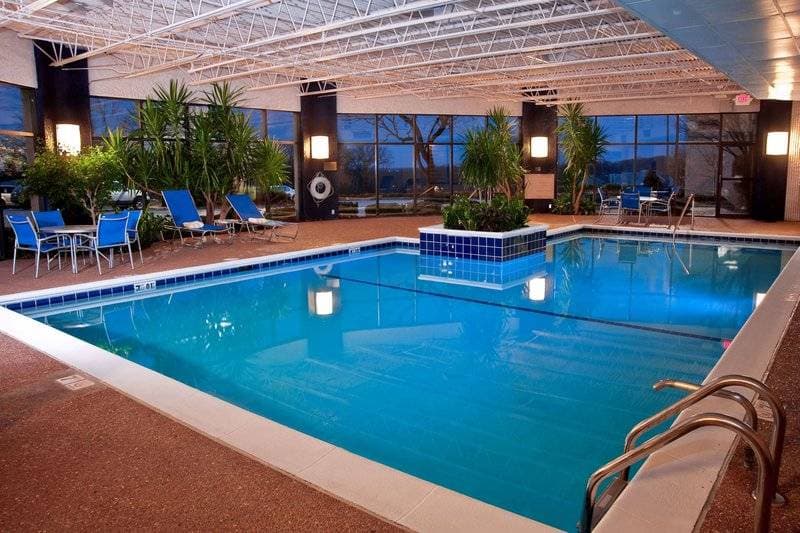
648 maximum
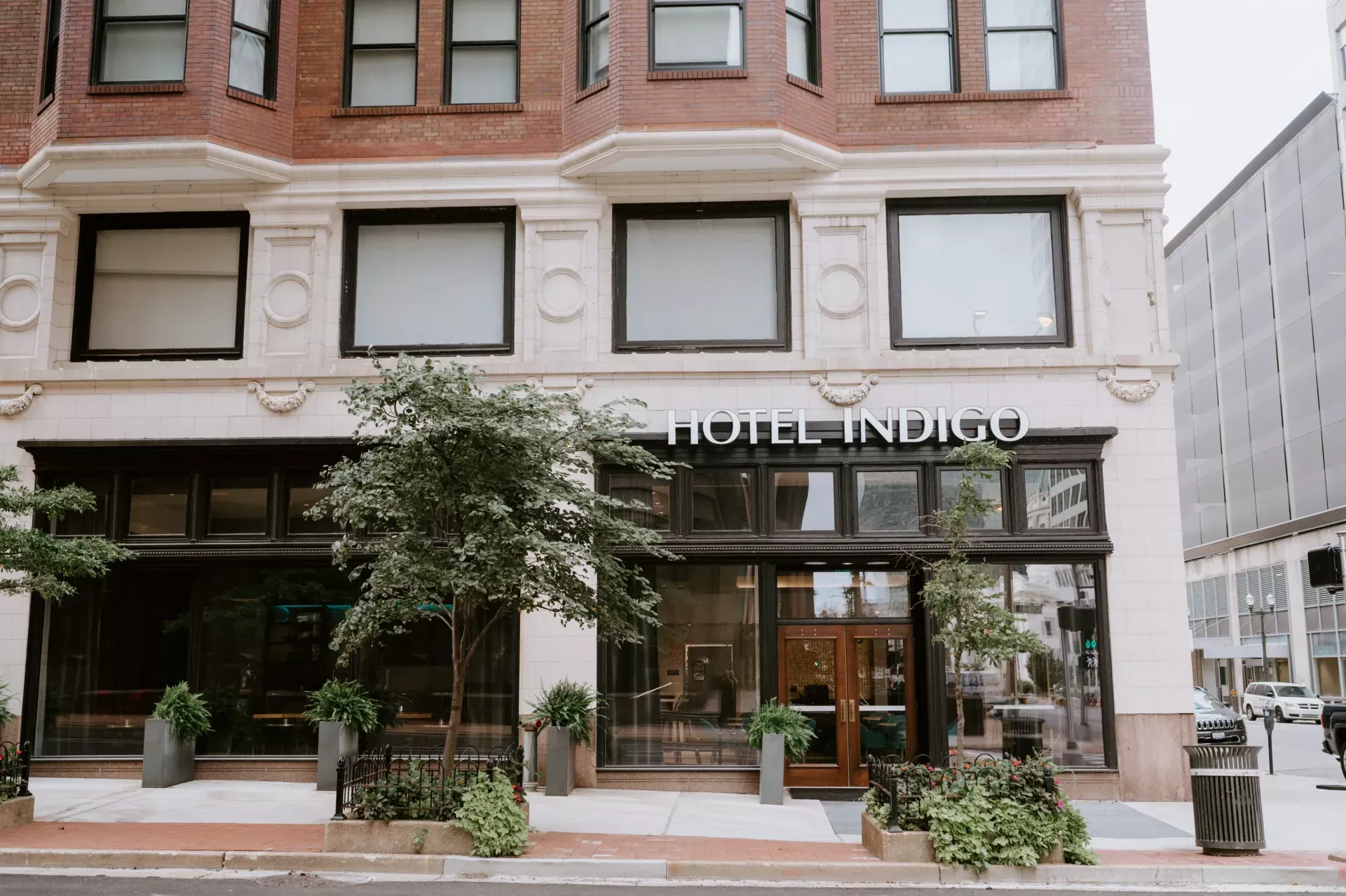
St. Louis, Missouri, United States
88 maximum · 2 workspaces

Answer a few quick questions and get venue suggestions for your next event
Over 500,000 employees have experienced a Naboo event









Compare proposals through Naboo so each venue is easy to review in one place, with clear line items. That makes it simpler to compare corporate event venues in St. Louis without losing track of inclusions, fees, or contract language. If your guest list includes attendees with mobility needs, confirm entrances, restrooms, elevators, and routes between spaces. Accessibility should be part of the first review, not something you circle back to later.
Start with the event format, then match the venue to the way people will move, sit, and speak. A board meeting, a reception, and a training session each call for a different setup. A careful comparison saves time later.
Write down whether the program is seated, standing, classroom style, or a mix. That simple step narrows the field fast and keeps the search focused on venues that can support the actual agenda.
For seated programs, ask for verified capacity by layout rather than relying on a general room description. The number should match the table style, stage placement, and any aisles or service needs.
Use Naboo to gather comparable proposals from venues that are vetted for corporate use. One brief can bring back clear line items so procurement can review them side by side.
Confirm step-free entry, elevator access, accessible restrooms, and clear paths from arrival to session space. If your group includes speakers, VIPs, or guests with mobility needs, make those requirements explicit in the brief.

Large corporate events need space for arrivals, staging, and program flow. In St. Louis, the main large-format option is a convention center, with other venues suited to different presentation styles and guest experiences.
Written confirmation matters as much as the room itself.
Examples to start your comparison. Each venue confirms its price in writing before you book.
Registration flow, plenary space, breakout routing, supplier access, and loading access.
The room list for your layout, access limits, and any restrictions on décor or sound.
Which halls or galleries are included, catering rules, and whether the venue closes to the public for your event.
Which clubs or suites are included, event-day conflicts, and AV and catering terms.
Seasonal rules, permit responsibilities, and an indoor backup plan.
Seasonal rules, permit responsibilities, and an indoor backup plan.

High-capacity planning starts with verified information from the venue, not estimates from a brochure. Ask for the exact layout the venue is quoting and keep that version attached to the proposal.
The right support team can matter as much as the room.
One brief, comparable proposals, one point of contact.
Tell Naboo the format, guest count, dates and neighborhood preferences for your St. Louis event.
Shortlisted venues reply with proposals that use the same line items, so room rental, catering, labor and equipment sit side by side. Each venue confirms its price in writing before you book.
Naboo handles the booking with one point of contact and one invoice per event. With a framework contract, procurement also gets one vendor of record.

| Row | Booking venues on your own | With Naboo |
|---|---|---|
| 01 | A different quote format from every venue | One brief, comparable proposals with clear line items |
| 02 | Prices that can change before you sign | Each venue confirms its price in writing before you book, and the price we confirm is the price you pay |
| 03 | Fees that show up late in the process | Fees and service charges shown line by line in the proposal |
| 04 | Rates that may be higher than booking direct | Prices never higher than booking direct |
| 05 | Several contacts and invoices to chase | One point of contact and one invoice per event |
| 06 | Terms negotiated again for every event | With a framework contract: one vendor of record and negotiated terms per contract |

When the goal is a more memorable setting, look beyond standard meeting rooms. St. Louis offers venue types that can change the tone of a reception or executive program without sacrificing professionalism.
Distinctive does not have to mean difficult to manage.
Outdoor programs need a careful review of season, contract terms, and backup plans. The venue should state what it handles and what the client or planner must handle. Outdoor events need clarity before they need decor.
Ask the venue how seasonal conditions affect outdoor use and what dates or periods are practical for your format. Build the plan around the venue's own guidance, not assumptions from a general calendar.
The contract should state who handles permits, approvals, and related paperwork. Naboo does not run venue operations, so the agreement needs to spell out responsibility clearly.
Request a written weather contingency plan that covers relocation, shelter, and service changes. If the outdoor area becomes unusable, the client team should know exactly what happens next.
Executive gatherings work best when the room can shift from presentation mode to discussion mode without confusion. Flexibility, technology, and food minimums should all be reviewed together.
Good meeting space should support the agenda, not distract from it.
Location matters when attendees are arriving from different parts of the region. Central districts are often the best place to start when the program needs easy movement and a practical hotel plan.
Convenience is part of the event experience.
St. Louis Lambert International Airport connects to downtown by MetroLink light rail from the airport terminals. Metro Transit describes that link as the best option for reaching downtown hotels and conferences.
Metro Transit also runs an extensive MetroBus network, and downtown stations sit near the convention area and major sports venues. Day passes cover both rail and bus, which helps planners keep attendee movement simple across meetings and evening programs.
Several parts of St. Louis work well for corporate programs, depending on whether you need central access, walkability, or a business district tied to a specific industry. The right fit often comes down to how close you want hotels, dining, transit, and your meeting space to be.
Downtown is the central business district and has been through a long period of revitalization. Planners like that hotels, restaurants, and the convention area sit close together, with several MetroLink stations nearby including one at the convention area.
The Central West End is dense and walkable, with restaurants, shops, and historic architecture next to a large park. It also has a MetroLink Red Line station, which helps attendees move easily between meetings and evening plans.
Cortex is an innovation district on the southern edge of the Central West End. Technology and biotech companies and startups cluster here near two universities, so it suits science and technology meetings, and the MetroLink Red Line has a Cortex station.
Clayton is the county seat and business center of suburban St. Louis, with office towers and a strong dining scene. It sits outside the city, so planners should check Metro Transit for the current link to downtown before building the agenda.
Early fall and spring are the most comfortable seasons for events in St. Louis. Summer is hot, humid, and the busiest, while winter is cold and usually the least expensive time for hotel rooms.
Soulard Mardi Gras and Fair Saint Louis both draw large crowds, so they can affect hotel demand and event logistics. If your dates overlap with either one, plan carefully around availability and attendee movement.
A few local rules can affect how you plan public-facing events and street use.
Pricing should be reviewed line by line, not as a single headline number. Ask for the full proposal, then compare what is included, what is optional, and what is billed separately.
Venues may also need to comply with local health regulations, fire safety codes, insurance requirements, and occupancy limits, so confirm those before contracting.
Written terms protect the budget and the schedule.
Tell Naboo the format, guest count and dates for your event in St. Louis, then compare itemized proposals from vetted venues and book or tour your preferred option through one point of contact and one invoice per event.
MetroLink light rail connects the airport terminals to downtown, and Metro Transit calls it the best option for reaching downtown hotels and conferences. That makes airport arrival planning straightforward for groups headed to the central business district.
Cortex is an innovation district for technology and biotech companies near two universities, and the Central West End adds a large medical center and dining. Together, they give planners a practical fit for science and technology programs.
The Office of Special Events issues permits for public events on public property. Street closures need a separate application, and state highways may also require MoDOT approval.
From the venue to the logistics, we handle it all.
Lodging, catering, activities and spaces in one quote.
Proposals with clear line items, side by side.
Clear pricing, no hidden fees.

November 12, 2026

November 12, 2026

November 12, 2026

November 12, 2026

November 12, 2026
November 9, 2026