01
Define the format
Write down the program type first, then list the venue requirements that follow from it. A seated presentation, a networking reception, and a brand activation will need different circulation, service, and setup choices.

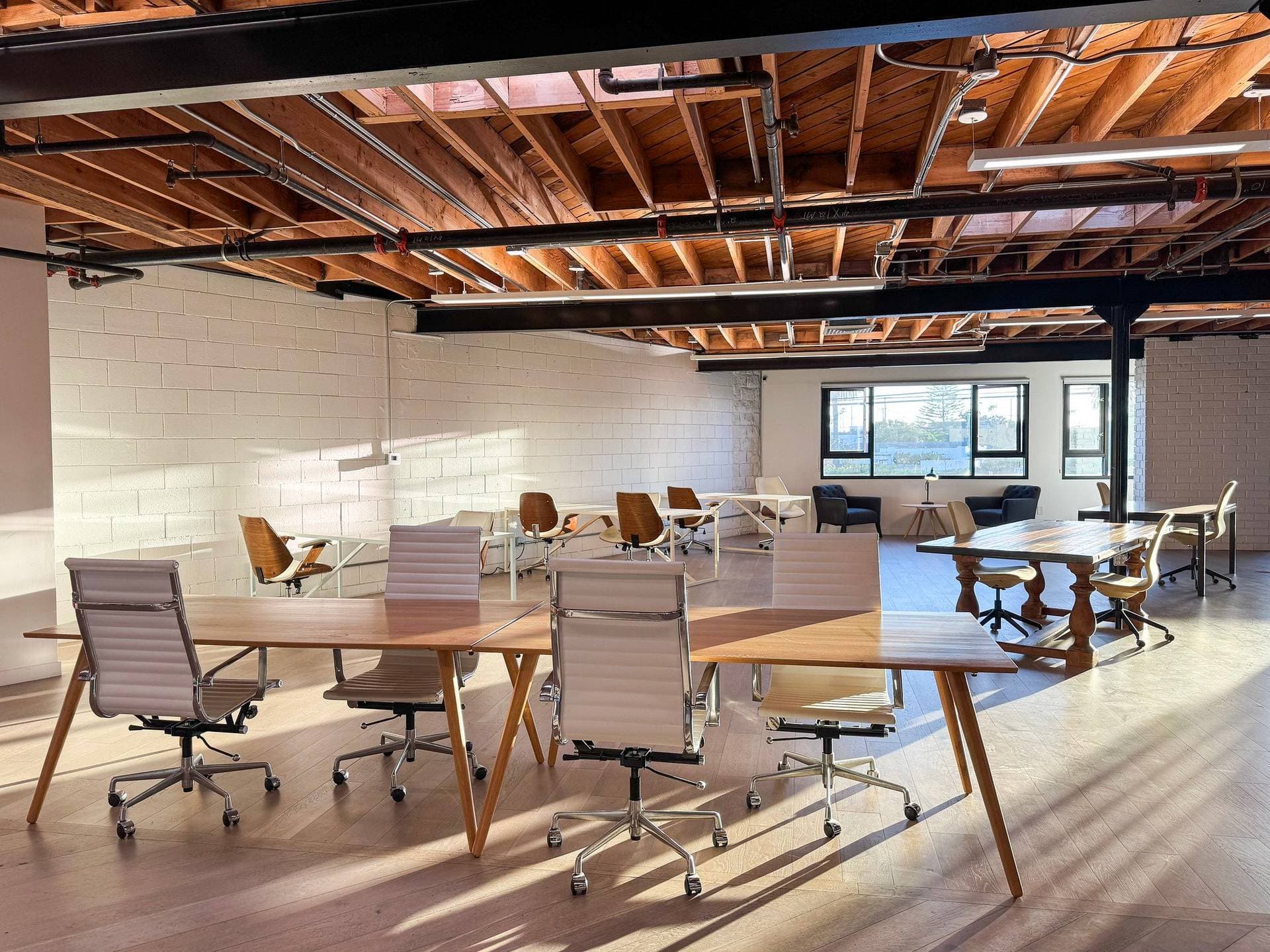
1 workspace
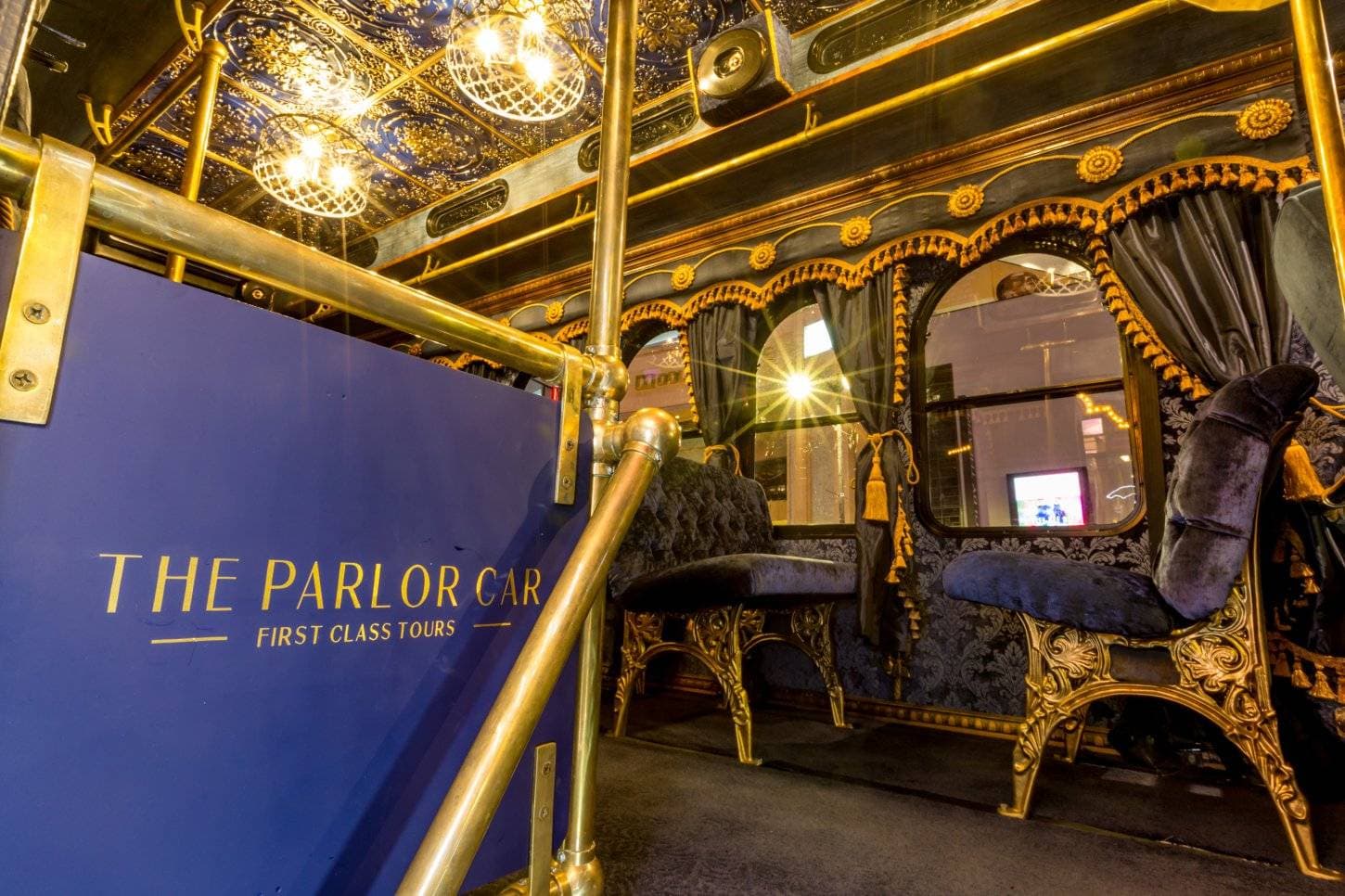
30 maximum · 1 workspace
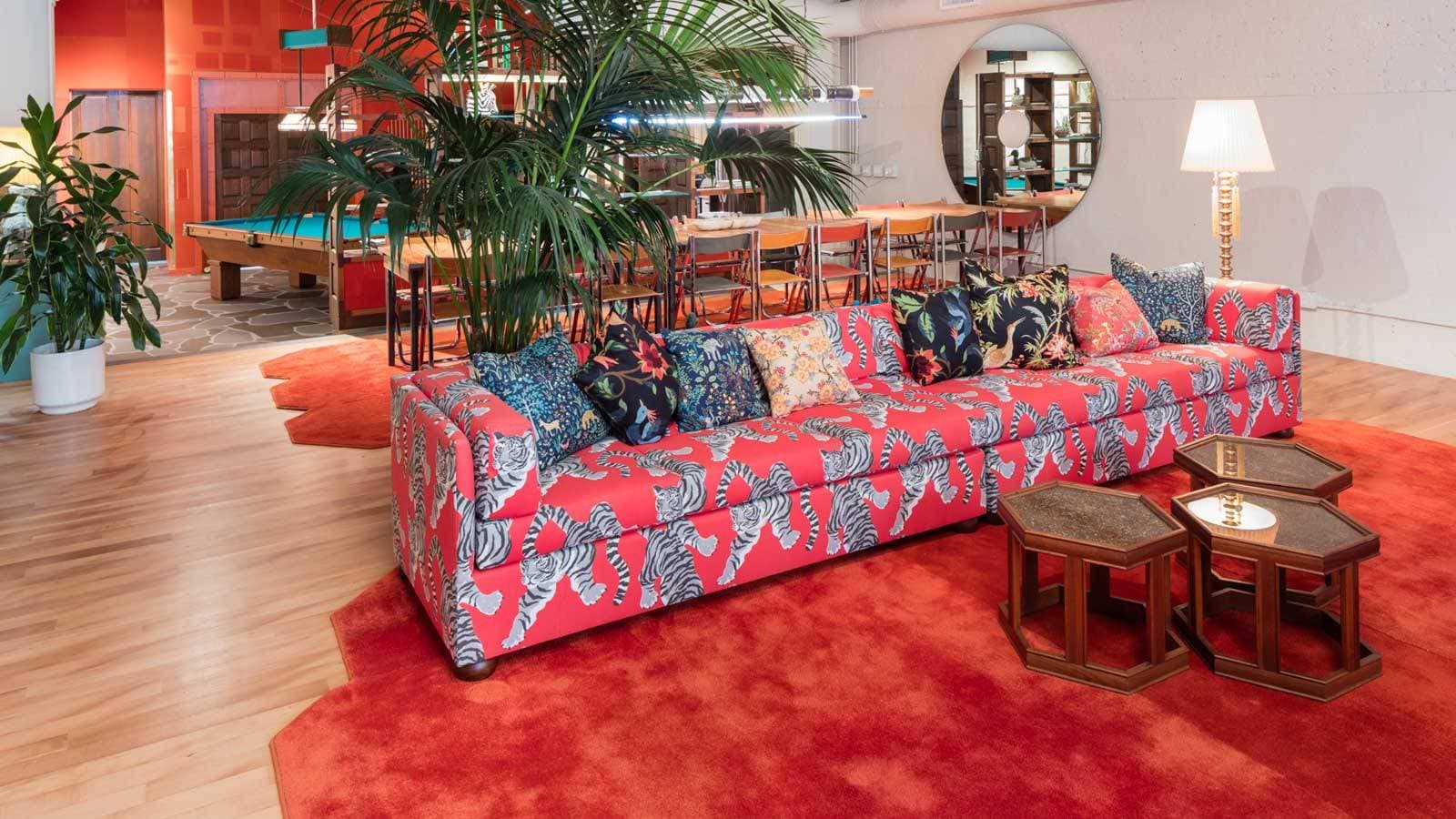
30 maximum · 1 workspace
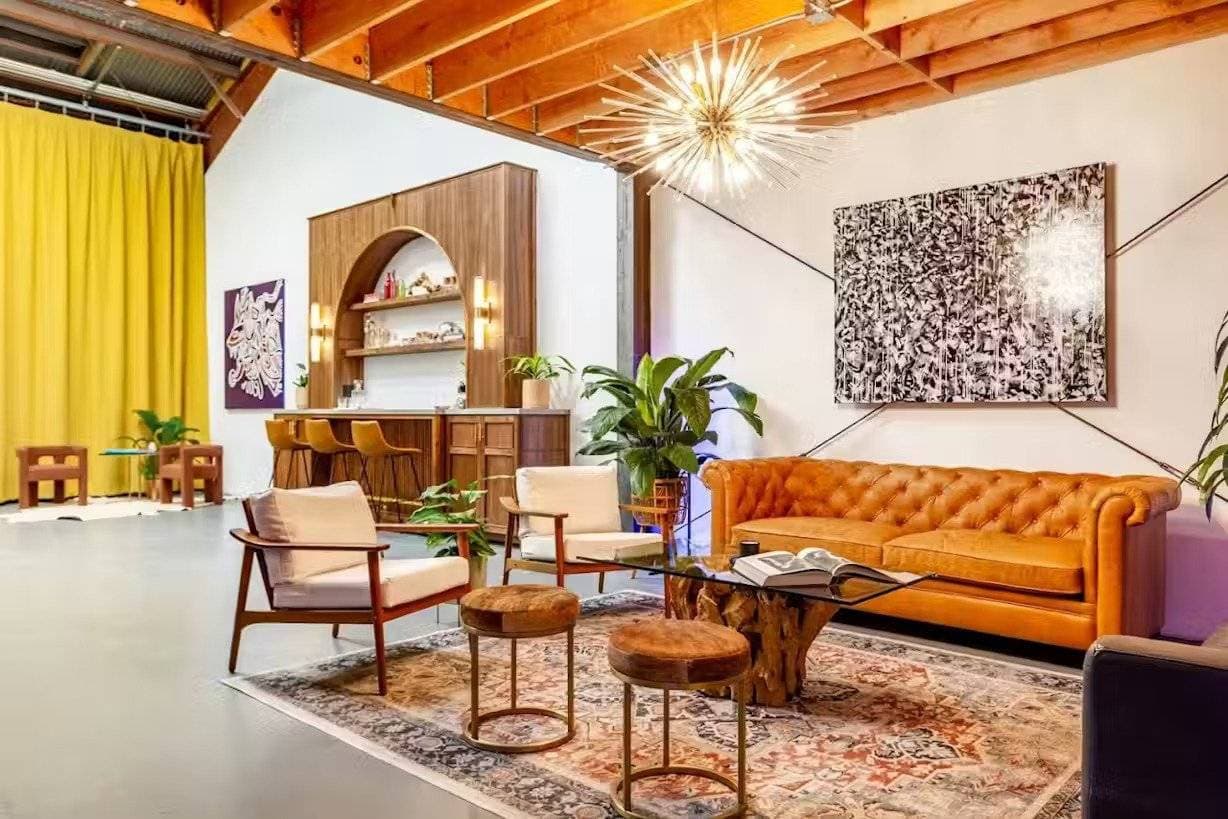
150 maximum · 1 workspace
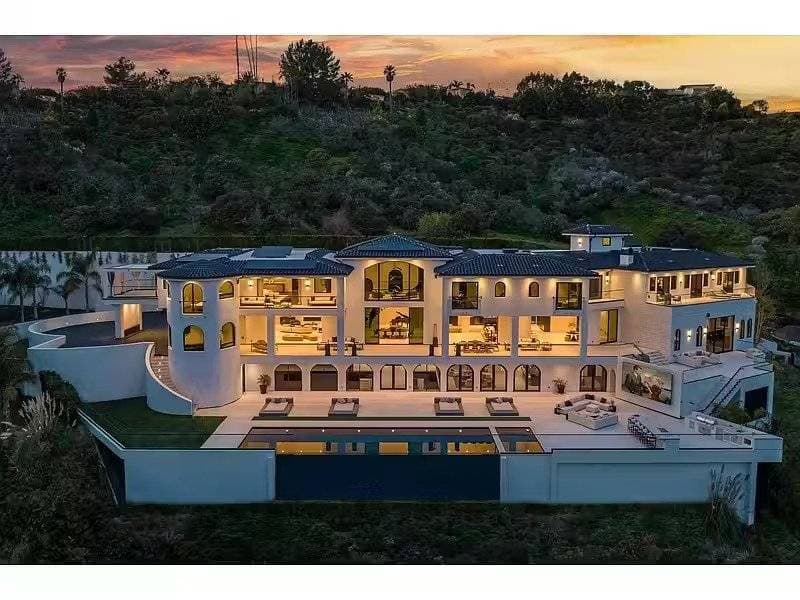
100 maximum · 1 workspace
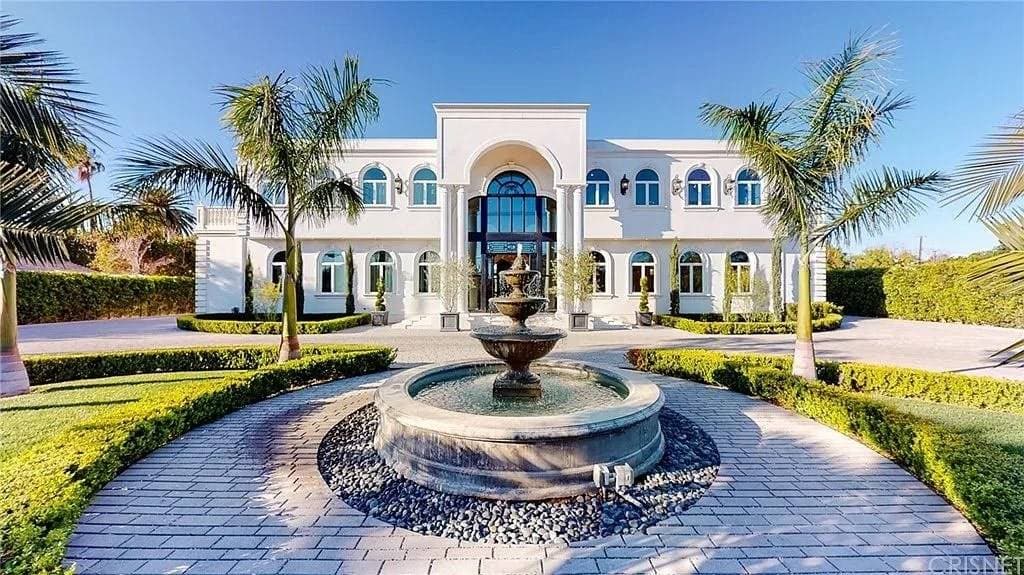
100 maximum · 1 workspace
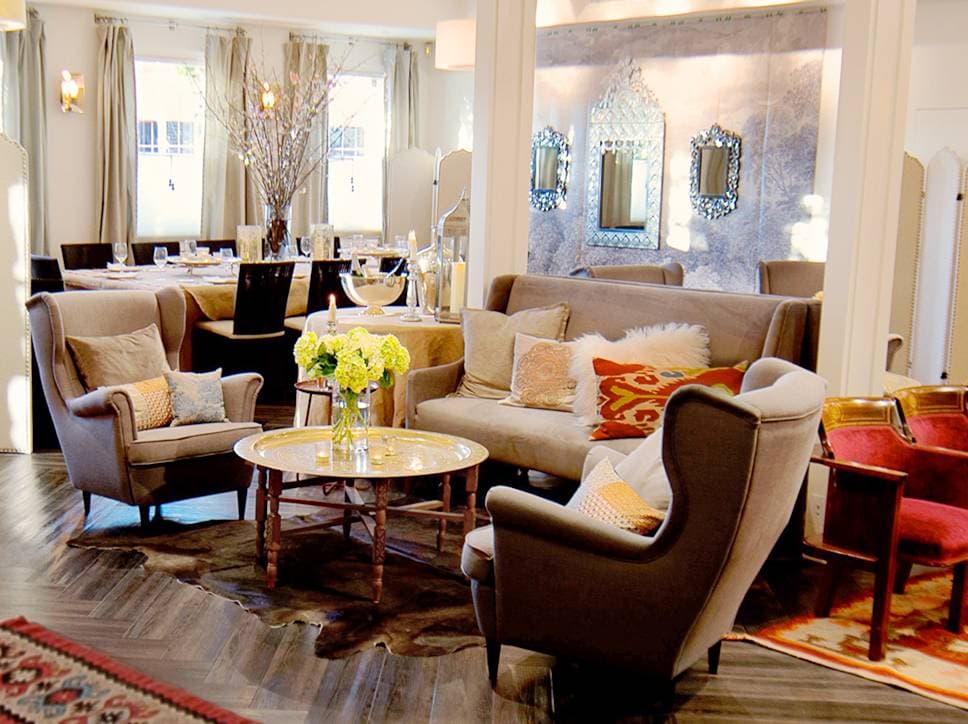
80 maximum · 1 workspace

3 workspaces
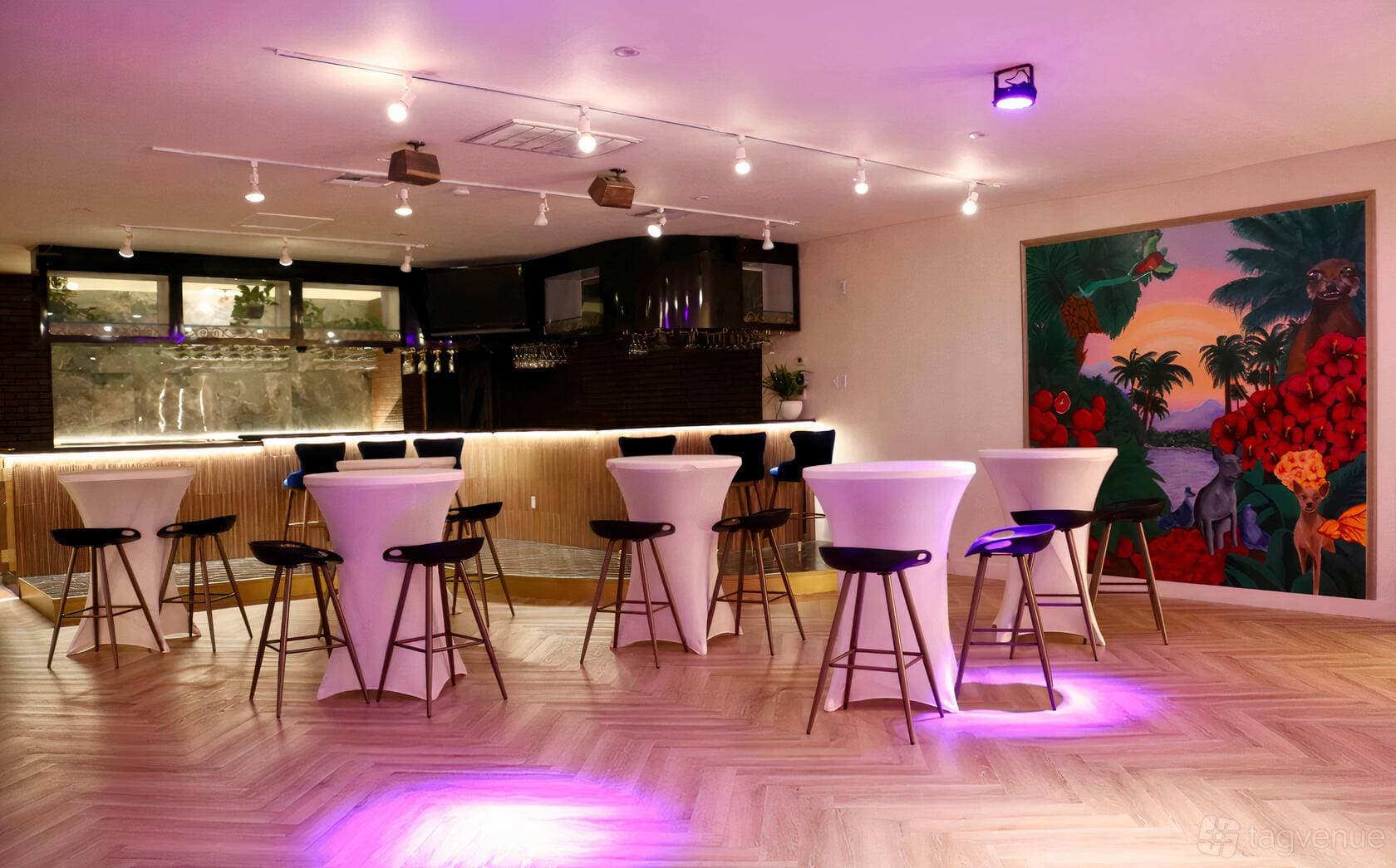
1 workspace
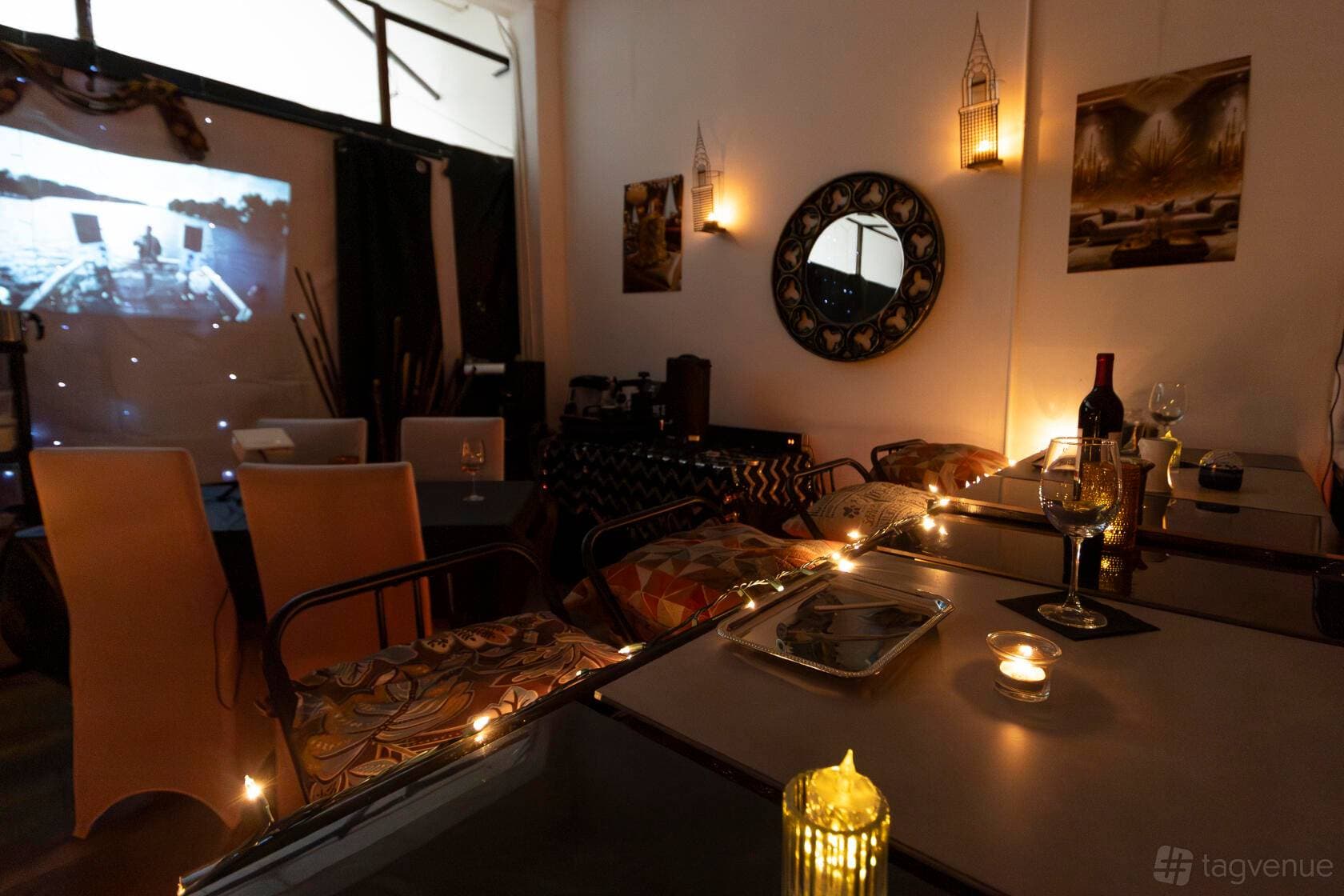
1 workspace
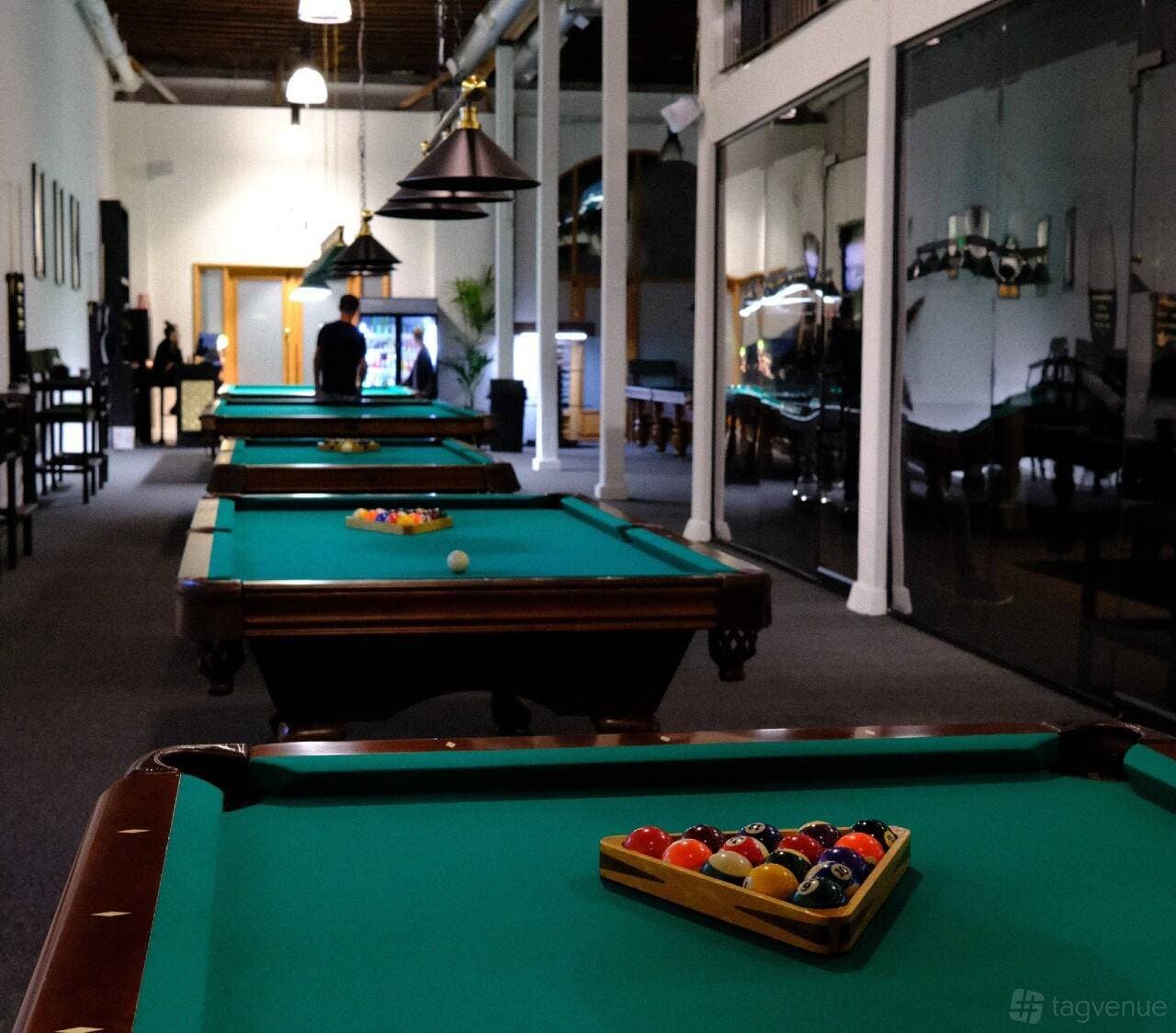
1 workspace
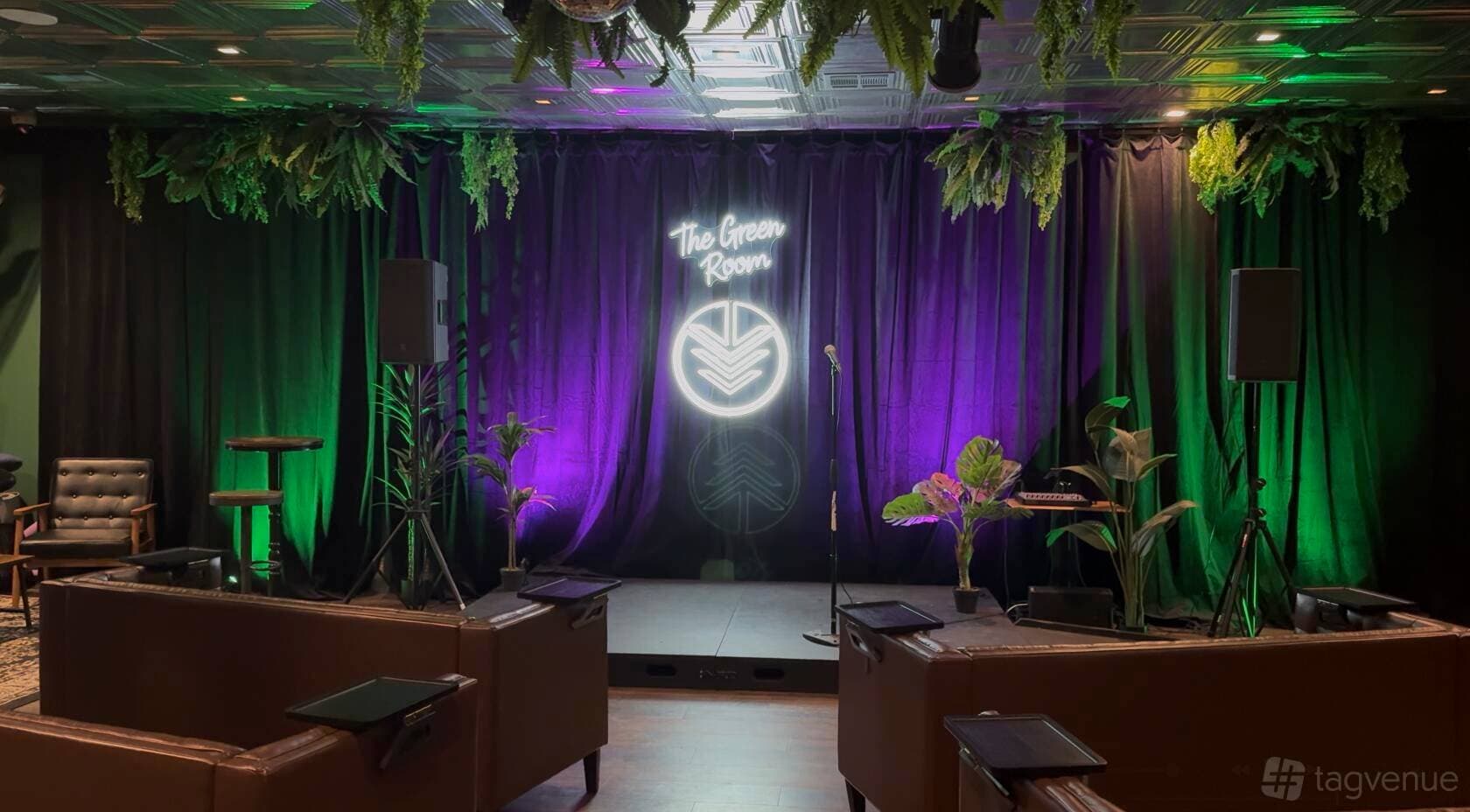
1 workspace
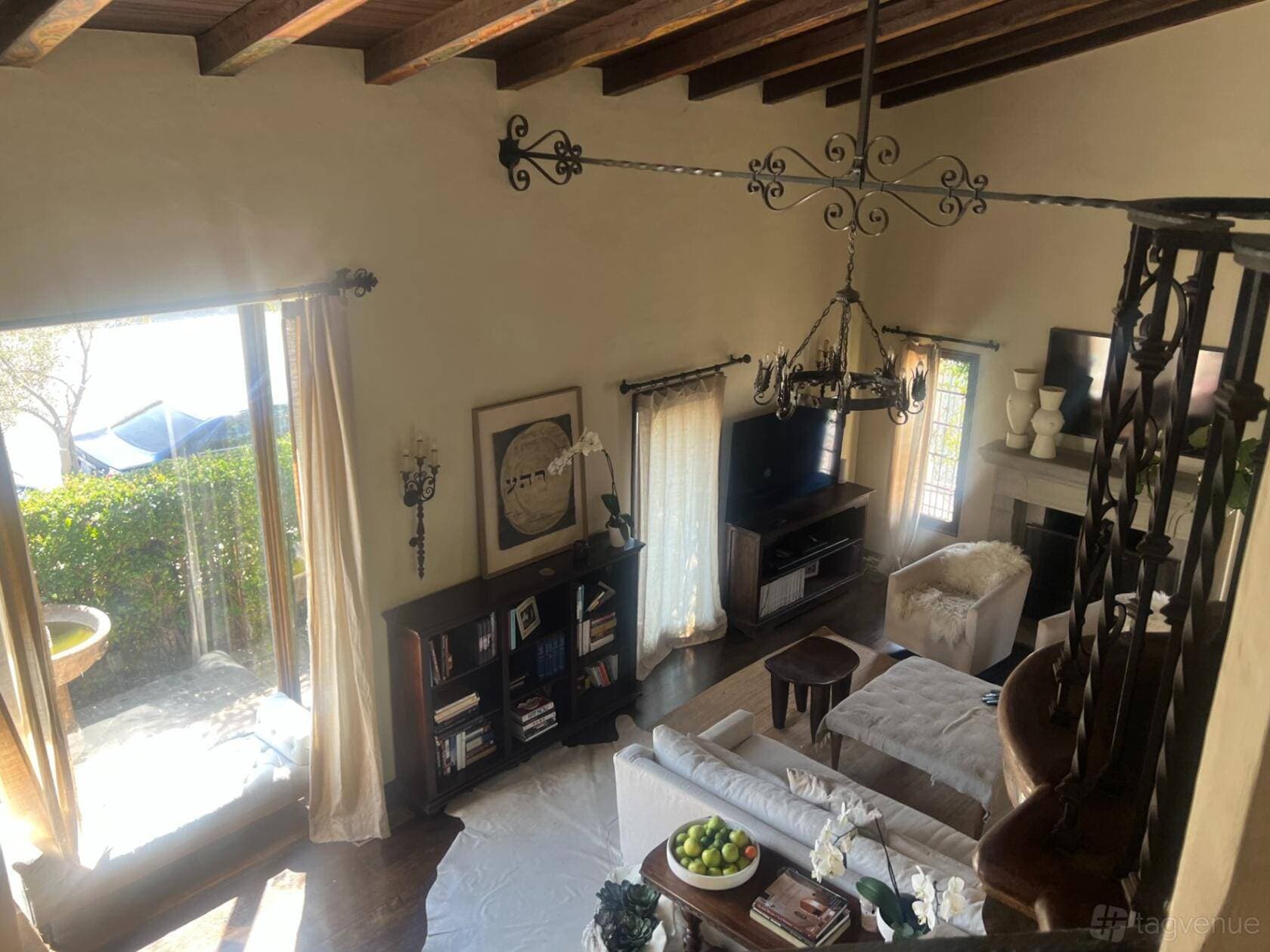
2 workspaces
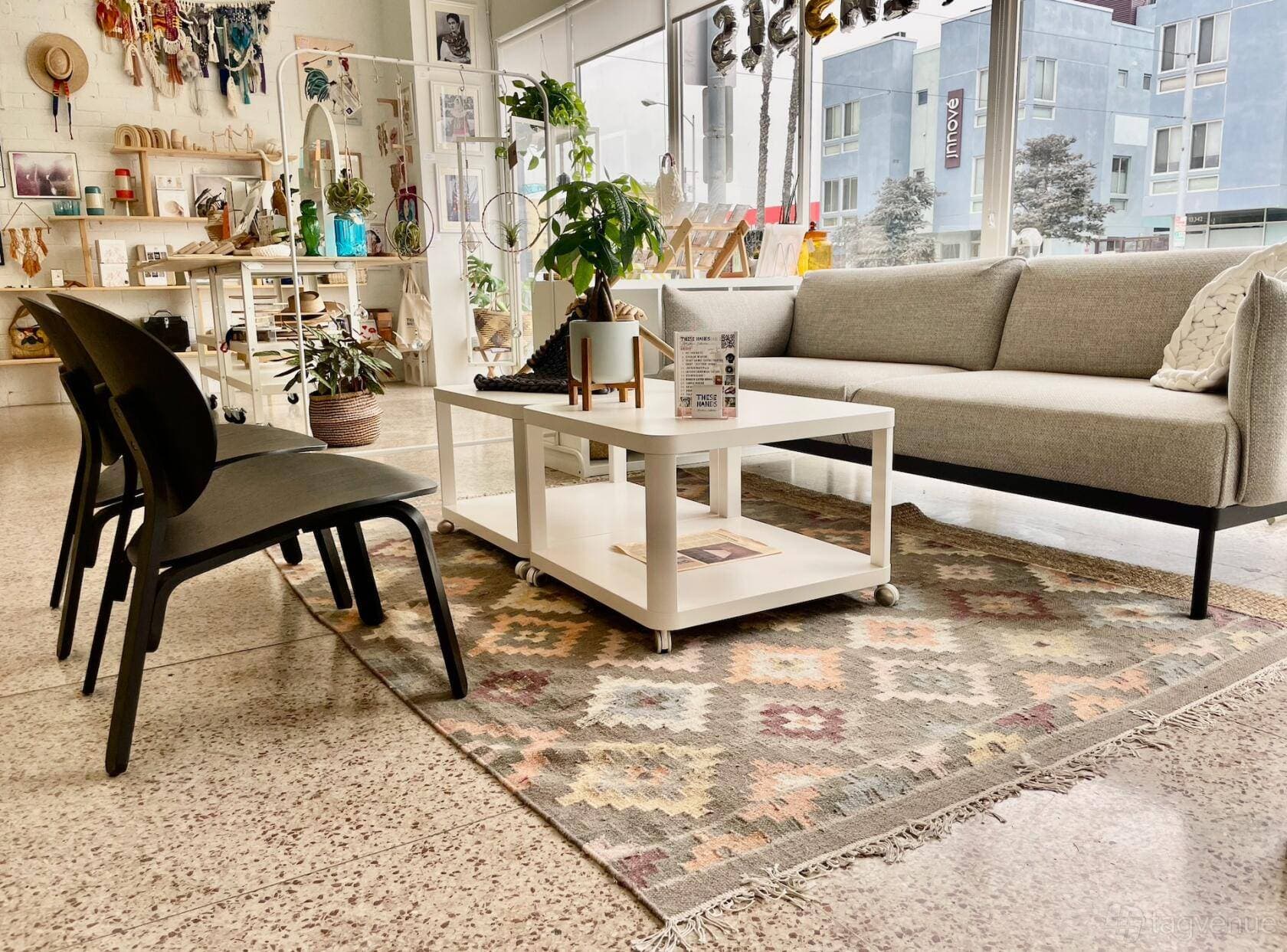
1 workspace
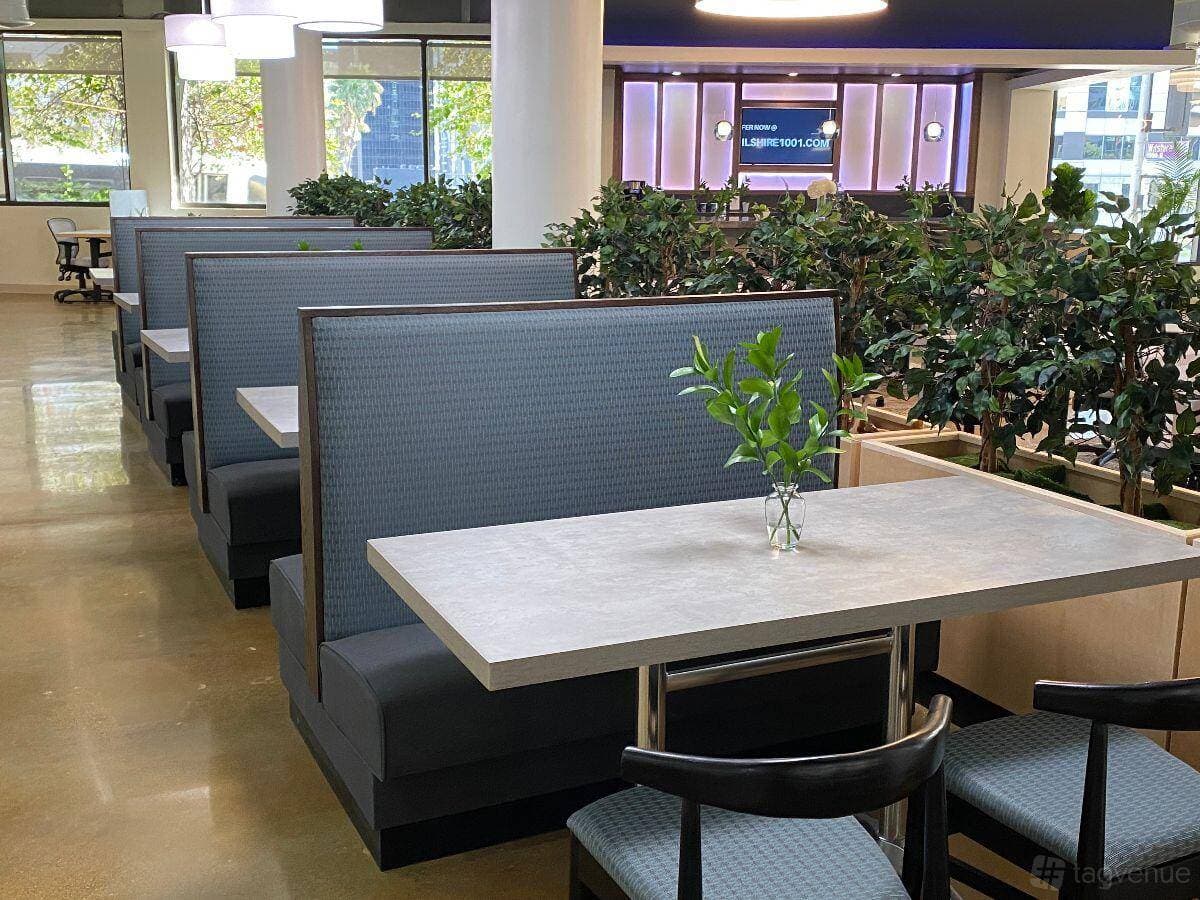
1 workspace
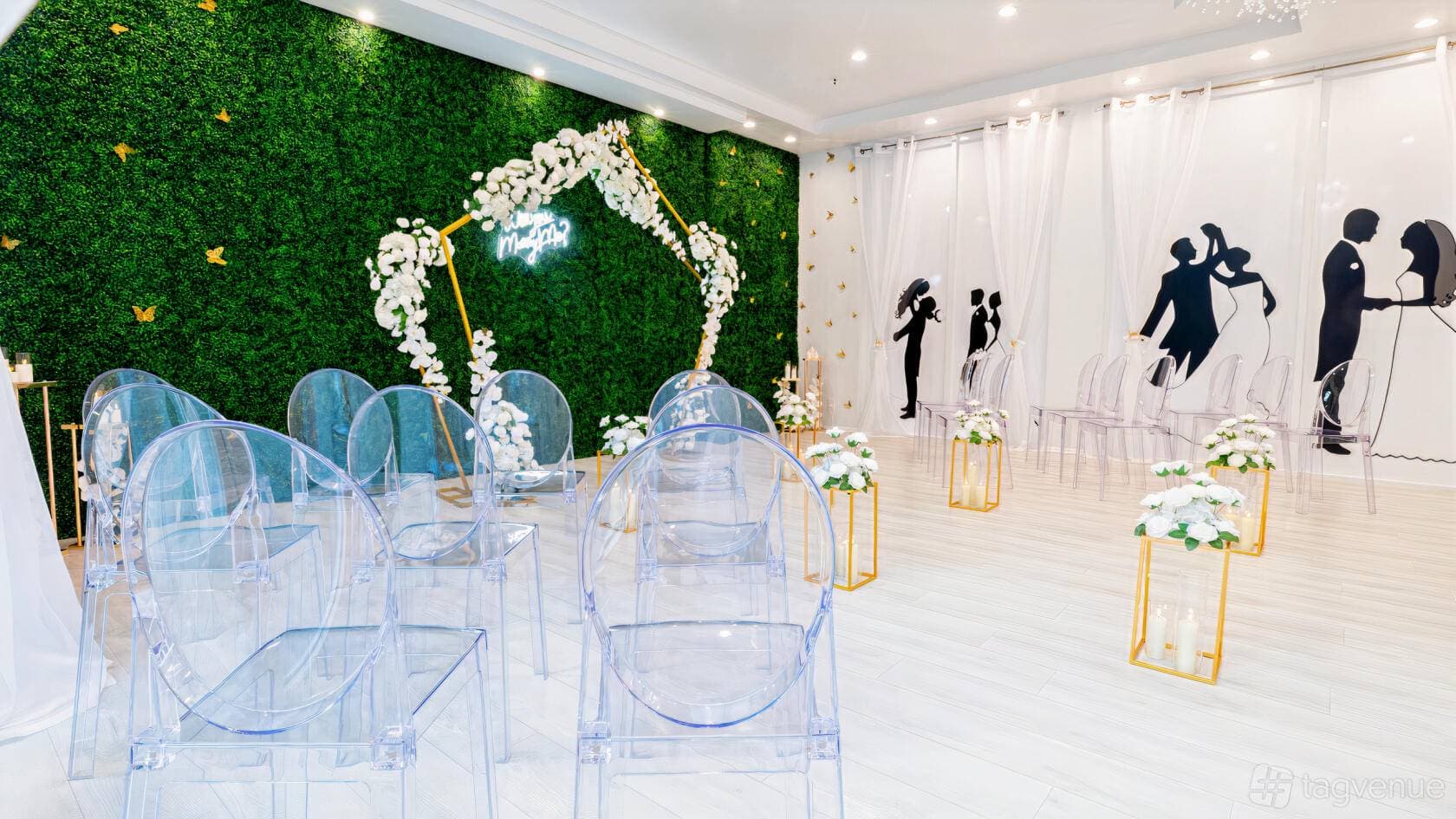
1 workspace
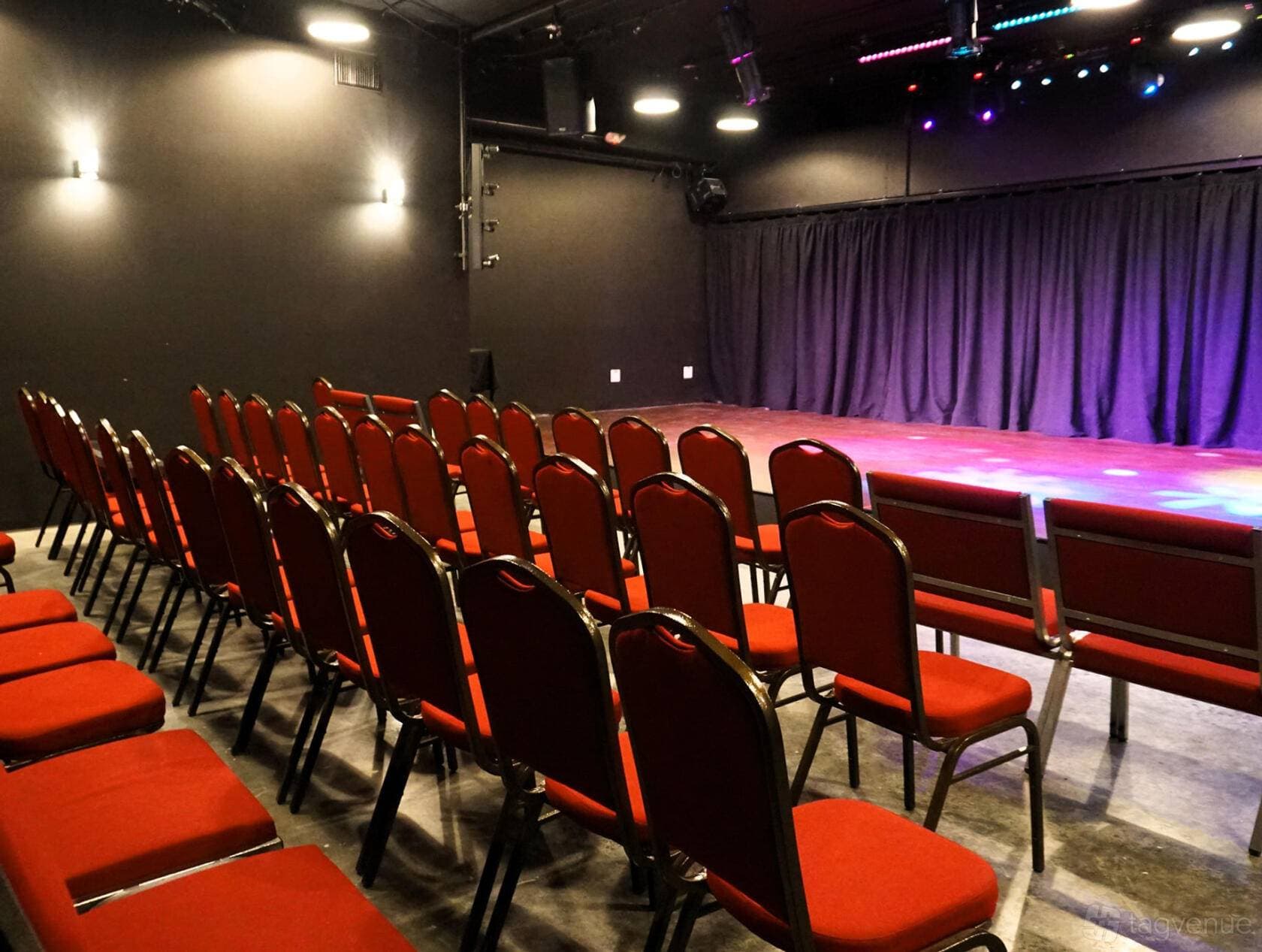
1 workspace
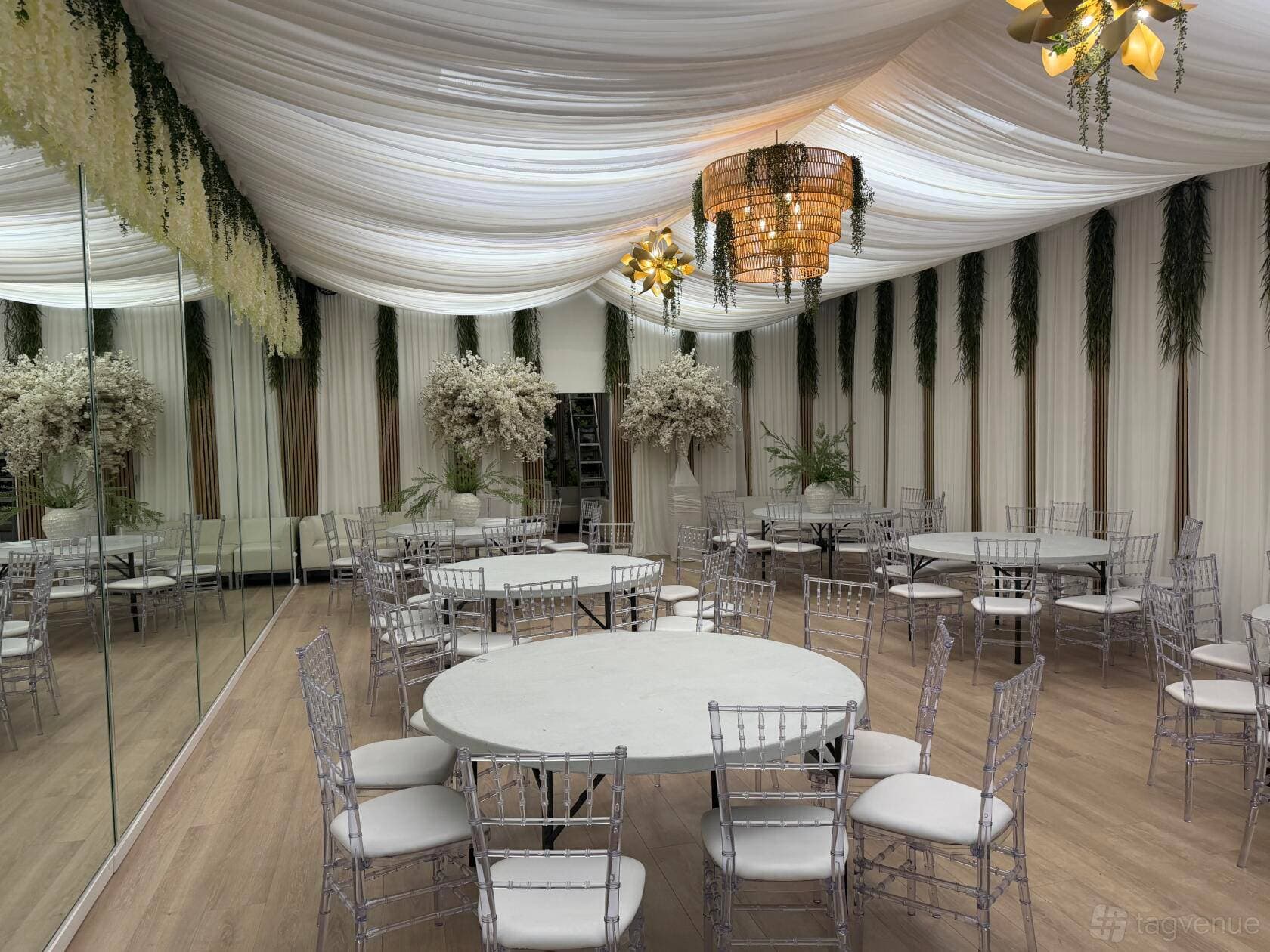
1 workspace
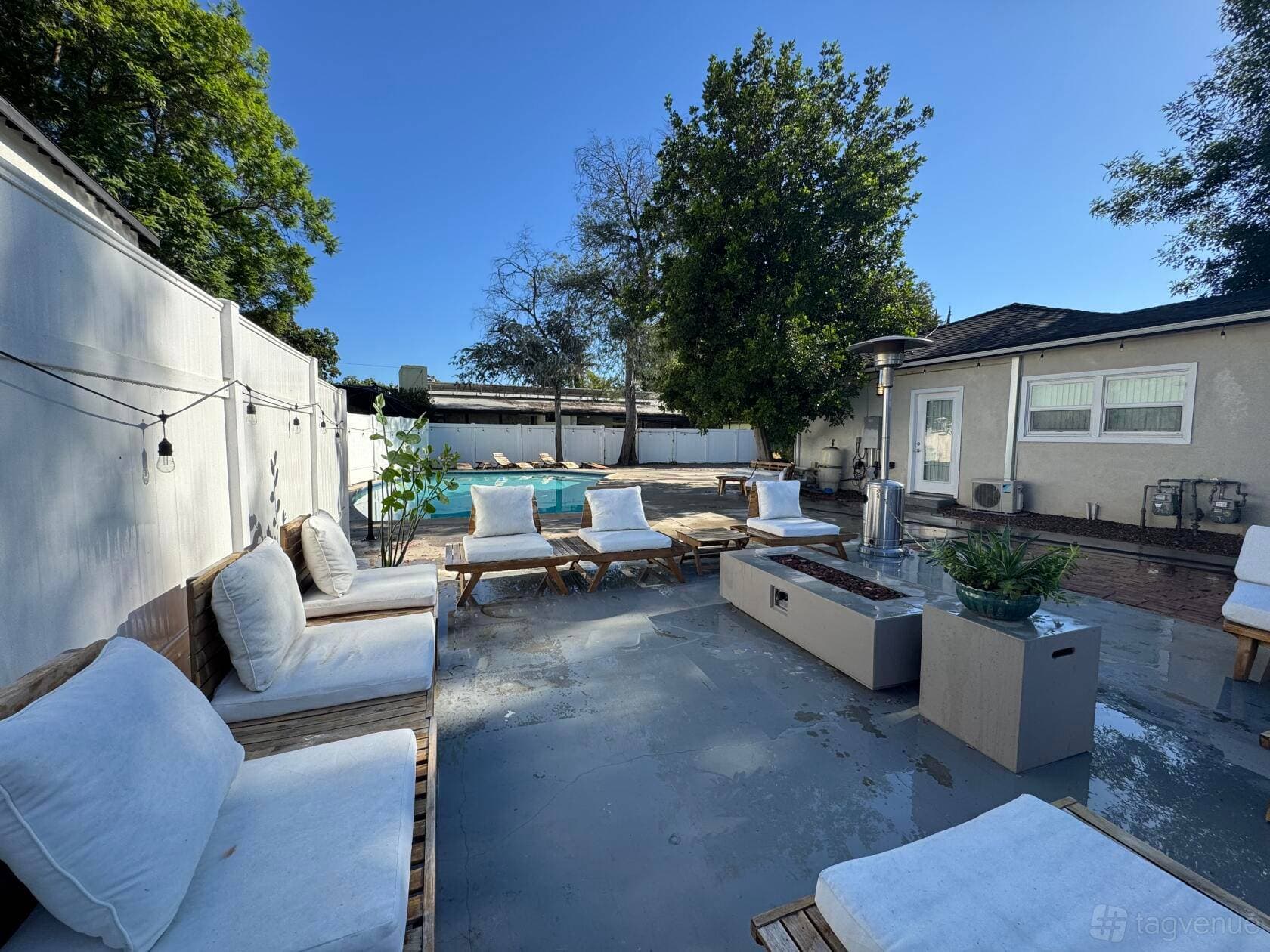
1 workspace
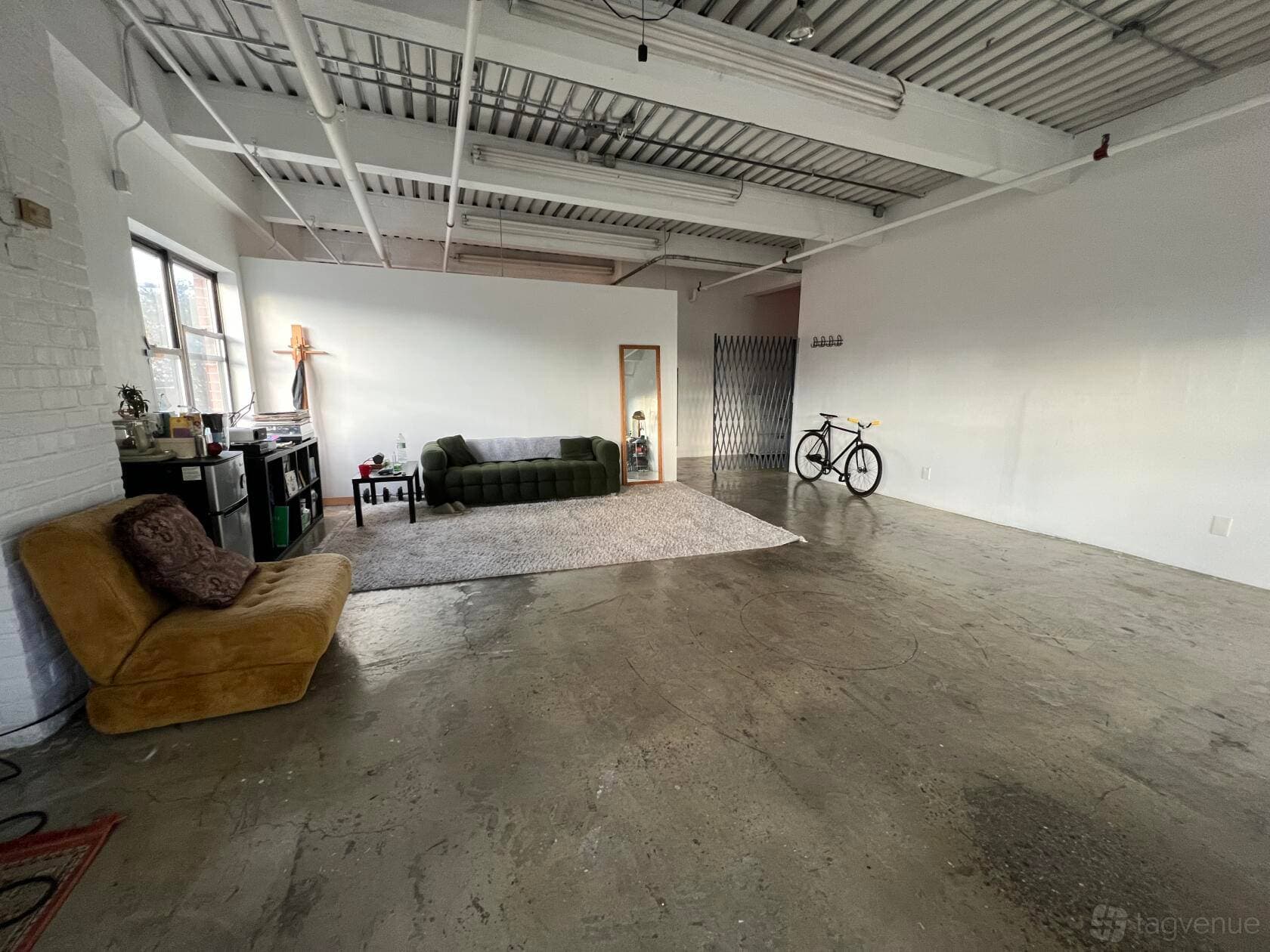
1 workspace

Answer a few quick questions and get venue suggestions for your next event
Over 500,000 employees have experienced a Naboo event











Event venues in Los Angeles can vary a lot by format, neighborhood, and production needs. Start with the event goal, then compare each space on layout, access, and the written proposal. For a company event, the right choice depends on whether you need a seated meeting, a reception, or a mixed program. Venue features, transit access, and catering terms should all be checked before you narrow the list. Naboo can help you compare venues that are vetted for corporate use through one brief and clear line items. Each venue confirms its price in writing before you book, and one point of contact plus one invoice keeps procurement organized.
Start by matching the venue to the event format, not the other way around, so the right event venue supports the style, atmosphere, and flow of the program. A board meeting, a product launch, and a reception each place different demands on flow, service, and production when hosting events in Los Angeles. Put the written details next to your attendee list before you decide.
Write down the program type first, then list the venue requirements that follow from it. A seated presentation, a networking reception, and a brand activation will need different circulation, service, and setup choices.
For seated events, ask for the verified capacity by layout rather than a general room total. That keeps you from comparing spaces that only work on paper.
A single brief can bring back comparable proposals with clear line items. That makes it easier to review venue features, minimums, and service assumptions side by side.
Confirm accessibility for guests, speakers, vendors, and equipment. Ask how entrances, restrooms, loading, and circulation work for the exact event format you are planning.

Large corporate events in Los Angeles often start with the main large-format convention center option. For conferences and trade-show style programs, it is the first place many planners compare against museum and cultural settings.
Written confirmation matters most when the event is large and production-heavy.
Examples to start your comparison. Each venue confirms its price in writing before you book.
Registration flow, plenary space, breakout routing, supplier access, and loading access.
Which halls or galleries are included, catering rules, and whether the venue closes to the public for your event.
Seasonal rules, permit responsibilities, and an indoor backup plan.

When you compare high-capacity spaces, use verified venue sources for the layout-specific capacity. Never assume a general listing applies to your exact room setup.
The best high-capacity option is the one that matches your production plan in writing.
One brief, comparable proposals, one point of contact.
Tell Naboo the format, guest count, dates and neighborhood preferences for your Los Angeles event.
Shortlisted venues reply with proposals that use the same line items, so room rental, catering, labor and equipment sit side by side. Each venue confirms its price in writing before you book.
Naboo handles the booking with one point of contact and one invoice per event. With a framework contract, procurement also gets one vendor of record.

| Row | Booking venues on your own | With Naboo |
|---|---|---|
| 01 | A different quote format from every venue | One brief, comparable proposals with clear line items |
| 02 | Prices that can change before you sign | Each venue confirms its price in writing before you book, and the price we confirm is the price you pay |
| 03 | Fees that show up late in the process | Fees and service charges shown line by line in the proposal |
| 04 | Rates that may be higher than booking direct | Prices never higher than booking direct |
| 05 | Several contacts and invoices to chase | One point of contact and one invoice per event |
| 06 | Terms negotiated again for every event | With a framework contract: one vendor of record and negotiated terms per contract |

Some programs need unique venues when a standard meeting space will not create the right impression. In Los Angeles, museums and garden settings can help create that contrast without changing the event structure.
Distinctive spaces still need the same written checks as any other venue.
Outdoor planning in Los Angeles should start with seasonal conditions and contract language. Outdoor events need written roles before the first guest arrives.
Build your outdoor plan around the season, not just the date on the calendar. Summer demand can affect travel patterns and hotel costs, while June Gloom can change the look and feel of morning programming near the coast.
The contract should state who handles outdoor permits and related responsibilities. Do not assume the venue, the planner, or the caterer is responsible unless it is written clearly.
Ask for the backup plan if weather changes the guest experience. That includes shade, shelter, and how the program moves if the outdoor setup is no longer workable.
Executive gatherings often need multiple event spaces for presentations, breakouts, and networking, especially for corporate meetings and smaller corporate gatherings. The best venues make that change without forcing the agenda to work around the space.
Flexible rooms help executive programs stay on schedule and on message.
For central gatherings, start with the districts that support transit and hotel access in Los Angeles, CA. downtown LA, the Convention District, and L.A. LIVE are the main central areas to compare.
Convenience is part of the venue decision, not an afterthought.
Los Angeles International Airport is a major arrival point for corporate groups. Travelers can take Metro rail to the LAX/Metro Transit Center and then use a shuttle to reach the terminals, while rideshare pickups are handled in the designated LAX-it area.
Metro rail and bus service reach many popular destinations, and Downtown is the hub of the urban rail system with Union Station connecting to regional rail. Rideshare is widely available when rail does not cover the route, which helps planners build schedules around meetings, site visits, and off-site dinners without relying on one mode alone.
Los Angeles gives planners several distinct settings to compare, from a convention-centered core to Westside areas with different pacing. The right district can shape how attendees move, where they stay, and how much of the day happens on foot.
This compact urban core is organized around a convention campus, with adjoining districts such as the Arts District and Little Tokyo. Attendees can find hotels, dining, entertainment, and shopping within walking distance, and the tourism office says a car is not needed.
Hollywood is known as the home of film studios, with historic theaters and entertainment landmarks along its main boulevard. Attendees also find a wide range of hotels, landmark restaurants, and live performance venues, with several Metro rail stations serving the area, including a stop for the studio area at Universal City.
Santa Monica is a coastal Westside city known for its pier, beach, and shopping streets. Teams can pair meetings with time at the beach, and the Metro E Line links Downtown Los Angeles with Downtown Santa Monica in under an hour.
Culver City has a public arts program and active support for film and television production. Attendees find arts and dining areas plus a designated downtown business district along the E Line corridor, with the Metro E Line stopping there between Downtown Los Angeles and Santa Monica.
Los Angeles has a mild Mediterranean climate with warm days, low humidity, and plenty of sunshine. Coastal areas are often cooled by ocean breezes, and the tourism office names no single best season, so planners can choose dates based on program needs rather than weather alone.
Outdoor plans still call for hydration and sun protection. The calendar also includes recurring city events such as the LA Auto Show and the Hollywood Christmas Parade, which can affect demand and should be checked early in the planning process.
Pricing review should start with itemized proposals and end with signed terms that match what you were quoted. Hidden fees often appear in service assumptions, administrative charges, taxes, or gratuity language.
The final price should match the written proposal before you book.
Tell Naboo the format, guest count and dates for your event in Los Angeles, then compare itemized proposals from vetted venues with one point of contact and one invoice per event.
Yes. Metro rail runs to the LAX/Metro Transit Center, and a shuttle serves all terminals from there.
Yes. Downtown is a hub for the urban rail system, hotels and dining are within walking distance of the convention campus, and the tourism office says a car is not needed.
The Metro E Line connects Downtown Los Angeles with Santa Monica through Culver City. That gives planners a straightforward way to compare central and coastal venue options for the same program.
From the venue to the logistics, we handle it all.
Lodging, catering, activities and spaces in one quote.
Proposals with clear line items, side by side.
Clear pricing, no hidden fees.

November 17, 2026

November 12, 2026

November 12, 2026

November 12, 2026

November 12, 2026

November 12, 2026