Turnkey
For your Tampa event, we handle the venue, logistics, and suppliers.
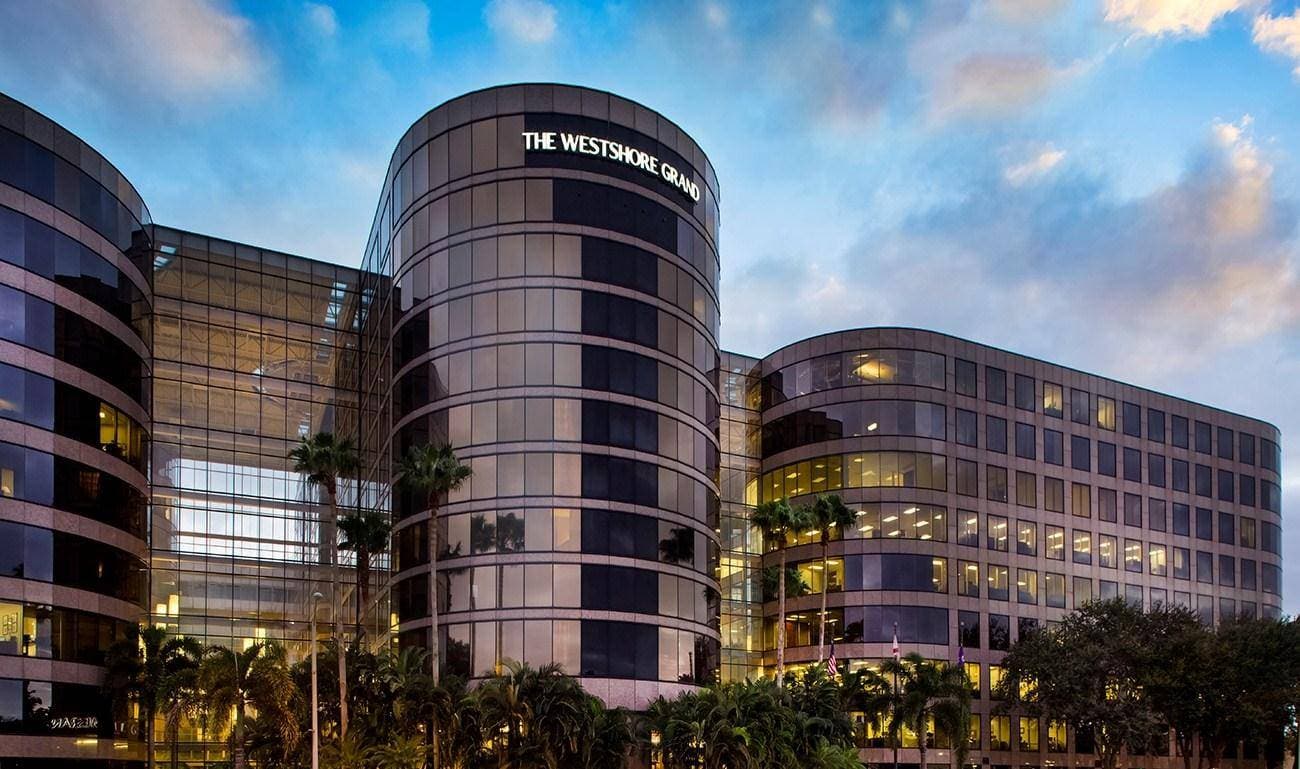
325 maximum · 9 workspaces
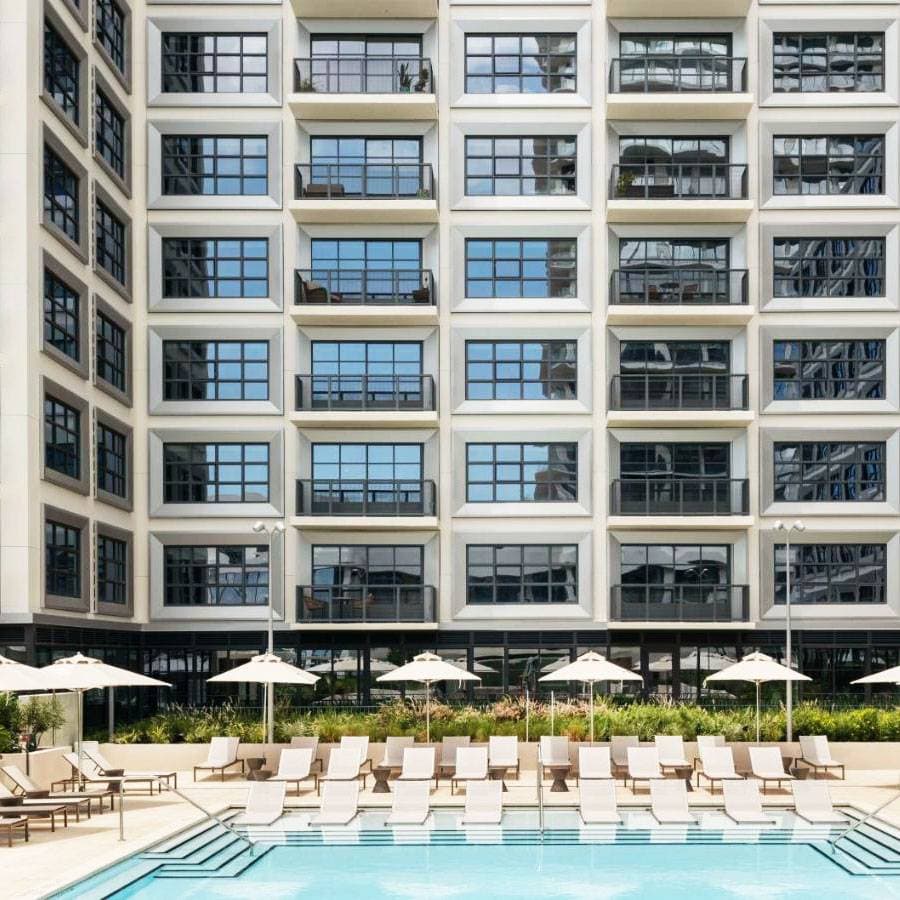
194 maximum
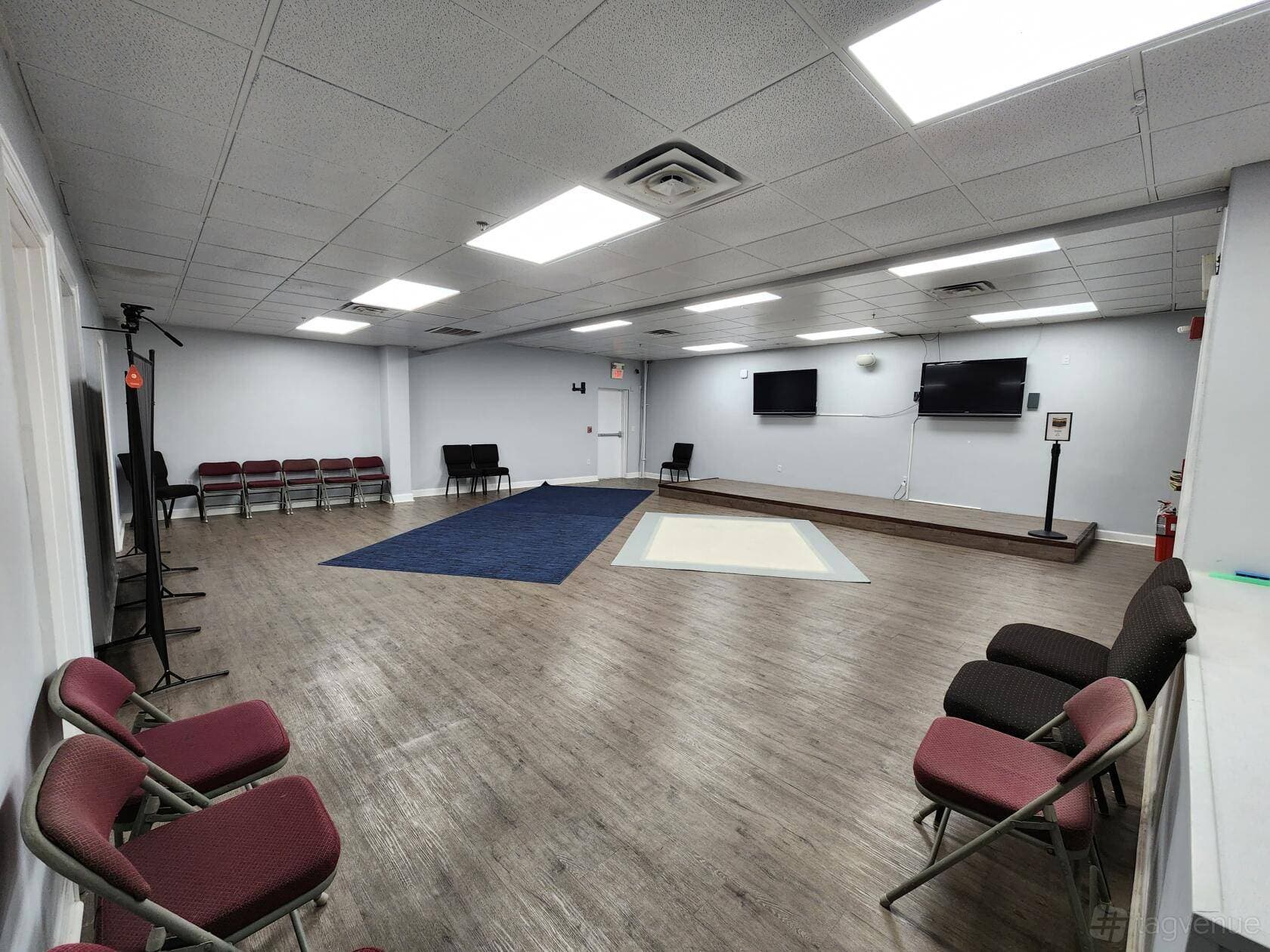
1 workspace
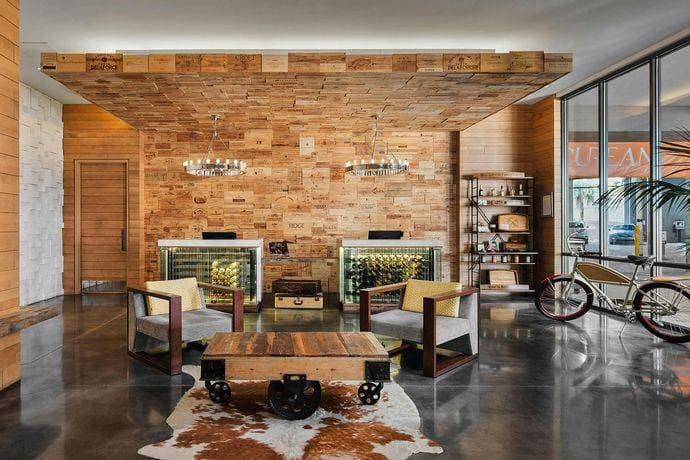
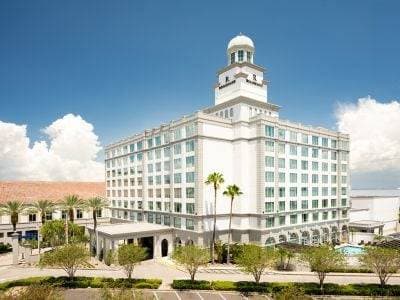
293 maximum · 20 workspaces
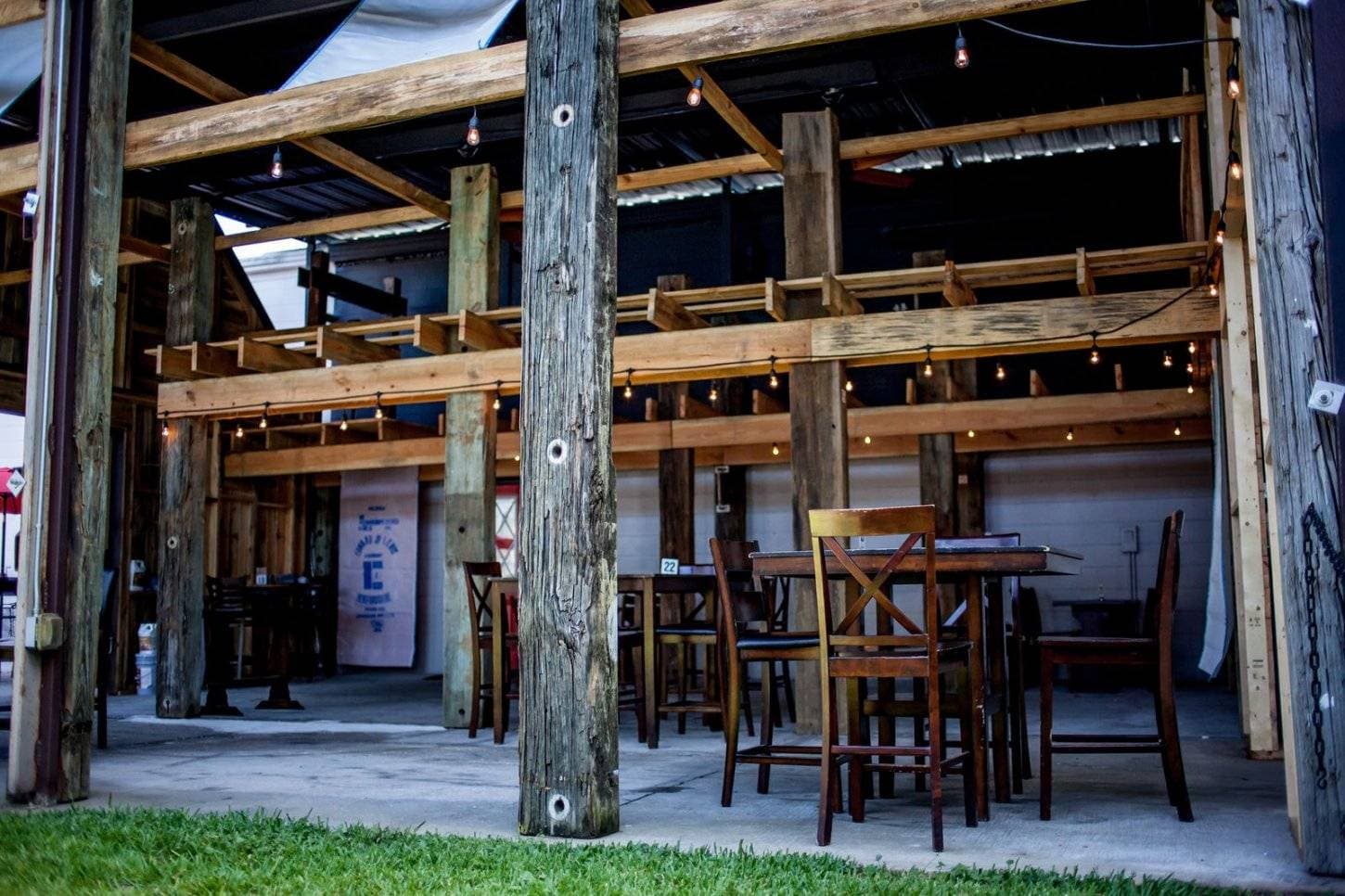
200 maximum · 1 workspace
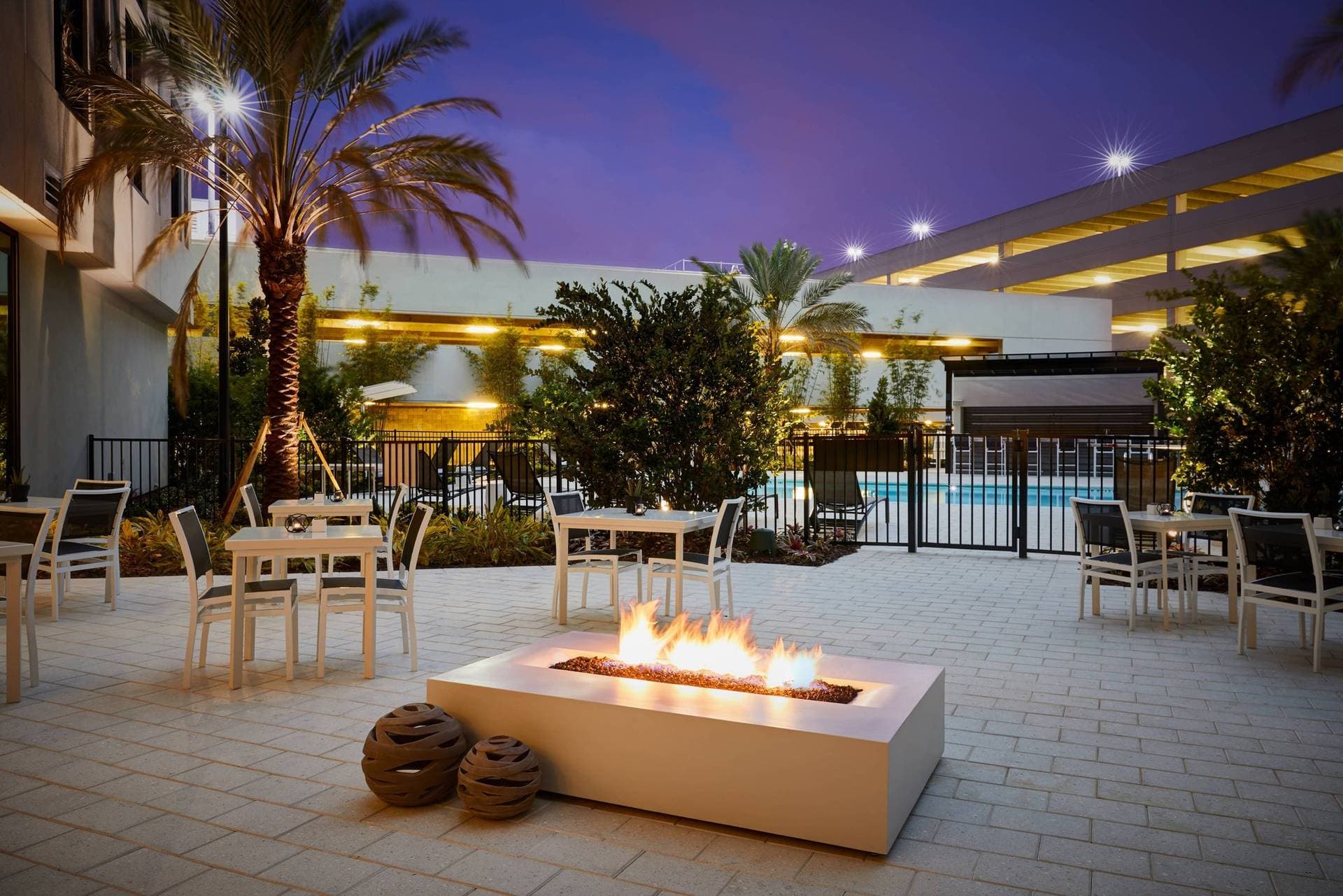
175 maximum · 5 workspaces
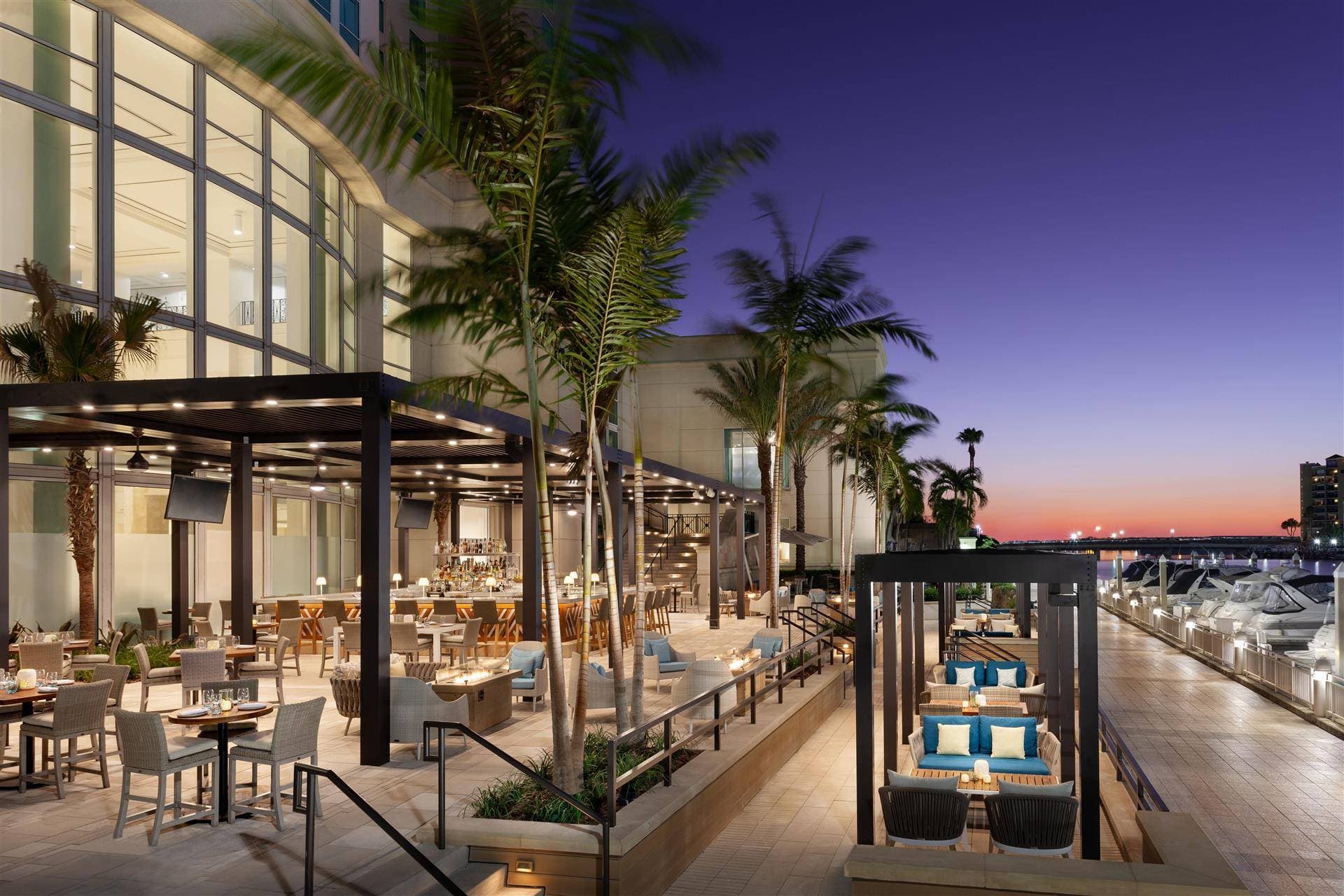
727 maximum · 9 workspaces
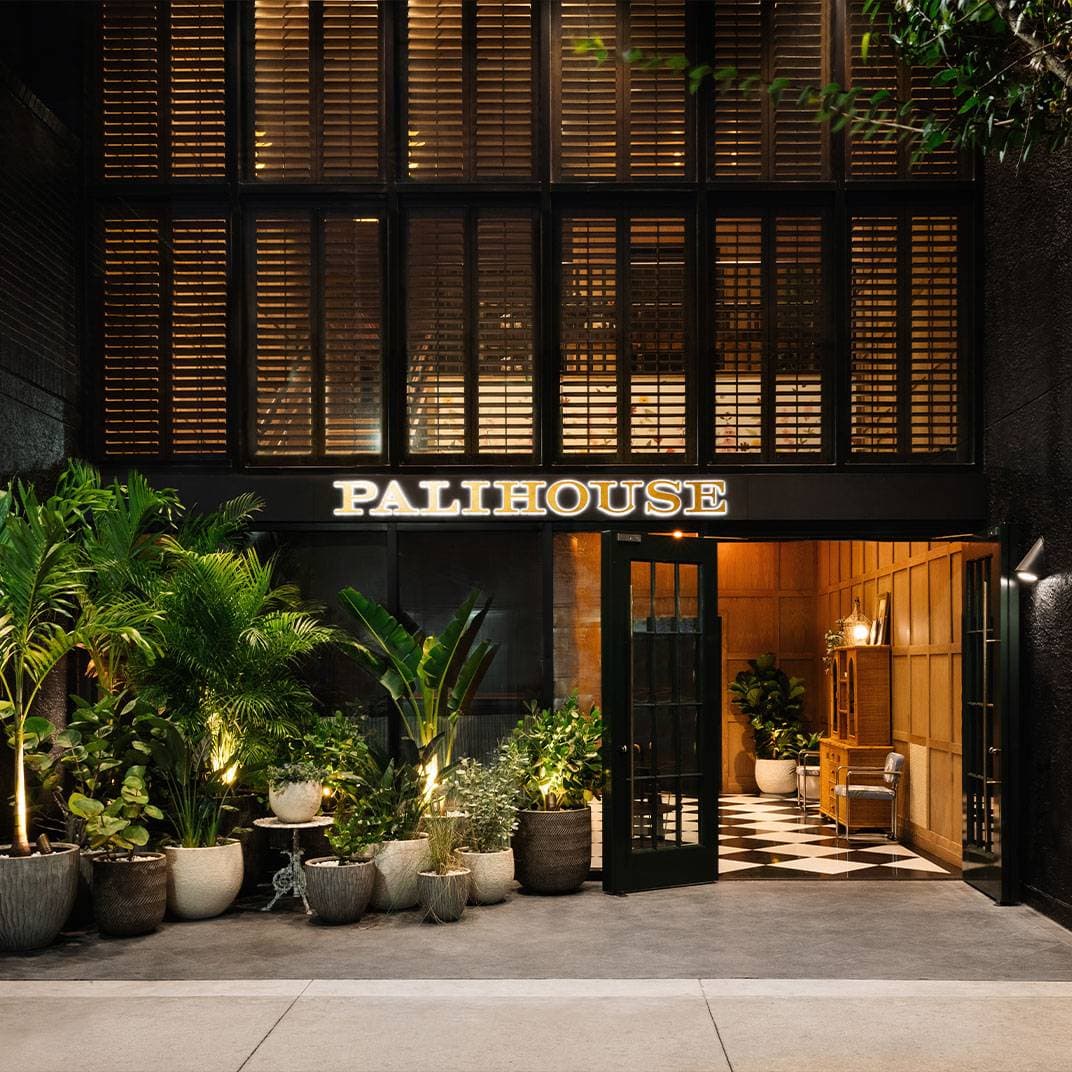
72 maximum
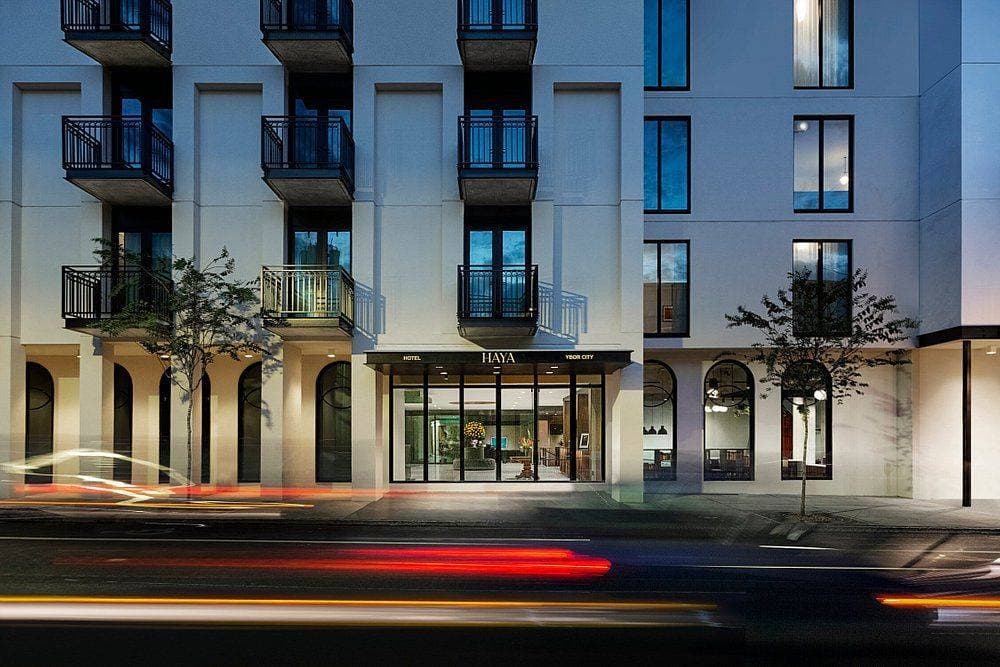
356 maximum · 4 workspaces
FromUSD 255/night
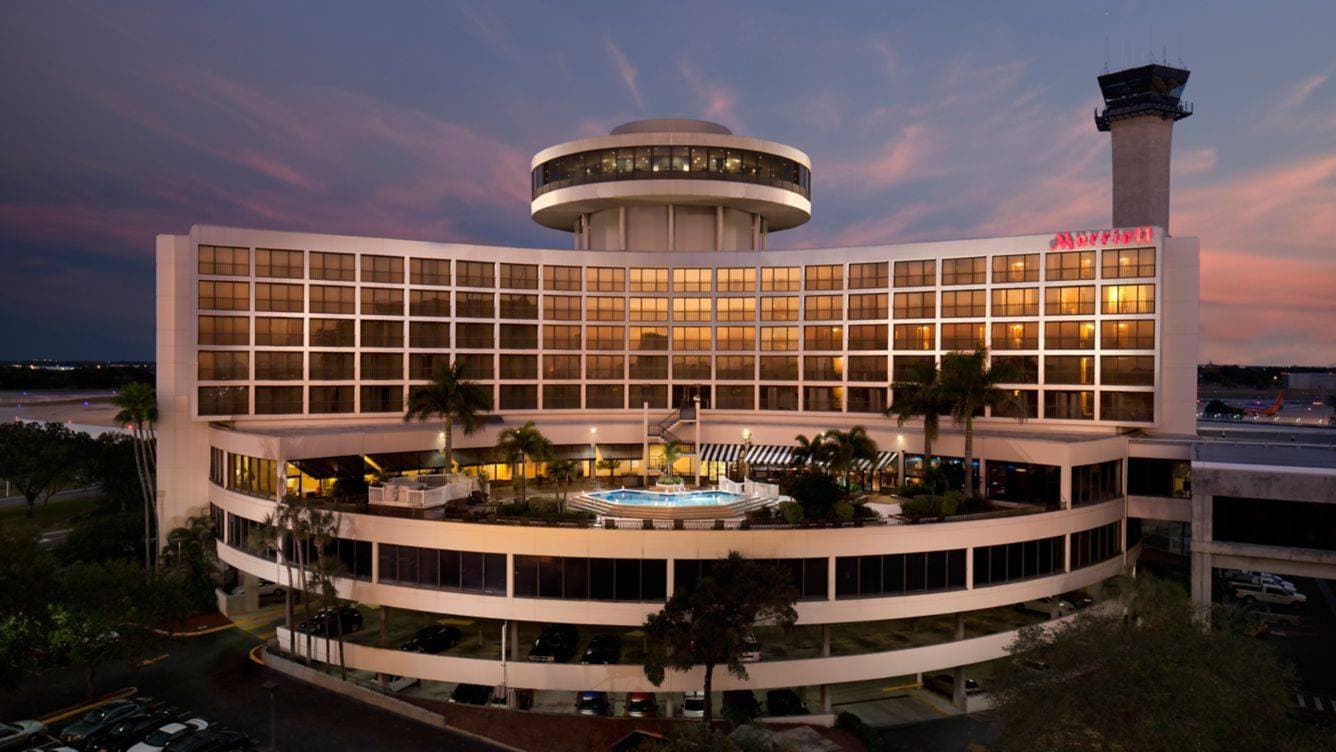
298 maximum · 19 workspaces
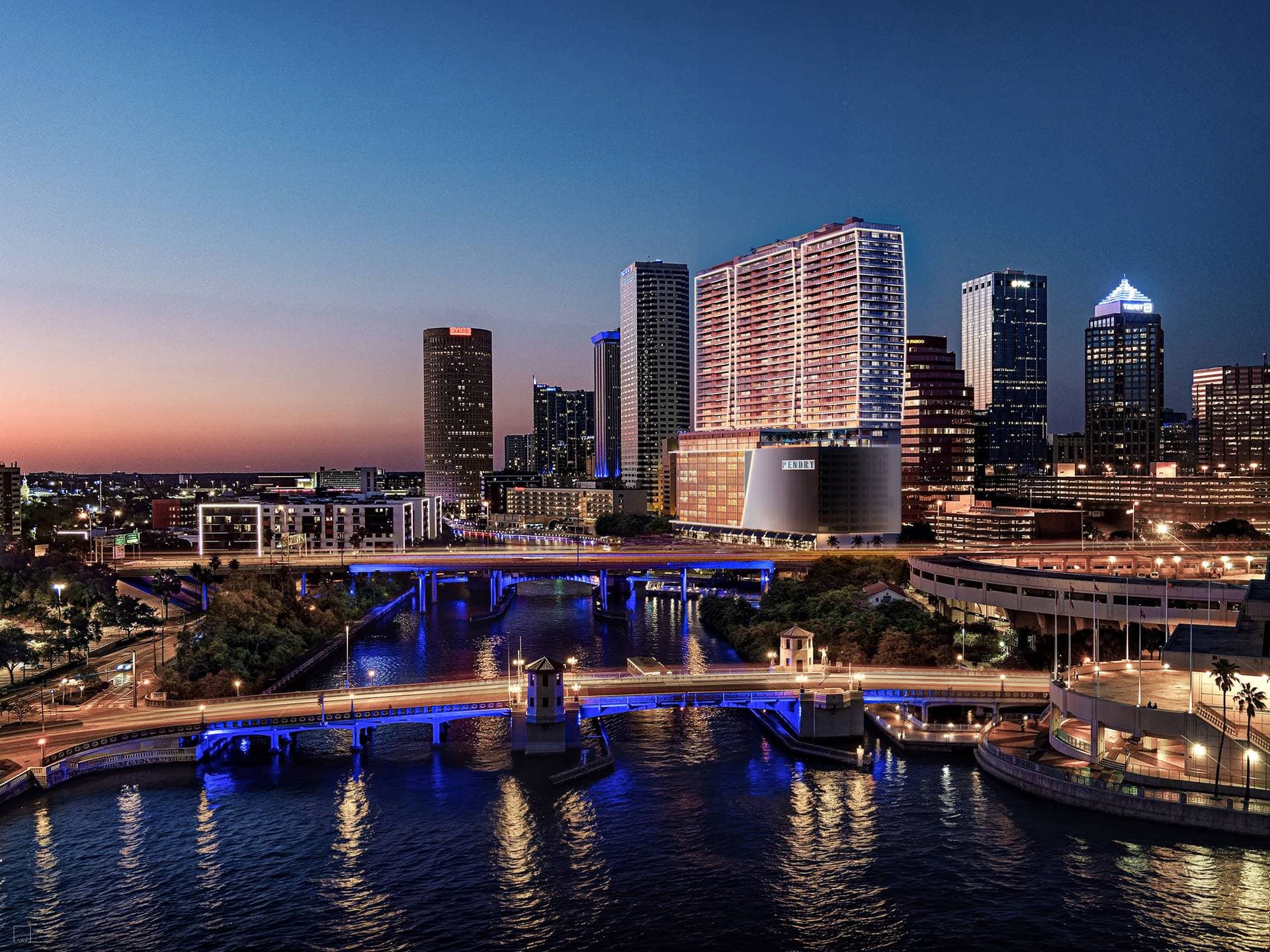
220 maximum
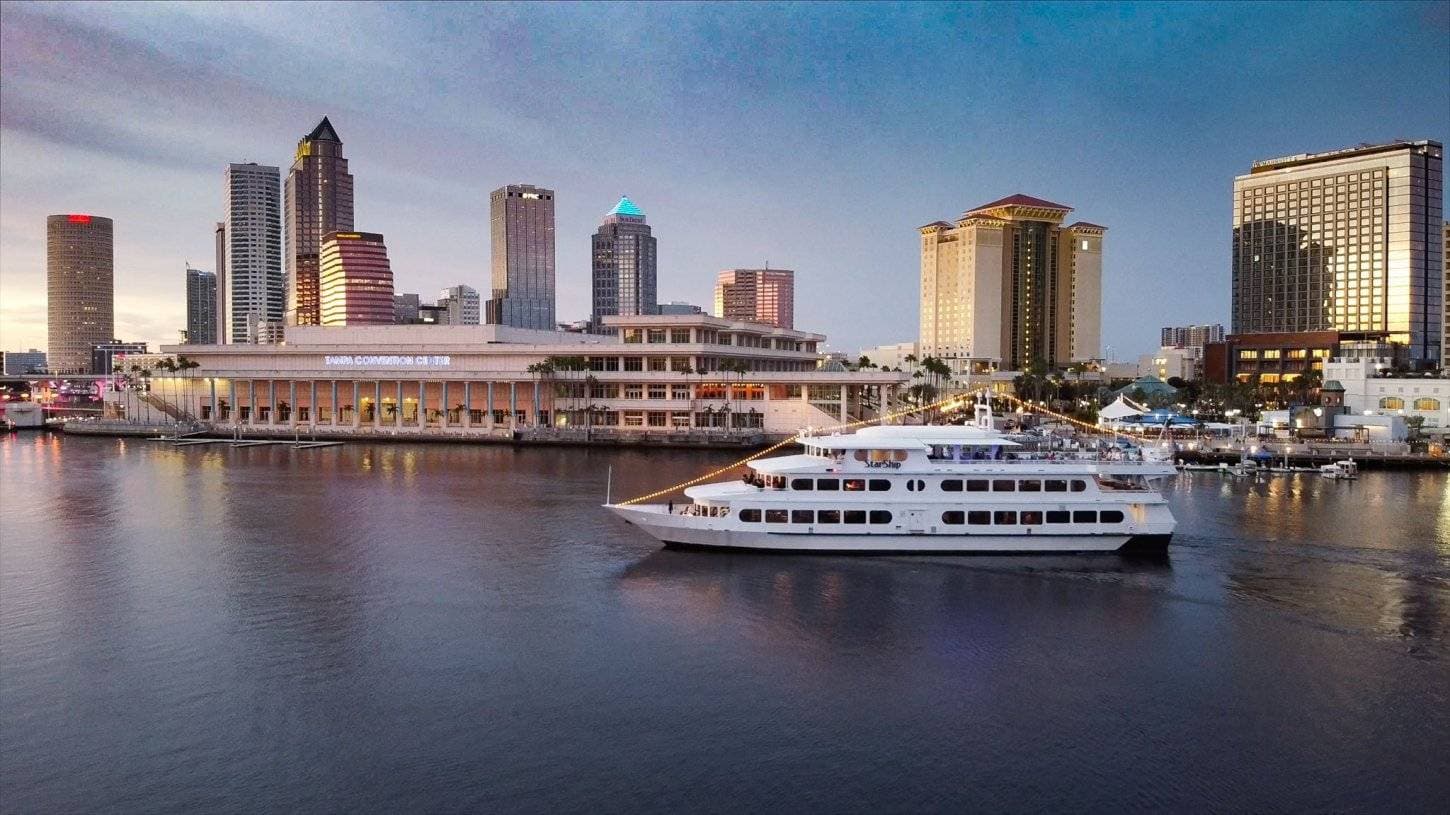
600 maximum · 1 workspace
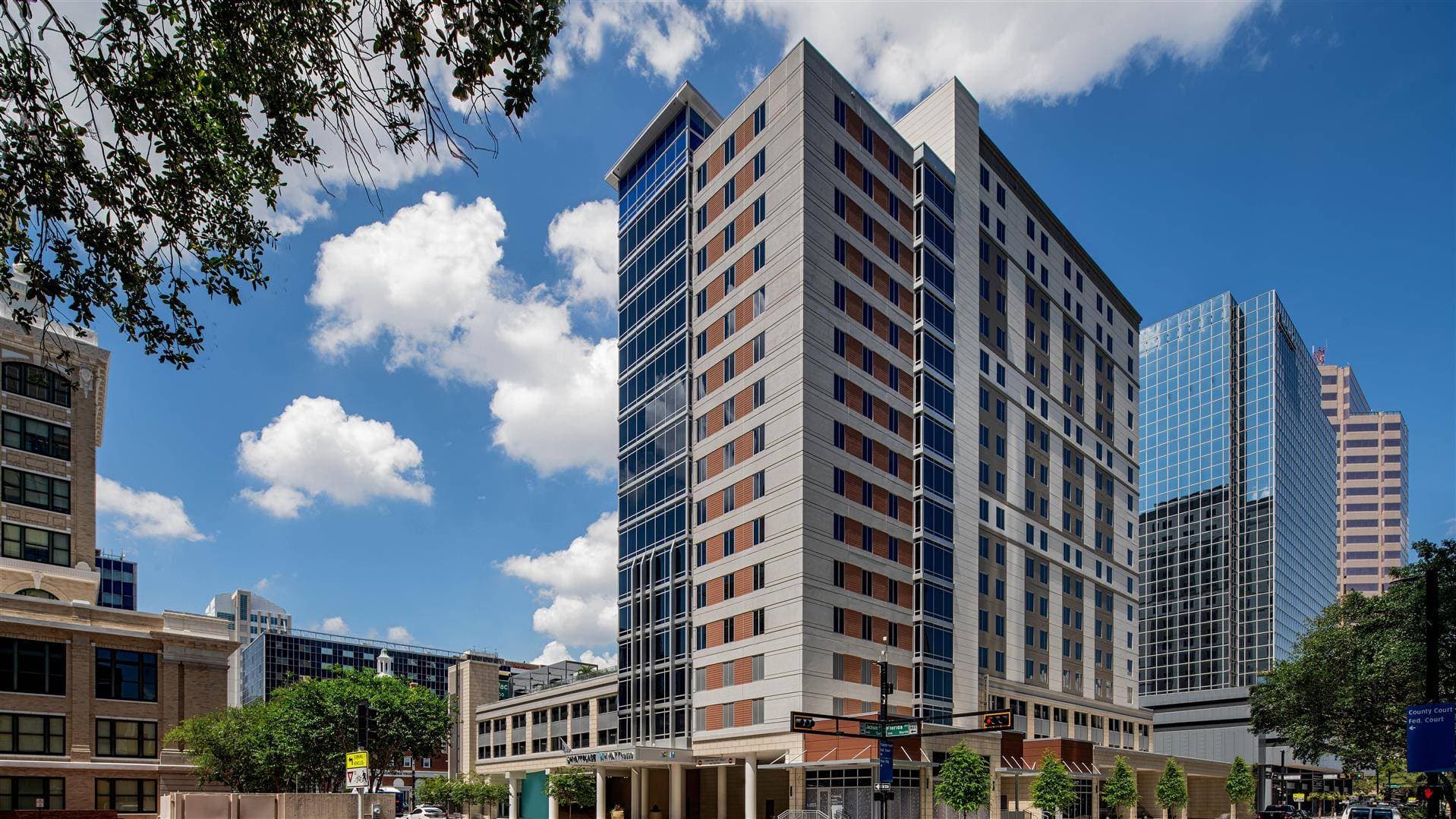
345 maximum · 9 workspaces
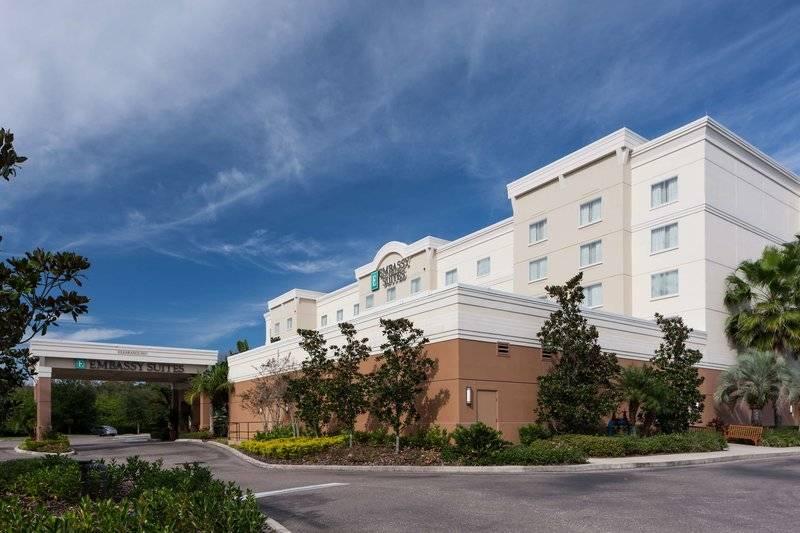
294 maximum
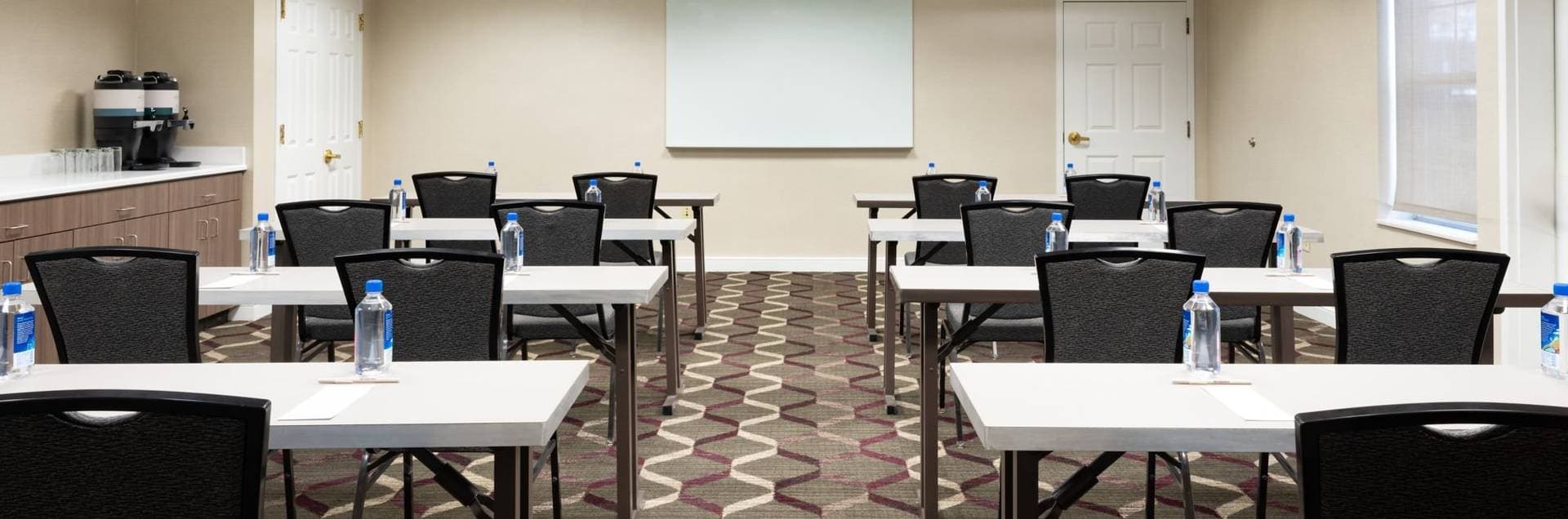
2 workspaces
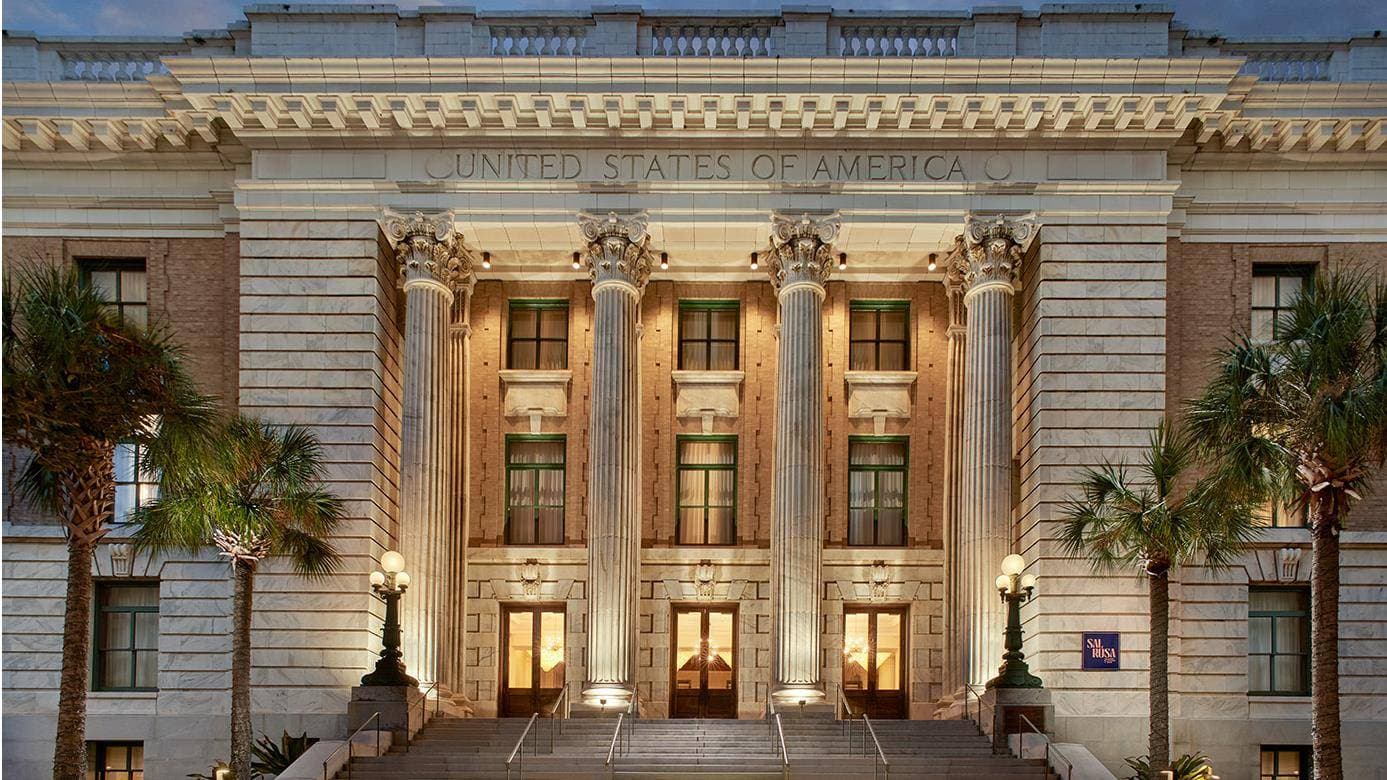
130 maximum · 4 workspaces
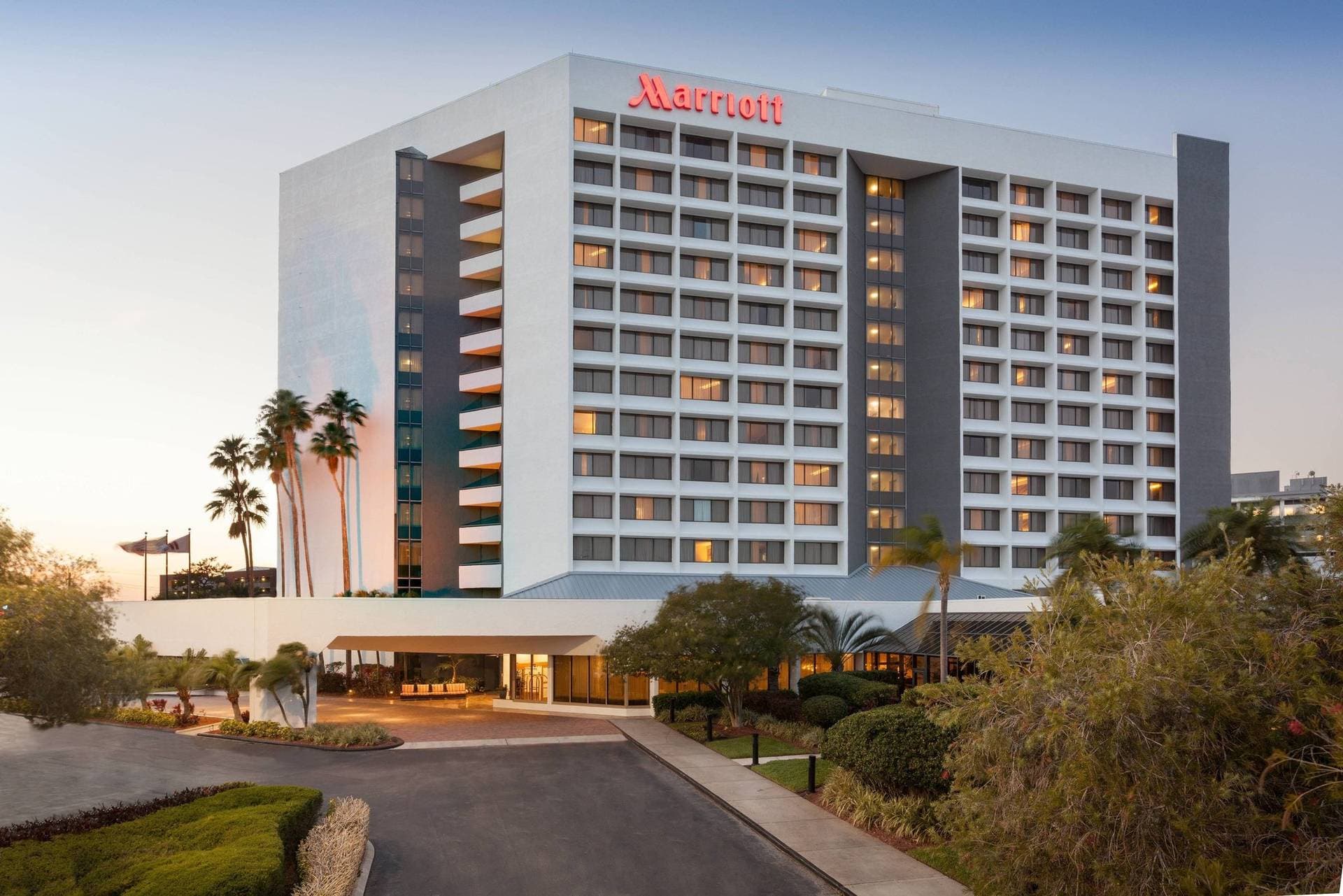
310 maximum · 9 workspaces
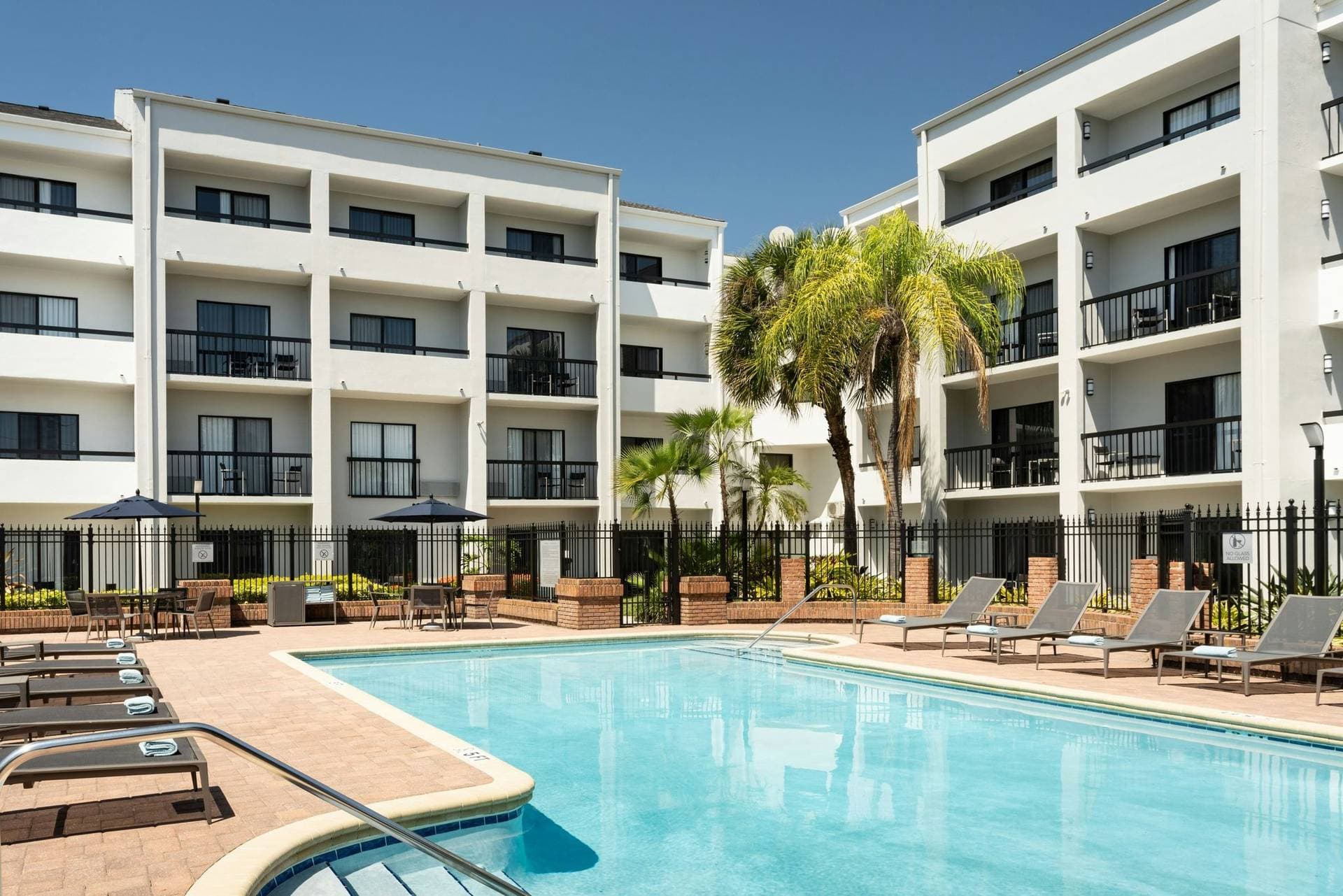
145 maximum · 3 workspaces
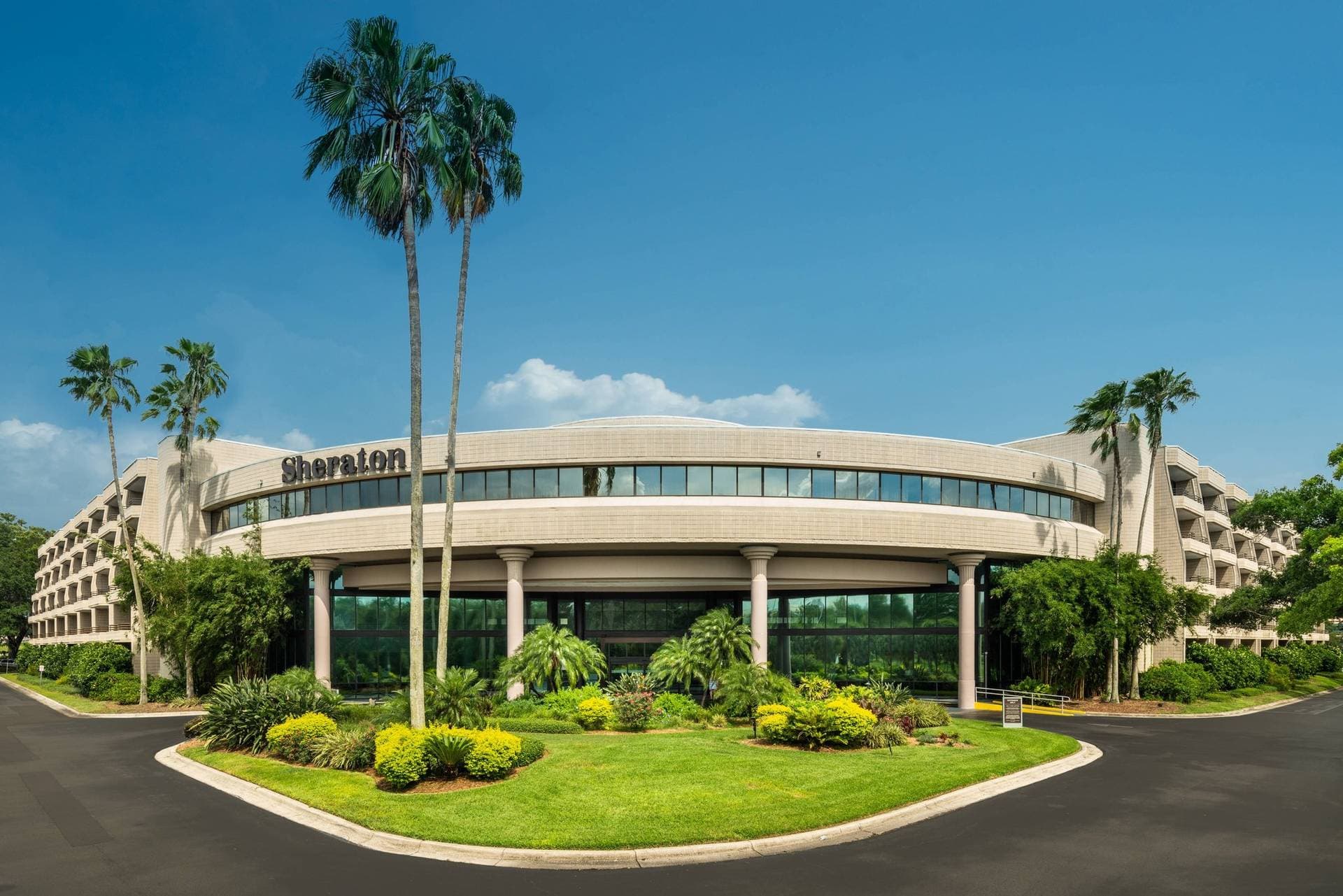
266 maximum · 9 workspaces
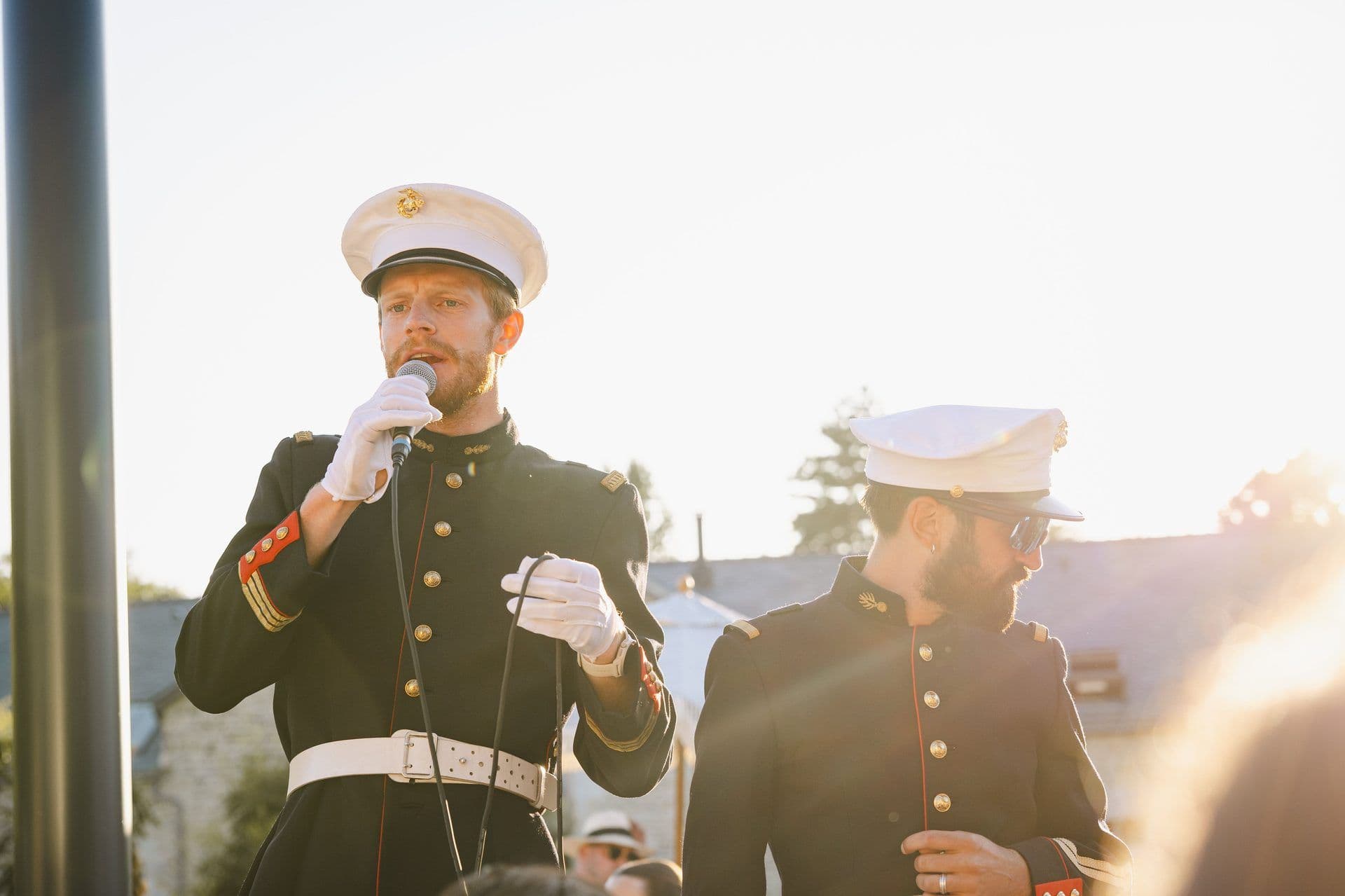
Answer a few quick questions and get venue suggestions for your next event
Over 500,000 employees have experienced a Naboo event









For your Tampa event, we handle the venue, logistics, and suppliers.
One quote can cover the venue, catering, AV, activities, and lodging.
Our AI generates quotes almost instantly, and we get back to you in under 12 hours.
You get itemized pricing and one invoice, so the math stays easy to follow.
Event venues in Tampa give you about 530 options across the metro, with about 300 in Hillsborough County in the Naboo network. We book in downtown, Channelside, and across the bay in St. Pete and Clearwater, where airport access keeps travel simple.
That mix works well for offsites, evening events, meetings, and retreats. About two in three venues can host an overnight group, so you can compare hotel, resort, and meeting formats without starting from scratch.
about 300
venues in Hillsborough County
in the Naboo network in Tampa
about 530
venues across Tampa Bay
including Pinellas County across the bay
about 2 in 3
venues able to host an overnight group
from downtown hotels to beachfront resorts
about 1 in 5
naboo US events with 100 attendees or more
a share of larger events in the US
The right format depends on the guest list and the mood you want. Read the blog, then ask the real question: does it fit your guests?
We usually look at company events in Tampa when the goal is to get people out of routine and into work mode. Downtown hotels and meeting rooms near Channelside keep the day practical, while overnight options help teams stay together instead of splitting up after dinner. A little structure goes far here, and yes, the coffee should earn its keep.
We lean toward restaurants, private dining rooms, and hotels near downtown or the waterfront when the guest list includes clients. Tampa event spaces in those areas make it easier to balance conversation, service, and a clear arrival path. The goal is simple: let the room do some of the work, so you can focus on the people.
We often pair bars, restaurants, and hotel lounges with a lighter agenda when the team has earned a break. Bars in Tampa can work well for a relaxed evening, especially near Channelside or downtown. Keep the plan easy to follow, because nobody wants a celebration that feels like homework in nicer shoes.
We look for meeting space in Tampa that can support a presentation, a reveal, and a clean guest flow. Hotels and conference-style venues near the airport or downtown help with AV, staging, and quick arrivals. If the agenda has moving parts, the room should not act surprised.
We often suggest beachfront resorts across Tampa Bay or private dining rooms in the city when the goal is a festive evening. Hotels in Tampa can cover dinner, drinks, and overnight stays in one place. That keeps the night social, not logistical.
Start with the business goal, then choose the format that supports it. If you need alignment, an offsite or retreat makes sense. If you need visibility, go with a client event or launch. If you need momentum, a team celebration or kickoff is usually the better fit. Tampa works because you can match downtown, Channelside, or bayfront settings to the tone you want.
For example, a leadership offsite may fit best in a hotel with rooms on site, while a client dinner may call for a private dining room near the waterfront. A launch may need AV and staging, while a holiday party may need space to mingle. The format should answer the agenda, not the other way around.
What people often overlook is the travel pattern, the meal timing, and how long guests will stay. That is where we help you compare event venues in Tampa without turning the search into a second job.
Choose by fit, not by the prettiest photo. Start with headcount, room setup, overnight needs, and how close you want to be to downtown, Channelside, or the airport. Then compare venue types: hotels for convenience, restaurants for conversation, and resorts for longer stays.
In Tampa Bay, you can also look across the bay to St. Pete or Clearwater when the event benefits from a beach setting. Meeting rooms near the center of the city work well for presentations, while beachfront properties suit retreats and evening programs. The right choice depends on how your guests will move through the day.
We help you narrow the field quickly, so you spend less time sorting tabs and more time making decisions that matter.
Activities should support the goal, not distract from it. For an offsite, that may mean facilitated discussion, a team dinner, or a short group exercise. For a client event, it may mean a tasting, a private reception, or a speaker-led program. For a kickoff, it may mean a reveal, a workshop, or a working lunch.
In Tampa, the setting can do part of the work. A hotel near downtown supports a structured agenda, while a waterfront restaurant or bar supports networking. If you want more energy, use a team-building activity before dinner. If you want more focus, keep the program tight and the transitions short.
The mistake is adding activities because they sound fun on paper. We help you choose the ones that fit the goal and the room.
Only if the theme helps guests understand the purpose faster. A theme can guide decor, messaging, and dress code, but it should never hide a weak plan. For a holiday party, a simple seasonal idea may be enough. For a launch, the product story may already be the theme.
In Tampa event spaces, the venue itself often gives you enough character. A downtown hotel, a bayfront restaurant, or a resort can shape the tone without extra props. If the theme starts to ask for too much glitter, it may be doing the job of the agenda.
We help you decide where a theme adds value and where it only adds work.
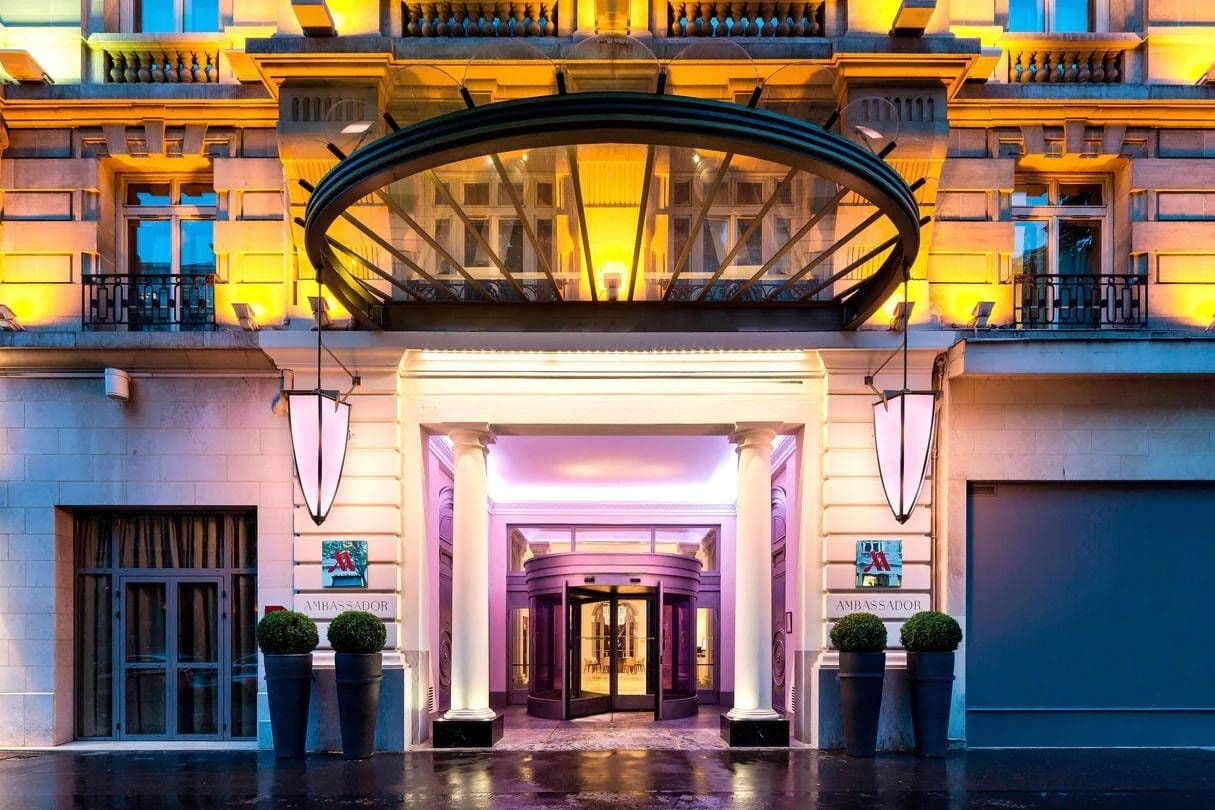
For large corporate events in Tampa, begin with the main large-format option in the city. It is the natural starting point for conferences and trade-show style programs that need broad circulation and formal presentation space.
Large programs need written details, not assumptions.
Examples to start your comparison. Each venue confirms its price in writing before you book.
Registration flow, plenary space, breakout routing, supplier access, and loading access. Downtown on the Garrison Channel, the Tampa Convention Center offers 600,000 square feet of transformable space, including a 200,000-square-foot exhibit hall and a 36,000-square-foot ballroom. Its combined Ballroom A-D seats 2,080 at a banquet or 3,600 theater style.
The room list for your layout, access limits, and any restrictions on décor or sound.
Stage and AV scope, loading access, and the seating layouts available. Tampa Theatre's historic auditorium has 1,238 seats.
Which halls or galleries are included, catering rules, and whether the venue closes to the public for your event.
See The Florida Aquarium on Naboo The Florida Aquarium hosts 250 to 2,000 guests across the building, and its Bayview Rooftop Terrace takes 25 to 400 with views of downtown and Tampa Bay.
Seasonal rules, permit responsibilities, and an indoor backup plan. On the downtown riverfront, the Tampa Museum of Art's covered terrace holds up to 400 guests for a reception or seated dinner.
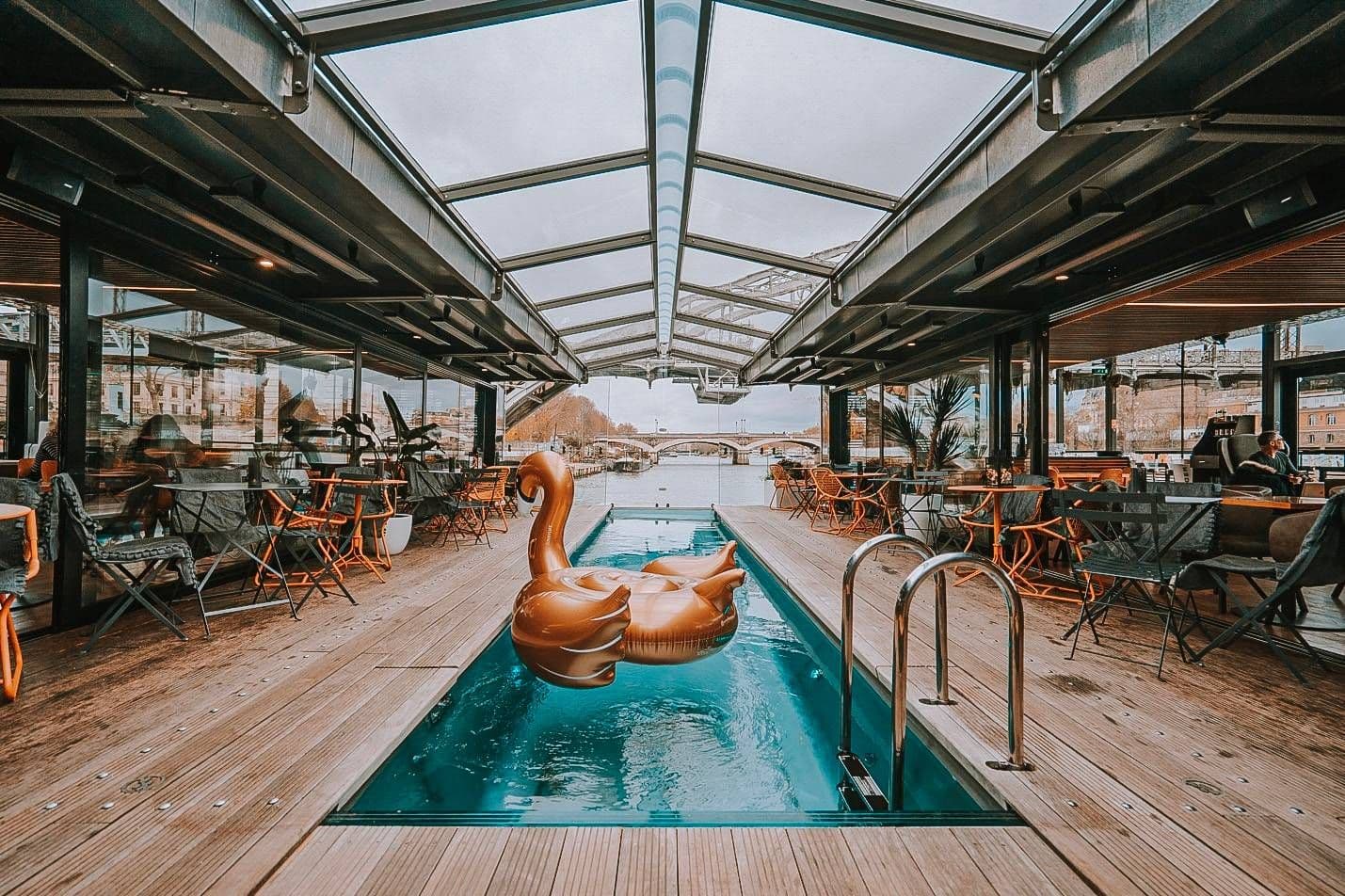
When you need a high-capacity venue, verify the number directly with the source that is quoting the room. Do not rely on general descriptions when the event depends on exact layout and operating details.
Written verification protects the schedule and the budget.
One brief, comparable proposals, one point of contact.
Tell Naboo the format, guest count, dates and neighborhood preferences for your Tampa event.
Shortlisted venues reply with proposals that use the same line items, so room rental, catering, labor and equipment sit side by side. Each venue confirms its price in writing before you book.
Naboo handles the booking with one point of contact and one invoice per event. With a framework contract, procurement also gets one vendor of record.

It depends on the format, the date, and what the venue quote includes. A hotel meeting package, a private restaurant buyout, and a resort retreat will not price the same way. The real question is not what sounds affordable. It is what fits the agenda, the guest count, and the service level you need.
By negotiating the proposal as a whole. We compare comparable venues, then bring back quotes you can read side by side. That makes it easier to see where the money goes, whether it is AV, catering, lodging, or activities. You do not need to chase five separate emails to understand one event.
Share the date, headcount, budget, goal, and the feel you want guests to have. If you already know the preferred neighborhood, say so. Downtown, Channelside, St. Pete, and Clearwater each point to a different kind of experience. The clearer the brief, the better the shortlist.
It depends on how much you want to hand off. Self-serve works when you want to compare options and manage details yourself. Turnkey works when you want Naboo to handle the venue search, logistics, suppliers, and an on-site Naboo Event Manager during the event.
Prepare the run of show, the arrival plan, and the people who need to answer questions on site. Then decide what success looks like before the doors open. That may be attendance, feedback, sales follow-up, or team alignment. After the event, use the debrief to compare the plan with what actually happened.
| Row | Booking venues on your own | With Naboo |
|---|---|---|
| 01 | A different quote format from every venue | One brief, comparable proposals with clear line items |
| 02 | Prices that can change before you sign | Each venue confirms its price in writing before you book, and the price we confirm is the price you pay |
| 03 | Fees that show up late in the process | Fees and service charges shown line by line in the proposal |
| 04 | Rates that may be higher than booking direct | Prices never higher than booking direct |
| 05 | Several contacts and invoices to chase | One point of contact and one invoice per event |
| 06 | Terms negotiated again for every event | With a framework contract: one vendor of record and negotiated terms per contract |
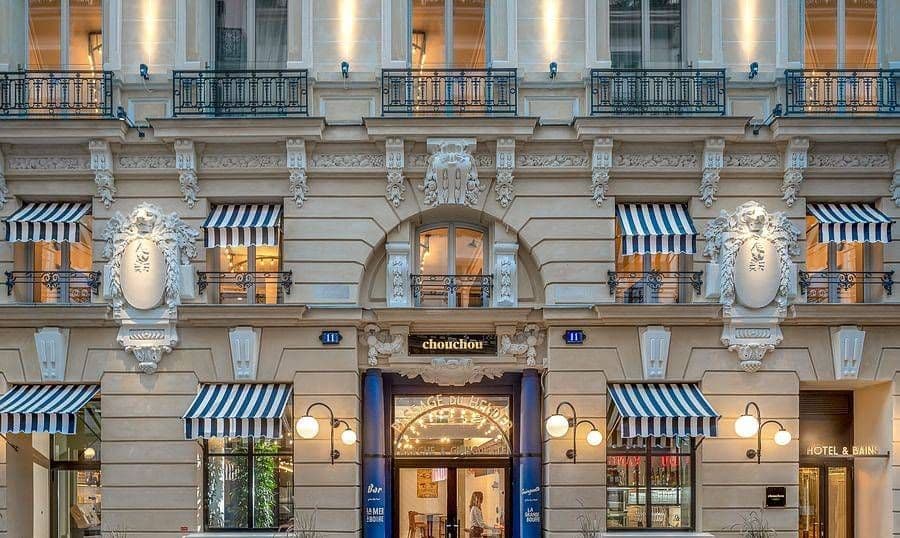
A unique setting can help a company event feel more memorable without losing practicality. The right choices still need clear written details on capacity, access, and event responsibilities. Among event venues Tampa teams shortlist, waterfront terraces, historic halls and rooftop spaces often sit within a short drive of each other. Event venues in Tampa vary from boutique hotels to large conference centers, and vendor coordination differs a lot between venues that allow outside caterers and venues with in-house catering, so ask what each venue offers before you compare quotes. Many add modern amenities to historic buildings.
Distinctive spaces still need practical confirmation.
Outdoor spaces can work well for receptions and social events, but they need more planning than indoor rooms. Seasonal conditions, contract language, and weather backup should all be checked before approval. Outdoor programs need clear responsibility lines.
Ask the venue how seasonal conditions affect outdoor use and what planning window it recommends for your format. If the event depends on an open-air setting, the contract should reflect the seasonal limits that apply.
The contract should state who is responsible for permits, approvals, and any required filings, especially if a large gathering requires special permits. Naboo does not run venue operations, so the venue and your team should spell out responsibilities before the booking is finalized.
Every outdoor event should have a written backup plan for weather changes. Confirm where the event moves, who decides, and what changes in the contract if the plan shifts indoors. From May to October, choose venues with an air-conditioned indoor backup, and keep a seamless indoor plan ready for Florida's summer thunderstorms.
Executive gatherings often need rooms that can shift between presentations, private discussions, and shared meals, especially for business meetings that combine several formats in one day.
Evaluate breakout flexibility. Ask how easily the room can be divided or reset for smaller discussions. A versatile space is especially useful when one room needs to support multiple executive formats in the same day. Once reset options are confirmed, the space can become an ideal setting for smaller leadership sessions or separate work areas without constant room changes, particularly in venues with flexible spaces.
Assess conference technology. Review screen placement, sound support, connectivity, and any built-in presentation tools. Confirm the technology in writing so your team knows what is included and what must be brought in separately.
Compare catering minimums. Catering minimums can change the total cost and the fit of the venue. Ask for the minimums in the proposal and compare them with the format of your meeting or private events plan.
Central districts can make attendance easier when guests are arriving from different parts of the city. Tampa offers venue options across central districts with different access advantages. For central gatherings, start with Downtown Tampa, the Channelside District, and Tampa Heights.
Use transit-accessible venues. Look for venues near the TECO Streetcar or the Pirate Water Taxi when attendee movement matters. The streetcar links downtown, the Channelside District, and Ybor City, while the water taxi serves stops along the Hillsborough River. Ybor City also appeals for client evenings thanks to its historic brick buildings.
Match the venue to the district. A central district can support corporate events that need easy movement between hotels, meetings, and evening plans. Choose the neighborhood that fits the way your attendees are traveling, not only the room itself.
Map hotel clusters. Downtown Tampa is near the large convention center and is a practical base for hotel blocks and central programming in Tampa, FL. Compare the venue against nearby hotel clusters so travel time stays manageable for guests.
Location should support the schedule, not complicate it.
Tampa International Airport connects to downtown by taxi, rideshare from a designated pickup area, shared-ride van, or prearranged car service. There is no rail link from the airport, so transfer planning should be part of the venue comparison.
Within the city, the TECO Line Streetcar links downtown, the Channel District, and Ybor City. The Riverwalk gives planners a pedestrian route in the downtown core, while HART buses, a riverfront water taxi, and rideshare help cover areas outside the streetcar route.
Tampa gives corporate planners several distinct event bases, each with a different mix of access, walkability, and after-hours options. The right fit depends on whether your group needs hotel concentration, waterfront movement, or easier airport access.
This area brings hotels, dining, and the convention area close together, with a walkable riverfront connection. It suits planners who want attendees to move between meetings and evening plans without relying on long transfers. At JW Marriott Tampa Water Street, the Tampa Bay Ballroom covers 29,060 square feet, for 2,200 at a banquet or 3,000 theater style. The 2.6-mile Hillsborough Riverwalk runs along the river to the Garrison Channel, from Armature Works to Sparkman Wharf, past Curtis Hixon Waterfront Park, the Straz Center and the Tampa Museum of Art.
This waterfront district sits beside the cruise port and includes an arena and a food market. It works well for groups that want waterfront dining near downtown hotels and a straightforward base for evening outings. In East Tampa, The Motor Enclave hosts up to 1,200 guests for a reception or 700 at a banquet. In Seminole Heights, Spinning Canvas offers a 3,500-square-foot venue for up to 100 guests.
This historic Latin quarter is known for Cuban heritage and cigar history. It gives attendees a clear off-site option for group dinners and evening gatherings, with the streetcar linking it back to downtown and the Channel District. Columbia Restaurant, open since 1905, seats up to 1,700 across fifteen dining rooms, including an Andalucia room for 80.
Westshore is a shopping and business hub with two large malls close together. It is a practical base for meetings because offices, hotels, and retail sit near the airport, though planners should budget for rideshare or car transfers because the streetcar does not serve it. In Tampa Heights, Armature Works has The Gathering for 600 seated or 1,000 at a cocktail reception, and Rooftop 220 for 50 seated or 125 standing above the Hillsborough River. In SoHo on Howard Avenue, the Epicurean Hotel has 8,064 square feet of event space, with an outdoor garden terrace for 250 at a reception. Westshore sits a short drive from Tampa International Airport, which helps when attendees fly in for a one-day program.
Late fall through early spring is the most comfortable window for events in Tampa, and those months also bring the highest hotel demand. Winter and early spring are especially competitive, and Gasparilla can push downtown room rates higher.
Summer is hotter, more humid, and storm-prone, with hurricane season running through late fall. If your program depends on outdoor space or street access, build in extra lead time and keep permit needs in view.
Permits and transportation details matter here, especially for outdoor programs and street-level activations.
Outdoor permits. The City of Tampa Office of Special Events handles special event permits for outdoor activity on city property, including streets and parks. If your program uses public space, confirm the permit path early in the venue review.
Street closures. Events that only close a street, with nothing set up in it, need a right-of-way permit through the city's mobility department. That distinction matters when you are comparing venues with adjacent street use or load-in needs.
Business traveler fit. Financial services, healthcare, and defense are the main business sectors in the Tampa Bay area. That mix can shape attendee expectations for meeting space, hotel location, and transfer simplicity.
Price review should happen from the first proposal, not after the venue is selected. Ask for itemized quotes so your team can see what is included and what is separate.
Request itemized proposals. Shortlisted venues should provide clear line items for room use, service charges, and any required add-ons. That makes it easier to compare proposals without guessing at the final total. Lower-cost venues can differ sharply in what is included; for example, CARE Event Hall offers reasonable rates with a kitchen.
Check administrative fees. Look for administrative fees before approval and ask what triggers them. Hidden fees are easier to catch when the proposal is broken into specific charges rather than broad bundles.
Verify tax and gratuity assumptions. Confirm how taxes and gratuity are handled in the quote and in the contract. Those assumptions should be written down so procurement can review the full cost accurately.
Centralize the contract path. For large groups, a framework contract through Naboo can centralize the vendor of record, negotiated terms, and event-level approvals. The Control Tower shows every request, approval, and payment by entity, country, and event type.
Written terms keep the approval process clean.
The next day, the photos may tell one story, while attendee feedback tells another. You need both to see the full picture.
Did the format fit the goal? Did the venue support the agenda? Did guests stay engaged? Did the space feel right for the group?
Then review planned budget versus final spend, and explain any gaps by line item and choice.
That review is the point. Hosting an event is not only about showing up well, but also about learning what worked for the next one.
Send us the date, headcount, budget, and intent, and we will start with a shortlist of event venues in Tampa.
It depends on what felt stale last time. If the goal was alignment, try a shorter offsite with more discussion. If the goal was recognition, shift from a dinner to a reception. If the goal was momentum, add a working session or a clearer agenda. The false good idea is changing the decor and calling it strategy. Nice napkins do not fix a sleepy format.
It depends on the date and the format. For overnight retreats and holiday parties, start earlier because rooms and dates can tighten. For a weekday meeting or dinner, you may have more room. The false good idea is waiting until the calendar looks calm. That is usually when everyone else had the same thought.
It depends on whether convenience or contrast matters more. A hotel offsite works when you want rooms, meetings, and dinner in one place. A separate dinner venue works when the event is mainly social. If you want both, split the day by purpose. The false good idea is forcing one room to act like three different venues.
It depends on whether the program needs sound, screens, or a reveal. A simple dinner may not need much. A launch, kickoff, or presentation usually does. The false good idea is assuming the laptop speaker will carry the room. It rarely does, and the awkward pause is never part of the agenda.
Start with the brief, then compare venues on the same criteria: date, headcount, budget, format, and location. Narrow by neighborhood, then by room type and service level. Naboo helps by turning one brief into a shortlist of comparable options and quotes. The false good idea is opening twenty tabs and calling it research.
It depends on who has the final say. If the goal shifts, write it down and choose the version that matters most. A group that wants everything usually needs a clearer brief, not a fancier venue. The false good idea is trying to satisfy every preference at once. That is how a simple event becomes a committee meeting with catering.
It depends on the venue type and the quote. Hotels may include rooms, meeting space, and catering. Restaurants may include private dining and food and beverage minimums. Resorts may include overnight stays and more built-in service. The false good idea is assuming every venue package covers the same things. That is how surprises sneak onto the final bill.
It depends on the date, but short notice can still work if you stay flexible on format and neighborhood. Downtown hotels, meeting rooms, and restaurants may move faster than larger retreat setups. Naboo can help you narrow options quickly and request quotes right away. The false good idea is waiting for the right room to appear on its own. It usually does not.

November 17, 2026

November 12, 2026

November 12, 2026

November 12, 2026

November 12, 2026

November 12, 2026