Turnkey
We handle the venue, logistics, and suppliers for your Seattle event, so you keep one clear thread.
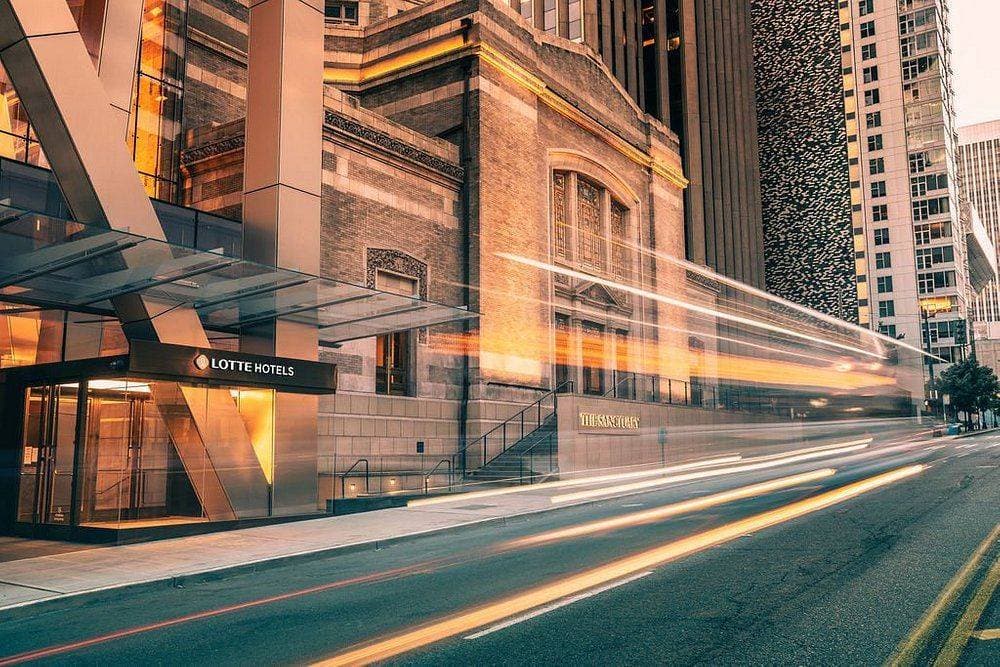
376 maximum · 1 workspace
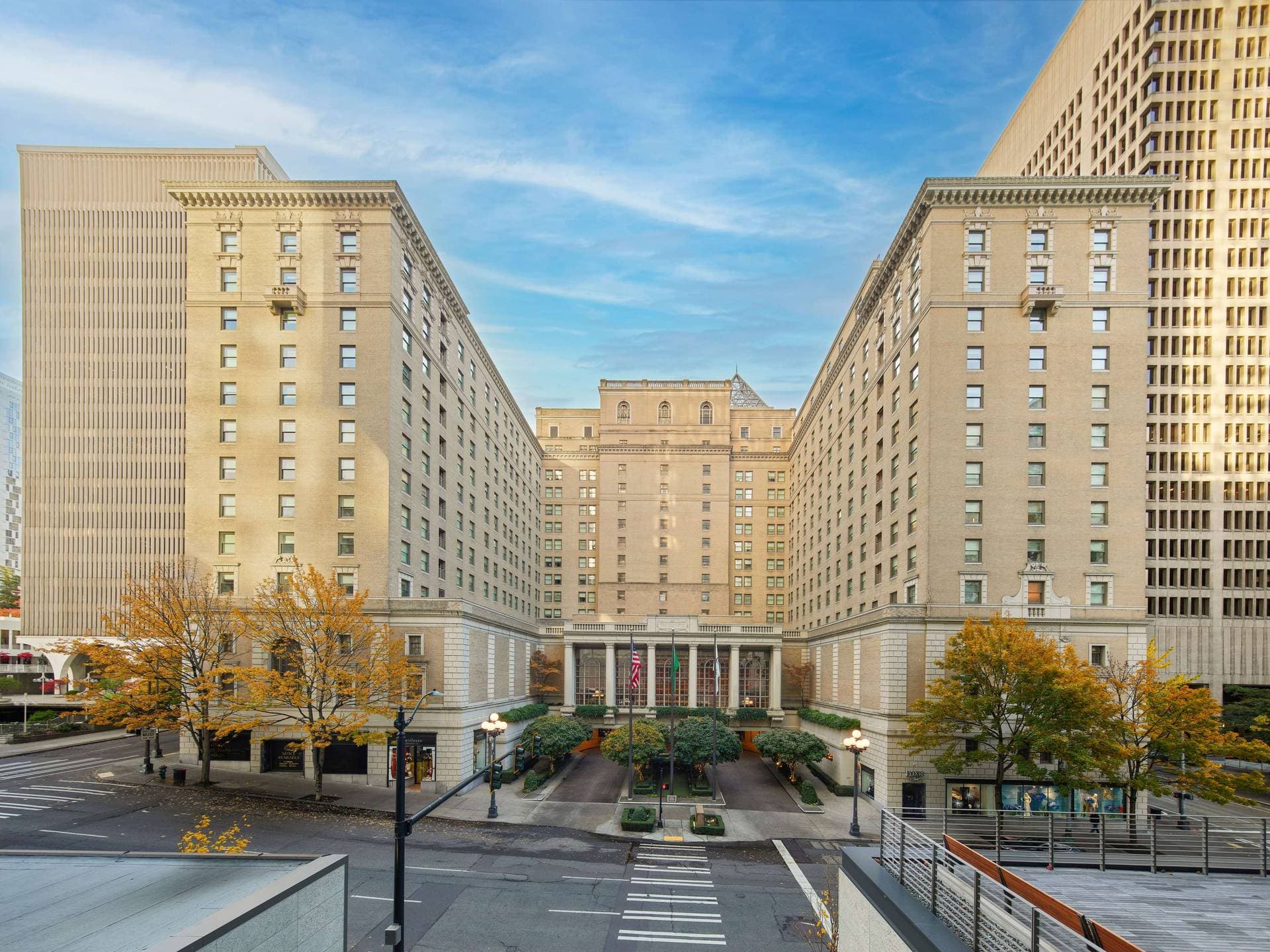
450 maximum · 13 workspaces
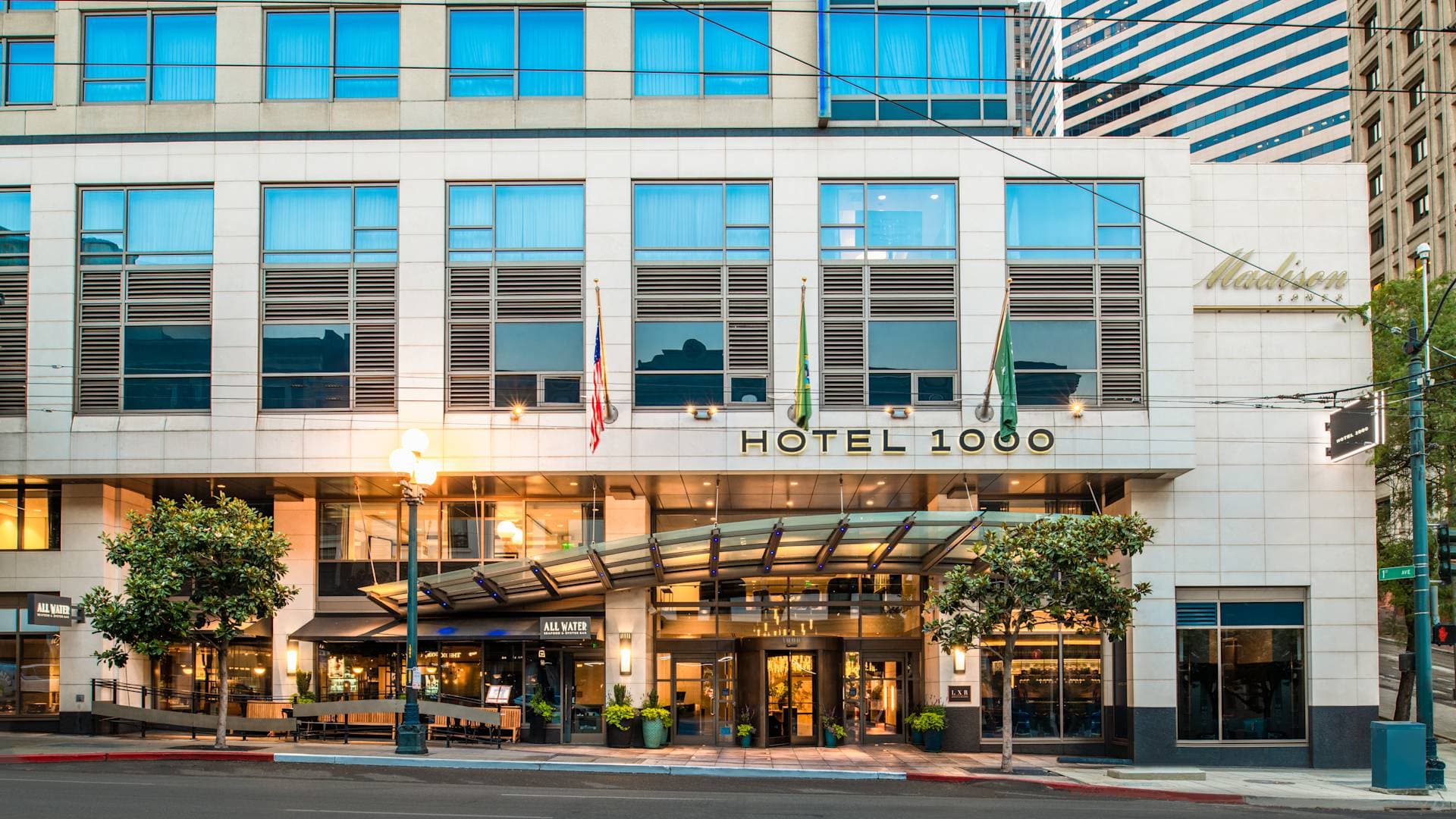
240 maximum · 3 workspaces
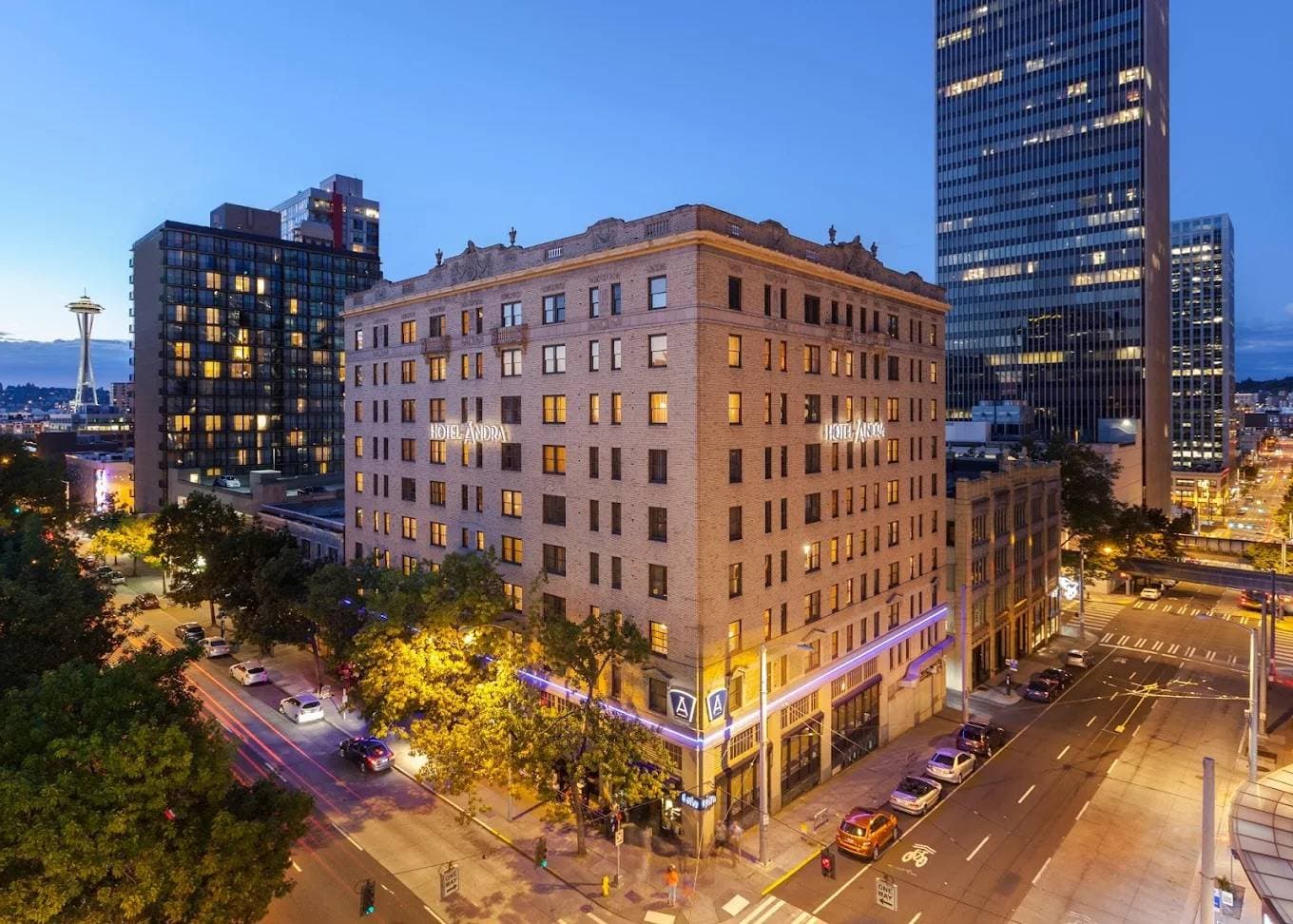
123 maximum · 1 workspace
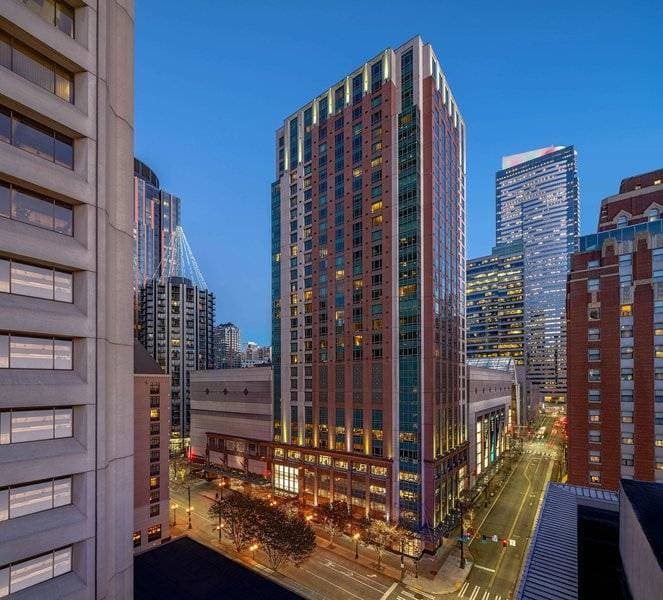
850 maximum · 1 workspace
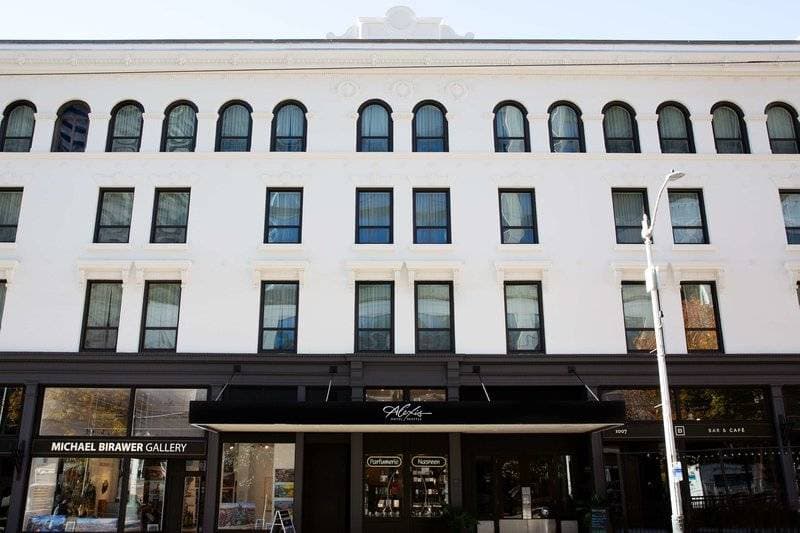
176 maximum · 1 workspace
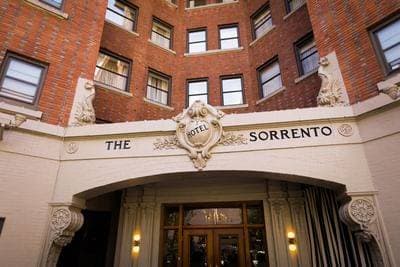
76 maximum · 6 workspaces
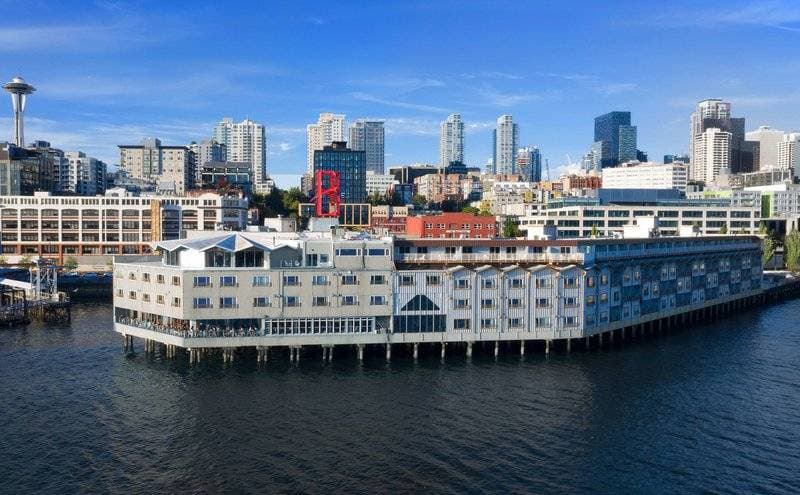
223 maximum · 1 workspace
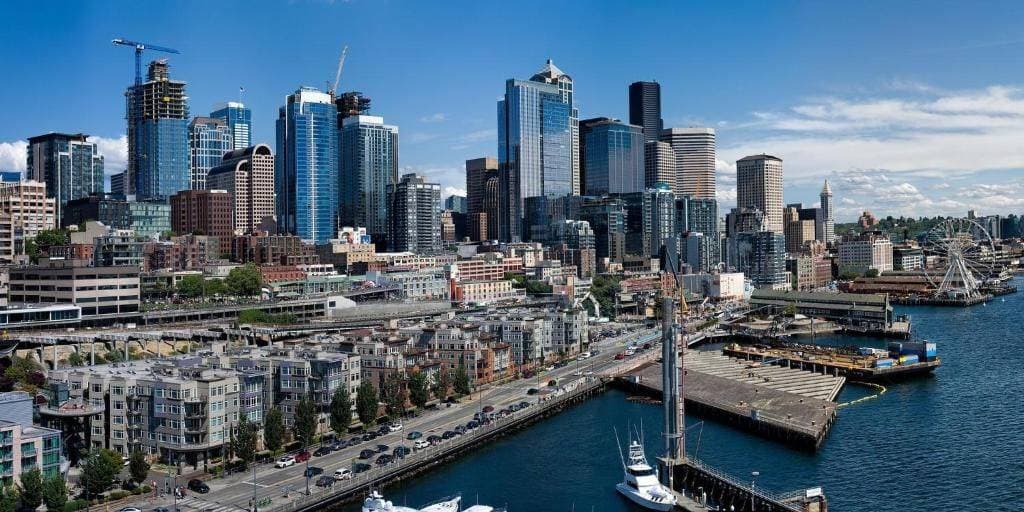
836 maximum · 8 workspaces
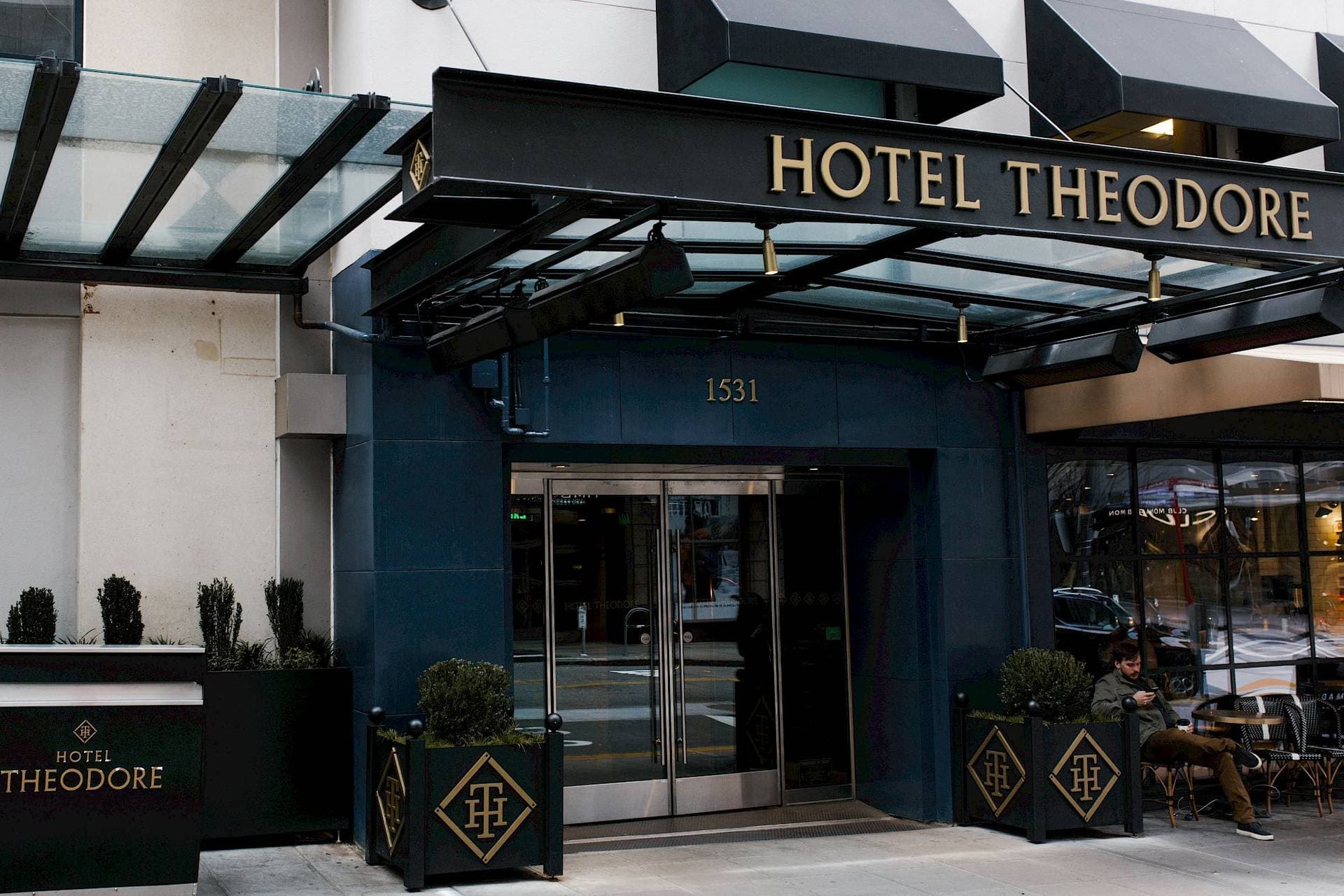
153 maximum · 8 workspaces
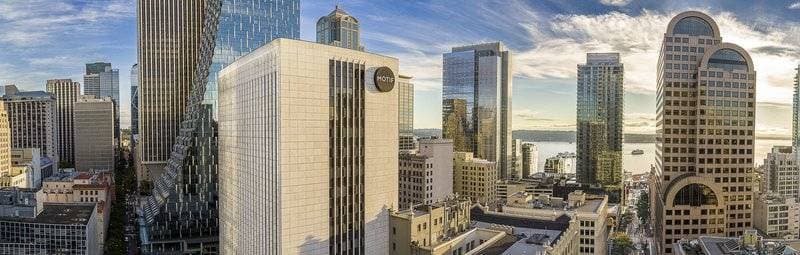
614 maximum
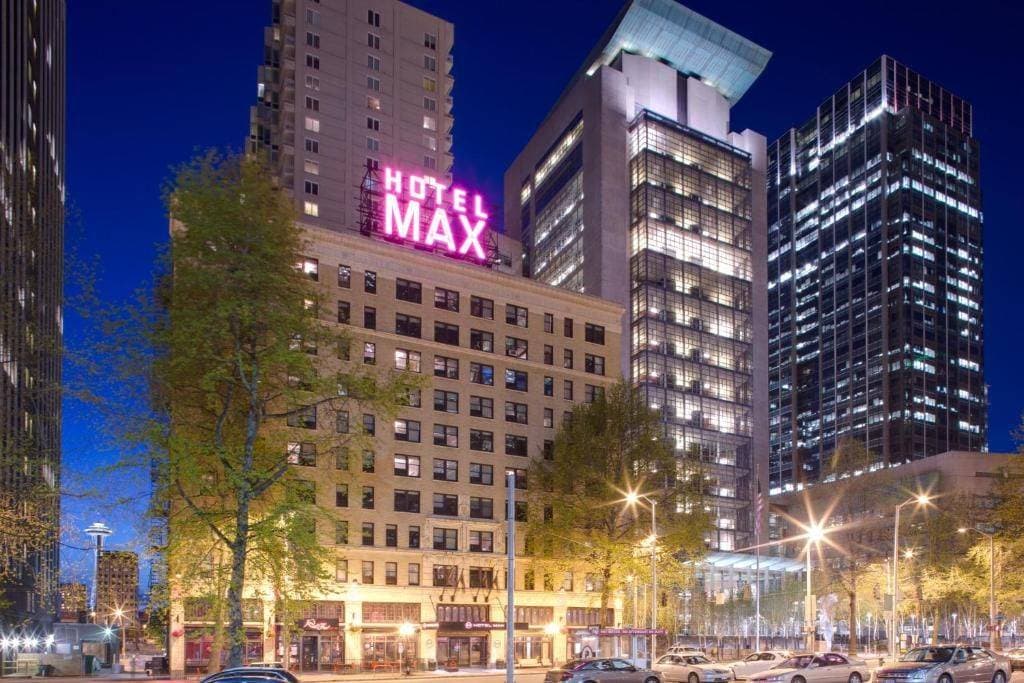
326 maximum · 1 workspace
FromUSD 204/night
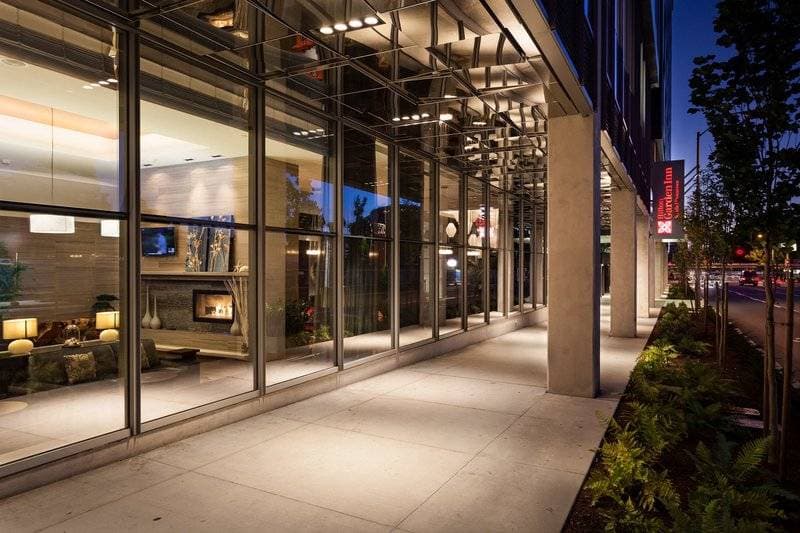
444 maximum
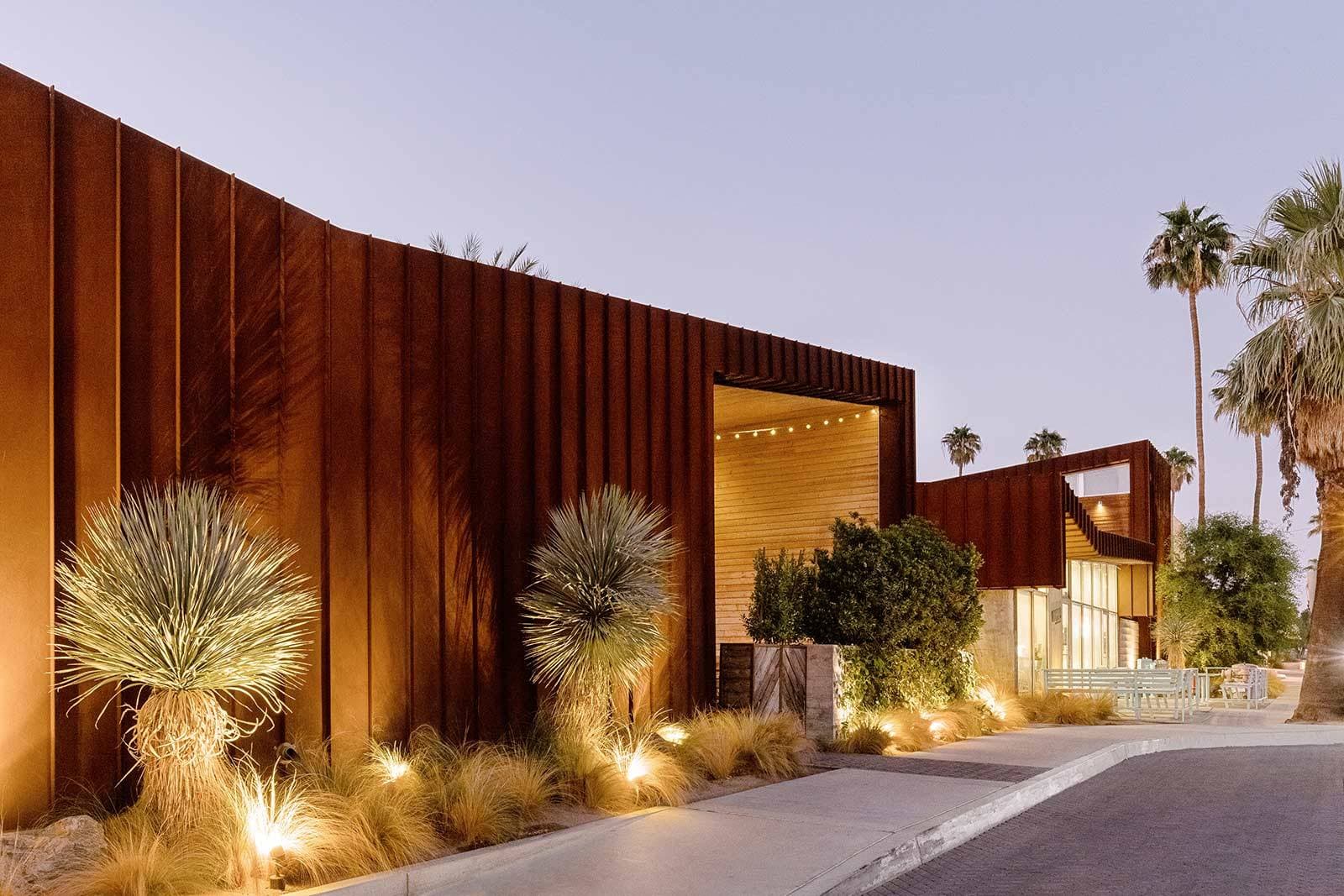
96 maximum
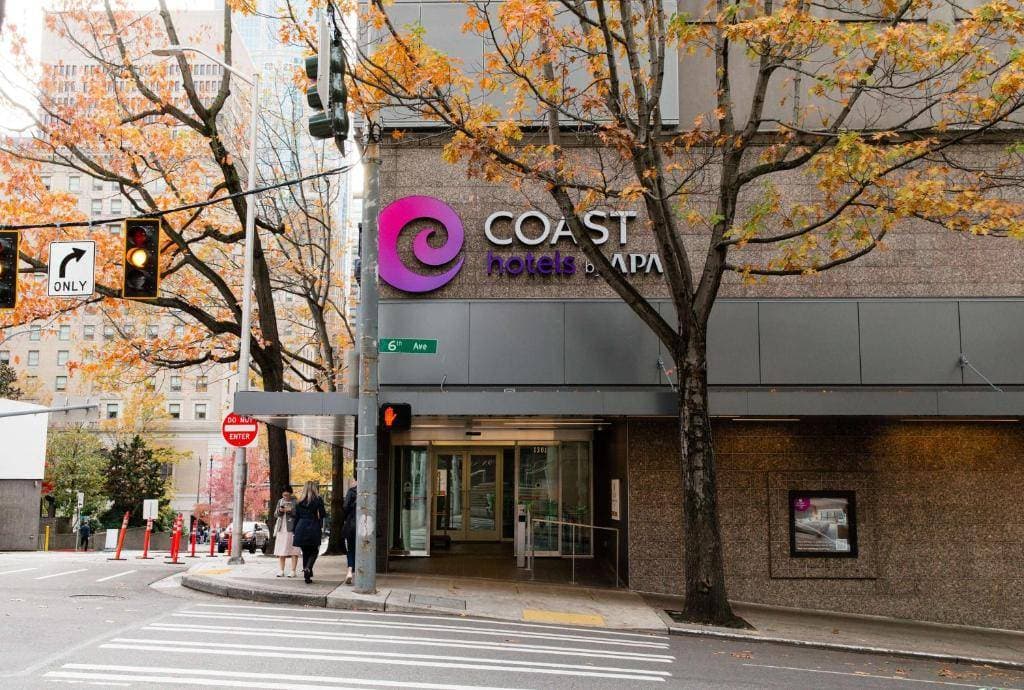
472 maximum · 1 workspace
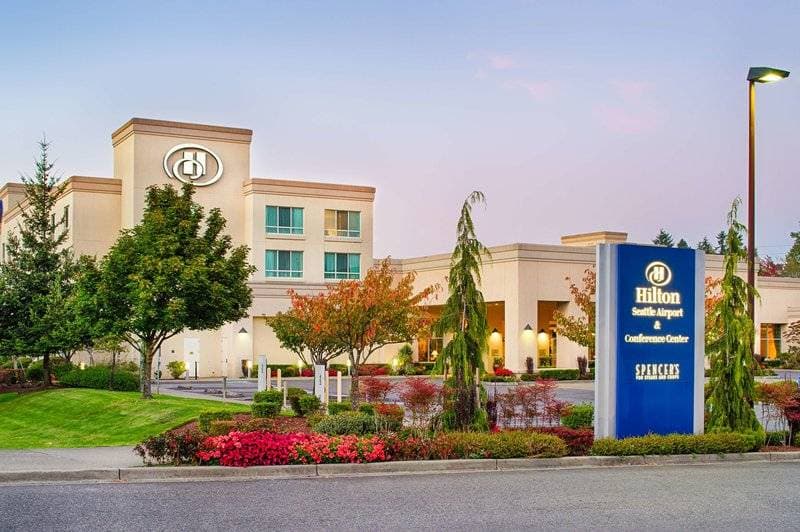
788 maximum · 1 workspace
FromUSD 264/night
308 maximum · 1 workspace
FromUSD 291/night
Answer a few quick questions and get venue suggestions for your next event
Over 500,000 employees have experienced a Naboo event









We handle the venue, logistics, and suppliers for your Seattle event, so you keep one clear thread.
One quote can cover the venue, catering, AV, activities, and lodging, all in one view.
Our AI generates quotes almost instantly, and we get back to you in under 12 hours.
You get itemized pricing and one invoice, so the numbers stay easy to read.
Seattle gives corporate teams plenty of options when searching for event venues in Seattle, and Naboo helps narrow them fast with a network of about 770 venues across Seattle and King County, from waterfront venues downtown to hotels, restaurants, meeting rooms, and distinctive spaces for offsites on Puget Sound or in the Cascades.
For corporate event planners and the marketing, HR, and procurement teams that manage events for large groups and international companies, the challenge is not finding venues in the abstract but finding the right one for the format, guest count, budget, compliance requirements, and logistics. This guide focuses on Seattle venue options, how to choose by event type and goals, neighborhood and access considerations, budgeting and proposal comparison, outdoor planning, key event districts, and when turnkey support or a self-serve approach makes more sense. The right venue shapes the agenda, guest experience, and operational flow, so having clear, comparable, all-inclusive quotes makes booking faster and easier to control.
about 770
venues in King County
Venues in the Naboo network across King County
more than 4 in 10
venues with rooms on site
Share able to host an overnight group
about 6x
US events in 2026 vs 2025
Growth in Naboo US events in 2026
about 1 in 5
US events with 100 attendees or more
Share of Naboo US events at that size
Use the blog to compare formats, neighborhoods, and logistics. Then ask the real question: does it fit your guests?
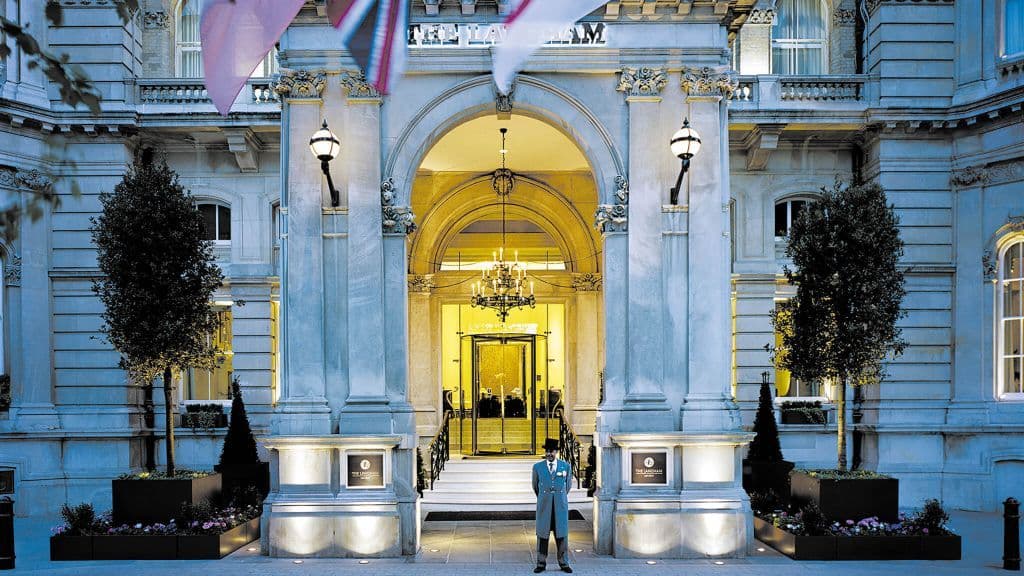
We look at hotels and retreat settings that make work feel intentional, not accidental. Hilton Bellevue works well for overnight offsites when you want rooms on site and an easy flow for meetings, dinner, and sleep. That keeps your team out of the usual shuttle puzzle, which nobody misses.
We lean toward restaurants and private dining rooms in Seattle neighborhoods like Capitol Hill or Ballard. Those spaces work well when you want conversation, good pacing, and a room that does not feel like a conference in disguise. Guests notice when the menu and the room tell the same story.
We often pair a relaxed dinner or drinks format with Seattle event spaces that keep the mood easy. If you want something simple, a bar or restaurant can do the job without turning the night into a production. The goal is to celebrate, not stage a small opera.
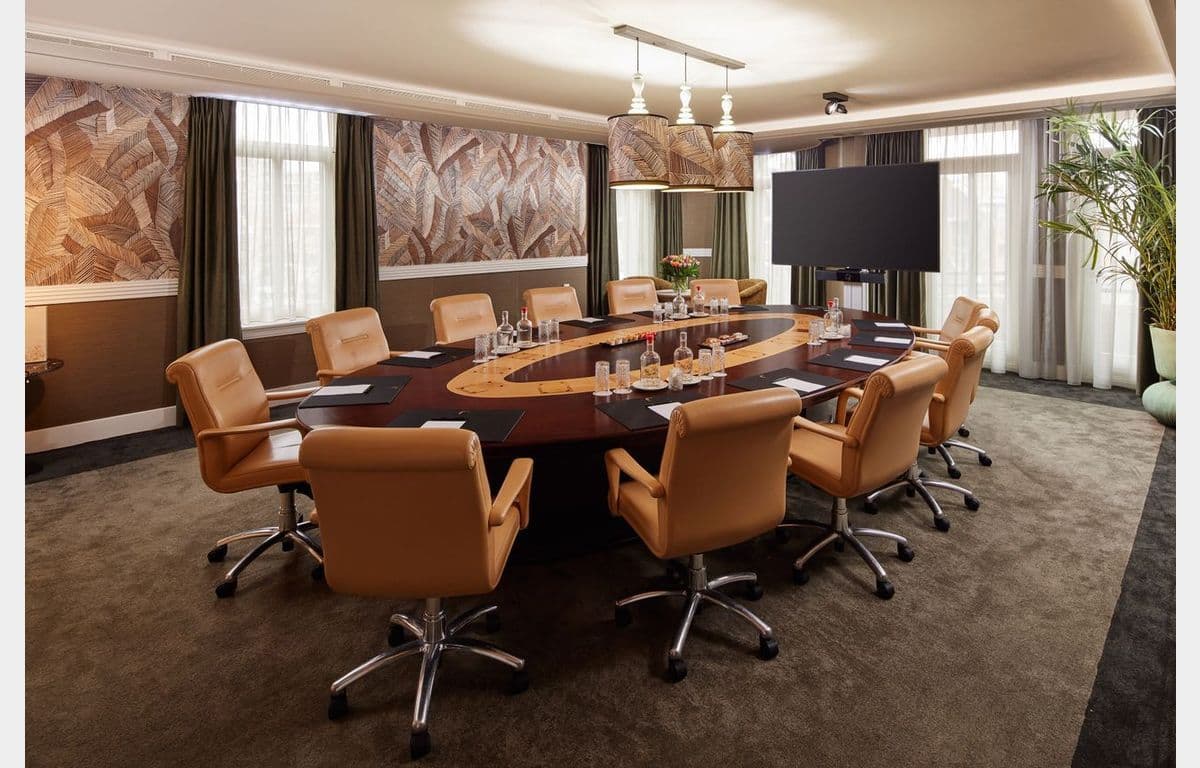
We look at meeting space in Seattle that supports a clear run of show, strong AV, and room for conversation after the reveal. Seattle Airport Marriott works well for day meetings when the agenda needs structure and easy access. It keeps the focus on the message, not on where people parked.
We compare venues that can handle dinner, drinks, and a little movement without making the evening feel stiff. Waterfront venues downtown or a private room in the city can work well when you want atmosphere and practical service. The trick is to match the guest list, not the calendar mood.
Start with the business reason, then choose the format that supports it. A leadership offsite needs quiet and rooms on site. A client dinner needs pace and privacy. A launch needs AV and a room that can hold attention. In Seattle, you can choose waterfront hotels, private dining rooms, meeting rooms, or retreat settings, depending on the outcome you want.
For example, overnight retreats fit well near Puget Sound or in the Cascades. Day meetings often fit downtown or near the airport. Evening events work well in Capitol Hill, Ballard, or other neighborhoods with strong dining options. The format should follow the goal, not the other way around.
What organizers forget is the guest experience between the moments. Arrival, timing, and movement matter as much as the agenda. That is where we help, by turning the brief into options that fit the plan and the people.
Choose by fit, not by mood board. Start with headcount, timing, and the level of support you need. Then compare corporate event venues in Seattle by room layout, food, AV, lodging, and access. A hotel works when you need everything in one place. A restaurant works when the meal is the main event. A meeting room works when the agenda matters most.
Look at neighborhoods too. Downtown helps with transit and waterfront settings. Capitol Hill and Ballard help with dinners and social energy. Bellevue can work for overnight offsites. Seattle Airport Marriott fits day meetings when arrivals need to stay simple.
People often forget the small constraints that shape the day, like load-in, timing, and whether guests need to move between spaces. We compare those details for you, so the shortlist reflects reality, not wishful thinking. Depending on the format, you can also compare restaurants in Seattle, bars in Seattle and hotels in Seattle.
Pick activities that match the goal, not the trend. For team building in Seattle, that can mean a shared meal, a guided challenge, a hands-on workshop, or a light outdoor element. If the team needs connection, keep the activity easy to join. If the team needs energy, choose something active but not chaotic.
Seattle gives you room to mix formats. A retreat can include a working session and a group dinner. A kickoff can add a short activity after the presentation. A celebration can end with music, drinks, or a team game. The point is to support the mood, not to force everyone into matching hats.
What gets missed is the transition between the agenda and the activity. If the timing is awkward, even a good idea feels forced. We help you line up the venue, the flow, and the activity so the day feels coherent.
Not always. A theme helps when it gives the event a clear tone, a visual thread, or a simple decision filter. It is less useful when it becomes extra work for no reason. For a client dinner, a launch, or a retreat, the venue and the format often do more than a theme can.
If you do want one, keep it light. Use the city, the season, or the company moment as a guide. Waterfront settings, neighborhood dining, or a focused meeting can already carry the story. That is usually enough, unless you enjoy arguing about napkin colors.
What organizers forget is that guests remember how the event felt, not the label on the invite. We help you choose the right level of personality, then keep the rest practical.
Large corporate events need space for people, production, and movement. Seattle has several strong options for conferences, receptions, and trade-show style programs, but each should be checked against your exact format.
The best large venue is the one that matches the program on paper.
Examples to start your comparison. Each venue confirms its price in writing before you book.
Registration flow, plenary space, breakout routing, supplier access, and loading access. The Seattle Convention Center's Arch building has 205,700 square feet of exhibit space in 6 halls, 61 meeting rooms and a 45,000-square-foot ballroom area, and the Summit building adds 62 meeting spaces and a 58,650-square-foot ballroom. In total, Summit adds about 573,770 square feet of event space to the campus.
Which halls or galleries are included, whether indoor and outdoor event spaces are both part of the rental, how public access is handled during your event, and the catering rules.
Which halls or galleries are included, catering rules, and whether the venue closes to the public for your event. At Seattle Center, MoPOP's Sky Church covers 5,384 square feet for 250 to 700 guests, and a full buyout takes 3,000. Chihuly Garden and Glass hosts 450 for a reception in the Glasshouse and Art Plaza.
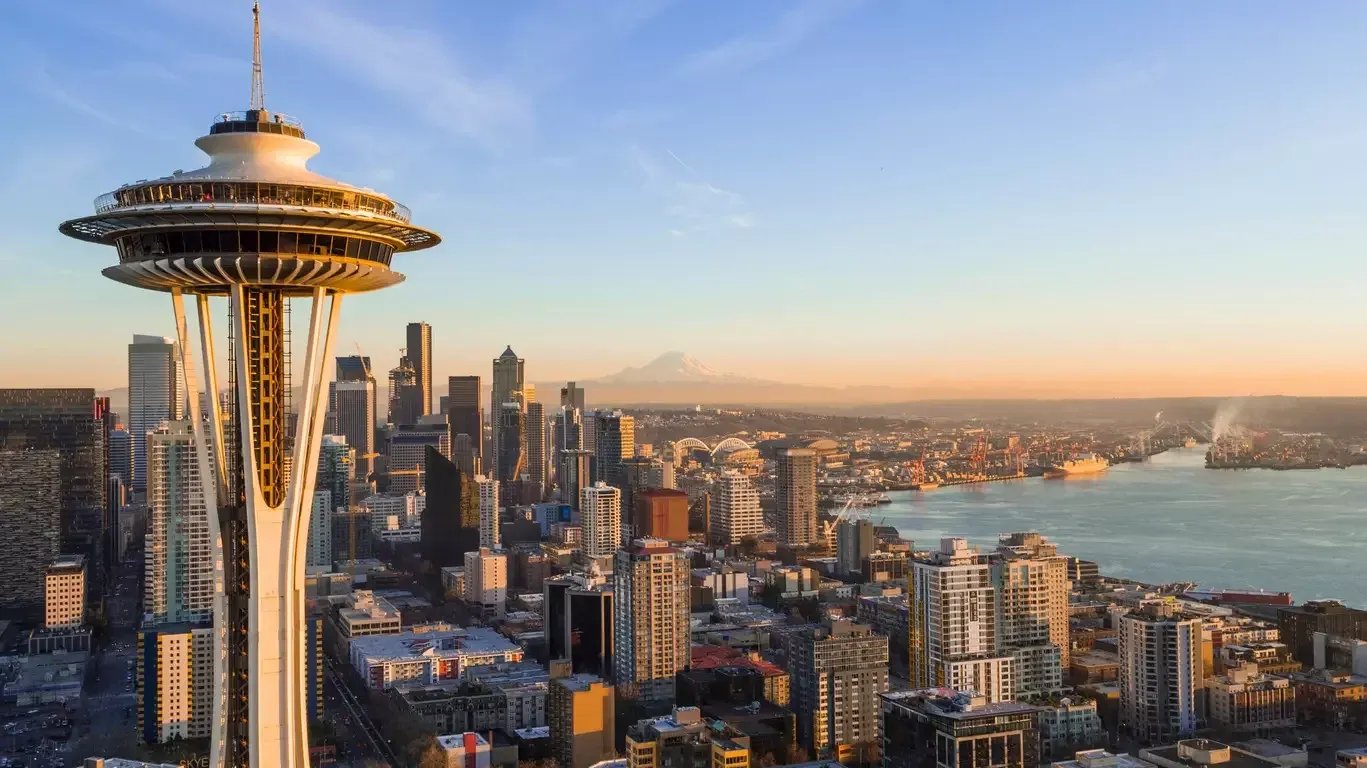
Group access rules, operating limits, and restrictions on catering and décor. The Space Needle hosts up to 150 seated or 350 at a reception, around the Loupe, a revolving glass floor about 500 feet up.
Seasonal rules, permit responsibilities, and a weather-ready indoor backup plan that reflects Seattle's climate. On the downtown waterfront at Pier 66, Bell Harbor International Conference Center offers 100,000 square feet of event space for up to 450 seated. Bell Harbor is a natural fit for corporate conferences on the water.
High-capacity spaces can support conferences, receptions, and multi-day programs, but only if the venue can document what it can actually host. Use verified source material from the venue itself before you compare options.
Verified details help avoid costly assumptions.
One brief, comparable proposals, one point of contact.
Tell Naboo the format, guest count, dates and neighborhood preferences for your Seattle event.
Shortlisted venues reply with proposals that use the same line items, so room rental, catering, labor and equipment sit side by side. Each venue confirms its price in writing before you book.
Naboo handles the booking with one point of contact and one invoice per event. With a framework contract, procurement also gets one vendor of record.
It depends on the format, the date, and how much you want included. A dinner, a day meeting, and an overnight offsite do not price the same way. The venue, catering, AV, and lodging can change the total quickly, so the real question is what needs to be covered in one proposal.
That is why we start with your budget range and the non-negotiables. Then we compare options that fit the brief instead of sending you a pile of mismatched quotes. If the budget is tight, we focus on the essentials first.
By negotiating the proposal as a whole. We compare similar options, then bring back quotes that are easier to read side by side. That helps you see where the money goes and where you can simplify without losing the point of the event.
We also keep the scope clear. If you need food, AV, lodging, or activities, we show what is included and what is not. That avoids the usual budget surprise, which always arrives with a cheerful smile and a line item.
Share the date, headcount, budget, and intent. Add the format, the neighborhood you prefer, and any must-haves like rooms on site or a private dining room. The more concrete the brief, the faster the shortlist.
If you already know the tone, say it. If you do not, describe the outcome you want. We can work from either. A clear brief saves time for everyone, including the person who has to answer the calendar invite.
It depends on what you want to hand off. Self-serve works when you want to manage the details yourself. Turnkey works when you want us to take the venue, logistics, and suppliers off your plate. In the turnkey package, an on-site Naboo Event Manager can run the day.
That choice matters most when the agenda is full or the stakes are high. If you want to stay close to every detail, self-serve is fine. If you want one person watching the moving parts, turnkey is the cleaner route.
Start with the run of show, the contacts, and the backup plan. Then decide what success looks like before the doors open. If the goal is alignment, you may look for clear discussion. If the goal is client trust, you may look for stronger relationships. If the goal is energy, you may look for engagement.
After the event, review attendance, timing, feedback, and any issues that slowed the day. Then do the debrief. That is where the next event gets easier.
| Row | Booking venues on your own | With Naboo |
|---|---|---|
| 01 | A different quote format from every venue | One brief, comparable proposals with clear line items |
| 02 | Prices that can change before you sign | Each venue confirms its price in writing before you book, and the price we confirm is the price you pay |
| 03 | Fees that show up late in the process | Fees and service charges shown line by line in the proposal |
| 04 | Rates that may be higher than booking direct | Prices never higher than booking direct |
| 05 | Several contacts and invoices to chase | One point of contact and one invoice per event |
| 06 | Terms negotiated again for every event | With a framework contract: one vendor of record and negotiated terms per contract |
Distinctive venues can be a versatile venue choice for corporate programs that need both atmosphere and function, and distinctive venues often combine industrial charm with modern design in a flexible space that supports the format as well as the setting. The key is to match the setting to the agenda and confirm the operational details before you commit. Among event venues Seattle teams shortlist, waterfront piers, museums at Seattle Center and skyline views are all within a short ride of downtown. Pioneer Square and SoDo add warehouse venues with historic charm for private parties, and budget-minded teams can look at Masonic halls and community centers.
Distinctive does not have to mean difficult.
Outdoor programs need more than a nice setting. They require seasonal planning, clear responsibility lines, and a weather backup that everyone understands. Outdoor events need written responsibility, not guesswork.
Ask the venue how seasonal conditions affect outdoor use and what months or weather patterns matter for your plan. The goal is to know when an outdoor space is practical and when an indoor backup is safer.
The contract should state who handles permits, approvals, and any related obligations. Naboo does not run venue operations, so the venue and your team should define responsibilities clearly before signature.
Ask what happens if the outdoor plan changes and whether the event can move inside or under cover. A clear backup protects the guest experience and keeps vendors aligned if conditions shift.
Executive gatherings depend on a flexible space that can adapt to the agenda, from presentations and private discussions to breakouts and meals.
Check room flexibility for breakouts. Ask whether the meeting space can be reconfigured for small groups, private discussions, and plenary time, and whether it can support stage lighting when presentations or speaker moments need more production control. Flexible rooms matter when the agenda changes between sessions or when leadership needs privacy.
Assess conference technology. Review the AV and connectivity details with the venue before you approve the space. Ask how cutting edge technology is actually used in the room, and confirm what is built in, what requires outside support, and how the room handles microphones, screens, and speaker needs.
Compare catering minimums. Catering minimums can change the total cost of a meeting package, and Seattle venue rental rates can vary based on seasonal demand and peak events, so ask for them early. Compare the minimums against your guest count and agenda so the venue matches the actual program, not an idealized one.
Small details can shape the whole meeting.
Convenience matters when attendees are traveling from different offices, airports, or hotels. Central districts can reduce friction, especially when transit and hotel access are part of the plan.
Prioritize transit access near major hubs. Downtown Seattle is served by Link light rail, and Seattle Monorail connects Westlake Center directly to Seattle Center. For attendee convenience, compare venues that sit near these transit paths and major arrival points.
Use central districts for central gatherings. Downtown Seattle and Seattle Center are the main central districts to consider for a company event.
Match the neighborhood to travel patterns. Think about where your attendees are coming from and how they will arrive.
Map venues to nearby hotel clusters. Downtown Seattle has a hotel cluster around the convention center, including large hotels such as the Hyatt Regency Seattle and Sheraton Grand Seattle.
Location can be as important as the room itself.
Seattle-Tacoma International Airport connects to downtown by Sound Transit Link light rail, and a free shuttle runs between the terminal skybridge and the station. That gives planners a straightforward airport transfer option for arriving teams and visiting executives.
In downtown, Link light rail, the Seattle Streetcar, the Seattle Center Monorail and King County Metro buses all meet near Westlake. Buses also reach neighborhoods that rail does not serve, and an ORCA card works across Metro and Sound Transit.
Seattle's core event areas each support a different planning need, from multi-day programs to dinners and receptions. The right fit often depends on how close you want offices, hotels, transit and evening options to be.
Downtown is the main business district, with cultural institutions and the retail core concentrated there. Planners also find offices, hotels and the convention area close together, which suits multi-day conferences. The Hyatt Regency Seattle has 1,260 rooms and 103,000 square feet of meeting space, with two ballrooms of more than 19,000 square feet each. Pike Brewing hosts events from 25 to 1,200 people.
South Lake Union has shifted from an industrial area to a technology hub. Attendees visiting technology employers can keep offices, museums and lakeside activity close at hand, and a streetcar line connects the area to downtown.
Pioneer Square is the oldest neighborhood in the city, with restored historic buildings. Groups that want a historic setting for dinners and receptions find restaurants and nightlife near downtown hotels. Smith Tower pairs its observatory with a lounge and outdoor deck for groups of up to 80. Just south in SODO, Sodo Park fills a restored 1920s warehouse with exposed brick, high ceilings and Douglas fir beams, for about 300 seated or 500 standing, and Emerald City Trapeze Arts offers nearly 20,000 square feet with a balcony over the trapeze rig for corporate events with aerial performances.
Belltown sits just north of downtown and has boutiques and nightlife. It also has the largest residential base of any downtown neighborhood, with evening dining options near central hotels.
The dry season runs roughly from mid-June to mid-September, which is the most reliable window for outdoor events. Summer also brings crowds and higher hotel prices, so procurement teams often need to weigh weather against cost and availability.
The rest of the year is wetter, which can affect outdoor setups and guest movement. If your event overlaps Emerald City Comic Con or Seafair, plan early because those recurring events can add pressure to inventory and transit.
Seattle's core event areas each support a different planning need, from multi-day programs to dinners and receptions. The right fit often depends on how close you want offices, hotels, transit and evening options to be.
The next day, photos tell one story, and attendee feedback tells another. You need both to understand whether the room, the pace, and the content worked together.
Did the format fit the goal? Did the venue support the flow? Did guests stay engaged? Did the food, timing, and setting make the event feel worth their time?
Then compare the planned budget with the final spend. If there is a gap, look at whether it came from scope changes, timing, or a choice you made on purpose.
That is what hosting this event really means. You are not just booking a room. You are shaping how people experience the company, the team, or the client relationship.
Send us the date, headcount, budget, and intent, and we will start with a shortlist of event venues in Seattle and the first quotes.
It depends on what worked last year and what felt stale. Keep the goal, then change the format. A dinner can become a working lunch. A retreat can become a half-day plus dinner. A launch can move from a ballroom to a private room. The deciding factor is whether the new format still supports the same outcome. Repeating the same room because it was easy is how events start to feel like photocopies.
It depends on the date and the format. Start earlier for overnight offsites, holiday parties, and events that need rooms on site. Seattle seasonality matters because weather, travel, and demand can all affect availability. A summer waterfront dinner and a winter meeting do not book with the same urgency. Waiting until the calendar gets nervous is a bold strategy, but not a useful one.
It depends on the goal. Choose a meeting when you need decisions, structure, or presentations. Choose a dinner when you need relationship building, conversation, or a softer tone. A kickoff can use both, with a meeting first and dinner after. The false good idea is to force one format to do two jobs badly, then call it efficient.
It depends on privacy, timing, and how much control you need. A private room is worth it for client dinners, leadership conversations, and launches that need focus. It may not be worth it for a casual team meal where the room itself is not the point. The trap is paying for separation you never use, then pretending it was a strategic choice.
Start with the brief, then compare venues by format, location, and included services. Look at room setup, food, AV, and lodging before you look at decor. Naboo helps by turning one brief into a shortlist of comparable options with quotes. The false shortcut is opening twenty tabs and calling that research.
It depends on the event, but the common mistake is choosing what looks easy instead of what supports the outcome. People overfocus on the room and underfocus on the guest experience. They forget arrival, timing, and transitions. Then they wonder why a polished venue still feels off. A pretty room is not a strategy, no matter how hard it stares back at you.
It depends on the venue type. Hotels often include rooms on site, meeting space, and food service. Restaurants usually include dining, private rooms, and a set menu structure. Meeting rooms focus on the space and the agenda, with AV and catering added as needed. The mistake is assuming every venue type includes the same level of support, which is how budgets grow legs.
Then you need a clear brief and a fast decision path. Share the date, headcount, budget, and intent, and focus on venues that can respond quickly. Naboo can return a shortlist and quotes the same day or the next business day. The false move is waiting for perfect conditions, then acting surprised when the calendar does not cooperate.
November 26, 2026

November 17, 2026

November 12, 2026

November 12, 2026

November 12, 2026

November 12, 2026