Turnkey
For your New Orleans event, we handle the venue, logistics, and suppliers so you can stay focused on the brief.
436 maximum · 1 workspace
FromUSD 235/night
7 workspaces
New Orleans, Louisiana, United States
4.6
(0 reviews)
504 maximum
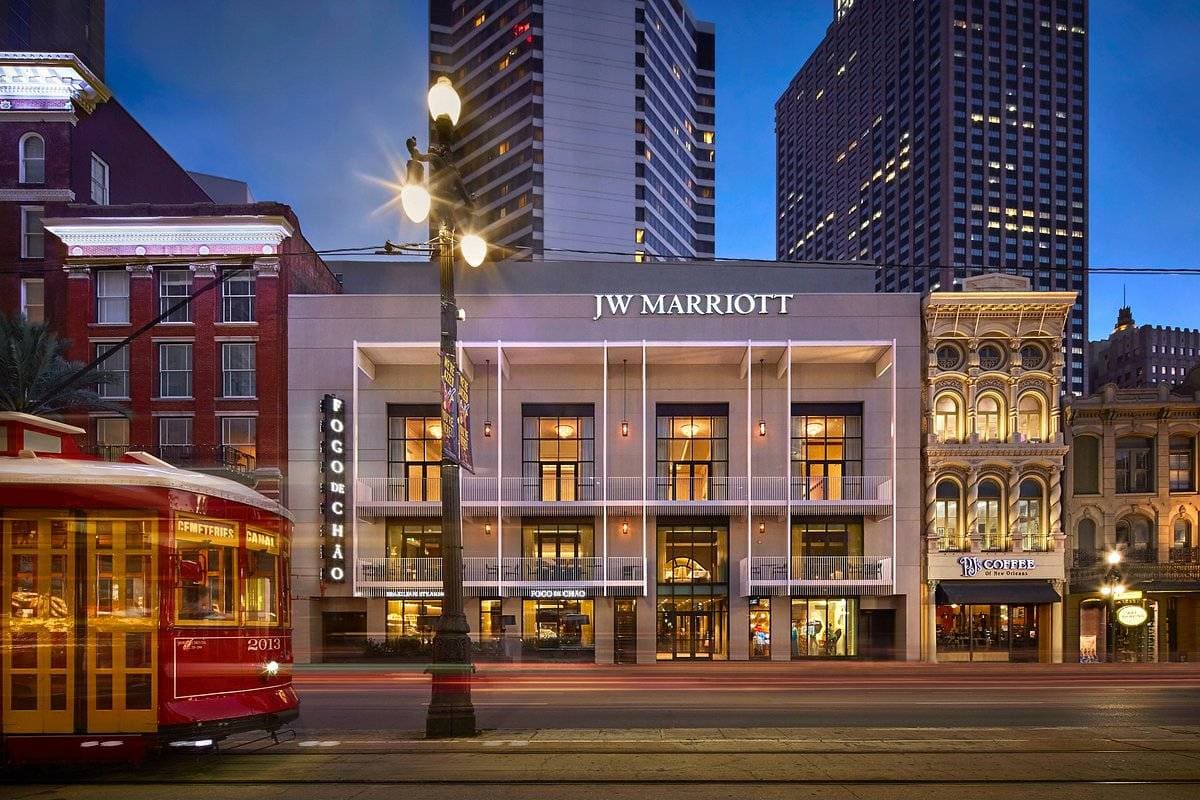
688 maximum · 1 workspace
FromUSD 313/night
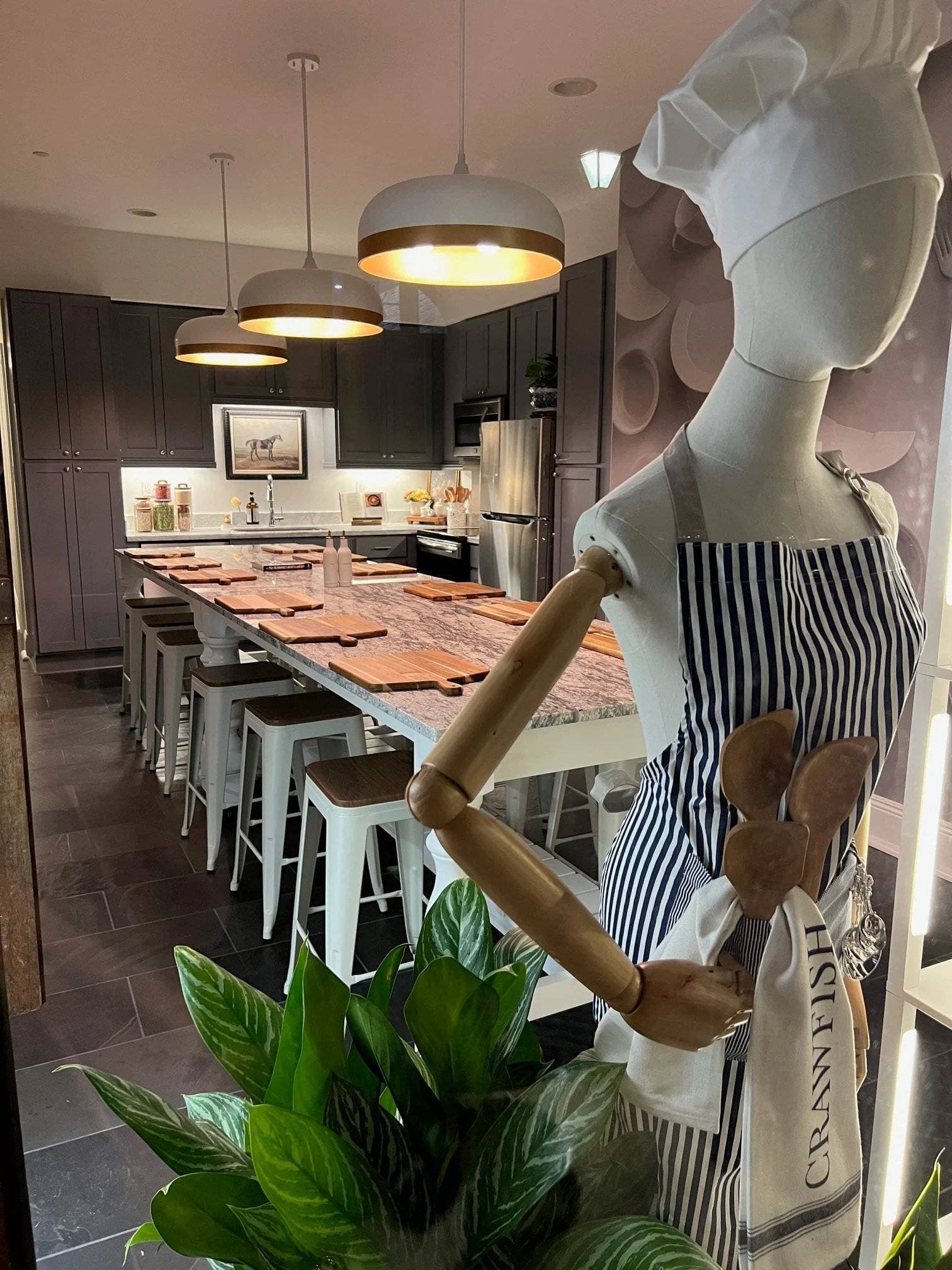
4 workspaces
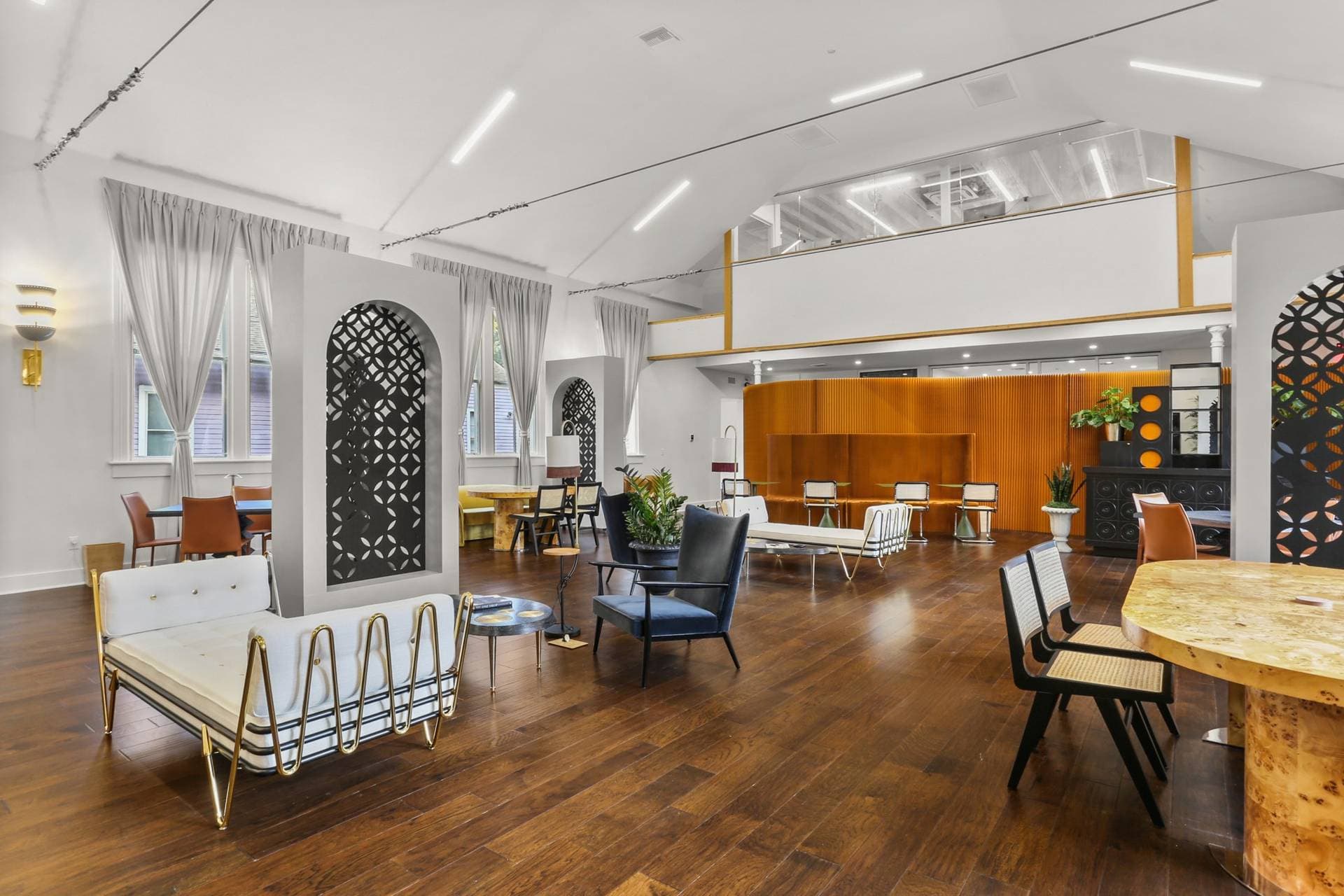
125 maximum · 1 workspace
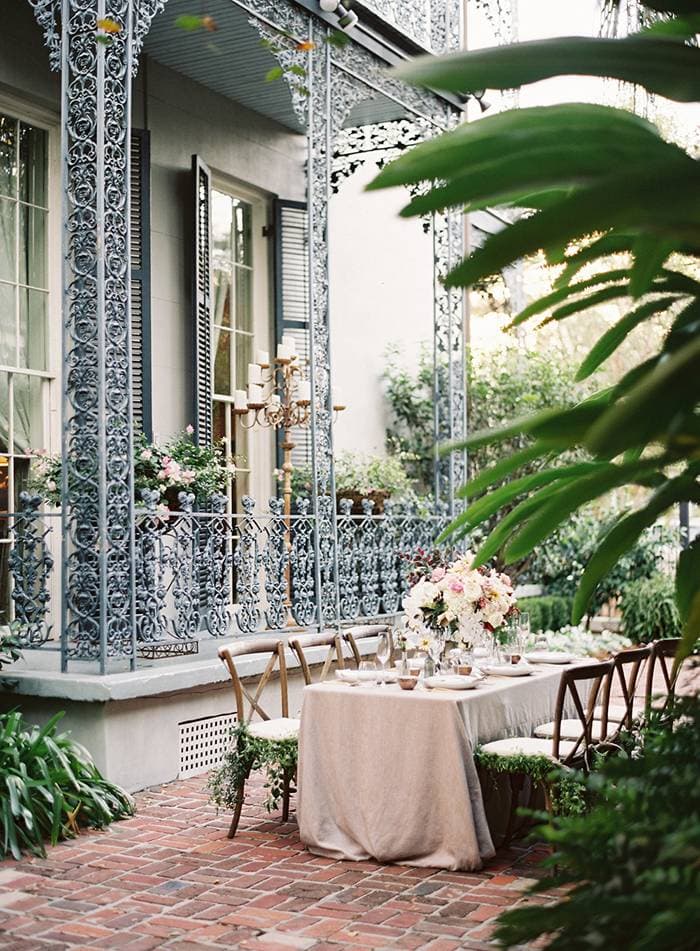
125 maximum · 1 workspace
1 workspace
150 maximum · 1 workspace
200 maximum · 1 workspace
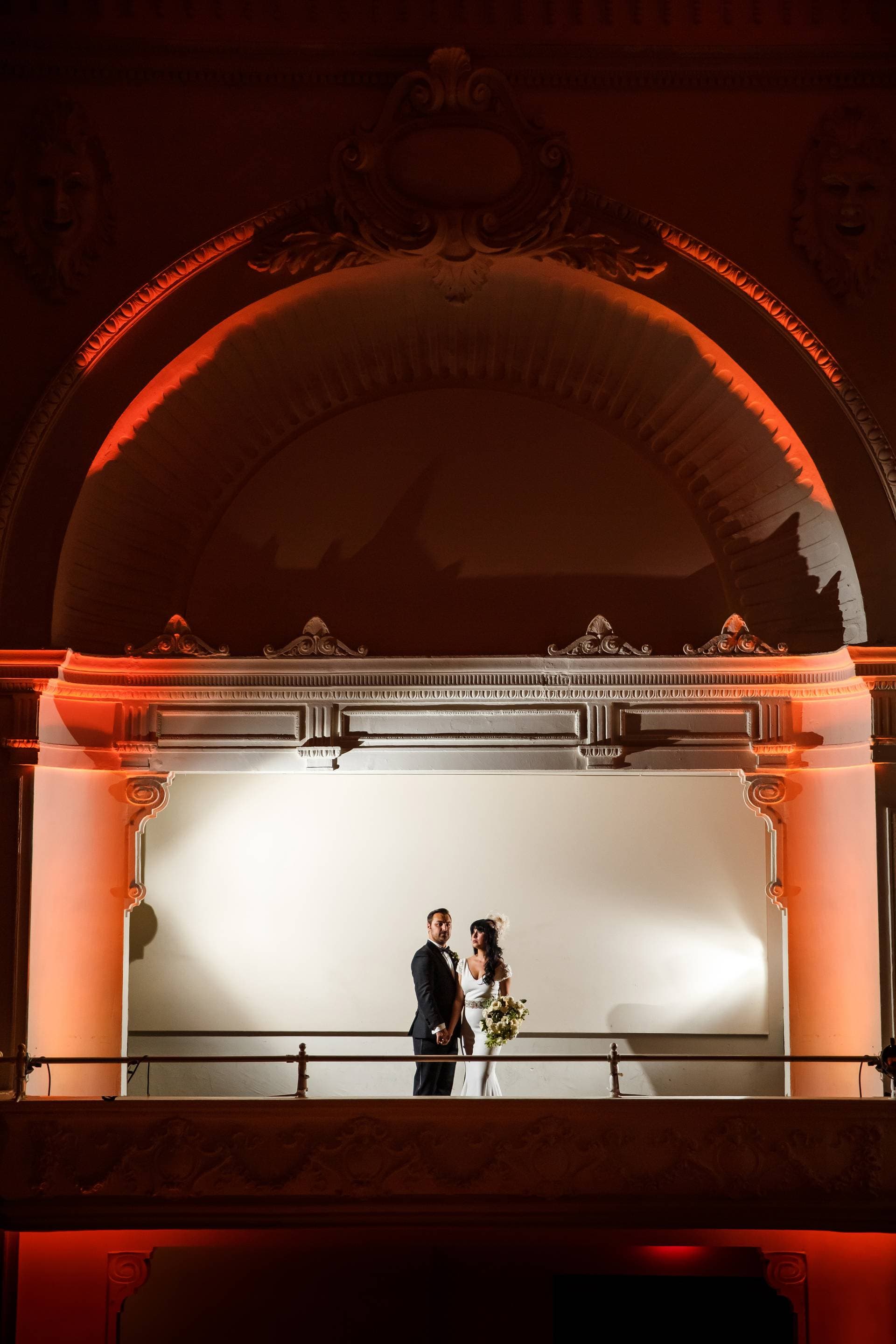
650 maximum · 1 workspace
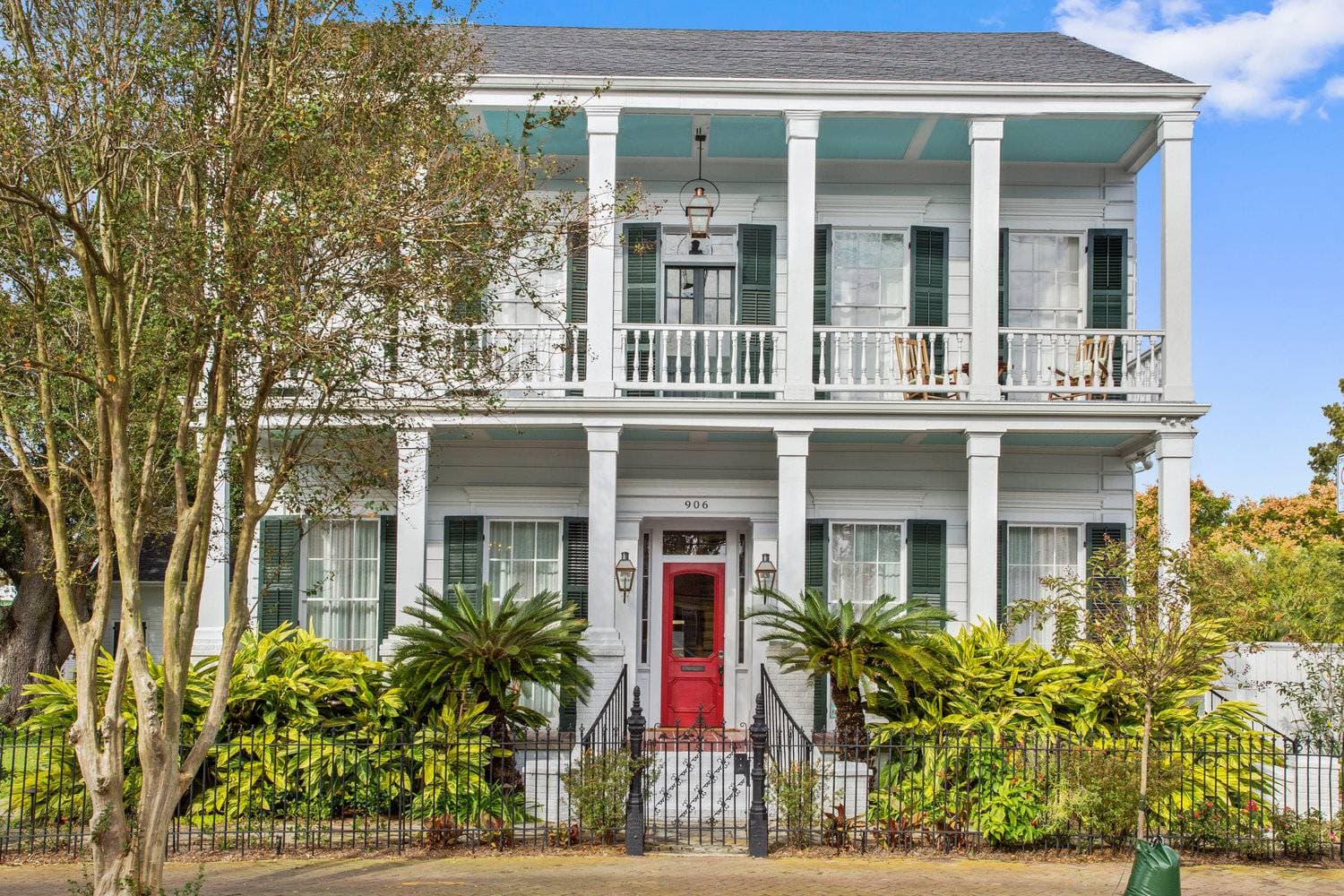
200 maximum · 1 workspace
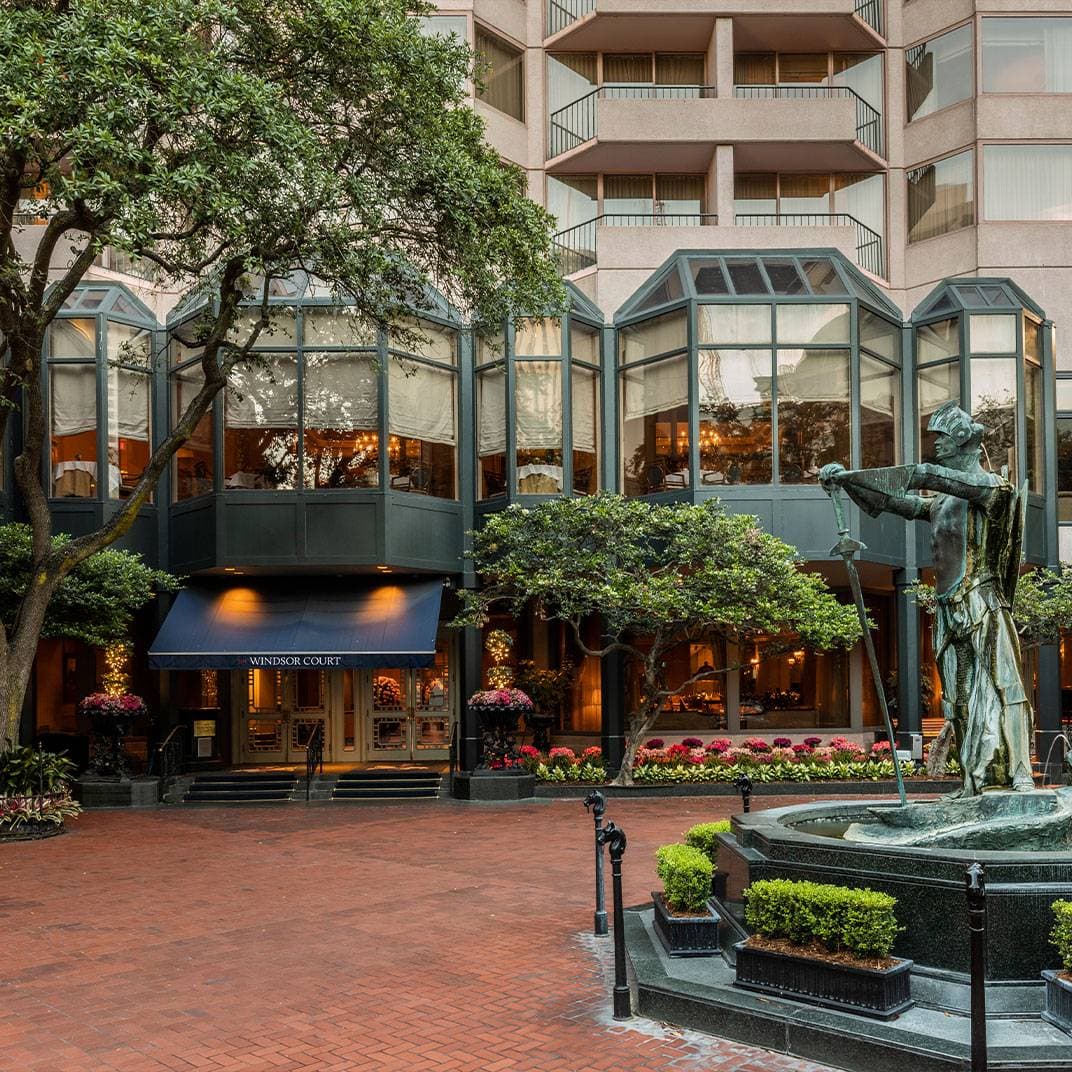
628 maximum
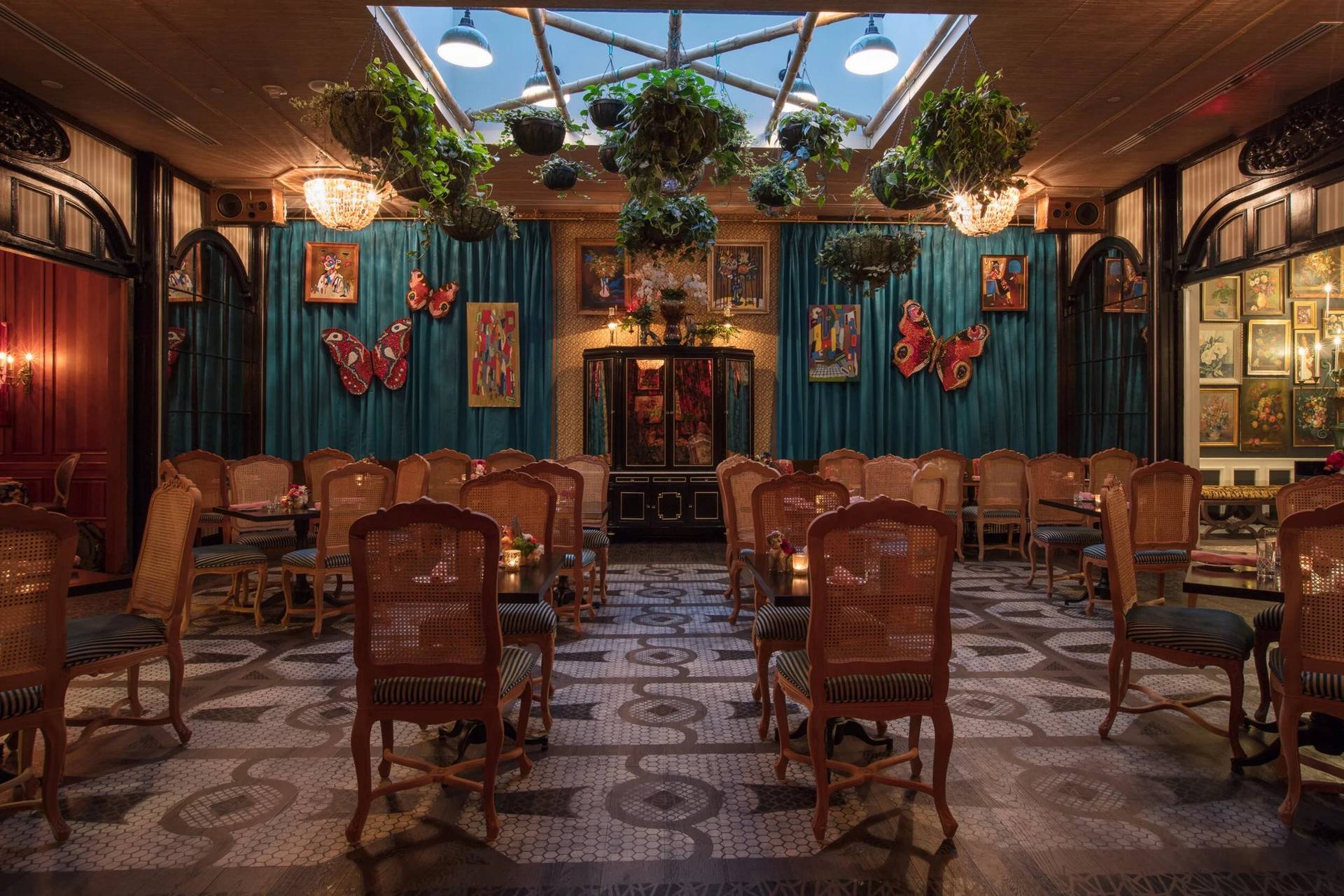
2 workspaces
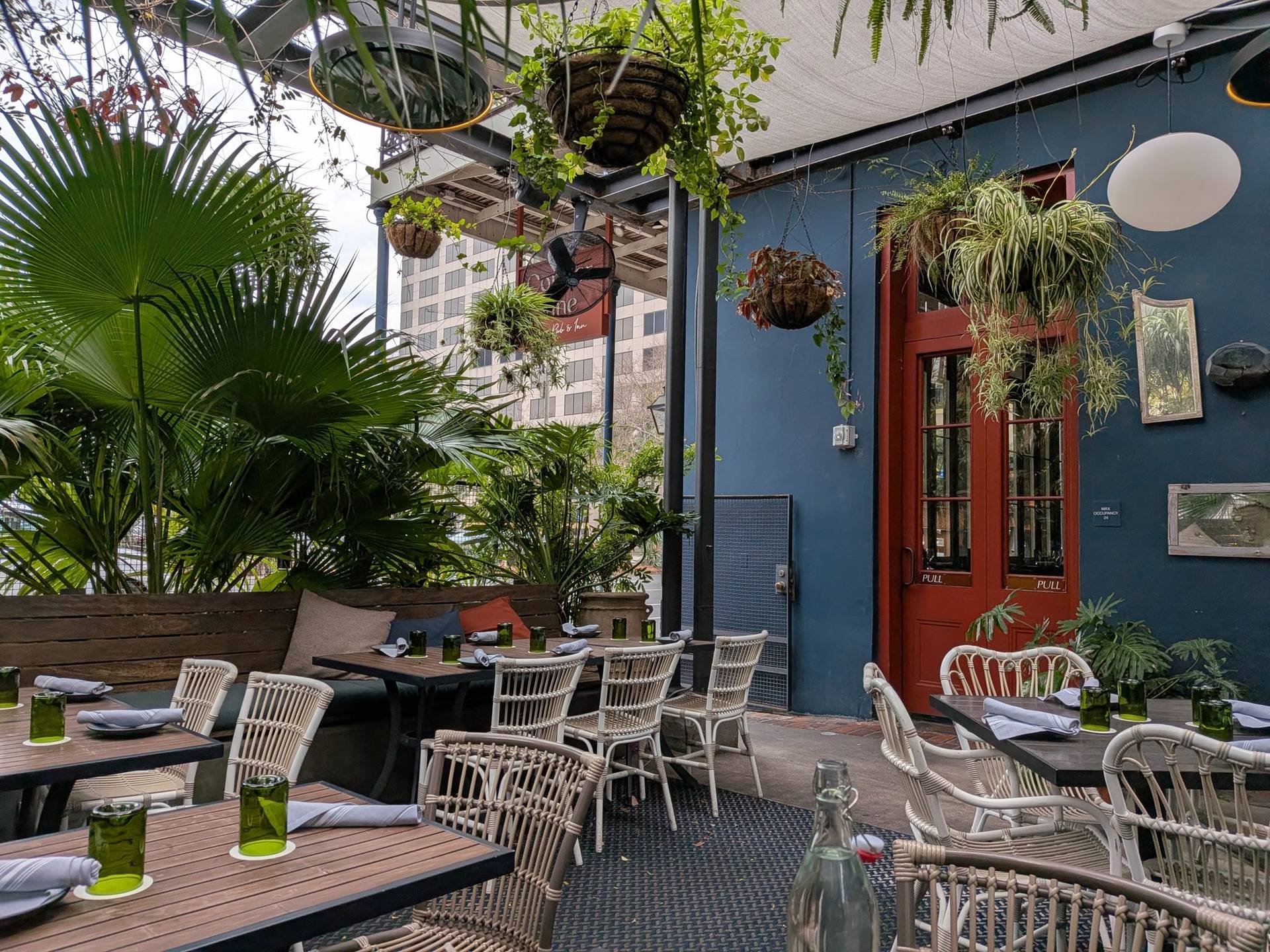
4 workspaces
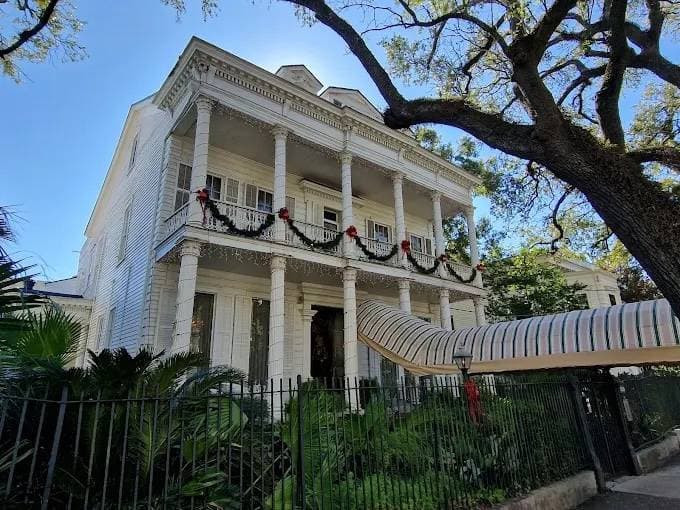
New Orleans, Louisiana, United States
4.6
(161 reviews)
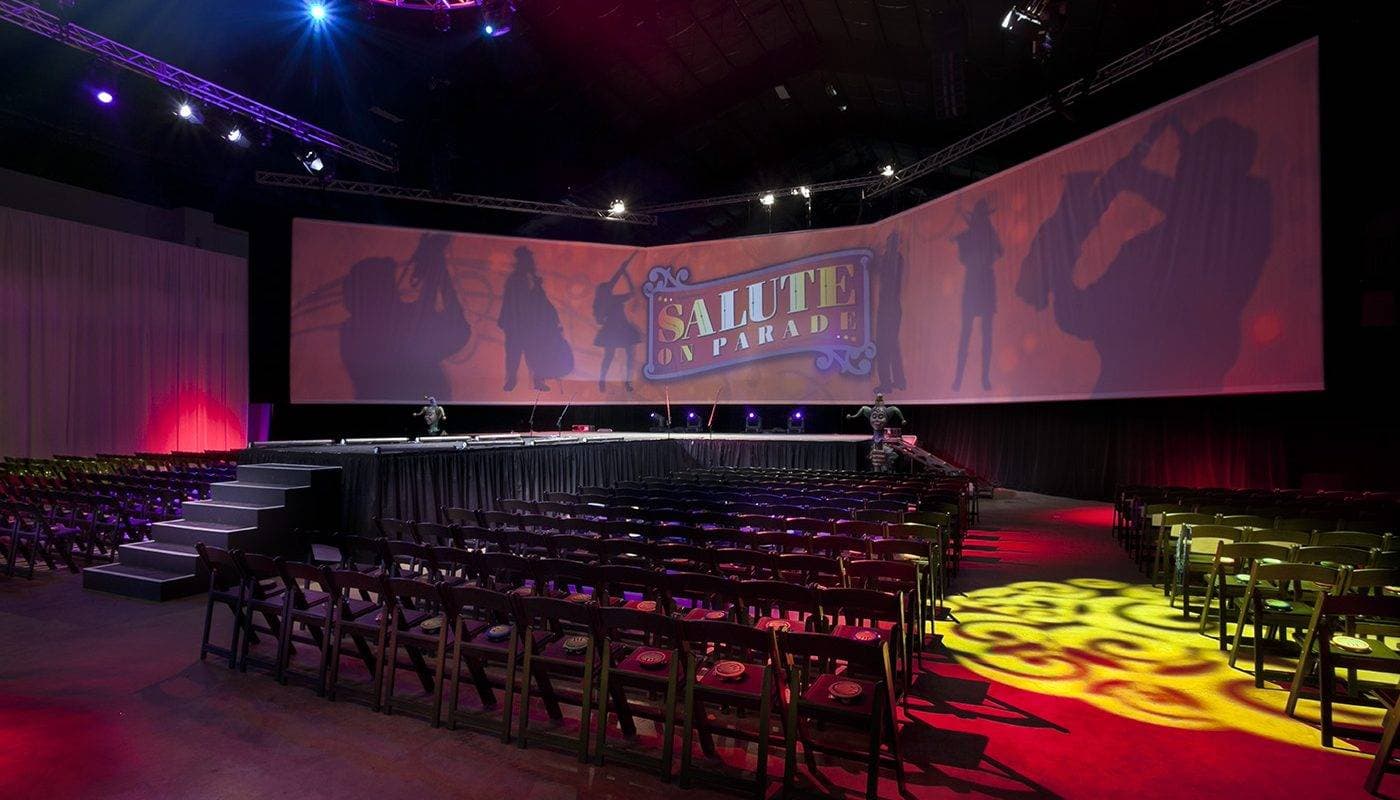
10 workspaces
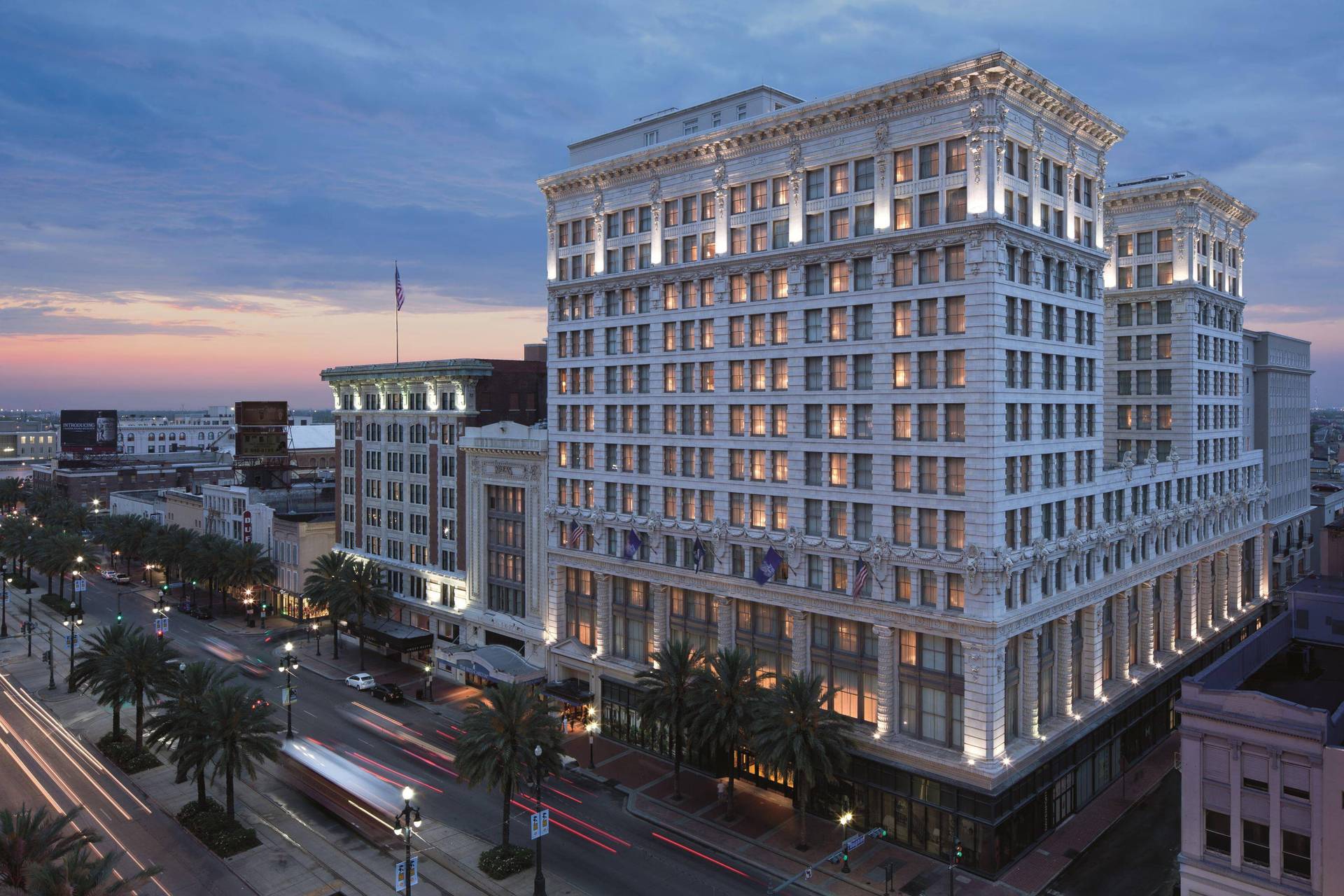
375 maximum · 23 workspaces
Answer a few quick questions and get venue suggestions for your next event
Over 500,000 employees have experienced a Naboo event









For your New Orleans event, we handle the venue, logistics, and suppliers so you can stay focused on the brief.
One quote can cover the venue, catering, AV, activities, and lodging, keeping the budget easy to read.
Our AI generates quotes almost instantly, and we get back to you in under 12 hours.
You get itemized pricing and one invoice, so the New Orleans event does not turn into a spreadsheet hunt.
Event venues in New Orleans give corporate groups a practical mix of meeting space, hotels, restaurants, and private rooms. Naboo works across Orleans Parish, where about 520 venues sit in the network.
That mix works well for overnight offsites, day meetings, and business meals. In New Orleans, the city does part of the work for you, with food, music, and architecture close to the room.
about 520
venues in Orleans Parish
venues in the Naboo network in Orleans Parish
nearly half
able to host an overnight group
venues with rooms on site in the market
about 7 in 10
bookings that are overnight offsites
New Orleans bookings that are overnight offsites
about 45
median group size
median group size for New Orleans bookings
If you want a little more context, the blog helps you compare formats and neighborhoods. The real question is simple: does it fit your guests?
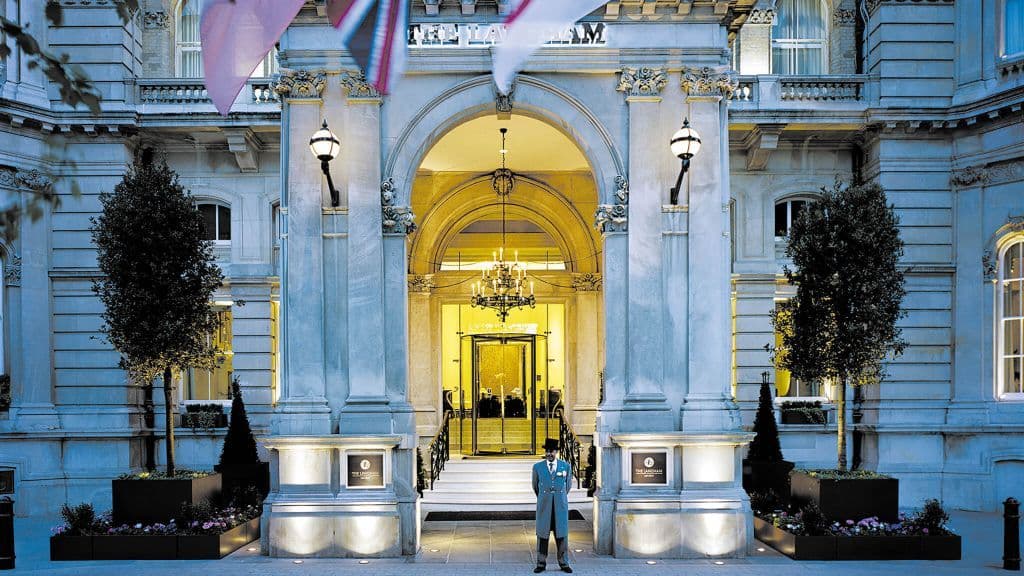
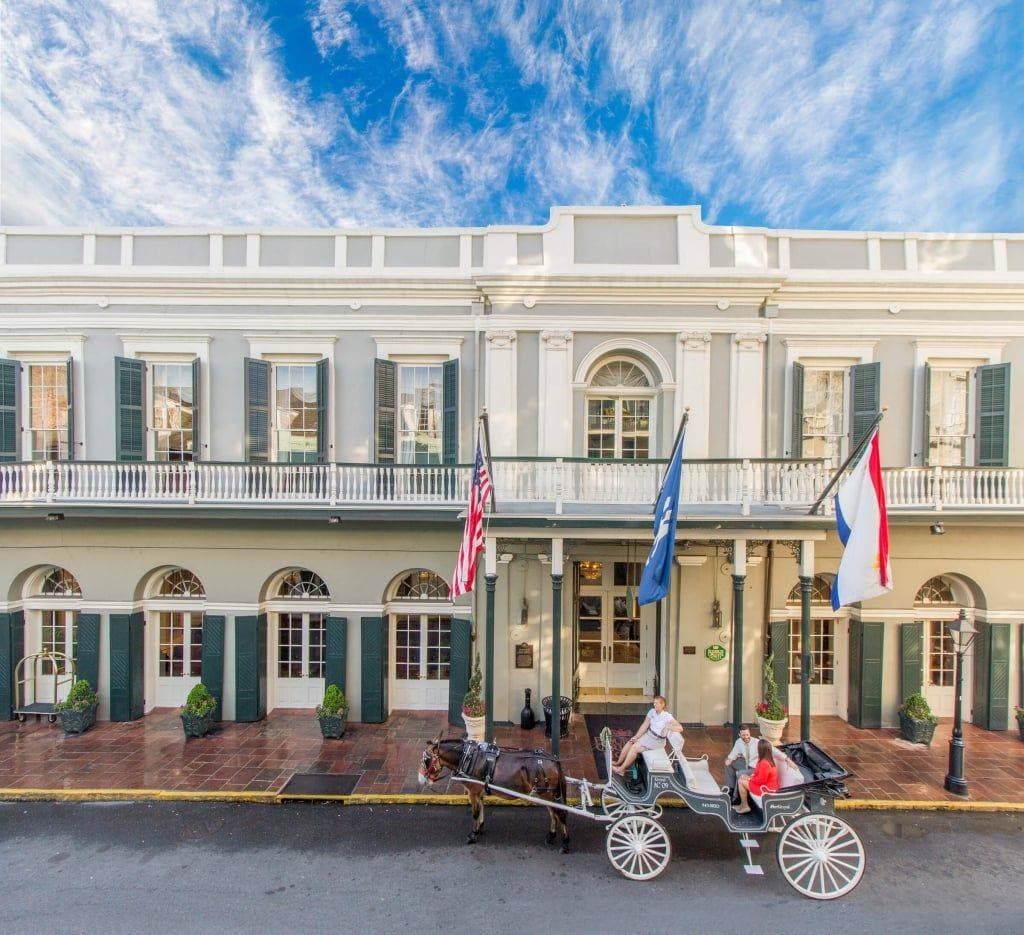
We would look at hotels with rooms on site, then pair work time with an easy evening plan. Bourbon Orleans Hotel suits overnight offsites when you want meetings, sleeping rooms, and a French Quarter address in one place. That saves the team from city hopping, which is a small mercy after a long agenda.
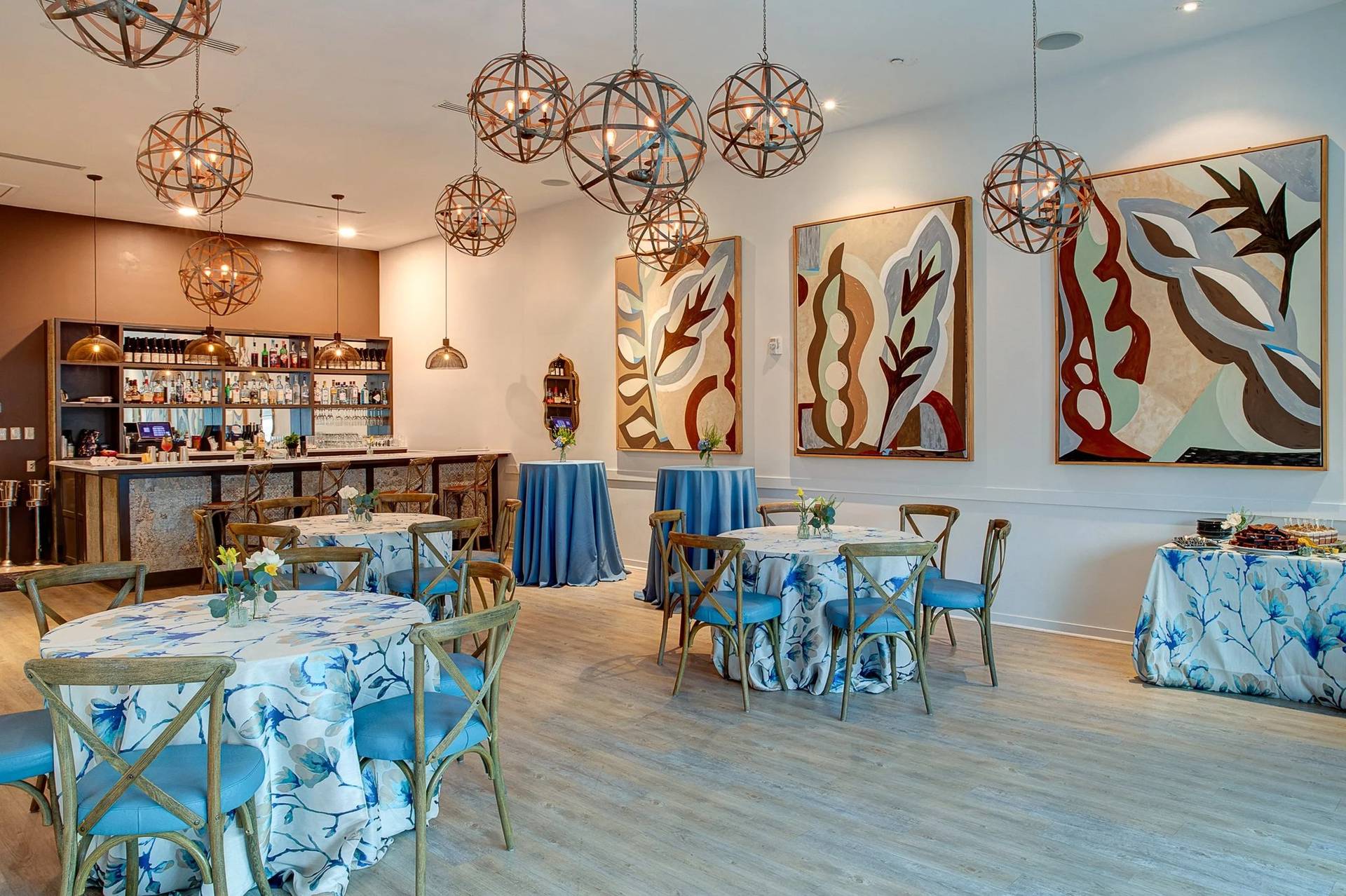
We would choose a space that lets the conversation lead. Bourbon House works well for client dinners and business meals, with a setting that keeps the tone professional without feeling stiff. In New Orleans, that balance matters, because the room should support the relationship, not compete with it.
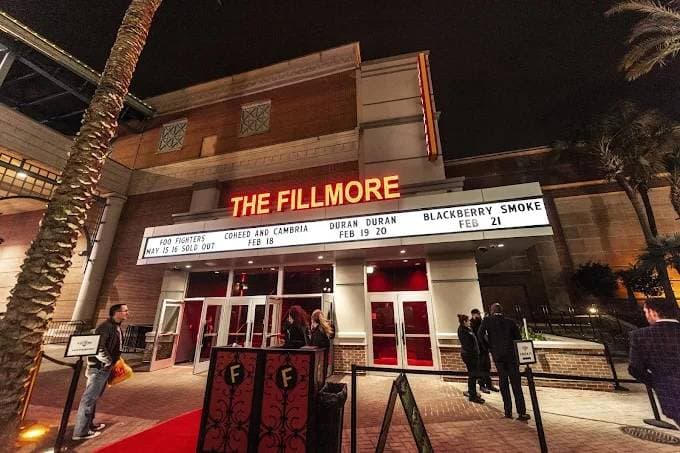
We would pick a place that keeps the energy up and the logistics light. The Fillmore New Orleans can suit a team celebration when you want a reception-style setup and room for a crowd to relax. It gives you space to toast the finish line without making everyone line up like a school photo.
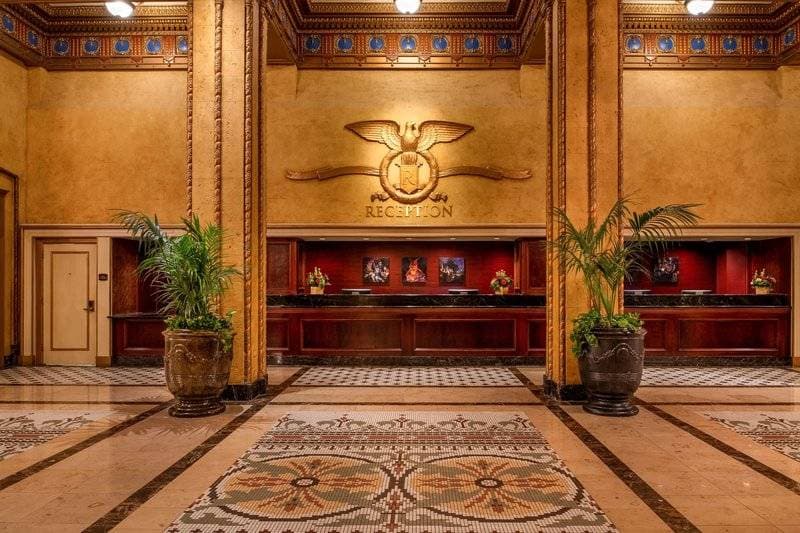
We would look for a room that can handle speeches, screens, and a clear guest flow. The Roosevelt New Orleans a Waldorf Astoria Hotel suits launch-style overnight offsites when you need meeting space and a more formal arrival. It helps when the deck, the dinner, and the check-in all need to behave.
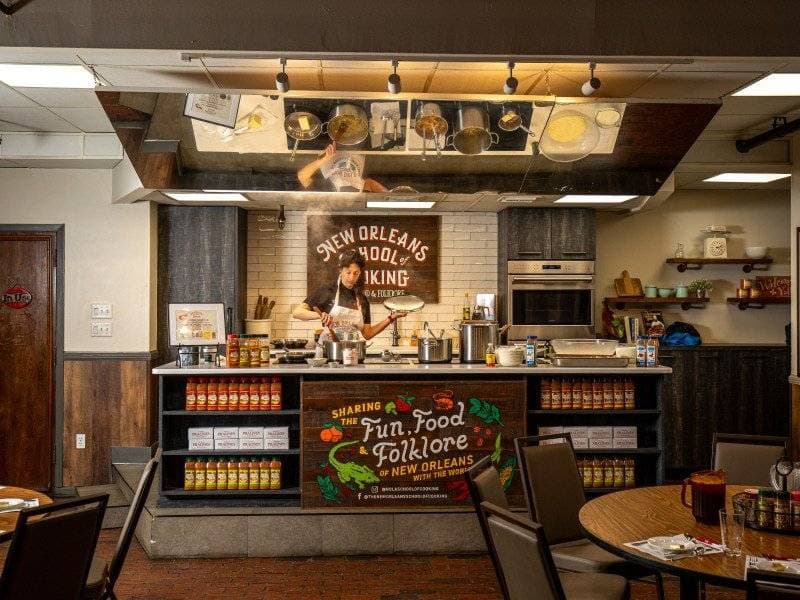
We would lean into a venue that can shift from reception to dinner without losing the room. New Orleans School of Cooking suits groups that want a social format with a local angle and a little hands-on fun. It is festive without forcing anyone into a theme hat they did not request.
Start with the outcome, then choose the format that supports it. If you want alignment, use an offsite or retreat. If you want relationship time, use a client dinner or business meal. If you want momentum, use a kickoff or product launch. New Orleans works because the city adds context without needing much explanation.
That is why formats here often split between hotels, restaurants, and reception halls. French Quarter hotels suit overnight stays. Private event spaces work for focused sessions. Neighborhood restaurants help when the goal is conversation. The city also gives you built-in activities, from cooking to music, when you want the agenda to breathe a little.
What organizers forget is the guest experience between sessions. Travel time, meal timing, and how people move from room to room matter more than the slide deck. That is where we help you compare event venues in New Orleans and keep the plan realistic.
Choose by fit, not by square footage alone. Start with headcount, overnight needs, and whether you need meeting space in New Orleans or a social setting. Then compare room setup, lodging, AV, and access. A hotel like The Roosevelt New Orleans a Waldorf Astoria Hotel suits a polished offsite. A venue like The Fillmore New Orleans suits a day meeting with more room to move.
Then look at neighborhood and pace. The French Quarter works when you want character close by. Other areas can make arrivals easier. For meals, restaurants and private rooms can keep the day compact. For more structured programs, a hotel or reception hall gives you more control over timing and flow.
What people forget is the boring part that saves the day. Load-in, coat storage, breakout timing, and where people wait between sessions all change the feel. We help you compare corporate event venues in New Orleans before those details become surprises. Depending on the format, you can also compare team building in New Orleans, restaurants in New Orleans, bars in New Orleans and hotels in New Orleans.
Choose activities that support the goal, not the other way around. For an offsite, that may mean a strategy session, a chef-led meal, or a short team challenge. For a retreat, it may mean a slower agenda with one anchor activity and time to talk. New Orleans gives you options that feel local without turning the program into a parade.
Cooking classes, guided tastings, and music-led evenings can work well when the group needs a shared moment. New Orleans School of Cooking fits that kind of plan, especially when you want the activity to feel tied to the city. If the goal is connection, keep the activity simple enough that people can still talk.
What gets missed is energy management. Too much programming and the group checks out. Too little and the trip feels loose. We help you match the activity to the room, the meal, and the pace so the day still feels like a plan.
No, not unless the theme helps the message. A clear agenda can do more than a costume prompt. If you want a local touch, use the city through food, music, or venue choice. That keeps the event grounded and avoids the awkward moment when the theme tries harder than the team.
Some groups use a theme for a holiday party or product kickoff. Others keep it clean and let the venue carry the character. In New Orleans, that can mean a hotel ballroom, a restaurant dinner, or a private space with a strong sense of place. The city already brings enough personality to the table.
What organizers forget is that guests remember how the event felt, not the label on the invite. We help you decide whether a theme adds value or just adds work, then we build the plan around the goal.
For large corporate events, the main large-format option is the city convention center. It suits conference and trade-show style programs where attendee movement, registration, and production support matter.
Always verify the production package in the proposal.
Examples to start your comparison. Each venue confirms its price in writing before you book.
Registration flow, plenary space, breakout routing, supplier access, and loading access. The Ernest N. Morial Convention Center in the Warehouse District offers 1.1 million square feet of exhibit space on one level and 140 meeting rooms.
Which halls or galleries are included, catering rules, whether turnkey services include catering and bar options, and whether the venue closes to the public for your event. At The National WWII Museum, the Louisiana Memorial Pavilion seats up to 250 guests for dinner, takes about 600 for a reception or 400 theater style, and the Media Auditorium seats 130. Mardi Gras World on the riverfront hosts groups from 20 to 20,000 guests, from cocktail receptions to large galas.
Which halls or galleries are included, catering rules, and whether the venue closes to the public for your event.
The room list for your layout, how much historic charm translates into a versatile space, access limits, and any restrictions on décor, room access, or sound.
Seasonal rules, permit responsibilities, and an indoor backup plan.
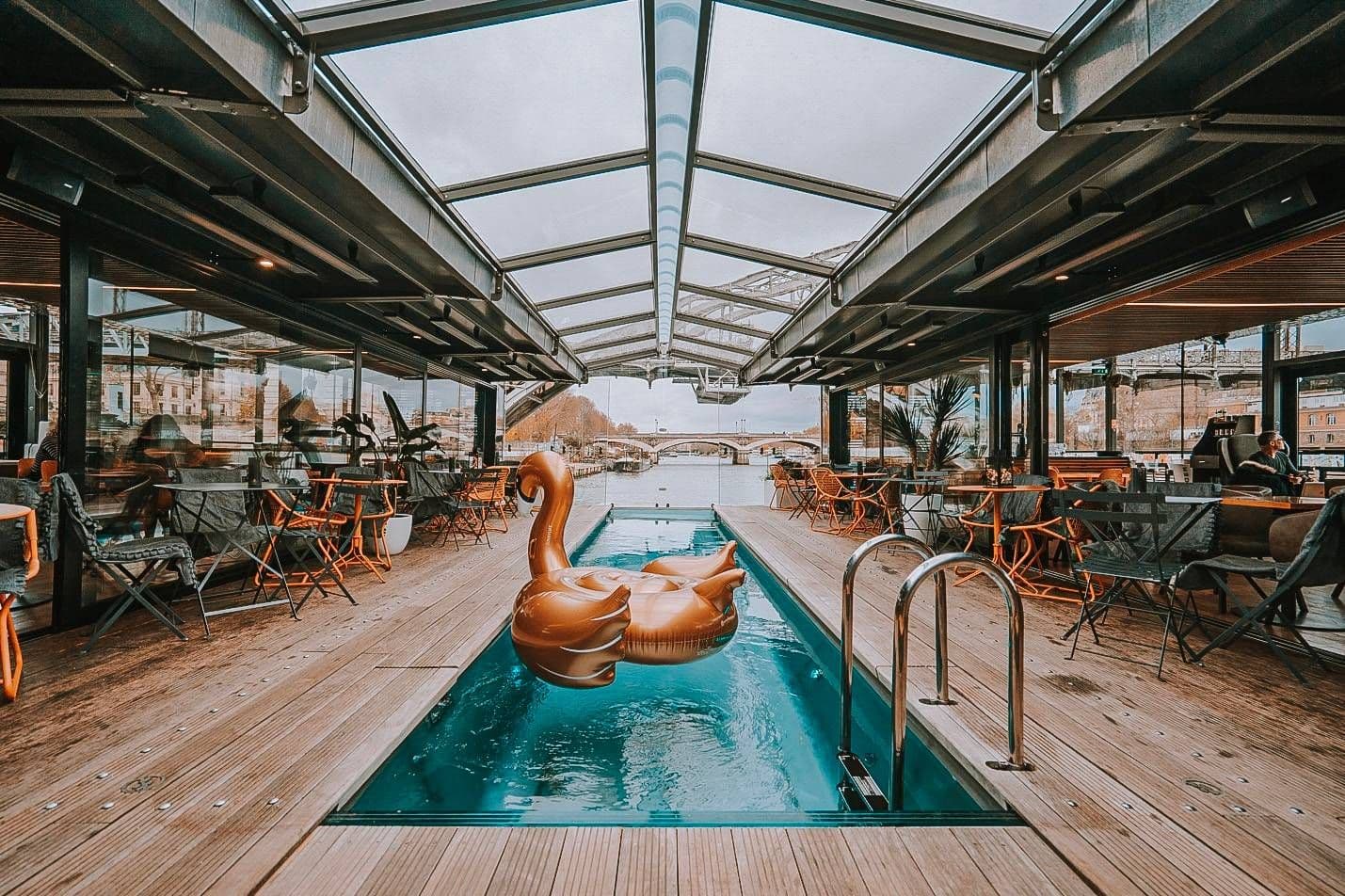
When you compare high-capacity event spaces, ask for verified source material from the venue itself. That keeps the review focused on confirmed layouts, not estimates or assumptions. For outdoor events, the City of New Orleans asks organizers to apply at least a month ahead through its One Stop Shop, and events over 1,000 attendees need emergency medical and security coverage. The city's outdoor sound checklist asks you to point speakers away from neighbors and keep bass in check, which matters for brass bands and live blues in NOLA.
Ask for the venue's written setup notes.
One brief, comparable proposals, one point of contact.
Tell Naboo the format, guest count, dates and neighborhood preferences for your New Orleans event.
Shortlisted venues reply with proposals that use the same line items, so room rental, catering, labor and equipment sit side by side. Each venue confirms its price in writing before you book.
Naboo handles the booking with one point of contact and one invoice per event. With a framework contract, procurement also gets one vendor of record.

It depends on the format, the room setup, and whether you need lodging. A hotel offsite, a restaurant dinner, and a day meeting do not carry the same scope. In New Orleans, the venue choice also shapes what you need around it, from AV to meals to transport. The right budget starts with the whole program, not just the room rate.
By negotiating the proposal as a whole. We compare comparable venues, then bring back quotes that let you see what is included. That helps you avoid the classic trap of a low room price with a long list of add-ons. You keep the plan readable, and the budget stays tied to the brief instead of drifting into mystery fees.
Share the date, headcount, budget, and vibe, plus any must-haves like lodging, AV, or a dinner format. If you already know the goal, say that too. A kickoff, a retreat, and a client dinner need different rooms. The clearer the brief, the faster we can match you with event venues in New Orleans that make sense.
It depends on what you want to hand off. If you want to keep control, self-serve works well. If you want more support, the turnkey package includes an on-site Naboo Event Manager. That is the person who helps with logistics on the day, so you can focus on guests instead of chasing the timeline.
Set the run of show, confirm arrivals, and decide who owns each moment. Then define success before the event starts. Is it attendance, client response, team alignment, or a clean launch? Afterward, review what happened against the plan, then debrief while the details are still fresh. That is where the useful lessons live.
| Row | Booking venues on your own | With Naboo |
|---|---|---|
| 01 | A different quote format from every venue | One brief, comparable proposals with clear line items |
| 02 | Prices that can change before you sign | Each venue confirms its price in writing before you book, and the price we confirm is the price you pay |
| 03 | Fees that show up late in the process | Fees and service charges shown line by line in the proposal |
| 04 | Rates that may be higher than booking direct | Prices never higher than booking direct |
| 05 | Several contacts and invoices to chase | One point of contact and one invoice per event |
| 06 | Terms negotiated again for every event | With a framework contract: one vendor of record and negotiated terms per contract |
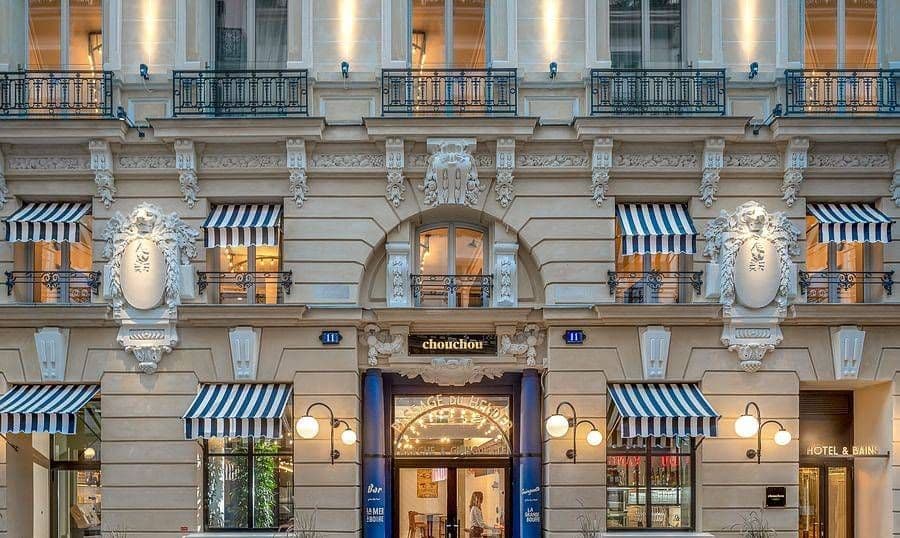
If you want a program with a distinct setting, look at spaces that feel different from a standard meeting room. In New Orleans, a vibrant city, that can include a historic event hall, a city park, or another venue that supports a memorable guest experience and a more authentic orleans experience. Among event venues New Orleans teams shortlist, many pair brick walls and chandeliers with a courtyard or terrace and views over the French Quarter, and several can welcome a traditional brass band second line to open the evening. The National WWII Museum also offers spaces designed for corporate events. That variety suits large celebrations too, from year-end parties to company milestones.
Distinct settings still need clear operational terms.
Outdoor planning in New Orleans should start with the season, because summer is hot with frequent rain and autumn is the busiest season for festivals, sports, and events. That affects staffing, guest comfort, and backup planning. Outdoor events need written responsibility lines.
Ask whether the outdoor space works better in a cooler season or during the busiest autumn calendar. Summer programs need a stronger weather plan because heat and rain can change the guest experience quickly.
The contract should state who handles permits, approvals, and any related responsibilities. Naboo does not obtain permits or run venue operations, so the agreement must make that division of labor clear.
Build a contingency plan for rain, heat, and guest movement between indoor and outdoor areas. Confirm where the event moves if the weather changes.
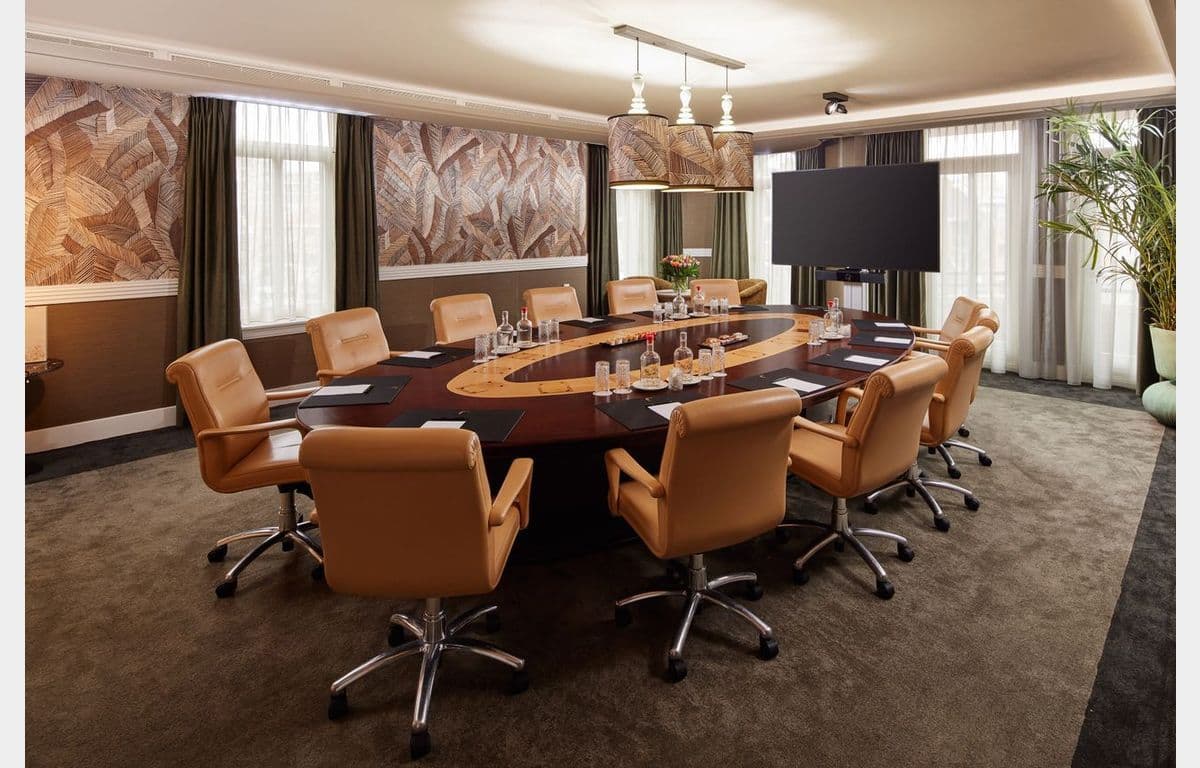
Executive gatherings need rooms that can shift between presentations, discussion, and private conversation. Flexible event space is most useful when the layout can support both plenary time and smaller breakouts.
Breakout flexibility. Ask how many room configurations are possible and whether partitions or adjacent spaces can support breakouts. The venue should confirm the setup in writing, not just describe it generally.
Conference technology. Review screen, sound, microphone, and connectivity needs before you shortlist the venue. If the meeting depends on presentations or hybrid participation, the technology package should be explicit.
Catering minimums. Compare catering minimums across the venues you are considering. Some venues offer in-house catering, which can simplify service coordination for executive gatherings. A lower room rate can still be less attractive if the food and beverage commitment is too high for the program, and bar services should be compared separately. Some venues also bundle turnkey packages with other services, so confirm inclusions in writing.
The room should fit the agenda, not the other way around.
For central gatherings, focus on the Central Business District, the French Quarter, and the Convention District. These areas are useful when you want an ideal location that is easy for attendees to reach and simple to explain in travel instructions.
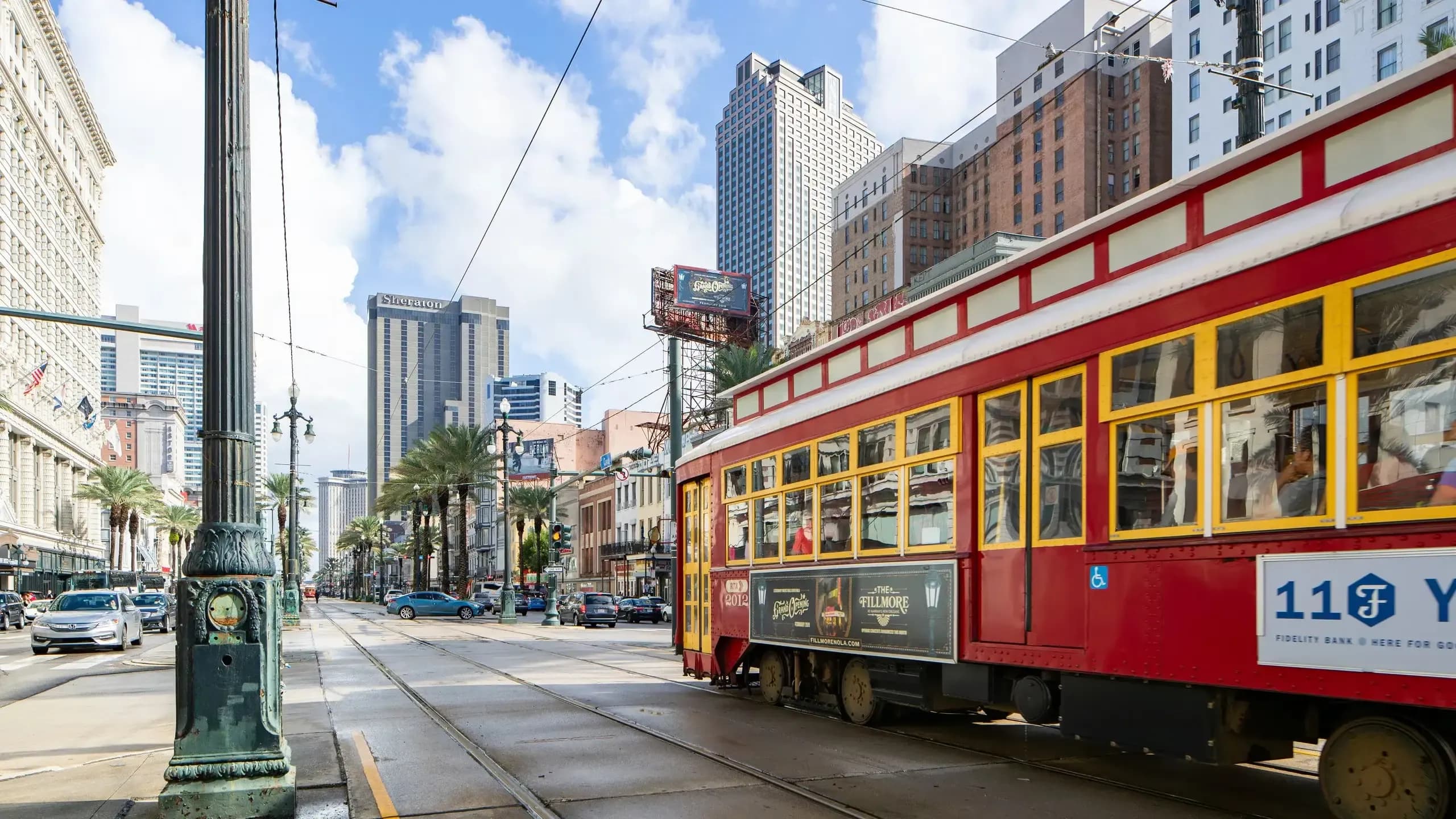
Transit access. Prioritize venues near streetcar service along St. Charles Avenue and Canal Street, or near the Riverfront line that links the French Market to the convention center. Transit access can reduce friction for attendees moving between hotels and the venue.
Central districts. The Central Business District, the French Quarter, and the Convention District are the main central areas to review. They are practical starting points for company events that need a central address in a prime location.
Travel patterns. Compare each neighborhood with where your attendees are staying and how they are likely to arrive. Parking is notoriously tight in neighborhoods like the French Quarter, so transit options and walking routes matter. A venue that fits the travel pattern can be easier for guests than one that looks good only on a map.
Hotel clusters. The Central Business District and the French Quarter have many hotels within a short walk of a streetcar stop. That makes them useful when you want to cluster lodging and event space in one area. Separate from that, easy access to world class dining can make scheduling around receptions and client dinners much simpler.
Central locations can simplify the attendee journey.
Louis Armstrong New Orleans International Airport connects to Downtown by express bus and airport shuttle vans, with taxis and rideshare waiting outside baggage claim. That gives planners a few straightforward arrival options for attendees coming into the city.
Streetcar lines run along St. Charles Avenue, Canal Street, the Riverfront, and Rampart Street, linking the Convention District, the French Quarter, and uptown neighborhoods. The French Quarter is best explored on foot, so it helps to plan meeting points with walking in mind.
New Orleans gives planners several distinct districts to compare, each with a different mix of access, atmosphere, and event support. The right fit depends on whether your group needs convention access, office proximity, or a neighborhood with more after-hours options.
This is the city's oldest neighborhood, with historic architecture, galleries, museums, and live music. For corporate groups, it offers dining and nightlife within a district that is crossed on foot. Royal Sonesta New Orleans on Bourbon Street has more than 20,000 square feet of event space, including a 5,000-square-foot Grand Ballroom with 19-foot ceilings and the 2,110-square-foot Evangeline Suite for up to 200 guests. Broussard's Restaurant and Courtyard on Conti Street takes 225 guests for a seated buyout, 350 for a reception, or 650 together with the Hermann-Grima House. On Decatur Street, The Jaxson overlooks the Mississippi River and hosts 100 to 500 guests station-style. Rodrigue Studios on Royal Street, directly behind St. Louis Cathedral, opens its second-floor gallery for events, with balconies, historic character and modern amenities side by side.
This area brings together old warehouses that now hold museums, galleries, restaurants, and lofts. It also puts attendees near museums, acclaimed restaurants, hotel bars, and the convention center in one area. On South Peters Street, The Chicory occupies an 1852 coffee warehouse with exposed brick and beams, and takes up to about 400 guests.
This is the city's business core, with skyscrapers, rooftop bars, hotels, and sports events. It works well for groups that want offices, hotels, and newer restaurants in the downtown center. Next to the Caesars Superdome, Club XLIV and Encore in Champions Square cover nearly 18,000 square feet for up to 1,000 people.
This residential area is known for historic mansions along Mardi Gras parade routes and Magazine Street shopping. It gives groups a setting with historic architecture, restaurants, and shopping outside the downtown core. Inside Audubon Zoo, the Audubon Tea Room hosts receptions of up to 450 guests indoors, 750 with its outdoor space, or a seated dinner for 400. In the Lower Garden District, Race + Religious spreads across three 1830s buildings with two courtyards, for about 90 seated or 200 standing.
These neighborhoods are known for colorful shotgun homes, live music, and an arts district. They give groups access to live music and arts programming east of the French Quarter.
Summers are hot with frequent rain, and hurricane season runs from early summer to late fall, with storms that affected the city in the past arriving mostly in late summer. Spring and fall festival seasons draw the most visitors, and the tourism office says there is no bad time to visit.
For planners, that means the calendar can shift quickly with demand around recurring events such as Mardi Gras, the New Orleans Jazz and Heritage Festival, and ESSENCE Festival of Culture. Build your venue search around your attendee profile, your risk tolerance, and how much competition you want for space.
Pricing review should happen before approval, not after the venue is selected. Ask for itemized proposals so you can compare room rental, service charges, and any extra line items with the same structure.
Itemized proposals. Request a proposal from each shortlisted venue with line items broken out clearly. That makes it easier to compare event venues in New Orleans without guessing what is included.
Administrative fees. Look for administrative fees, service charges, and any venue-specific add-ons before you sign off. If the proposal is vague, ask for clarification in writing.
Taxes and gratuity. Verify how taxes and gratuity are handled so the total is not different from what procurement expects. The assumptions should be stated in the proposal, not left open.
Centralize contracts. With a framework contract for large groups, Naboo can centralize the process with one vendor of record, negotiated terms per contract, and a Control Tower that shows each request, approval, and payment by entity, country, and event type. That keeps the contract path organized for procurement review.
Written terms protect the budget review.
The next day, photos may tell one story while attendee feedback tells another. You need both to understand what worked.
Did the format fit the goal? Did the venue support the flow? Did the activities keep people engaged? Did the space feel right for the guests?
Then compare the planned budget with the final spend, and explain any gaps by line item, not by guesswork.
Hosting this event means shaping how people work together, meet clients, or mark a milestone. The room matters, but the outcome matters more.
Send us the date, headcount, budget, and intent, and we will start with a shortlist of event venues in New Orleans that match the brief.
It depends on what feels stale. If the goal changed, change the format. A retreat can become a working offsite. A dinner can become a half-day session with a meal. The point is not novelty for its own sake. It is choosing a structure that fits the message. Repeating last year because it was easy is how you get a polite sigh in the room.
Start as early as you can, especially if you need overnight space or a specific season. New Orleans can fill quickly around popular travel periods and business calendars. If your group is larger, lead time matters even more. Waiting until the last minute is a charming strategy only if you enjoy compromise.
It depends on whether convenience or separation matters more. A hotel offsite works well when you want lodging, meetings, and meals in one place. A separate dinner venue works when the social part should feel distinct. If the group needs focus, keep it together. If the evening needs a reset, split it up.
Usually yes, if the meeting has speakers, slides, or hybrid guests. AV is not glamorous, but neither is a microphone that quits mid-sentence. For a simple meal, you may not need much. For a launch, kickoff, or training session, it matters. The false economy is saving on sound and spending the afternoon repeating yourself.
Use a clear brief, then compare event venues that match the same criteria. Look at format, capacity, lodging, and location first. Then ask for quotes that are easy to compare. Naboo helps by turning one brief into a shortlist of comparable options. The goal is not more tabs. It is fewer surprises.
It depends on the gap between the plan and the guest experience. The usual culprits are too much programming, awkward timing, and a room that does not fit the group. A beautiful venue can still fail if people are rushed or confused. The false good idea is assuming guests will adapt to the plan just because you wrote it down nicely.
Hotels usually include sleeping rooms, meeting space, and food service. Restaurants usually include dining space and a set menu or buyout option. Reception halls usually give you more open space and flexibility. Private event spaces can be lighter on lodging but stronger on layout. The trick is not to assume every venue includes the same things, because that is how budgets grow legs.
Then you need speed and flexibility more than a perfect wish list. Share the date, headcount, budget, and must-haves right away. Our AI generates quotes almost instantly, and we get back to you in under 12 hours. The false good idea is waiting for the ideal room to appear on its own, as if calendars were feeling generous.
November 26, 2026

November 17, 2026

November 12, 2026

November 12, 2026

November 12, 2026
November 12, 2026