Turnkey
For a Chicago event, we handle the venue, logistics, and suppliers from the first call to the final invoice.
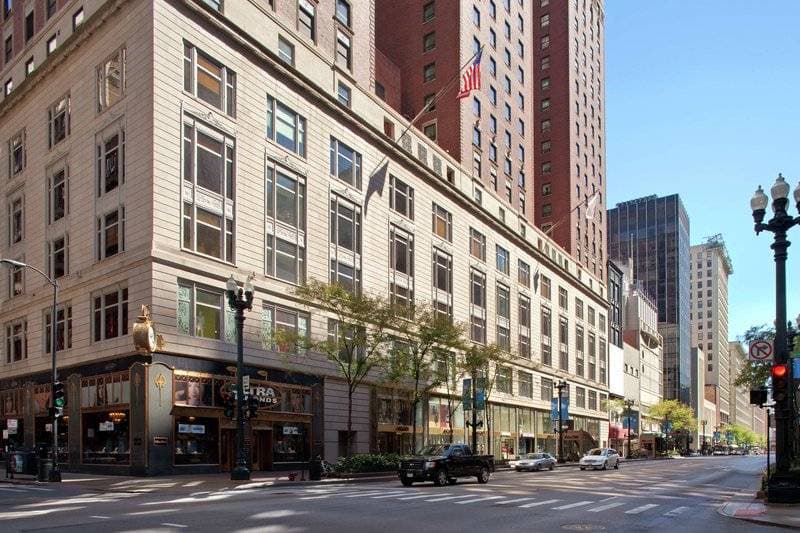
3278 maximum · 1 workspace
FromUSD 310/night
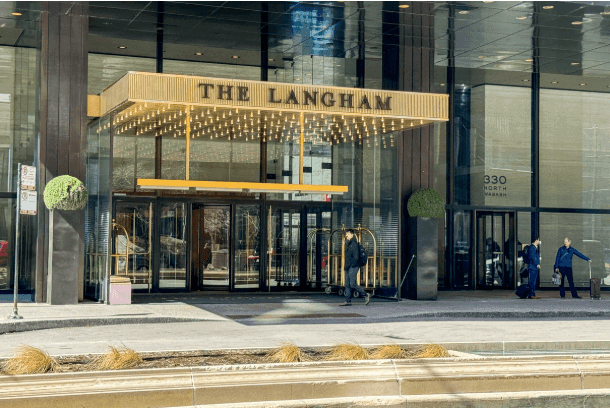
622 maximum · 3 workspaces
FromUSD 413/night
415 maximum · 12 workspaces
FromUSD 461/night
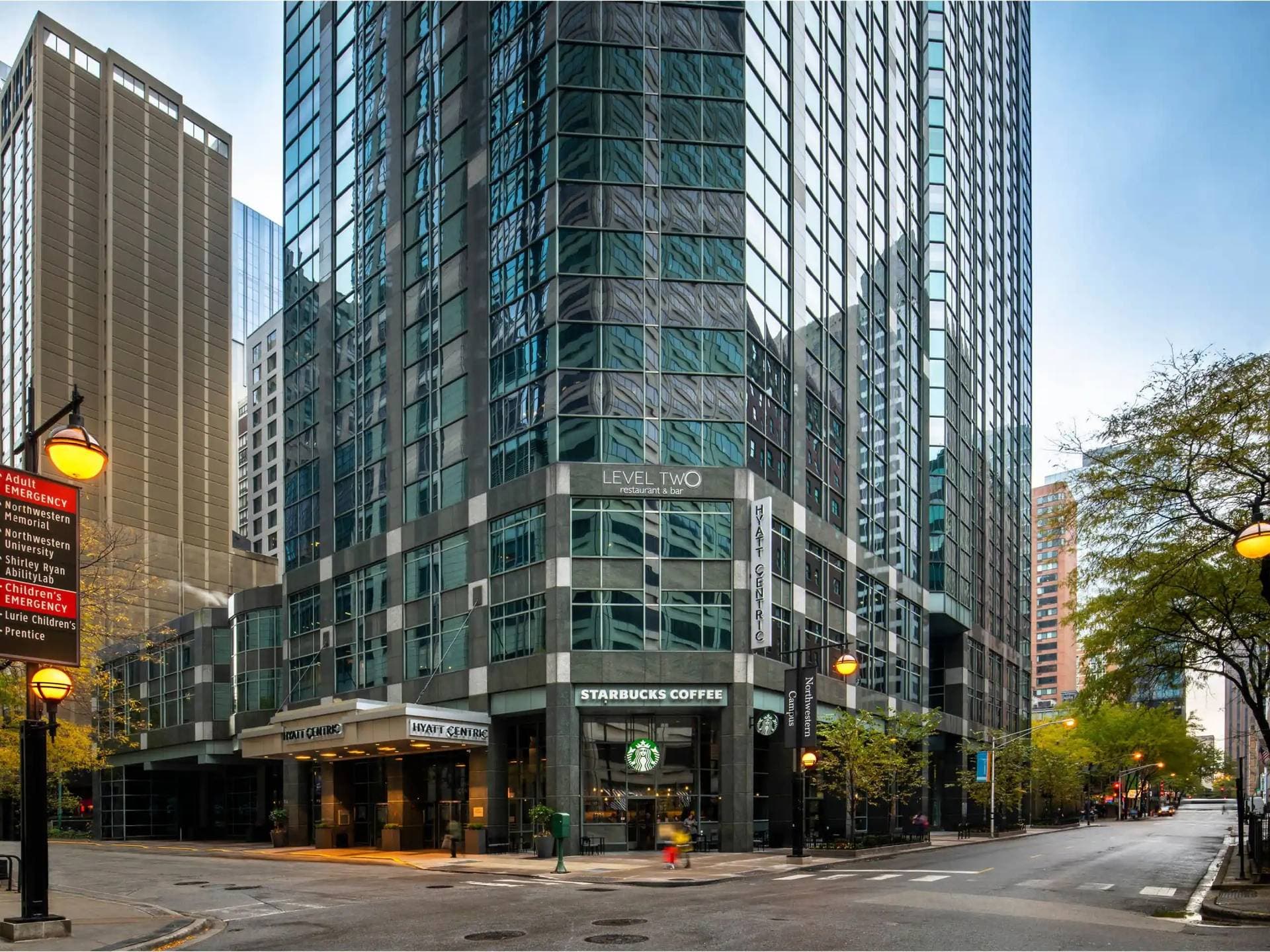
250 maximum
225 maximum · 2 workspaces
300 maximum · 1 workspace
3 workspaces
1 workspace
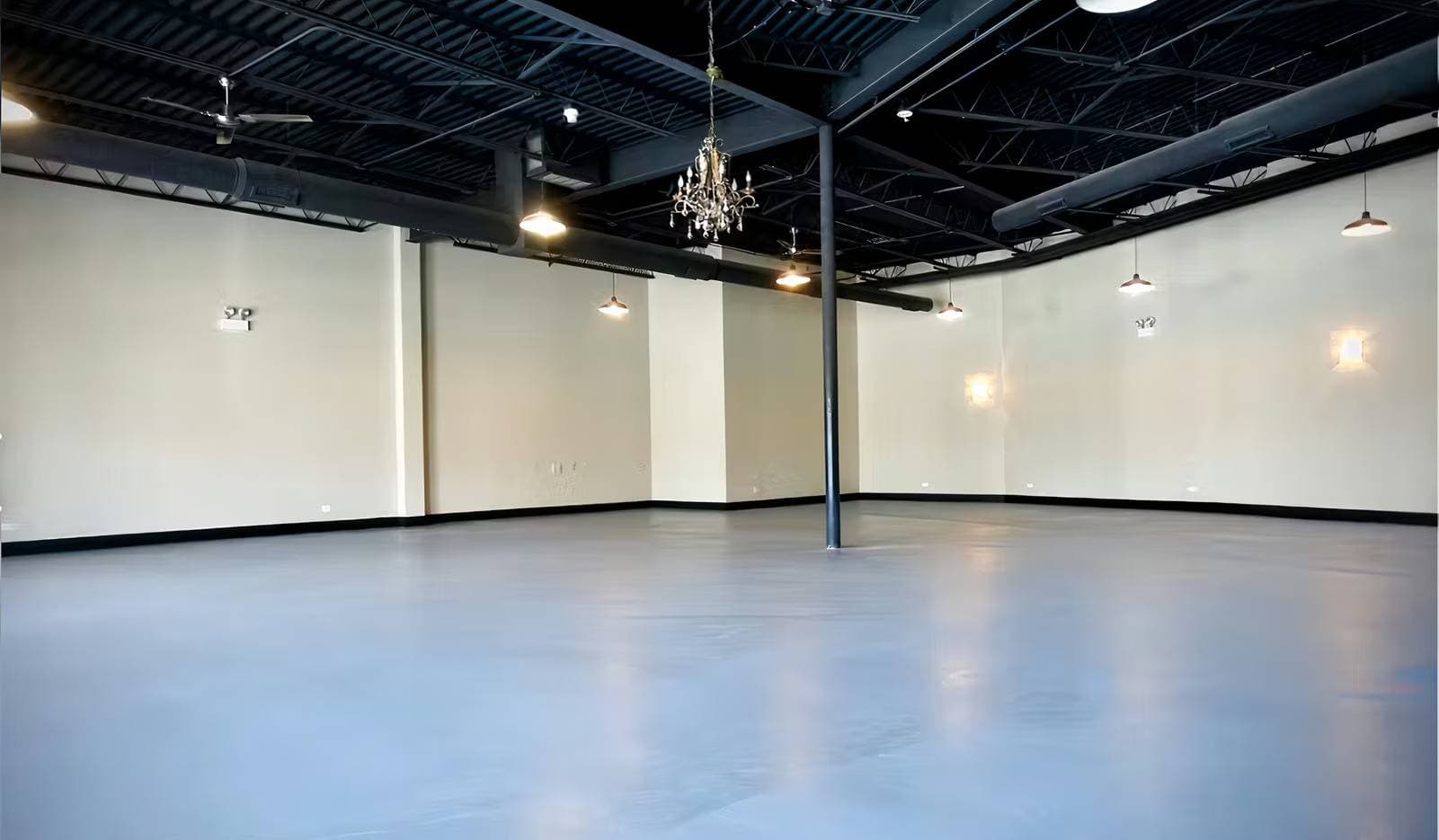
1 workspace
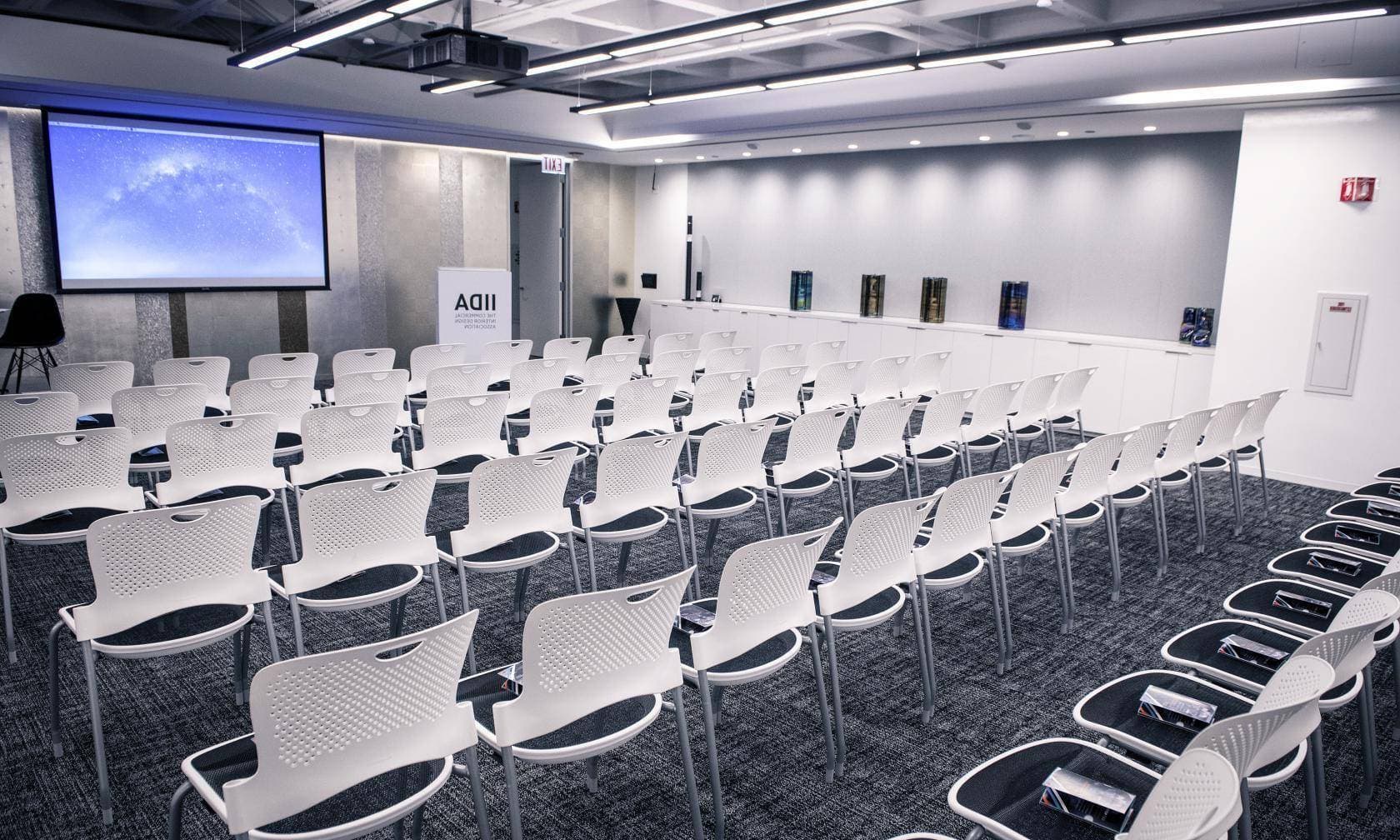
3 workspaces
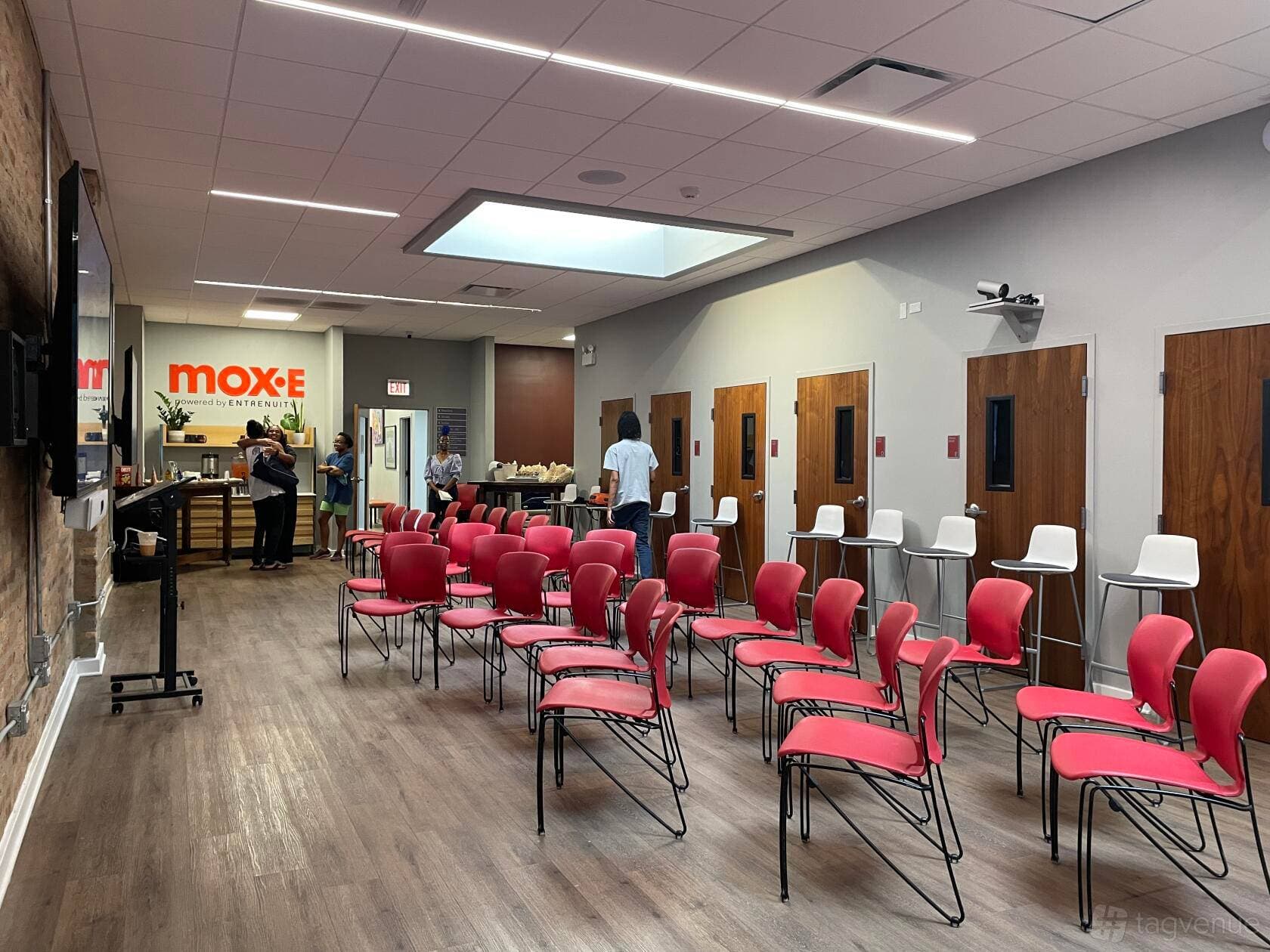
1 workspace
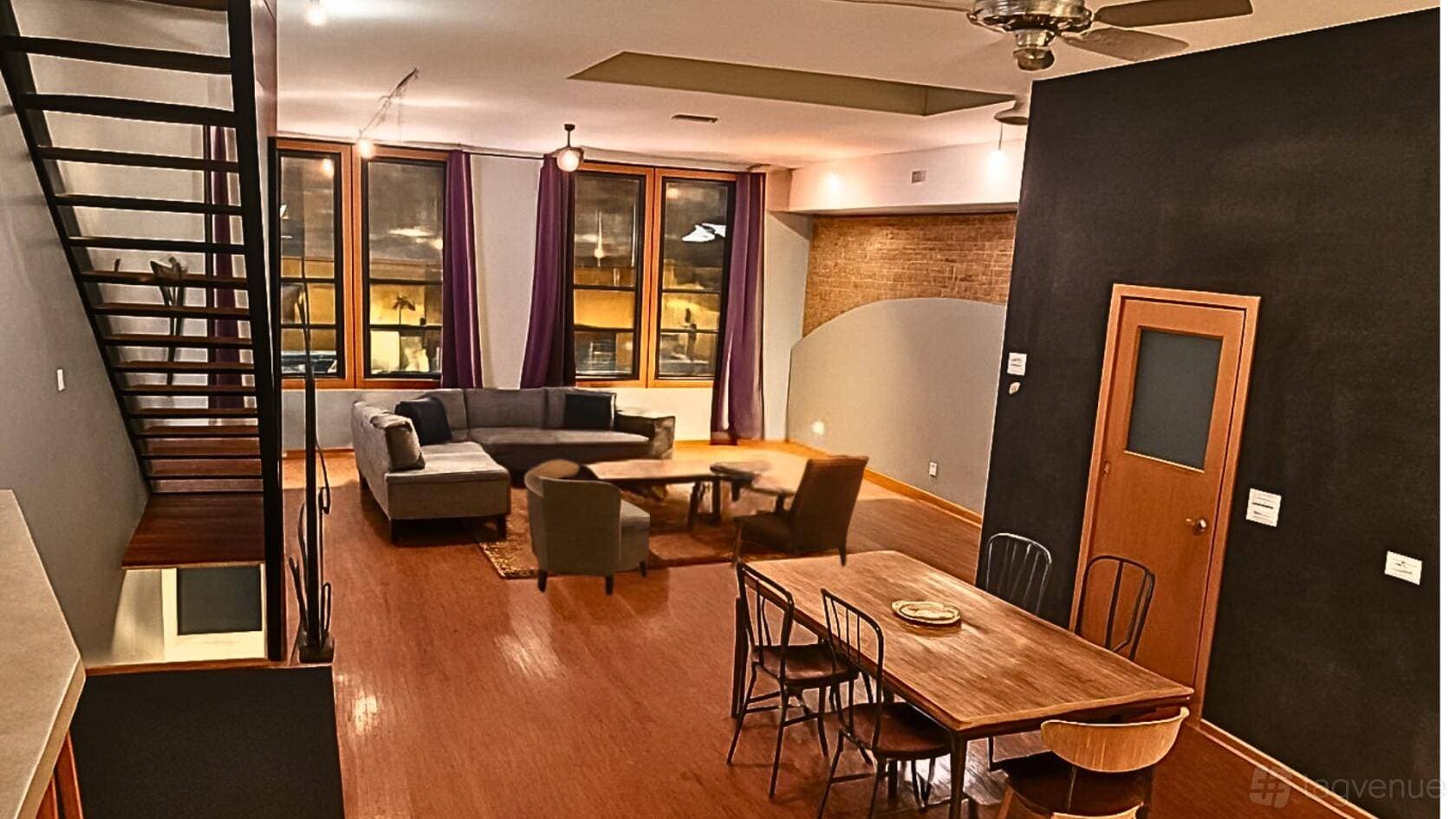
2 workspaces
15 maximum · 1 workspace
1 workspace
7 workspaces
1 workspace
1 workspace
1 workspace
5 workspaces
1 workspace
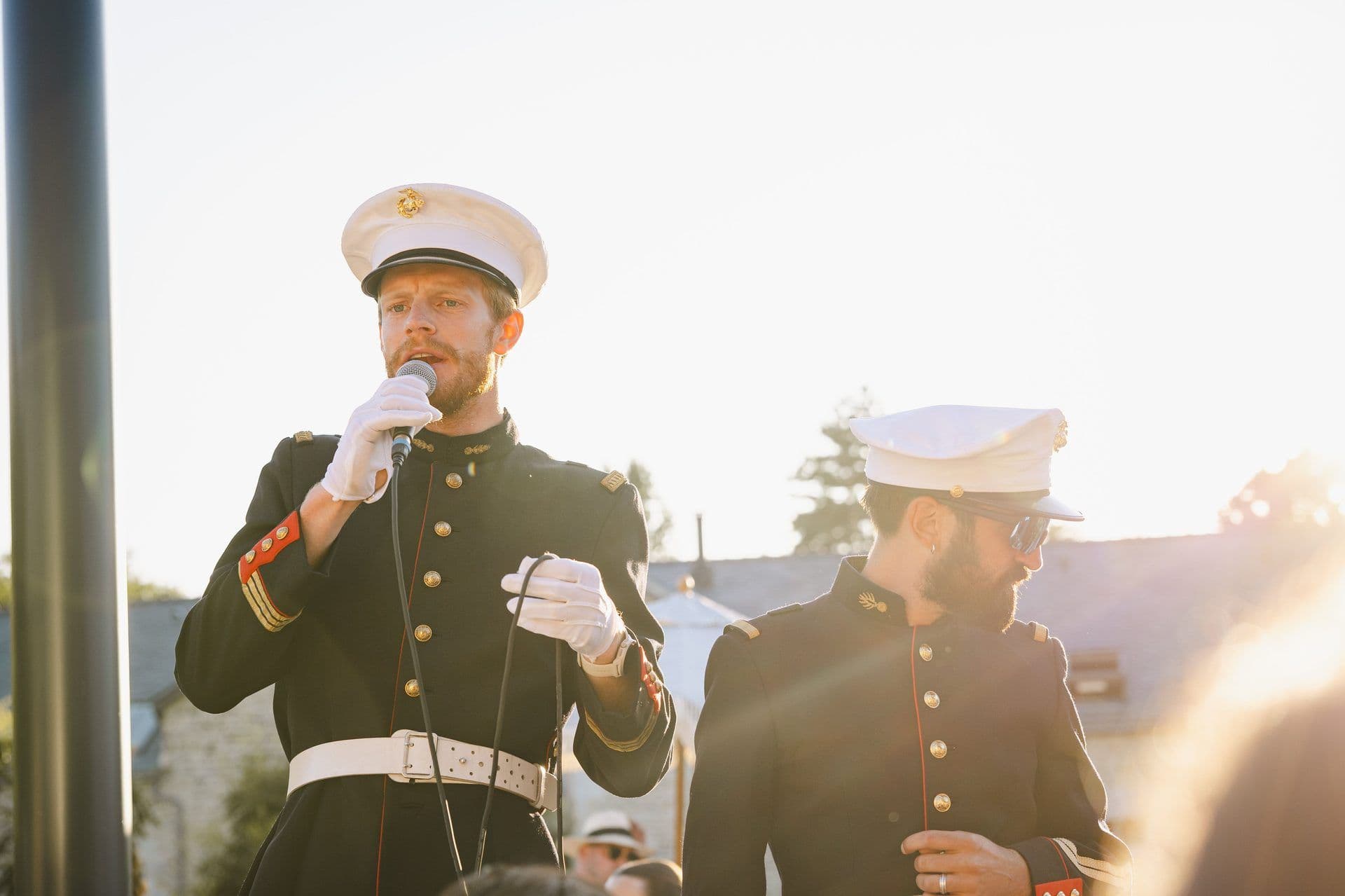
Answer a few quick questions and get venue suggestions for your next event
Over 500,000 employees have experienced a Naboo event










For a Chicago event, we handle the venue, logistics, and suppliers from the first call to the final invoice.
One quote can cover the venue, catering, AV, activities, and lodging in a single clear proposal.
Our AI generates quotes almost instantly, and we get back to you in under 12 hours.
You get itemized pricing and one invoice, so your Chicago event stays easy to review.
Chicago gives corporate planners a practical meeting point. Naboo works across about 2,500 venues in Cook County and about 3,000 across Chicagoland.
We book downtown Chicago for overnight offsites and evening events, and we also cover the western suburbs for day meetings and dinners near corporate campuses. With two major airports and a dense business core, the city works well for national teams.
about 2,500
venues in Cook County
In the Naboo network across Cook County.
about 3,000
venues across Chicagoland
Across Cook, DuPage, Kane, and Will counties.
more than 8 in 10
Chicago bookings that are overnight offsites
A common format in Chicago bookings.
about 35
median group size
The typical group size in Chicago.
Use the blog to compare formats, neighborhoods, and service levels. The real test is simple: does it fit your guests?
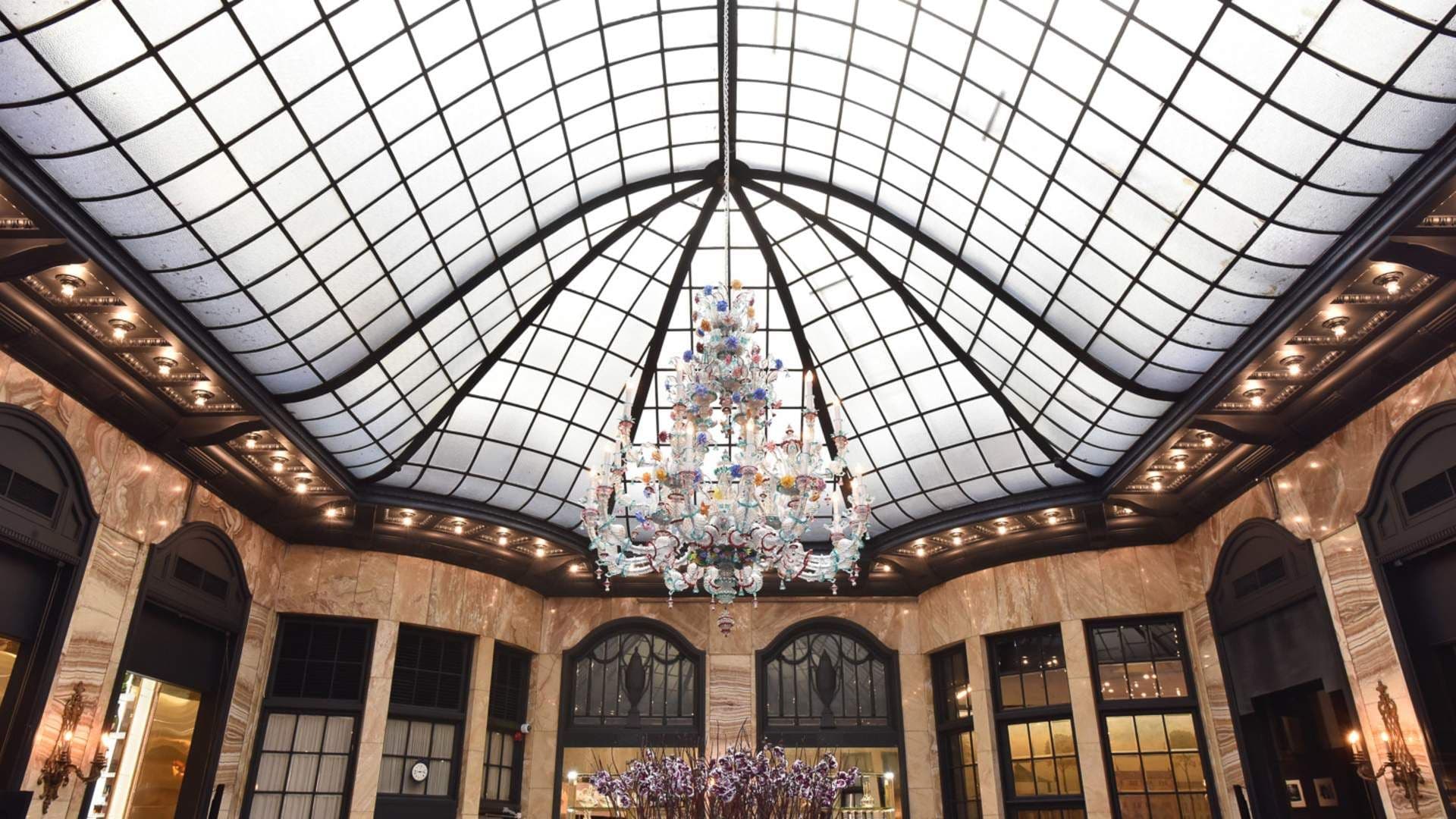
We usually start with downtown hotels or meeting-friendly restaurants when the group needs rooms and working time in one place. Palmer House, A Hilton Hotel works well for overnight offsites with a classic hotel setup, while the western suburbs make sense when your team wants less commute and more agenda. A little structure helps everyone pretend the 8 a.m. starts are a choice, and valet service and coat check can help indoor venues feel smoother.
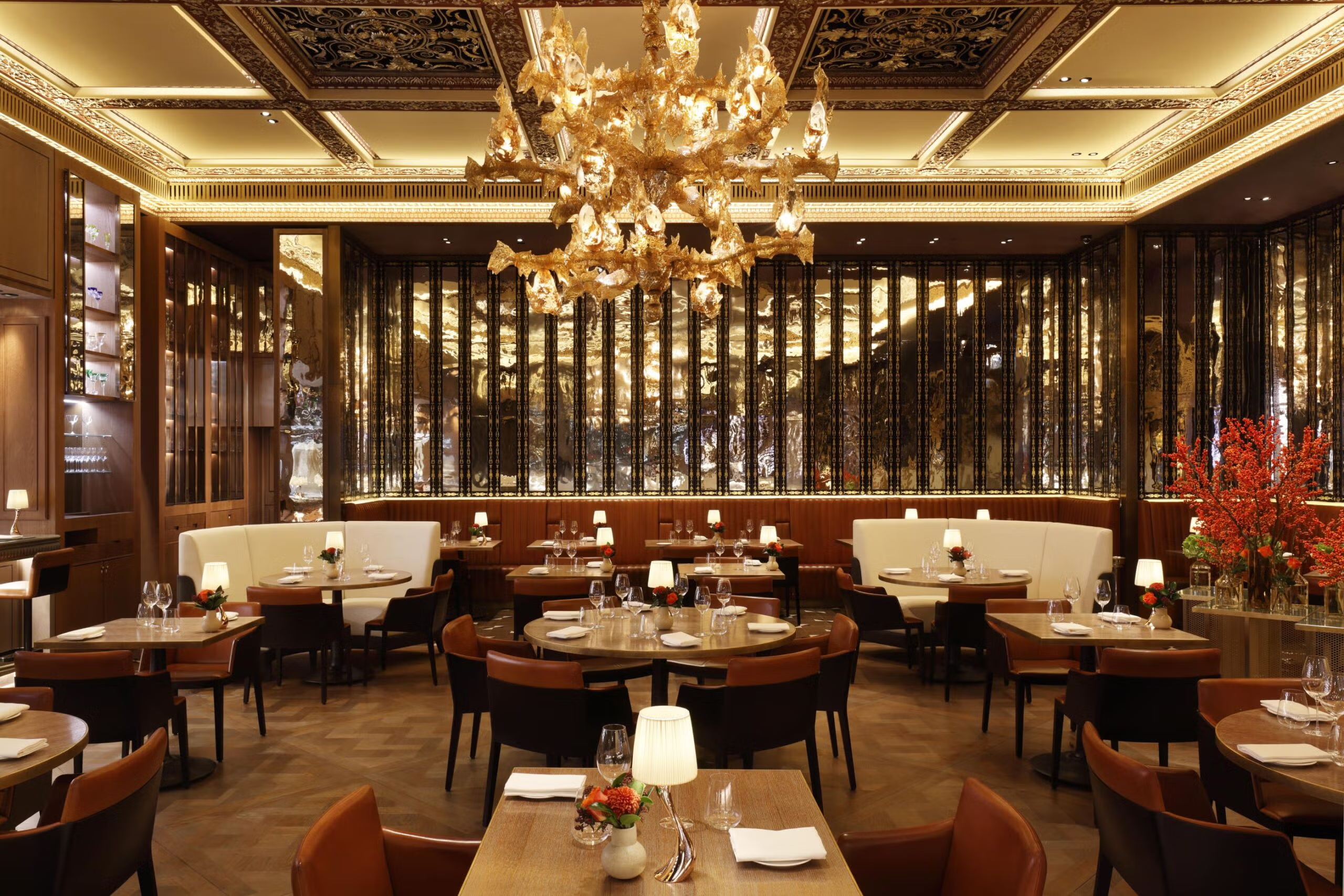
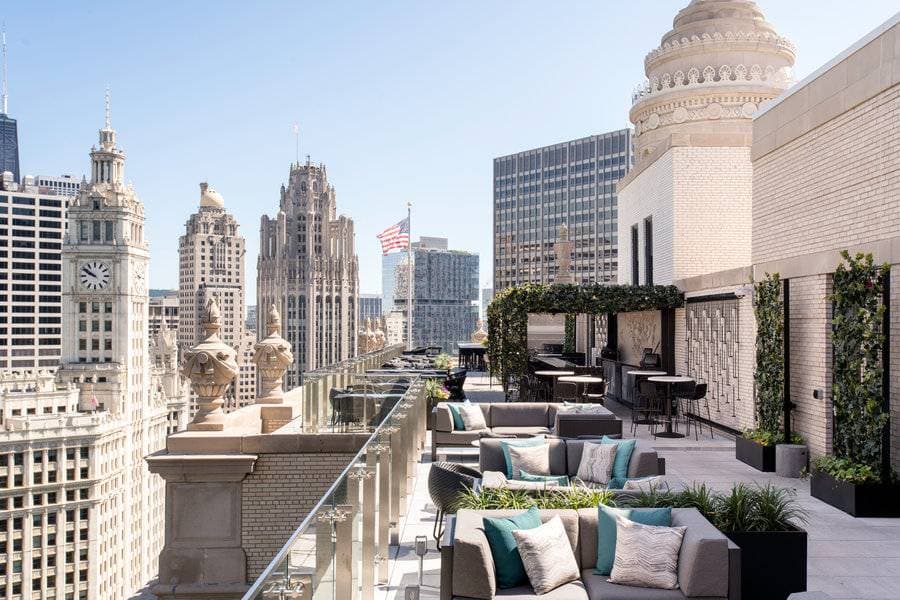
We look for Chicago event spaces that support conversation, easy arrivals, and a clear service flow. ROOF on theWit suits evening events with skyline views, while a restaurant can keep the tone warmer for a smaller client dinner. The goal is simple: let the room do some of the work, so you do not have to, especially when the venue space is conveniently located.
We lean toward places that feel relaxed after a long quarter, with enough room for speeches, dinner, and a few laughs. Tortoise Supper Club suits overnight offsites that end with a shared meal, and it also works when you want a private dinner that does not feel like another meeting in disguise. That is usually a relief for everyone, including the person who planned it.
We look for meeting space in Chicago that can handle presentations, AV, and a clean guest flow. 3D Exhibits suits day meetings with a more production-ready setup, while a reception hall can support demos and networking in the same program. The room should help the message land, not compete with it, and a large projection screen can make that easier.
We choose venues that can shift from reception to dinner without making the evening feel stiff. Roanoke suits overnight offsites that end with a festive meal, and a restaurant can keep the tone social while still feeling appropriate for corporate guests. If the playlist gets a little too confident, the venue should still carry the night, including seated dinner service.
Start with the goal. If you need alignment, choose a working offsite or retreat. If you need visibility, choose a client event or launch. If you need momentum, a dinner or celebration may fit better. The format should match the outcome, not the other way around.
Chicago gives you useful options. Downtown hotels work for overnight programs. Western suburbs suit day meetings near corporate campuses. Restaurants help with business meals. Reception halls fit presentations and networking. You can also use company events in Chicago when you want a broader retreat format, and a private dining room can suit intimate gatherings or private dinner plans.
What planners often forget is the transition between sessions, meals, and transport. That is where the day can wobble. We help you shape the flow, then compare event venues in Chicago that support it, including special event formats in chicago il.
Choose by fit, not by habit. Start with headcount, timing, and how much of the day happens on site. Then check whether the venue supports rooms, AV, dining, or breakout space. The right choice depends on what your guests need to do.
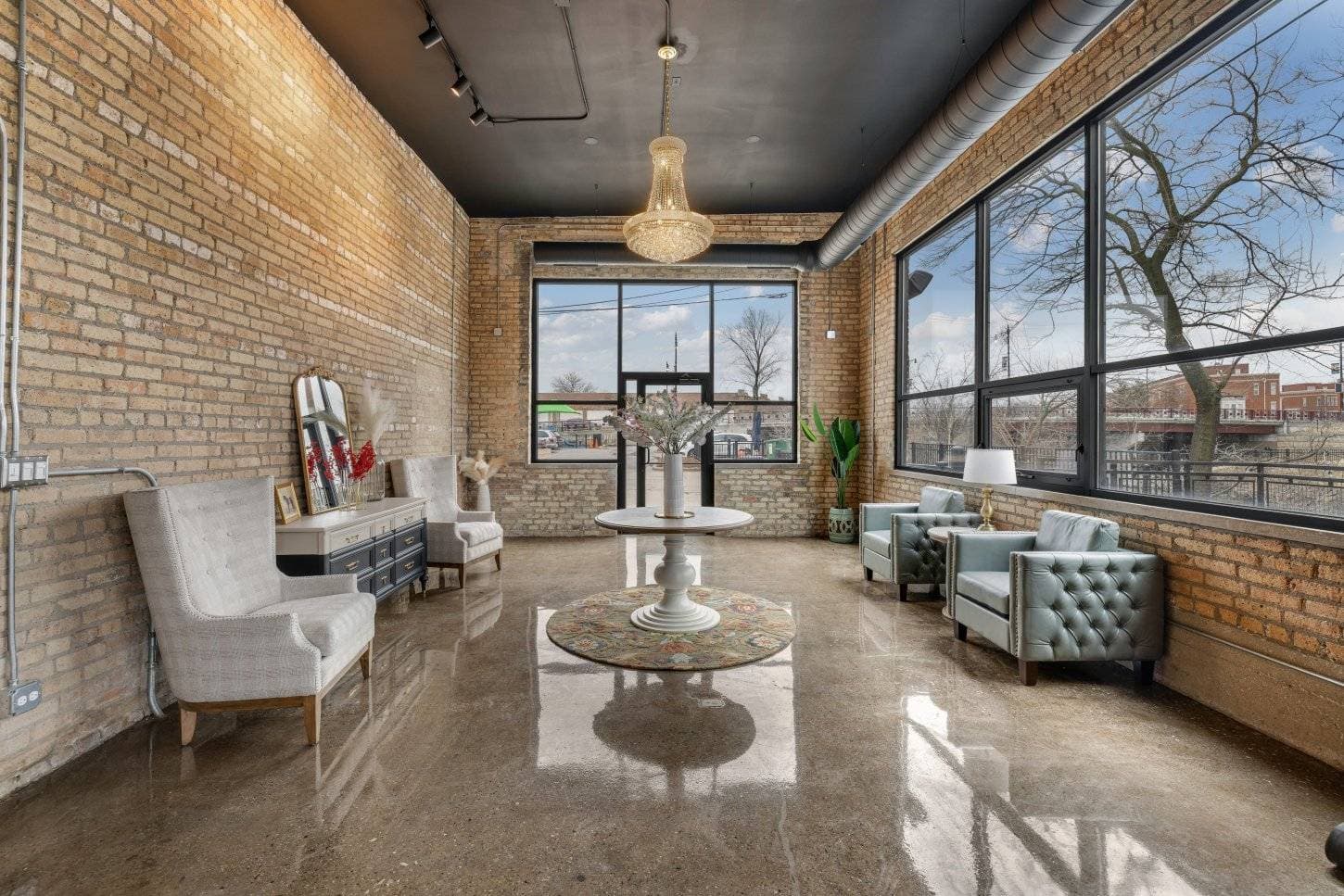
In practice, that means comparing hotels in downtown Chicago, restaurants for smaller dinners, and reception halls for presentations or networking. Neighborhood matters too. Downtown works well for overnight offsites. Naperville and Schaumburg can suit day meetings near corporate campuses. If you need a tighter search, meeting rooms in Chicago can narrow the field fast, and a second floor room with exposed brick walls or expansive windows may suit a blank canvas setup.
People often forget the small details that shape the day, like arrival timing, room turnover, and meal pacing. We handle that part when you want help turning a shortlist into a workable plan, including parking spots when needed.
Pick activities that support the reason you gathered. For an offsite, use facilitated discussion, planning blocks, or a light team exercise. For a client event, choose dinner, networking, or a short presentation. For a kickoff, keep the content focused and the movement simple.
Chicago event spaces can support a wide range of formats. A hotel suits overnight retreats. A restaurant works for business meals. A reception hall can handle demos, speeches, and social time. If your group wants something more active, team building in Chicago can add a shared task without taking over the agenda, and natural light from large windows can help daytime sessions feel more open.
What gets missed most is energy. Too much content drains the room. Too much free time does the same. We help you balance the program so the activity supports the goal, whether it is a seated dinner or corporate meetings.
Only if the theme helps the message. A theme can make a launch, holiday party, or recognition dinner feel more coherent. If it is just decoration, skip it. Your guests will notice the clarity more than the color palette.
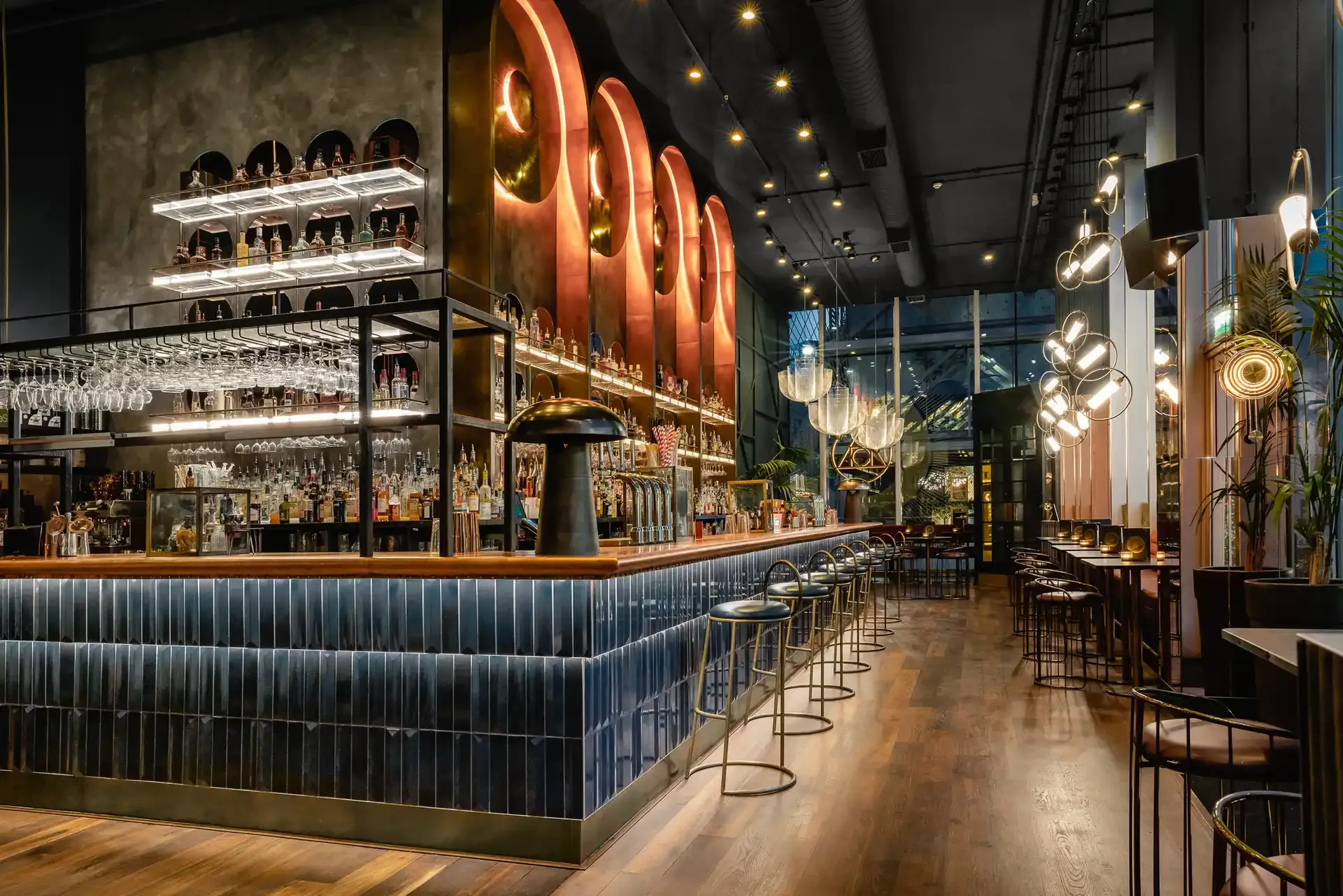
Simple themes work well in corporate event venues in Chicago. Think city-inspired menus, a product story, or a seasonal tone. Hotels, restaurants, and bars can all support that approach. If you want a more social setting, bars in Chicago can work for a lighter evening format, and venues in wicker park, gold coast, logan square, chicago's west loop, or west town can offer historic charm.
Organizers often forget that a theme should guide decisions, not add them. We help you keep it practical, so the event feels intentional without becoming a costume party for accountants, even for social events and private parties.
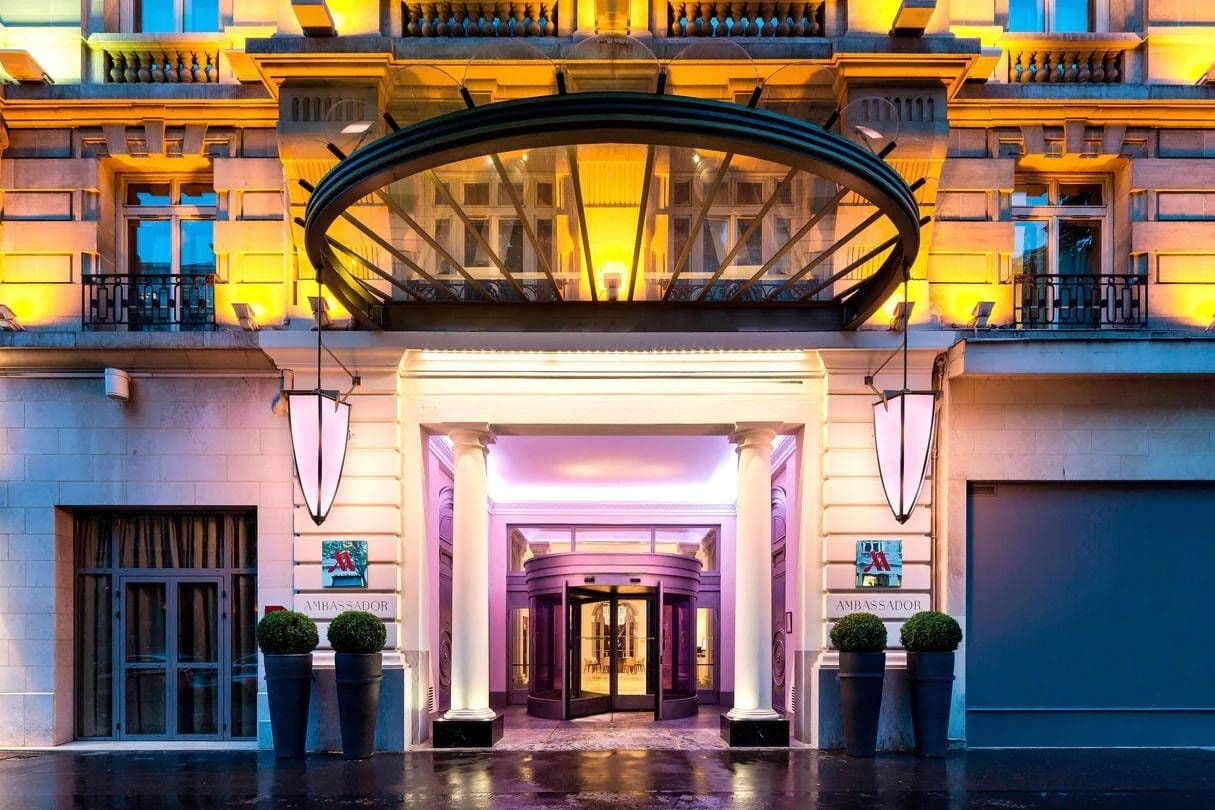
Large corporate events call for venues that can handle plenary sessions, receptions, and production needs without forcing the program into one format. In Chicago, that usually means comparing a convention center, a museum venue, and a local aquarium side by side. On the South Side, the new Obama Presidential Center rents its Hadiya Pendleton Atrium for 300 guests (150 semi-private) and recommends a full campus rental for conferences of more than 2,000 people.
Written confirmation keeps the production plan clear.
Examples to start your comparison. Each venue confirms its price in writing before you book.
Which halls or galleries are included, catering rules, and whether the venue closes to the public for your event.
See Field Museum on Naboo Its Stanley Field Hall seats up to 1,500 guests and holds up to 4,500 for a reception. The museum quotes rental fees on request, so ask for a quote early and compare it with hotel ballroom packages.
Seasonal rules, permit responsibilities, and an indoor backup plan.
Seasonal rules, permit responsibilities, and an indoor backup plan.
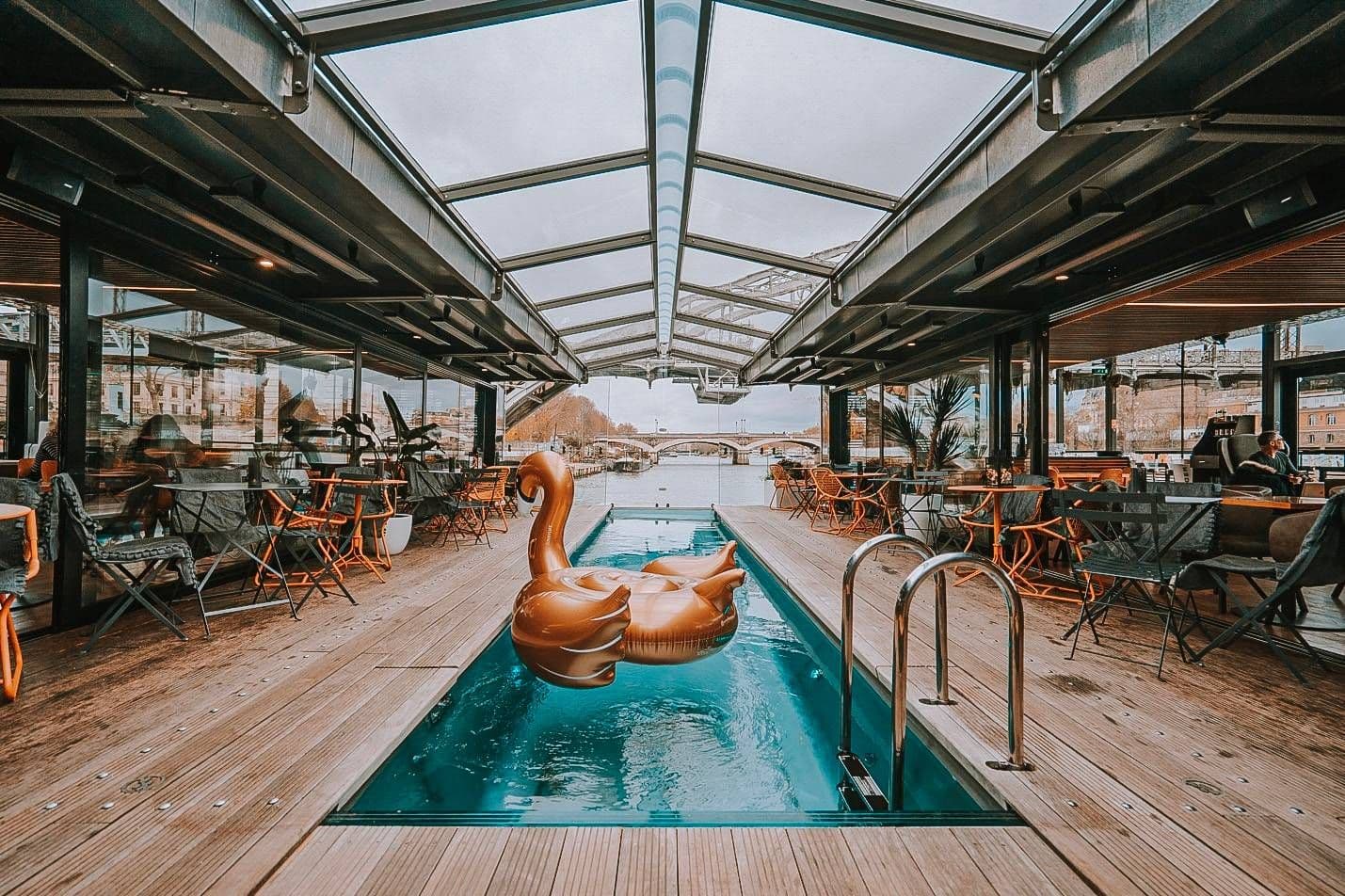
High-capacity venues work best when the event team can verify the facts early. That includes room use, staging needs, and the suppliers who already know the building. McCormick Place offers about 2.6 million square feet of exhibit halls and 600,000 square feet of meeting space.
The right suppliers reduce avoidable surprises.
One brief, comparable proposals, one point of contact.
Tell Naboo the format, guest count, dates and neighborhood preferences for your Chicago event.
Shortlisted venues reply with proposals that use the same line items, so room rental, catering, labor and equipment sit side by side. Each venue confirms its price in writing before you book.
Naboo handles the booking with one point of contact and one invoice per event. With a framework contract, procurement also gets one vendor of record.
It depends on the format, the day of the week, and how much you want included. A hotel offsite, a dinner, and a meeting room do not price the same way. The safest move is to budget for the venue, food, AV, and any overnight needs together.
Chicago has a wide range of event venues, from downtown hotels to western suburb restaurants and meeting spaces. We compare proposals as a whole, so you can see where the value really sits. That helps you avoid the classic mistake of choosing the room and forgetting the rest of the day, especially for corporate gatherings and business meetings.
If you start with the full brief, the budget becomes much easier to shape around the goal.
By negotiating the proposal as a whole. We compare comparable venues, then line up the services you actually need, and flag any special pricing or preferred rates included in a negotiated proposal, so you can judge the full cost instead of one tempting line item.
That matters in Chicago, where the same event can look very different in a hotel, a restaurant, or a reception hall. We also keep the proposal readable, which helps you spot extras before they turn into surprises. The spreadsheet should work for you, not the other way around, and full bar details should be clear up front.
So you stay in control without spending your week chasing separate quotes.
Share the date, headcount, budget, and intent. If you know the format, include that too. If you do not, say what the event needs to achieve or whether the request is for a team celebration, a client dinner, or an offsite. That is enough to start a useful search.
The more specific you are about rooms, meals, AV, and timing, the faster we can match you with event venues in Chicago that fit. A short brief can still be a strong brief. It just needs the essentials, not a novel.
Once we have that, we can build a shortlist that makes sense for your guests.
It depends on what you want to hand off. Self-serve works when you want to compare venues and book directly. Turnkey works when you want us to manage the venue, suppliers, and logistics, with an on-site Naboo Event Manager included in the package.
For a Chicago event, that can be useful when the agenda is full or the stakes are high. You still choose the direction, but we handle the moving parts. That is often the difference between a busy week and a manageable one, including compliance and budgeting for corporate meetings.
Choose the level of support that matches your bandwidth, not your wishful thinking.
Start with the run of show, the arrival plan, and the names of the people who need support on site. Then decide how you will measure success after the event. Attendance, feedback, and follow-up actions are usually the clearest signals.
On the day, keep one person responsible for decisions and one person responsible for timing. That simple split avoids the classic group chat drama. Afterward, review what worked, what slowed down, and what should change next time, including whether the venue had parking spots and a large projection screen where needed.
The debrief should make the next event easier, not just longer.
| Row | Booking venues on your own | With Naboo |
|---|---|---|
| 01 | A different quote format from every venue | One brief, comparable proposals with clear line items |
| 02 | Prices that can change before you sign | Each venue confirms its price in writing before you book, and the price we confirm is the price you pay |
| 03 | Fees that show up late in the process | Fees and service charges shown line by line in the proposal |
| 04 | Rates that may be higher than booking direct | Prices never higher than booking direct |
| 05 | Several contacts and invoices to chase | One point of contact and one invoice per event |
| 06 | Terms negotiated again for every event | With a framework contract: one vendor of record and negotiated terms per contract |
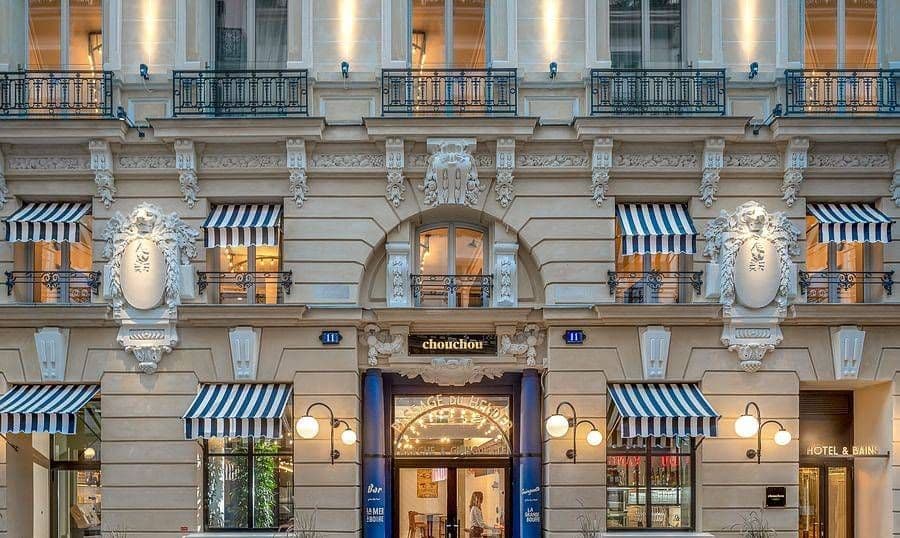
Some programs need more than a standard meeting room. A distinctive setting can create a distinctive backdrop for a company dinner, client reception, or leadership gathering without losing structure. At the Art Institute of Chicago, the Passerelle in the Modern Wing hosts receptions for 200 guests; the museum does not supply AV for outside rentals, so plan your own production team. For a team social, Puttery Chicago has a capacity of 400 guests on a full buyout, about 200 per floor. Unique venues across the city also include museums, historic buildings and industrial lofts that suit corporate parties. AceBounce, a ping pong social club, can host up to 550 guests for team building and networking events. Studio space and lofts built for creative productions also work for workshops, product shoots or a team birthday party.
Distinctive does not need to mean complicated.
Outdoor programs need more planning than indoor meetings, especially when weather and seasonal demand change the picture. Chicago Botanic Garden is one of the clearest examples of how to plan around those variables. Written roles matter as much as the setting.
Summer is the peak season with the most festivals, while winter brings fewer crowds and lower rates on hotels and venues. Use that seasonal pattern when you decide whether an outdoor program should use outdoor spaces earlier, later, or indoors.
The contract should state who handles permits and who is responsible for each approval. Do not assume the venue, the planner, or the client is covering that work unless it is written clearly.
Ask how the venue handles weather backup plans, guest movement, and service changes. Outdoor events need a written contingency so the team knows what happens if conditions shift.
Executive gatherings need rooms with an open layout that can shift between presentation, discussion, and private conversation as the day evolves. Flexibility matters most when the agenda includes breakouts, technology, and food service in the same program. On the Magnificent Mile, The Gwen offers 13 event rooms and more than 15,000 square feet of meeting space, and the University of Chicago's Gleacher Center seats 220 at banquet in its largest room, which holds up to 350.
Modern venues are especially popular for product launches and networking events, especially when they pair room flexibility with modern amenities.
Room flexibility. Look for spaces that can support breakouts without forcing the group into awkward transitions. Review the key space features before booking, and ask whether the room can be reconfigured for discussion, presentation, and dining within the same event.
Conference technology. Check the display setup, sound support, and connectivity before you commit. For executive meetings, the technology should fit the agenda without adding unnecessary complexity.
Catering minimums. Compare catering minimums early, because they can affect the total budget and the menu plan. Ask for the minimums in writing so the finance team can review them alongside the room quote.
Small details shape executive comfort, and the ideal space supports presentation, discussion, and dining without friction.
Convenience matters when attendees are flying in, staying overnight, or moving between meetings and dinners. Central districts like Downtown Chicago, Streeterville, and the Chicago Riverwalk are often practical starting points for a shortlist. Chicago offers wide-ranging venue options, and venues in a prime location can also simplify arrivals for guests coming from hotels, transit, or flights.
Transit access. Choose venues that are easy to reach by transit, especially when you want to reduce reliance on cars. The CTA rail network, known as the El, runs underground and above ground and makes a car unnecessary in any season. If some attendees will drive, confirm whether nearby street parking or garage access is realistic.
Central districts. For central gatherings, focus on Downtown Chicago, Streeterville, and the Chicago Riverwalk. These areas help keep the program close to the center of the city and easier to navigate.
Travel patterns. Match the neighborhood to where attendees are coming from and how they will move during the day. A venue that fits the travel pattern can make arrival, departures, and evening plans simpler.
Hotel clusters. Map venues against nearby hotel clusters before you decide. Useful reference areas include Streeterville and the Magnificent Mile area, as well as hotels connected to McCormick Place by enclosed skybridges. O'Hare International Airport is also a useful reference point for groups managing same-day arrivals or outbound travel.
Location should support the full itinerary.
O'Hare International Airport connects to downtown on the CTA Blue Line around the clock, with taxis and rideshare also available. If guests are driving, check whether a nearby parking lot or garage is the better option for the venue. Midway International Airport connects to the downtown Loop on the CTA Orange Line for most of the day, with a bus alternative overnight.
Once attendees are in the city, all CTA rail lines serve the Loop, and Metra commuter rail, buses and Divvy bikes extend coverage. The Loop is walkable, and taxis and rideshare help with trips between districts when your agenda spans more than one area.
Chicago gives planners several district choices, each with a different mix of access, setting and event use. The right fit depends on whether you are prioritizing downtown reach, dining, hotel concentration or a more specific guest experience.
The Loop is the traditional downtown core, with attractions packed into walkable blocks. Planners often look here for hotels and offices with the heaviest concentration of transit and formal downtown access. Loft on Lake, south of the Loop, pairs exposed brick with a 65-foot skylight for natural light and holds 200 for a standing reception or 175 theater style.
River North is a mixed, client-facing district with a hospitality focus. It suits professional-services groups and hospitality-adjacent events, with hotels and dining close together. The Ivy Room, at 12 East Ohio Street, sits two blocks from the Magnificent Mile, and Sound-Bar opens both of its levels for private parties, with its largest room holding 400 people.
This former industrial area keeps a converted-warehouse look, with restaurants, galleries and rooftops in old buildings. Planners favor it for dinners and brand activations; for comparison, City Winery in the West Loop is often described as an urban wine country setting for private events, and the area's dense restaurant scene also works well before and after events. The Dawson, near the West Loop, offers five private and semi-private rooms and holds up to 400 for a standing reception with a full buyout.
Streeterville sits on the lakefront and is tied to the shoreline and the nearby cultural institutions. Groups find large hotels and group-friendly cultural spaces within walking distance of each other, and venues here often use ceiling windows and lakefront views as a natural backdrop for receptions and dinners. At Navy Pier, Offshore Rooftop, which the pier bills as the world's largest rooftop venue, offers about 36,000 square feet and takes up to 750 guests on a full buyout.
Chicago has cold, snowy winters and warm, humid summers, with Lake Michigan cooling the lakefront. Summer is the busiest and costliest season, while winter and fall offer the best hotel and venue value.
Recurring city events such as Lollapalooza, the Chicago Air and Water Show and Pride Parade and Fest can affect demand and availability. If your program depends on tighter budget control, those periods deserve extra review during venue sourcing.
A careful review of pricing protects the budget and keeps approvals clean. The goal is to see every charge, every assumption, and every contract term before the final decision.
Itemized proposals. Request itemized proposals from every shortlisted venue so you can compare room rental, service, and add-on charges line by line. That makes it easier to spot differences that are not obvious in a summary quote.
Administrative fees. Identify administrative fees before approval and ask what triggers them. If the venue uses special service charges or internal fees, those should be visible before the contract is signed.
Taxes and gratuity. Verify how taxes and gratuity are handled in each proposal. Do not assume the same treatment across venues, because the final total can change once those items are added.
Centralize contracts. Use Naboo to centralize contracts for large groups through a framework contract when needed. That gives you one vendor of record, negotiated terms per contract, and one point of contact and one invoice per event.
Clear paperwork keeps approvals moving.
The next day, photos may tell one story while attendee feedback tells another. You need both if you want to judge the event honestly.
Did the format fit the goal? Did the venue suit the group? Did the activities support the message? And did the timing help people stay engaged?
Then review planned budget versus final spend and explain any gaps. A small surprise is still a surprise, even when the spreadsheet looks calm.
Hosting this event means making the day useful, not just pleasant. The right format and venue support can also make the event memorable for the right reasons. That is the standard your guests will remember.
Send us the date, headcount, budget, and intent, and we will start with a shortlist and quotes.
It depends on what felt stale last year. If the format was the issue, change the structure. If the room felt flat, change the venue type. If the agenda dragged, shorten it and add one useful activity. A fresh coat of paint is not a strategy, even if it photographs well.
For example, you can move from a hotel ballroom to a restaurant dinner, or from a dinner to a working offsite. You can also change neighborhoods, such as downtown versus the western suburbs, or choose a loft with exposed brick walls and expansive windows for more natural light. A fresh venue can better support a dream event when it leaves room for the right personal touches. The point is to refresh the experience, not just the invitation.
It depends on season and format. Overnight offsites and holiday dates need more lead time, while day meetings can move faster. Chicago also gets busier when many teams travel at once, so the calendar matters as much as the venue. Starting early gives you more time to compare Chicago venues, party venues, and event space rentals before popular dates fill up.
For example, a downtown hotel for an overnight offsite usually needs more planning than a restaurant dinner in the suburbs. If you wait too long, you may end up choosing from what is left, which is a charming way to describe compromise, especially in a special event search.
It depends on whether you need rooms and working time on site. A hotel suits overnight offsites, retreats, and programs with multiple sessions. A restaurant fits business meals, client dinners, and smaller celebrations. The right venue depends on whether the program is a working session or a more social special occasion.
For example, a hotel in downtown Chicago can handle sleeping rooms, meetings, and dinner. A restaurant in the city can keep the tone more personal. The wrong move is choosing the format because it sounds easier, then discovering the agenda has other plans, whether you are in chicago il or the suburbs.
It depends on whether people need to see, hear, or present anything. If you have speakers, slides, demos, or hybrid guests, AV is usually worth it. If the event is a simple dinner, you may only need basic sound.
For example, a kickoff or launch often needs more support than a client meal. A reception hall may need screens and microphones, while a restaurant may not. The false economy is skipping AV and then asking everyone to lean in like it is a campfire story, even when the room has a full bar.
Start with a clear brief, then compare venues by format, location, and services. That narrows the field fast. If you want help, Naboo can turn one brief into a shortlist of comparable options with quotes.
For example, you can compare downtown hotels, western suburb meeting spaces, and restaurants in one pass. The right shortlist is usually a great venue in the right location and the right setting for the agenda you need to run. The trap is opening twenty tabs and calling that progress. It usually feels productive right up until Friday, especially when you need a venue space that is conveniently located.
It depends on the goal, but the usual culprit is poor alignment between format and audience. A launch that feels too quiet, or a retreat that feels too formal, can miss the point even in a good venue.
For example, a team celebration needs room for conversation, while a kickoff needs clear pacing and content. The same venue type may work differently for a kickoff than for your next private event or a casual get together. The false good idea is adding more of everything and hoping clarity appears by magic. It rarely does, whether the plan is for corporate gatherings or private parties.
It depends on the type. Hotels may include rooms, meeting space, and food service. Restaurants usually include dining and a private room or buyout option. Reception halls often provide flexible space and event support, but not always lodging; some also offer adjacent spaces useful for breakout groups.
For example, a hotel suits an overnight offsite, a restaurant suits a client dinner, and a reception hall suits a launch or networking event, though those needs differ from corporate formats. The mistake is assuming every venue includes the same things, which is how budgets grow extra limbs, so ask about coat check and valet service too, and confirm inclusions either way.
It depends on the date and the group size, but short notice is still possible if you stay flexible. Weekdays, smaller groups, and simpler formats usually move faster.
For example, a dinner in a restaurant may be easier than a full offsite with rooms and AV. On short notice, the right venue is often the one with confirmed availability and clear operating hours. Features like connected indoor-outdoor areas can also help, especially when the layout is allowing guests to move easily during the event. Naboo can help you narrow the search quickly and keep the proposal organized. The false idea is waiting for the perfect option to appear, as if calendars enjoy suspense, and our first venue proposals the same day or the next business day can help.
November 26, 2026

November 17, 2026

November 12, 2026

November 12, 2026

November 12, 2026

November 12, 2026