01
Define the format
Write down whether the program is for presentations, networking, dining, social events, or a mix of all three. That simple step helps you filter event venues in Philadelphia buyers often review too broadly at first.
1 workspace
2 workspaces
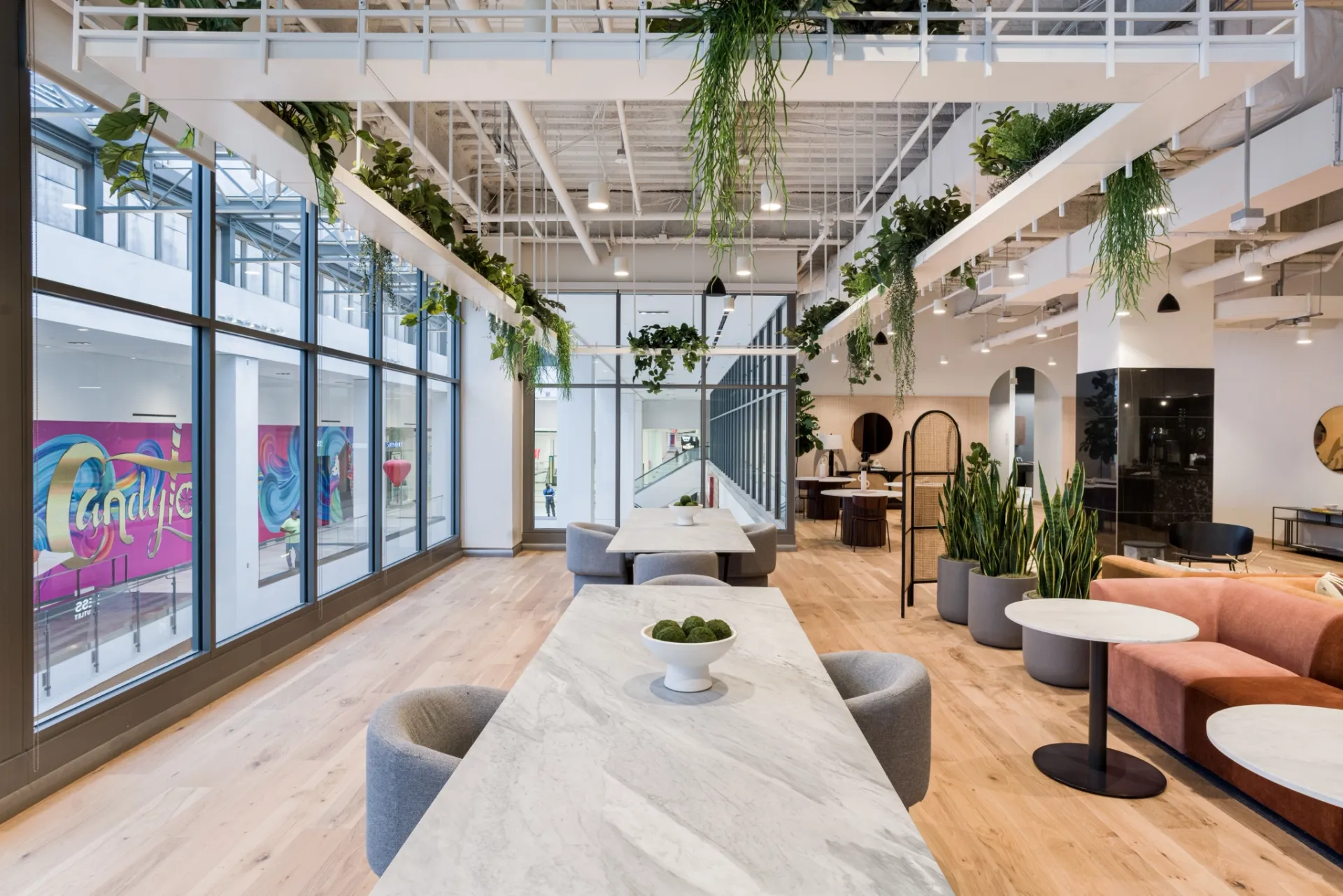
5 workspaces
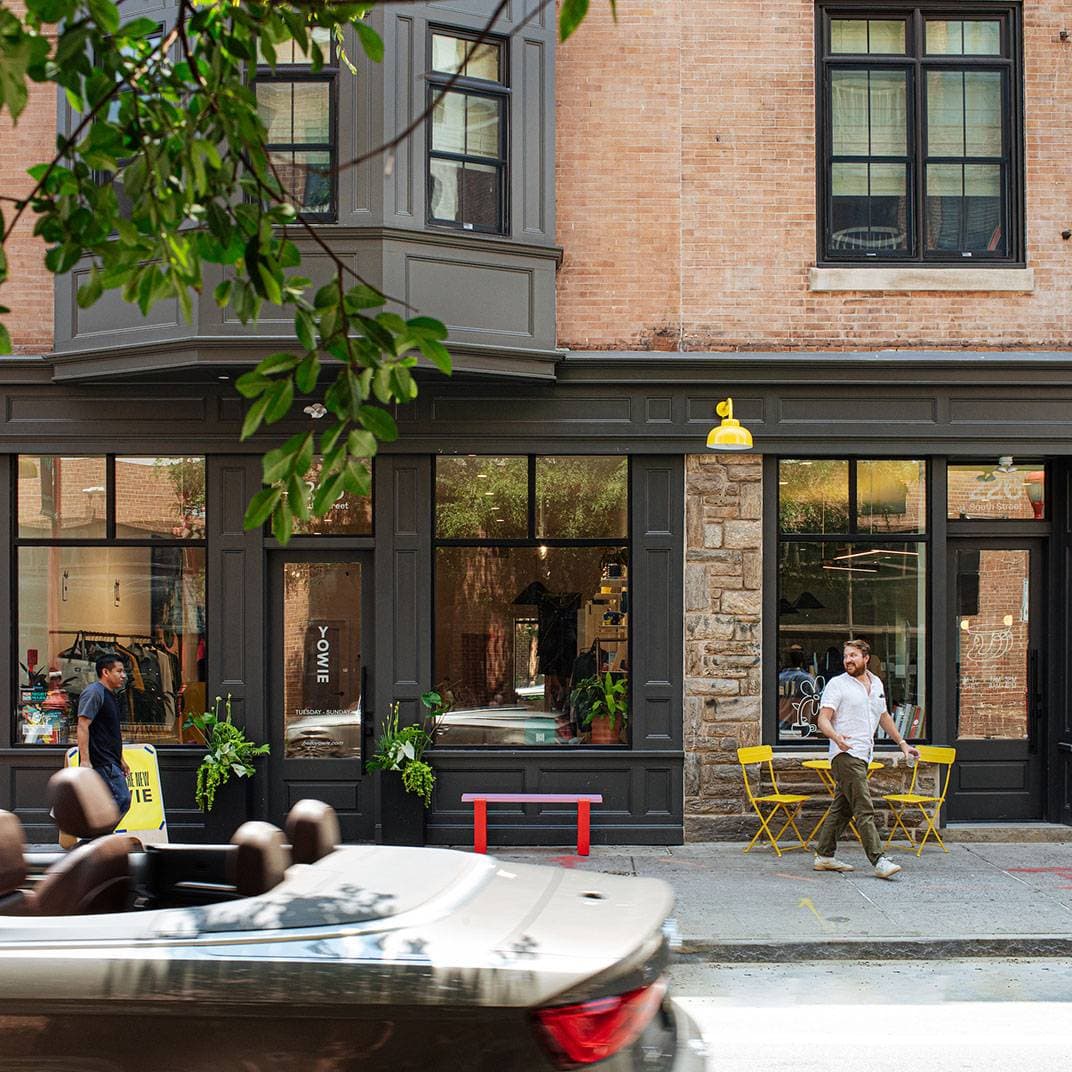
26 maximum
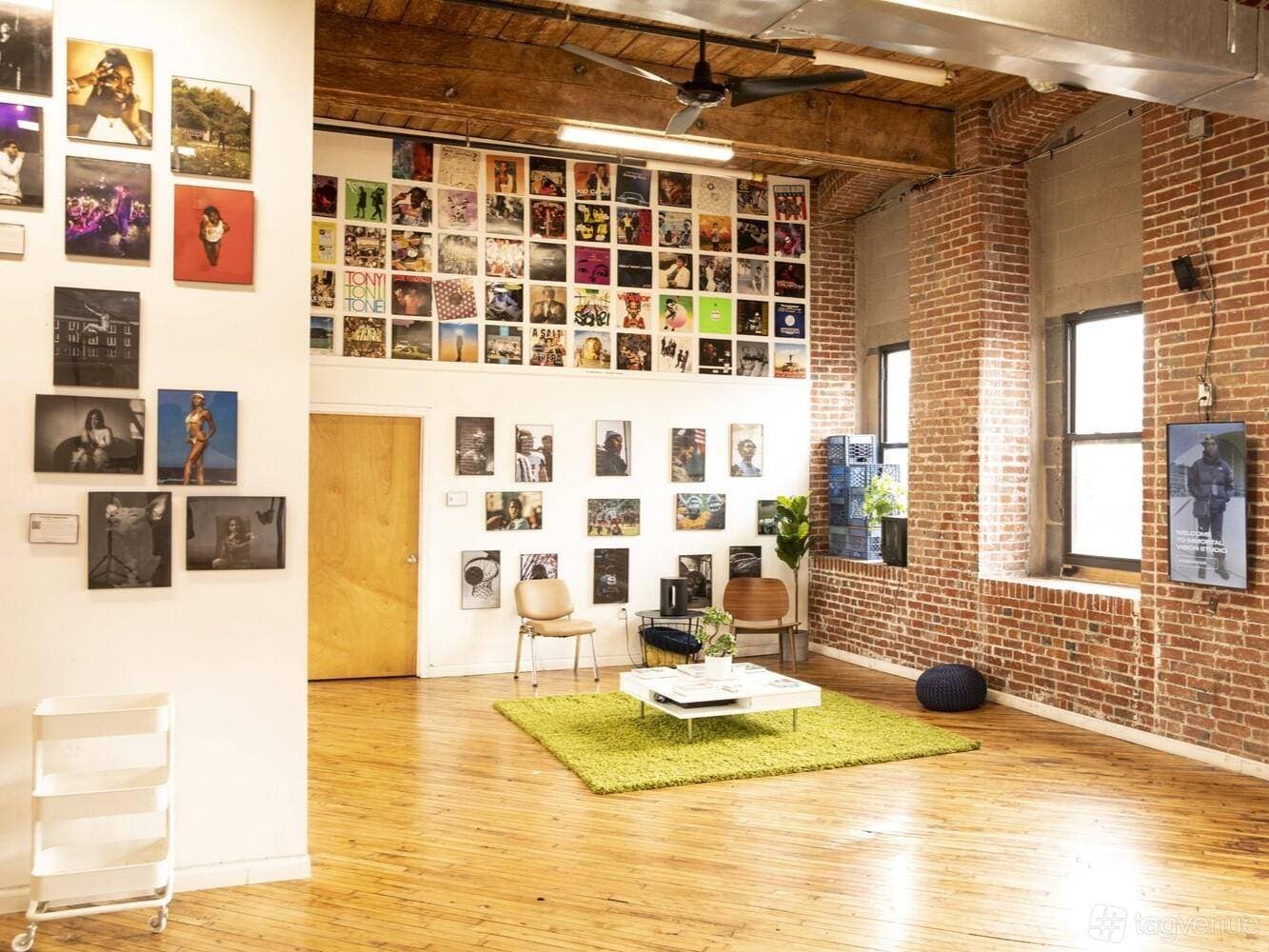
1 workspace
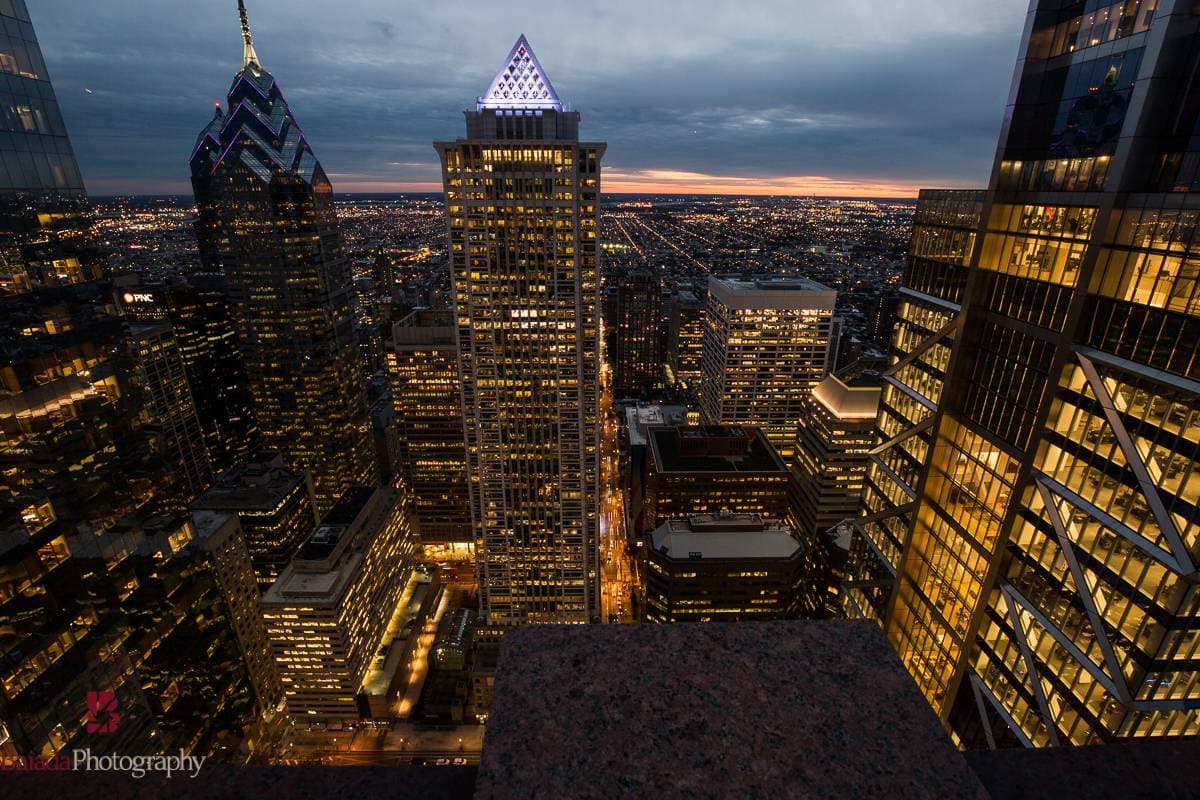
4 workspaces
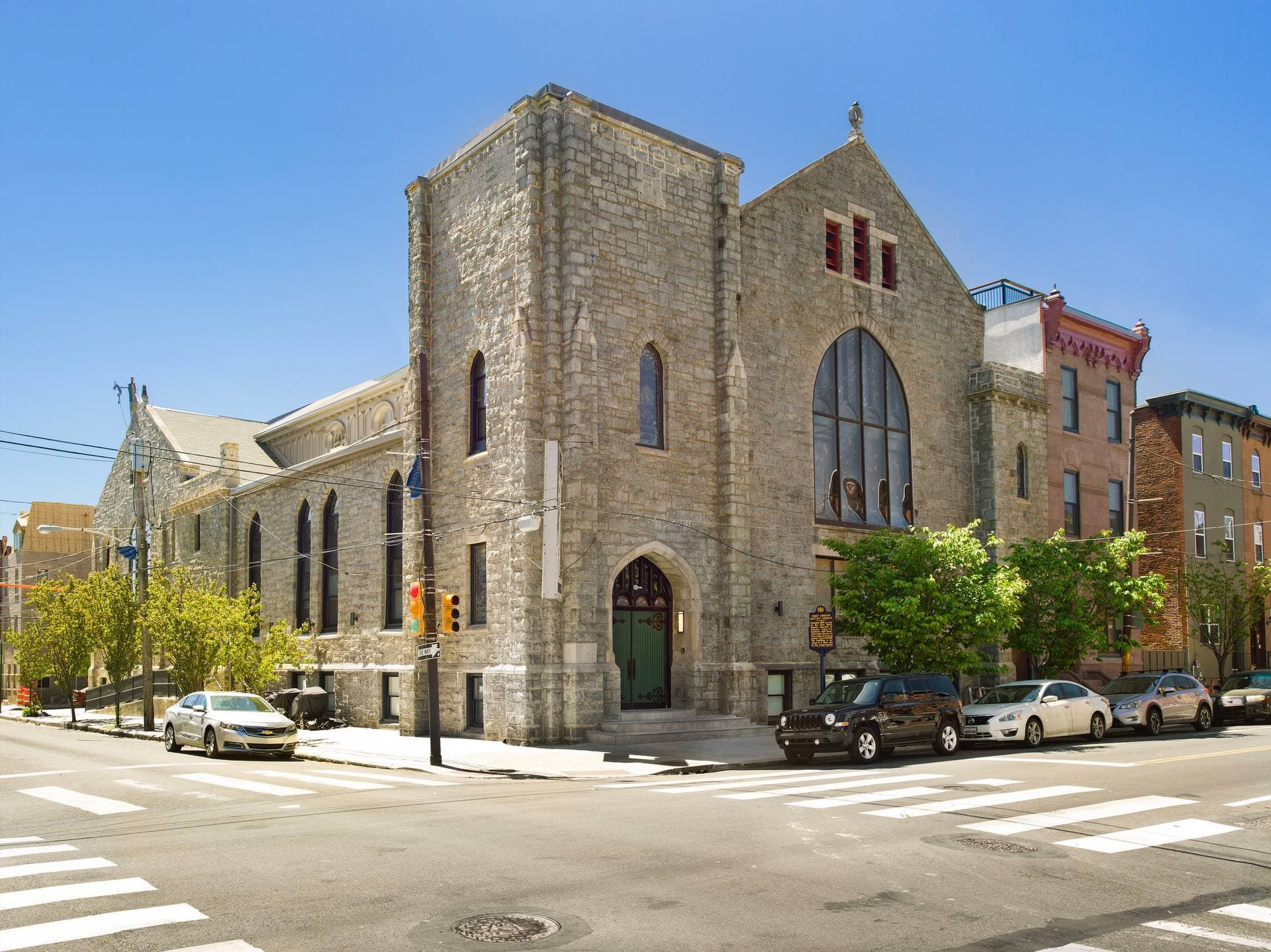
26 maximum · 3 workspaces
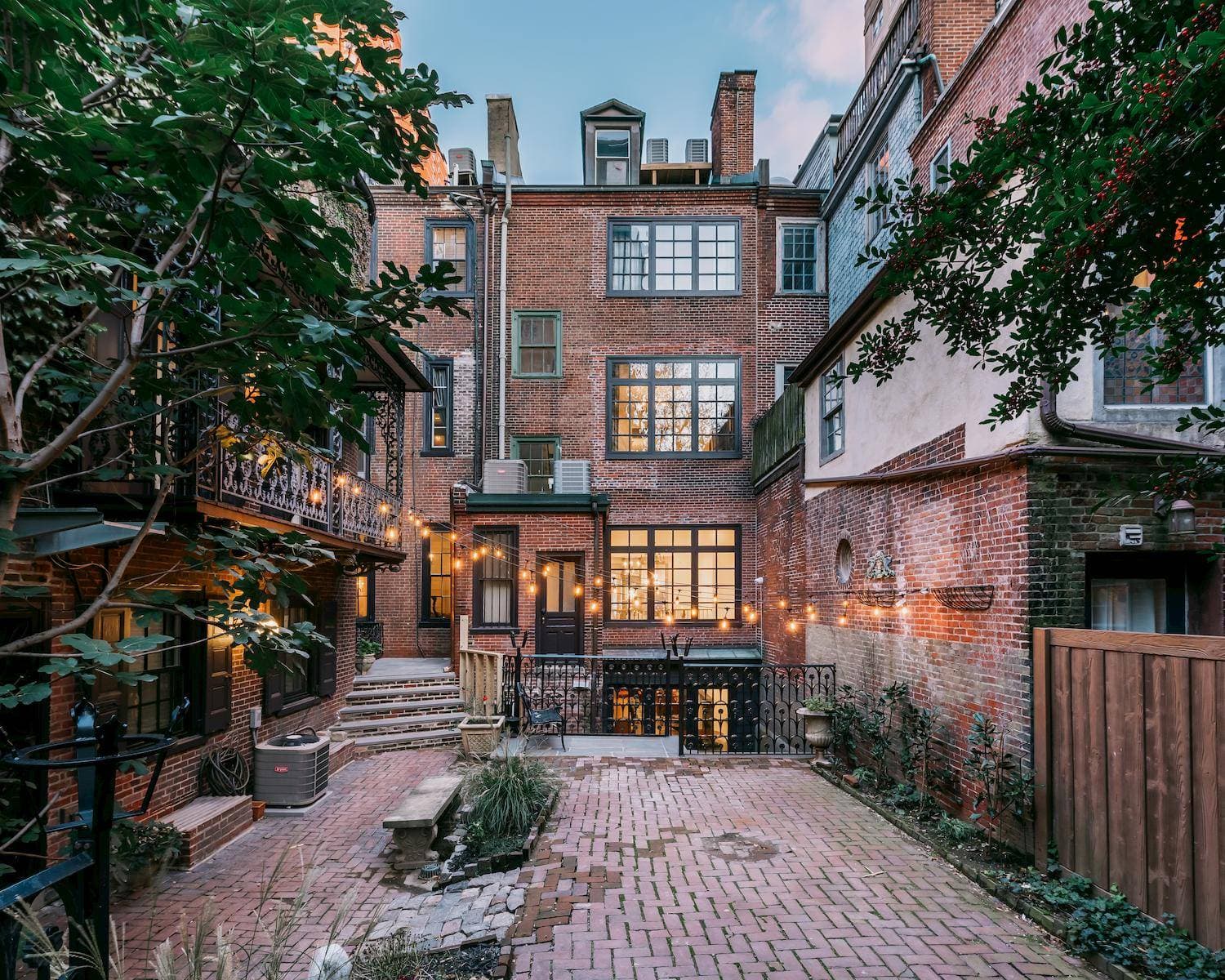
22 maximum · 3 workspaces
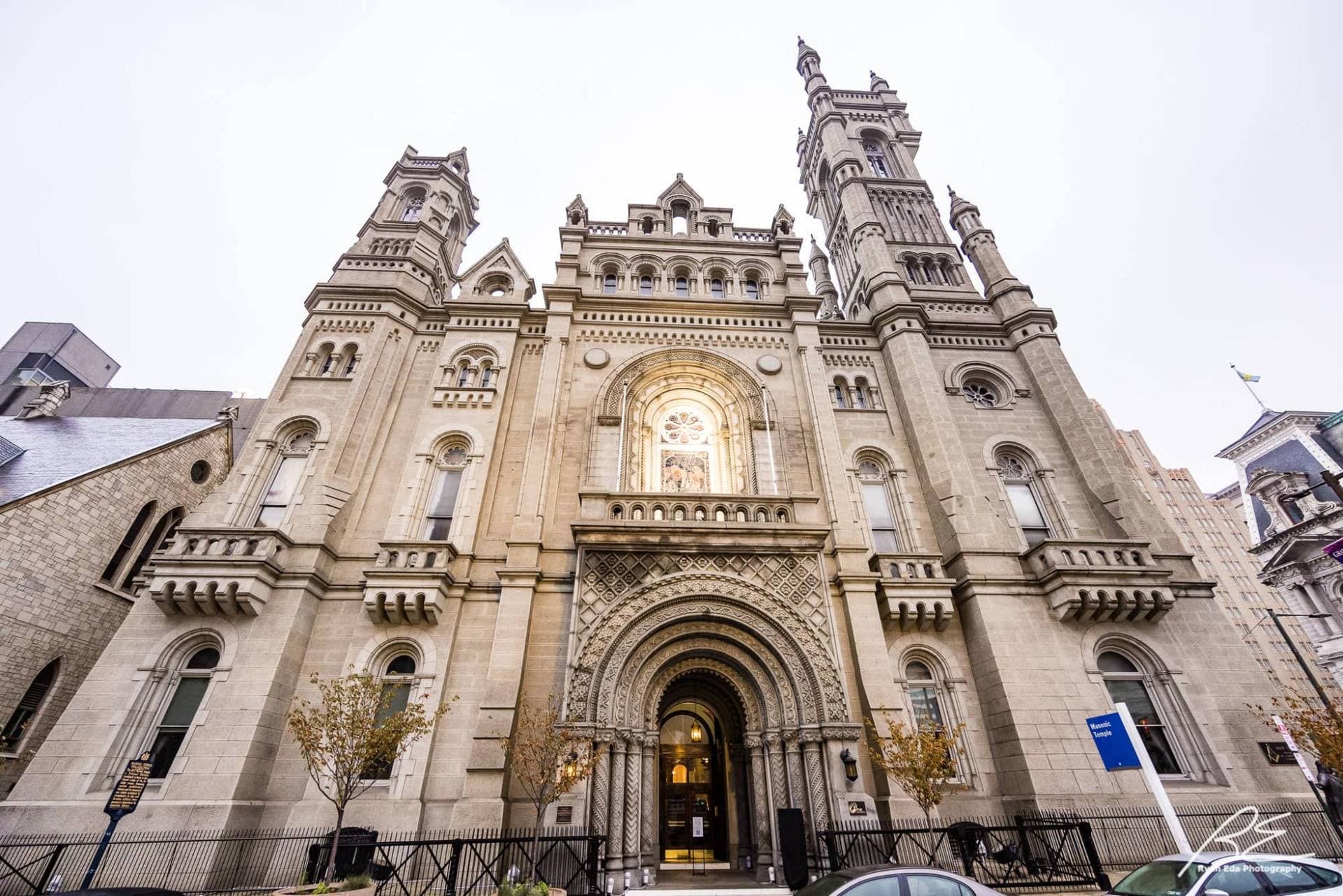
3 workspaces
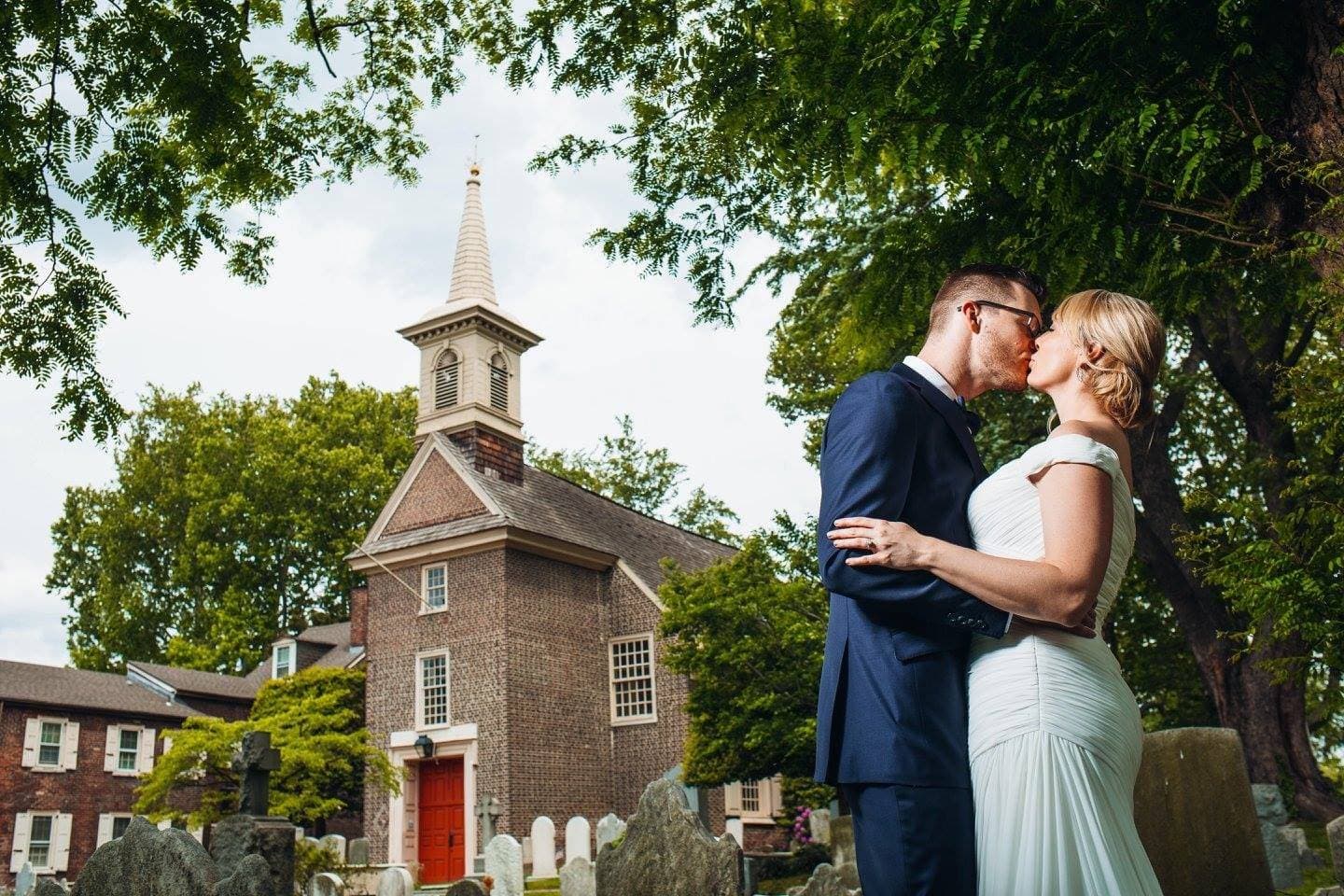
75 maximum · 1 workspace
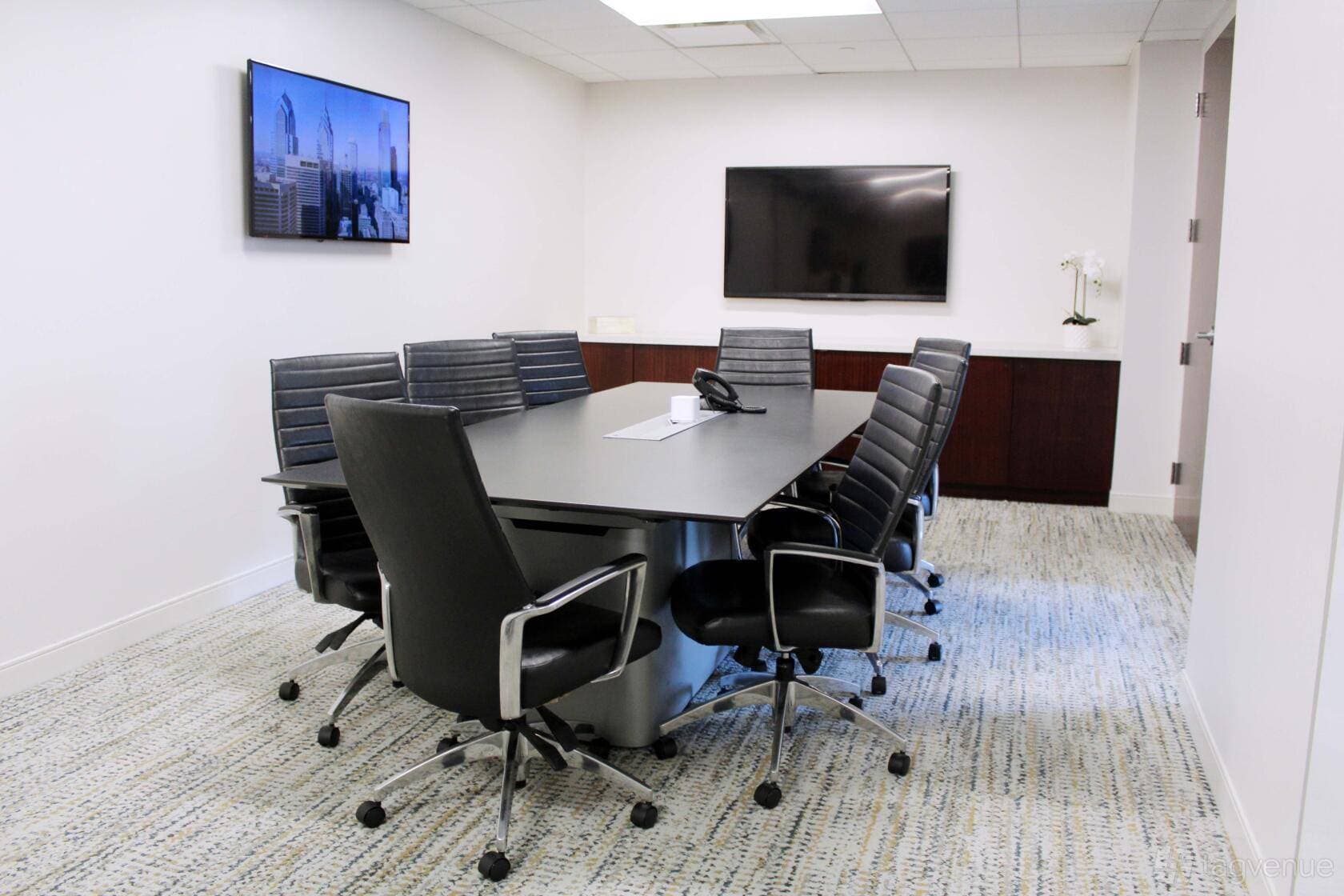
7 workspaces
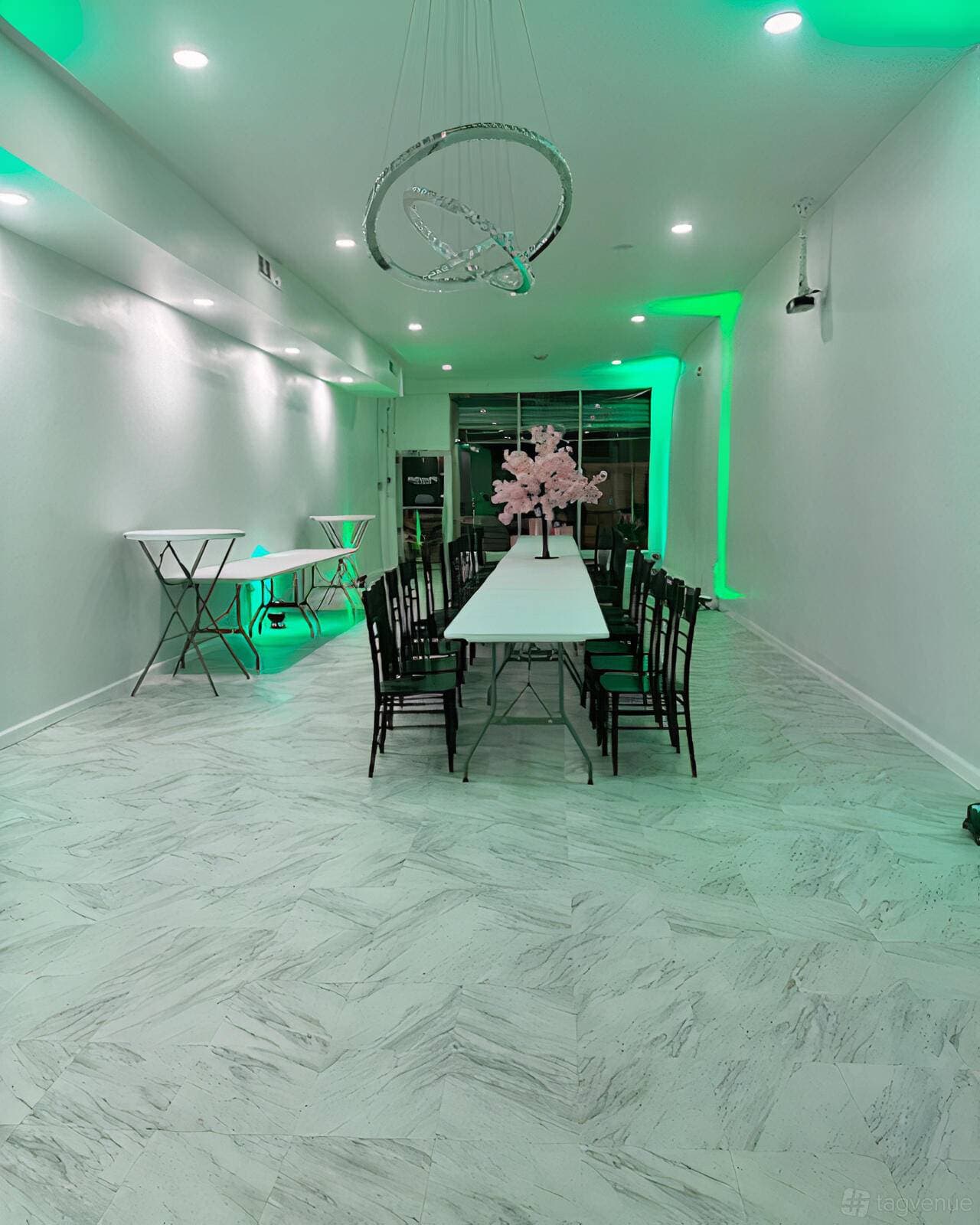
1 workspace
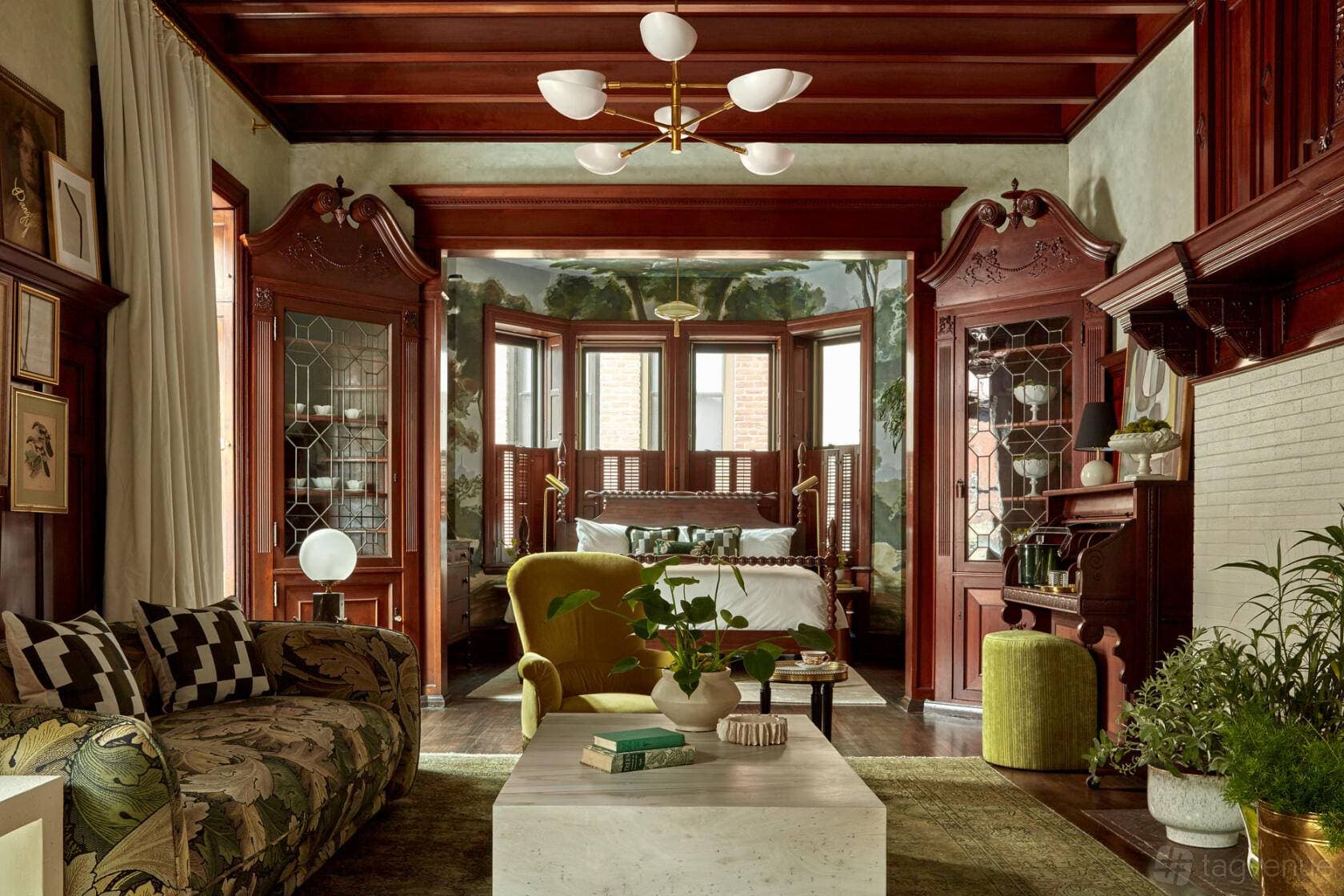
1 workspace
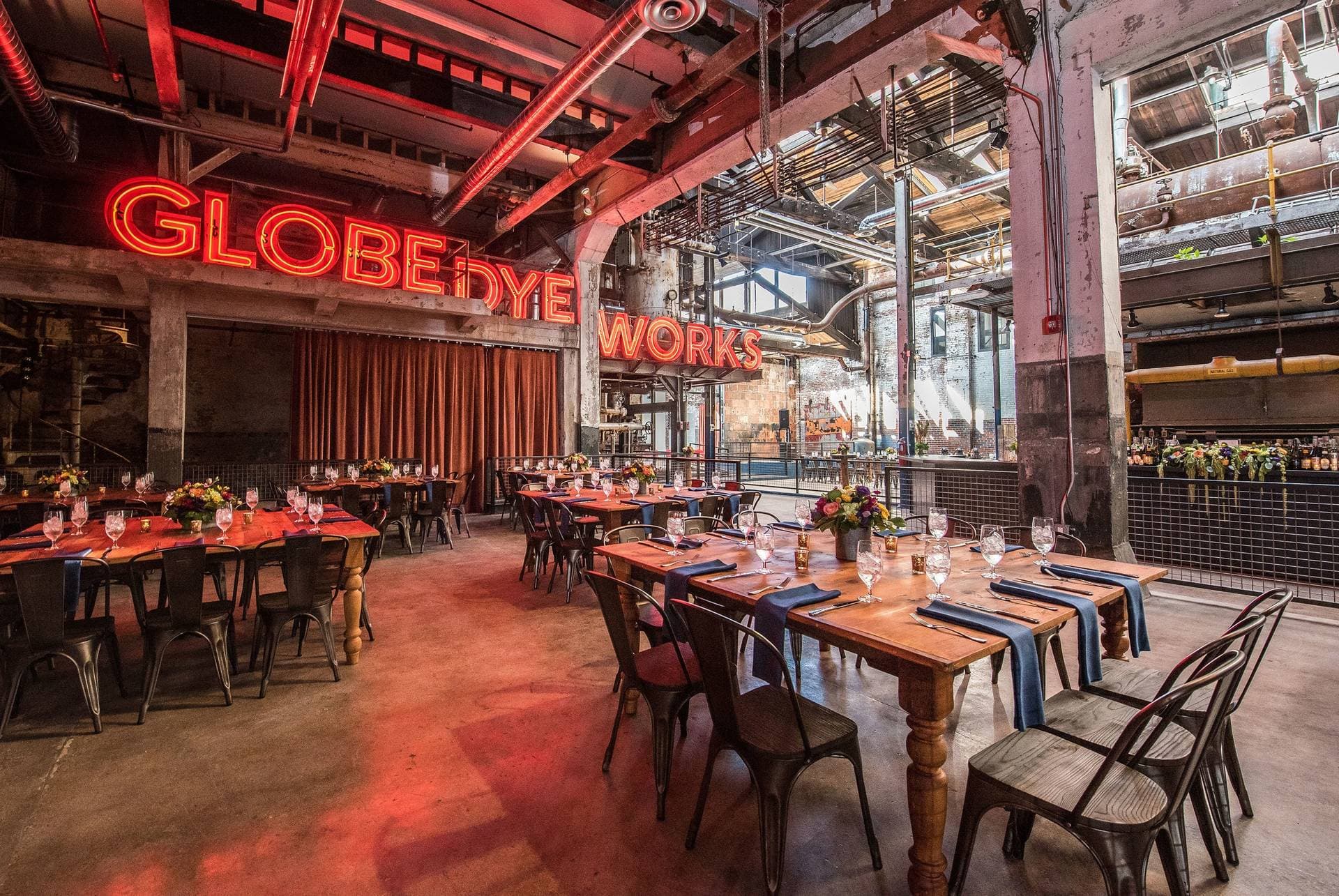
2 workspaces
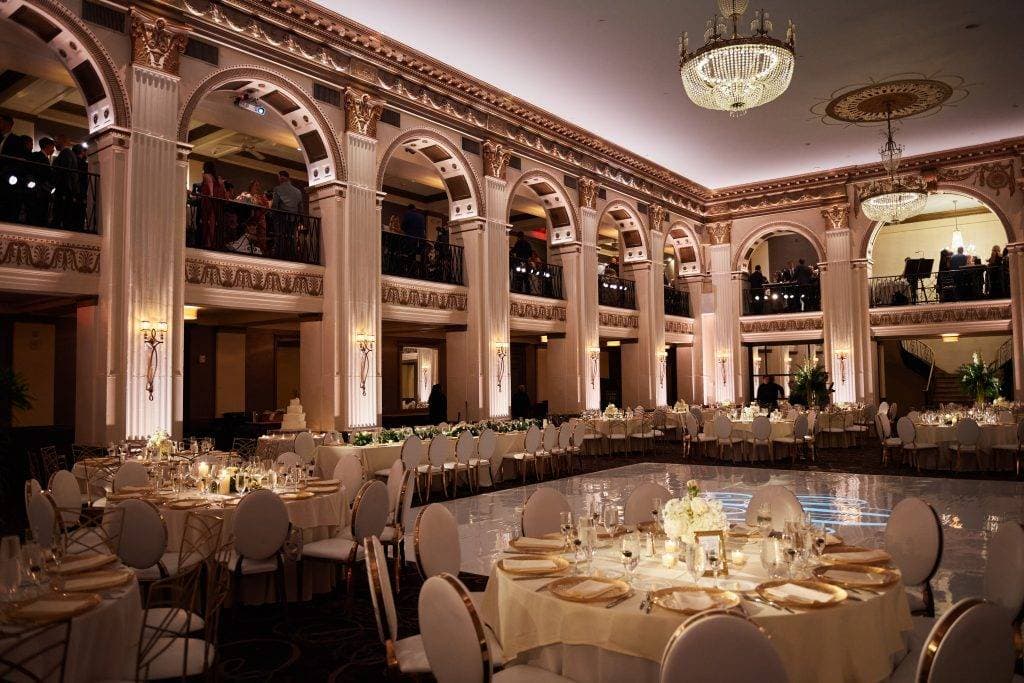
4 workspaces
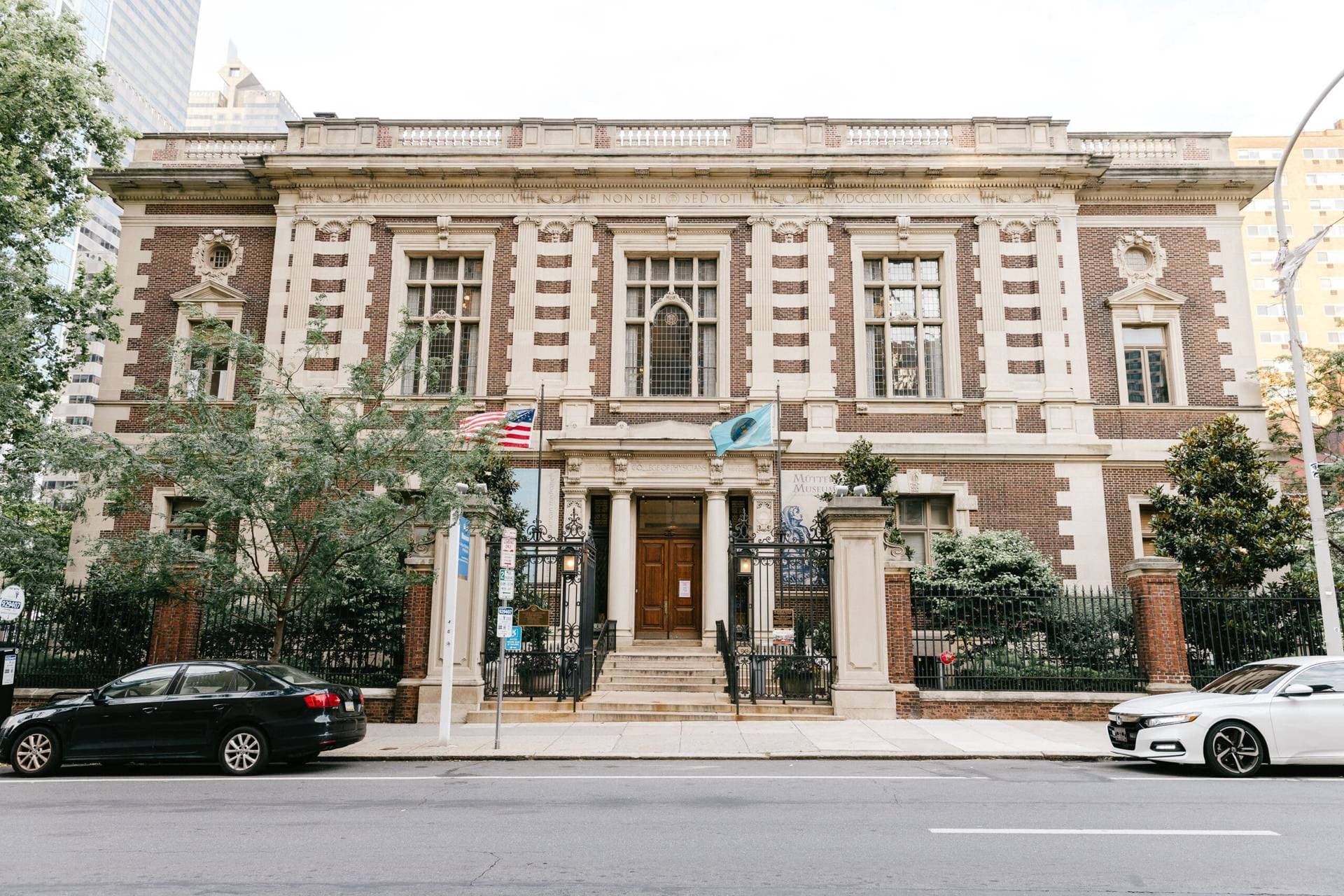
9 workspaces
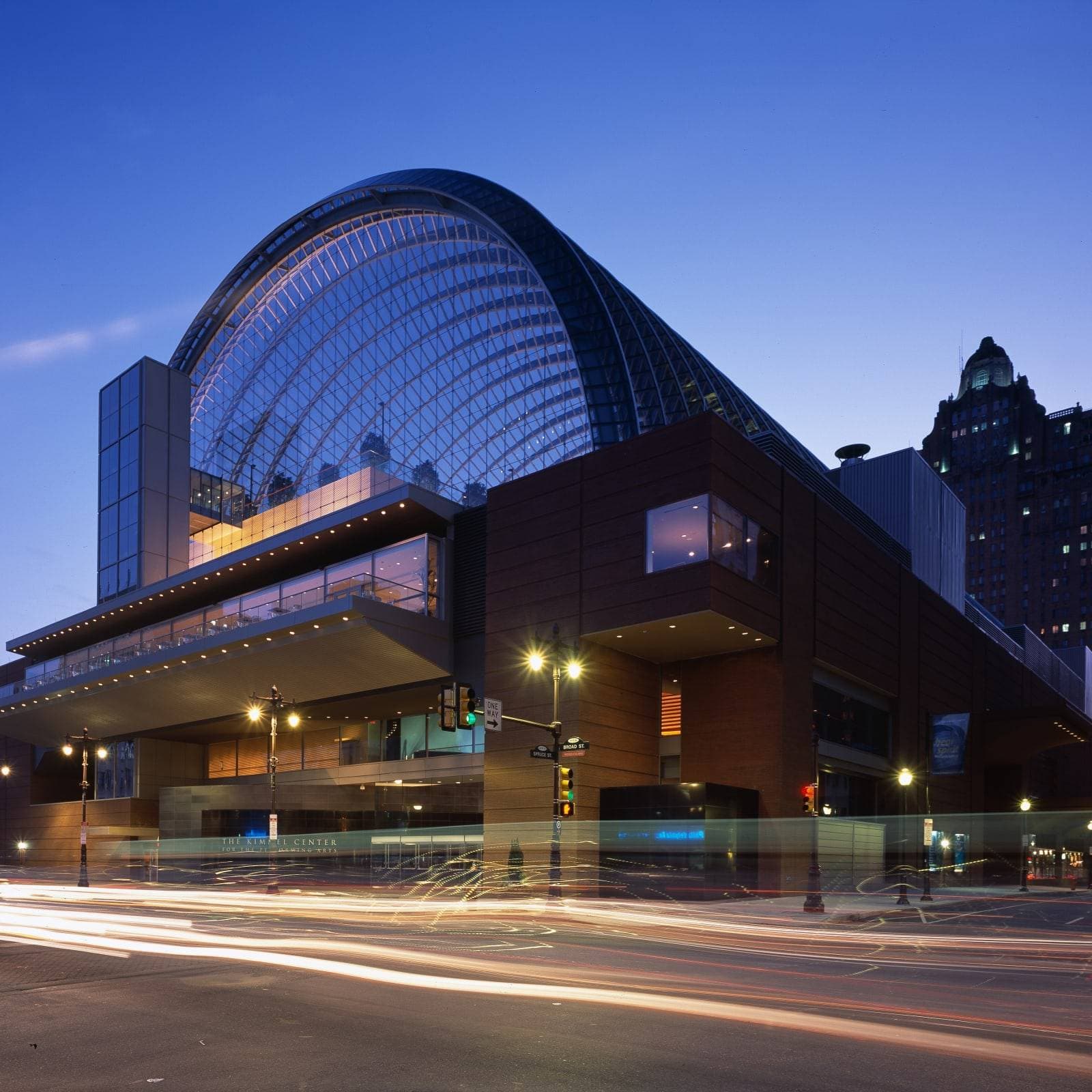
6 workspaces
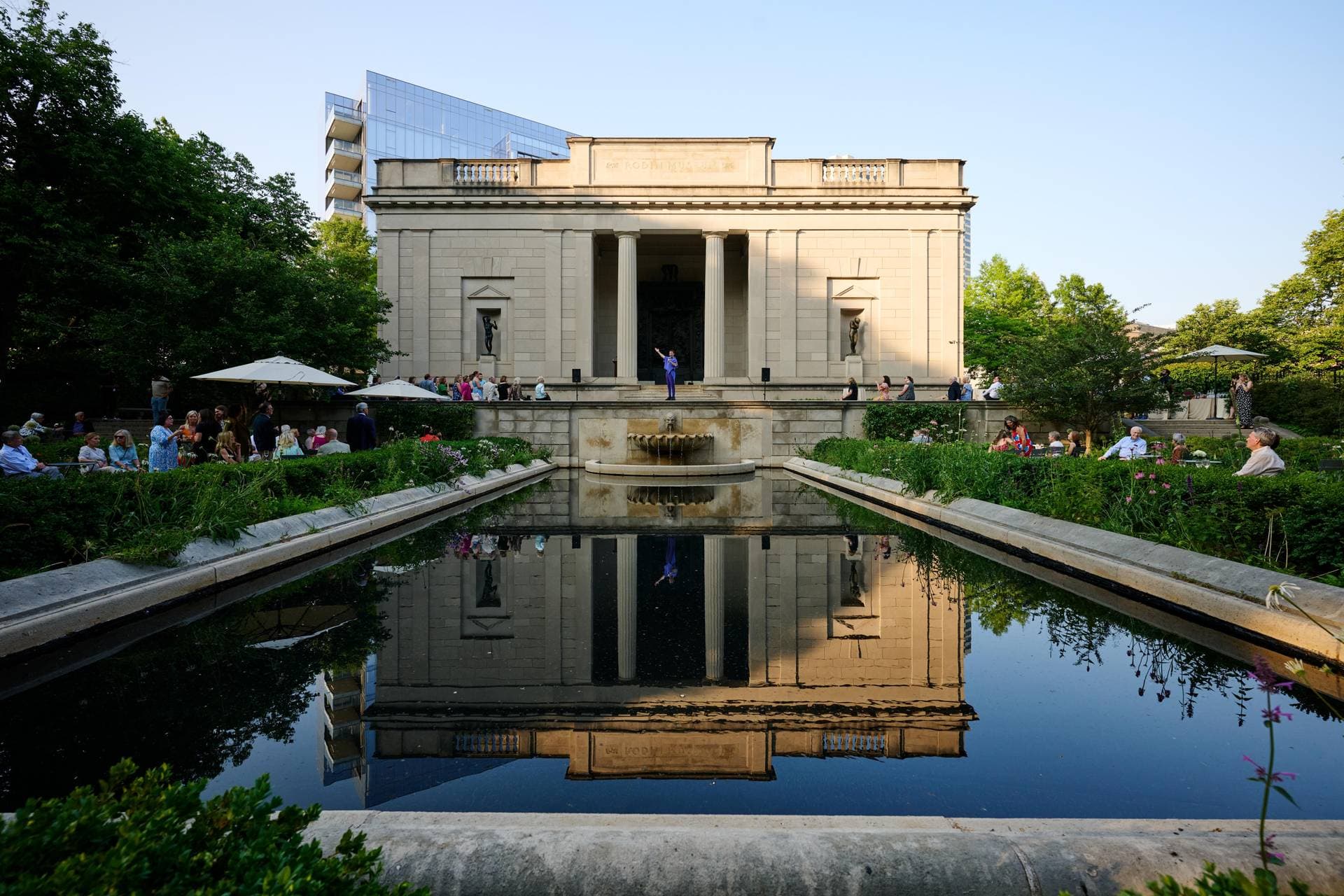
3 workspaces
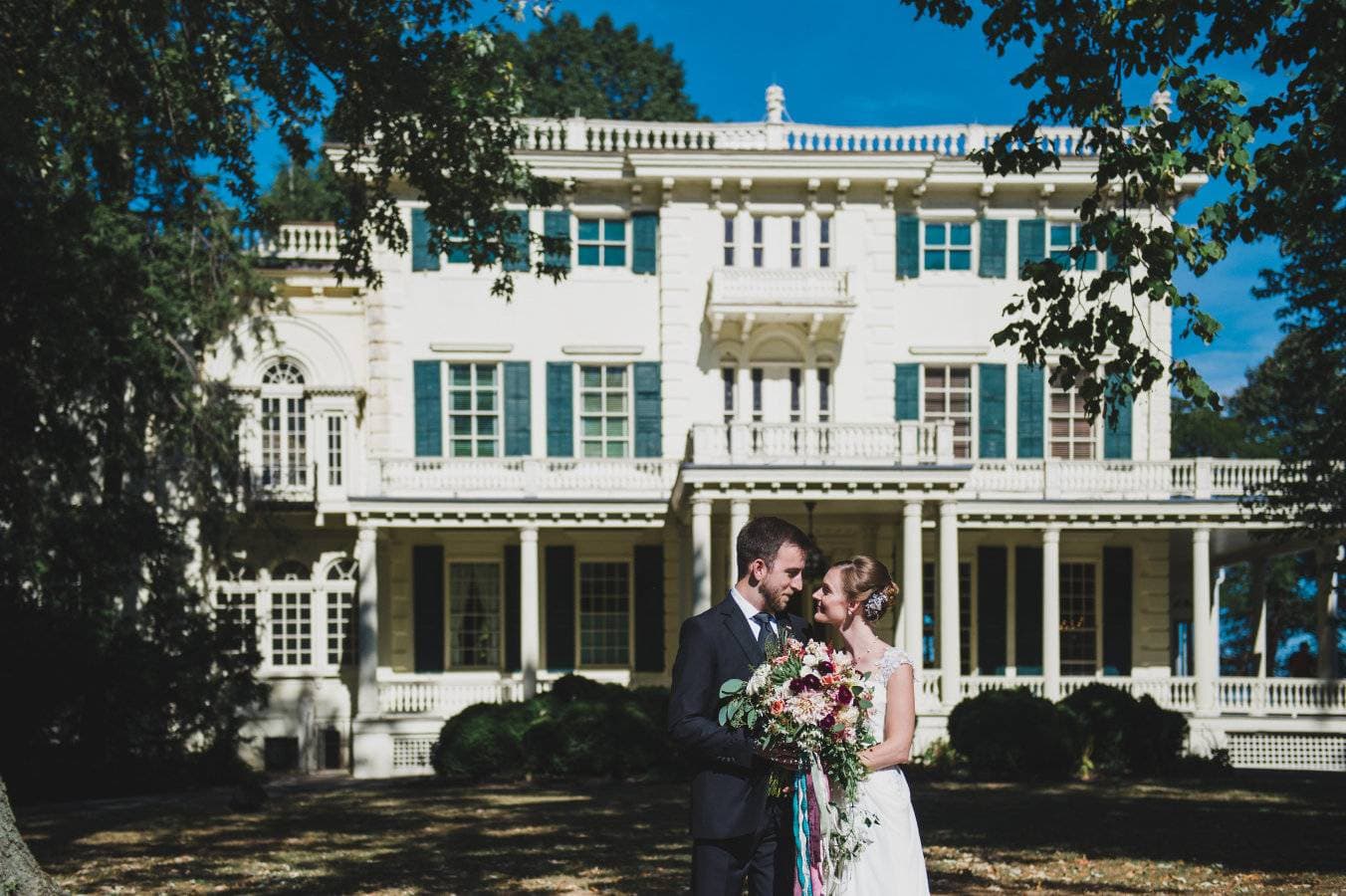
400 maximum · 1 workspace
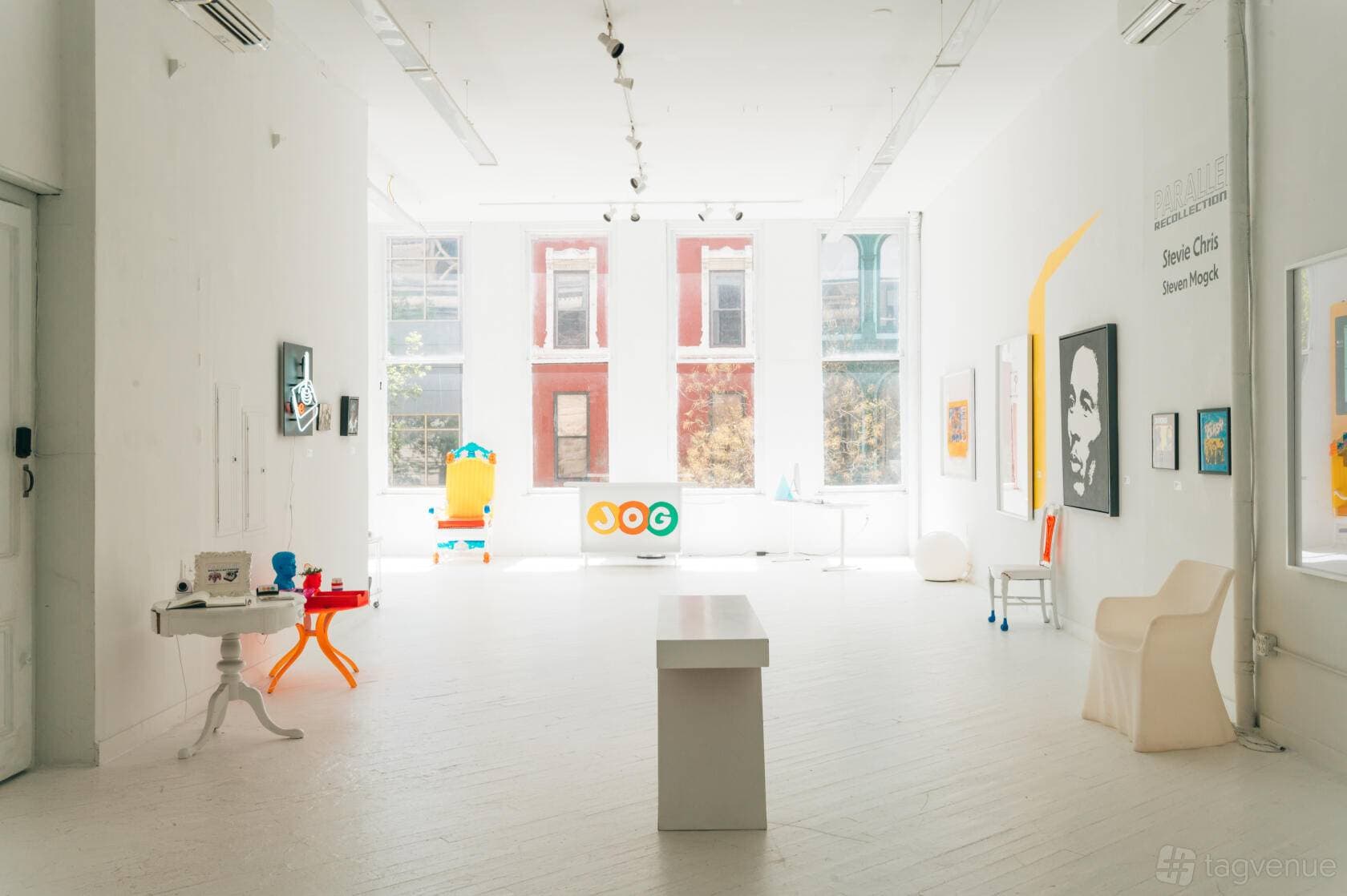
1 workspace

Answer a few quick questions and get venue suggestions for your next event
Over 500,000 employees have experienced a Naboo event








When buyers look for event venues in Philadelphia, they usually need a short list that fits the format, the audience, and the budget. If you are building a shortlist for a corporate meeting, a social gathering, or another special event, it helps to compare verified venue details before you commit. Event venues in Philadelphia options can work for a business meeting, a product launch, or a larger reception, but each one should be checked against your layout and service needs. Ask for written confirmation of capacity, access, and pricing so the final choice is easy to defend. A strong shortlist should also reflect travel patterns, hotel access, and the kind of experience your attendees expect. Naboo can help teams compare unique venues in a Philadelphia location through one brief and clear line items from each proposal.
Start with the event format, because a seated dinner, a reception, and a working session need different room setups. Then compare each venue against the services and access your team actually needs. Written confirmation keeps the shortlist practical.
Write down whether the program is for presentations, networking, dining, social events, or a mix of all three. That simple step helps you filter event venues in Philadelphia buyers often review too broadly at first.
Ask each venue for verified capacity by layout, not a general estimate. A seated plan, a classroom plan, and a reception plan can change the fit a great deal. Some venues only allow in-house catering, while others permit outside vendors, so it helps to compare catering policy early.
With Naboo, one brief can bring back comparable proposals with clear line items. That makes it easier to compare corporate event venues in Philadelphia on the same terms.
Review entrances, elevators, restrooms, and routes for guests with mobility needs. Accessibility should be confirmed in writing, along with any setup limits that affect the program.

For large corporate events, begin with the main large-format convention center option in the city. Then compare it with museum settings that can support production, receptions, and plenary sessions.
Written AV terms prevent last-minute surprises.
Examples to start your comparison. Each venue confirms its price in writing before you book.
Registration flow, plenary space, breakout routing, supplier access, and loading access.
Which halls or galleries are included, catering rules, and whether the venue closes to the public for your event.
Which halls or galleries are included, catering rules, and whether the venue closes to the public for your event.
Seasonal rules, permit responsibilities, and an indoor backup plan.

High-capacity venues work best when the event team needs room for staging, guest flow, and repeated sessions. Use verified venue sources to confirm what each space can support for your exact layout.
Supplier familiarity can save time on site.
One brief, comparable proposals, one point of contact.
Tell Naboo the format, guest count, dates and neighborhood preferences for your Philadelphia event.
Shortlisted venues reply with proposals that use the same line items, so room rental, catering, labor and equipment sit side by side. Each venue confirms its price in writing before you book.
Naboo handles the booking with one point of contact and one invoice per event. With a framework contract, procurement also gets one vendor of record.

| Row | Booking venues on your own | With Naboo |
|---|---|---|
| 01 | A different quote format from every venue | One brief, comparable proposals with clear line items |
| 02 | Prices that can change before you sign | Each venue confirms its price in writing before you book, and the price we confirm is the price you pay |
| 03 | Fees that show up late in the process | Fees and service charges shown line by line in the proposal |
| 04 | Rates that may be higher than booking direct | Prices never higher than booking direct |
| 05 | Several contacts and invoices to chase | One point of contact and one invoice per event |
| 06 | Terms negotiated again for every event | With a framework contract: one vendor of record and negotiated terms per contract |

Some programs need more than a standard meeting room. Unique spaces can help create a memorable experience while still serving a corporate audience.
Distinctive settings still need clear logistics.
Outdoor programs need a different level of planning than indoor meetings. Seasonal fit, permits, and weather backup should all be settled before you move forward. Outdoor events need written backup terms.
Review the venue's seasonal planning rules before you choose an outdoor format. Some private event spaces work better in certain months, so ask what the venue supports and what it does not.
The contract should state who handles permits and related responsibilities. Naboo does not obtain permits or run venue operations, so the venue contract must make those duties clear.
Ask how the event will move if weather changes the outdoor setup. A written contingency plan should cover the backup space, guest flow, and service changes.
Executive gatherings need rooms that can shift between presentation, discussion, and private conversation, whether you are planning a small corporate meeting or a broader leadership session. The best venues make it easy to rework the setup without losing the tone of the meeting.
Small details often shape the final fit.
Convenience matters when guests are arriving from different offices, hotels, or transit lines. Central districts can make attendance easier and reduce friction on the day of the event.
Location should support the attendee journey.
Philadelphia International Airport connects to Center City through the SEPTA Airport Regional Rail Line, with taxis, vans, limousines, and rideshare also serving the terminals. That gives planners several arrival options to match different traveler needs and arrival patterns.
Once in town, SEPTA subway lines, subway-surface trolleys, buses, and regional rail all serve Center City stations. The downtown core is compact and walkable, with an underground concourse that links transit stations, shops, and office lobbies.
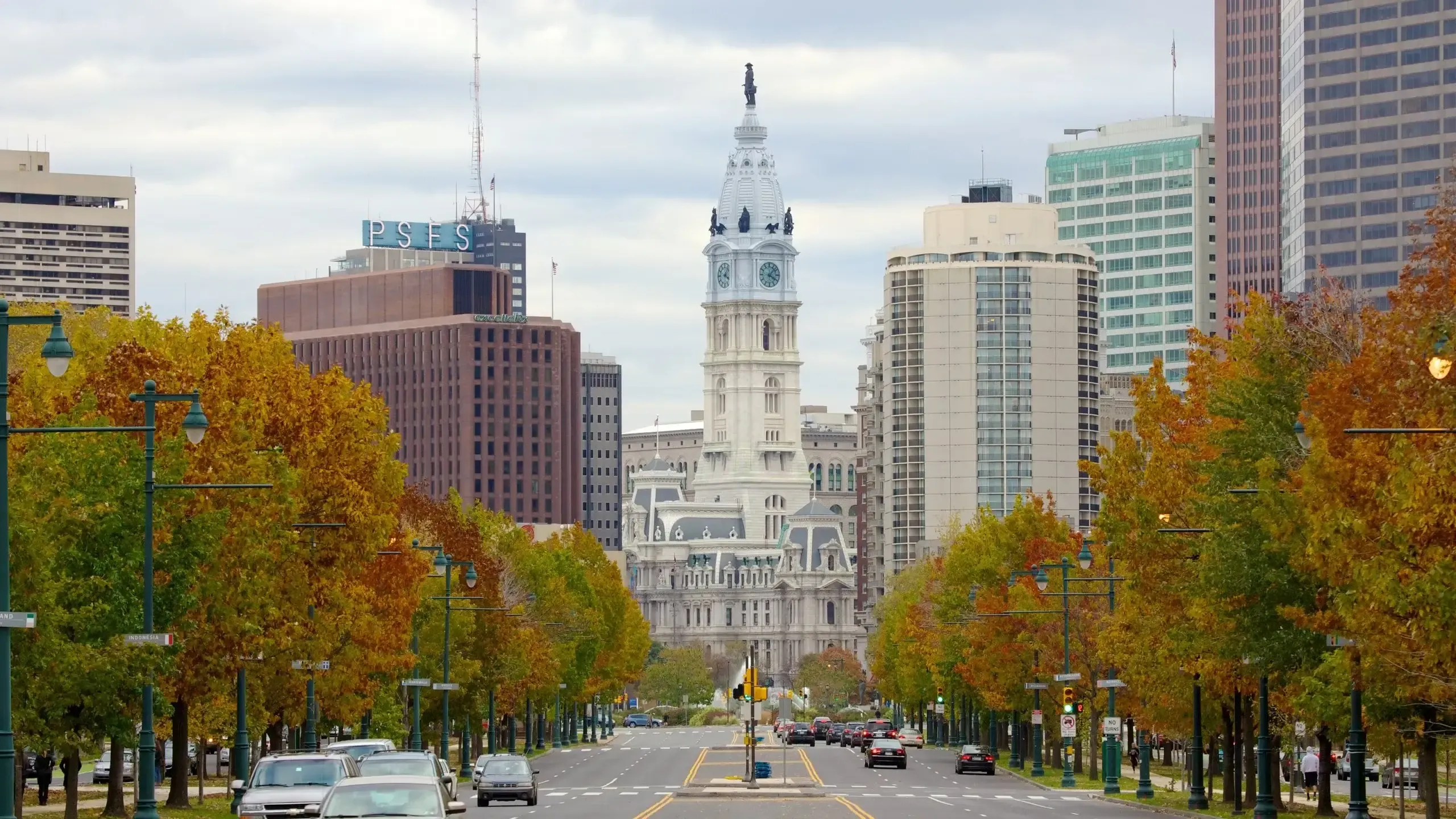
Philadelphia offers several districts that work well for corporate programs, depending on the mix of meetings, dinners, and offsite time you need. For venue comparisons, the right fit often comes down to walkability, transit access, and the type of attendees in the room.
Center City is the dense downtown core of offices, shops, restaurants, and cultural institutions. Attendees can reach offices, dining, and many hotels within a short walk of the convention center and a public market.
Rittenhouse Square is one of the densely packed residential and commercial neighborhoods inside Center City. It gives teams hotels, restaurants, and shops for dinners and downtime, all a short distance from the convention center.
University City is a university and medical district west of the river, often called a second downtown. Hotels, restaurants along the main commercial avenue, and university and hospital campuses make it a strong match for research, academic, and healthcare groups.
Old City sits within the historic district and includes galleries, restaurants, and historic sites. It works well for evening programs near the waterfront and historic sites, with transit access that should be checked against the nearest SEPTA stops.
Spring and fall are the most comfortable seasons for events in Philadelphia. Winter is cold and snowy, while summer is warm with showers, so the season can affect both attendee comfort and outdoor movement between venues.
Late winter is the quietest period for visitors, while early fall is one of the busiest. The Philadelphia Flower Show and Philadelphia Marathon Weekend can also affect hotel availability and overall planning conditions.
A few local rules and transit details can shape venue selection and event flow.
Pricing should be clear before approval, not after the venue is selected. Ask for a proposal that shows what is included, what is extra, and who is responsible for each charge.
Clear terms make approval easier.
Tell Naboo the format, guest count and dates for your event in Philadelphia, then compare itemized proposals from vetted venues with one point of contact and one invoice per event.
The SEPTA Airport Regional Rail Line runs to Center City, and taxis, vans, and rideshare also serve the terminals. That gives attendees several straightforward ways to reach downtown from the airport.
Many hotels sit within a short walk of the convention center, and Center City is compact with a grid layout. That makes it easier to compare venues where attendees can move between meetings, lodging, and meals on foot.
Spring and fall are the most comfortable, while winter is cold and snowy. Early fall is one of the busiest periods, and marathon weekend can tighten hotel availability.
From the venue to the logistics, we handle it all.
Lodging, catering, activities and spaces in one quote.
Proposals with clear line items, side by side.
Clear pricing, no hidden fees.

November 12, 2026

November 12, 2026

November 12, 2026

November 12, 2026

November 12, 2026

November 9, 2026