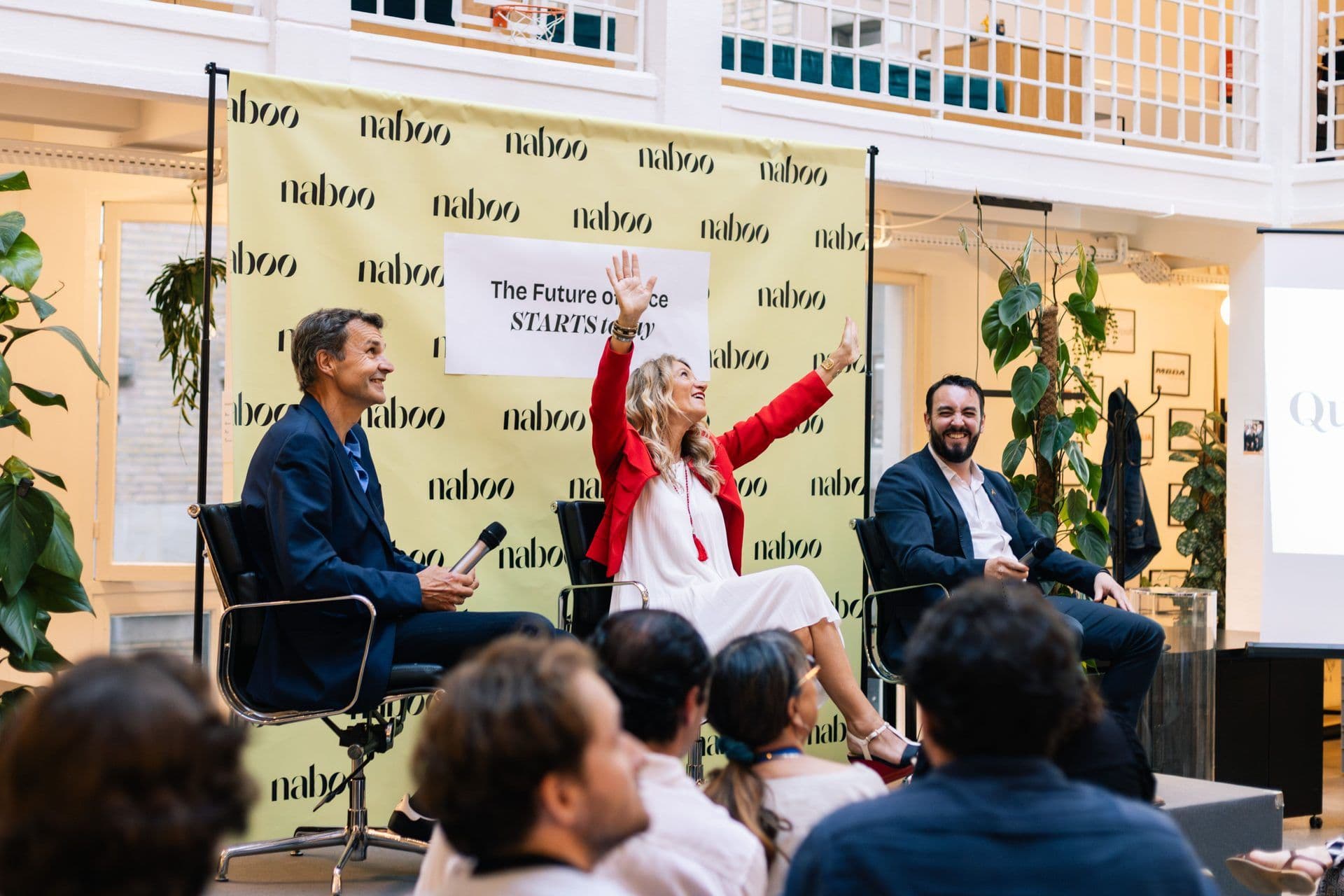
Sales kickoff ideas work best when they mix practice with direction, and the first one is gamified prospecting sprints. Our sales team also took part in the Outbound Cup and finished third in our group, with Antoine Dard second-best individual rep of the whole call session.
Use the opening to set the tone, then move into the strategic vision keynote, customer empathy simulations, and the rest of the agenda. The point is to give reps something they can act on, not just listen to.
Key takeaways
- Gamified prospecting sprints turn prospecting into a timed challenge, with a leaderboard, meaningful prizes, and online scoring for virtual groups.
- The strategic vision keynote gives reps the 2026 goals, the company direction, and the context they need to make better decisions in the field.
- Customer empathy simulations put reps in the prospect's shoes so they can handle objections and discovery with more realism.
- Cross-functional collaboration workshops bring Marketing, Product, and Sales into the same room so each team can share what it needs and how it helps close more business.
- Our sales team finished third in our group at the Outbound Cup, and Antoine Dard was the second-best individual rep of the whole call session.
| Event Format | Ideal Group Size | Duration | Cost Per Person | Motivation Impact |
|---|---|---|---|---|
| In-Person Conference | 50-500+ people | 2-3 days | $150: $500 | Very High: builds team cohesion and energy |
| Hybrid Virtual + In-Person | 20-300 people | 4-6 hours (live sessions) | $50: $200 | High: inclusive and flexible for distributed teams |
| Regional Breakout Sessions | 10-50 people per group | 3-4 hours | $30: $100 | Moderate-High: personalized but less unified |
| Virtual Livestream Event | Unlimited | 2-3 hours | $10: $40 | Moderate: convenient but lower engagement energy |
| Team Workshops + Competition | 15-100 people | 1-2 days | $75: $250 | Very High: drives accountability and excitement |
| Executive Roundtable Lunch | 8-20 people | 2 hours | $40: $120 | High: builds leadership alignment and mentorship |
1. Gamified prospecting sprints
Turn prospecting into a timed challenge. A sprint can focus on booking meetings, qualifying leads, or using a new outreach skill. The point is to make practice feel active and competitive instead of routine.
A leaderboard adds energy, and prizes should matter to the team. For virtual groups, online scoring and group calling blocks keep the pace up. This format works because it shows quickly who absorbed the training and who needs more support.
How our sales team took this to the Outbound Cup
The Outbound Cup was a live cold-calling competition and sales conference held on Friday 18 September 2026 at Station F in Paris, organized by Hatmada and Scalability. It ran two contests in parallel, one for teams of employed salespeople grouped by company and one for freelancers and independents, with a separate ranking. Participants made real calls to their own prospects with no imposed script, while a leaderboard stayed visible to everyone in the room and each team had a dedicated coach giving feedback between calls.

Our sales team took part in a two-hour call session, calling at the same time as sales teams from about 50 companies and almost 300 salespeople. It was our first outbound competition, and our marketing team loaded the pipeline with prospects before the day. We finished third in our group, and Antoine Dard was the second-best individual rep of the whole call session, with more than 130 points. The team had promised to show up in Naboo shirts, and they did.
For a kickoff, we would copy the same mechanic in-house: real calls on real prospects in a set time block, a visible leaderboard, a coach per team, and points that reward meeting quality rather than volume. That means scoring the meeting itself, not just the number of dials, so the team knows what counts before the session starts. Keep the format simple, keep the calls live, and let people hear how others open, handle rejection, and move to the next call.
As Alex Pauillac, Head of Sales at Naboo, puts it:
"Sales becomes a sport. It makes hitting your targets more enjoyable, but above all there's something you find in competition: you push past your limits. You go after results that sometimes seemed out of reach."
2. The strategic vision keynote
Start with a keynote that explains the 2026 goals and why they matter. This is the opening that gives the rest of the agenda context. Reps should hear where the company is headed, what success looks like, and how their work fits into that path. A clear narrative helps people make better decisions once they are back in the field.
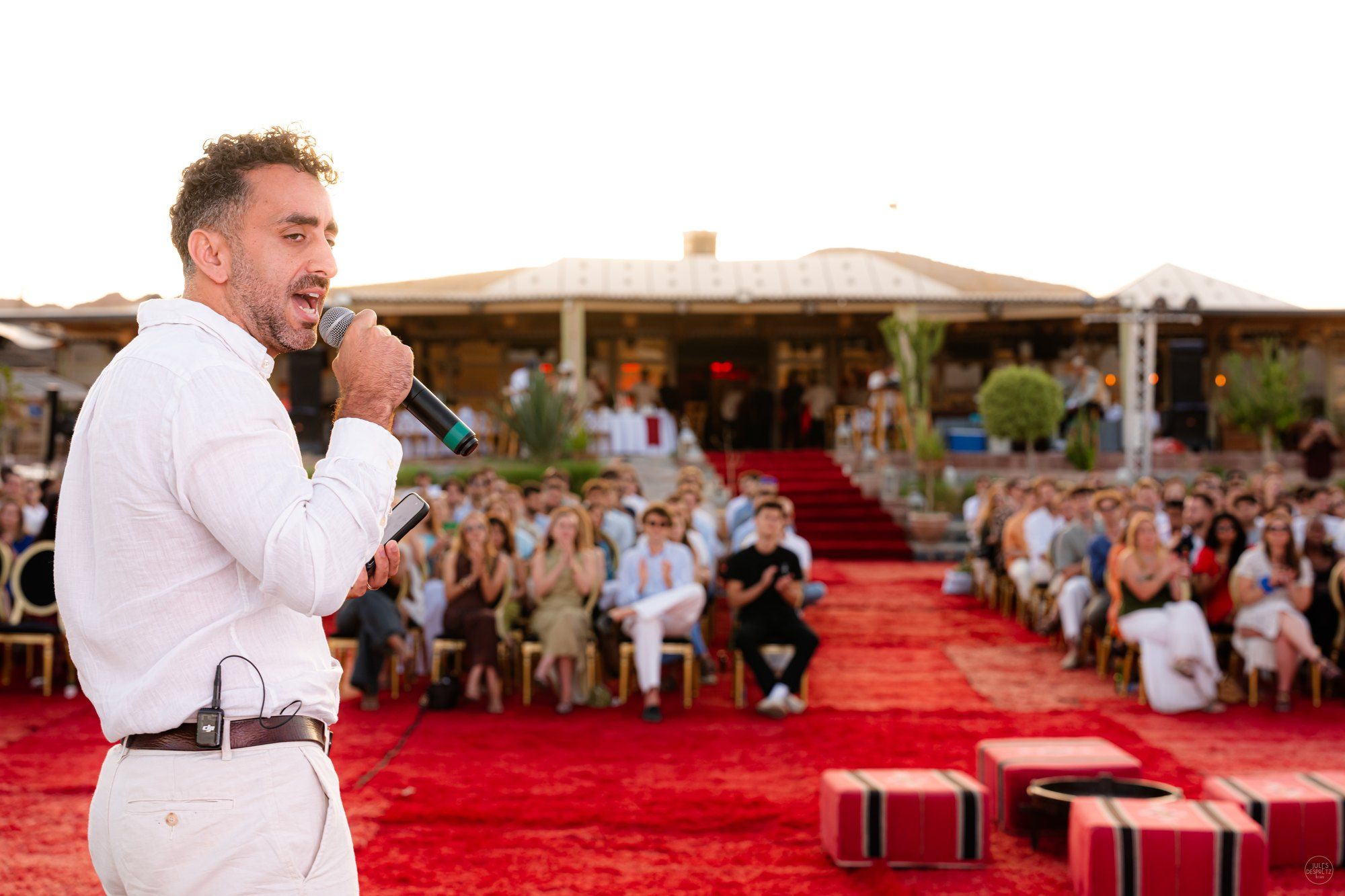
Work with the CEO early so the message feels grounded, not generic. The strongest version balances ambition with a believable plan. If the team understands the bigger picture, individual targets feel connected to something real.
3. Customer empathy simulations
Use simulations to put reps in the prospect's shoes. When they feel budget pressure, internal politics, and competing priorities, they stop selling like vendors and start thinking like advisors. That shift changes how they handle objections and discovery.
Bring in real customers if you can, or build the exercise around case studies and common objections. This format works especially well in virtual breakout rooms because it keeps people active. The more real the scenario feels, the more useful the lesson becomes.
4. Cross-functional collaboration workshops
Bring Marketing, Product, and other internal teams into the room. Sales does not work in isolation, and a kickoff is the right place to make that visible. When each function understands what the others need, the whole organization moves faster.
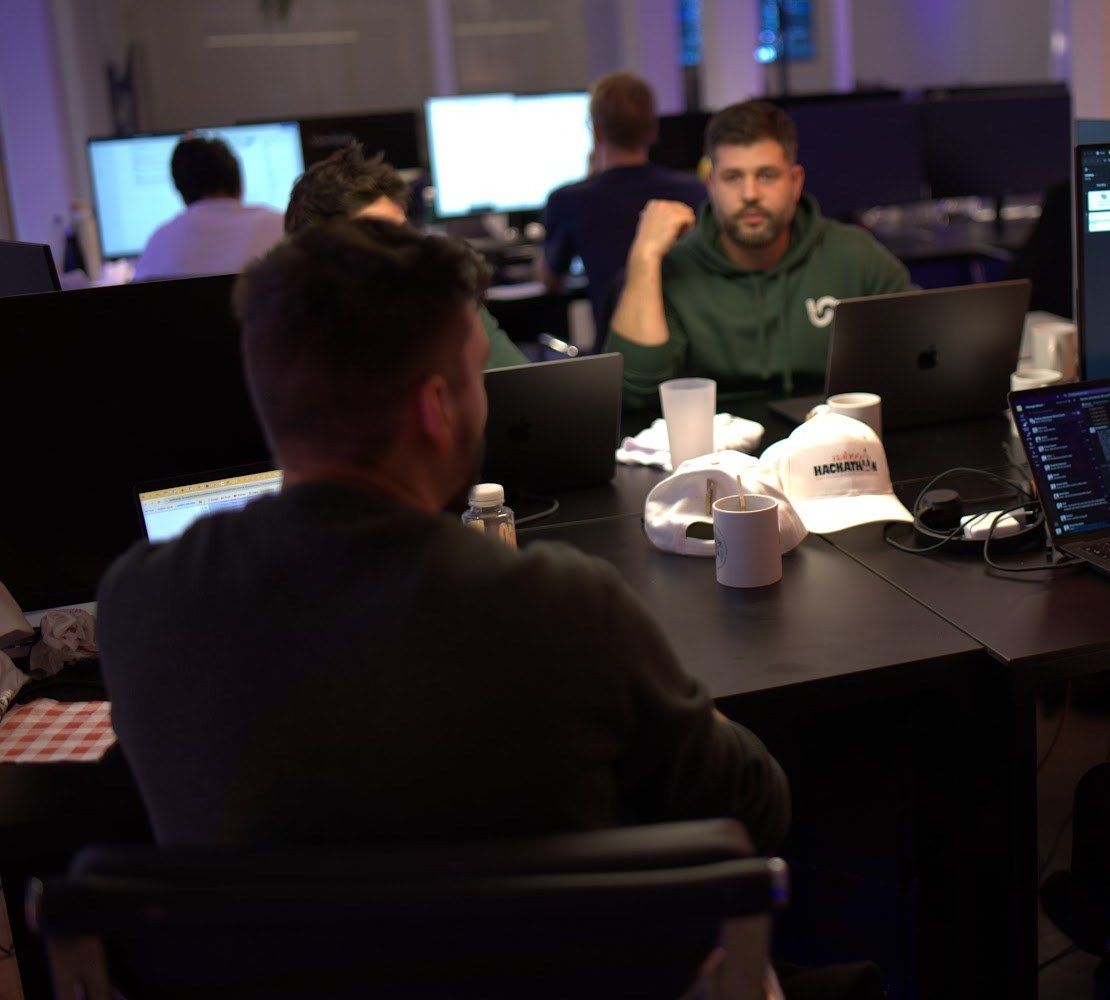
Set clear goals for the workshop. Marketing can share new materials, Sales can give feedback on lead quality, and Product can explain what is coming next. Keep the session interactive and focused on how teams help each other close more business.
5. The loss analysis workshop
Review why deals were lost in 2025. This is not a blame session. It is a practical way to find patterns, fix weak spots, and enter 2026 with fewer blind spots. CRM data gives the workshop structure and keeps the discussion honest.
Psychological safety matters here, so the room should be led by people the team trusts. When leadership is willing to examine what went wrong, it sends a clear signal: improvement matters more than appearances.
6. Executive AMA
Give the team direct access to the CEO and senior leaders. An ask me anything session opens the floor to live and pre-submitted questions, which often brings out the concerns people do not raise in a normal meeting. That honesty builds trust.
Anonymous questions can help too. They make it easier to surface real issues and clear up confusion about direction. The result is a stronger connection between frontline teams and leadership.
7. Accountability and goal setting circles
End the kickoff with small peer groups that turn goals into commitments. Reps share what they want to achieve in 2026 and agree to support one another after the event. That simple structure helps momentum last longer than a single meeting.
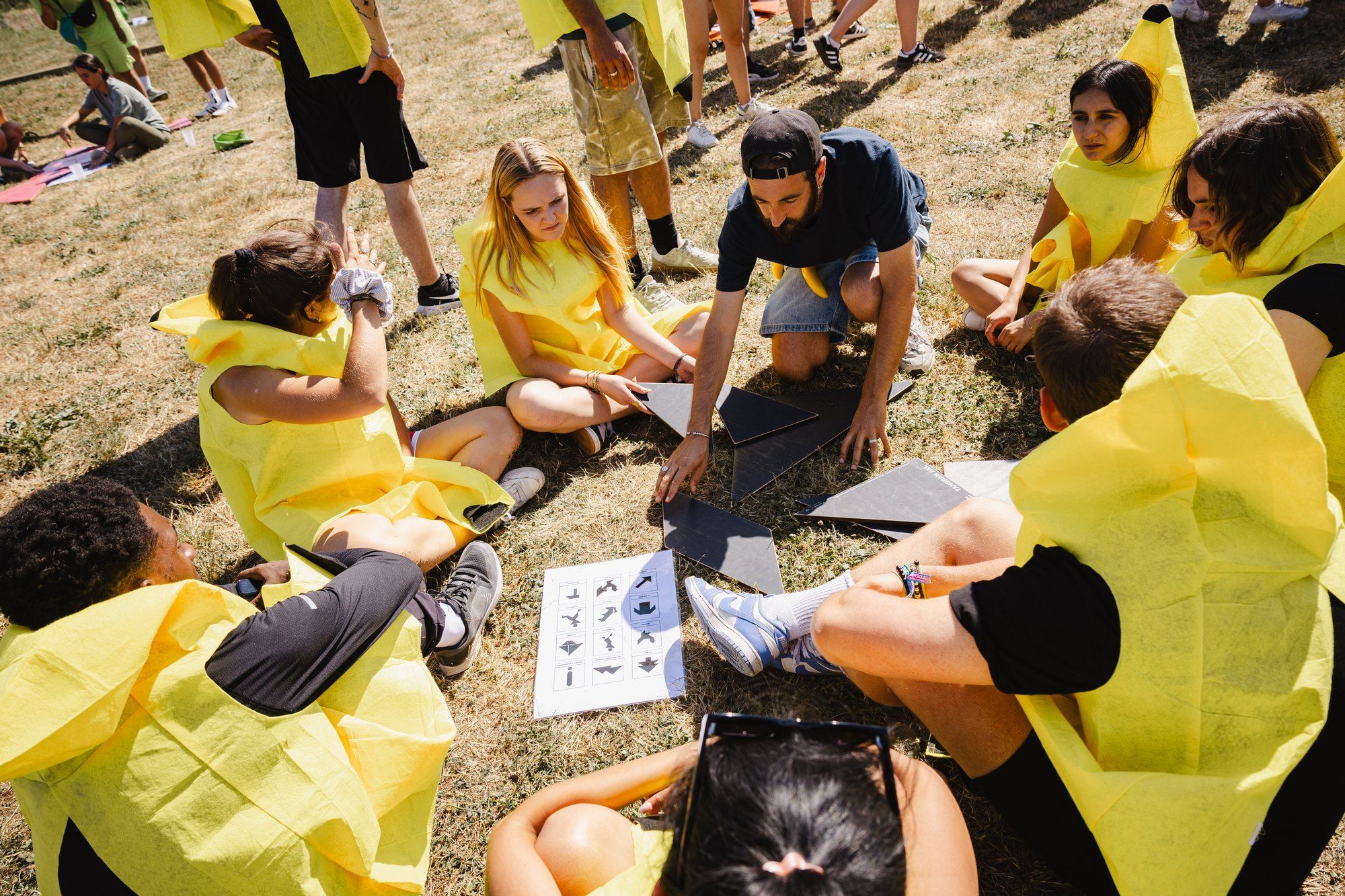
Choose respected team members to lead each circle and schedule regular check-ins. The value is not just in the first conversation. It is in the follow-through that keeps people focused once they are back in the field.
Common mistakes in sales kickoff planning
Back-to-back presentations drain energy fast. People need variety, breaks, and a chance to participate. Another common mistake is skipping follow-up. Without reinforcement after the event, the team slides back into old habits and the impact fades.
Remote attendees also need equal treatment. If virtual participants get a weaker experience, the team leaves divided. A good kickoff makes the in-room and remote experience feel equally intentional.
Measuring sales kickoff ROI and outcomes
Track what changes after the event, not just who attended. New deals initiated, tool adoption, and survey feedback are all useful signals in the 90 days after the kickoff. Those numbers tell you whether the agenda changed behavior.
Compare results year over year so you can see what is improving and what needs work. A post-kickoff survey and a 60-day check-in also help you learn which sessions mattered most to the team.
How do you choose the right mix of sessions?
Choose the mix based on your team's biggest gaps, not on habit. If messaging is weak, spend more time on value proposition work. If the CRM is underused, make room for technology training. If the company needs better alignment, bring in cross-functional sessions and an executive AMA.
The best agenda balances inspiration, practice, and follow-up. That is what keeps the kickoff useful after the room clears.
How Naboo helps you book sales kickoff ideas
Every venue here is bookable through Naboo, the corporate event platform. You send one brief, then compare proposals from a network of 170,000+ venues and suppliers, with transparent quotes side by side. A dedicated event manager handles sourcing, contracting and on-site logistics, so the planning stays in one place instead of scattered emails and spreadsheets.
Teams that run events on Naboo save up to 15% on average, and the platform has managed €500M+ in event procurement. You get AI venue suggestions matched to your brief, standardized proposal comparison, and real-time tracking through the event app.
Frequently asked questions
How do you run a prospecting sprint or cold-calling competition at a kickoff?
Turn prospecting into a timed challenge with real calls on real prospects, a visible leaderboard, a coach per team, and points that reward meeting quality rather than volume. For virtual groups, online scoring and group calling blocks keep the pace up. The Outbound Cup model scored every meeting booked out of 18 points on four criteria: how soon the meeting takes place, how long the call lasted, the estimated annual deal size, and whether a pain point or project was identified.
How do you choose the right sessions for the agenda?
Choose the mix based on your team's biggest gaps, not on habit. If messaging is weak, spend more time on value proposition work; if the CRM is underused, make room for technology training; if the company needs better alignment, bring in cross-functional sessions and an executive AMA. The best agenda balances inspiration, practice, and follow-up.
How do you keep remote reps engaged during kickoff?
Give remote participants the same quality of materials and the same chances to interact as in-person attendees. Virtual breakout rooms work well for customer empathy simulations, and online scoring keeps a prospecting sprint active for distributed teams. If virtual attendees get a weaker experience, the team leaves divided.
How do you measure kickoff results?
Track what changes after the event, not just who attended. New deals initiated, tool adoption, and survey feedback are useful signals in the 90 days after the kickoff, and a post-kickoff survey plus a 60-day check-in help show which sessions mattered most. Compare results year over year so you can see what is improving and what needs work.
When should planning begin?
Start four to six months before the event. That gives you time to secure the venue, book speakers, and build content that actually moves the business.
What should the kickoff opening do first?
Start with a keynote that explains the 2026 goals and why they matter. That opening gives the rest of the agenda context, so reps know where the company is headed, what success looks like, and how their work fits into that path.