
These scavenger hunt clues give planners a ready mix of easy openers, mid-hunt puzzles, outdoor stops, and harder workplace challenges, so you can match the route to the group and the setting.
Use the clues to build a hunt that starts with quick wins, then shifts into observation, conversation, and movement across office spaces, public places, and outdoor landmarks.
The set also includes options that work with local history, transit hubs, art, and nature, so you can keep the route grounded in places people can actually reach.
Key takeaways
- The clues span office spaces like the time capsule riddle, the desk identity challenge, and the supply cabinet cipher, which use everyday details such as clocks, desks, and shared supplies.
- Several clues fit shared indoor moments, including the whiteboard history log, the kitchen appliance quiz, and the abstract art interpretation, where teams read office memory, follow a sequence, or inspect a frame.
- Outdoor and city-based routes are built in too, with the landmark geometry, the public transit anagram, and the historical marker decode sending teams to parks, transit hubs, and local history stops.
- Some clues ask teams to look closely at what is already around them, including the street art replication, the window reflection cipher, and the sound mapping task, which rely on murals, reflections, and nearby sounds.
- Before booking a route, check that the setting matches the clue type, that the location is easy to access, and that the instructions stay safe and non-destructive, especially for nature-based or public-space tasks.
1. The time capsule riddle
This clue turns an ordinary object into a small win. Teams have to translate a riddle into a real place, which builds confidence early.
It is a Level 1 challenge, so it fits the opening stretch of a hunt and helps people settle into the game without feeling stuck.
Clue example: I have hands but cannot clap, and a face but no eyes. I tell you when to start and when to race for the prize. Where do the minutes pass?
Answer/location: The wall clock.
Group setup: 2-4 people, 5-10 minutes
Best for: an opening stretch that helps people settle in
How to apply: Use a clue that points teams to the wall clock. Let them work from the riddle to the object, then move on once they identify the right place. Keep it early in the hunt so the group gets an easy success first.
2. The desk identity challenge
This clue pushes people to interact with colleagues they might not normally approach. It is simple, but it changes the tone of the room.
Instead of solving in isolation, teams have to ask questions, notice details, and make contact. That makes it especially useful for groups that need a little help breaking the ice.
Clue example: Find the person whose desk has a photo of a lighthouse and three different coffee mugs. Take a picture with them giving a high-five.
Answer/location: A specific coworker's desk or the coworker themselves.
Group setup: 3-6 people, 5-10 minutes
Best for: groups that need help breaking the ice
How to apply: Send teams to a specific coworker's desk or the coworker themselves. Have them look for the desk details in the clue, then ask questions and make contact. Finish with the requested photo or interaction.
3. The supply cabinet cipher
This one combines counting with observation. Teams have to look closely at shared office supplies and agree on the answer before moving on.
It is easy to set up and easy to adapt to different office layouts. Because it is straightforward, it works well as a mid-hunt clue that keeps momentum moving.
Clue example: The total number of pen boxes plus staplers equals the drawer you need to open.
Answer/location: A numbered drawer or cabinet.
Group setup: 2-5 people, 5-10 minutes
Best for: a mid-hunt clue that keeps momentum moving
How to apply: Place the clue around a numbered drawer or cabinet. Ask teams to count the pen boxes and staplers, then use that total to find the right drawer. Keep the setup simple so the focus stays on observation and agreement.
4. The whiteboard history log
This clue ties company memory to a physical space. Teams need to look back at a shared detail, then connect it to a location they already know.
It rewards people who pay attention to the office rhythm and gives the hunt a subtle culture-building layer. The result feels familiar, but still satisfying.
Clue example: On the largest whiteboard, find the date of our last all-hands meeting. Then head to where that month's snacks were stored.
Answer/location: The breakroom pantry or snack area.
Group setup: 2-5 people, 5-10 minutes
Best for: a culture-building clue that uses shared office memory
How to apply: Start with the date of the last all-hands meeting on the largest whiteboard. Then send teams to the place where that month's snacks were stored. Use the office memory as the bridge between the clue and the breakroom pantry or snack area.
5. The kitchen appliance quiz
This is a multi-step clue, so teams have to solve one part before the next makes sense. That sequence keeps people engaged and gives them a clear sense of progress.
It also rewards groups that talk through the clue instead of rushing ahead. In a team-building setting, that pause matters.
Clue example: I heat up fast but have no flame. Find me, then retrieve the item hidden inside my cooling neighbor.
Answer/location: The item is hidden in the refrigerator, found after locating the microwave.
Group setup: 2-5 people, 10-15 minutes
Best for: a multi-step clue that rewards discussion
How to apply: Point teams to the microwave first, then have them look for the item hidden in the refrigerator. Make sure they solve the first part before the second part becomes useful. Let the sequence guide the pace.
6. The abstract art interpretation
Art-based clues invite discussion because people have to decide what they are looking at and why it matters. That makes the hunt feel less mechanical and more human.
It also changes how teams see the workspace. A poster or framed print becomes part of the game, which gives a familiar room a new purpose.
Clue example: The office art titled "Motion and Progress" hides a clue behind its frame. Look for the note taped to the back.
Answer/location: Behind a specific piece of office art or motivational poster.
Group setup: 2-5 people, 5-10 minutes
Best for: a more conversational clue that changes how teams see the room
How to apply: Choose a piece of office art or a motivational poster with a note hidden behind the frame. Ask teams to interpret the title, then check the back for the clue. Keep the focus on looking closely and discussing what they notice.
7. The security code sequence
This Level 3 clue raises the stakes by requiring the right person to know the office setup. It is a good fit when you want a harder puzzle that still feels grounded in the workplace.
The lockbox adds a physical payoff, and the code gives the team a reason to share knowledge instead of guessing alone.
Clue example: The last four digits of the closest Wi-Fi password open the lockbox holding the next clue.
Answer/location: A small locked box near the Wi-Fi router or access point.
Group setup: 2-4 people, 10-15 minutes
Best for: a harder workplace puzzle with a physical payoff
How to apply: Place a small locked box near the Wi-Fi router or access point. Use the last four digits of the closest Wi-Fi password as the code. Let the team share what they know about the office setup before they try the lock.
8. The landmark geometry
This outdoor clue blends landmark spotting with basic measurement. Teams have to agree on the starting point, then move with enough care to land in the right place.
It works well in parks, plazas, or campus areas where there is room to navigate. The physical movement gives the puzzle a stronger sense of place.
Clue example: Find the equestrian statue, horse and rider. Measure four paces from its base toward the nearest flagpole.
Answer/location: A precise spot in a city park or plaza.
Group setup: 2-6 people, 10-15 minutes
Best for: an outdoor hunt in a park, plaza, or campus area
How to apply: Send teams to the equestrian statue, horse and rider. Have them measure four paces from its base toward the nearest flagpole. Keep the group aligned on the starting point so they can reach the precise spot.
9. The nature taxonomy challenge
This clue asks teams to collect visual evidence of three native trees whose leaves are wider than your palm and one bird feather that is entirely black.
It works because it slows teams down in a good way. Instead of racing from point to point, they have to observe the environment carefully and compare what they see.
Clue example: Collect visual evidence of three native trees whose leaves are wider than your palm and one bird feather that is entirely black.
Answer/location: Various natural elements outside.
Group setup: 2-5 people, 10-15 minutes
Best for: nature is visible and easy to access
How to apply: Keep the instructions safe and non-destructive so the hunt stays respectful of the setting. Send teams to look for the natural elements outside and have them gather visual evidence of the three trees and the black feather. Use the clue where nature is visible and easy to access.
10. The public transit anagram
This clue asks teams to unscramble the name of the city's main terminal, then go there and photograph the clock tower.
It works because anagrams invite group effort. One person may spot the pattern, while others help confirm the route or the destination, which keeps the clue active without becoming too abstract.
Clue example: Unscramble the name of the city's main terminal: L-R-T-A-G-N-C-R-D-E-N-L-T. Go there and photograph the clock tower.
Answer/location: Grand Central Terminal or a specific local transit hub.
Group setup: 2-6 people, 10-15 minutes
Best for: when you want teams to think and travel at the same time
How to apply: Give teams the scrambled letters and have them work together to solve the terminal name. Once they identify the destination, send them there and ask for a photograph of the clock tower. Use a local transit hub if that is the intended answer.
11. The historical marker decode
This clue asks teams to locate the historical marker detailing the battle of [Local Event], then note the third word on the fourth line to find the diner across the street.
It works because it makes teams read carefully and connect public information to a nearby stop. The puzzle feels grounded because the answer comes from the surroundings, not from guesswork.
Clue example: Locate the historical marker detailing the battle of [Local Event]. Note the third word on the fourth line. That word is the name of the diner across the street.
Answer/location: A nearby coffee shop or diner.
Group setup: 2-5 people, 10-15 minutes
Best for: bringing local history into the game
How to apply: Send teams to the historical marker and have them read it closely. They should find the third word on the fourth line and use it to identify the nearby coffee shop or diner. Keep the answer tied to the surroundings rather than special knowledge.
12. The street art replication
This clue asks teams to find the prominent mural of the yellow fish and replicate the pose of the fish as a team in a photo.
It works because it is playful and public. Teams have to perform together, which usually leads to laughter and a little harmless awkwardness, and the photo gives the group something to remember afterward.
Clue example: Find the prominent mural of the yellow fish. Replicate the pose of the fish as a team and submit a photo.
Answer/location: A known piece of street art in the nearest arts district.
Group setup: 3-6 people, 5-10 minutes
Best for: adding energy to an outdoor route
How to apply: Direct teams to the known piece of street art in the nearest arts district. Ask them to copy the fish pose together and submit a photo. Keep the task simple and public so the mural becomes a shared reference point.
13. The window reflection cipher
This clue asks teams to stand facing the main entrance of the tallest building downtown, read the word written backward on the glass reflection, and use it to find the nearby plaque.
It works because it asks teams to look twice. They need to position themselves carefully, notice a reflection, and then use that detail to move forward.
Clue example: Stand facing the main entrance of the tallest building downtown. What word is written backward on the glass reflection? Use that word to find the nearby plaque.
Answer/location: A specific, often named, park bench or plaque near the building.
Group setup: 2-4 people, 5-10 minutes
Best for: when you want a clue that feels clever without special tools
How to apply: Have teams face the main entrance of the tallest building downtown and inspect the reflection on the glass. They should identify the backward word and use it to locate the nearby plaque. Keep the clue focused on careful observation.
14. The sound mapping task
This clue asks teams to record three distinct sounds near the [City Name] Riverwalk, then combine the first letter of each sound to spell the next destination.
It works because it uses listening instead of sight. Teams have to pause, note what they hear, and turn those sounds into a destination, which changes the pace of the hunt.
Clue example: Record three distinct sounds that can only be heard near the [City Name] Riverwalk: a boat horn, street musician, and dog bark. The first letter of each sound, when combined, spells the name of the next destination.
Answer/location: A location spelled by the combination of the sounds.
Group setup: 2-5 people, 10-15 minutes
Best for: a different pace from the usual run-and-find format
How to apply: Send teams to listen near the [City Name] Riverwalk and record the three sounds named in the clue. Have them use the first letter of each sound to spell the next destination. This also gives quieter team members a chance to contribute in a useful way.
15. The metadata hunt
This clue asks teams to download the file named "Project_Phoenix.jpeg" from the shared drive and use the camera model found in the metadata as the password to the next encrypted folder.
It works because it rewards people who know how to read file properties. The answer sits inside the file itself, so the clue feels precise rather than vague.
Clue example: Download the file named "Project_Phoenix.jpeg" from the shared drive. The camera model used to take the photo, found in the metadata, is the password to the next encrypted folder.
Answer/location: An encrypted shared folder.
Group setup: 2-4 people, 10-15 minutes
Best for: remote teams and digital tasks
How to apply: Give teams access to the shared drive and have them open the named file. They should check the metadata, find the camera model, and use it as the password to the encrypted folder. Keep the clue tied to the file itself.
16. The emoji codebreaker
This clue uses emoji symbols to point teams toward the next clue location and asks them to find the name of the common office area represented by those symbols.
It works because emoji clues are quick to read and easy to share. They do not require specialist knowledge, but they still ask people to interpret meaning together.
Clue example: ️ + + = Next clue location. Find the name of the common office area represented by these symbols.
Answer/location: The "Key Coffee Computer" or "Workstation Kitchen," adapted to organizational terminology.
Group setup: any size, 5-10 minutes
Best for: mixed groups or a light task between harder clues
How to apply: Show the emoji sequence and ask teams to interpret it together. Have them identify the common office area it represents and move to that location. Use organizational terminology that fits your setting.
17. The inbox archeology
This clue turns email history into part of the game. The team looks for the oldest email received from a current team member containing the word "Success," and the subject line becomes the answer key.
It is reflective, a little funny, and often surprisingly revealing. Teams revisit old conversations they may have forgotten, which gives the hunt a personal touch, and it works well for remote groups because everyone can complete it from their own inbox.
Clue example: Find the oldest email you have received from a current team member containing the word "Success." The subject line of that email is the answer key.
Answer/location: A prompt entry field requiring the subject line.
Group setup: Any size, 5-10 minutes
Best for: Remote groups and a personal clue
How to apply: Ask each person to search their inbox for the oldest email from a current team member containing the word "Success." The subject line of that email is the answer key. Use a prompt entry field for the subject line. Keep the pace light so people can enjoy the memory trail.
18. The website navigation audit
This clue uses public company content as the puzzle source. The team checks the company's public careers page, finds the job ID for the newest listing posted this week, and submits that ID number to move on.
It is practical and easy to explain, which makes it a good bridge between game play and everyday digital navigation. Because the answer comes from a live page, teams have to pay attention rather than rely on memory alone.
Clue example: On the company's public careers page, what is the job ID for the newest listing posted this week? Submit that ID number to move on to the next task.
Answer/location: The job posting ID.
Group setup: Any size, 5-10 minutes
Best for: Remote teams getting familiar with public company content
How to apply: Send the team to the company's public careers page. Have them find the newest listing posted this week and identify the job ID. They submit that ID number to move on to the next task. Keep the instruction simple so the live page does the work.
19. The home office show-and-tell
This Level 1 activity brings home workspaces into the game without asking for much setup. People quickly locate the oddest or most unnecessary item within three feet of their current chair, then teams vote on the winning item based on submitted photos.
It gives everyone a glimpse of each other's environments, which usually leads to a laugh or two. It is especially useful early in a remote hunt because it gets everyone participating fast, and the clue feels personal without being complicated.
Clue example: Quickly locate the oddest or most unnecessary item within three feet of your current chair. Teams must vote on the winning item based on submitted photos.
Answer/location: The winning item itself, shared visually.
Group setup: Any size, 5-10 minutes
Best for: Early remote hunt participation
How to apply: Ask each person to quickly locate the oddest or most unnecessary item within three feet of their current chair. Have them submit a photo of the item. Then let teams vote on the winning item based on those photos. Keep it moving so the first reactions stay fresh.
20. The digital mime challenge
This challenge brings performance into the hunt and gives people a reason to pay attention to one another's expressions. Using only facial expressions and hand gestures, with no words or props, the team acts out the title of the last movie they watched together, virtually or physically.
It tests non-verbal communication, which is useful in any team setting. Because the reference point is shared, the clue feels social rather than technical, and it is a good way to close a section of the hunt with energy.
Clue example: Using only facial expressions and hand gestures, no words or props, act out the title of the last movie your team watched together, virtually or physically. The correct guess moves the team forward.
Answer/location: Correctly guessing the movie title.
Group setup: 3-8 people, 5-10 minutes
Best for: A social, high-energy team challenge
How to apply: Have the team act out the title of the last movie they watched together. They can use only facial expressions and hand gestures, with no words or props. The correct guess moves the team forward. Keep the group watching closely so the non-verbal clues land.
21. The cloud storage puzzle
This final clue pulls together company history, file navigation, and cross-functional knowledge. In the shared "Marketing Assets" folder, the team identifies the file uploaded on the anniversary of the company's founding, and the file extension becomes the final key.
Someone may know the anniversary date, while someone else knows how to move through the folder structure. That shared effort is what makes it work, and it is a fitting end because it asks the team to combine different strengths to finish the hunt.
Clue example: In the shared "Marketing Assets" folder, identify the file that was uploaded on the anniversary of the company's founding. The file extension is the final key.
Answer/location: The file extension, such as PDF, JPG, or DOCX.
Group setup: 2-4 people, 10-15 minutes
Best for: A final clue that needs shared effort
How to apply: Send the team into the shared "Marketing Assets" folder. Ask them to identify the file uploaded on the anniversary of the company's founding. The file extension, such as PDF, JPG, or DOCX, is the final key. Let different people bring different pieces of the answer together.
Avoiding common pitfalls in scavenger hunt design
Good clues fail when the setup gets in the way. Start by deciding what you want the group to practice. If Sales and Engineering need to talk, build clues that require both perspectives. If you want to see delegation, include tasks that force teams to divide work. Planning backward from the goal keeps the hunt focused and useful.
How do you avoid an unsolvable clue?
An unsolvable clue usually asks too much of one person and too little of the group. Keep the puzzle open enough that several people can contribute. If a team is stuck for more than five minutes, the clue is probably too hard for that point in the sequence. Cryptic is fine. Dead end is not. The best clues create discussion, not silence.
How do you test the trail before the event?
Run the hunt yourself before anyone else sees it. Time the route, check that every link works, and make sure each location is accessible. One misspelled word or broken connection can stop the whole game. Testing also helps you see where instructions are too vague or where a clue needs a clearer handoff. That preparation is what keeps the event moving.
To discover more content on the Naboo blog, you can read more articles there.
How do you adapt a hunt for hybrid teams?
Hybrid teams work best when the hunt makes both sides necessary. Set up a relay where a physical clue reveals a digital one, then send the answer back across the divide. For example, one group can solve an office riddle and pass a password to the remote group, who then finds the next prompt in email or shared files. The point is simple: both teams should need each other to finish.
How do you measure whether the hunt worked?
Measure success by the way people worked together, not by the clock. Look for better communication, clearer delegation, and more willingness to ask for help. A good hunt changes how the group behaves while it is happening. If people are talking across functions, sharing clues, and staying engaged, the event did its job. Speed matters less than the quality of the teamwork.
Where to host scavenger hunt clues
The venue decides which clues will land, so match each idea to the space first. Below, each clue type is paired with a real Naboo venue that fits the setting.
A venue with offices and meeting rooms
A venue with offices and meeting rooms suits the desk identity challenge, the supply cabinet cipher, the whiteboard history log, the security code sequence, the metadata hunt, the inbox archeology, the website navigation audit, and the cloud storage puzzle because each clue can hide in everyday workspaces and digital touchpoints. Teams can move from desks to shared rooms, checking signs, files, screens, and systems without breaking the flow of the hunt.
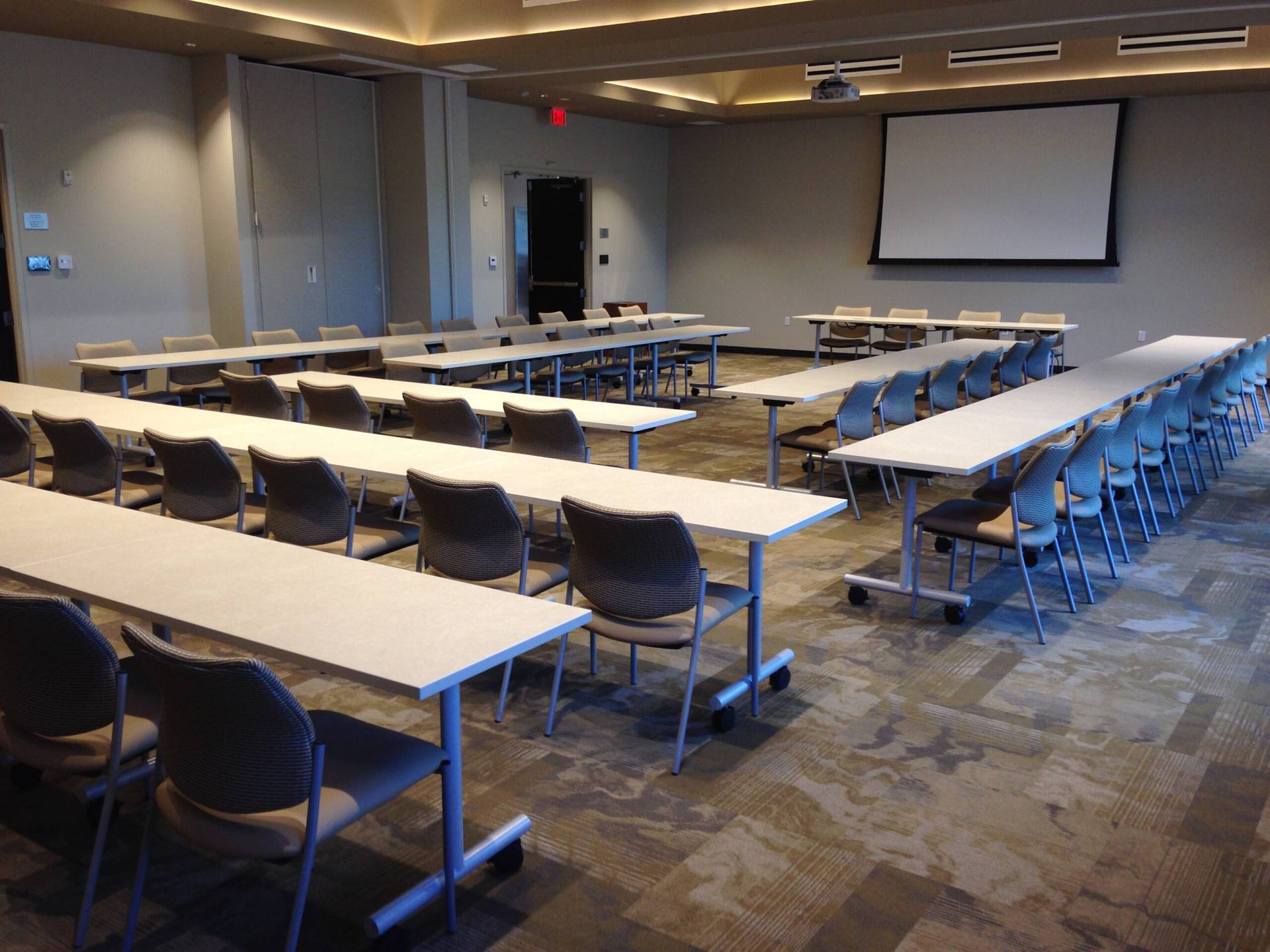
Venue8600 is in Scottsdale, Arizona. It is a modern, sophisticated space for corporate events, with rooms from a single conference room to spacious lounges, plus integrated audiovisual technology, 29 flexible room combinations, an outdoor terrace, a pre-function area, and a café/lounge.
A venue with outdoor grounds and landmarks
A venue with outdoor grounds and landmarks gives teams real material to work with, which is why the time capsule riddle, the abstract art interpretation, the landmark geometry, the nature taxonomy challenge, the historical marker decode, the street art replication, and the sound mapping task all fit so naturally. Paths, textures, signs, shapes, plants, and ambient noise turn each clue into something people can observe, sketch, measure, and decode on the spot.
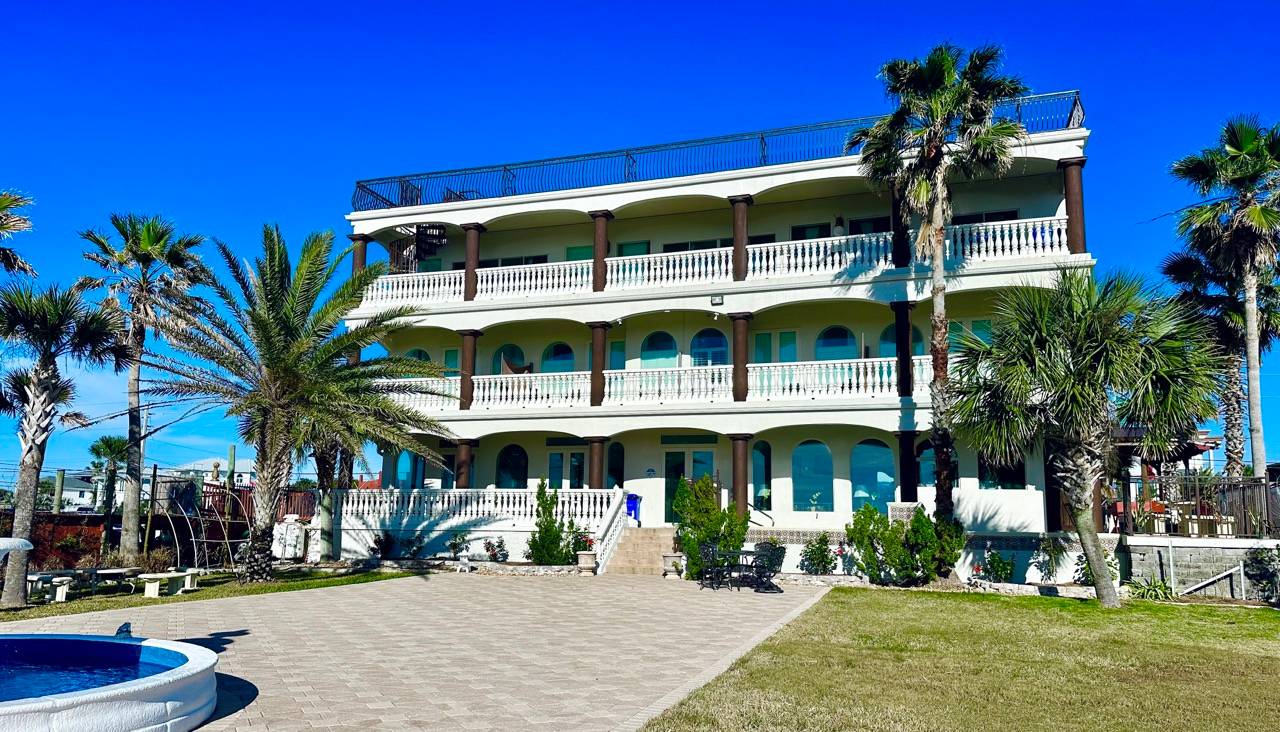
Bliss By The Sea is in St. Augustine, Florida. It sits in a picturesque coastal setting near notable attractions, with nearby landmarks that reflect the area's cultural heritage and natural surroundings.
A venue with public spaces and walls
A venue with public spaces and walls suits these clues because the hunt can move from open sightlines to close-up details without losing momentum. The abstract art interpretation, the public transit anagram, the historical marker decode, the street art replication, the window reflection cipher, the emoji codebreaker, and the digital mime challenge all work well where people can read, compare, and copy visual cues in shared spaces.
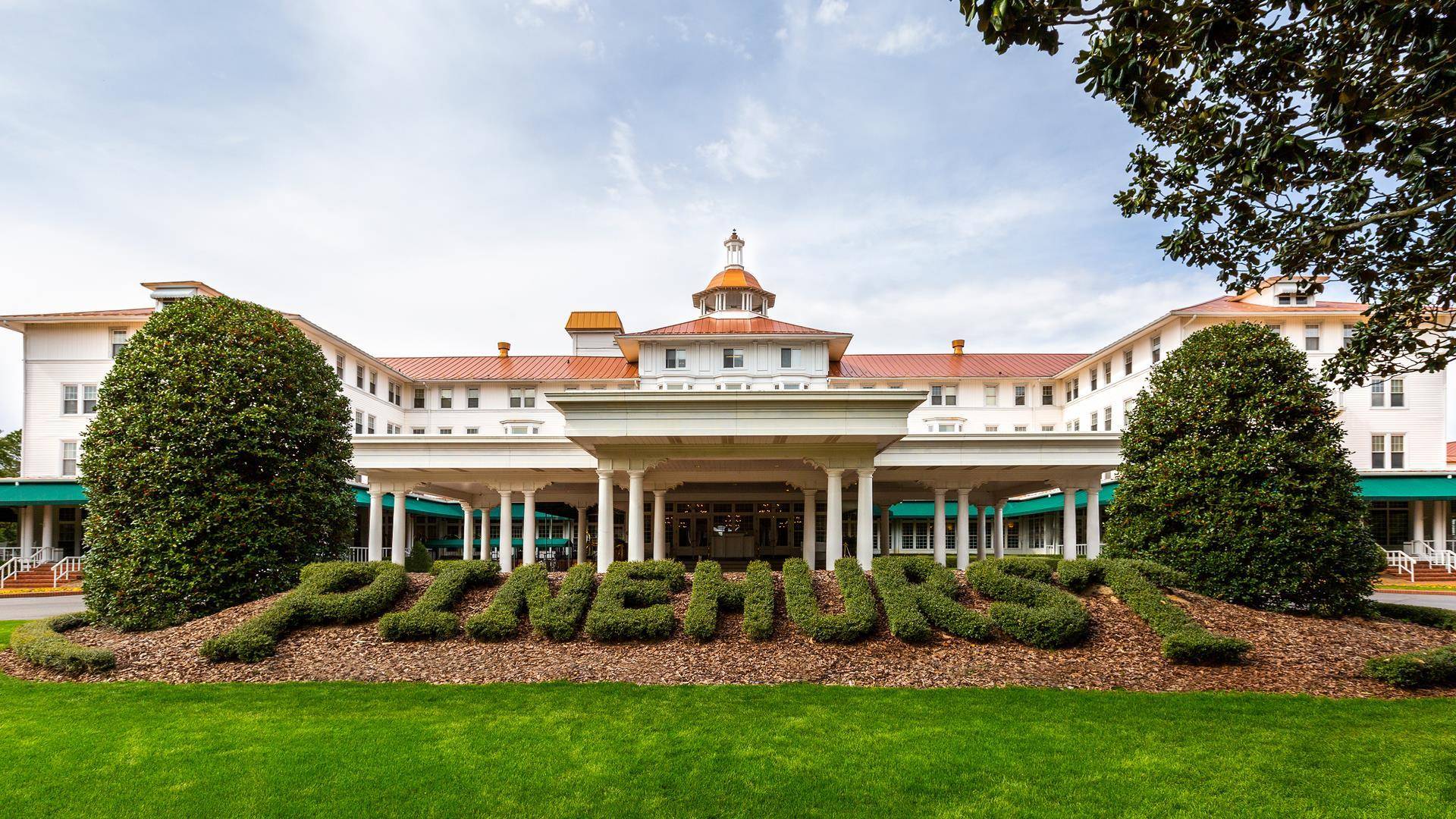
Pinehurst Resort is in Pinehurst, North Carolina, among the Sandhills. It is a resort with a charming New England-style Village, historic hotels, and a setting shaped by southern hospitality.
Frequently asked questions
What makes a good scavenger hunt clue?
A good scavenger hunt clue makes people think together, not just race around. The strongest clues mix observation, wordplay, and teamwork, and they fit the setting, whether that is an office, a park, or a remote setup.
How do I choose the right clues?
Start with the outcome you want, then choose clues that support it. Use physical, outdoor, and digital clues to fit where your group actually is, and keep the balance between observation, wordplay, and teamwork.
How do I run a scavenger hunt well?
Test every route before the event so broken links, unclear wording, or closed doors do not derail the game. Keep the difficulty curve steady, and measure success by communication, delegation, and how teams work together during the hunt.
How many people should be in each team?
It depends on the format, and the right group size is already built into each type of hunt. An Indoor Office Hunt works for 5-30 people, an Outdoor Urban Hunt for 10-50 people, a Virtual Scavenger Hunt for 8-100+ people, a Hybrid Photo Hunt for 15-60 people, a Riddle-Based Hunt for 6-25 people, and a Treasure Hunt Adventure for 20-80 people.
Can scavenger hunts work for remote teams?
Yes. A Virtual Scavenger Hunt works for 8-100+ people and is designed for remote groups on a video call platform. It is low to medium difficulty, inclusive, and lasts 45 minutes: 1.5 hours.
Can I use scavenger hunts for hybrid teams?
Yes. A Hybrid Photo Hunt works well for hybrid groups because it combines creativity with problem-solving in a campus, resort, or large venue setting. It fits 15-60 people, with medium difficulty and a 2-3 hour duration.